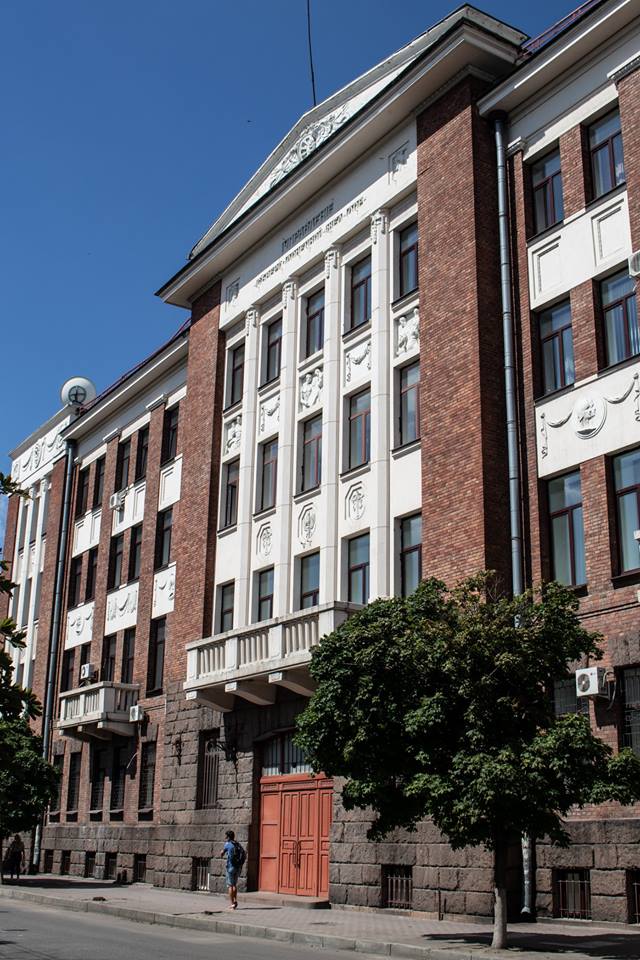
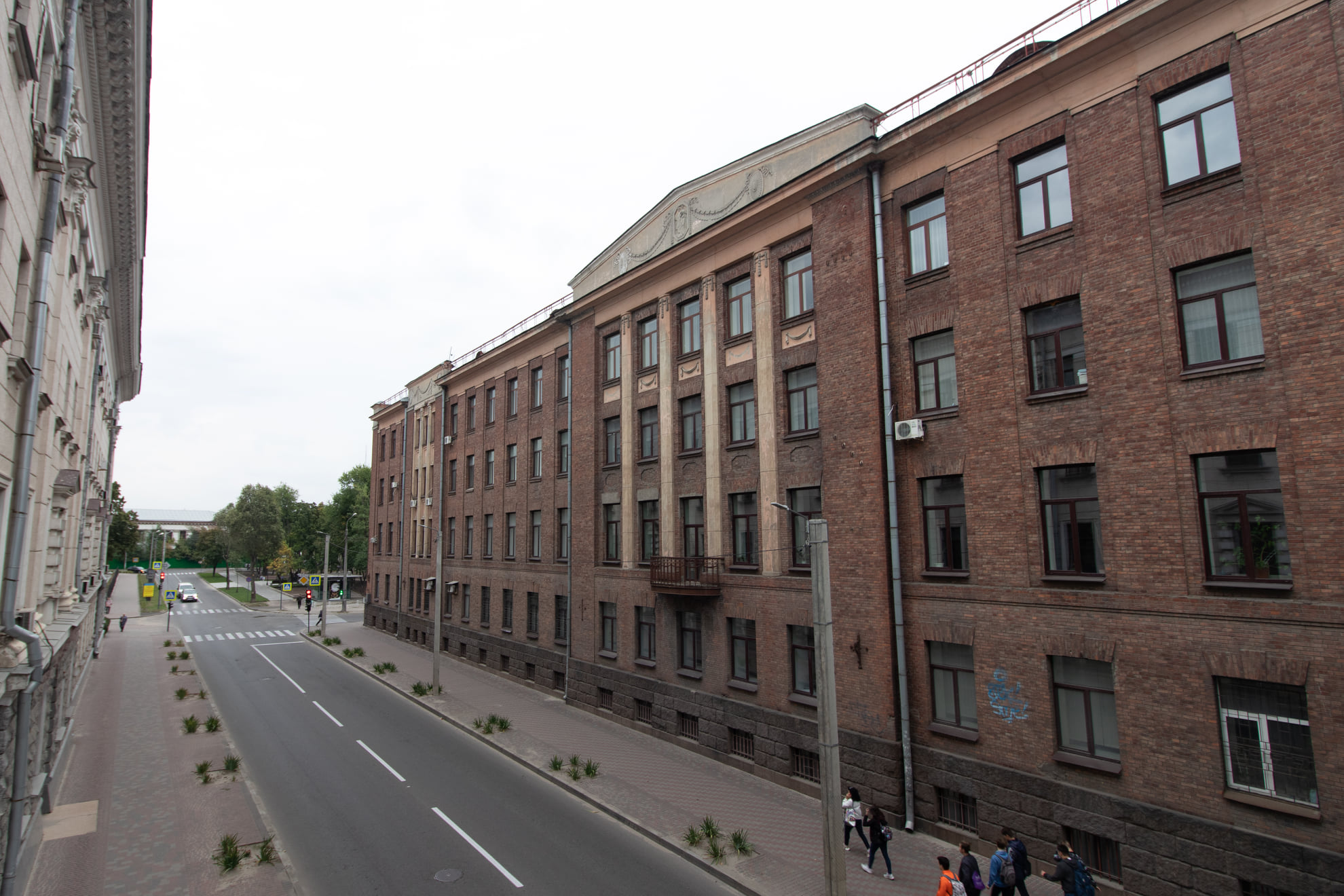
The North Donetsk Railway Administration Building was constructed between 1910 and 1912 based on a design by architects S. Tymoshenko, P. Shirshev, and P. Sokolov. This Art Nouveau landmark is located at Oboronnyi Val Square, 7 (formerly Feuerbach Square).
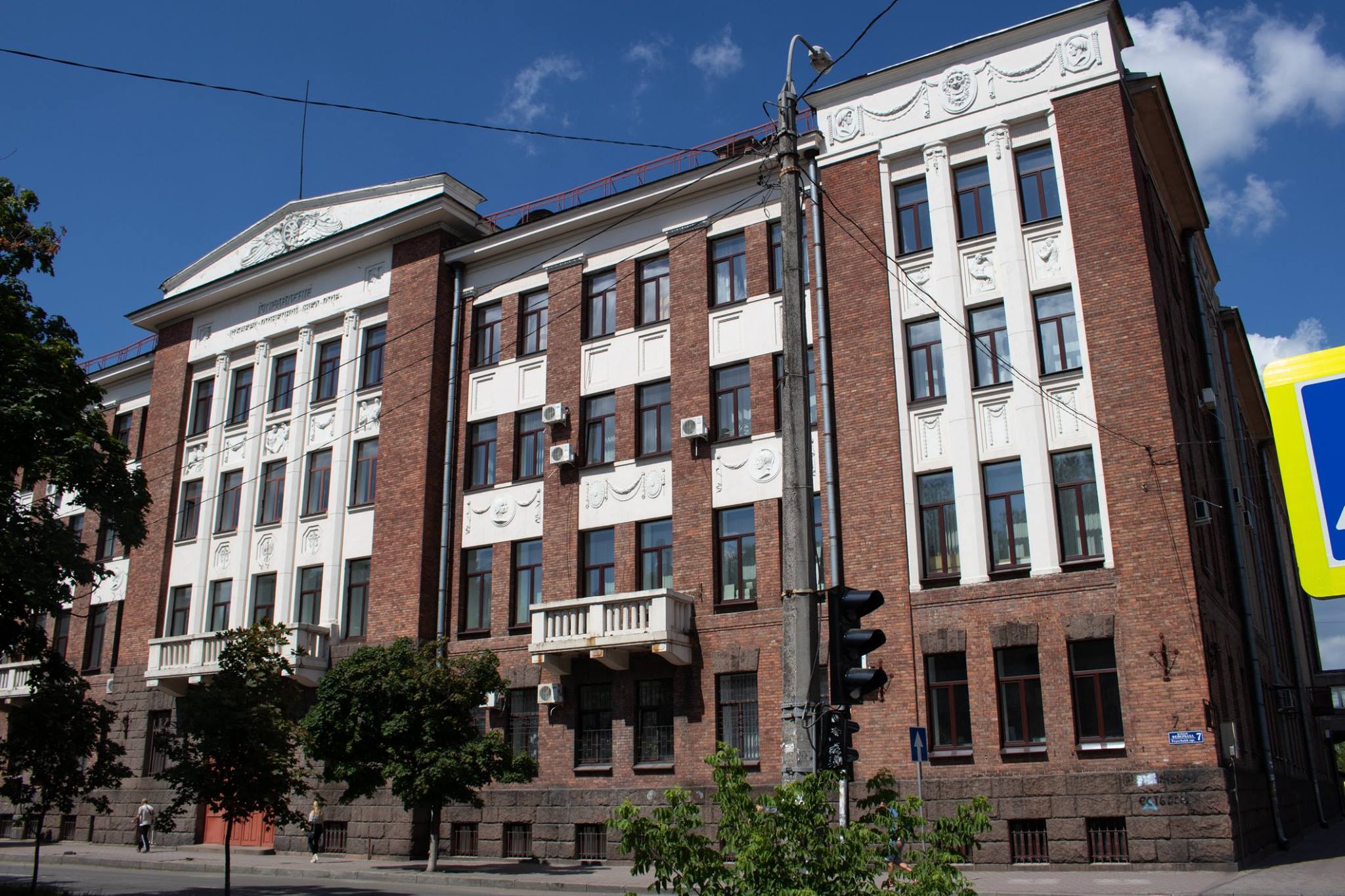
Sometimes it’s extremely difficult for people today to understand the practical purpose of certain antique items. As eras come and go and lifestyles change, old objects become enigmatic artifacts that leave us scratching our heads.
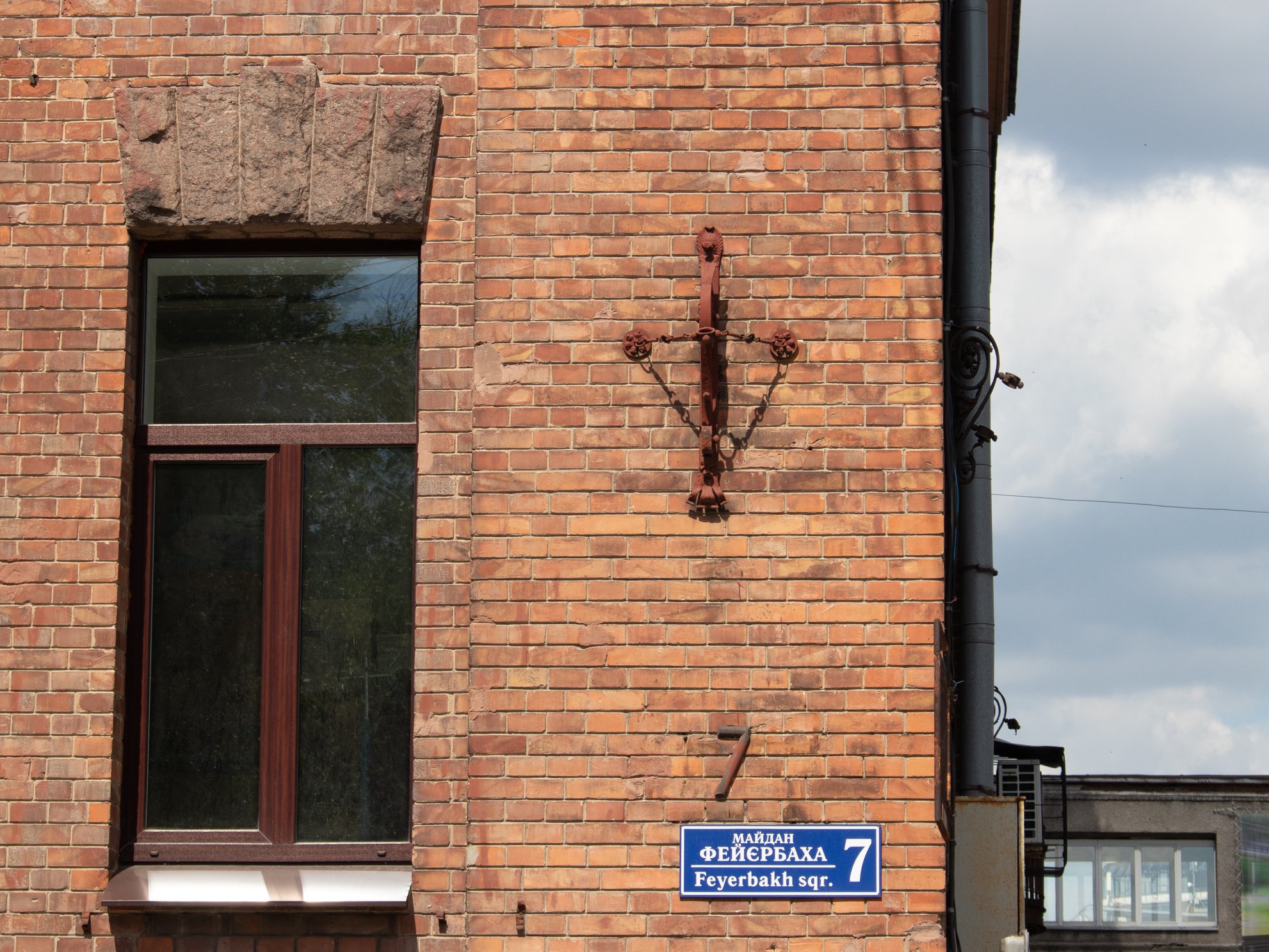
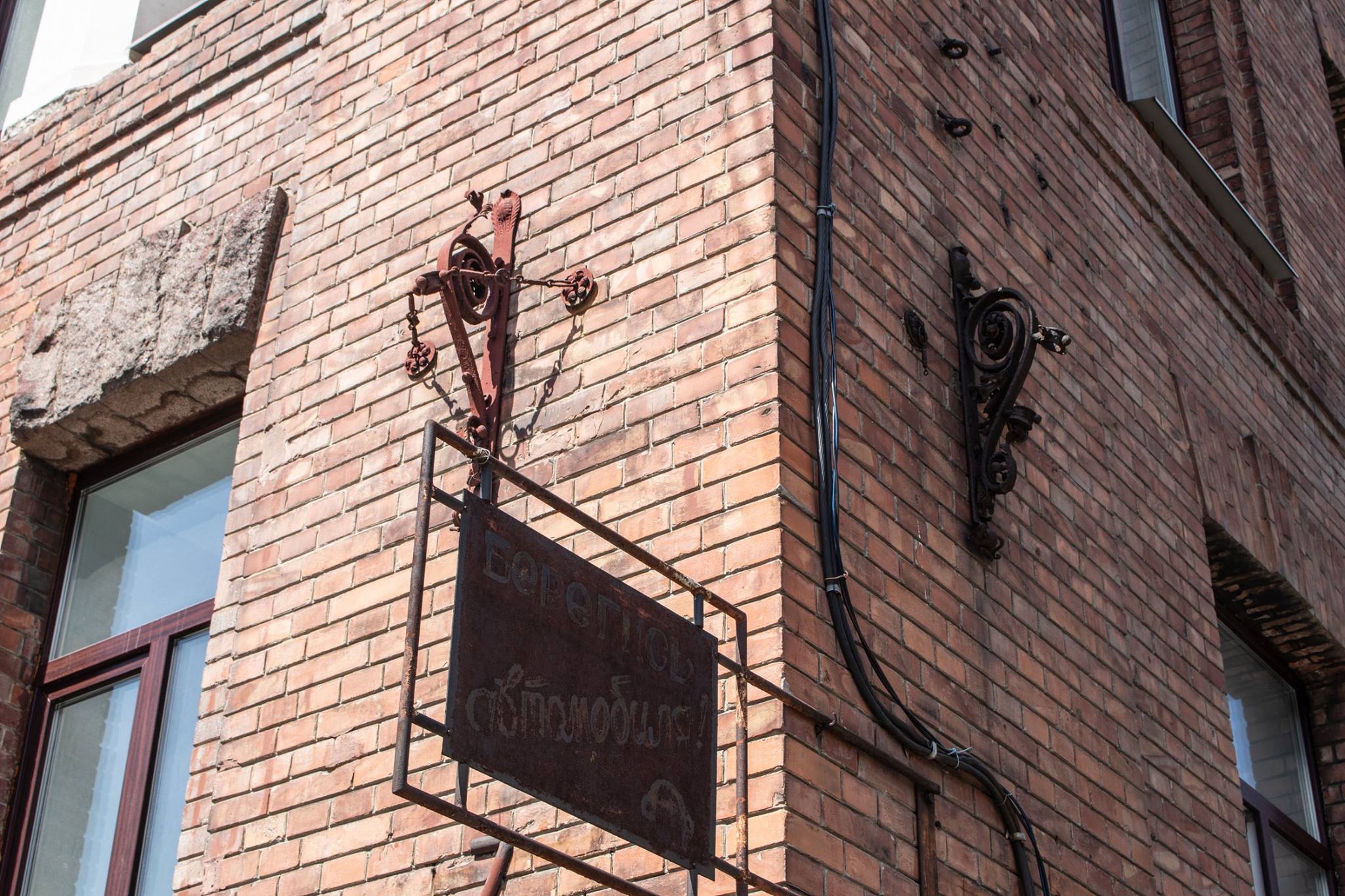
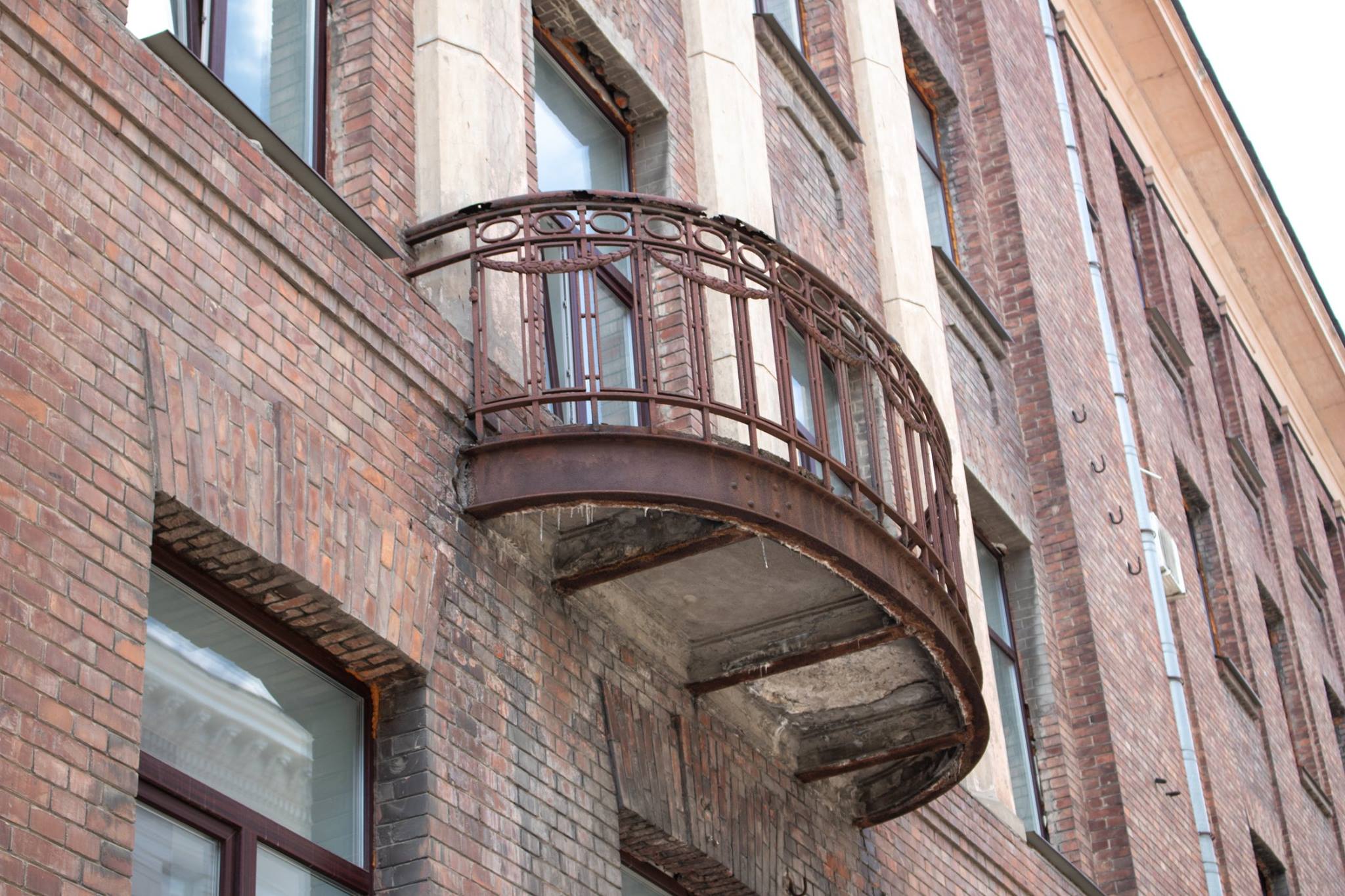
For example, it’s hard to figure out why there are those decorative brackets on the corners and walls of this building. What used to be attached there? Streetlights? A telephone line? Are they flagpoles? There have also been theories about mountings for a tram network, but judging by old maps, a tram never ran down this alley.
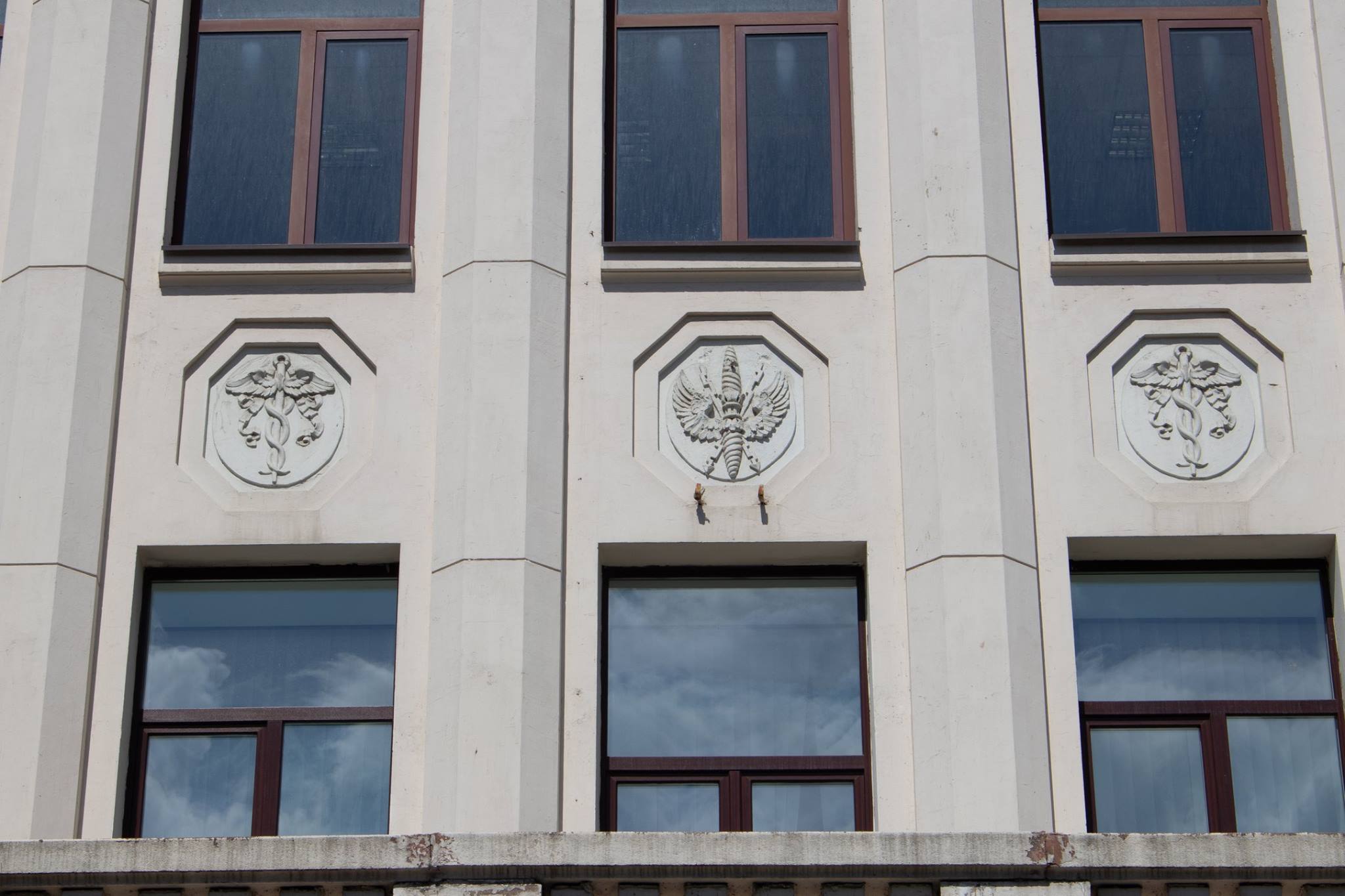
It’s also worth mentioning the North Donetsk Railway, whose name—written in pre-1918 spelling—can be seen on the facade.

The North Donetsk Railway Company was founded in 1908 by industrialist F. Yenakiev and S. Khruliev, chairman of the board of the St. Petersburg International Commercial Bank.
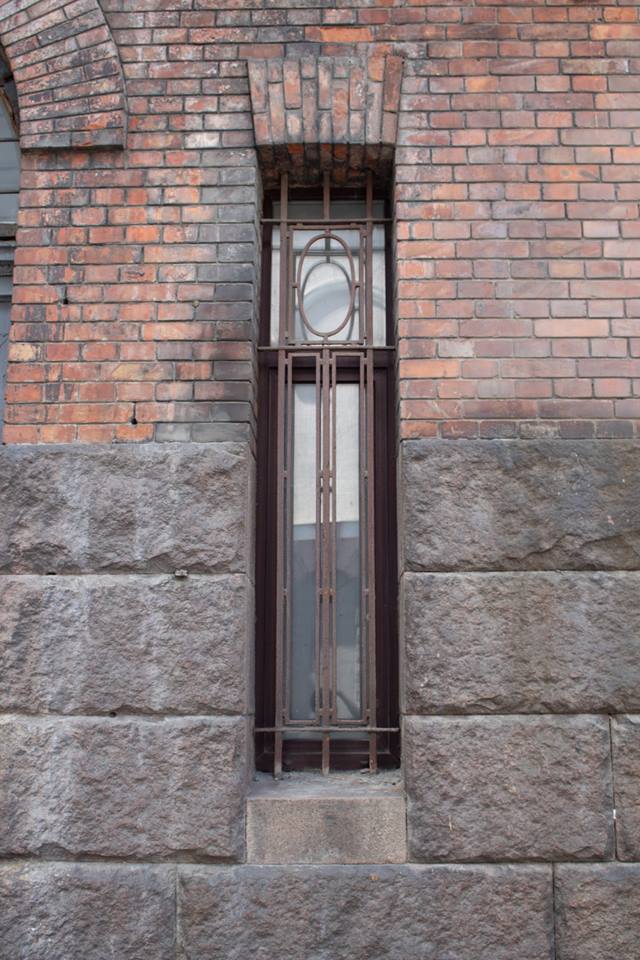
The railway was built primarily to connect the mining and industrial enterprises of the Donbas with the rest of the Russian Empire.
By 1913, the Lgov–Kharkiv–Rodakovo–Likhaya line had been completed, running from Kursk Governorate to the Don Military District through Sloboda Ukraine and Donbas.
Contrary to popular belief, this railway line was not originally taken over by the Southern Railway in the 1900s, nor did it move to a new building on Privokzalnaya Square in 1914.

With the establishment of Soviets, the North Donetsk Railway was reorganized into the Donetsk Railways, and it was not until 1931 that it became part of the Southern Railways.
In 1937, the North Donetsk Railways were reestablished again, but in 1953 they were dissolved and merged into the Donetsk Railway…
The former headquarters of the North Donetsk Railways now belongs to the Ukrainian State University of Railway Transport.
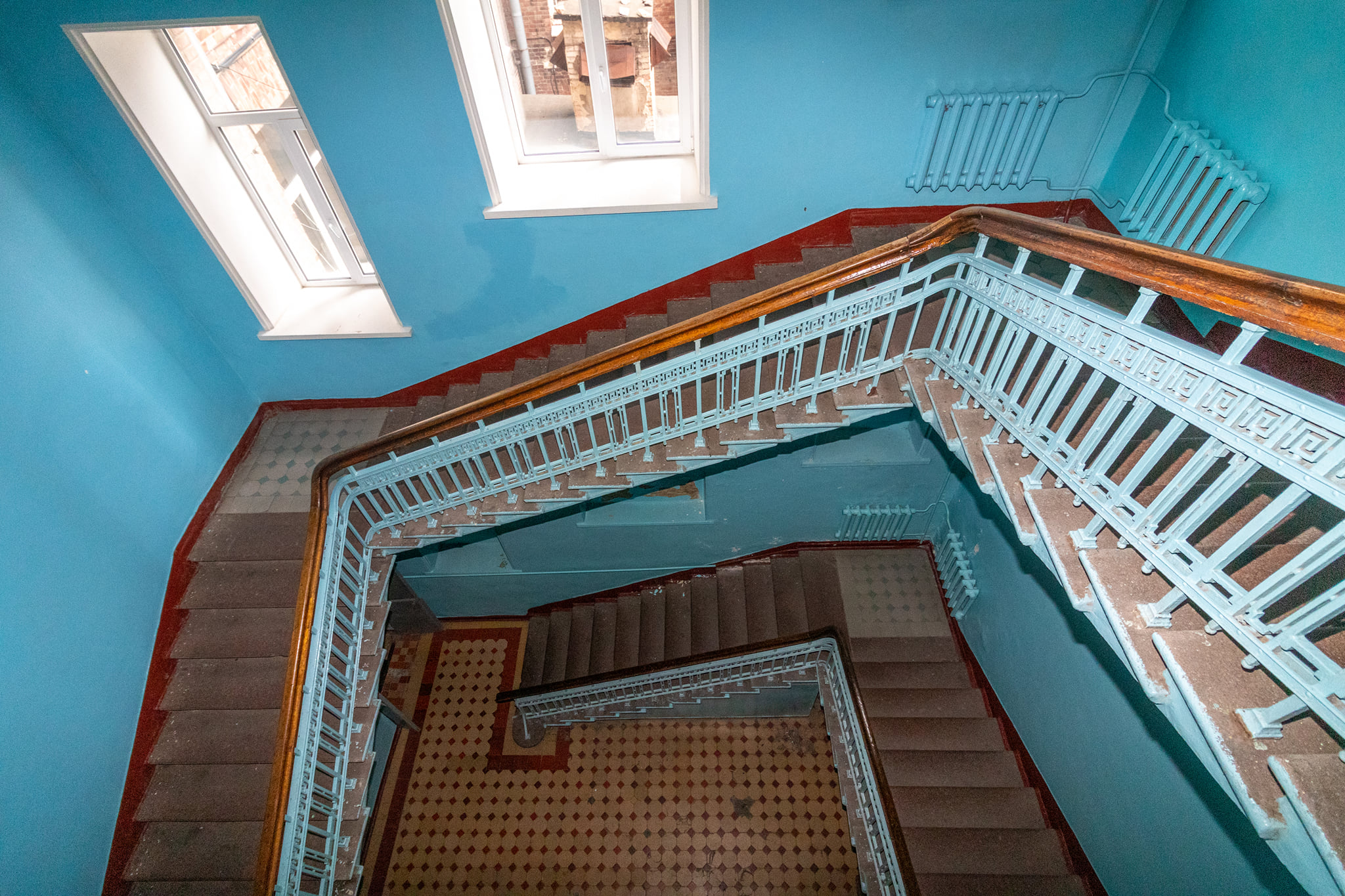
The interiors have been preserved in many places
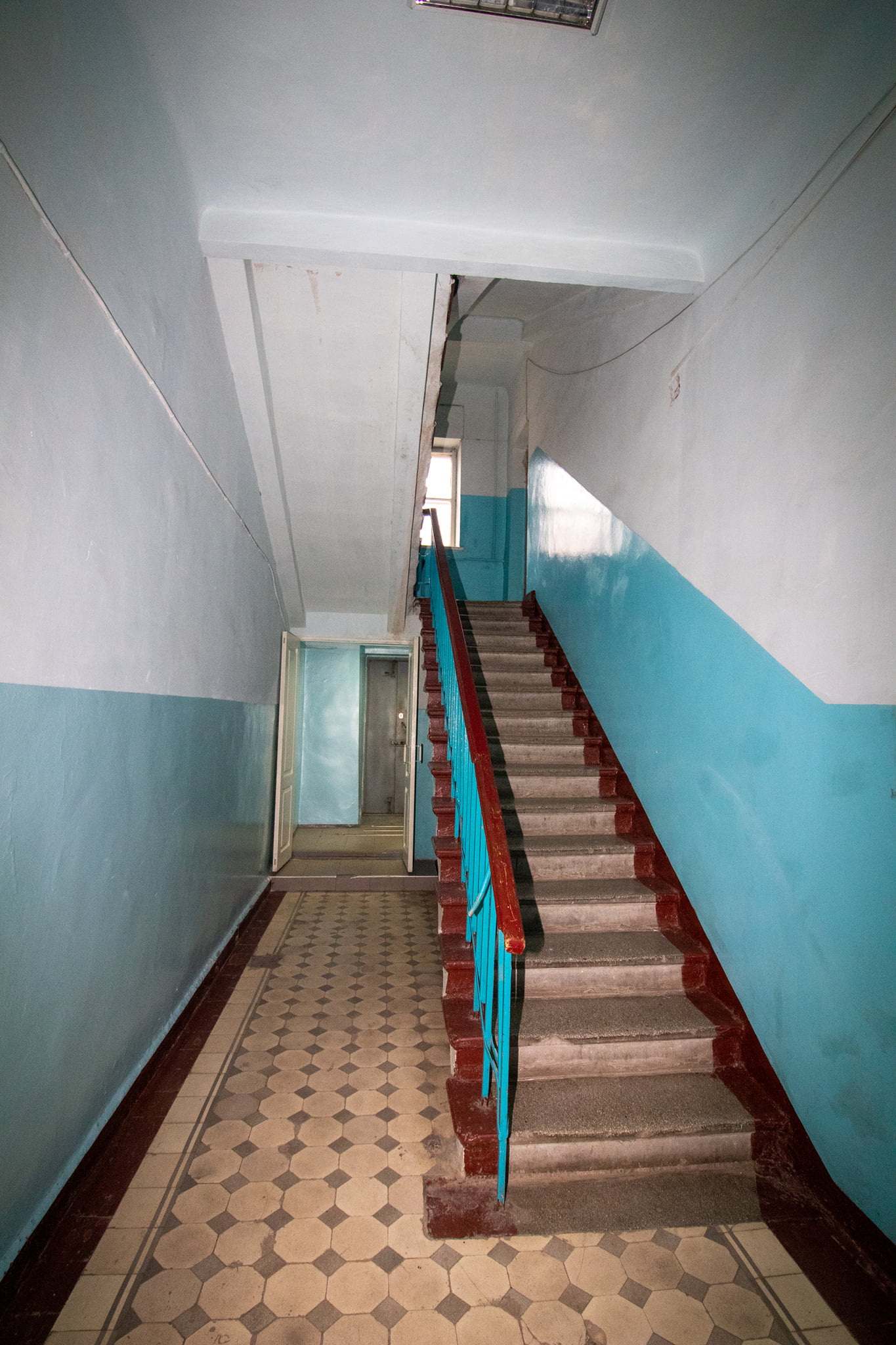
This is especially true for staircases.
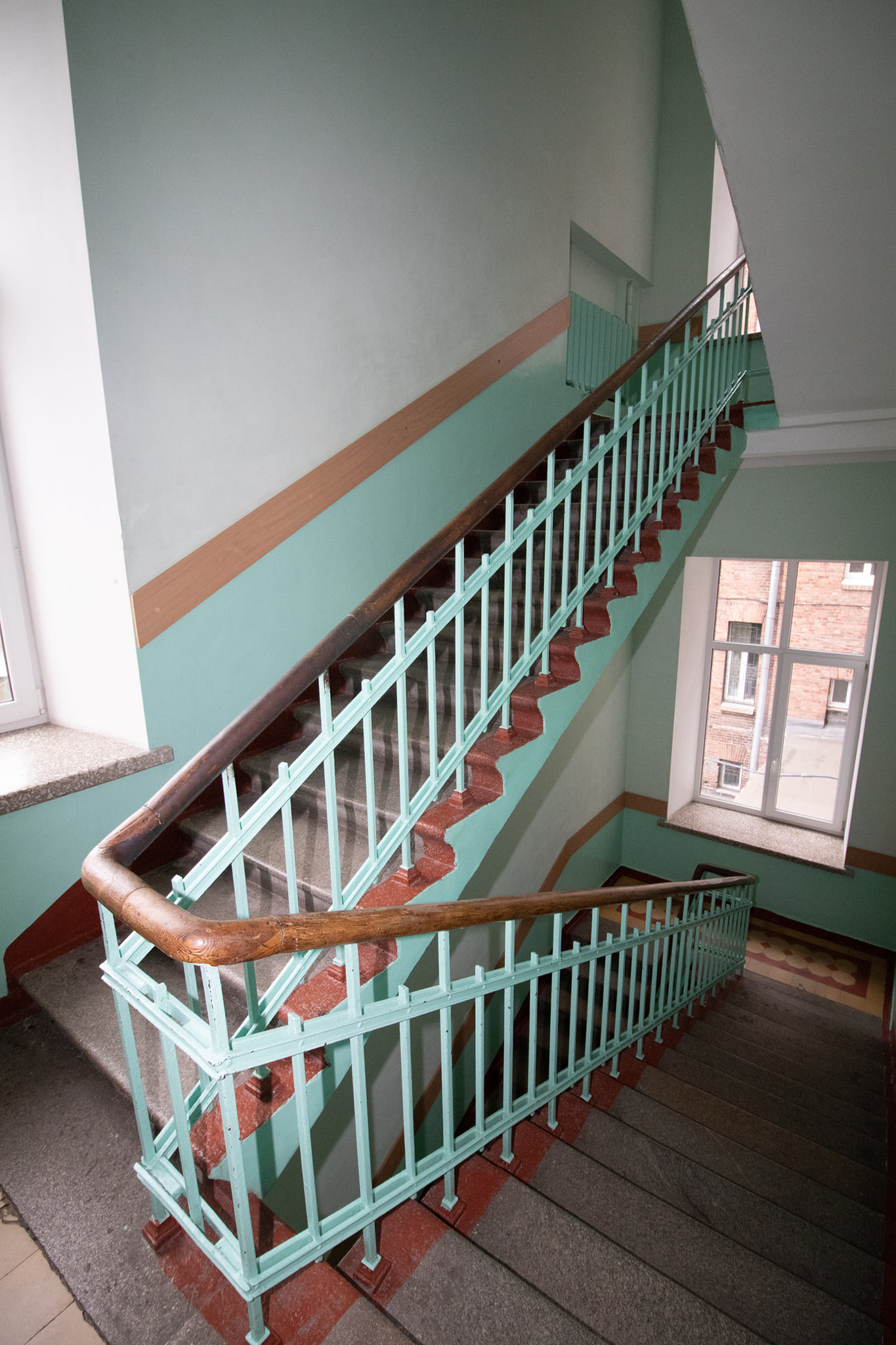
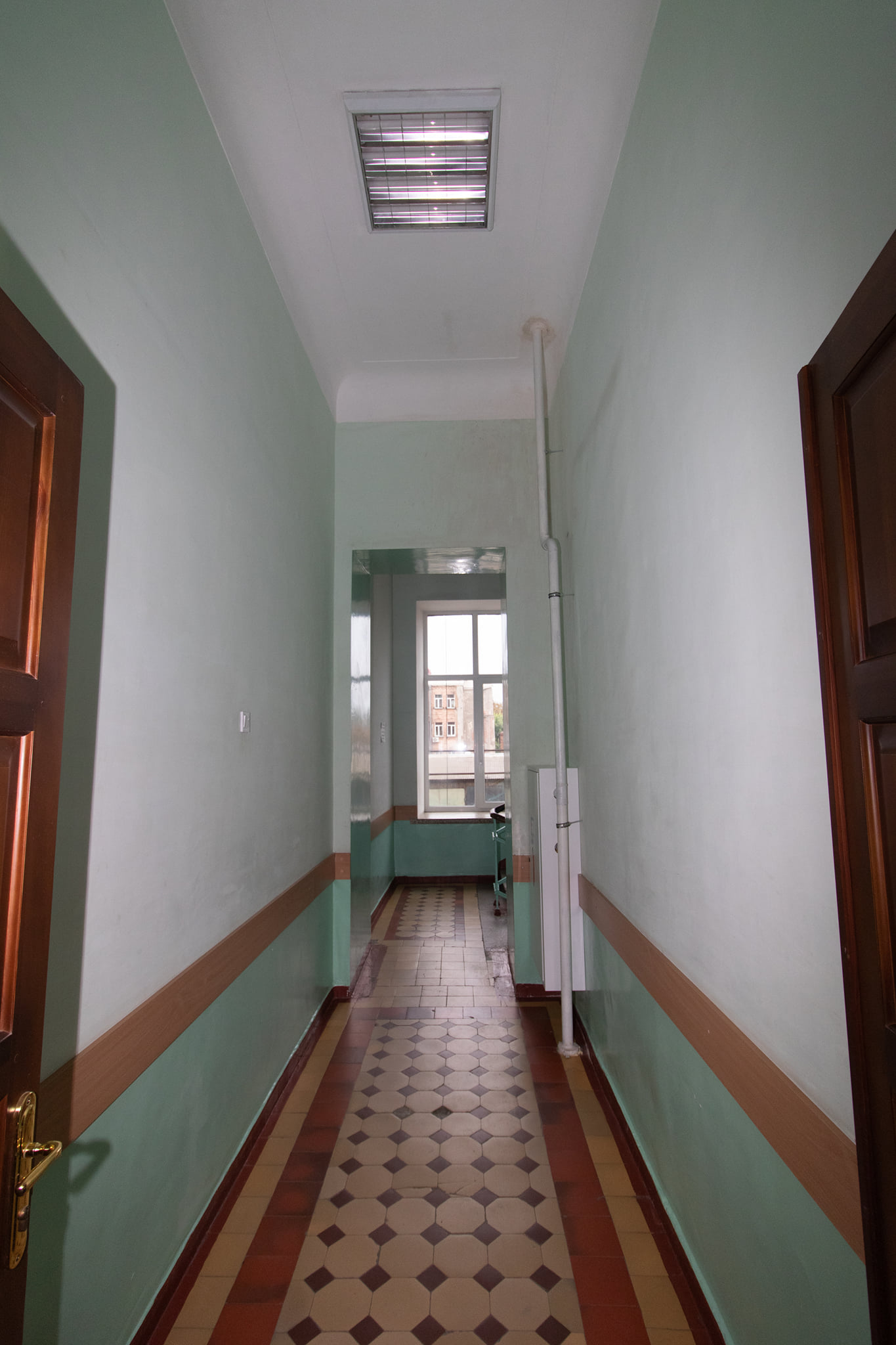
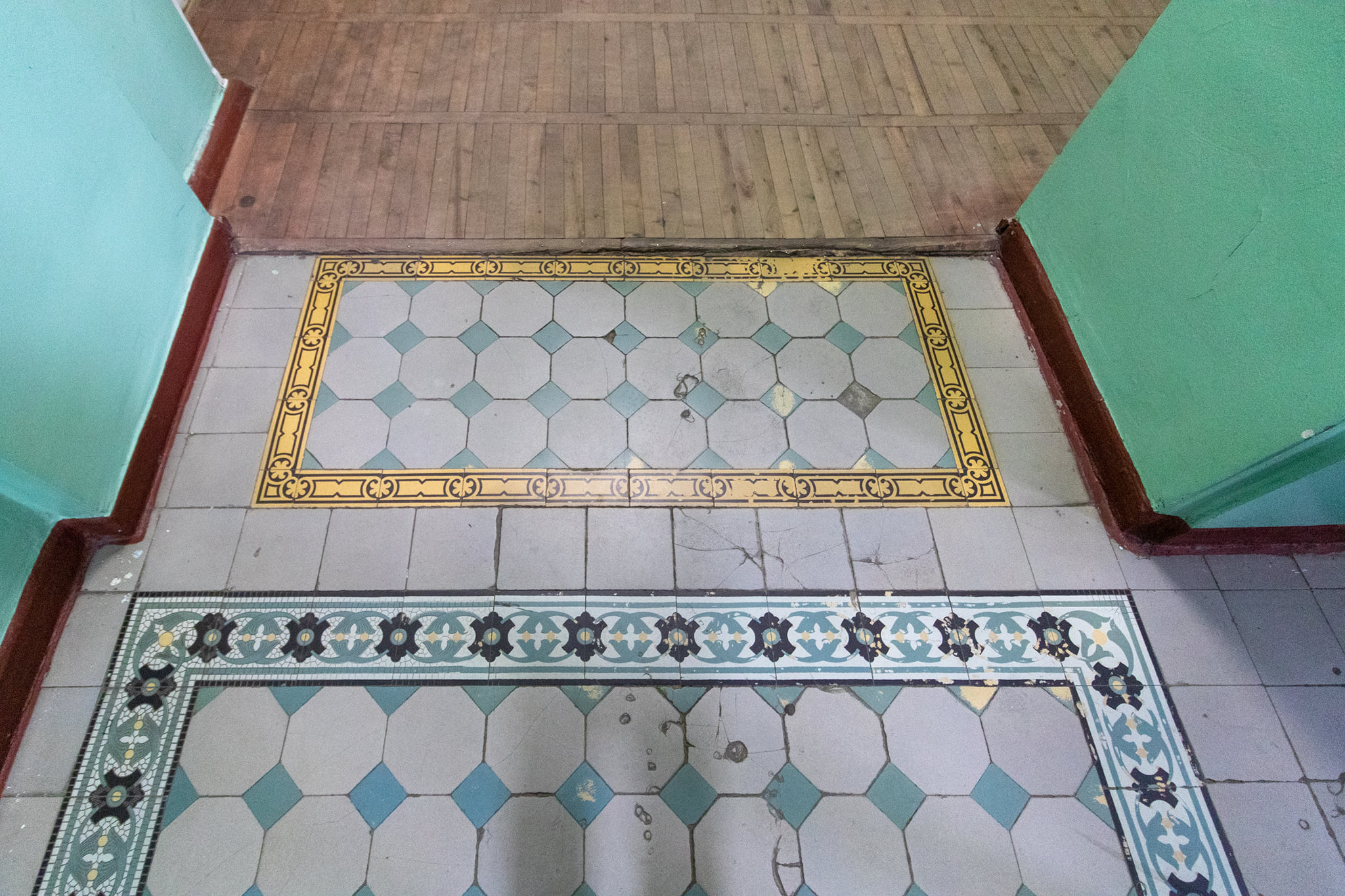
You can also find Mettlach tiles in the hallways (most likely from the Bergenheim factory or the Dzevulsky and Lange factory)
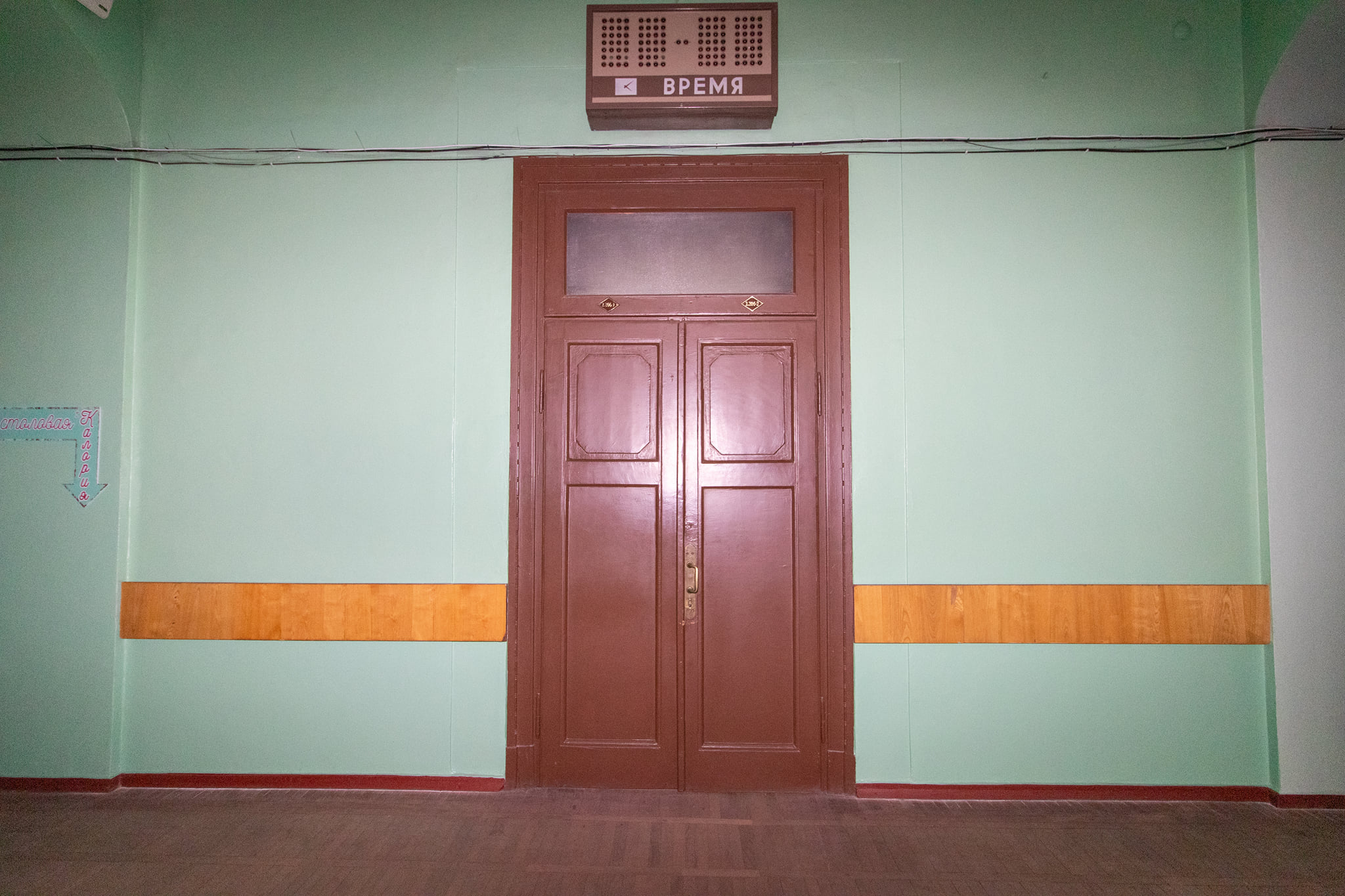
Some doors with their hardware have also lasted for many decades.
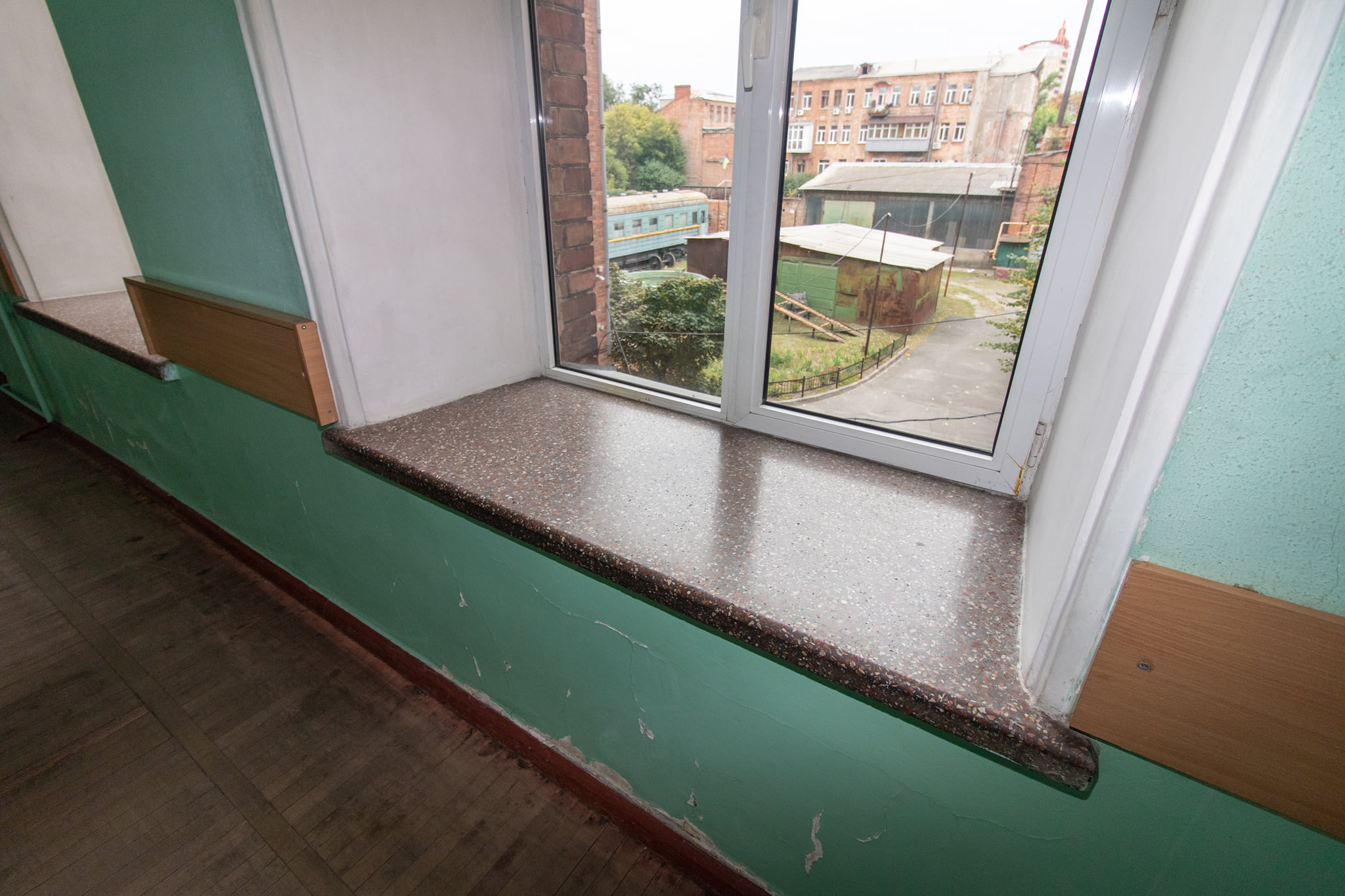
The same can be said about window sills.
A visual guide to the structure of a locomotive:
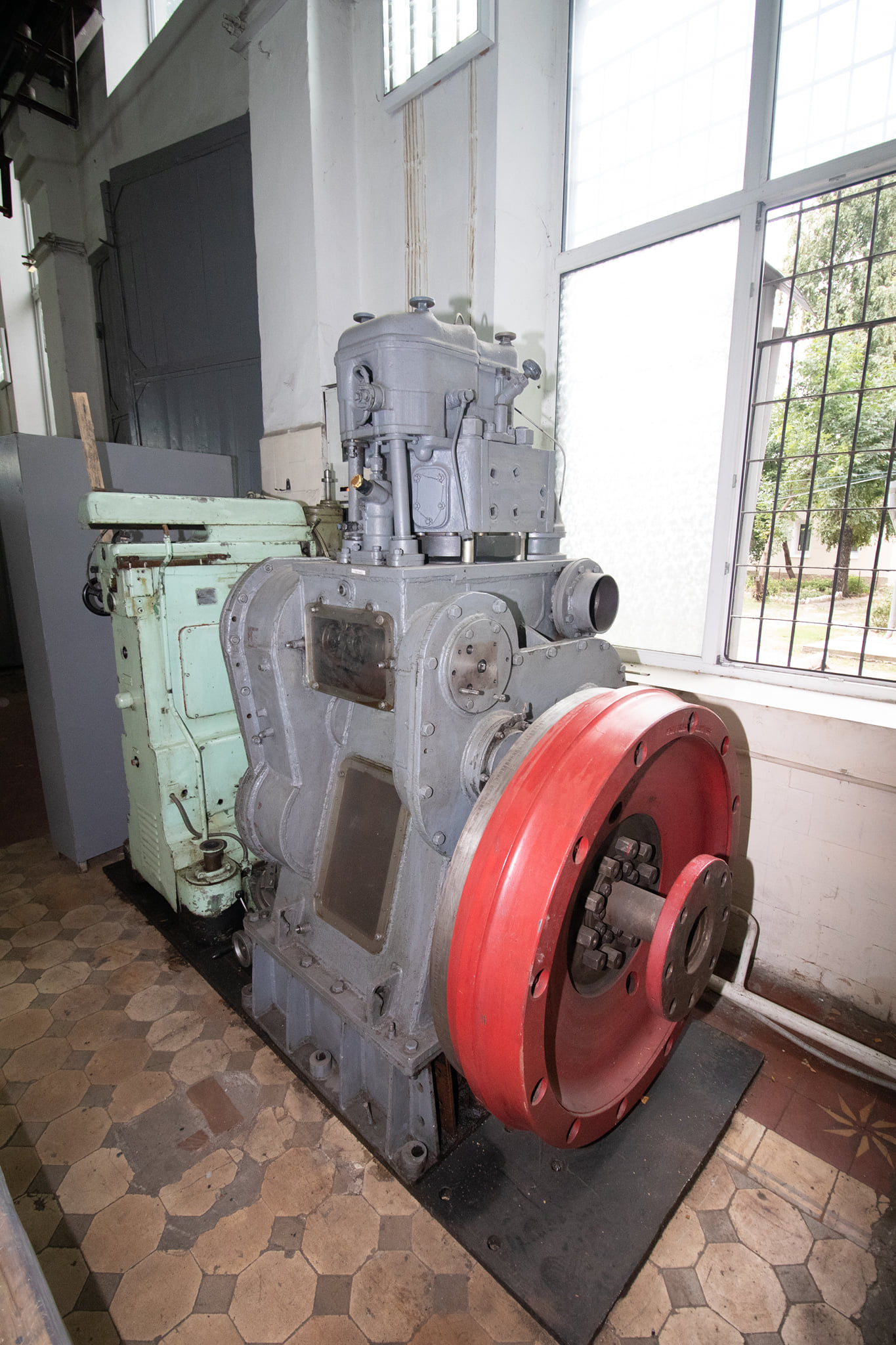
Few people know that a section of a TE3 diesel locomotive is “hidden” in one of the buildings at the Ukrainian State University of Railway Transport, and that a railroad car is parked in the courtyard.

- Danylevs’koho Street, 19 - 13.10.2026
- Debunking the myth about one of the most famous Kharkiv photos - 12.10.2026
- The Architectural Evolution of the Kharkiv Theater - 26.09.2026