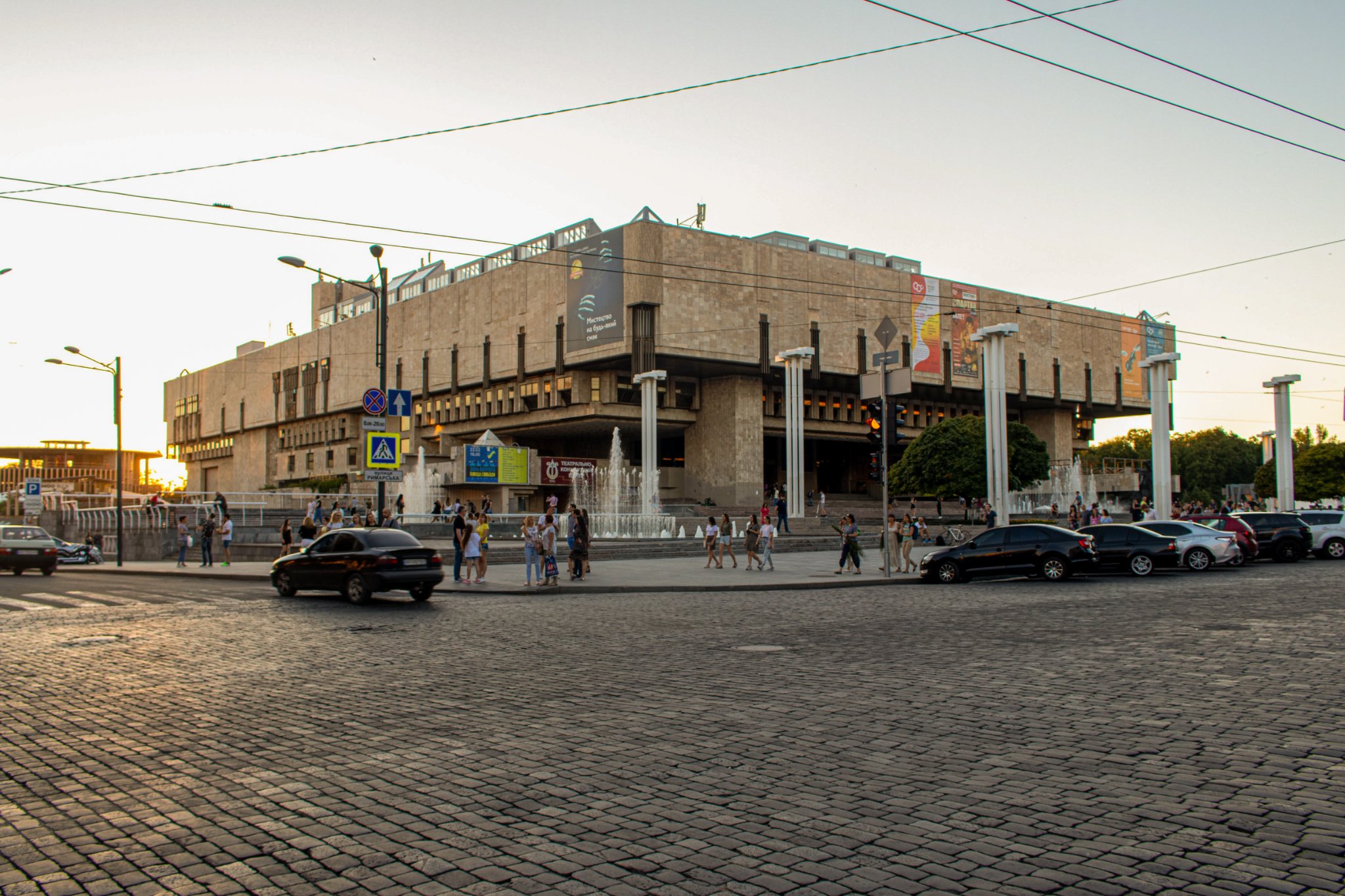
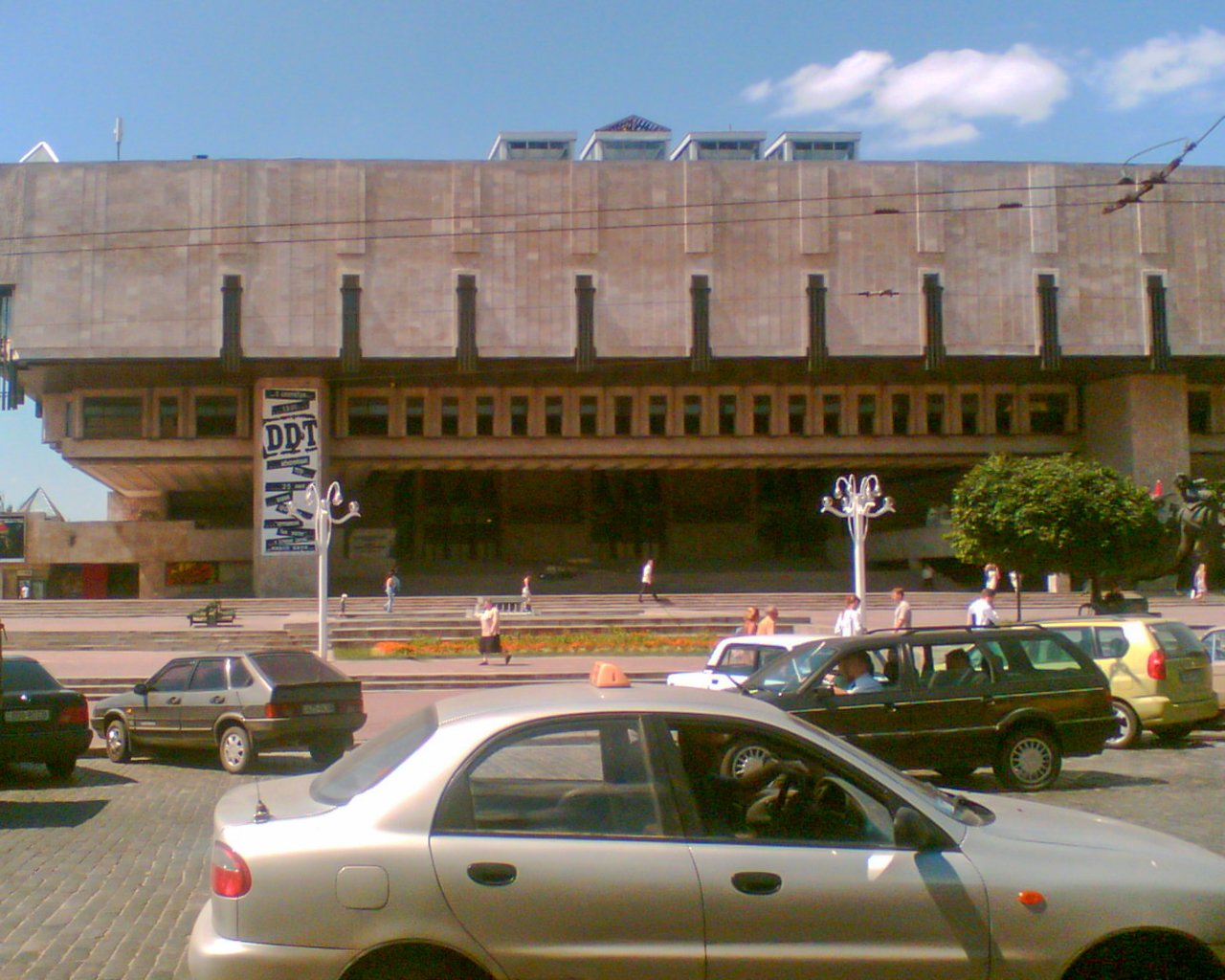
The building of the Kharkiv National Academic Lysenko Opera and Ballet Theatre (KHATOB) at Sumskaya Street, 25, is truly impressive. Construction took place from 1970 to 1991, and it was one of the most famous long-term construction projects in Kharkiv.
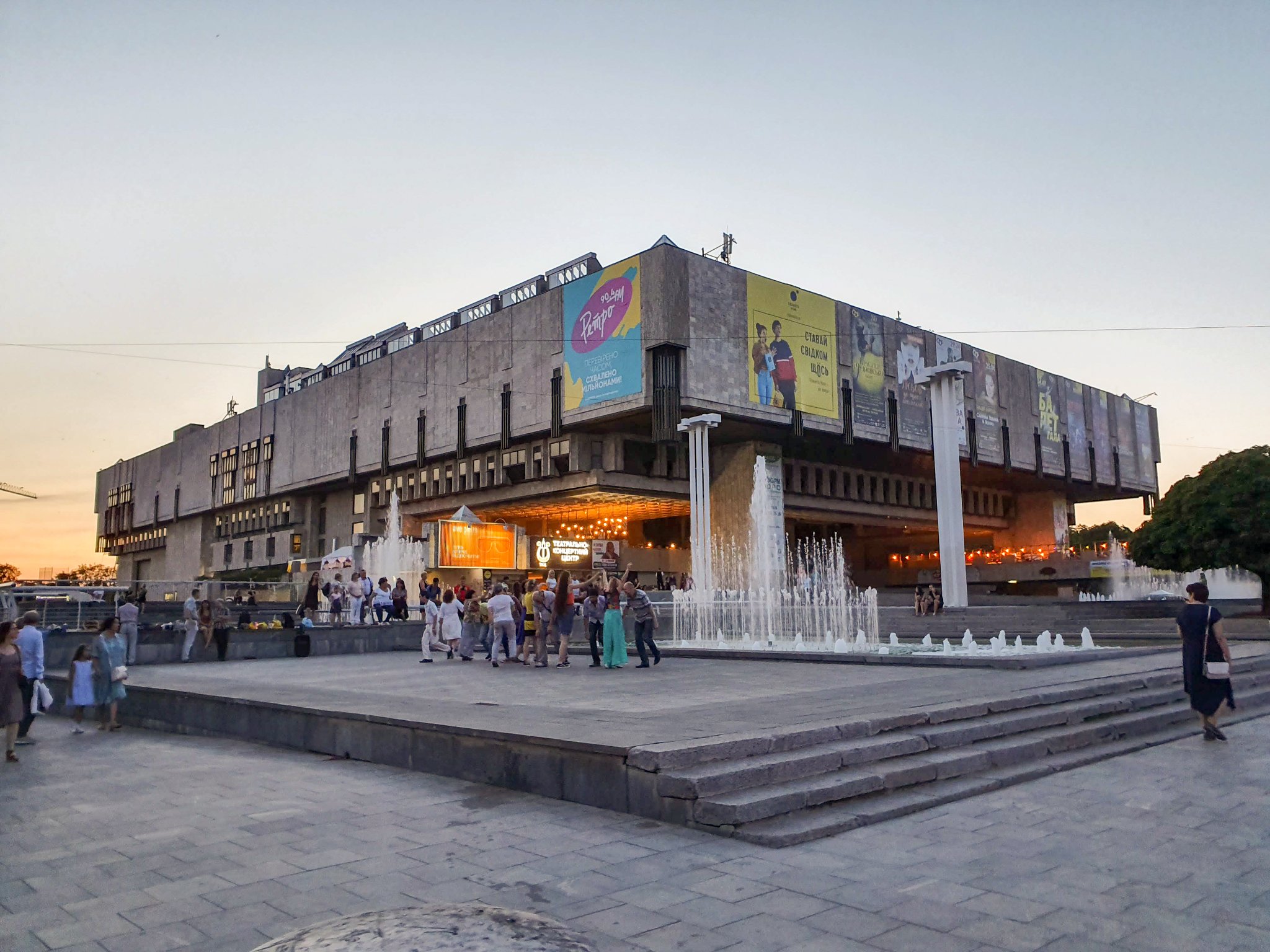
The amount of materials that allegedly “disappeared” during its construction became the talk of the town. If you look at photos taken during the construction of KHATOB, you can see that its structure relied on a wide variety of materials (steel trusses, cinder blocks, concrete, brick, etc.). All of this was finished with Artik tuff, a volcanic rock brought in from Armenia, which gives the building a Brutalist, monolithic concrete appearance.
Although this brutalist style merely mimics a massive concrete structure.
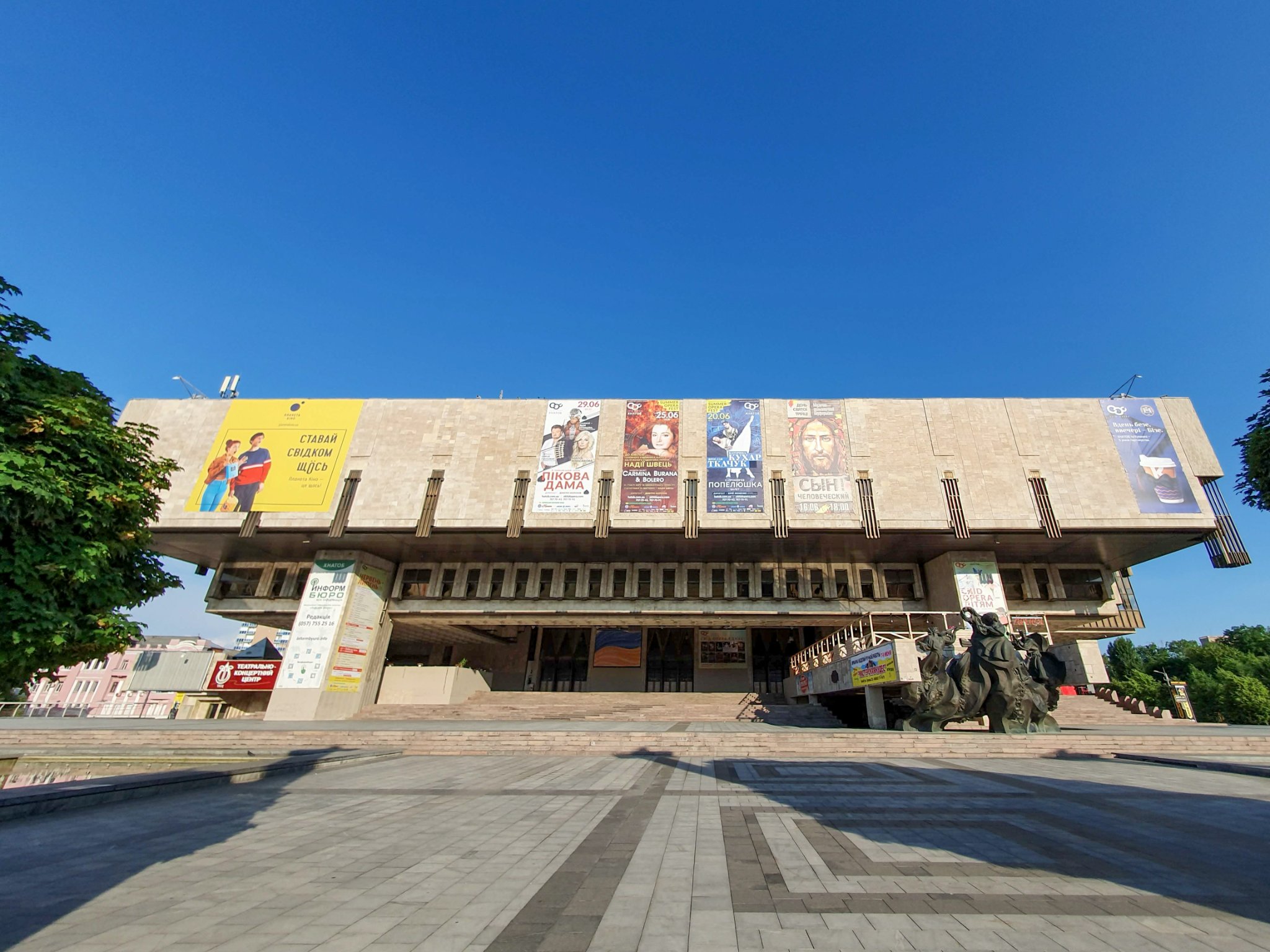
That said, there is some debate regarding the building’s stylistic classification—its form might suggest Brutalism, but its intriguing decor is reminiscent of Postmodernist architecture.
The main hall seats 1,500 people.
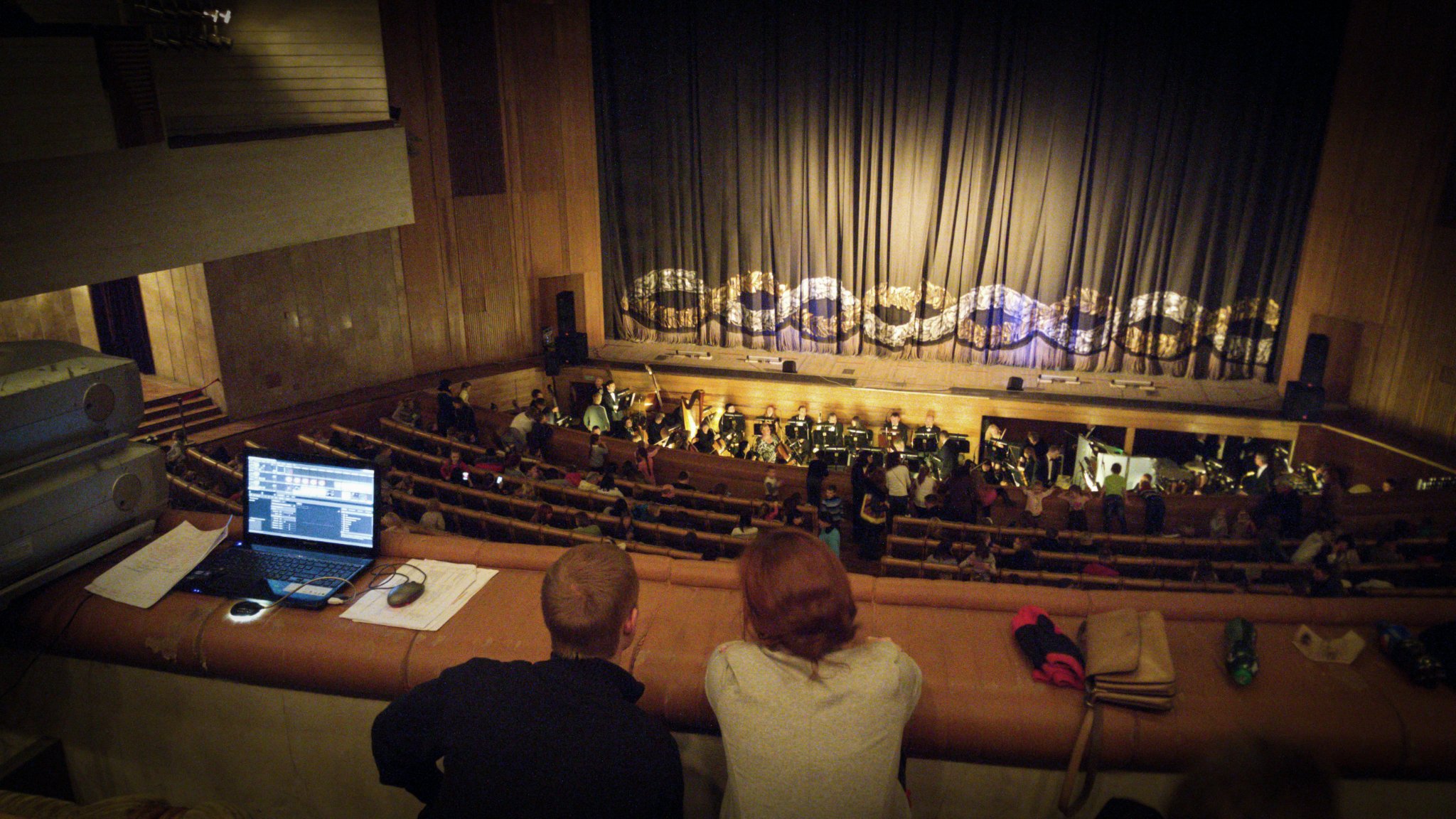
The main hall has two tiers of balconies.
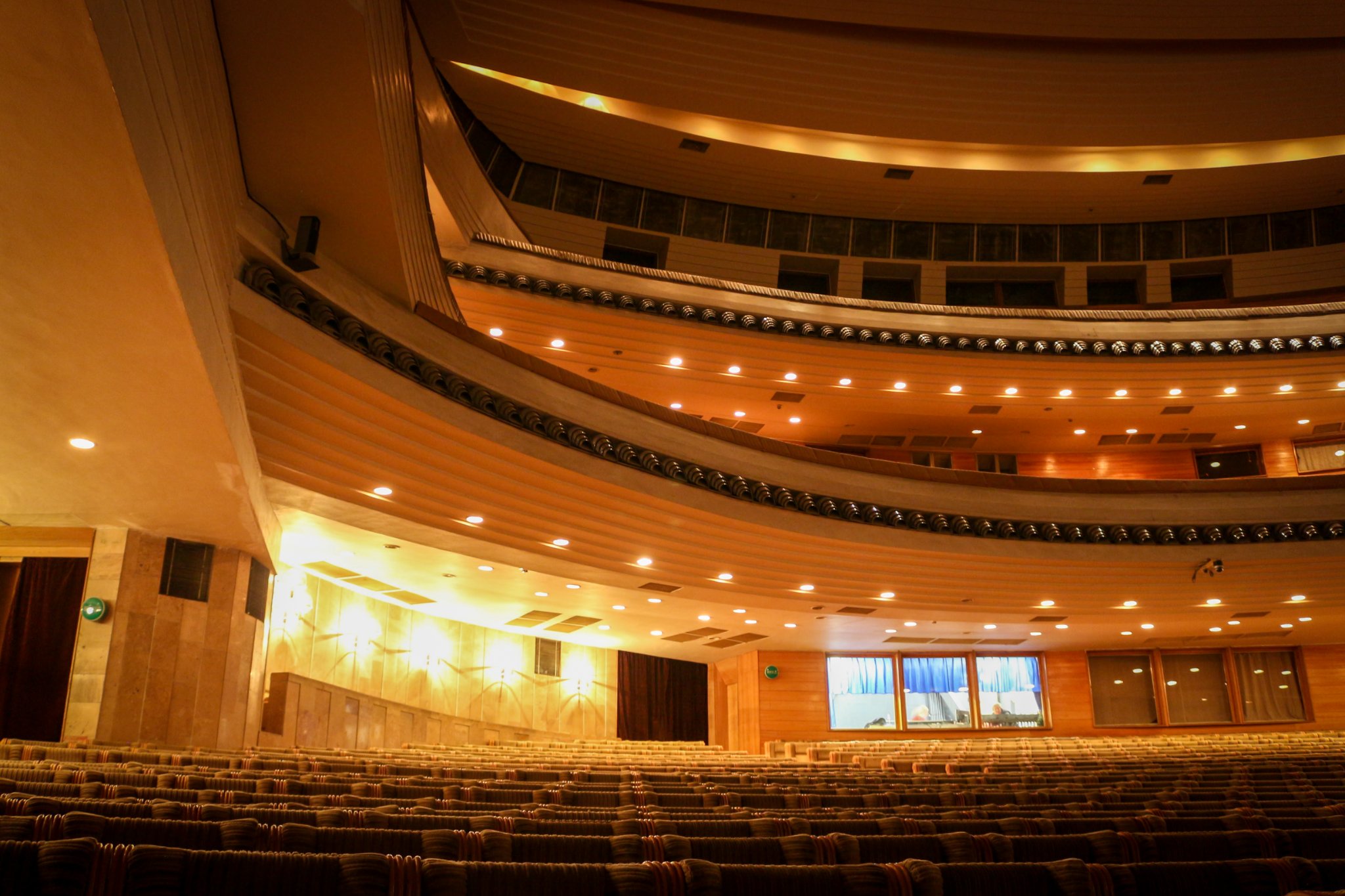
The small hall seats 400 people and hosts theatrical performances, although from 2000 to 2011 it housed the “Kinopalats” movie theater.
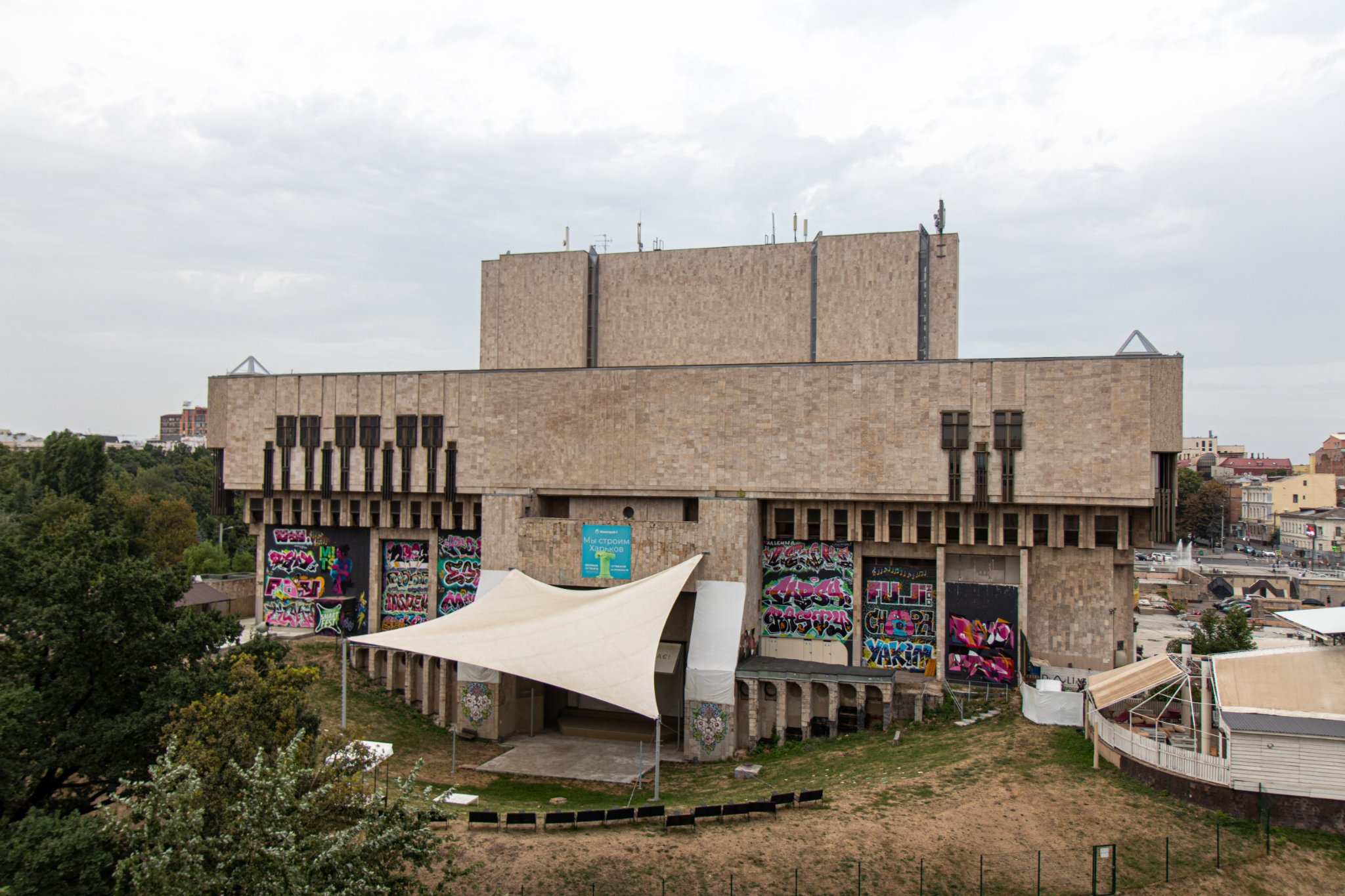
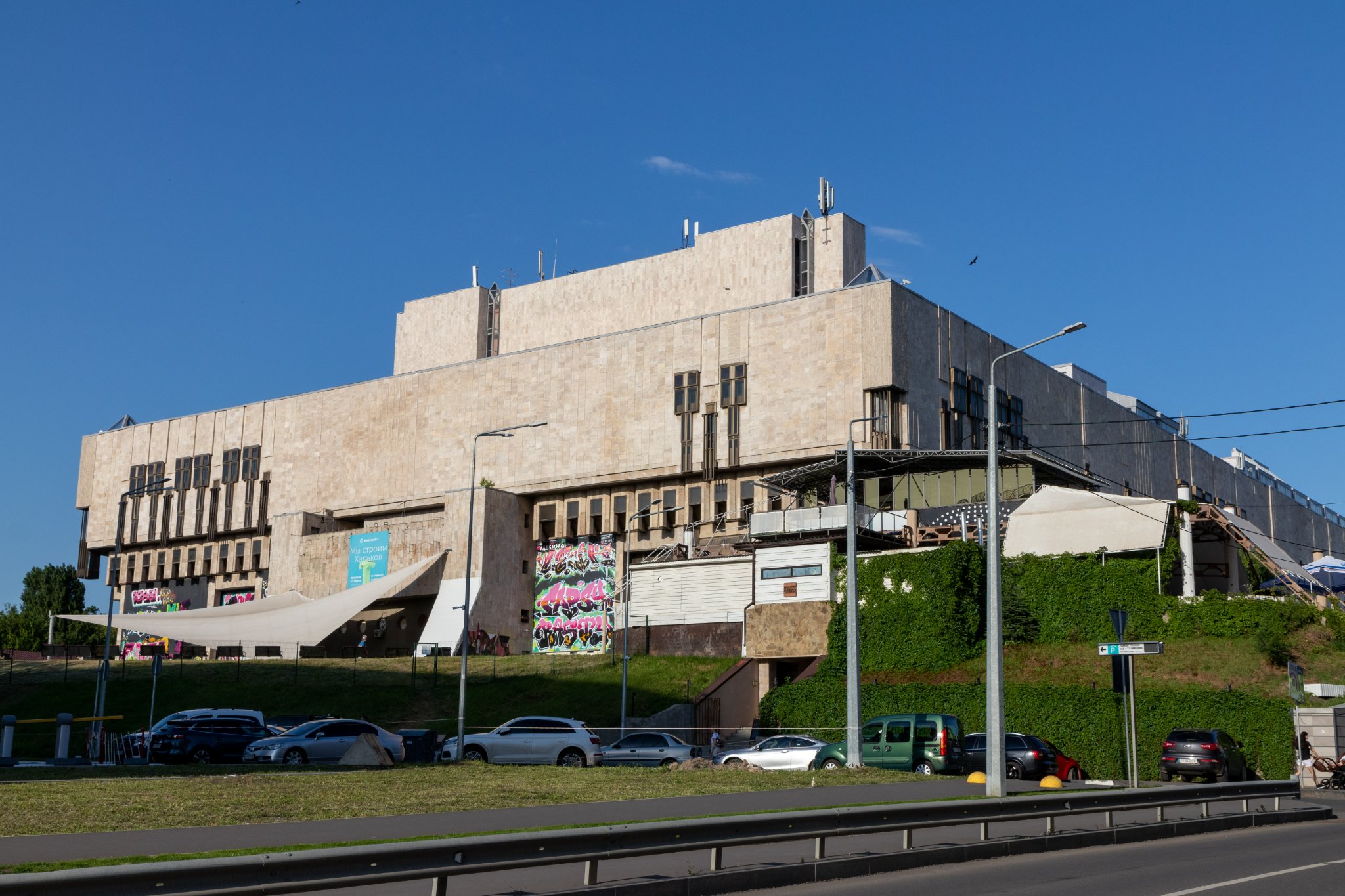
The flat, paved area in front of HATOB has become a favorite spot for urban culture enthusiasts—skateboarders and BMX riders. Street culture festivals were regularly held here.
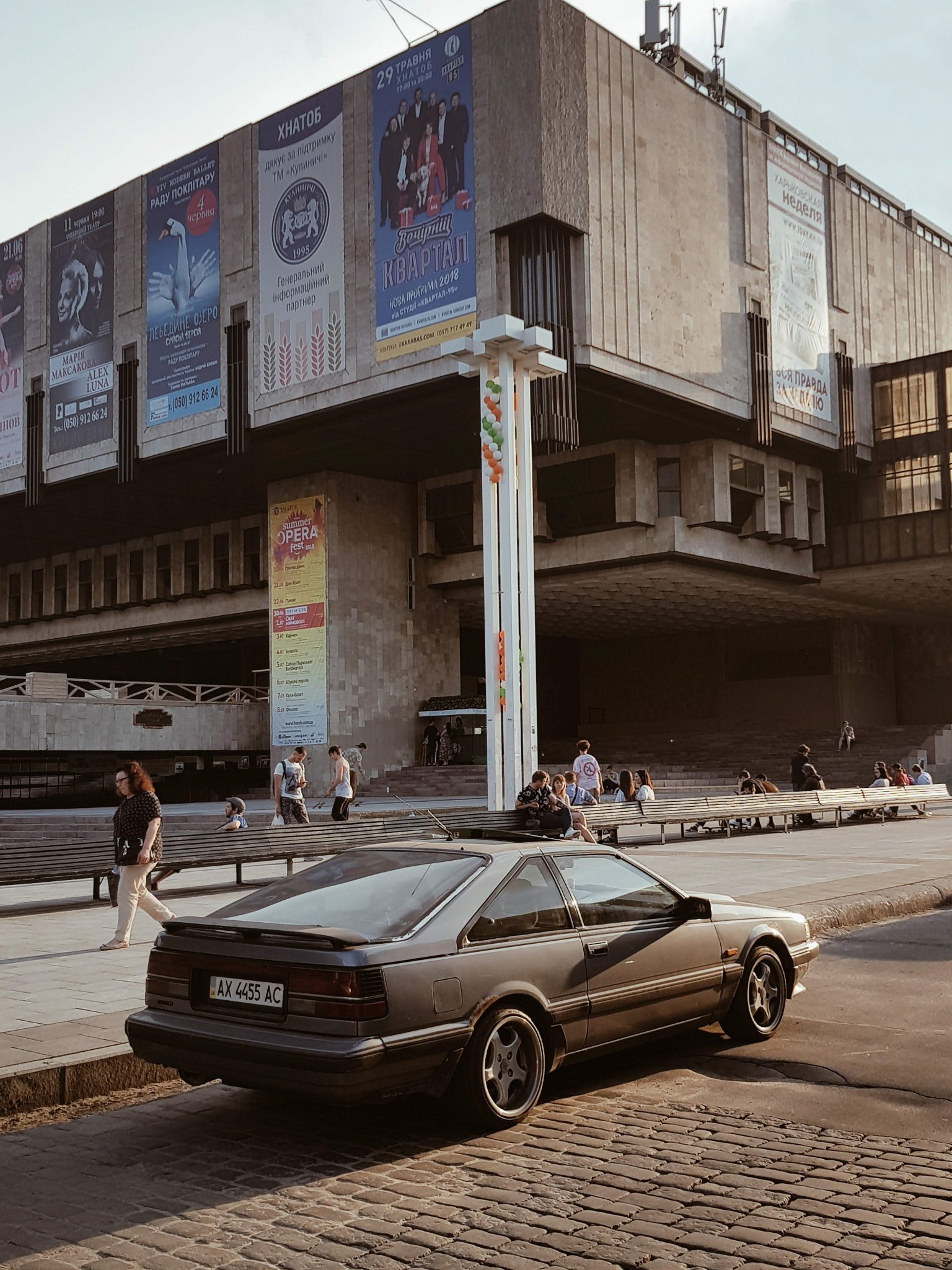
It’s easy to get lost in the building’s hallways, exterior and interior staircases, and landings. In the 1990s, the open exterior balconies were a favorite gathering spot for teenagers involved in alternative youth movements. Today, they are closed to the public.
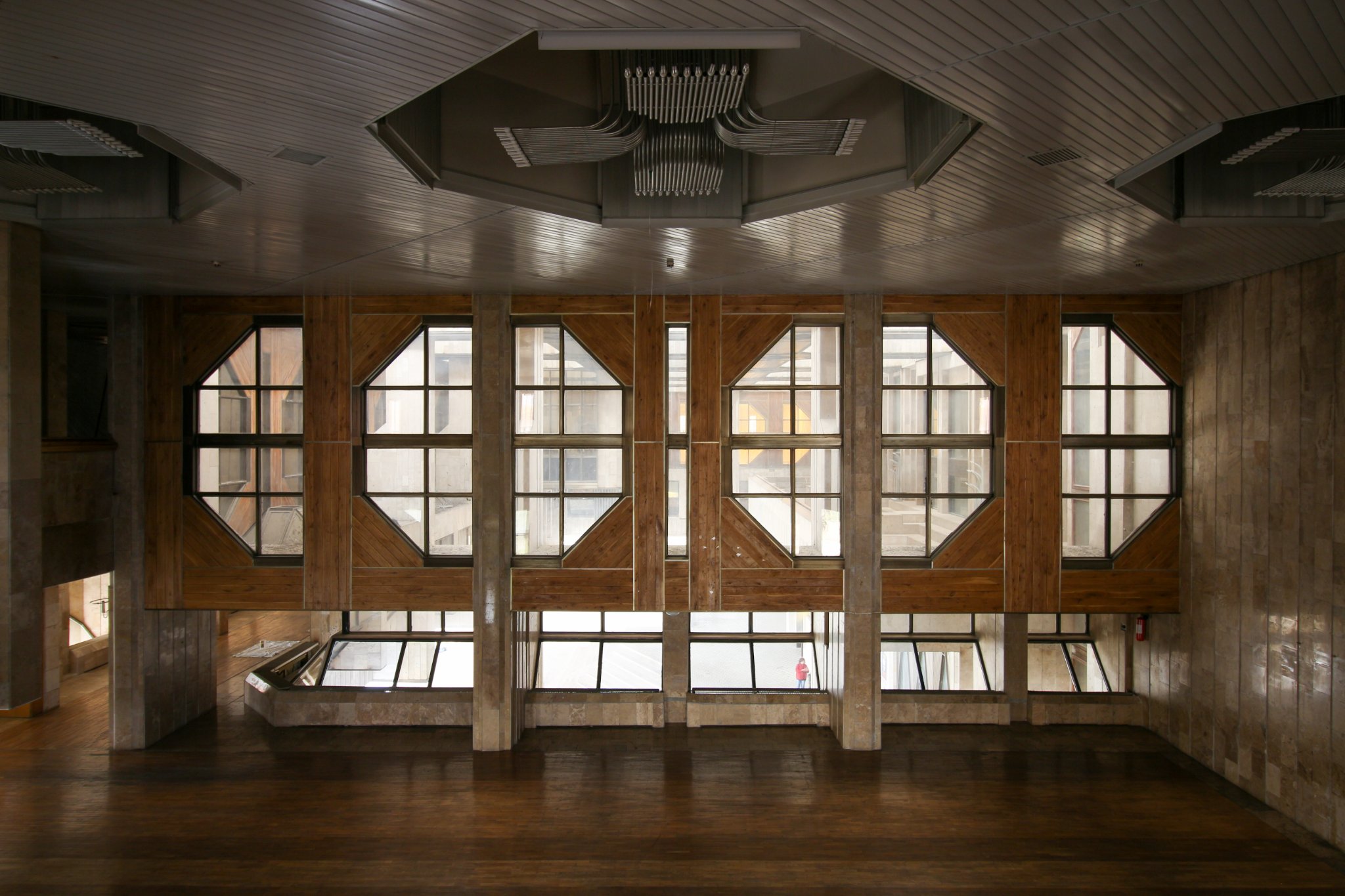
The interior resembles the bulkheads of an aircraft carrier or an alien spaceship that has landed permanently on a landing pad in the city center.
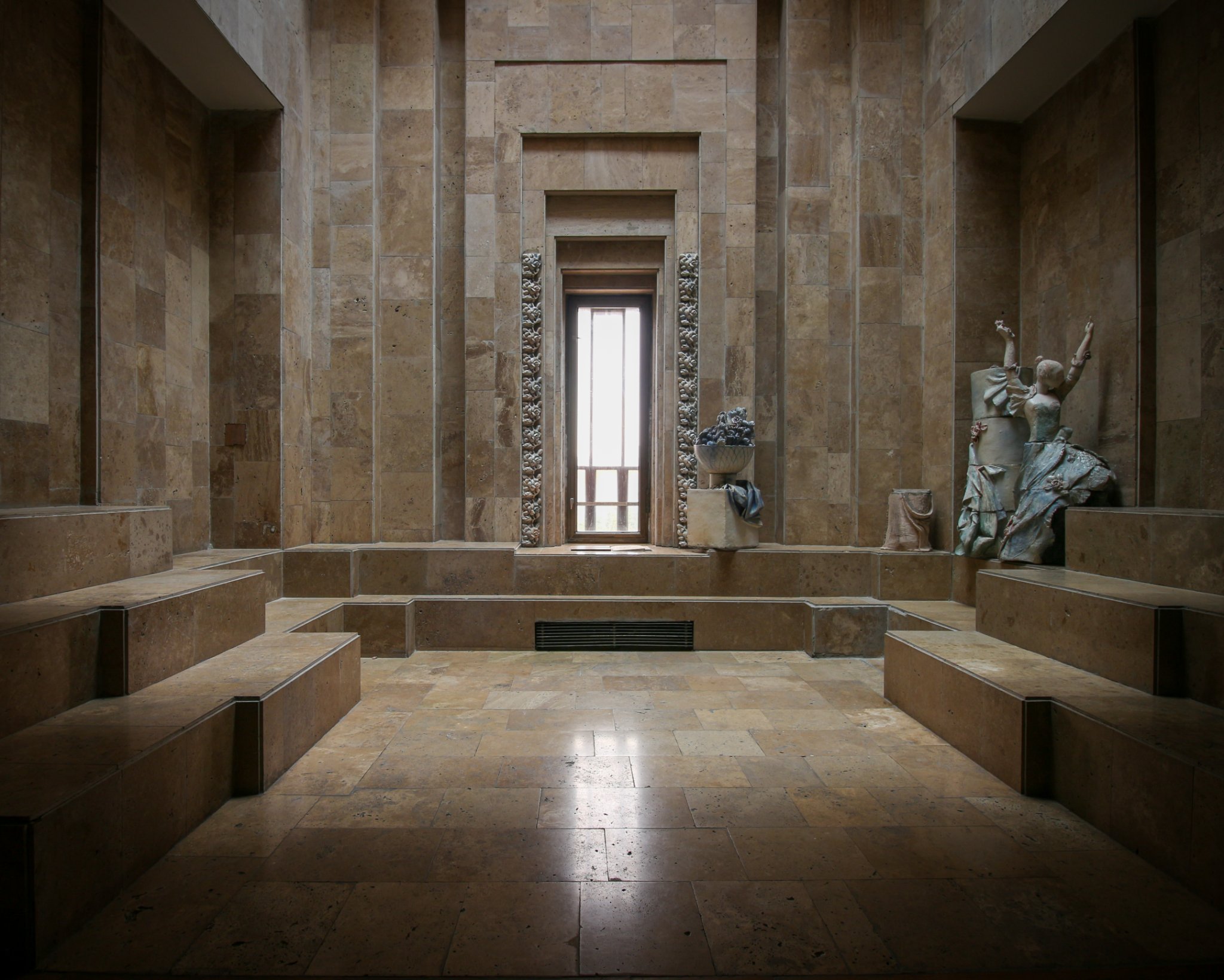
You could spend hours walking around here, wondering, “What is this?” and “What is it for?”
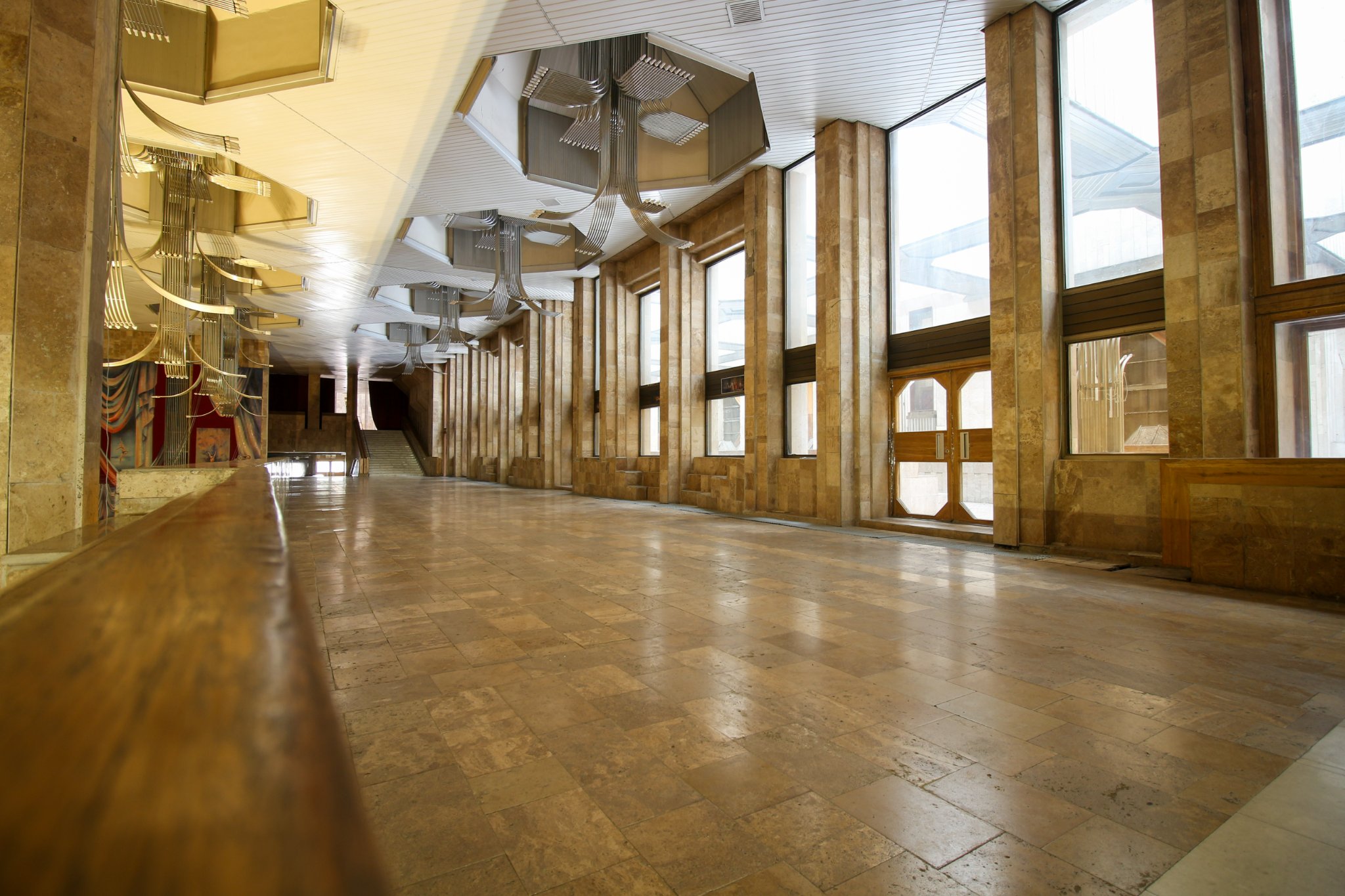
The view looking up from below, right in front of the entrance, is particularly impressive if you stand under the canopy.
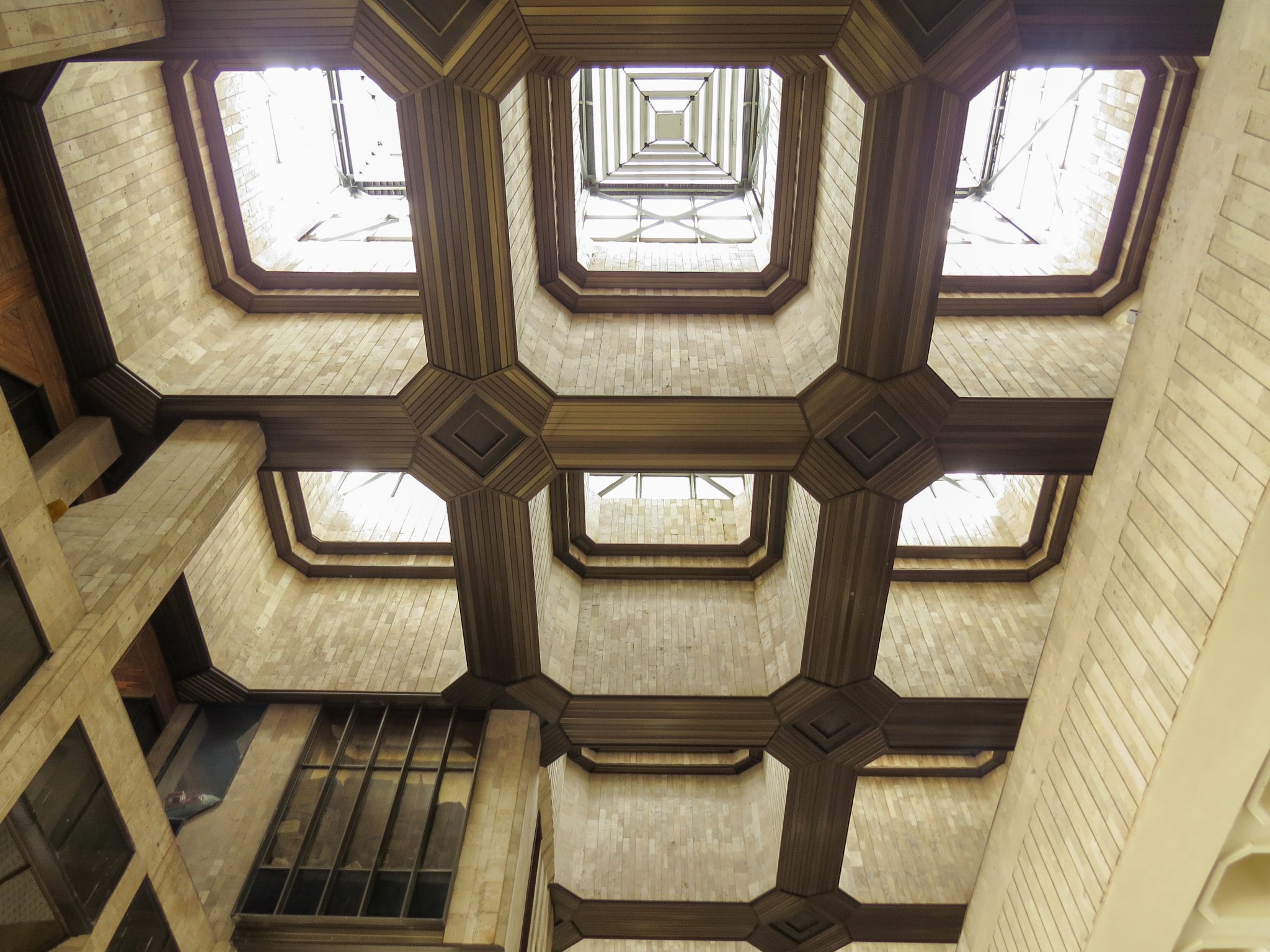
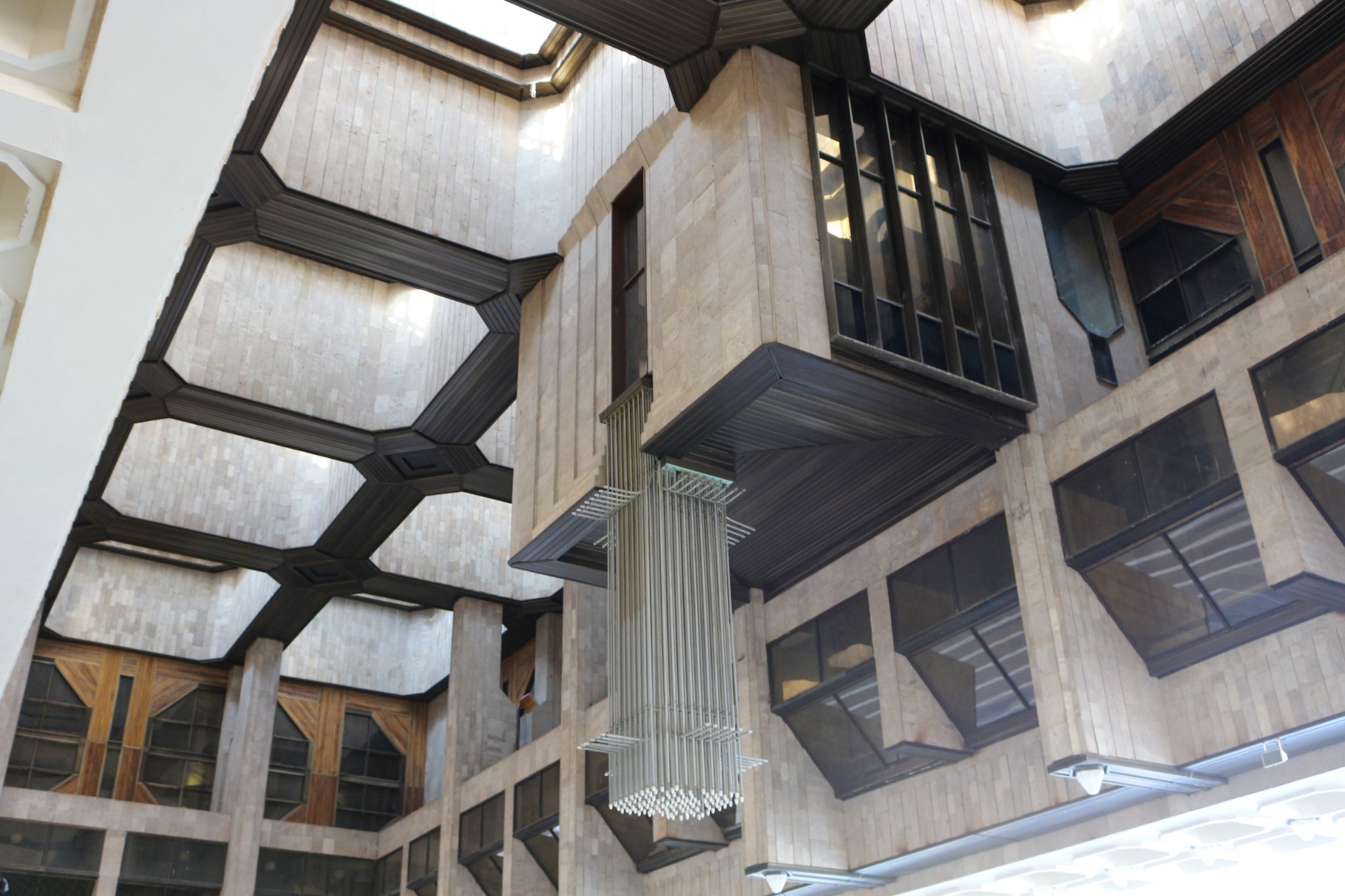
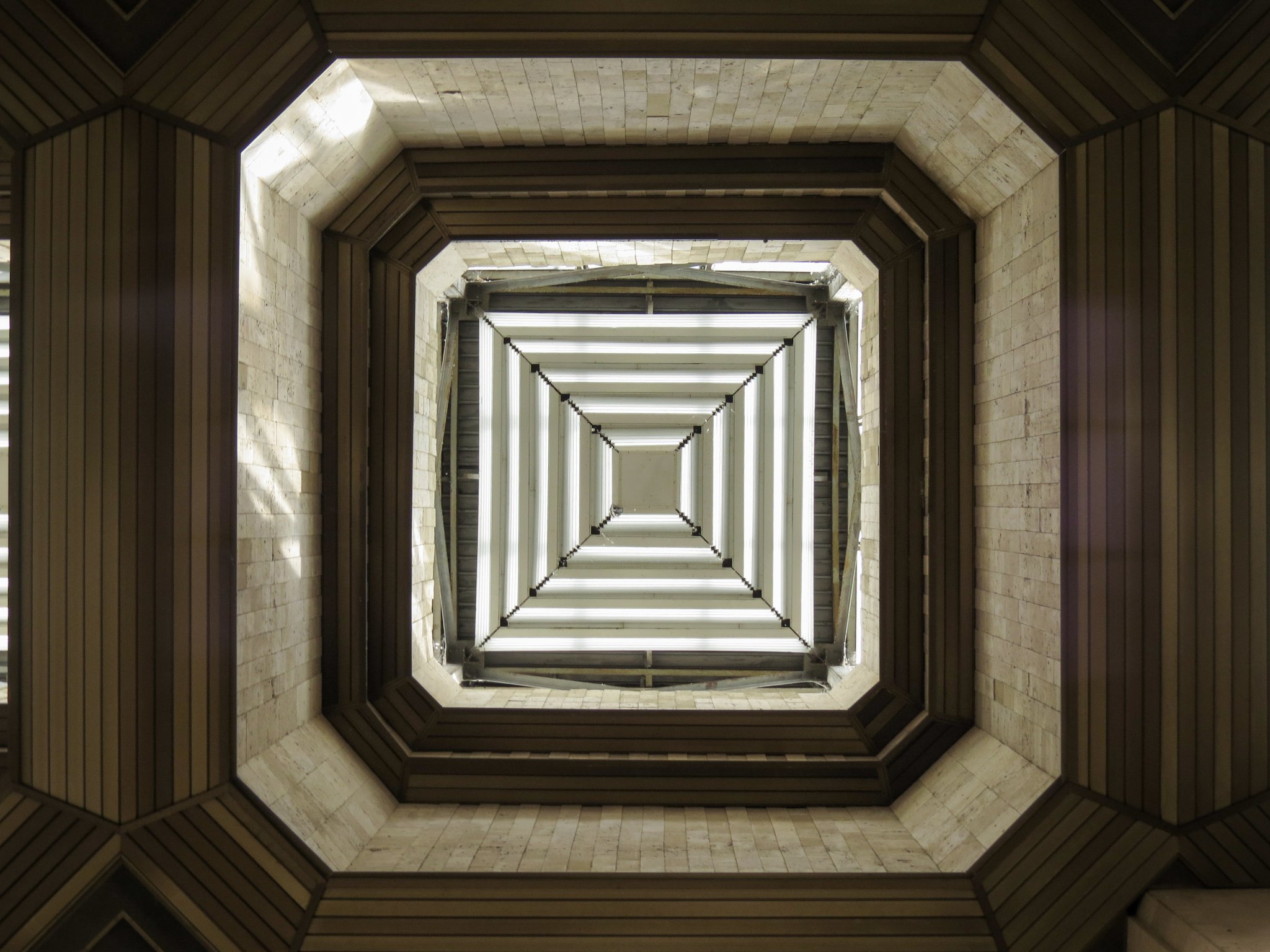
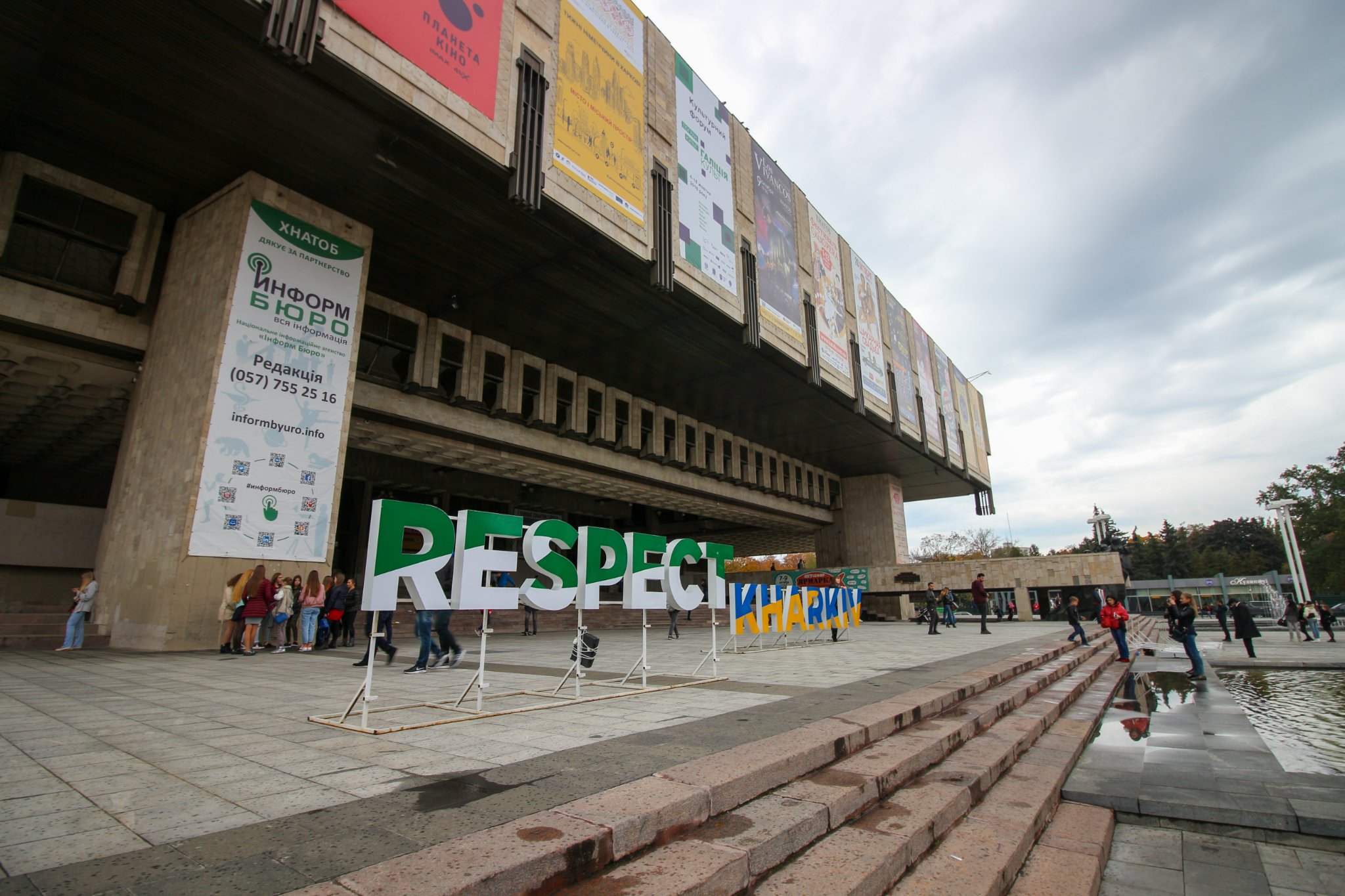
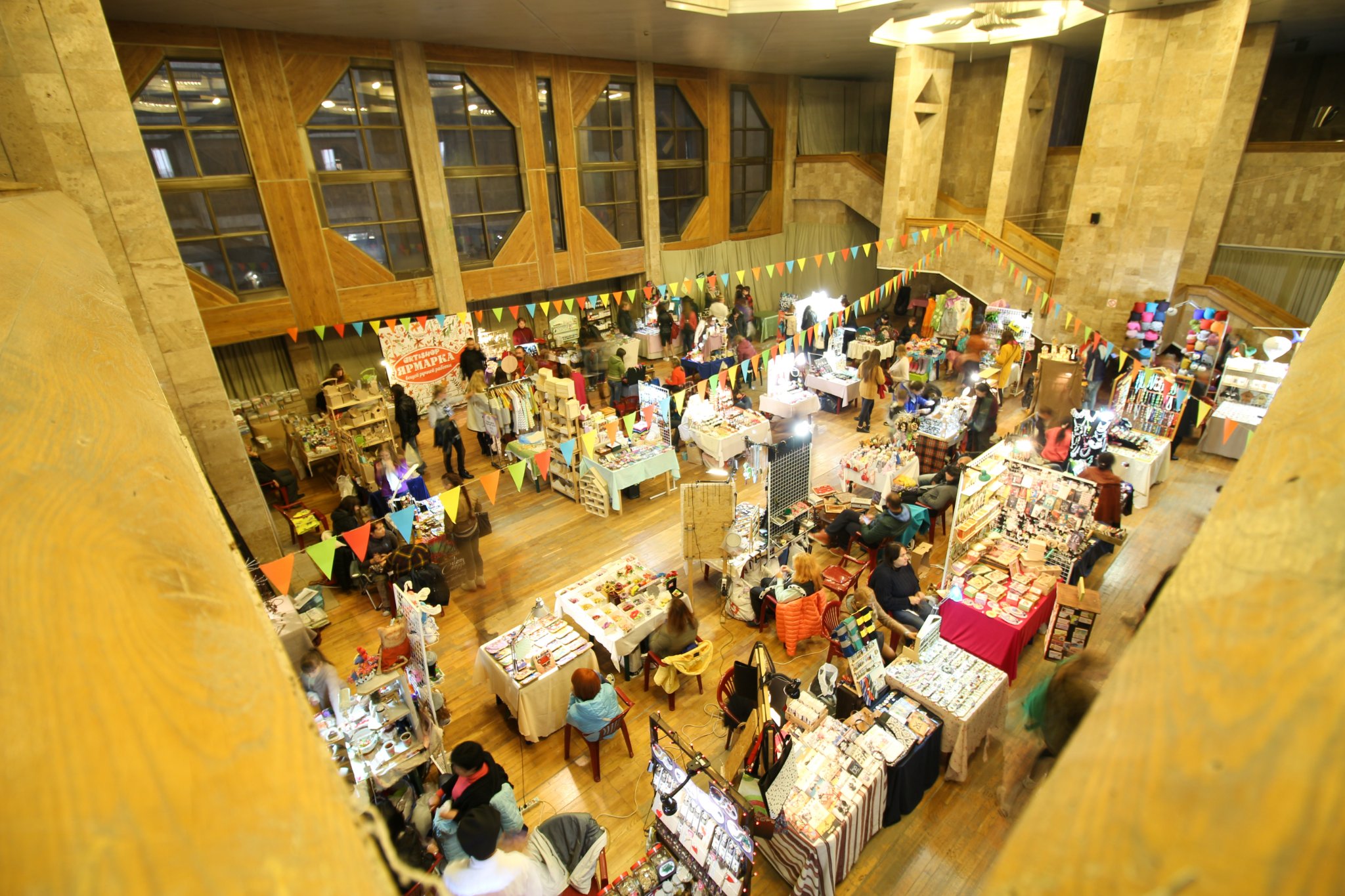
Inside, the front part of the building has plenty of space that is used for exhibitions and fairs.
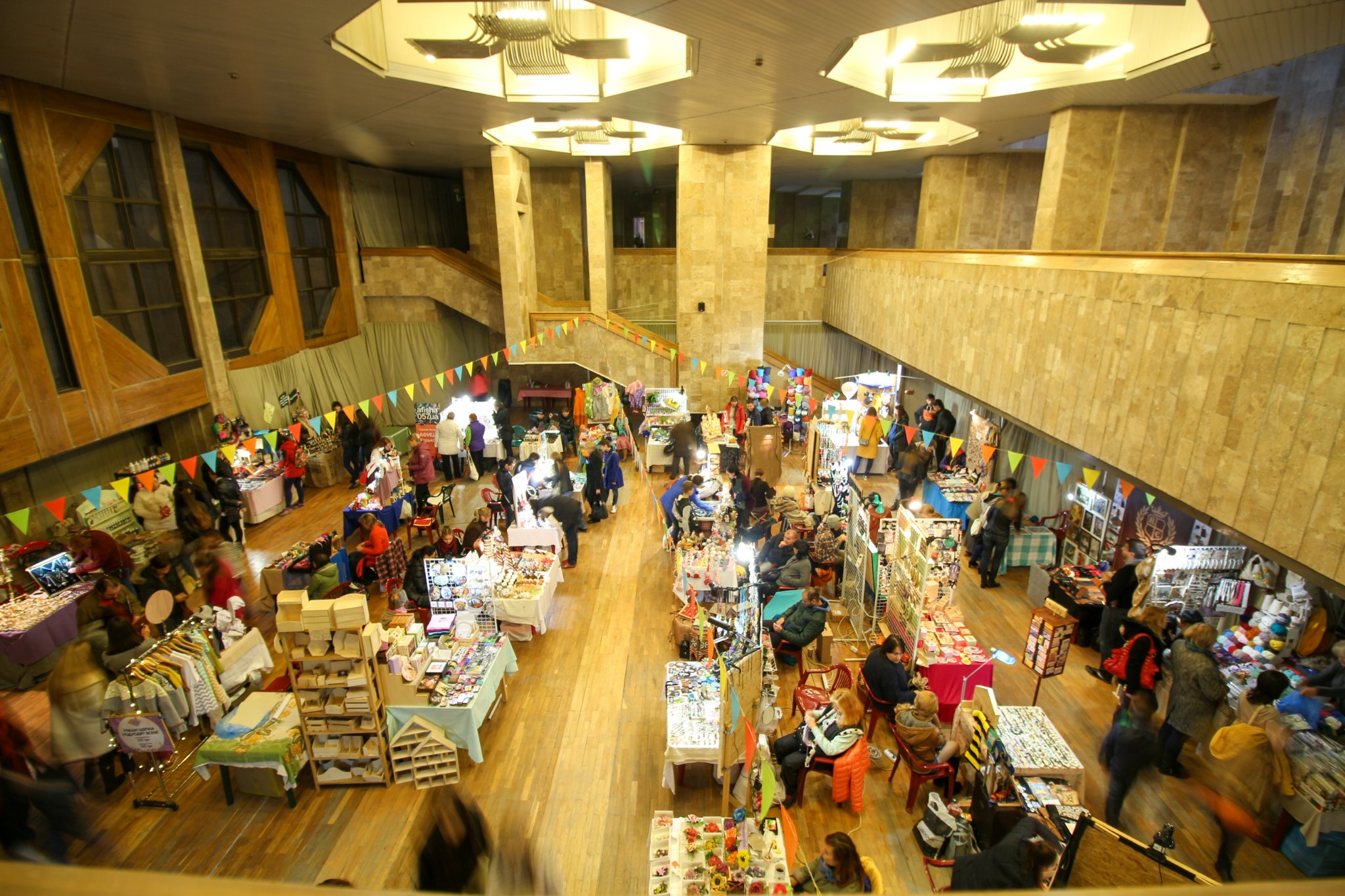
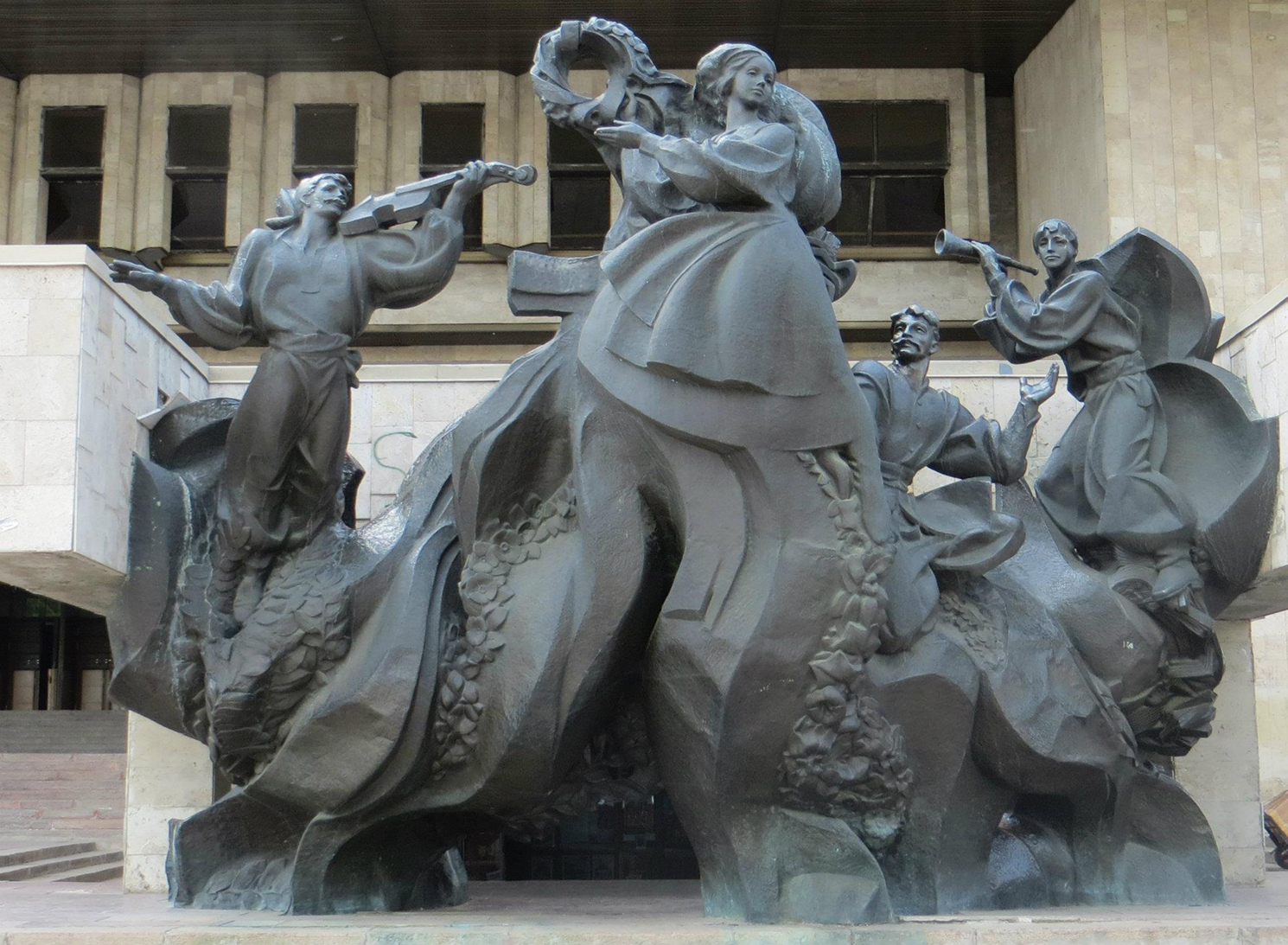
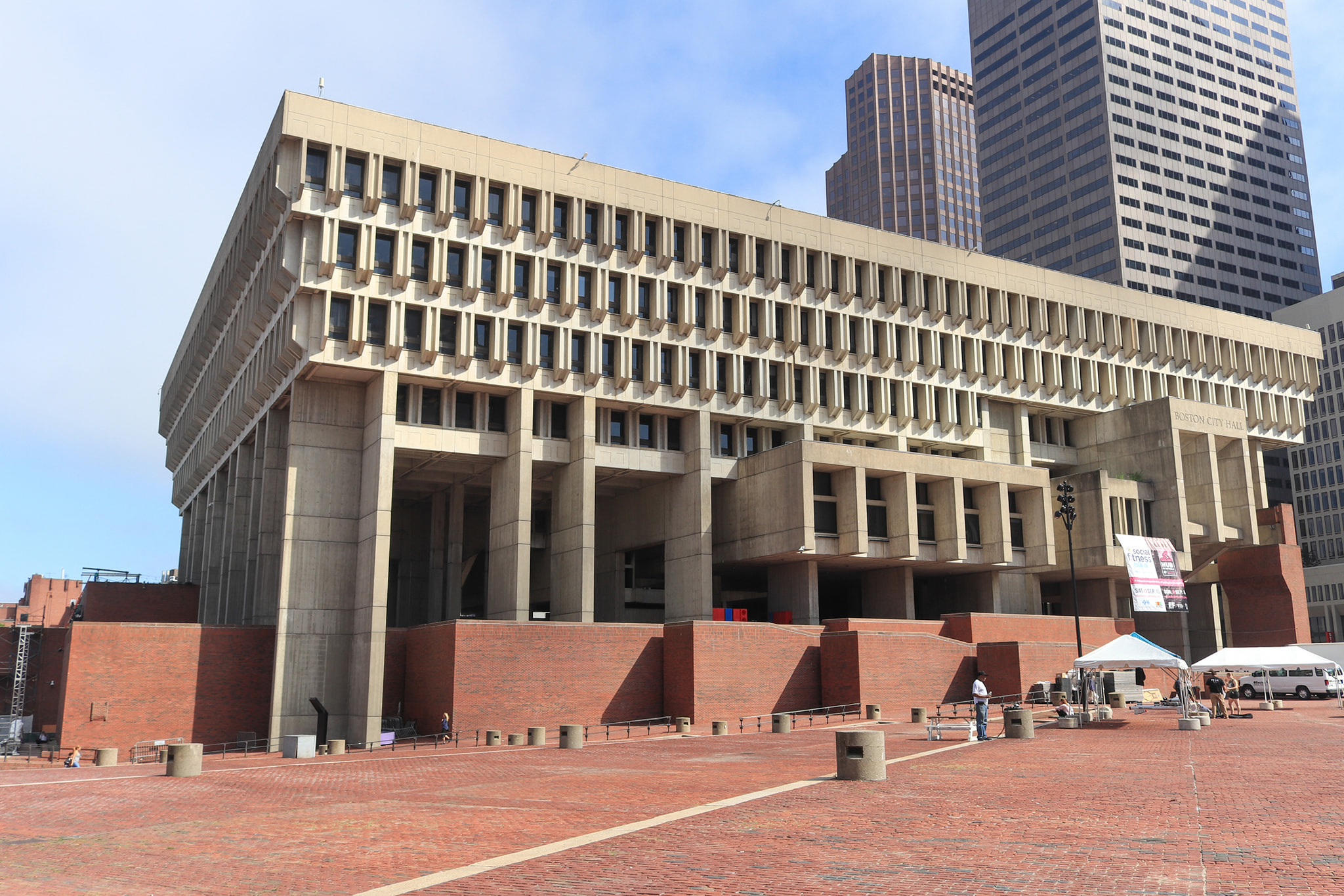
The project was led by a team of architects from the Kyiv ZNIIEP Institute: S. N. Mirgorodsky (project manager), V. D. Elizarova, N. V. Chuprina, R. N. Gupalo, and A. P. Zybina. In 1970, the design was quite innovative and bore a distant resemblance to Boston City Hall (1966).
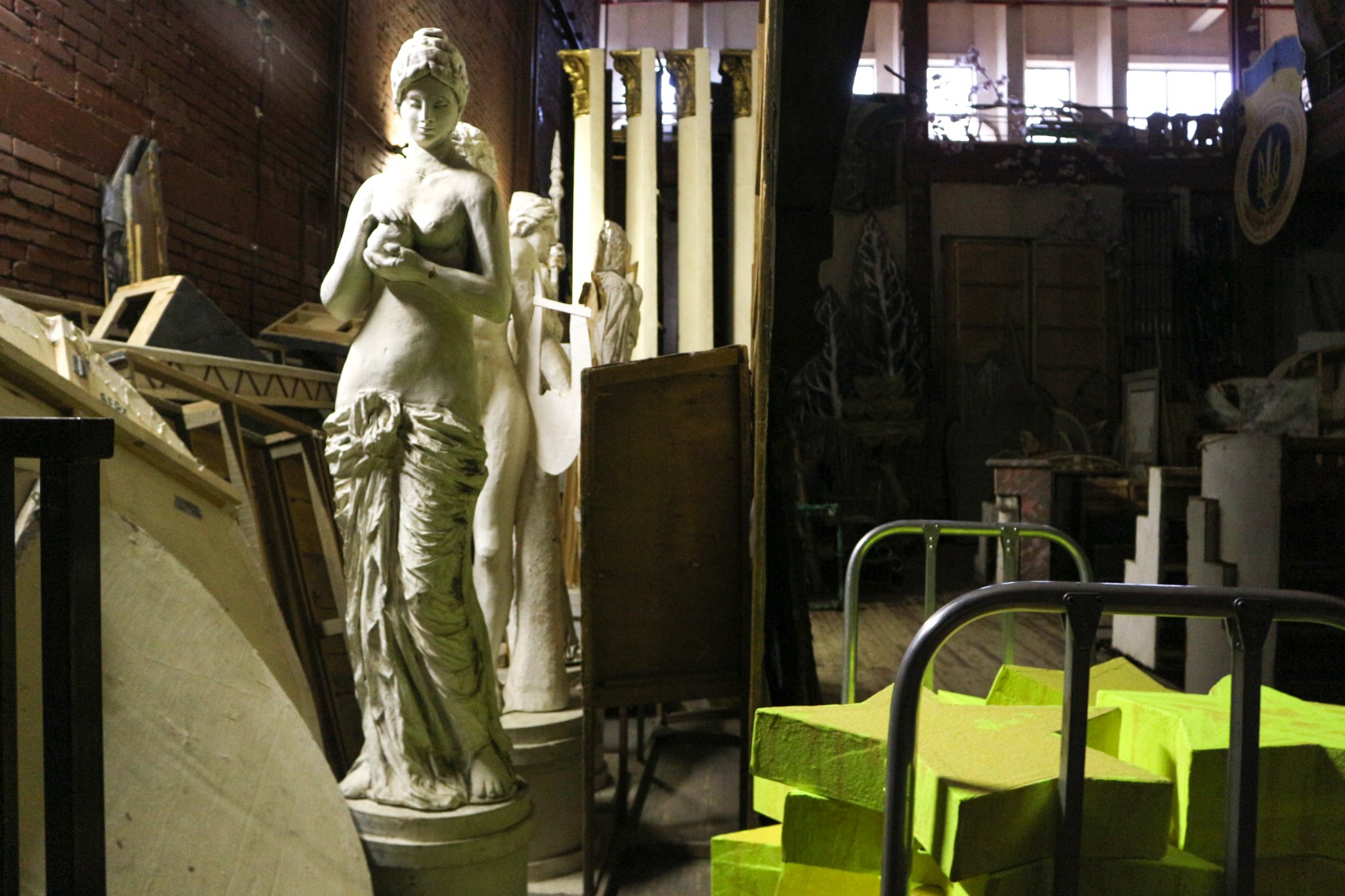
The wings and basement of the HATOB house numerous cafés, workshops, and studios. The rear section of the HATOB, behind the stage, is a seven-story building that houses dressing rooms, set-making workshops, and technical offices—everything necessary for the operation of the opera and ballet.
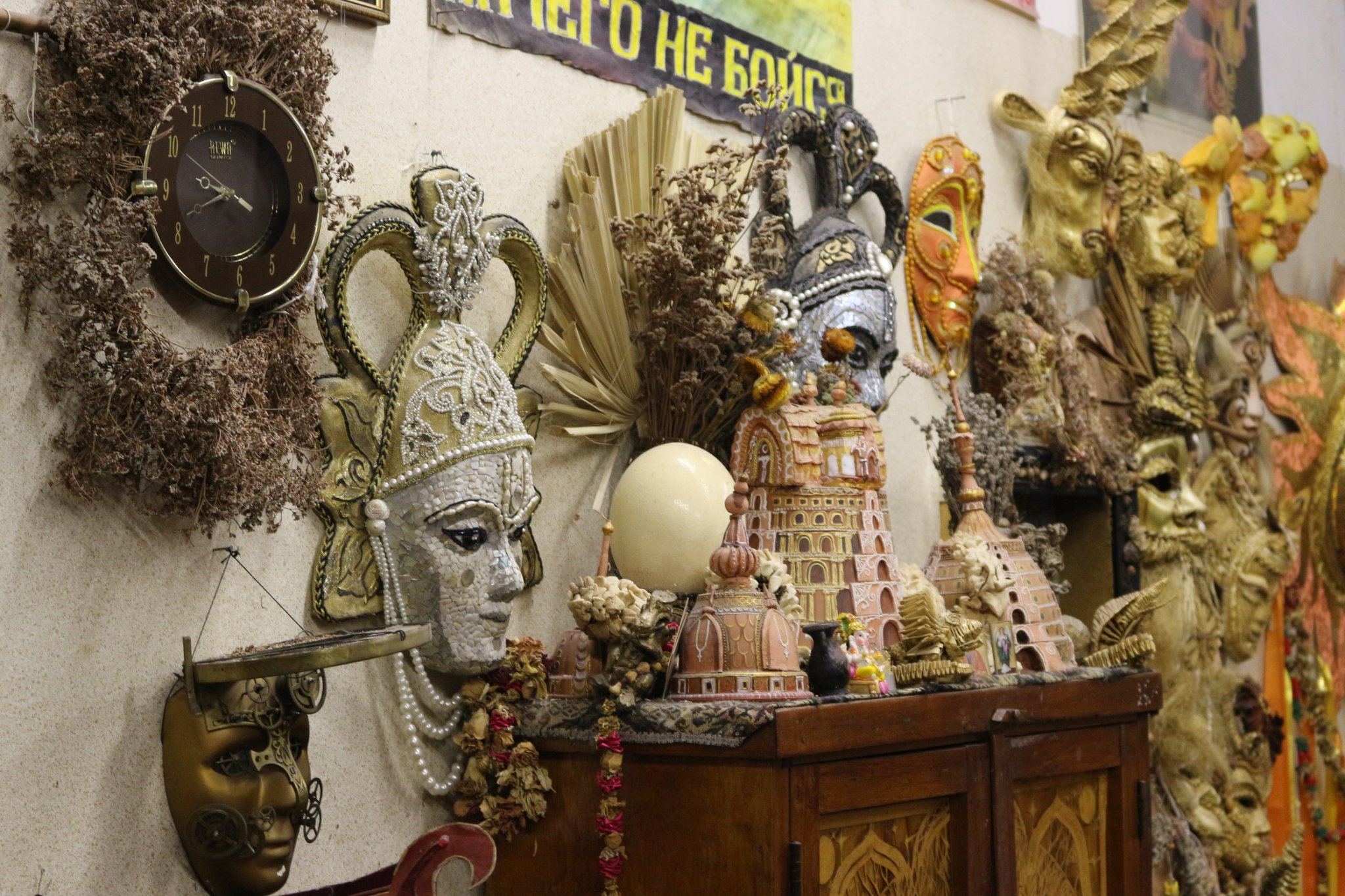
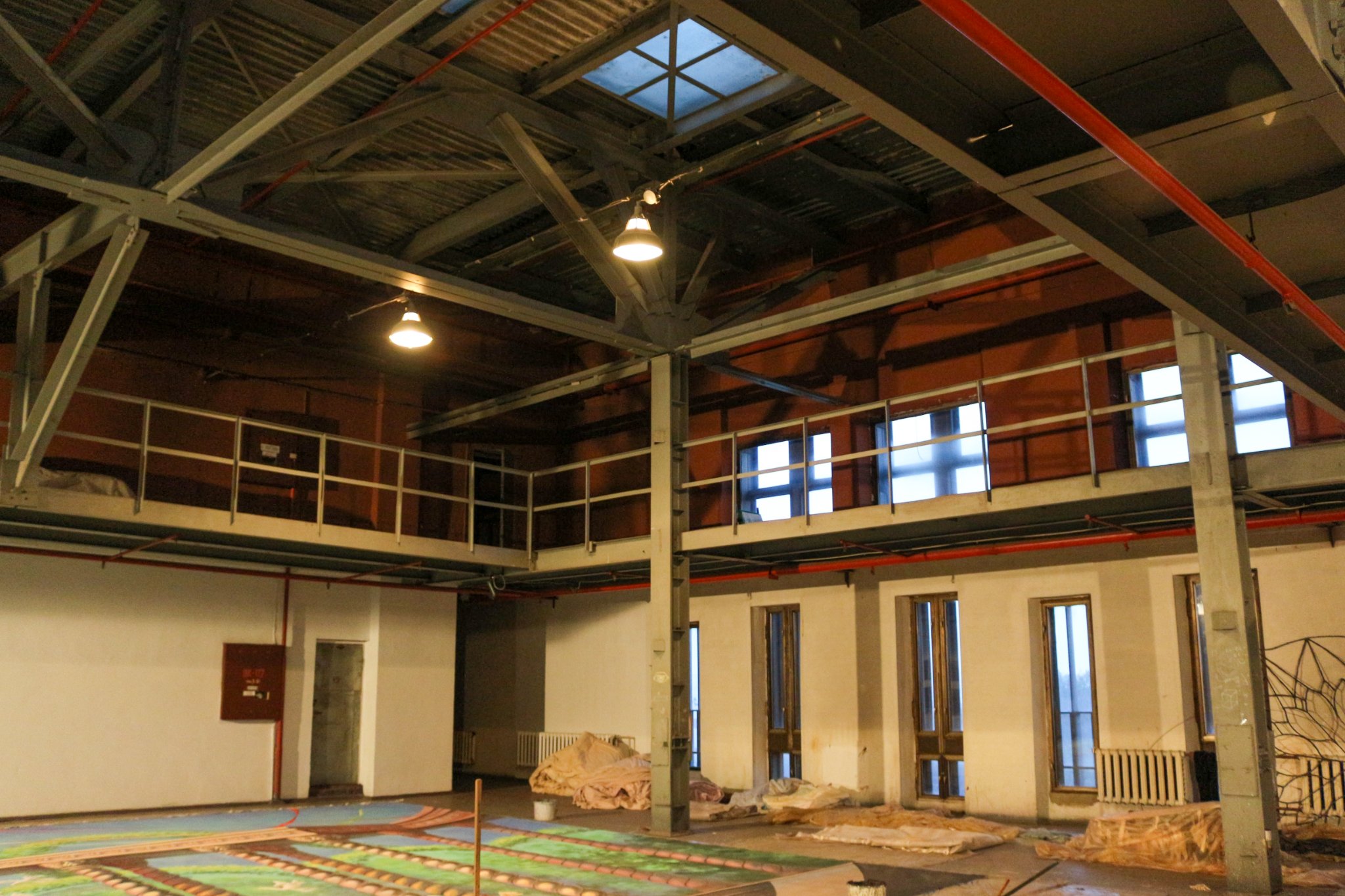
In 2019, more than 750 people worked at the theater.
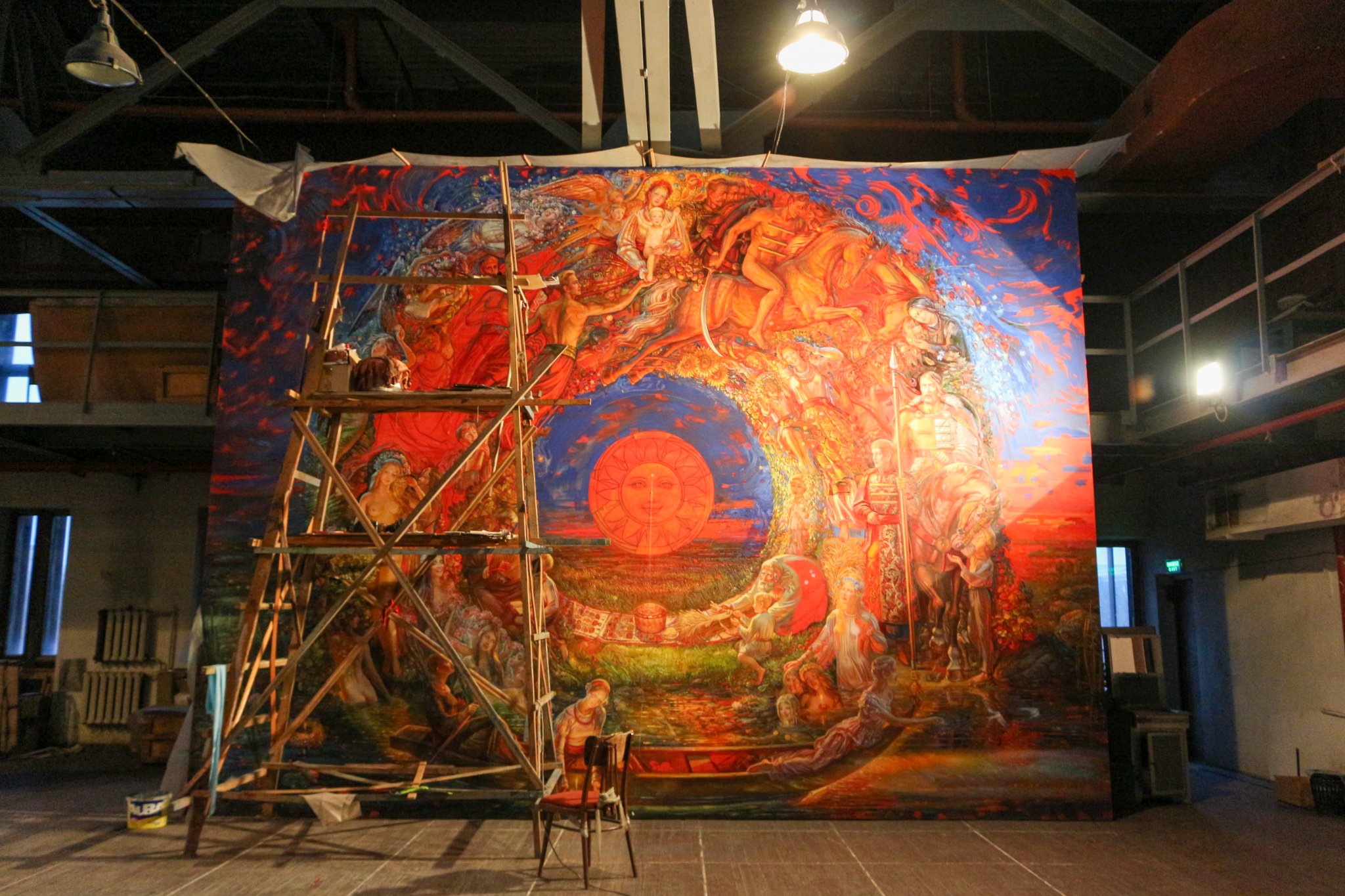
Of these, 300 are performers.
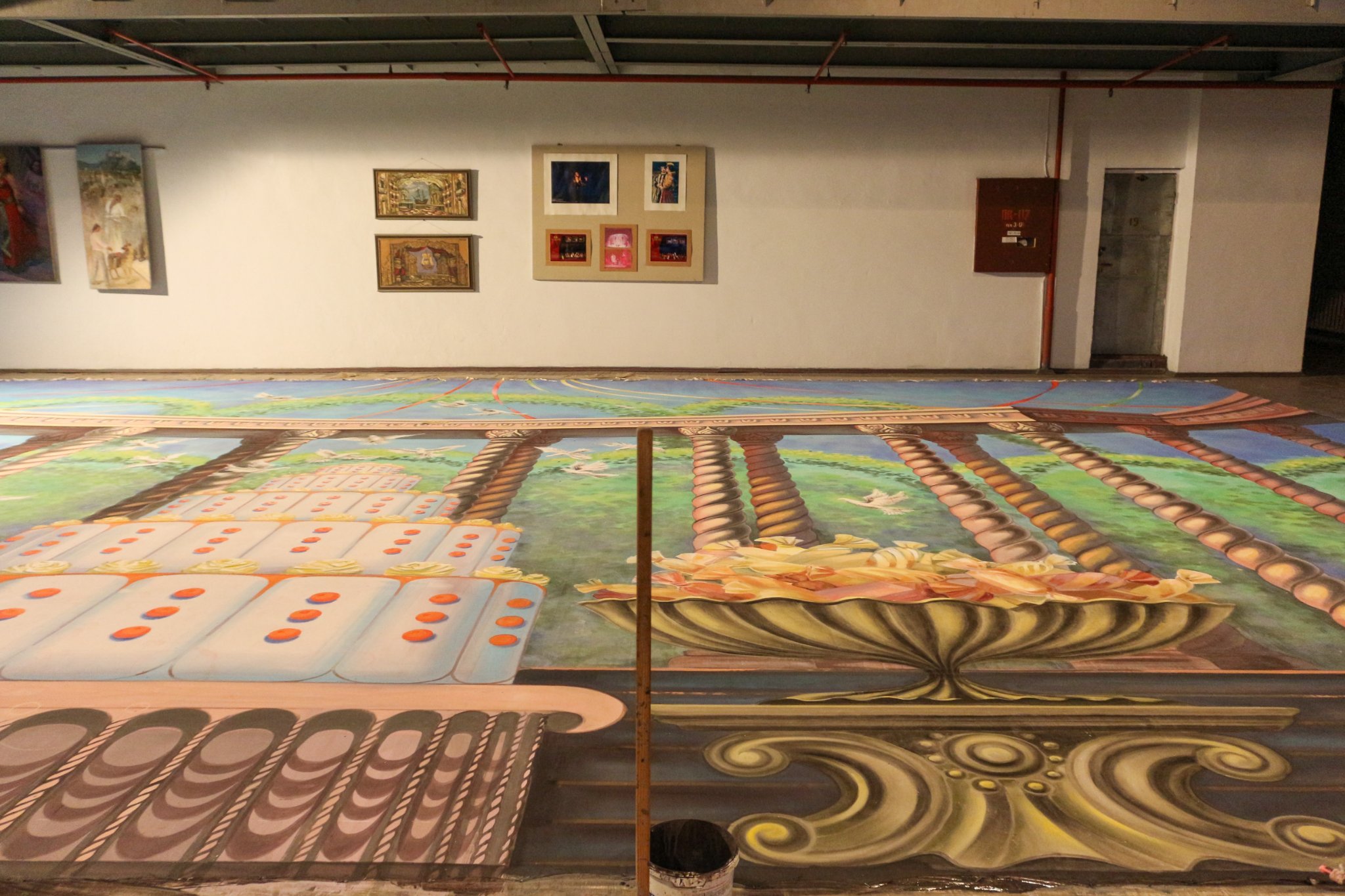
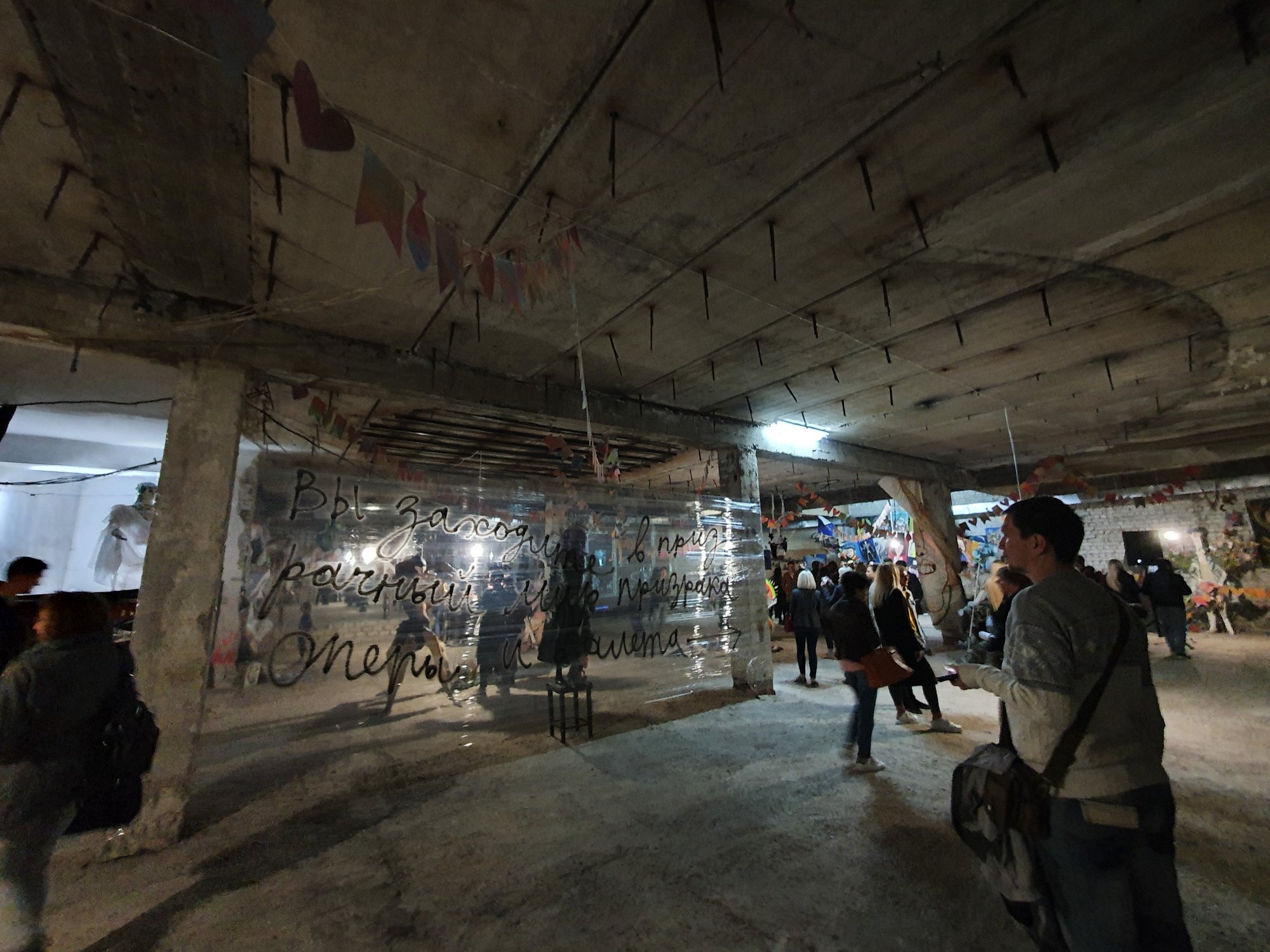
The basement houses a garage and rooms used for “alternative” events. The “Plan B” festival was held here.
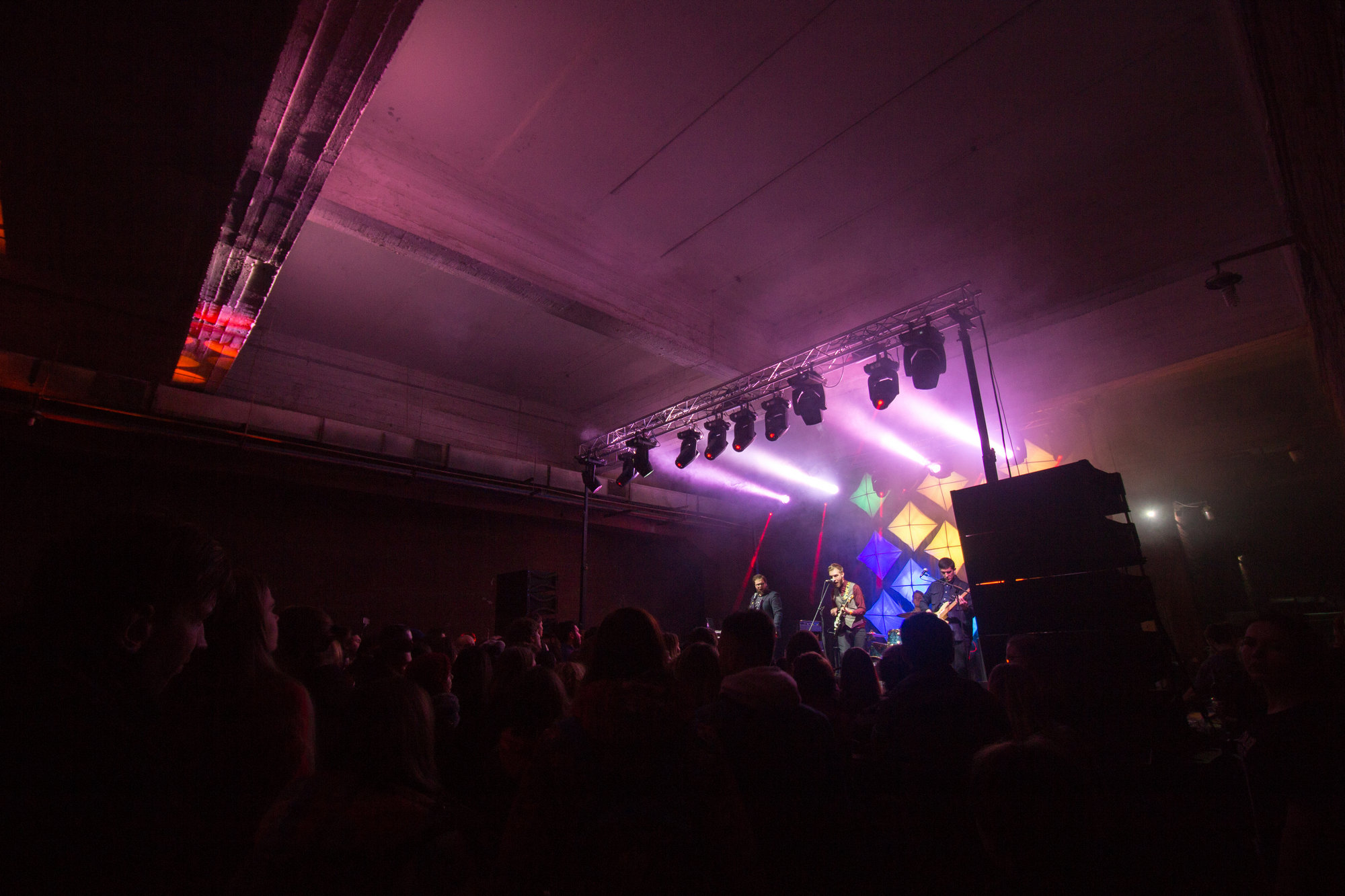
And in 2019, it hosted one of the venues for the Biennale of Young Art.
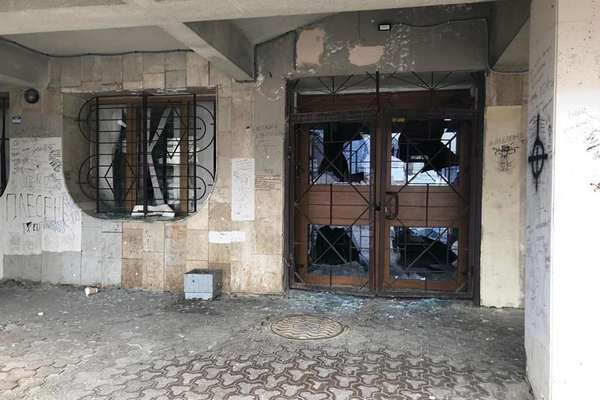
On March 13, 2022, Khatob sustained damage from Russian MLRS shelling.
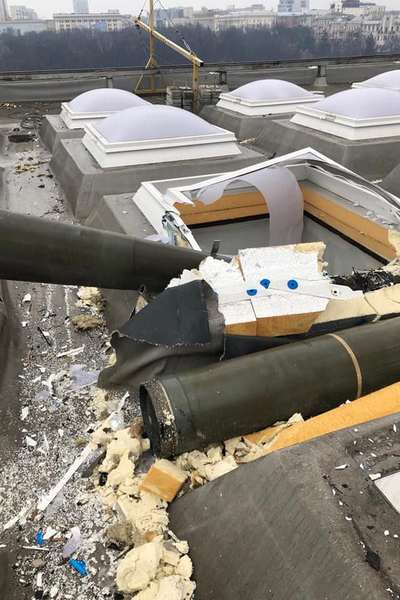
The theater’s roof was damaged, and the skylights were shattered.
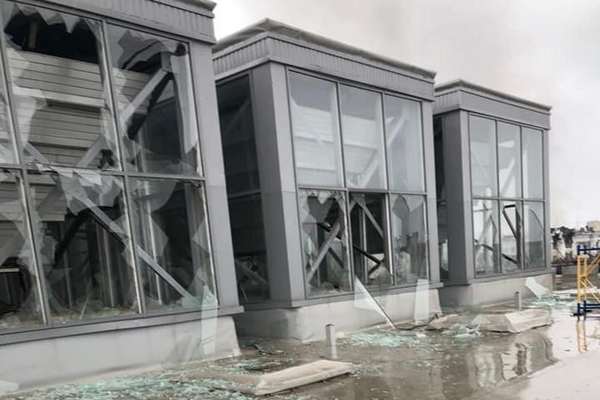
Many other windows were also damaged
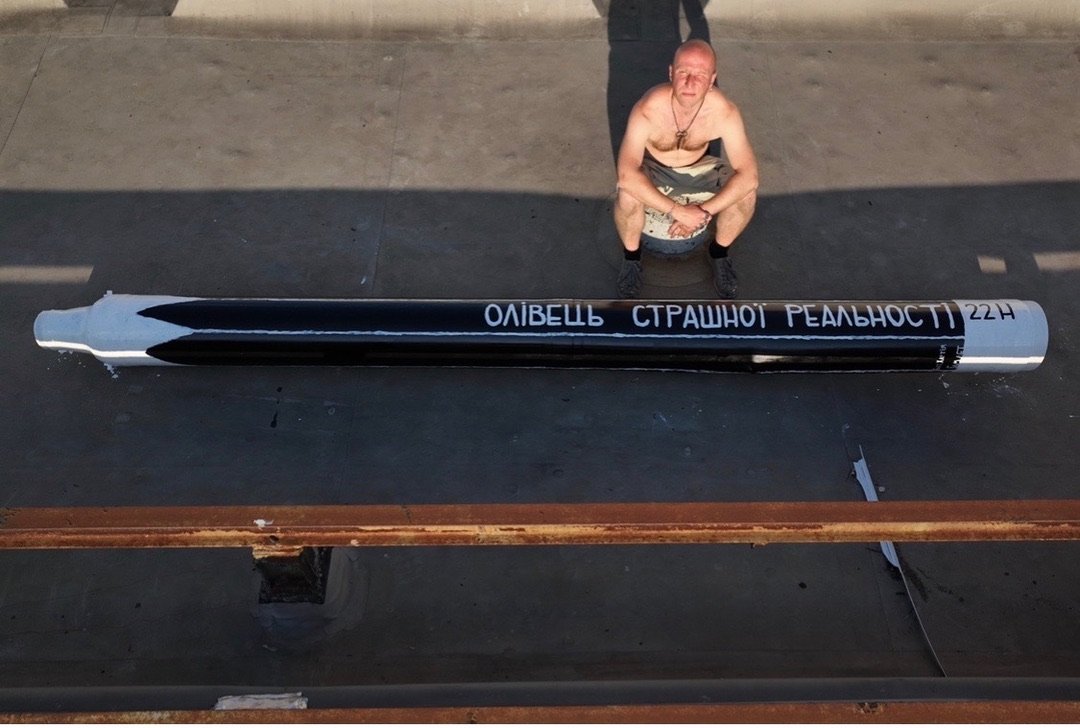
Kharkiv artist Gamlet Zinkivskyi created a street art piece titled “Pencil of a Terrifying Reality. 22H” using one of the Russian missiles on the roof of the Kharkiv Academic Theater of Opera and Ballet.

- Blackie’s House on Maksymilianivska St - 19.10.2026
- Danylevs’koho Street, 19 - 13.10.2026
- Debunking the myth about one of the most famous Kharkiv photos - 12.10.2026