Officially, the first regular bus route in Kharkiv was launched on June 6, 1910. The bus service was organized by a member of the city council, Konstantin Shimansky, who was also a well-known Kharkiv automotive enthusiast and industrialist.
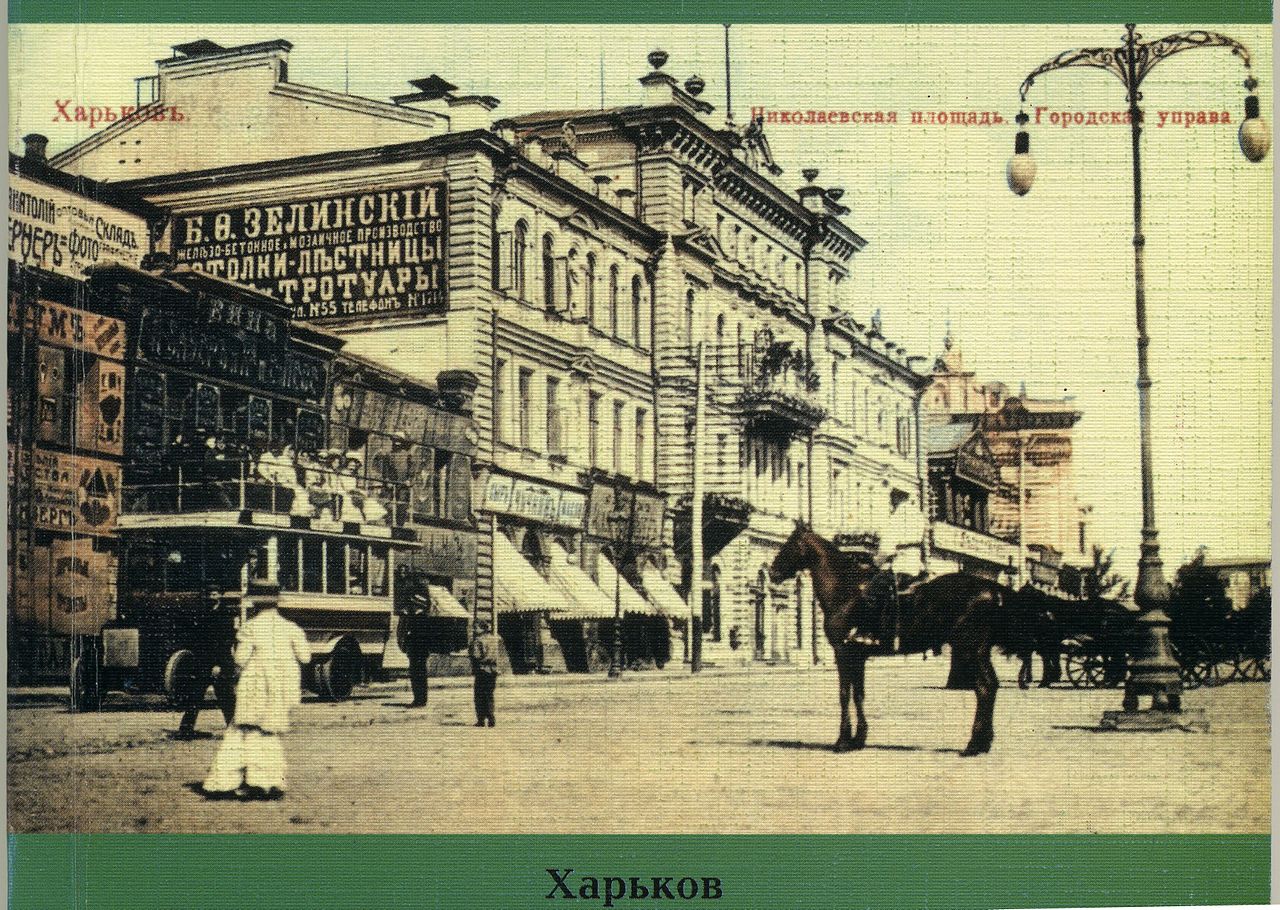
The route ran from the Kharkiv railway station to Pavlivska Square and then continued along Sumska Street to Veterinarna Street (now Svobody Street). According to notes in the newspaper “Yuzhny Krai,” the bus reached the drama theater in 15 minutes, meaning the three-kilometer route was covered at an average speed of 12 km/h, which is good. It is worth noting that modern Google Maps, considering traffic, estimates this route at 12 minutes—not much less, and that’s without stops, by car. The fare was 5 kopecks in the rear and 4 kopecks on the upper deck—on specially equipped benches on the roof of the bus, where people sat exposed to the wind. An interesting fact: in Kharkiv, ladies sitting on the upper deck are clearly visible. Although in Europe, it was initially not customary for ladies to ride on the upper deck. The reason was that climbing the steep stairs to the roof increased the likelihood of exposing their petticoats to the gentlemen below, which was highly improper. Apparently, by 1910, these prejudices had already been left in the past, or perhaps Kharkiv ladies were not as shy as their foreign counterparts.
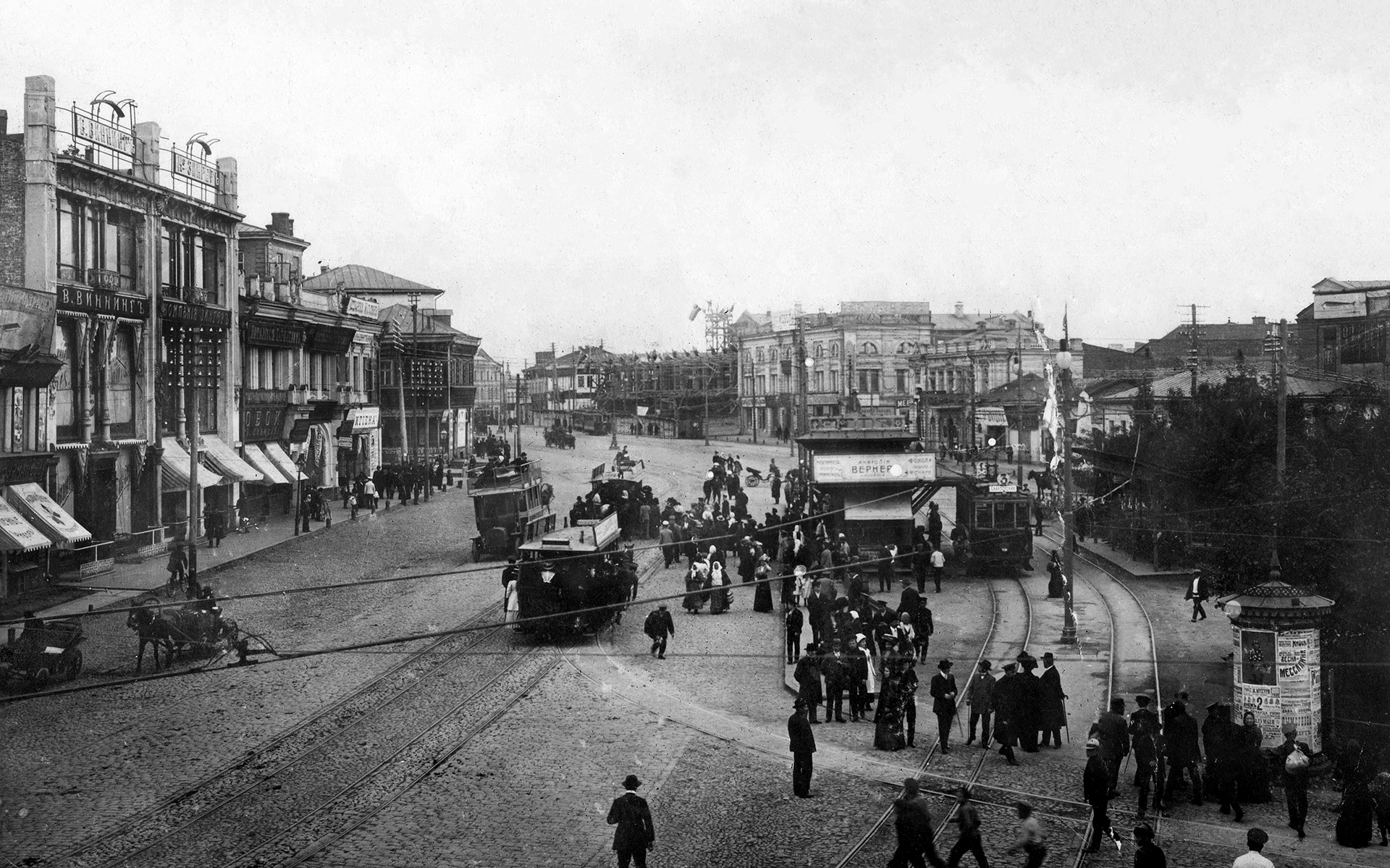
The Kharkiv double-decker bus generated 35–40 rubles in revenue per day. In August 1910, there were between four and six of Shimansky’s buses operating in Kharkiv.
The people of Kharkiv welcomed the bus with open arms. It traveled from the train station to Veterinarna Street twice as fast as the horsecar, partly because there was no need to waste time transferring at Pavlovskaya Square. But the horses didn’t get used to the buses right away. The frightened animals with their carriages would bolt from the buses onto the sidewalks, and once they even nearly injured Governor Katerinich, who managed to jump out of his carriage just in time. On another occasion, the startled horses nearly drove into a store.
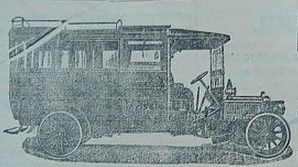
Here’s an interesting story about the brand of buses in Kharkiv. According to Shimansky’s advertisement, these were buses from “the best German factory in Gaggenau.”
The Gaggenau automobile brand, produced by the Süddeutsche Automobil-Fabrik, operated in the town of Gaggenau in southwestern Germany from 1905 to 1910 and supplied buses to many cities, both in Europe (under the SAG or SAF brand) and in the Russian Empire. High-quality photographs of these buses have survived from the St. Petersburg bus routes, which were launched in 1907 and received the official designation Typ St. Petersburg in addition to the factory index Gaggenau C 32.
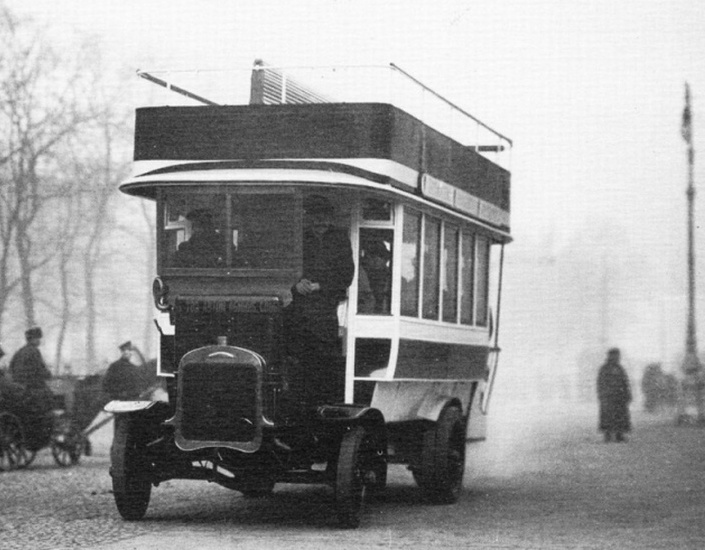
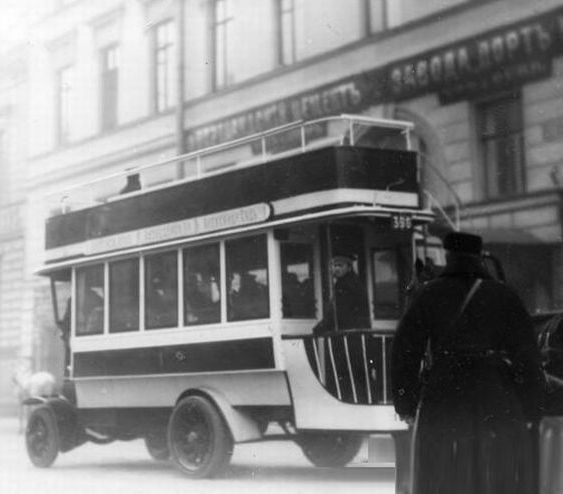
In 1909, they were supplemented by the C 40 model.
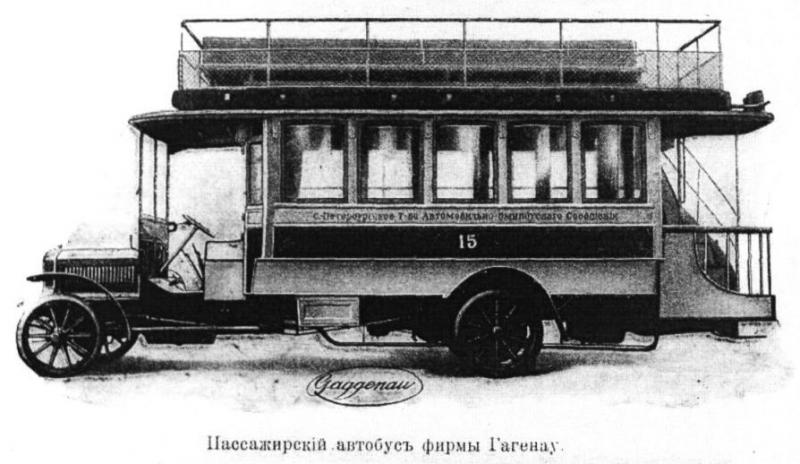
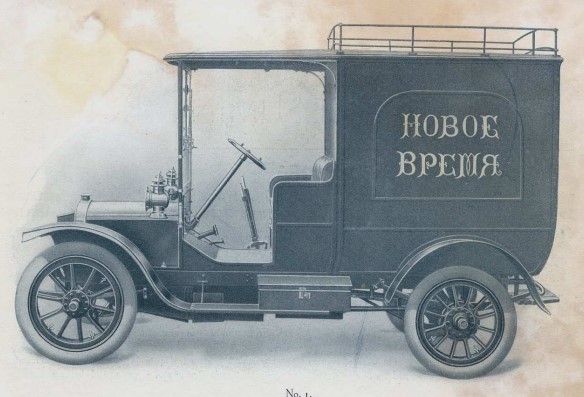
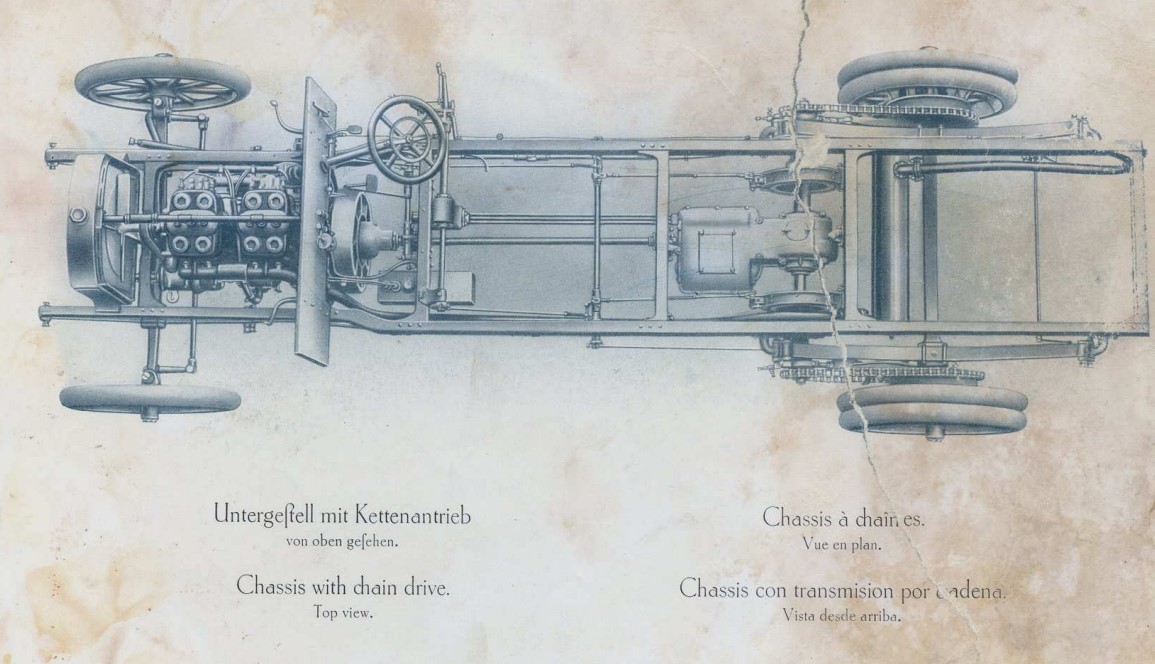
In fact, Gaggenau had close ties with the Russian Empire—in the 1909 catalog, published in German, English, French, and Spanish, the Russian-language inscriptions on the delivery vans can be seen.

In particular, the St. Petersburg newspaper *Novoye Vremya*, owned by Suvorin, had such vans. We have often mentioned this legendary book magnate, who opened Kharkiv’s first book supermarket at the beginning of Yekaterinoslavskaya Street.
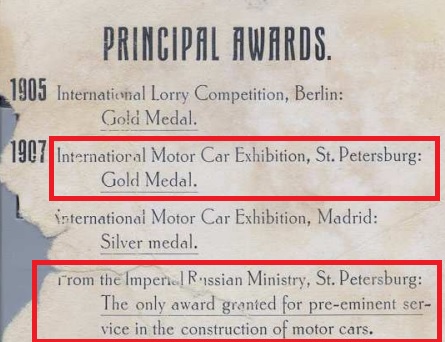
The company also got a gold medal in 1907 at the International Motor Show in St. Petersburg.
![CropperCapture[1]](http://moniacs.kh.ua/wp-content/uploads/2015/09/CropperCapture1.jpg)
In addition, the company received a special award from the Imperial Ministry “for outstanding achievements in automobile design.”
The Shimansky advertisement shows a light truck—without a canopy (apparently a C 24 model).
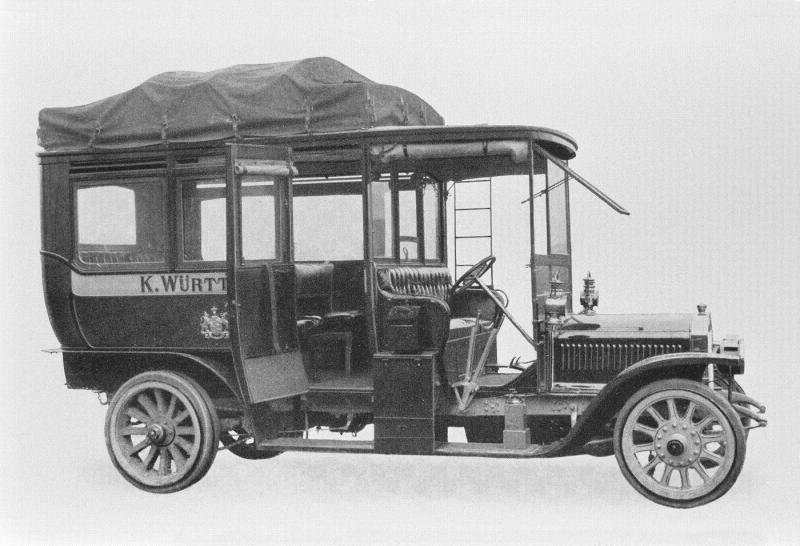
We haven’t been able to find any photos of С 24 on the city streets yet, but we can see good photos of a heavier version with a roof deck, similar to the St. Petersburg bus (Gaggenau C 40). We cannot say with 100% certainty, but most likely the C 32 and C 40 designations referred to engine displacement, which, according to some sources, were produced in two versions: 5 L and 8.9 L (both were four-cylinder engines) and were equipped with an overhead camshaft, which was extremely unusual for those years. The transmission transferred torque to the rear axle via a chain, which on Kharkiv-built vehicles often broke under heavy loads when climbing hills.
In 1907, the company was acquired by Benz & Cie., owned by Carl Benz, the inventor of the automobile and one of the founders of the world-famous Mercedes-Benz brand. Starting in 1911, Gaggenau buses and trucks were rebranded under the Benz-Gaggenau name.
The history of first Kharkiv’s buses comes to an end in 1911; this may have been due to the rapid expansion of the Kharkiv tram system or a loss of interest in the business on Shimansky’s part. In October 1910, he submitted a statement to the mayor stating that he “regretted that his enterprise had not been supported by local capitalists, as a result of which he found himself unable to compete with the joint-stock company.” The fact is that as early as the fall of 1910, a certain “large foreign joint-stock company” sought to get involved in organizing bus service in Kharkiv through a concession (exclusive right). Shymanksy had to give in and agreed, but only if he were compensated for the cost of his four buses. Nevertheless, it appears that the “Foreign Joint-Stock Company” never actually entered the city with its concession. And in the 1914 guidebook, there is no longer any mention of the bus.
You can view wonderful photos of Gaggenau buses and all kinds of trucks in the company’s 1909 catalog; you can download it in PDF format here:
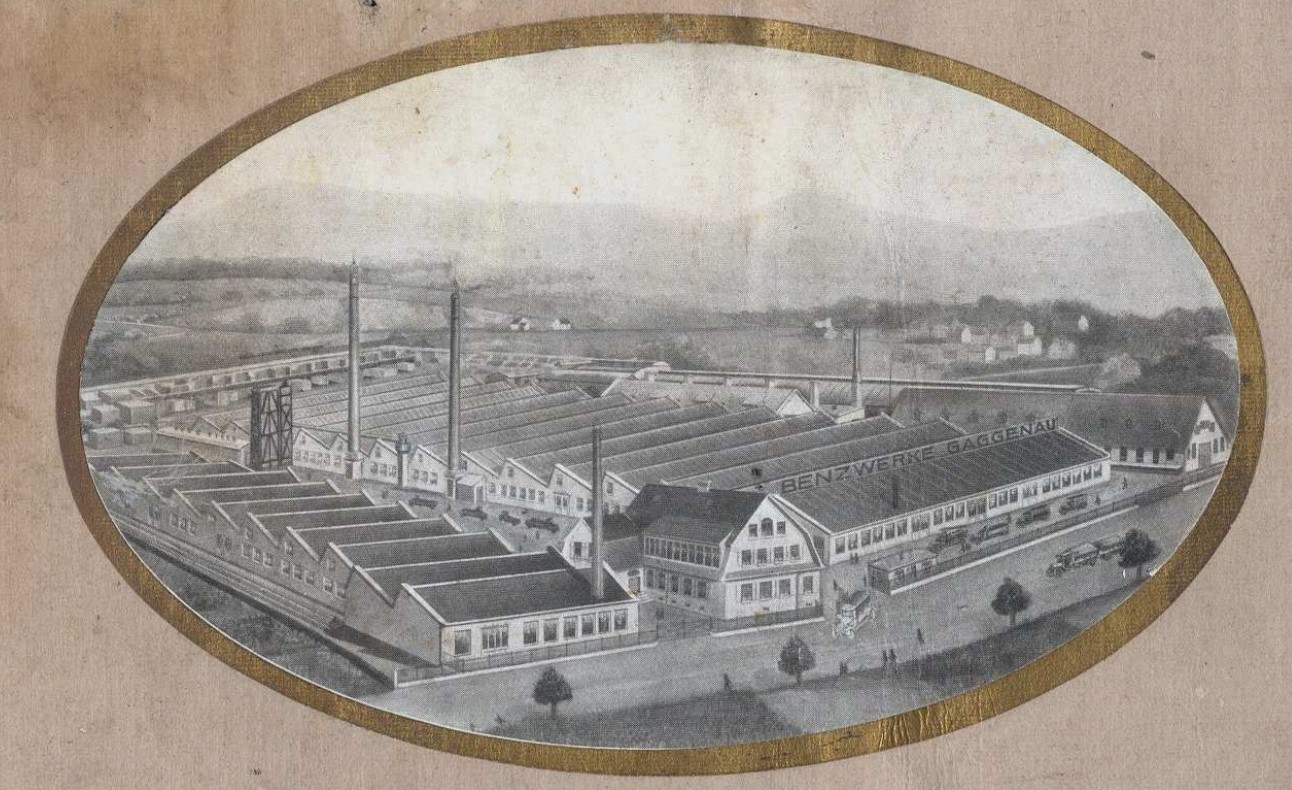
Surprisingly, the car plant in Gaggenau has survived to this day and, on its official website, unashamedly calls itself the oldest operating car plant in the world. Just as before, it belongs to the Daimler Trucks Group and currently manufactures transmissions, axles, and stamped parts not only for Mercedes trucks but also for the A- and B-Class passenger cars.
But Shimansky’s presence in Kharkiv’s history did not end there—in 1913, he purchased the Pilström Iron Foundry and Machine-Building Plant at Kontorska Street, 77, which had been in operation there since the early 1870s.
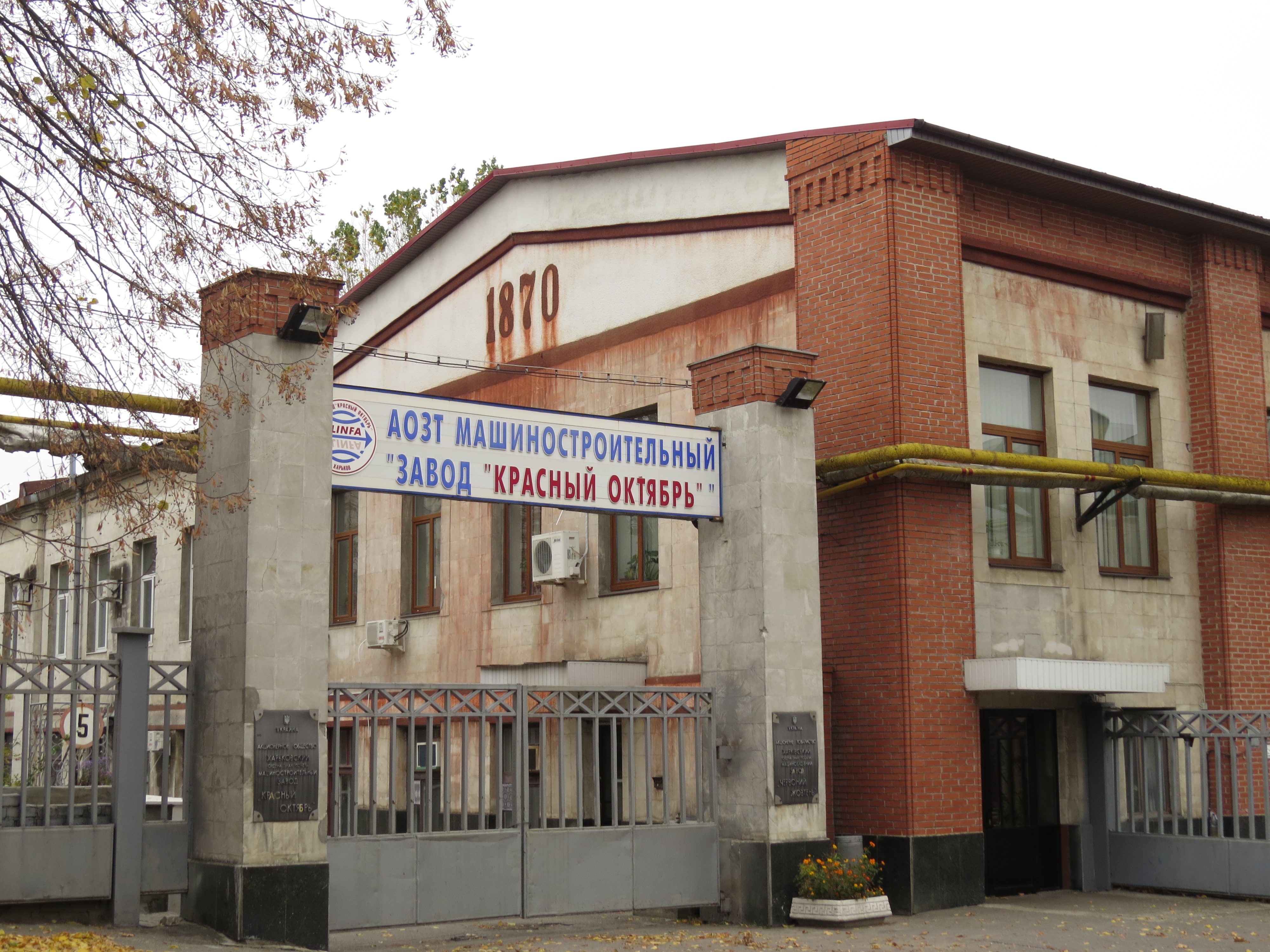
Shimansky’s mansion can be found at its current address: Geroev Nebesnoj Sotni Square, 32B.

- Blackie’s House on Maksymilianivska St - 19.10.2026
- Danylevs’koho Street, 19 - 13.10.2026
- Debunking the myth about one of the most famous Kharkiv photos - 12.10.2026