In our posts, we often mention a certain Paris Exhibition. Since this exhibition will come up more than once in our posts, let’s talk a little bit about it…
Let’s start with the most interesting part…
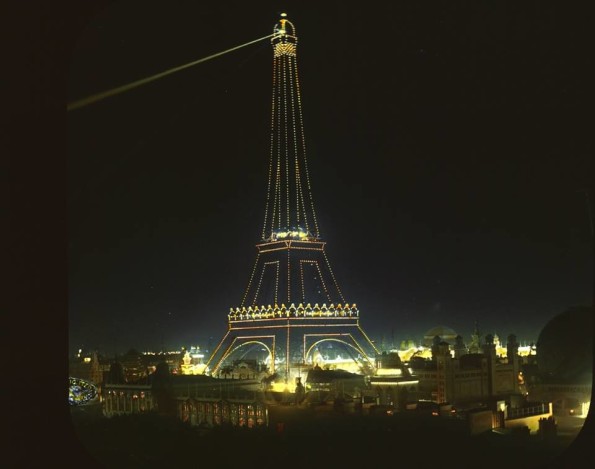
A large number of companies from Kharkiv and the province were featured and honored at the exhibition itself. In addition to Kharitonenko and Alchevskaya, there was another interesting figure from Sloboda Ukraine in Paris… So, meet:
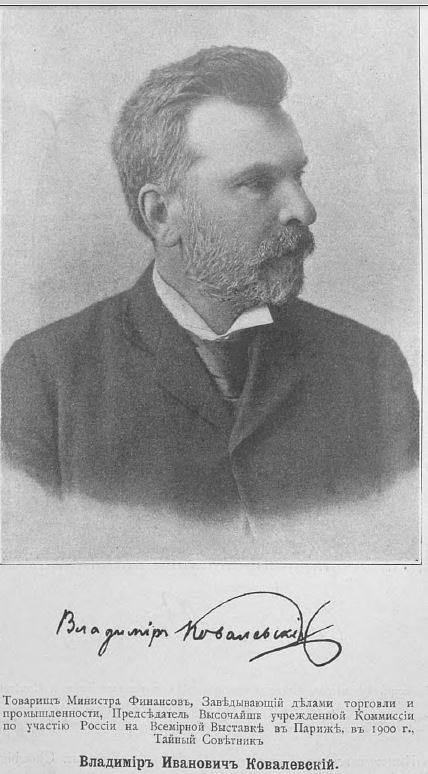
Vladimir Ivanovich Kovalevsky was a nobleman from the Kharkiv Governorate. He was born on November 9, 1848, in Novo-Serpukhov (present-day Balakliya) in the Zmiiv District of the Kharkiv Governorate, into the family of a landowner.
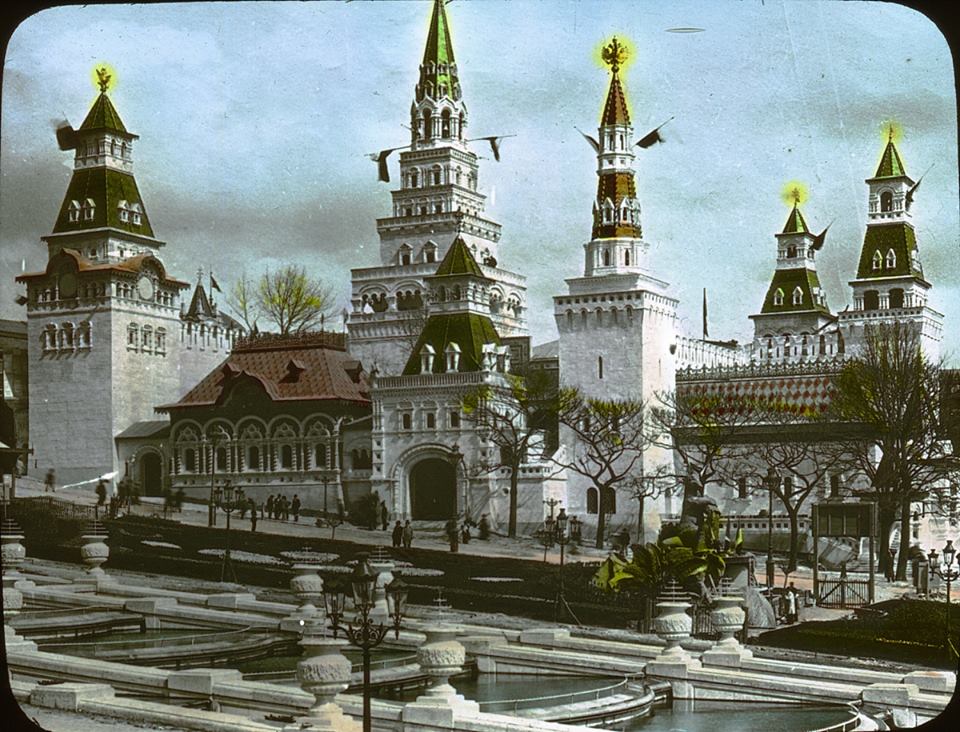
And it was he, already serving as director of the Department of Trade and Manufactures, who headed the commissions responsible for preparing the Russian pavilions at the 1900 World’s Fair in Paris.
In short, the uniqueness of the exhibition itself lay in the following:
Start date: April
15; End date: November 12, 1900.
The symbol of the exhibition was the dawn of the new, 20th century. The dominant style at the exhibition was Art Nouveau.
Over the course of seven months, more than 50 million people visited the exhibition—a record that still stands today.
Thirty-five countries presented their exhibits in 18 thematic sections. Virtually every one of them built a national pavilion to house its exhibits. A large number of structures were erected specifically for the exhibition, and they continue to adorn Paris to this day.
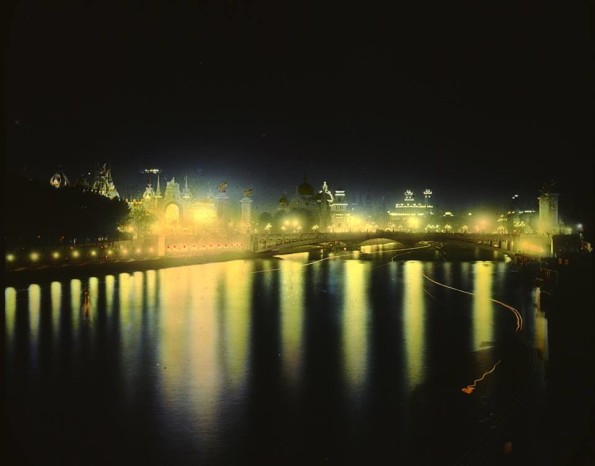
The Second Olympic Games, which lasted a full five months—from May through October—were part of the exhibition. These were the first Games in which women competed.
At the 1900 World’s Fair, sound films and escalators were presented to the public for the first time.
Rudolf Diesel presented a diesel engine powered by rapeseed oil to the exhibition visitors.
The center of attention at the Palace of Illusions was a telescope with a 1.25-meter-diameter objective lens. This telescope was the largest of its kind built at that time. The telescope tube itself was 60 meters long and 1.5 meters in diameter.
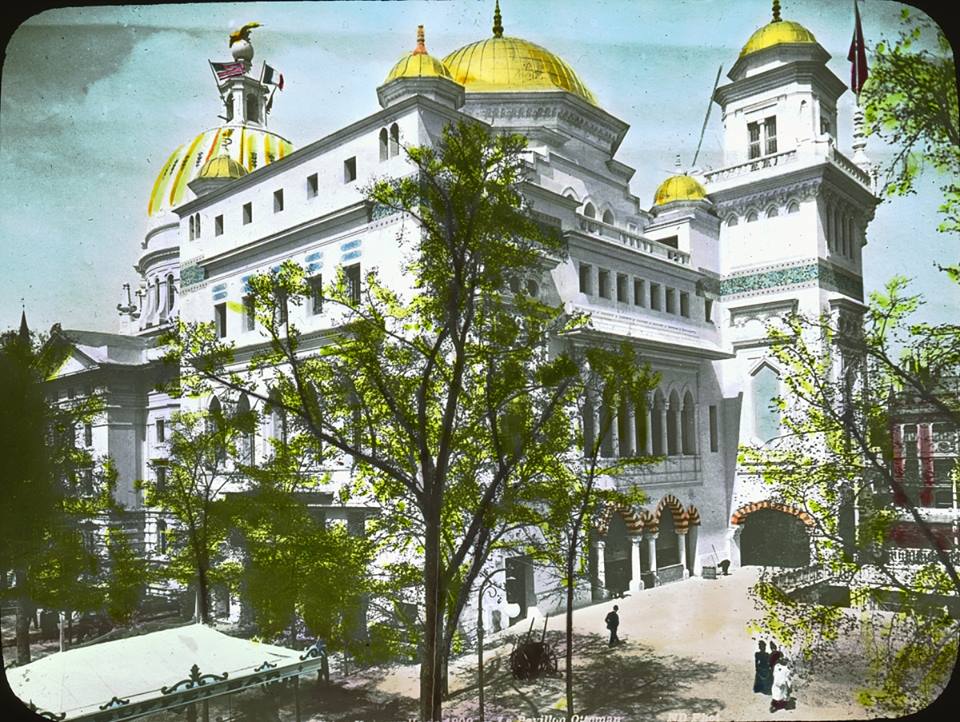
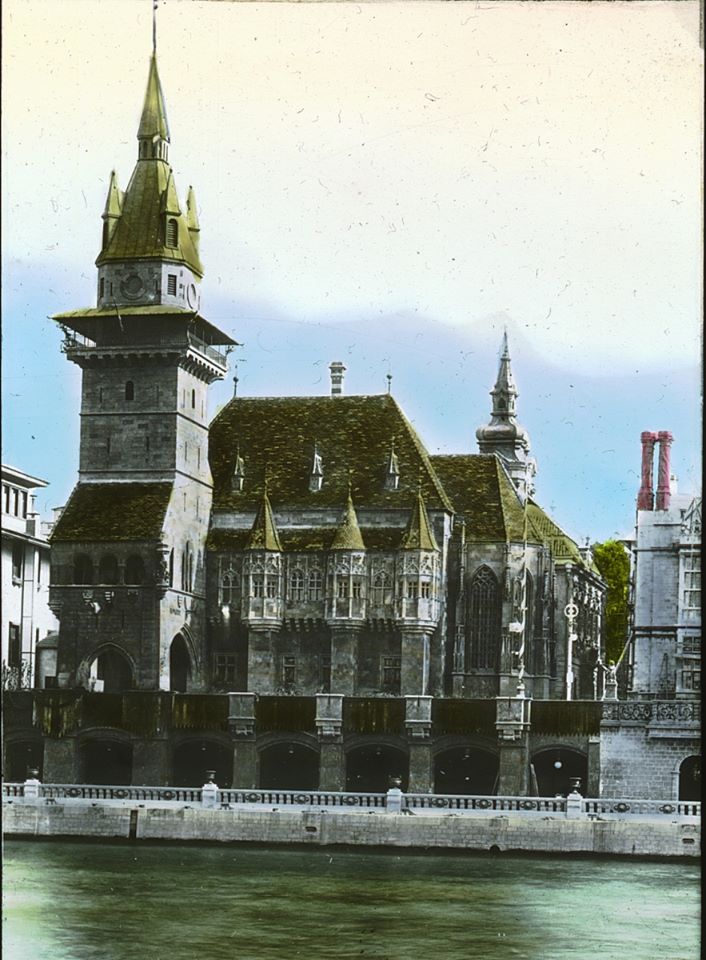
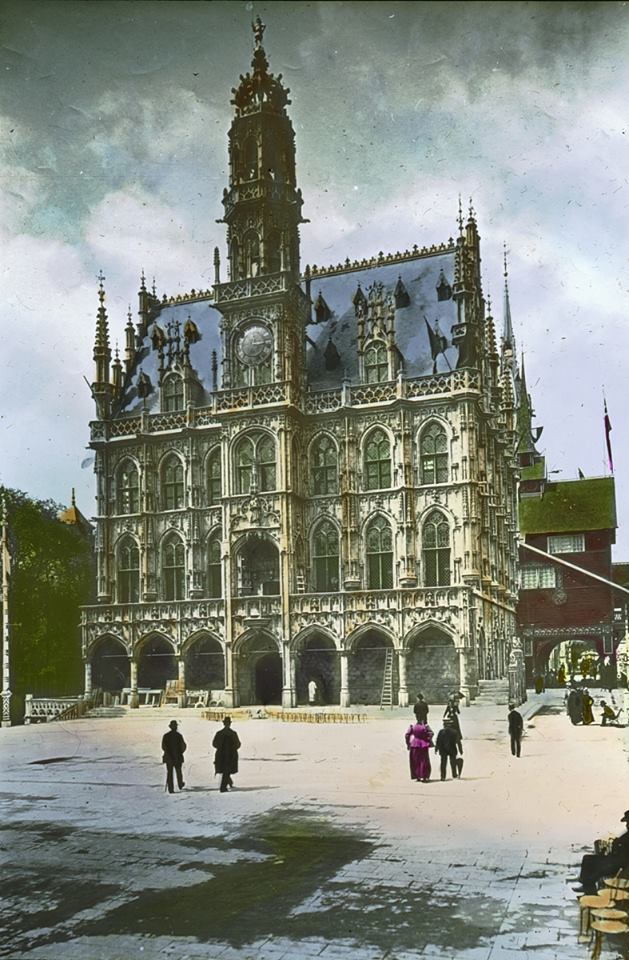
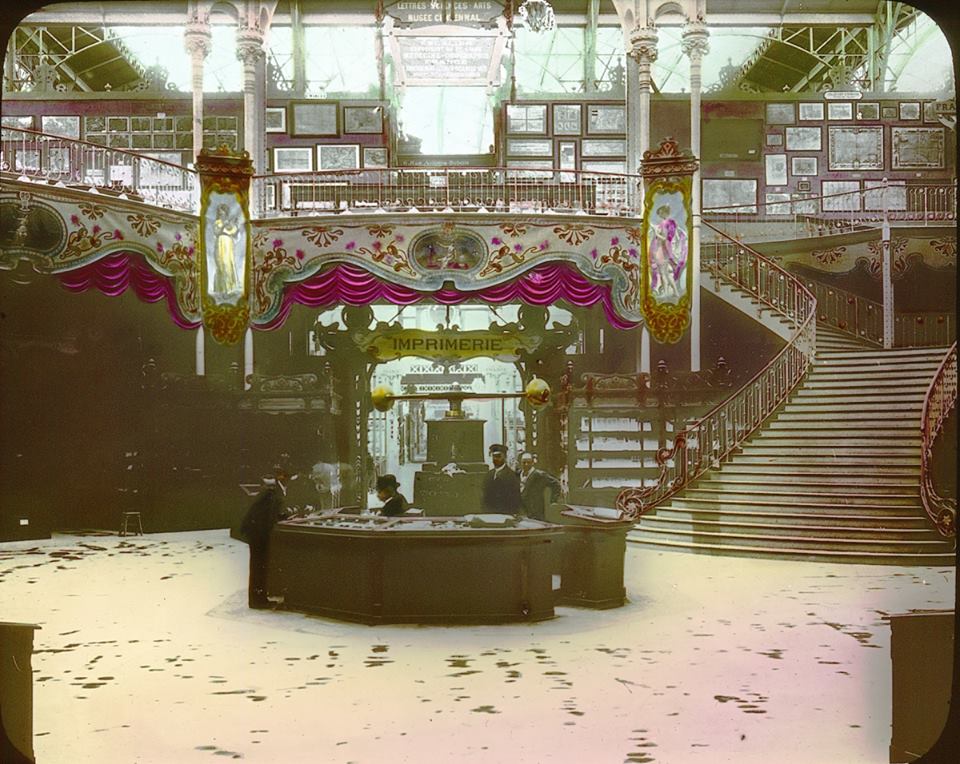
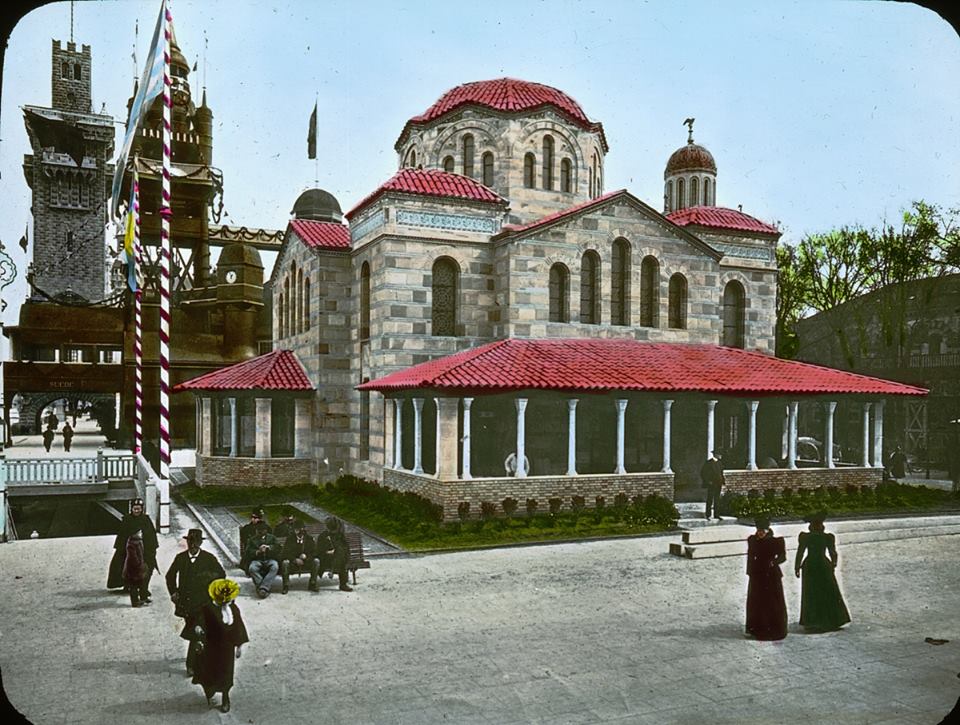
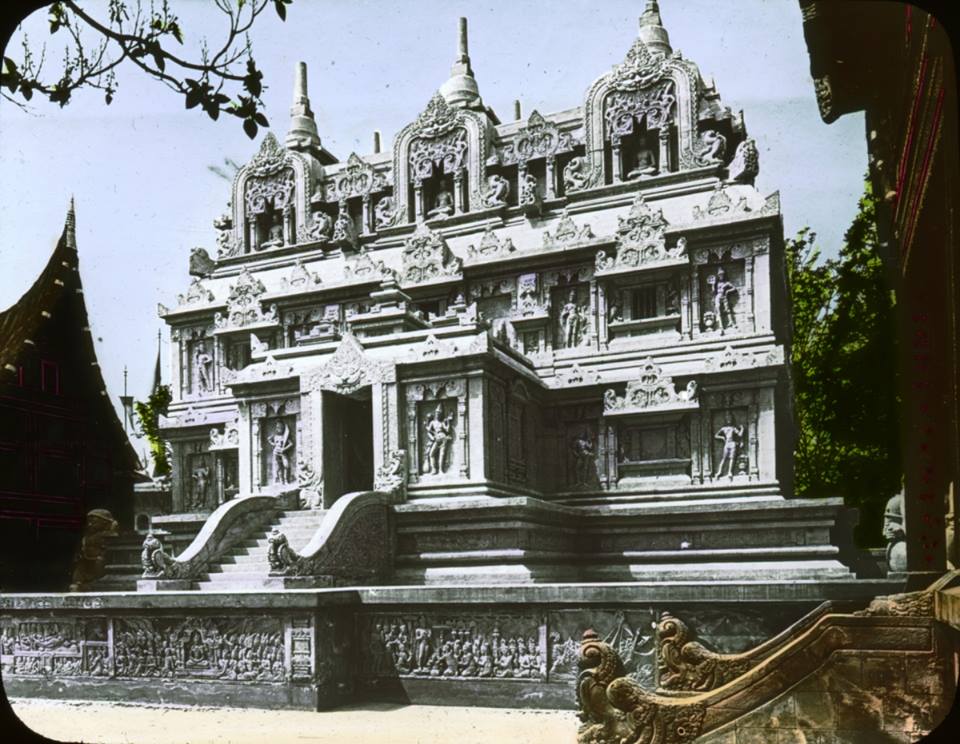
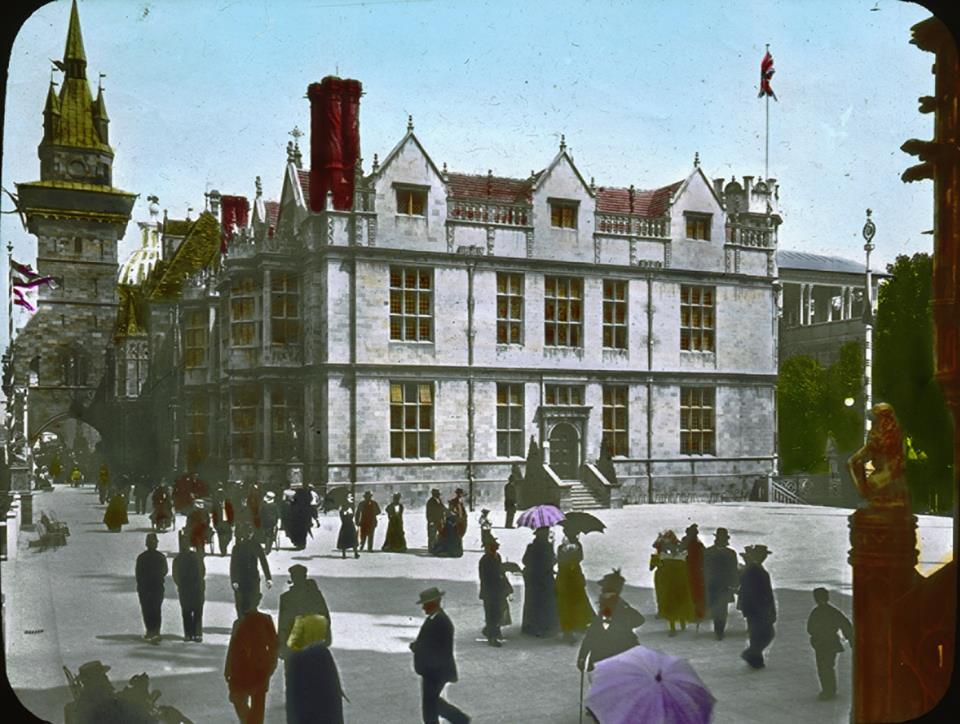
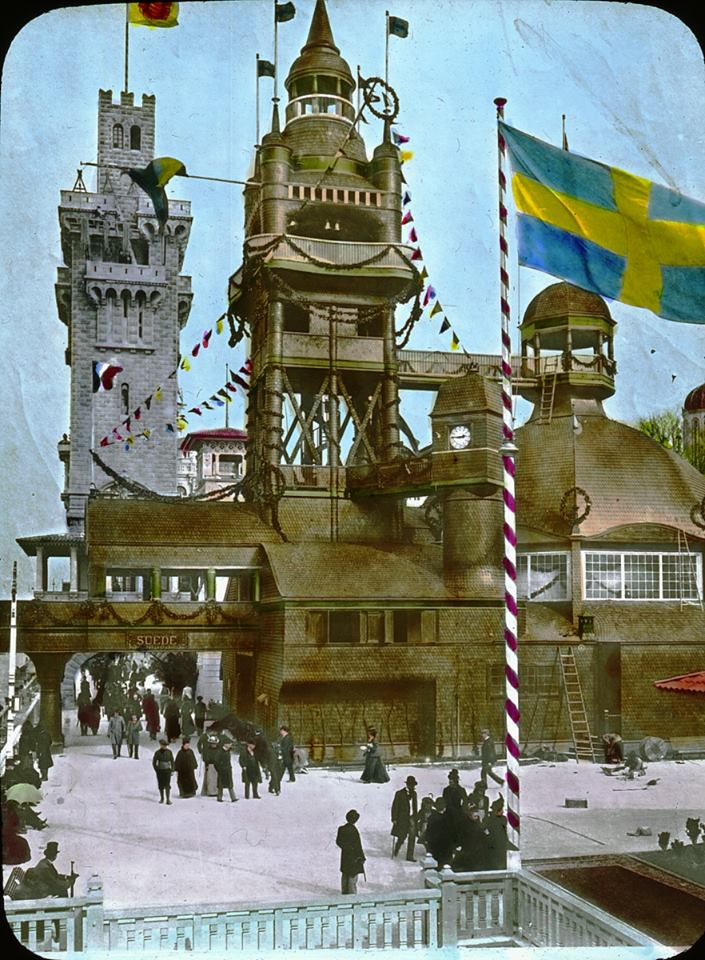
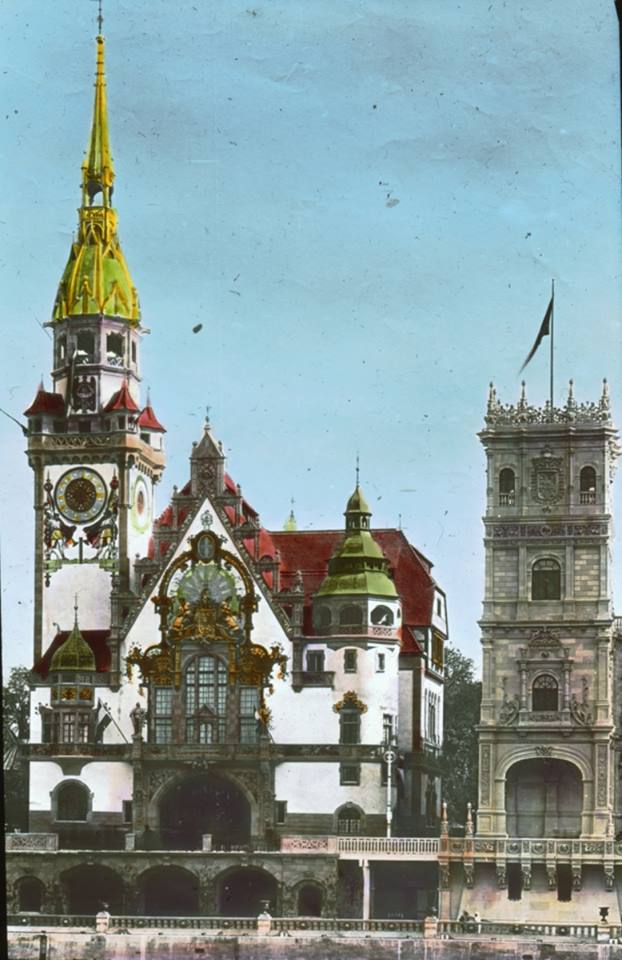
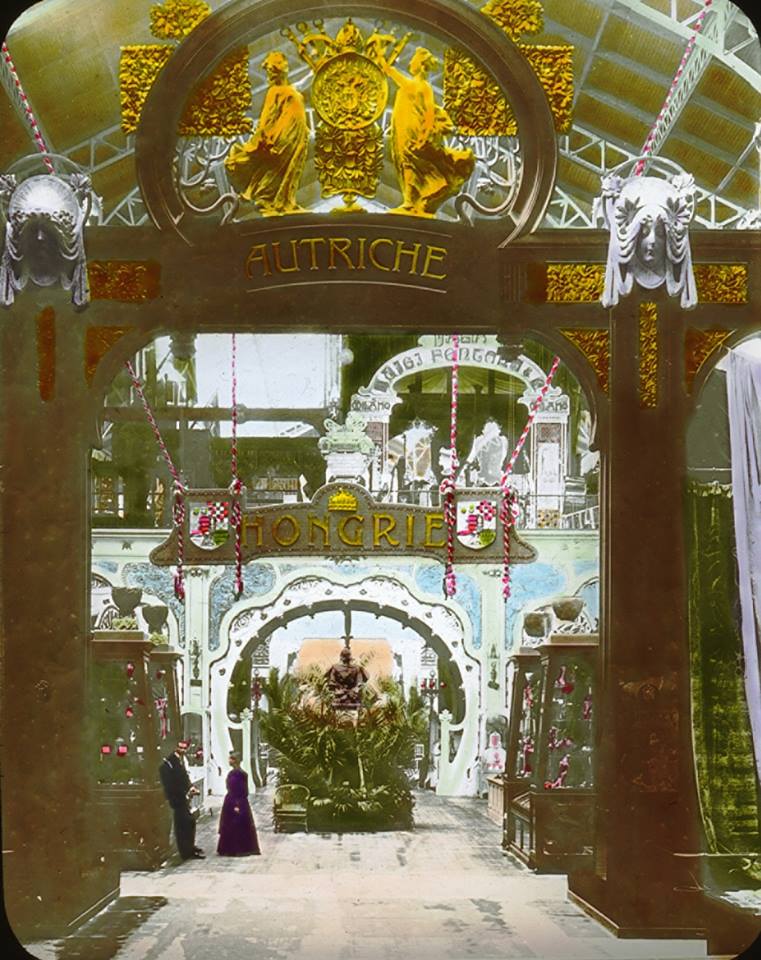
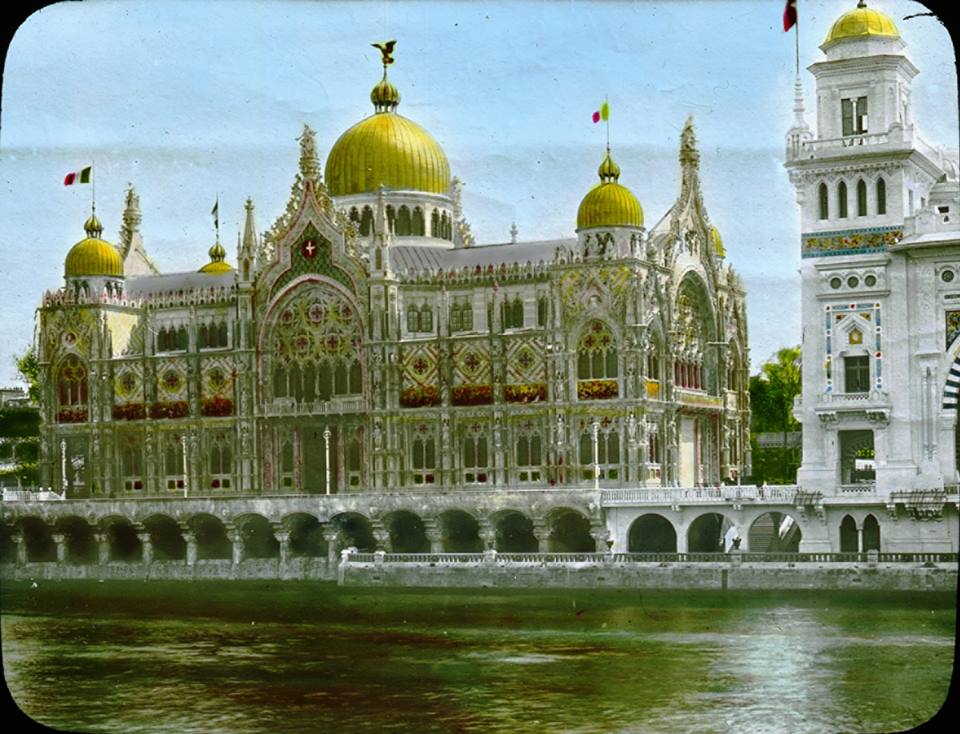
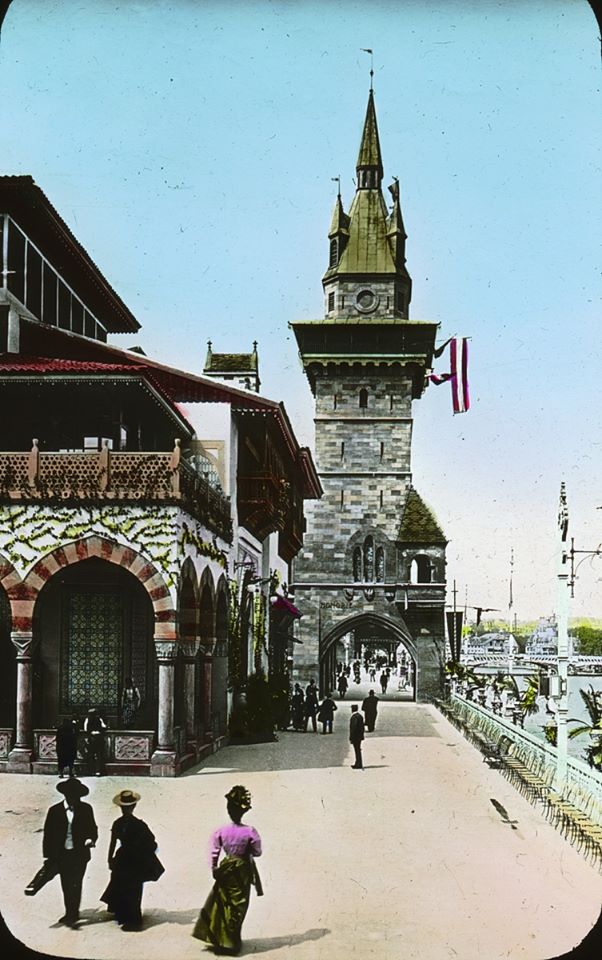
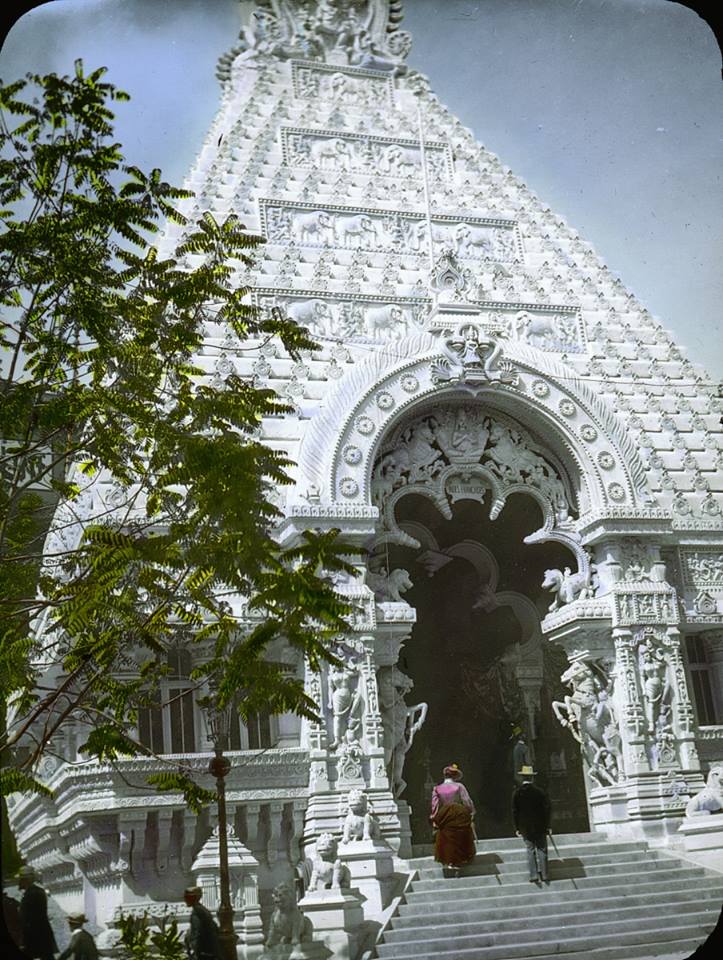
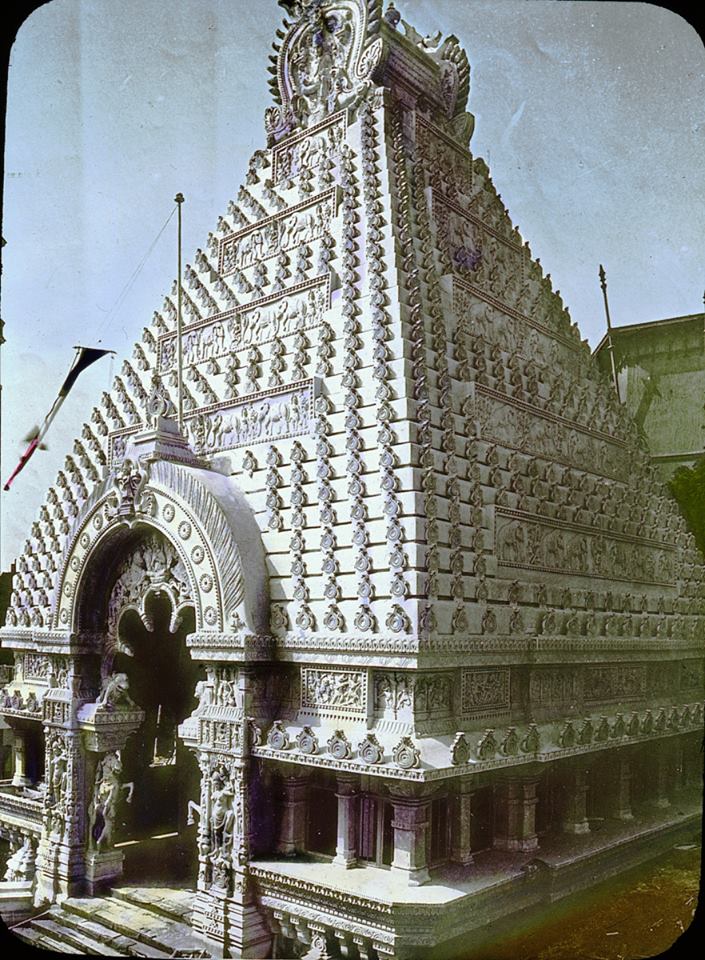
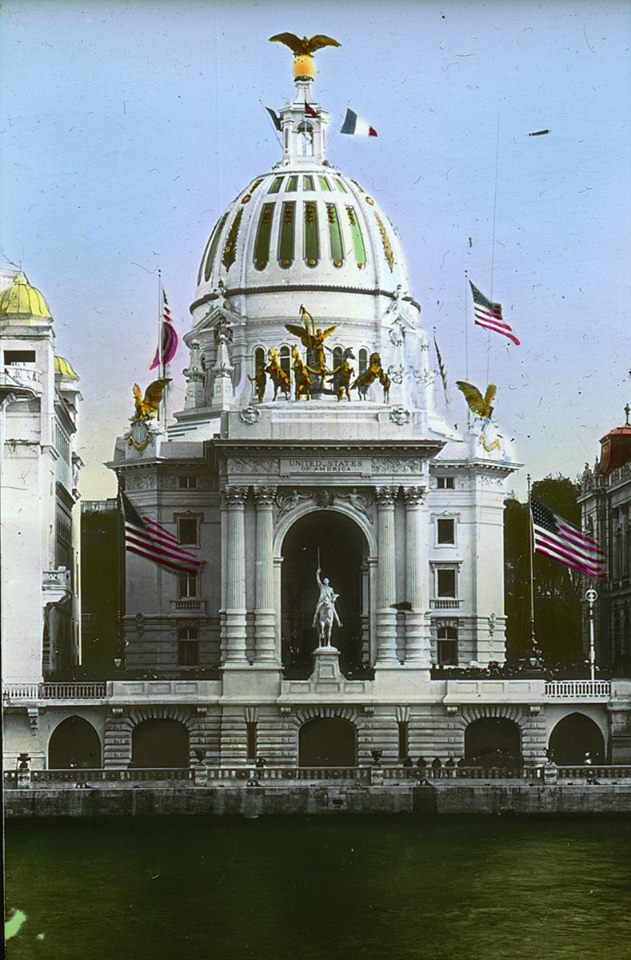
Since there are so many beautiful photos from the exhibition, we just had to share this small selection with you…




- About the military pilot school and the airfield in Kharkiv… - 04.11.2020
- Nikanor Savich—A Political Career by Mistake - 13.07.2020
- And once again, about the Cavalry Guards… - 21.01.2020