
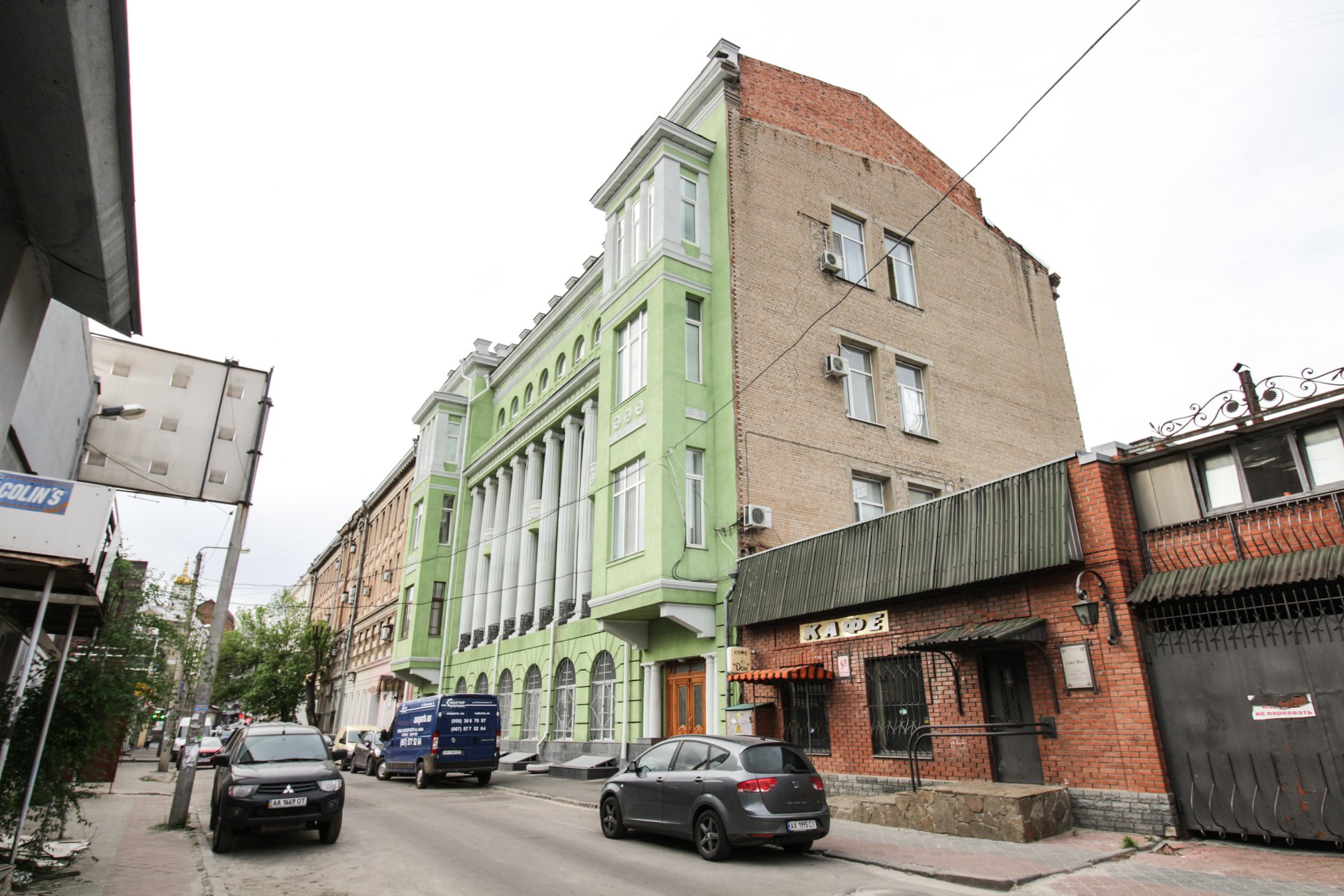
A highlight of Pletnevsky Lane is an apartment building constructed between 1913 and 1916 based on a design by architect Oleksander Ginzburg.
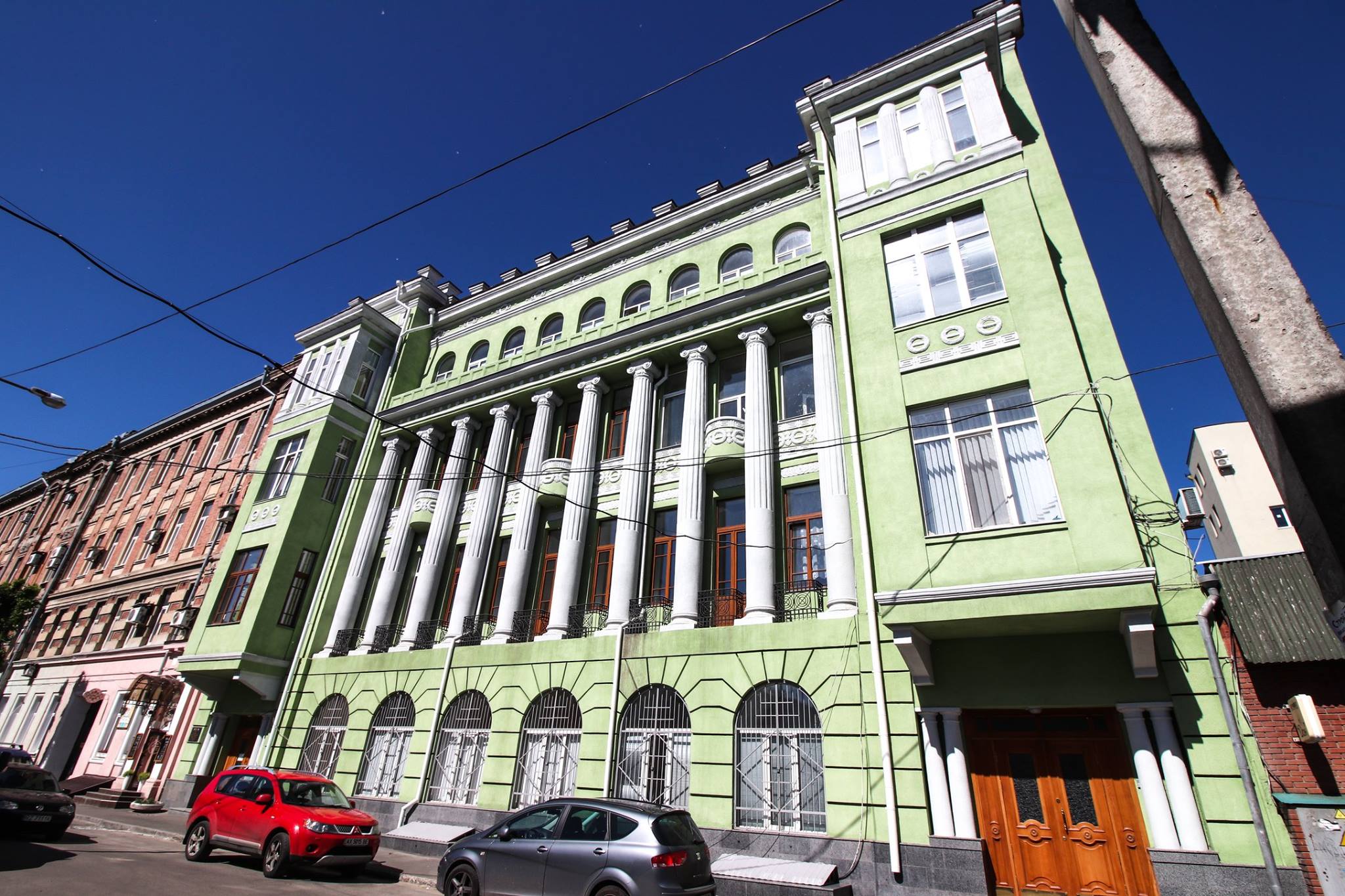
According to information provided by A. Paramonov, the owner of the apartment building was originally Mikhail Abramovich Yasny, a merchant of the 1st guild; however, articles in the newspaper *Utro* from 1914 mention that it was built for Mrs. Tsetlin (it is possible that the building belonged to the Tsetlins de facto at that time, rather than legally).
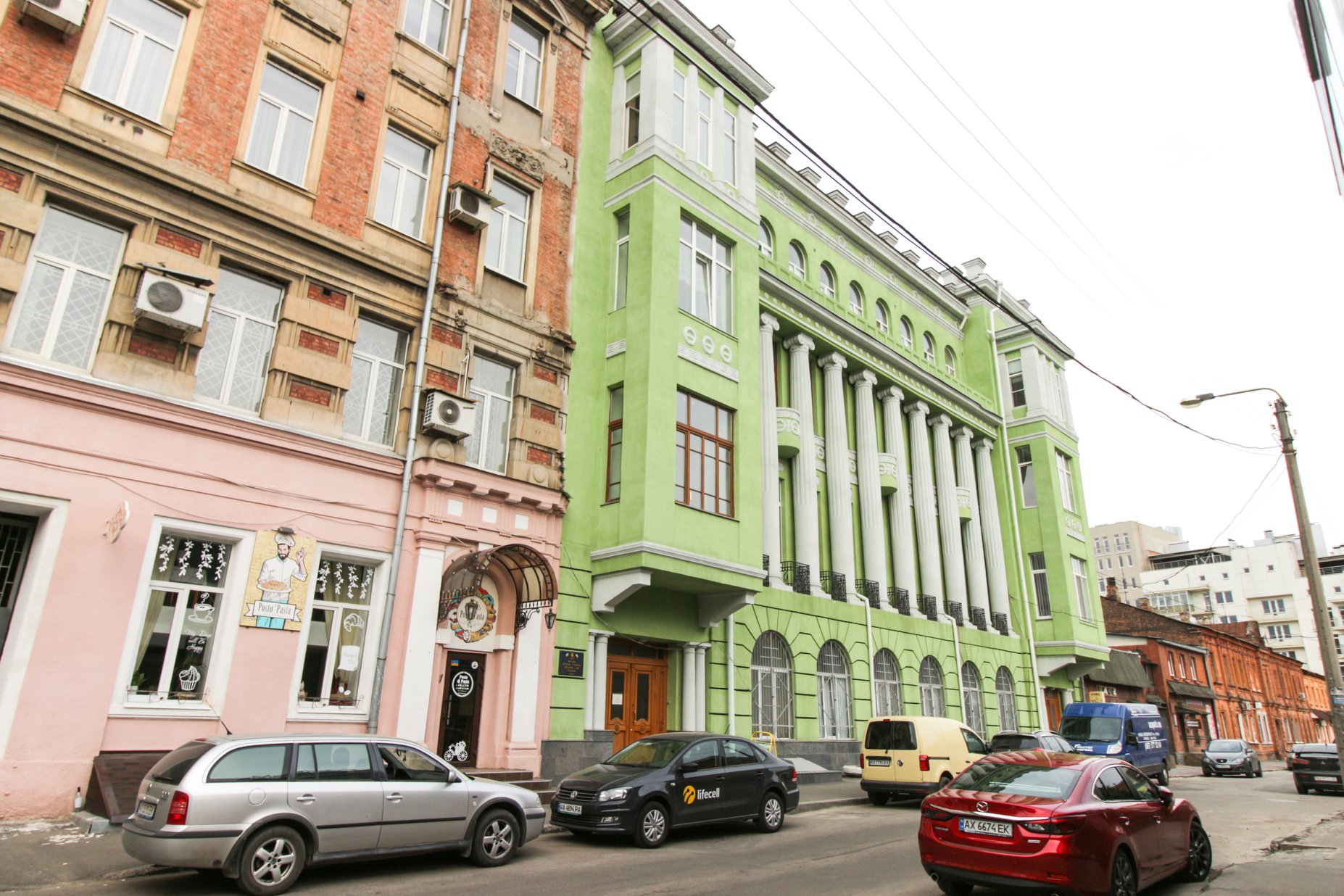
In 1918, the house was finally sold to the family of Sergei Tsetlin, a merchant from Kharkiv.

City Children’s Clinic No. 24 is currently located at Pletnivs’kyi Lane, 7. The building’s facade, which used to be orange, has turned green following a recent renovation.


On April 27, 1914, an amusing incident occurred at a construction site. Architect Ginzburg struck the owner of the construction firm (the contractor), Solun, over the unsatisfactory quality of the work, following a series of mutual insults. Solun remarked that he did not want to work with “little Jewish architects,” to which Ginzburg replied that Solun probably did not want to work with architects who could not be bribed. After Solun said, “You get your face smashed in for talking like that,” Ginzburg took the initiative and struck Solun.
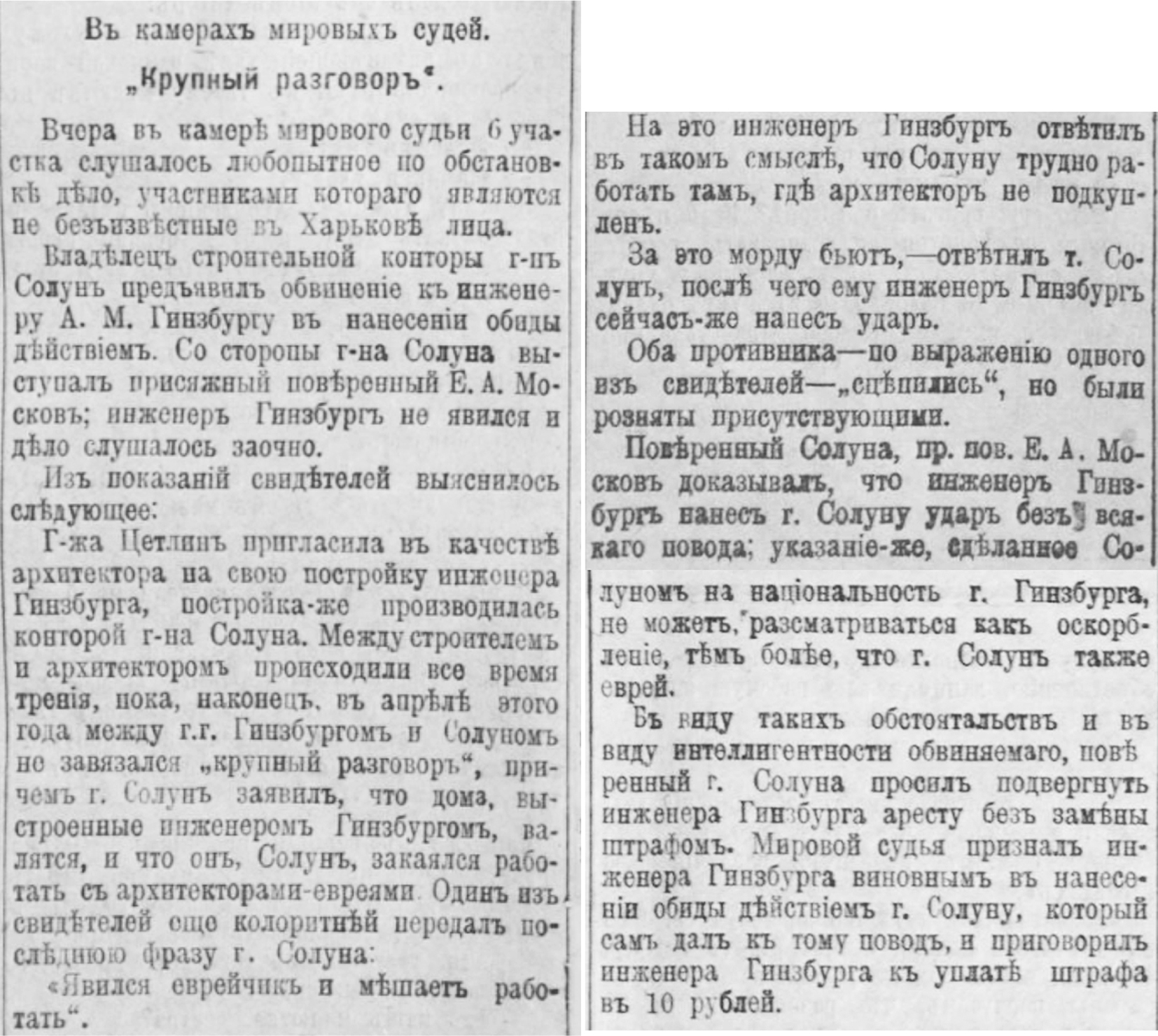
Solun sued the architect, and the court ordered Ginzburg to pay a fine of 10 rubles for assault, but did not consider Solun’s reference to Ginzburg’s nationality to be an insult, since Solun himself was also Jewish.
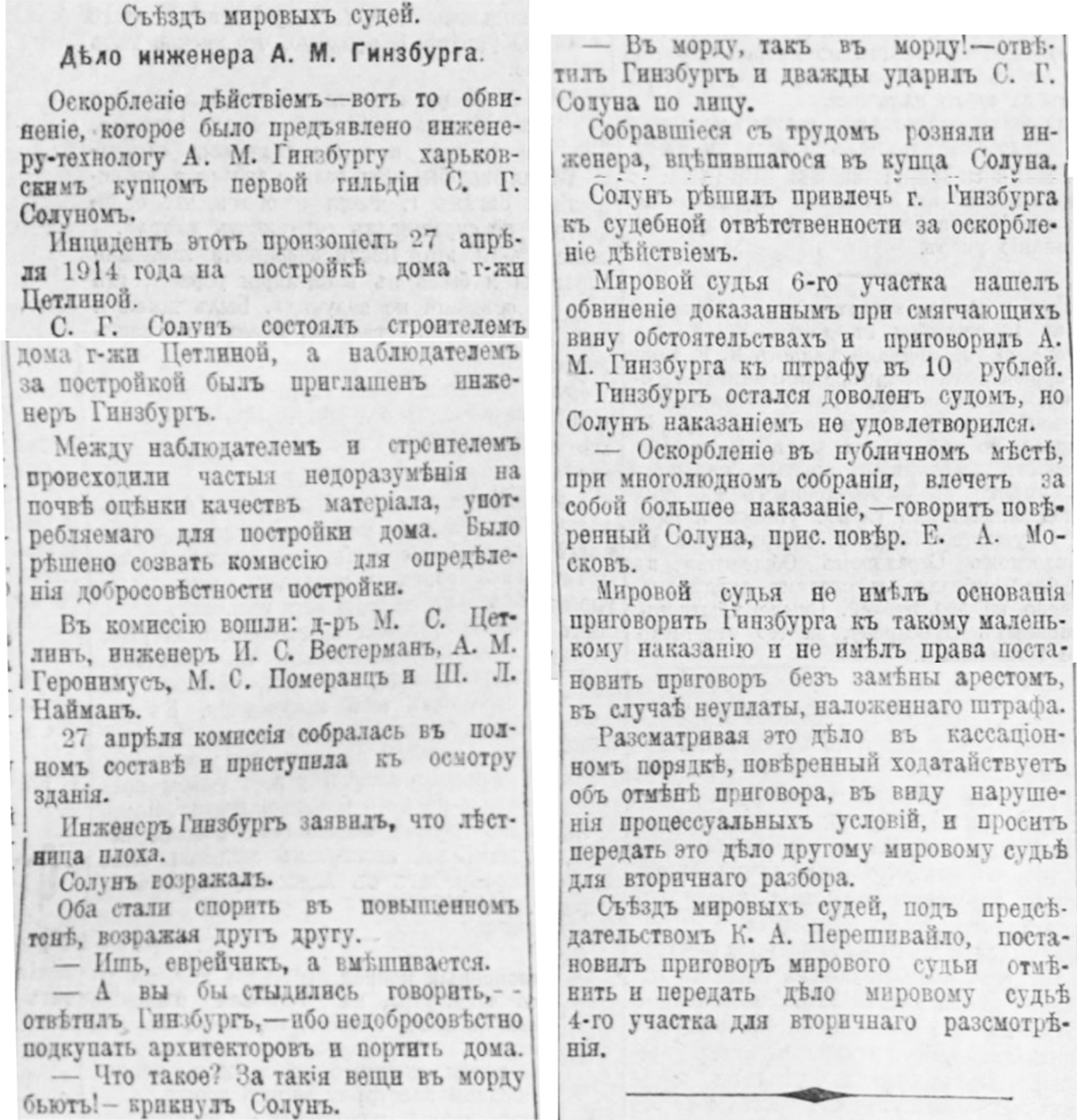
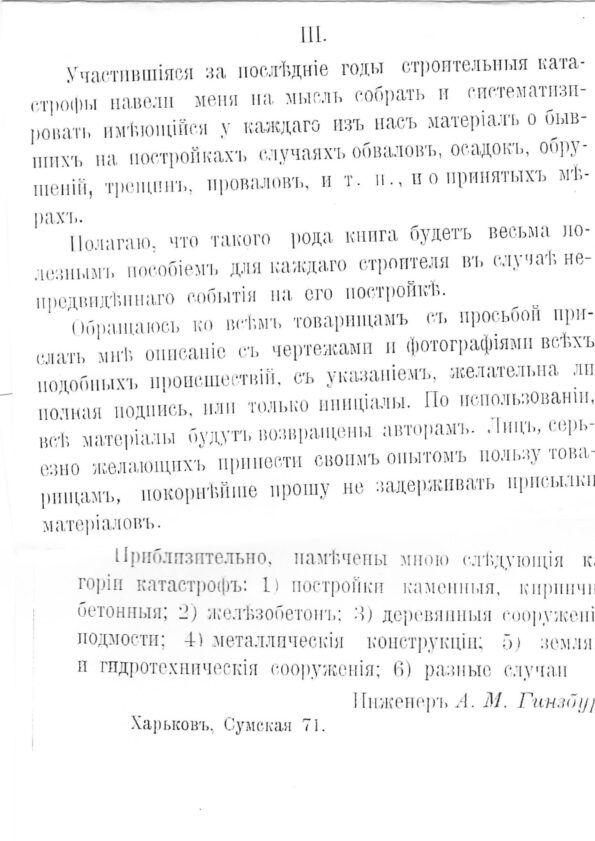
Evidently, the incident at the construction site—which had been poorly managed—was linked to theft and corruption on the part of the contractors. The latter occurred so frequently that Ginzburg began to compile a systematic record of collapses and structural failures at construction sites. The architect decided to create his own guide for builders, featuring examples of construction accidents, and in 1914, he published a request in the magazine *Zodchiy* asking readers to send him photographs and drawings from the sites of such collapses, as well as instances of subsidence, cracks, and sinkholes at construction sites.

- The Architectural Evolution of the Kharkiv Theater - 26.09.2026
- 1st Kharkiv Gymnasium - 17.09.2026
- The Oldest Movie Theater in Ukraine - 24.08.2026