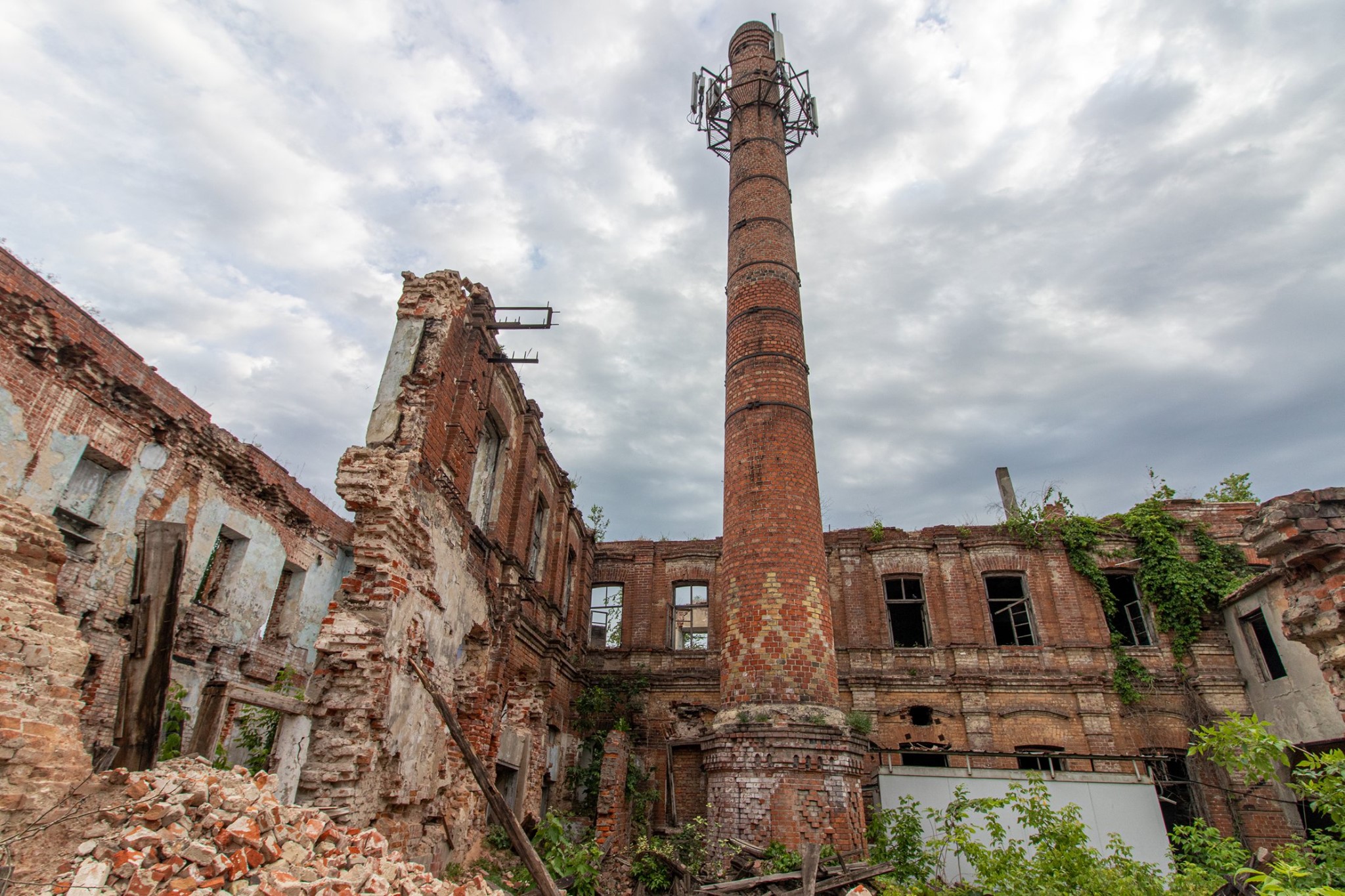
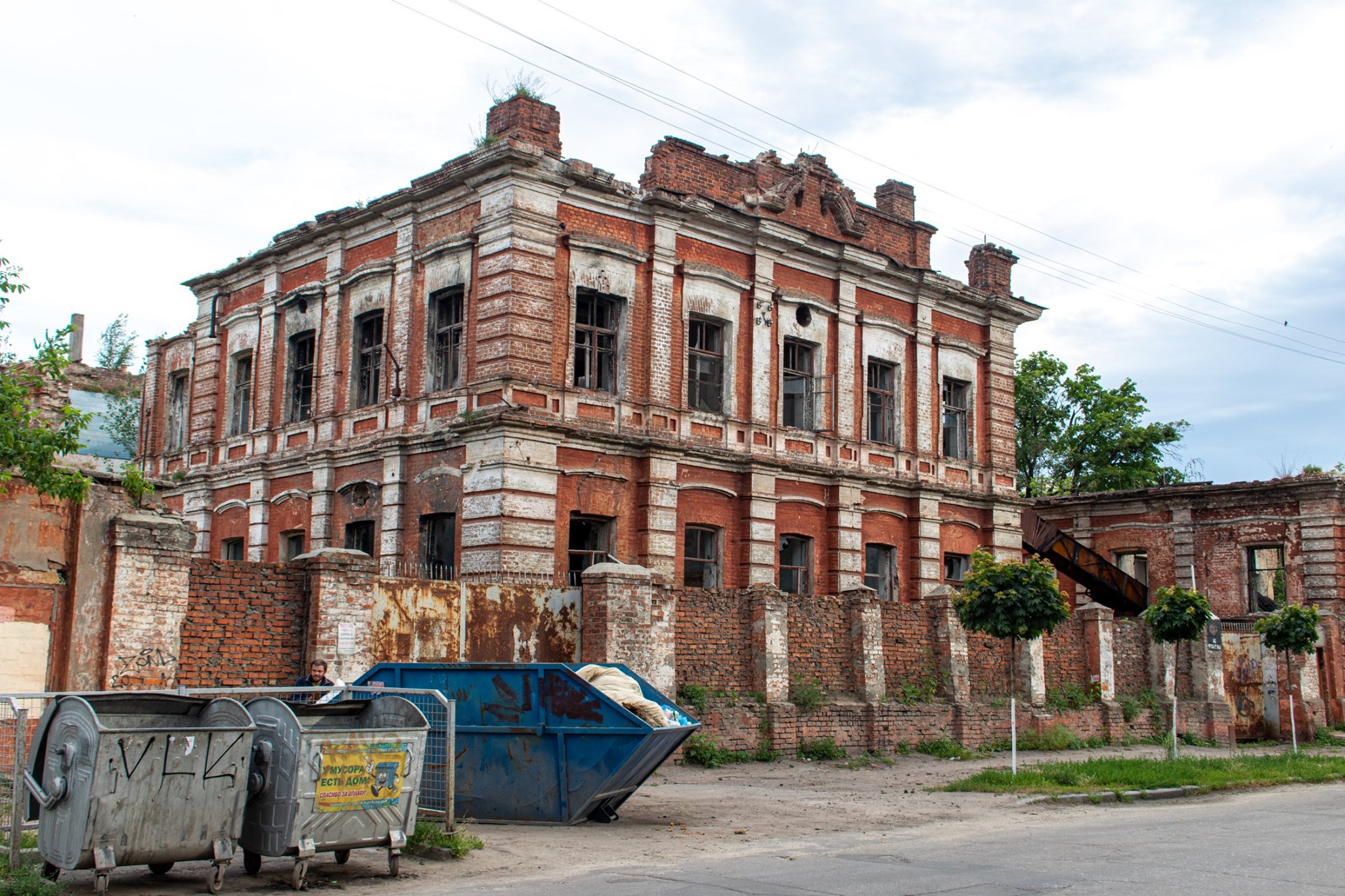
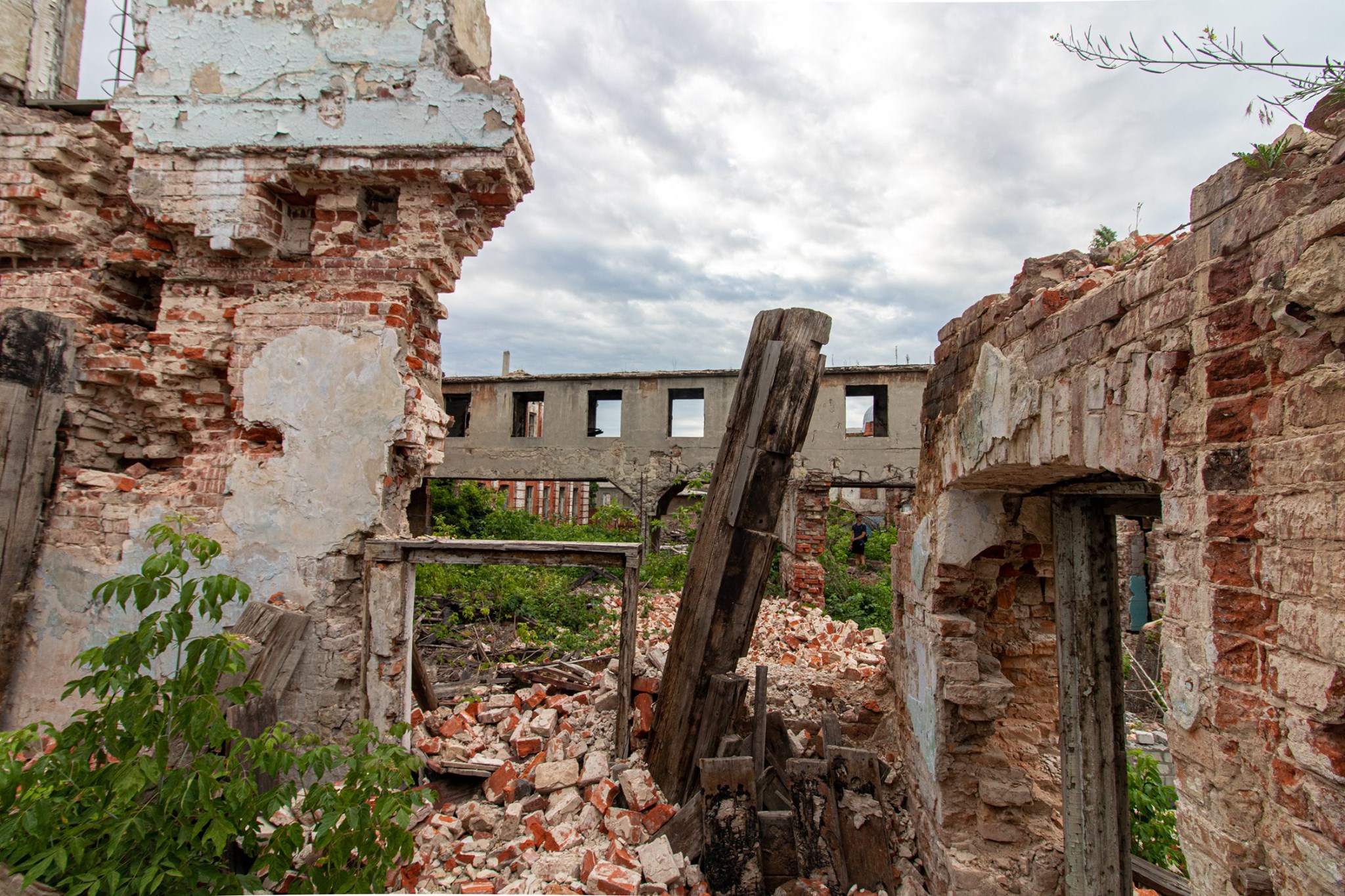
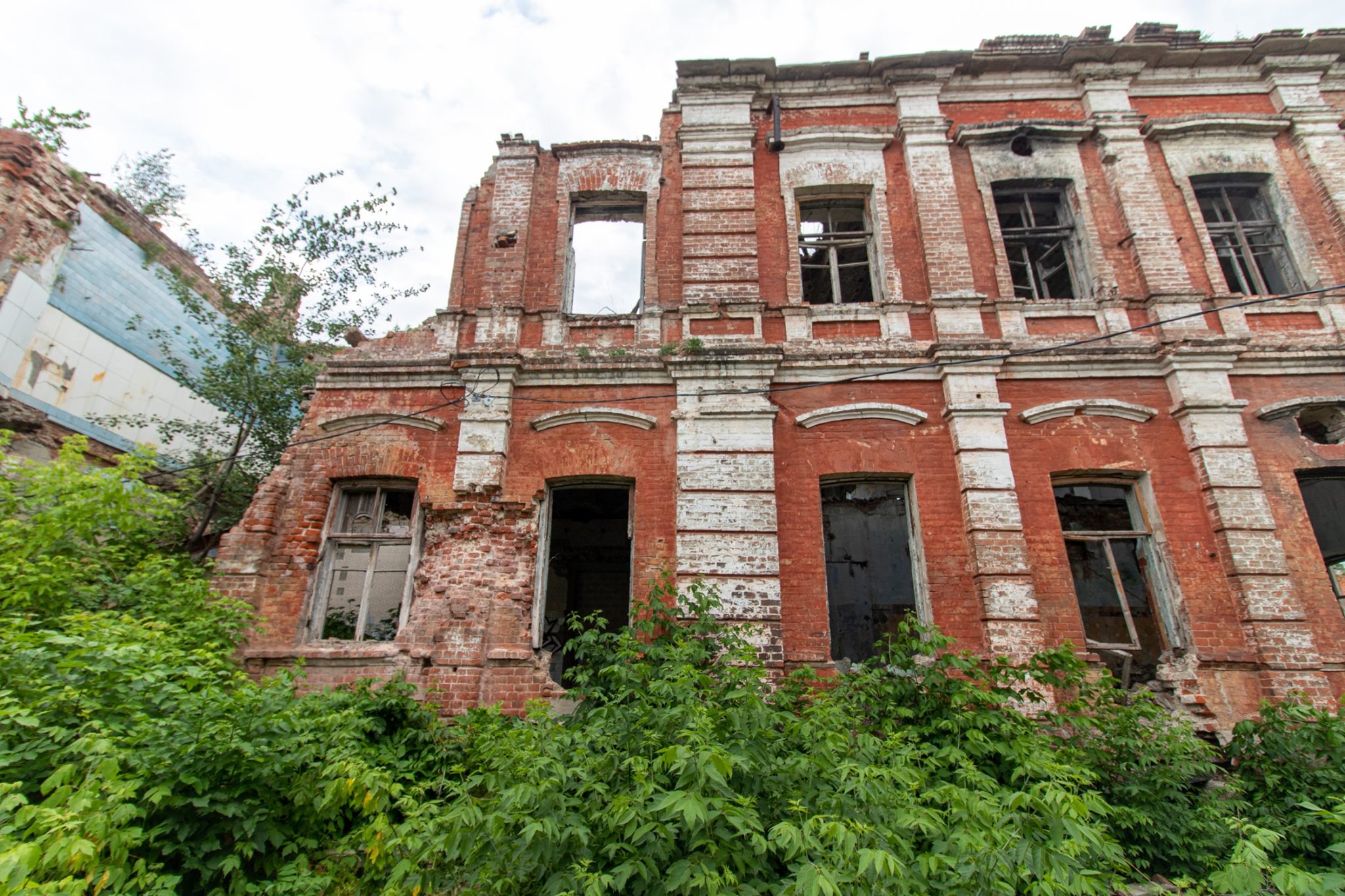
At Kontorska Street, 29 stand the ruins of what was once a large complex belonging to the Kromsky Confectionery Factory, which opened in 1889. The complex was built in the 1880s according to a design by architect Bolesław Michalowski.
The newspaper *Yuzhny Krai*, December 21, 1889:
A NEW steam-powered factory in Kharkiv.
D. K. Kromsky opens a confectionery and pasta factory on Kontorska Street, equipped with a 12-horsepower steam engine and fitted with running water, steam heating, ventilation, and electric lighting. A factory of this kind is the first of its kind in southern Russia.
Merchant Dmitry Kromsky’s factory began operations by producing traditional Sloboda Ukraine delicacies: pastila, gingerbread, halva… The product line also included pasta, jellies, and much more—in particular, chocolate, which they began producing later on. Incidentally, the factory owner lived in a house on the factory grounds, so he was always able to oversee all production processes.
Everyone remembers Bormann these days, but Kromsky’s factory has been unjustly forgotten—they also had a brand store in the city center (near what is now Pavlovska Square).
Kromsky & Co.’s confections won the top prize (Grand Prix) in Paris, a fact that was later proudly displayed on their labels. In general, the packaging was exquisite, and the finest artists were commissioned to design it. The chocolate wrappers told a fairy tale (to piece the story together, you had to buy a whole bunch of chocolates), and the luxurious tin boxes were reused around the house for years afterward.
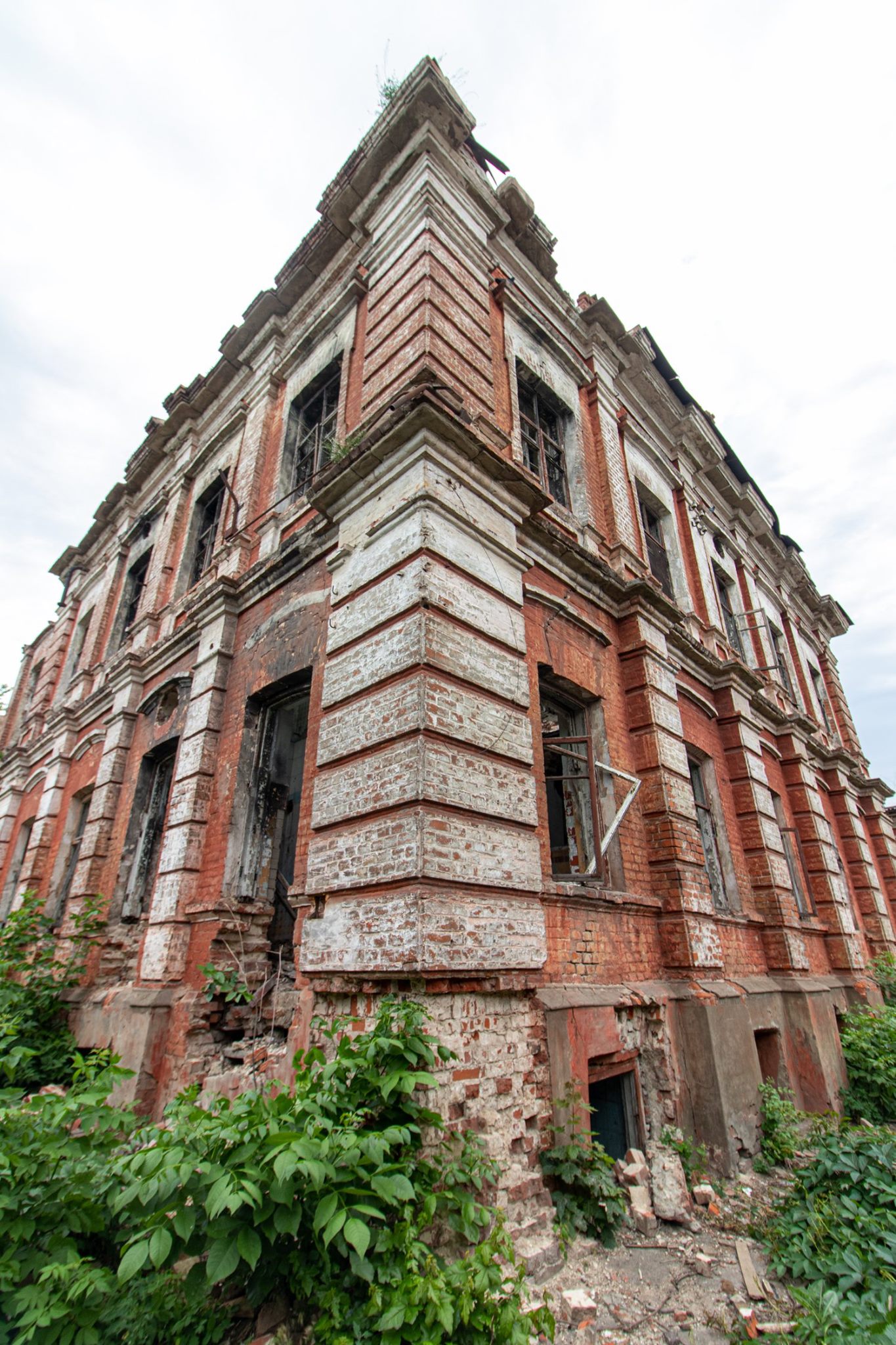
After Kromsky, the factory came into the possession of the merchant Ivan Romanenko. Romanenko also built an apartment building across from the factory. The building was constructed around 1907 based on a design by Valentin Feldman (one of the architects of the Kharkiv Choral Synagogue). Today, this building is known as the Shapara House, named after its last owner from 1913 to 1919.
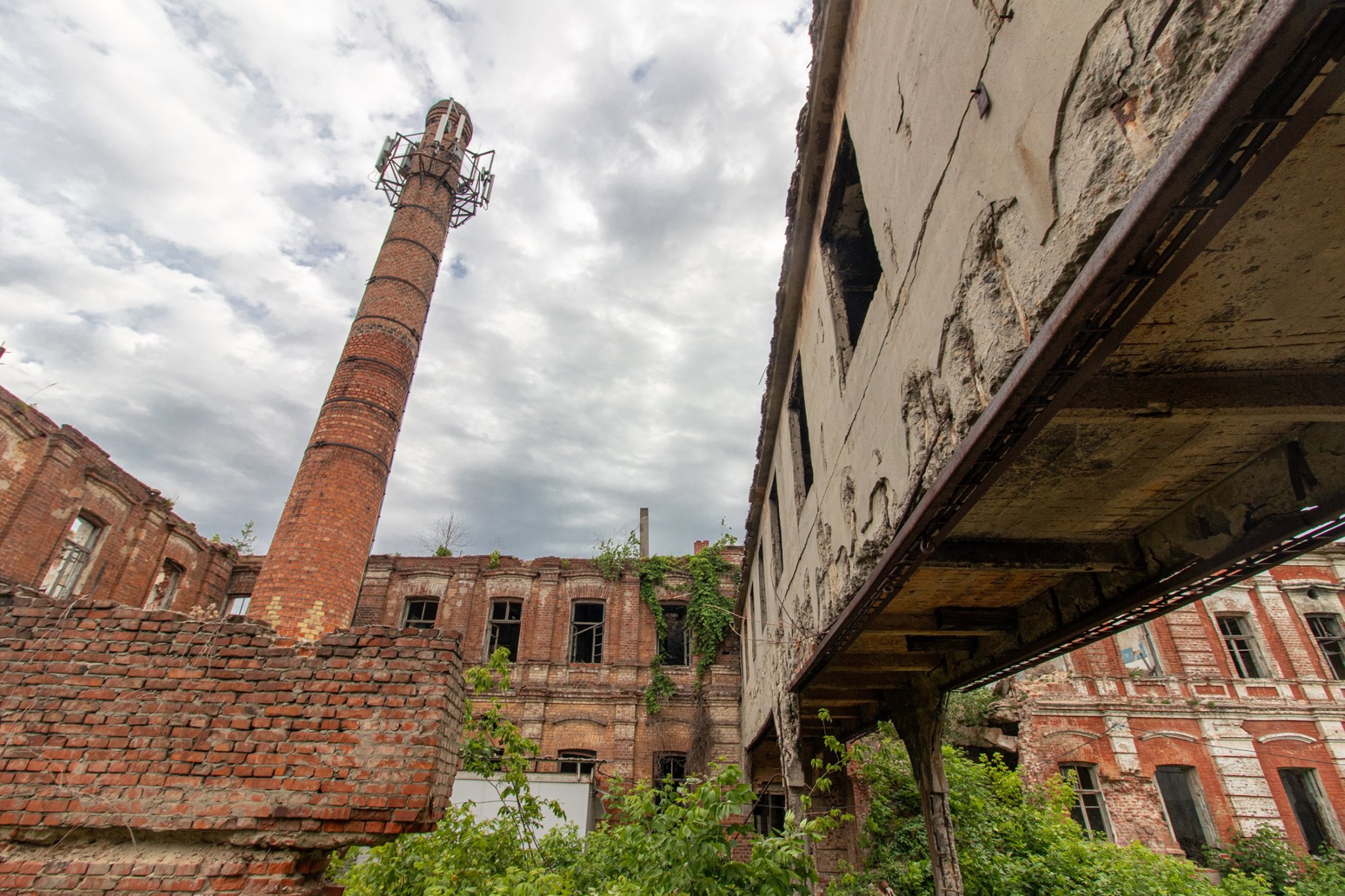
During the Soviet era, the factory was renamed the Krupskaya Factory (which sounded similar to “Kromsky”). In the 1950s, the “Ukrgidroprivod” Institute, which designed food processing plants, was located on its grounds. The factory complex was abandoned in the 1990s.
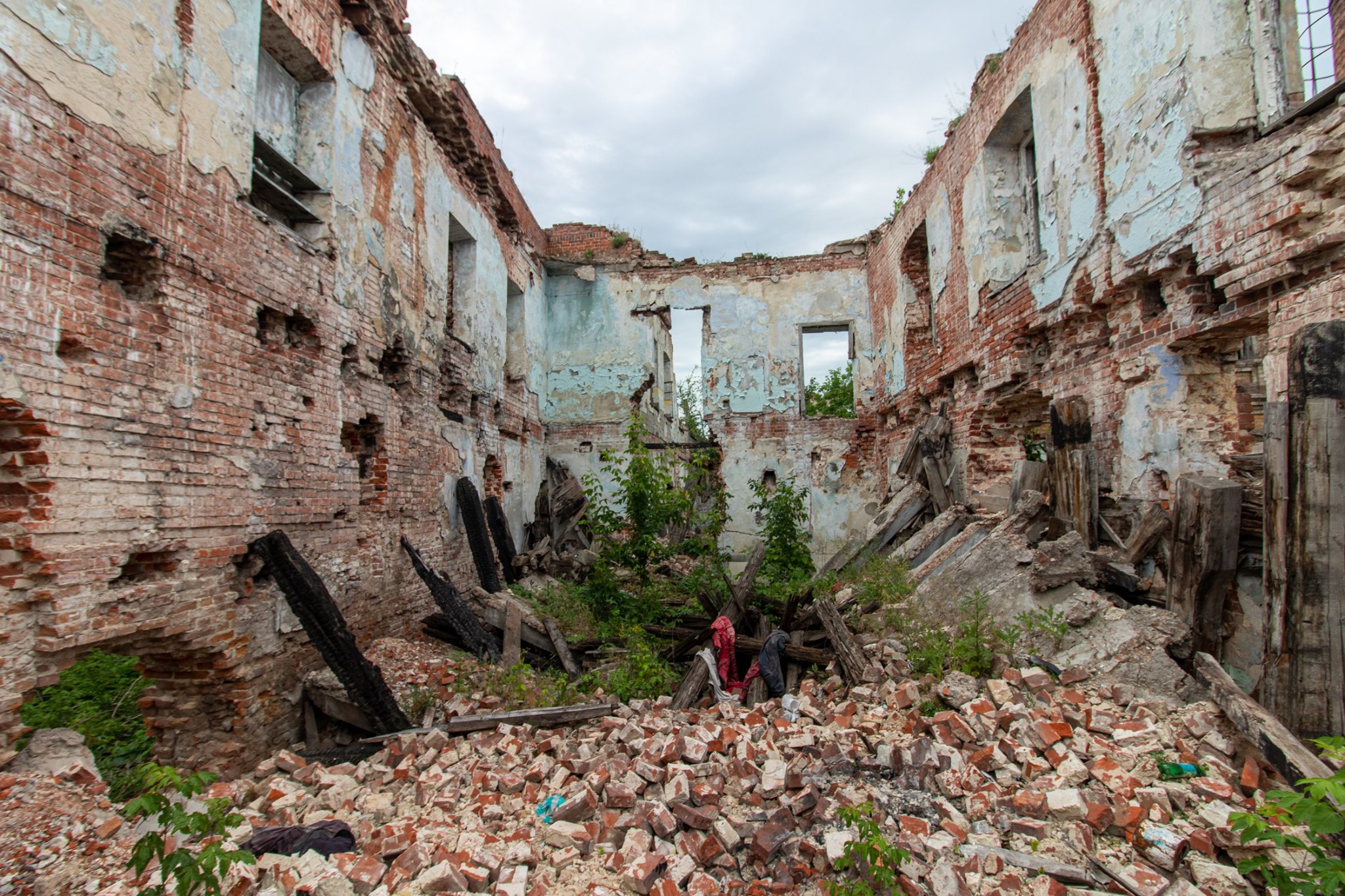
The factory chimney is the best-preserved part of the structure—it houses cell phone transmitters, and beneath it stands a modern booth containing base station equipment; set against the backdrop of the surrounding ruins, the scene looks surreal.
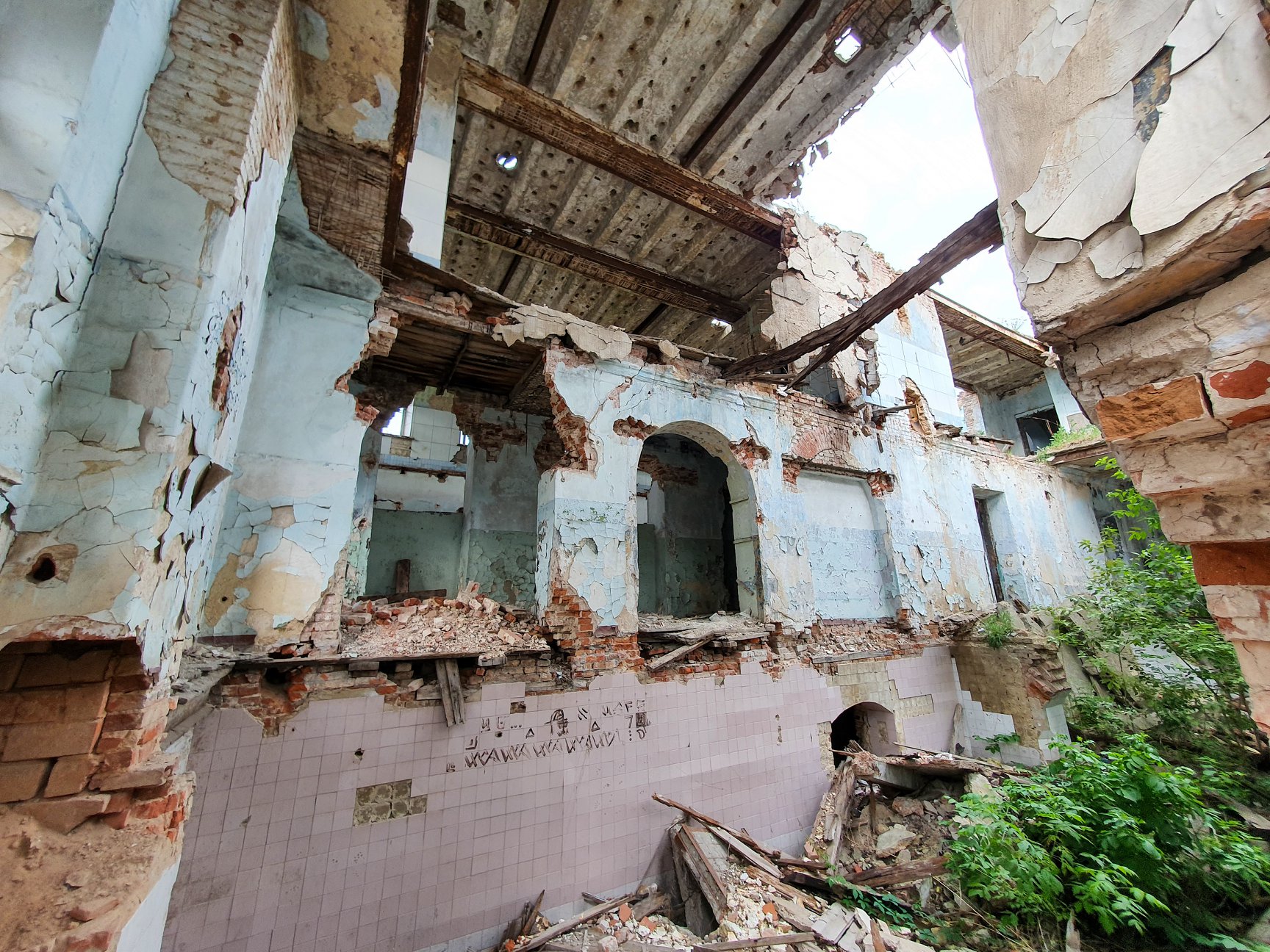
In 2019, the architectural firm Drozdov & Partners presented a concept for transforming the factory ruins into the Czukerka multifunctional center, while partially preserving its original architectural features.
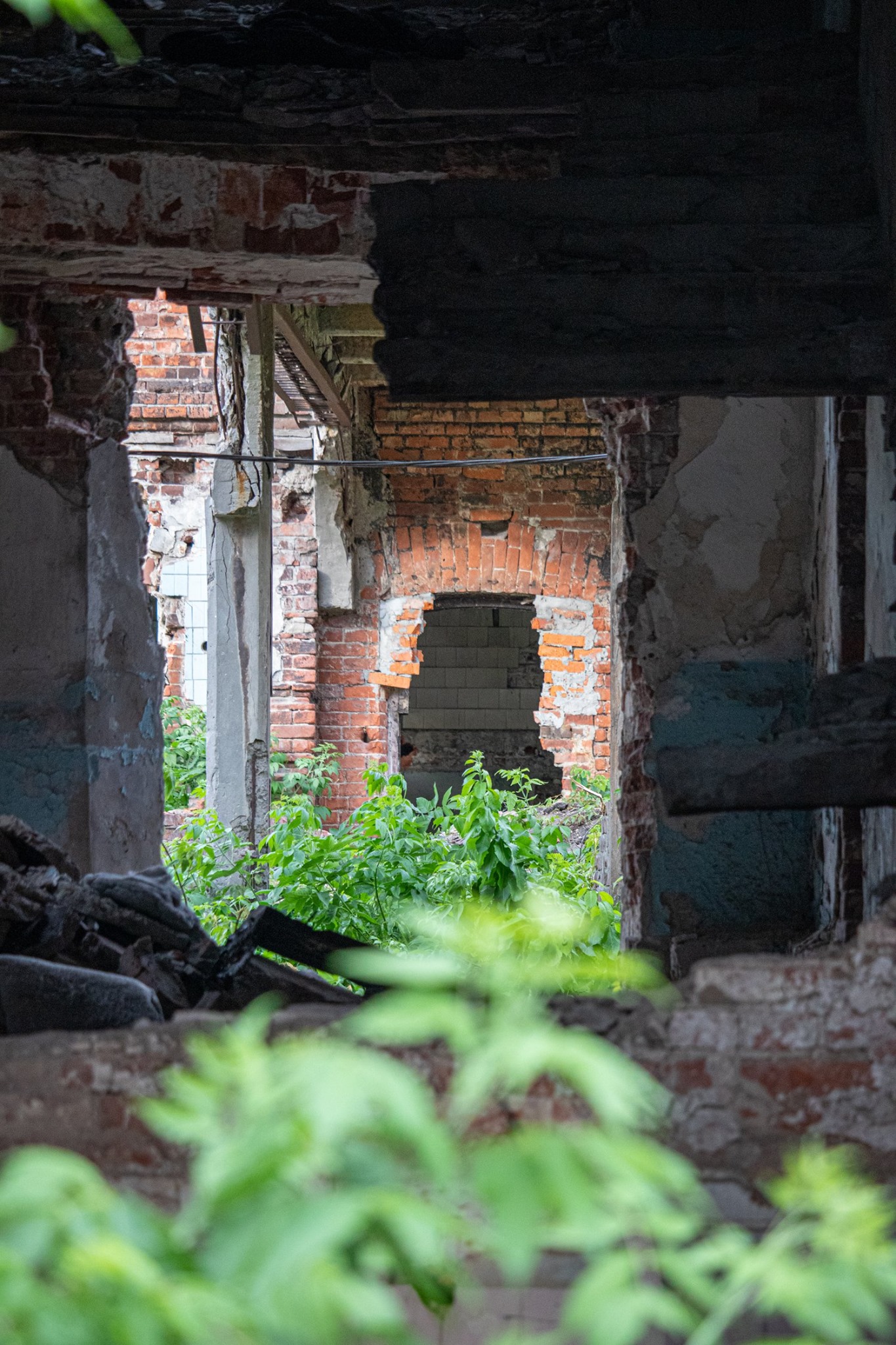
The complex was planned to include a community and exhibition center, offices, restaurants, apartments, and even a bridge across the Lopan River.
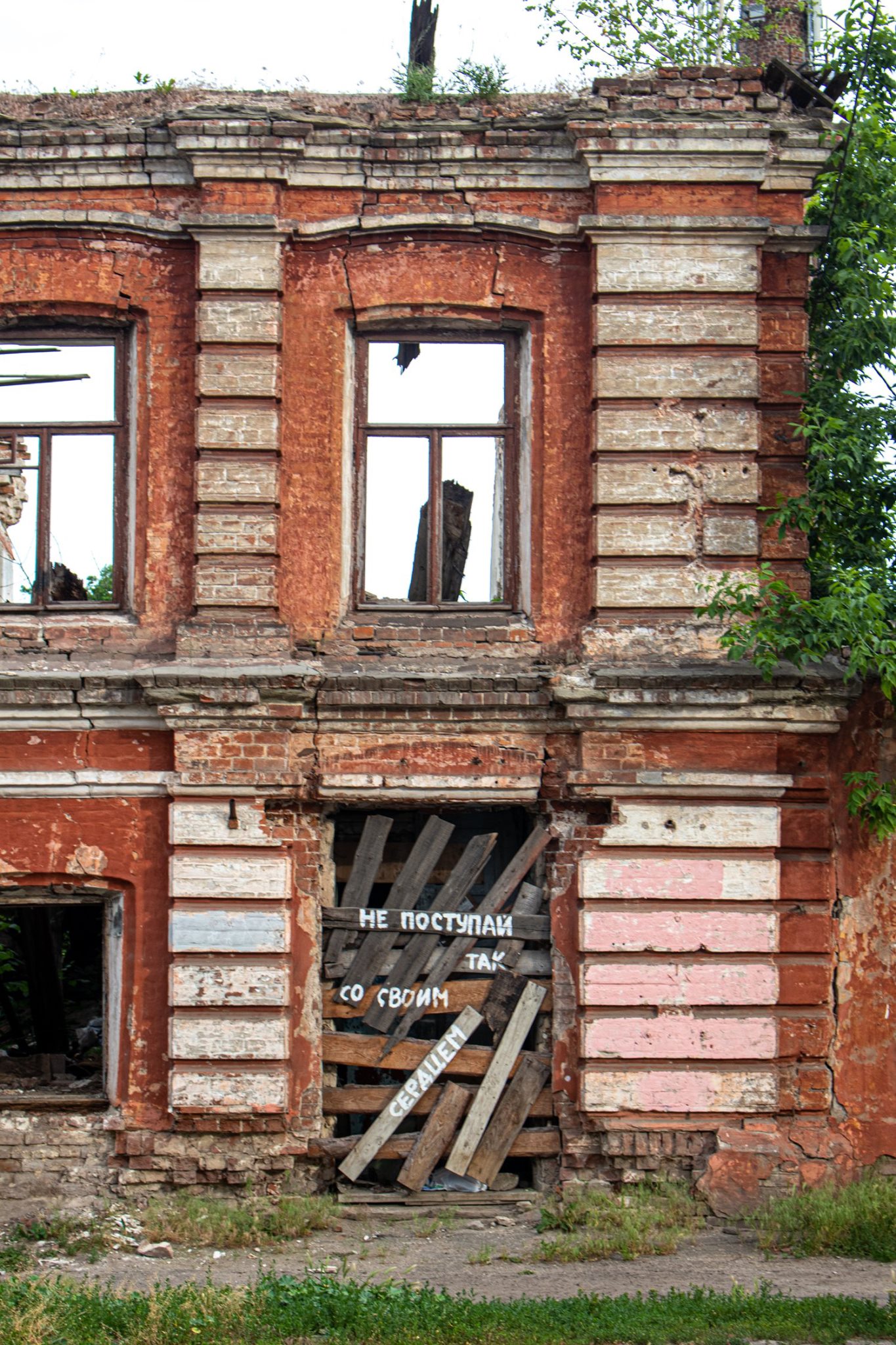
We hope that someday the plan to revitalize the factory will be implemented, and Czukerka will become one of Kontorska’s Street main attractions.

- The Architectural Evolution of the Kharkiv Theater - 26.09.2026
- 1st Kharkiv Gymnasium - 17.09.2026
- The Oldest Movie Theater in Ukraine - 24.08.2026