Many residents of Kharkiv know that Oleksandra Kharina’s luxurious mansion, which resembles a castle, is tucked away in the city center at Lyudmila Gurchenko Lane, 3B.
The alley was first called Kharinsky, and later Sammerovsky.
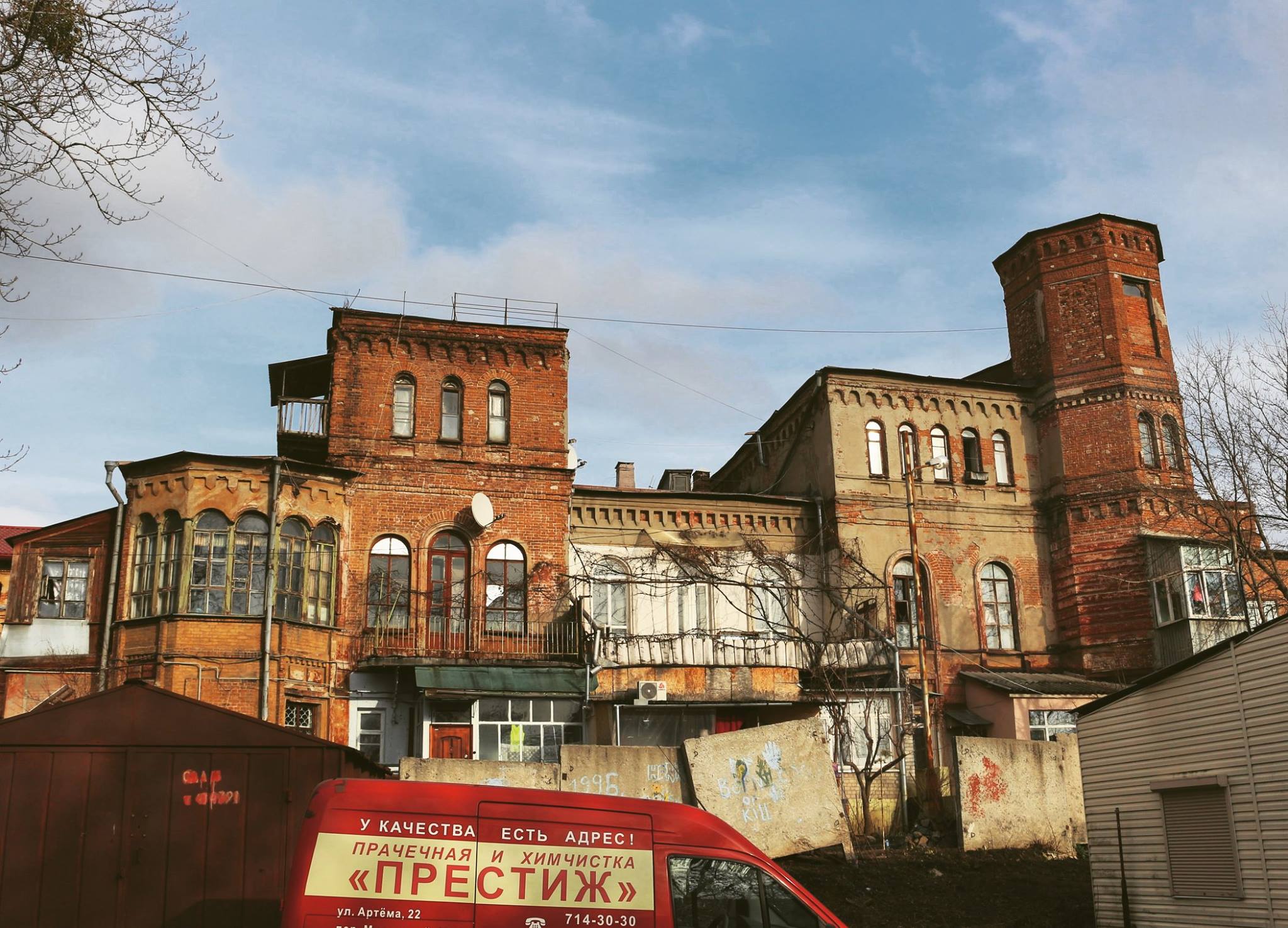
During the Soviet era, the mansion was converted into a communal apartment building, and the house became overgrown with various extensions and balconies, much like a sunken ship—covered in rust and coral-like growths
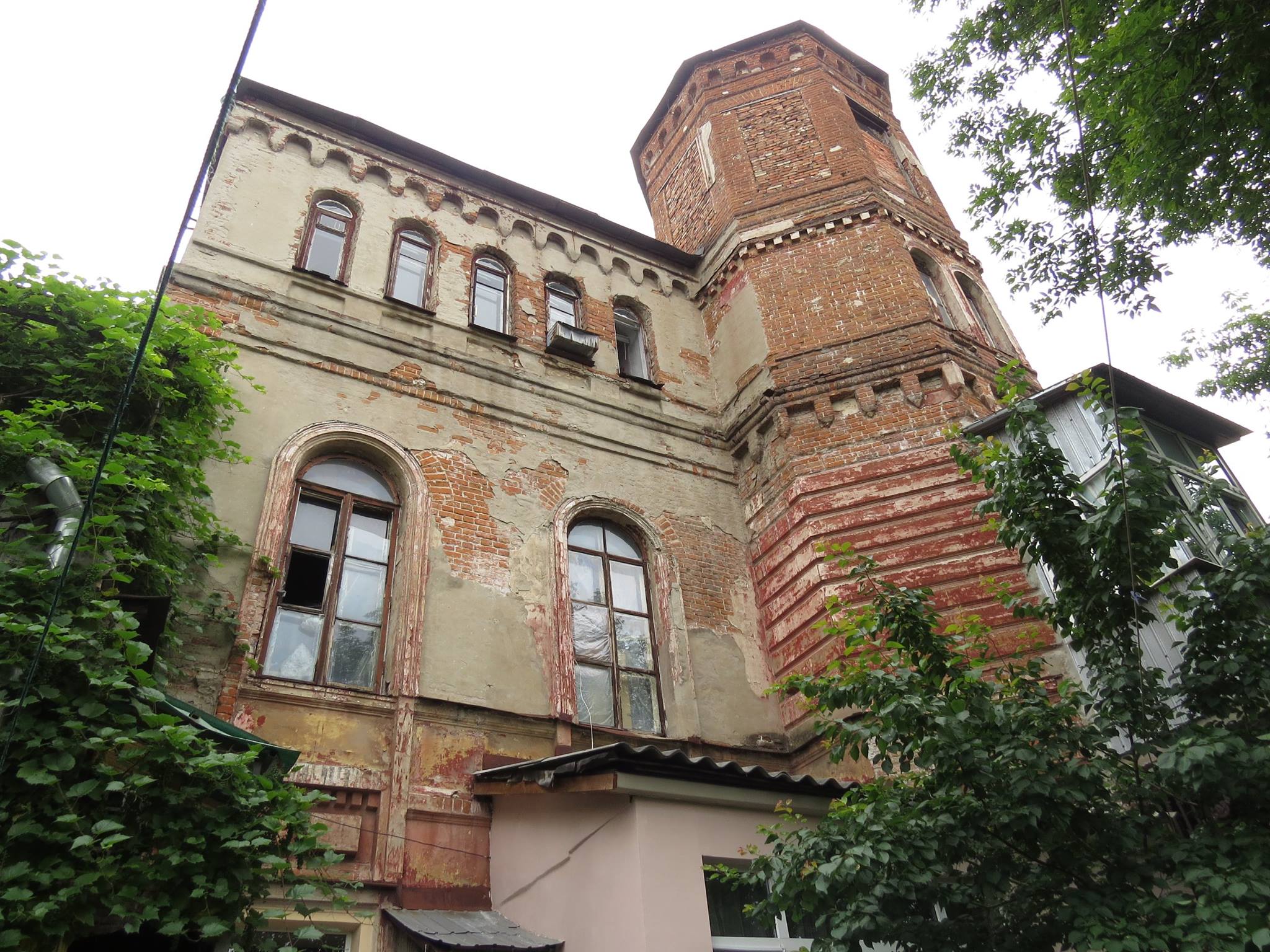
The original outline of the “castle”-like estate is now barely visible behind them. The windows in the tower, alas, have long since been bricked up.
The story of Kharina, a wealthy and influential noblewoman, is well known to many, but few people realize that her “castle” had a very similar counterpart in Osnova, near Kharkiv.
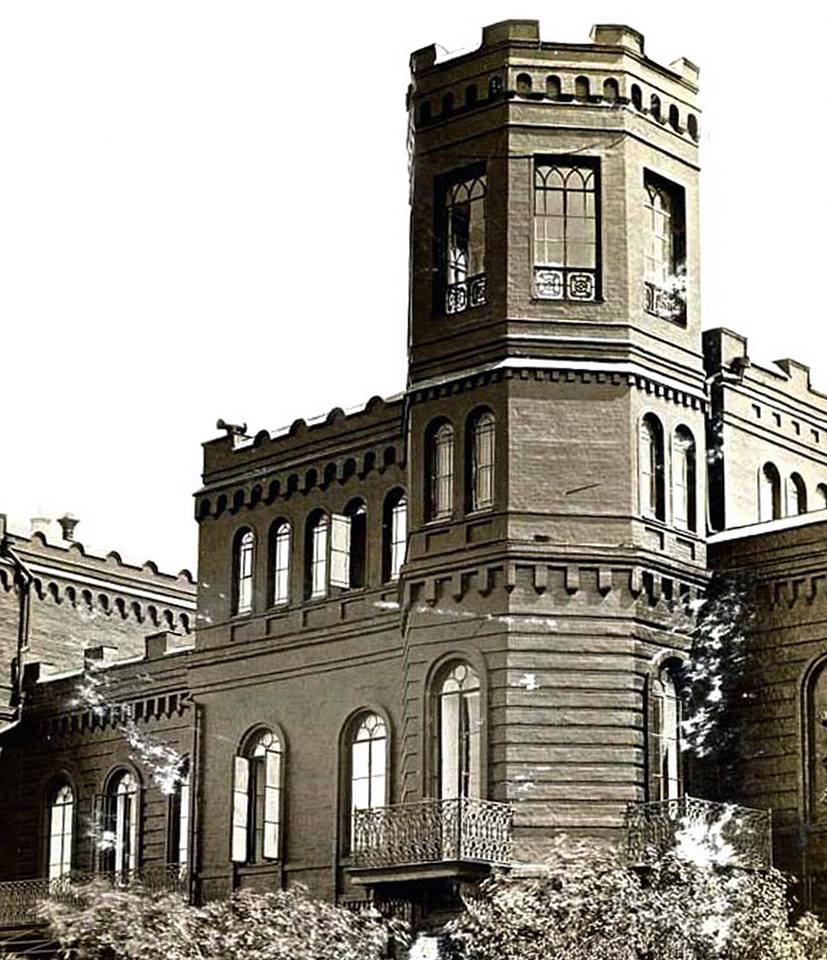
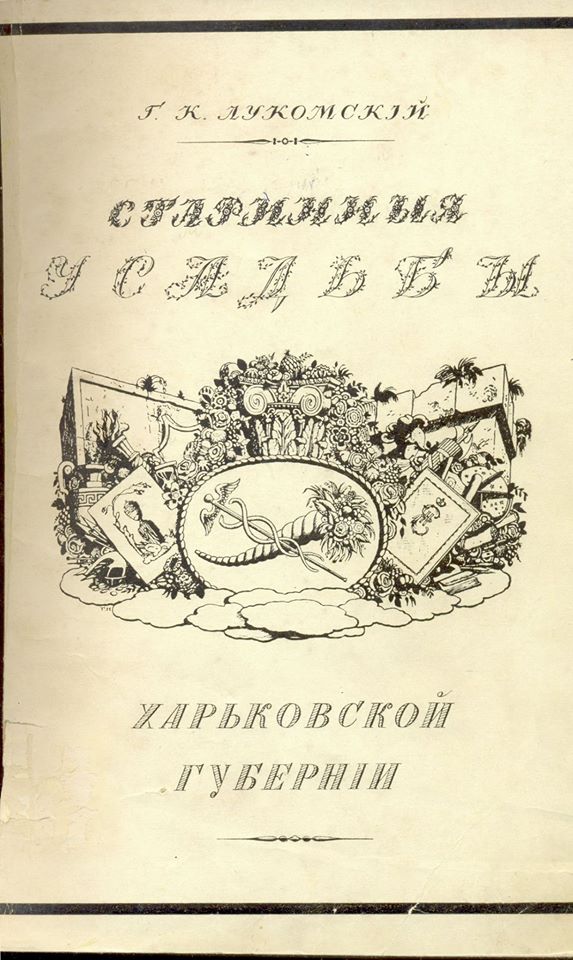
Here is an interesting description and photograph found in the book by Georgy Lukomsky and Count Kleinmichel, *Ancient Estates of the Kharkiv Governorate*, published in 1917:
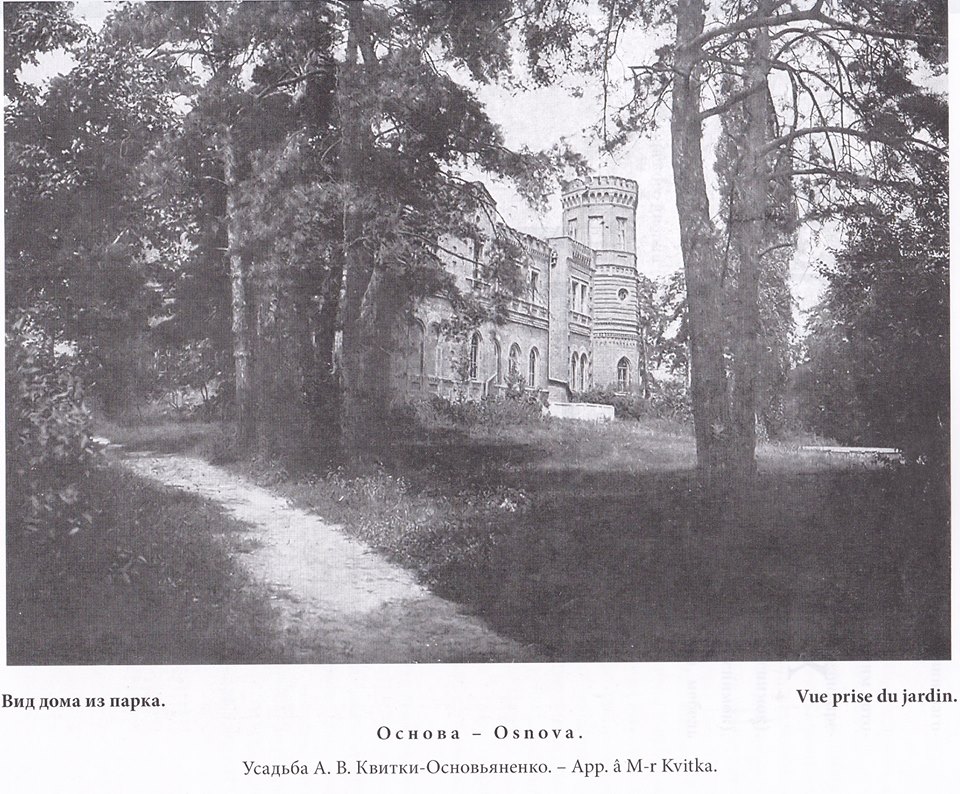
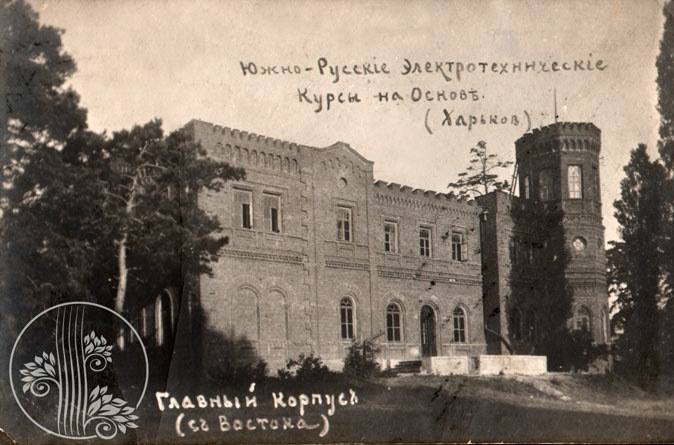
Away from the road, which is always bustling here, stands another Kvitka house—a stone building in the Gothic Revival style from the 1960s and 1970s, resembling a castle, whose towers and battlements seem out of place in the local landscape and region.
Even before the revolution, the building on Osnova Street housed the South Russian Electrical Engineering Courses. Unfortunately, the building did not survive World War II.
Of course, judging by the photographs, the buildings are not exact replicas. It is believed that Kharina’s house was built by Alexander Karlovich Girsh, who served as Kharkiv’s city architect from 1867 to 1869 and worked in private practice in the 1870s.
According to research by A. Paramonov, the Kharina House was built by Andrei Ton and rebuilt in 1870 by Ivan Petrovich Ginsh.
It is possible that Ginsh designed both buildings; it is also possible that one architect borrowed the concept for the mansion from another; and a third possibility is quite likely—that neo-Gothic ideas, which were popular at the time, were floating around. The truth about who actually designed the mansion on Osnova Street has yet to be discovered.

- Danylevs’koho Street, 19 - 13.10.2026
- Debunking the myth about one of the most famous Kharkiv photos - 12.10.2026
- The Architectural Evolution of the Kharkiv Theater - 26.09.2026