As you know, Russian Emperor Nicholas II visited Kharkiv twice. Specifically:
1) May 4, 1904;
2) November 23, 1914;
On both occasions, the Emperor arrived on his imperial train… By 1903, the fleet of imperial trains consisted of five trains:
1. The Imperial Train of the Nikolaev Railway for the travels of the Empress Maria Feodorovna, featuring cars on four-axle bogies. The train consisted of 10 cars;
2. “His Imperial Majesty’s Private Train” for long-distance travel across Russia, commissioned in 1897, on four-axle bogies;
3. The Imperial train “for foreign gauge,” which entered service in 1894, consisted of 11 cars on four-axle bogies;
4. “Suburban Imperial Train” with three-axle cars for travel around St. Petersburg, consisting of 13 cars;
5. The Kursk Railway’s Imperial Train “for the travel of foreign and local nobility,” consisting of 16 three-axle cars.
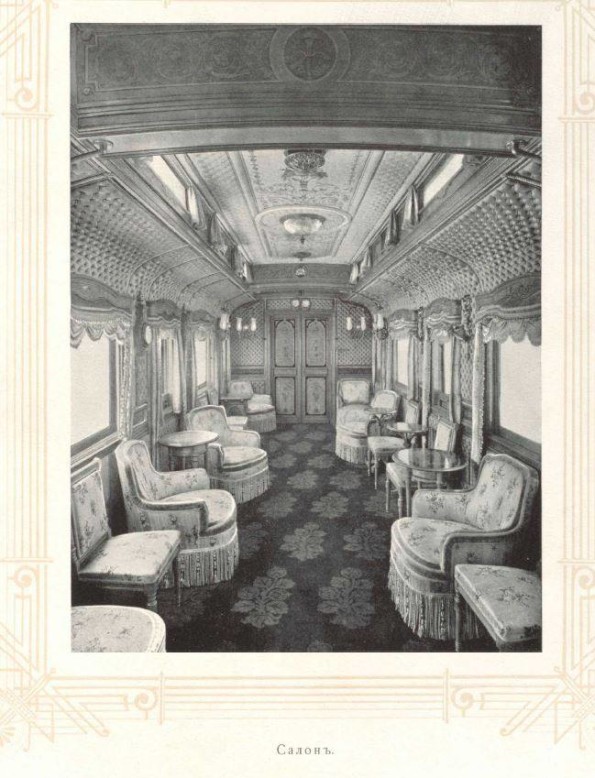
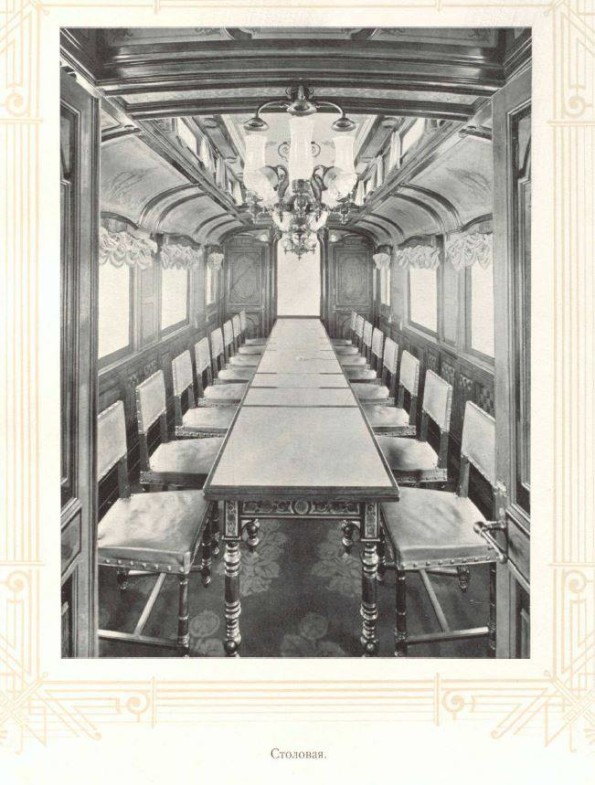
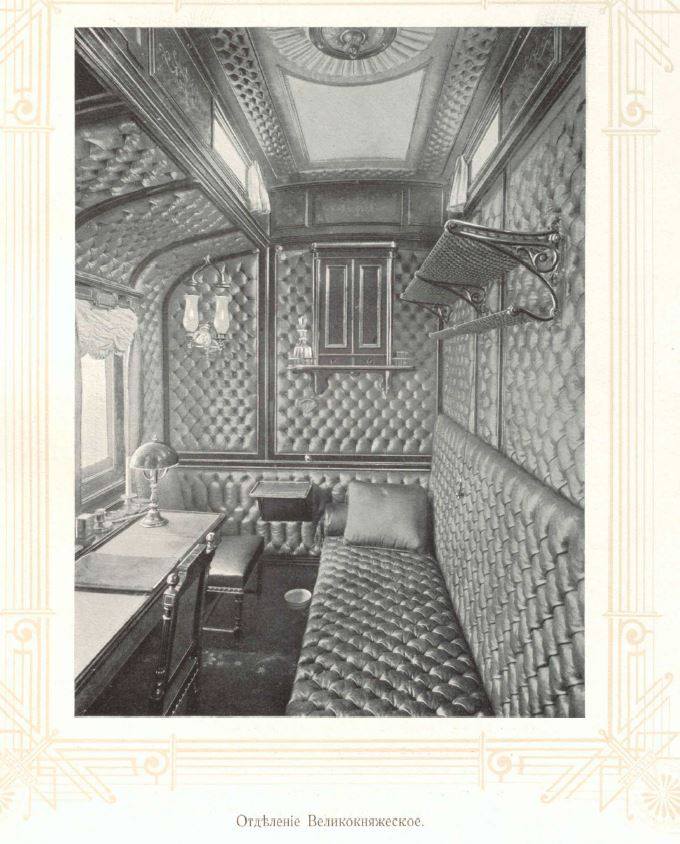
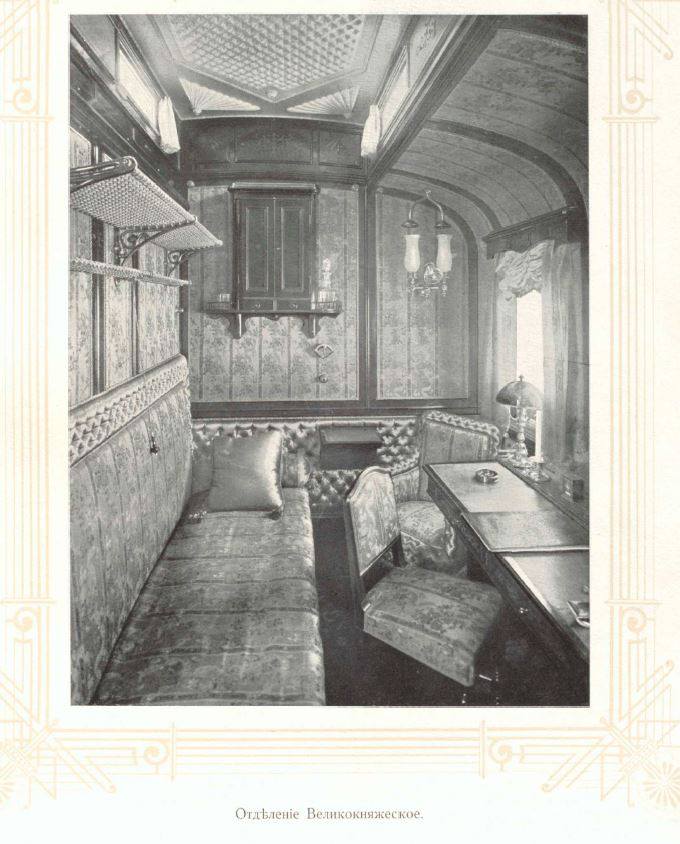
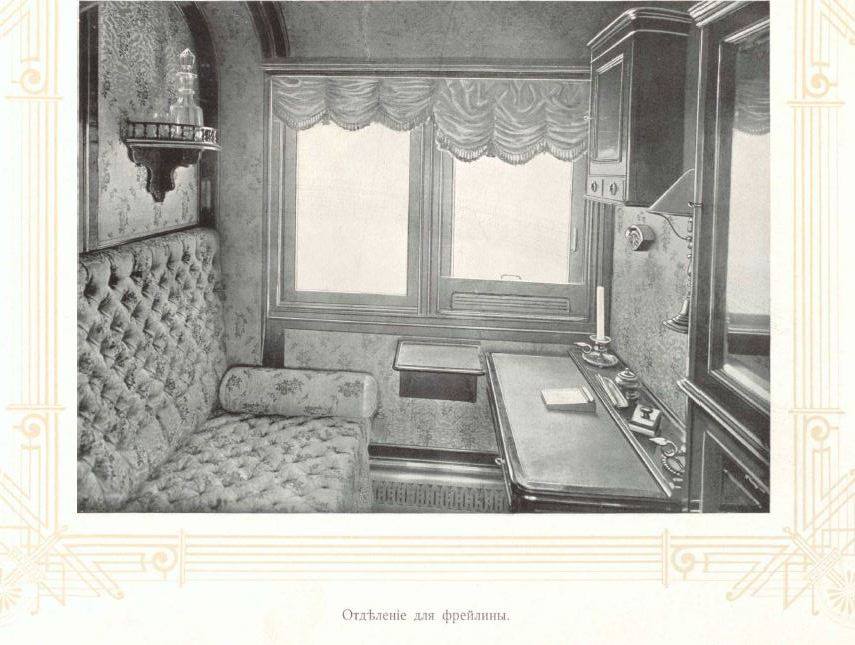
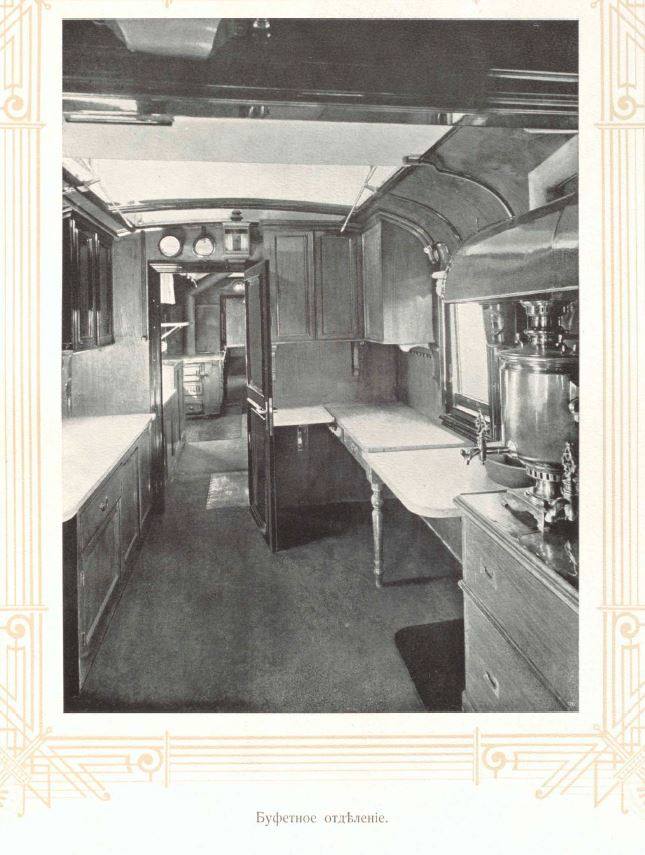
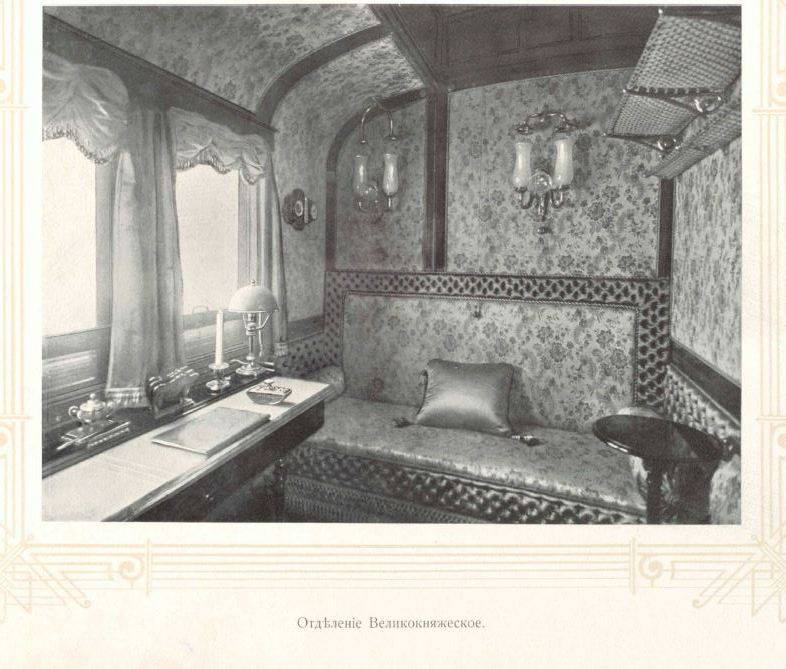
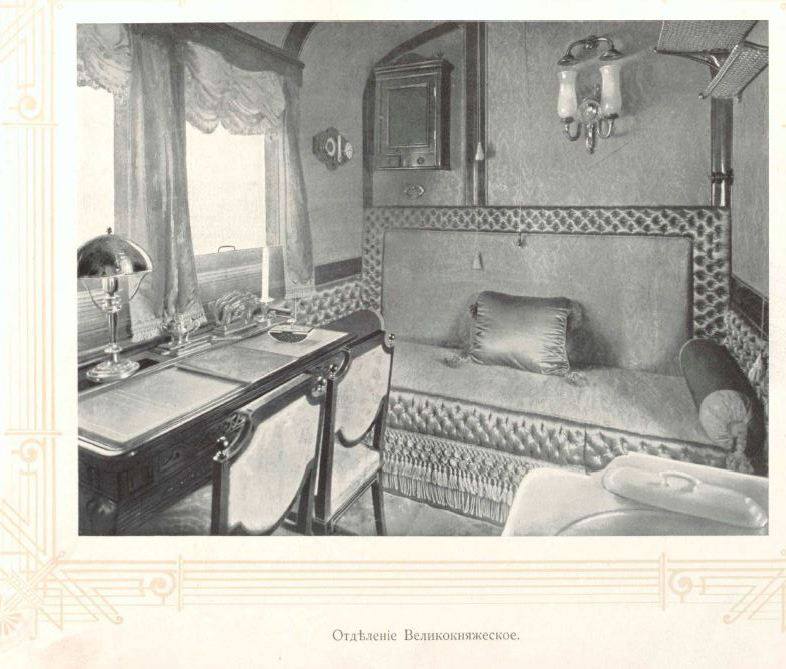
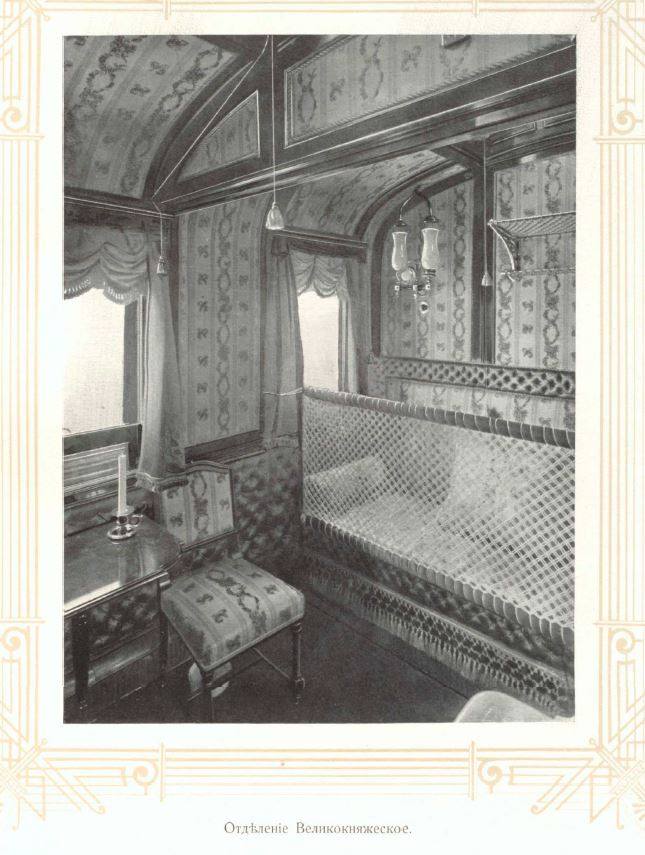
In 1907, the Ministry of Railways published a magnificent book titled “The Imperial Train: Foreign and Russian Gauge”. This book contained extremely rare photographs, thanks to which we can still catch a glimpse of the imperial train to this day…
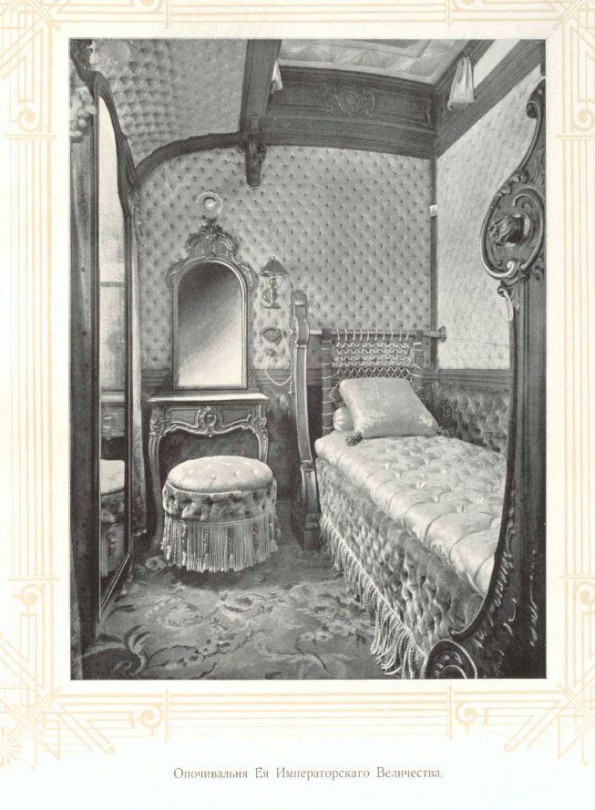
The Emperor’s train was used particularly frequently by the Tsar during World War I. To ensure maneuverability and secrecy of movement, the royal train was operated with a reduced number of cars. The Emperor’s train was small. At its center was His Majesty’s car, which housed the Tsar’s bedroom and study; with the retinue car on one side and the dining car on the other. Next came the kitchen with a buffet, a car housing the military field office, and the last car, which accommodated railway engineers and the head of the railway line along which the train was traveling.
However, not a single original imperial train has survived to the present day.





- About the military pilot school and the airfield in Kharkiv… - 04.11.2020
- Nikanor Savich—A Political Career by Mistake - 13.07.2020
- And once again, about the Cavalry Guards… - 21.01.2020