The large Art Nouveau building at Korolenka Lane, 19, has seen better days and appears older than it actually is. This architectural landmark was designed by Moisey Dikansky and built in 1902.
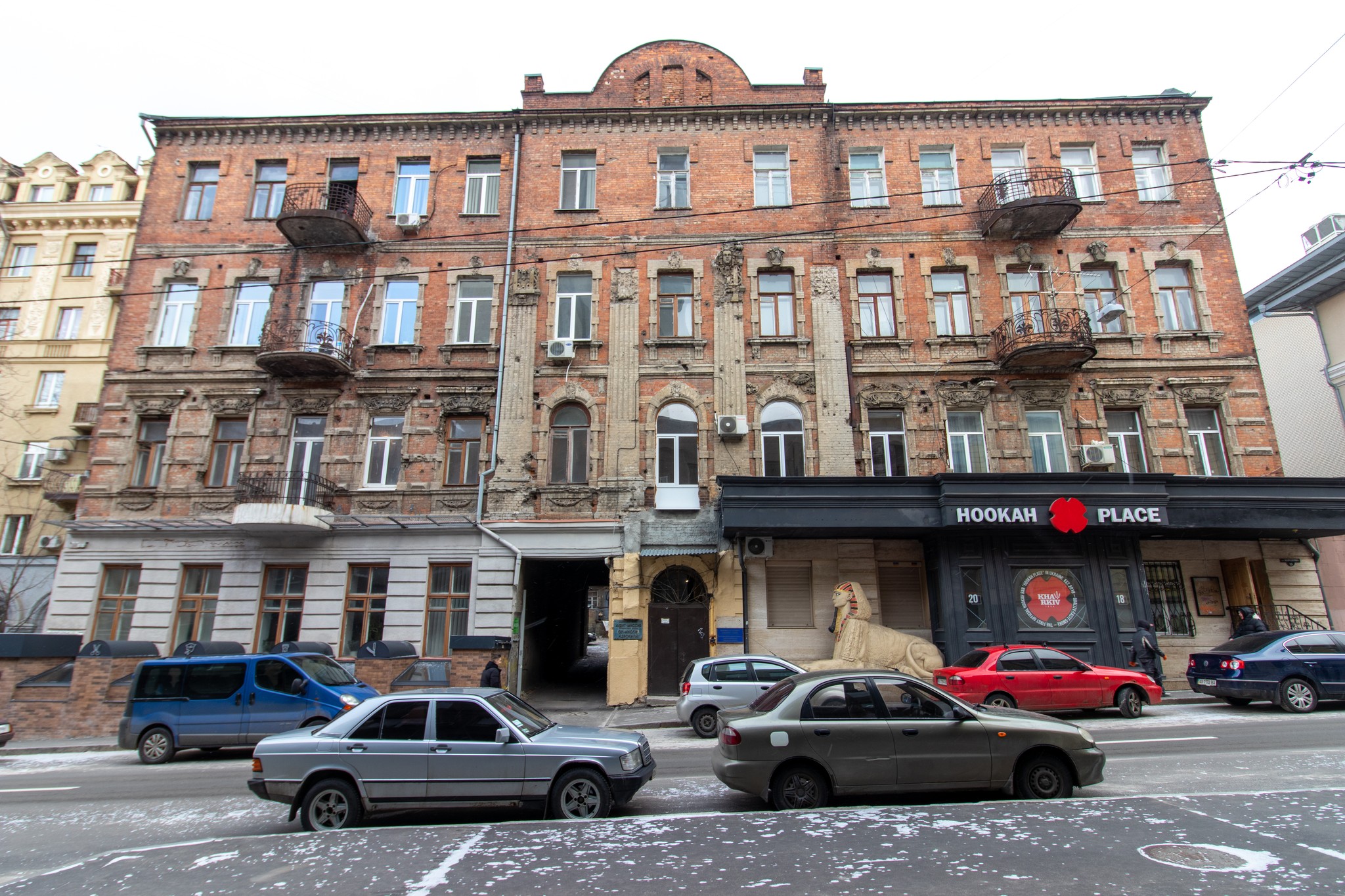
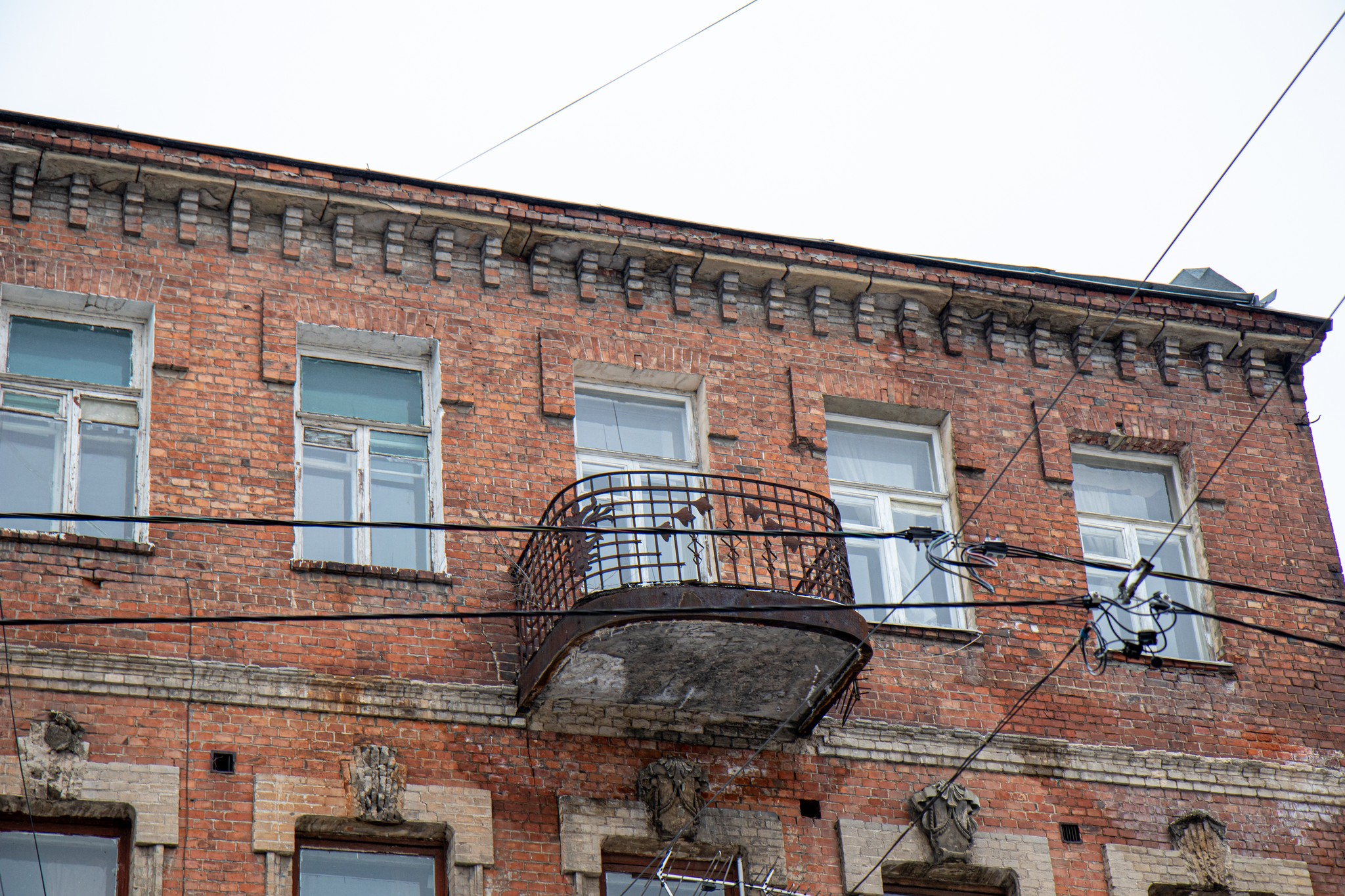
From Korolenko Lane, the building appears to be a four-story structure with a basement, but from the courtyard, one can see that some rooms on the second floor are divided by partitions. There is also an attic, so the total number of floors in some parts of the building can reach seven.
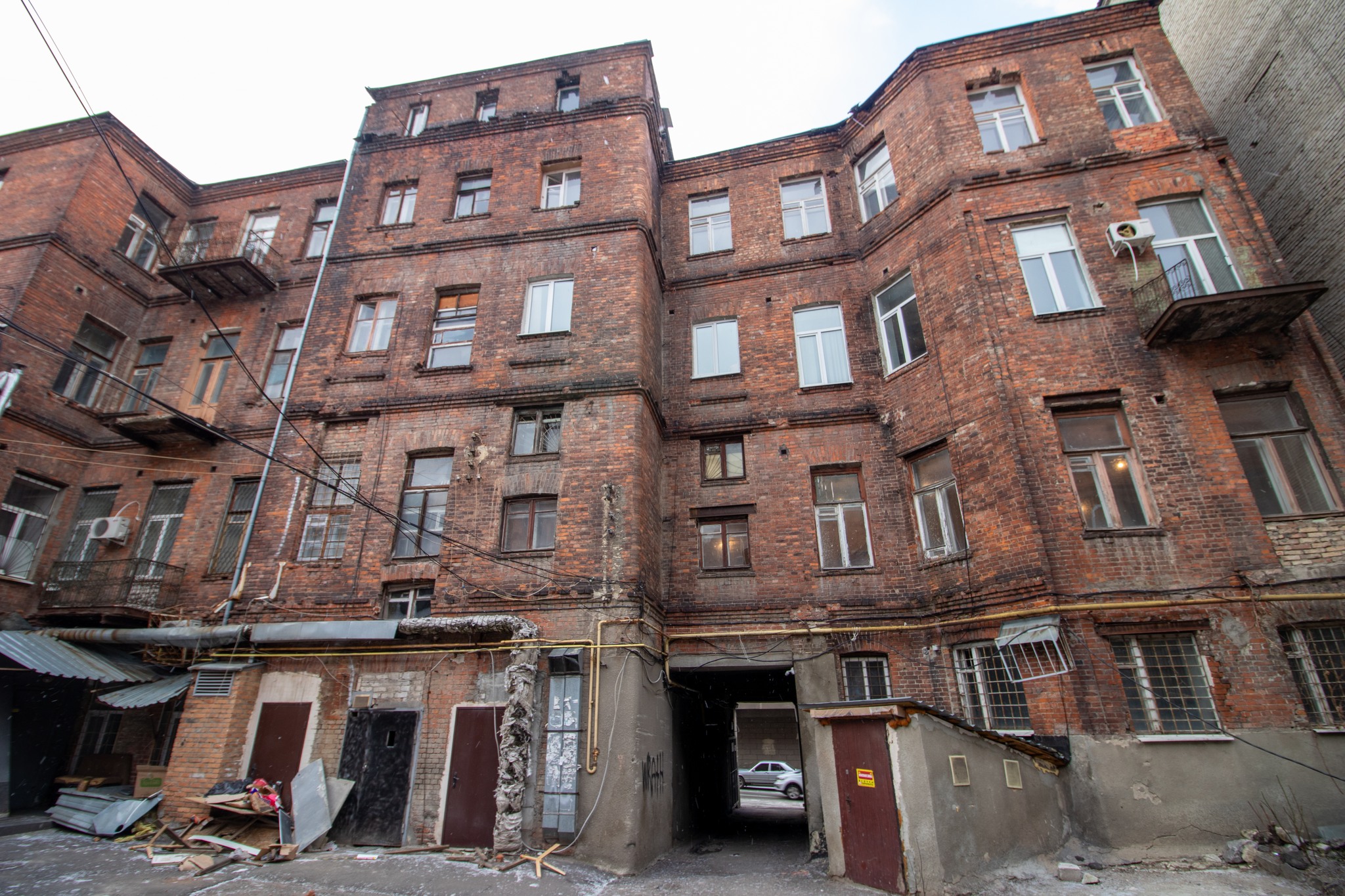
Unfortunately, the building was severely damaged during World War II when a bomb struck near the library’s storage facility across the street. Traces of the debris can still be seen today, and its decorative elements and most of the mascarons have not been restored.
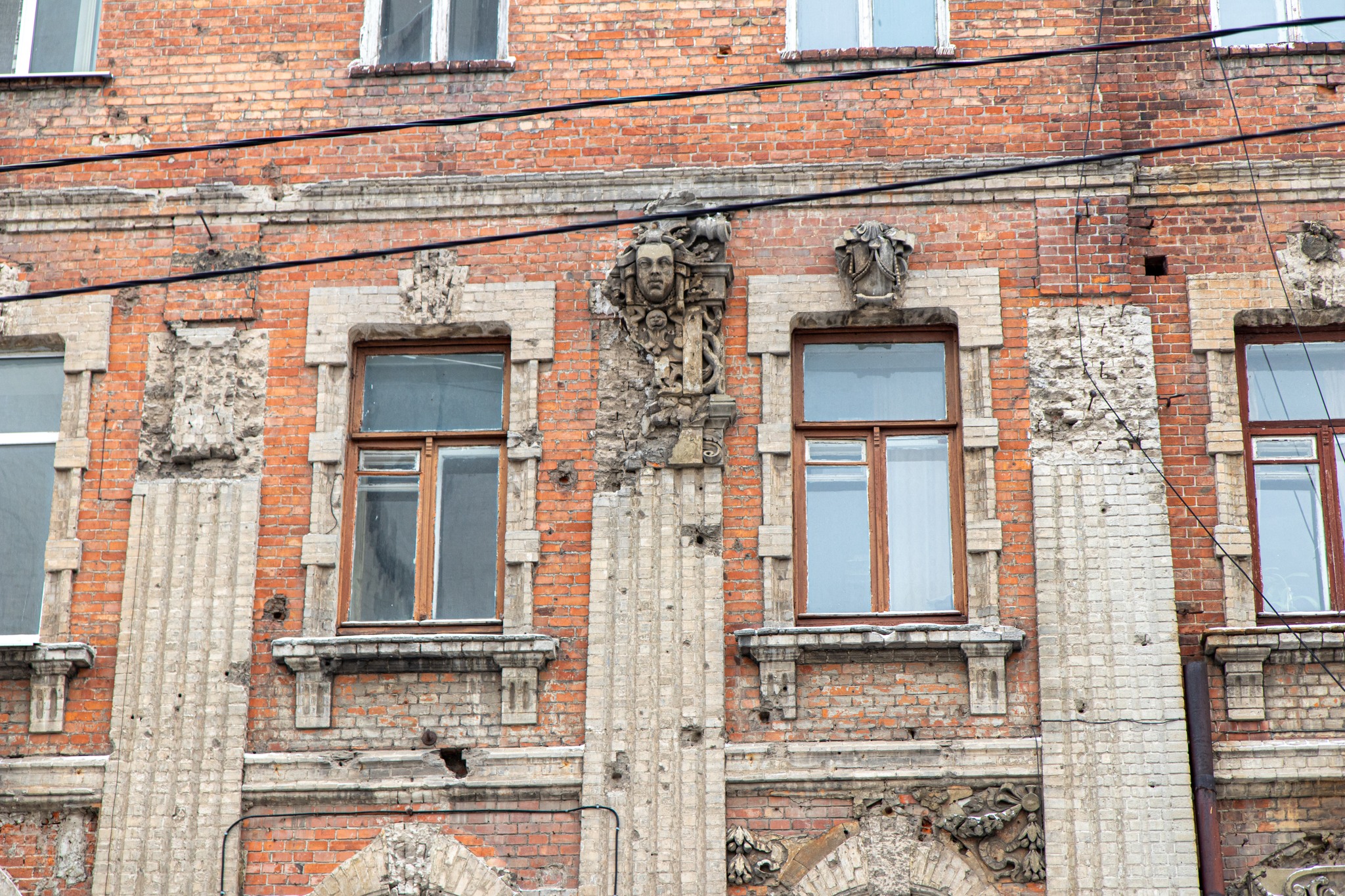
It is good that at least the balconies with their original Art Nouveau railings have been preserved on the main facade.
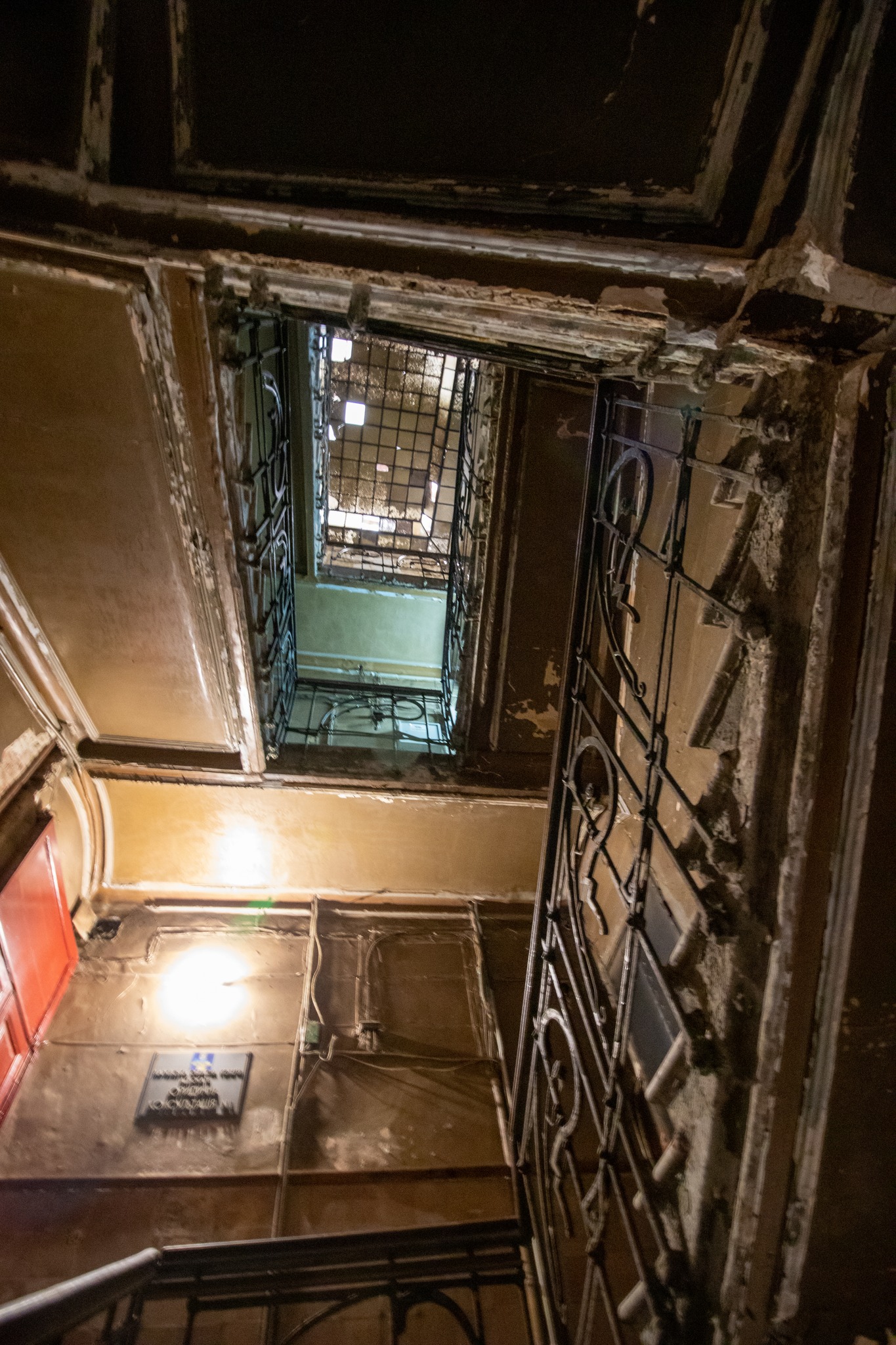
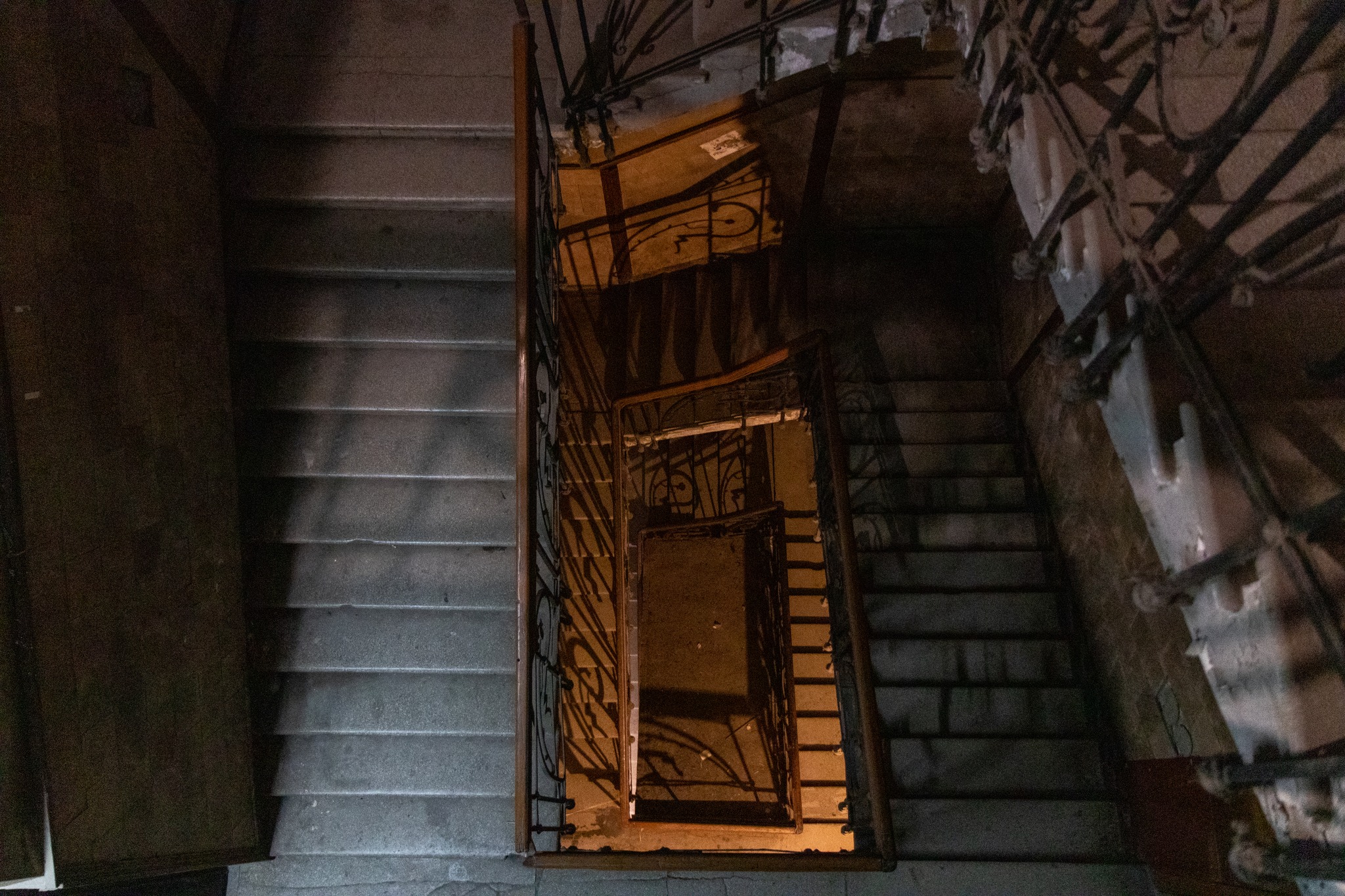
In the staircase, you can see a skylight; additionally, during renovations in 2021–22, bricked-up windows were discovered that once opened onto the staircase and illuminated the apartment corridors.
The construction of this apartment building was commissioned by Haim Yankelevich Sinelnikov, a merchant of the 1st Guild.
This Kyiv merchant had owned bookbinding and ruling enterprises in Kharkiv since 1886 and held a power of attorney from the Joint-Stock Company of G.I. Palizen’s Writing Paper Factory to supply paper to the Provincial Administration and its printing house. In 1901, he became a Kharkiv merchant of the 1st guild and received permission to open a warehouse, as well as a store selling paper and stationery.
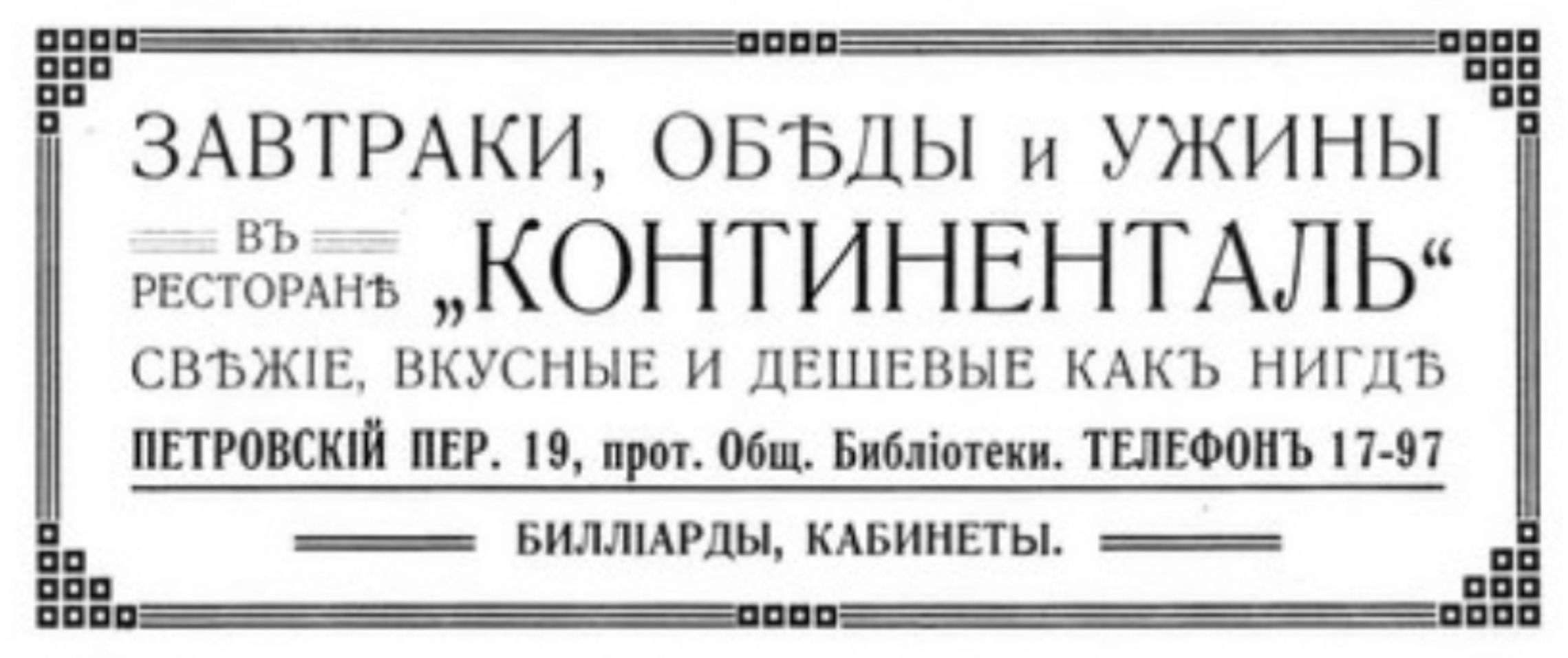
But Haim Sinelnikov decided to “diversify” the business in this building; it housed not only a shop selling paper, postcards, and photographs (opened in 1903), but also rental apartments and the “Continental” restaurant with a billiard room.
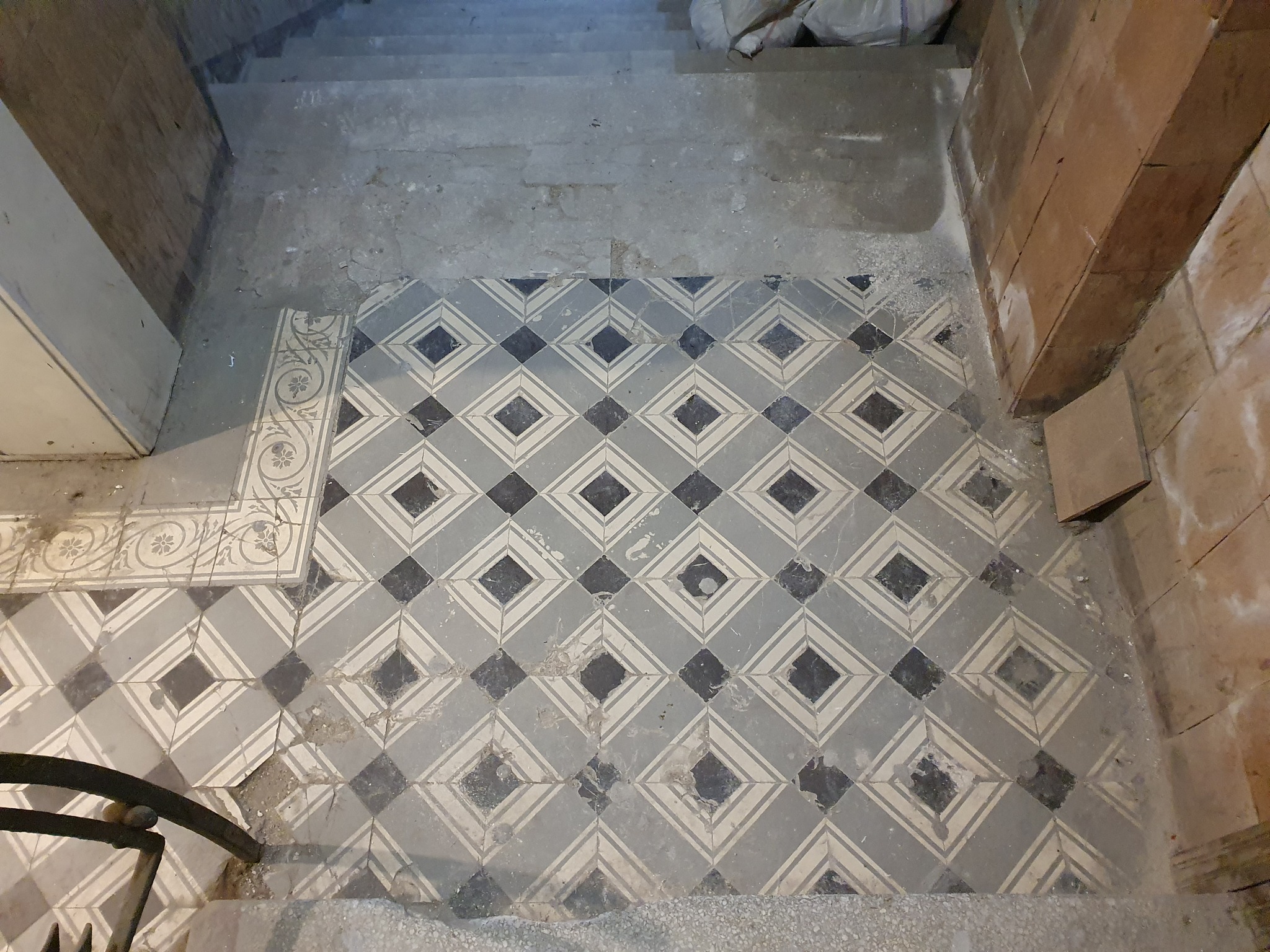
Bergenheim tiles have been preserved in the entrance.
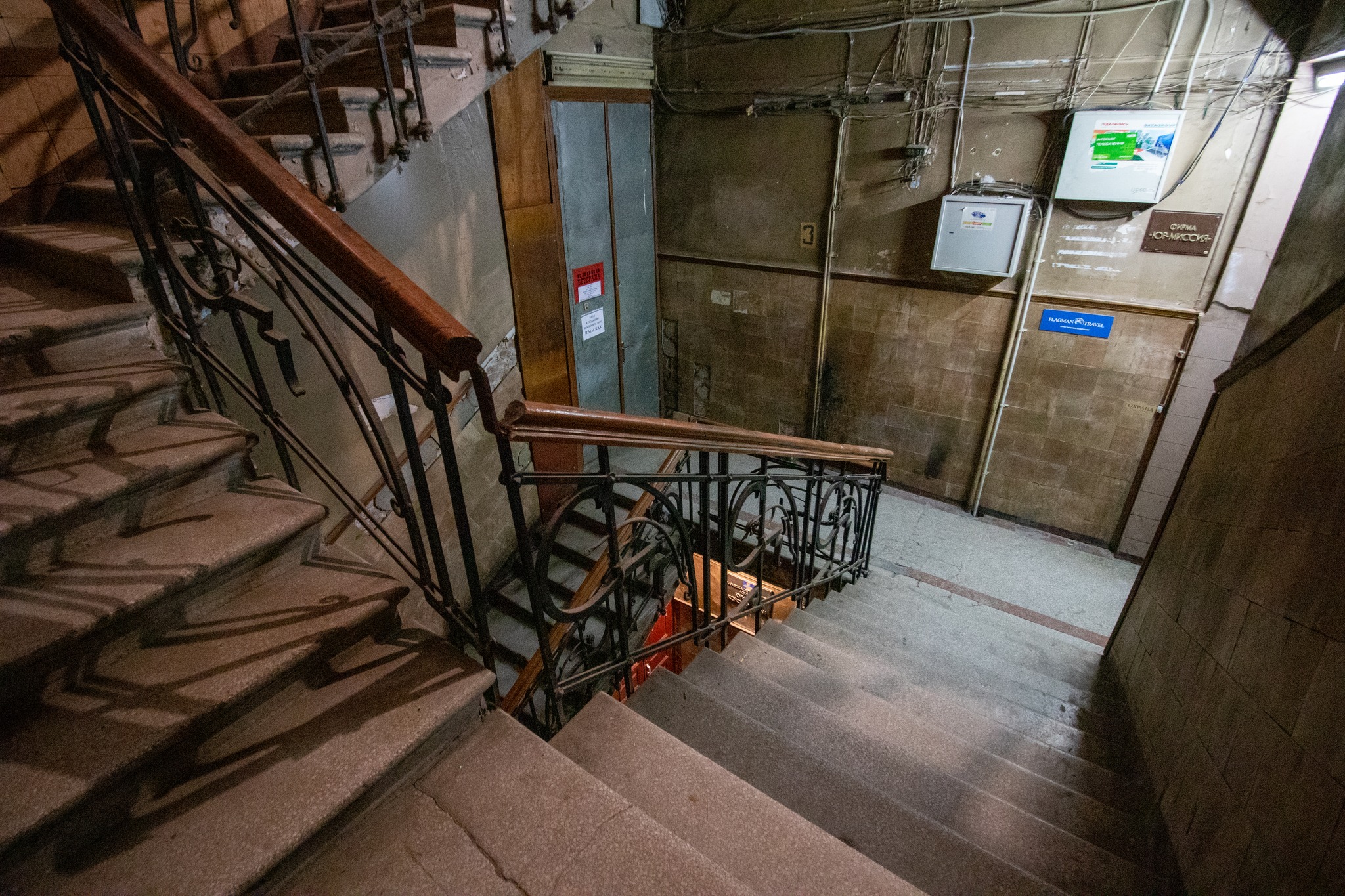
Today, the building houses offices and restaurants.
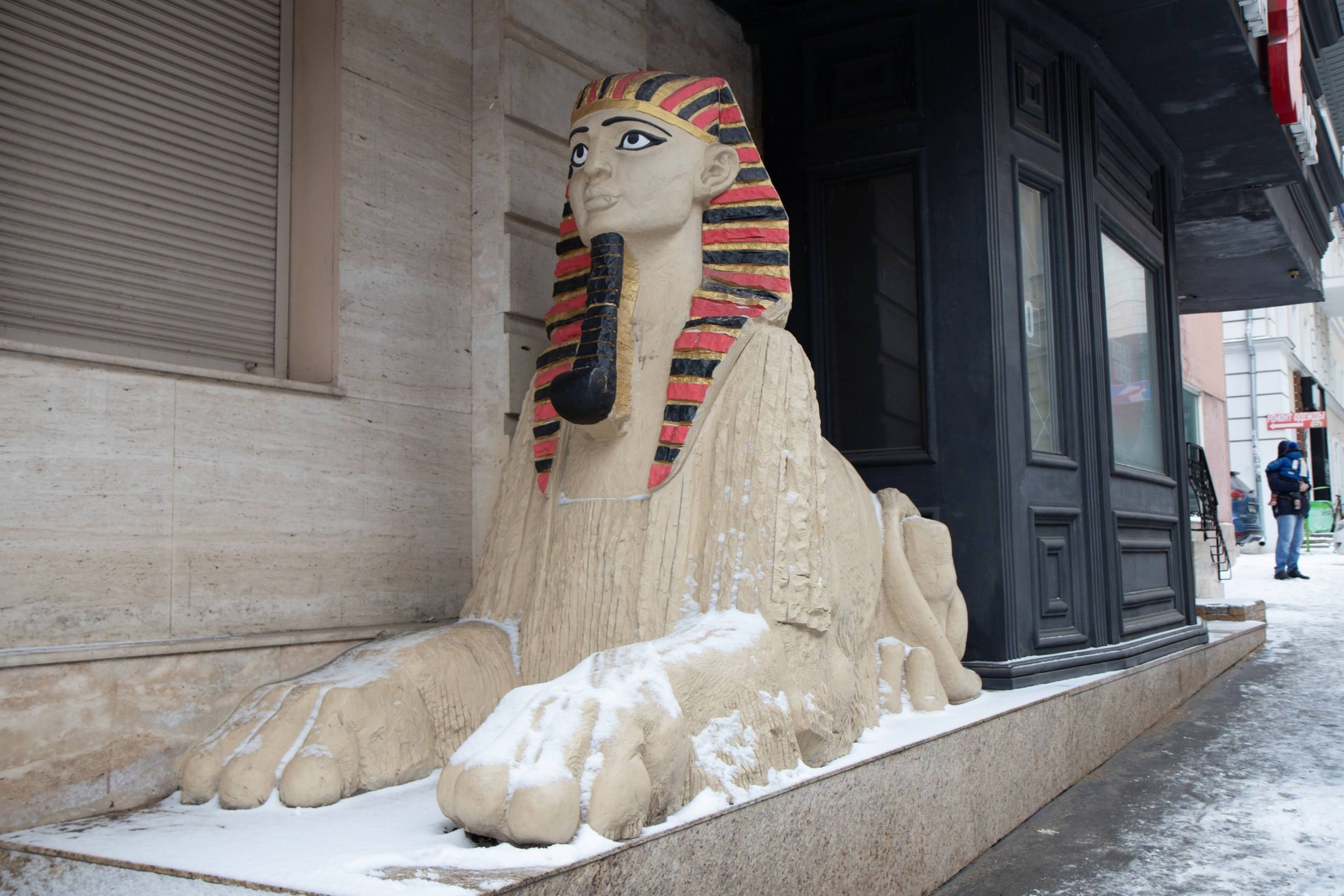
Interesting fact: In 2008, the building’s Jewish history continued when the kosher restaurant “Shalom” opened there, its entrance adorned with pyramids and a sculpture of a Sphinx. It was later replaced by other restaurants, but the Sphinx remained.

- Blackie’s House on Maksymilianivska St - 19.10.2026
- Danylevs’koho Street, 19 - 13.10.2026
- Debunking the myth about one of the most famous Kharkiv photos - 12.10.2026