The other day, a friend of mine sent me some photos after visiting Verkhnya Pysarivka. In early May 2017, we were in the same area with the “Nakypilo Expedition.” But the difference in the condition of the former Kolokoltsov estate was simply staggering—or, to be more precise, it left me speechless.

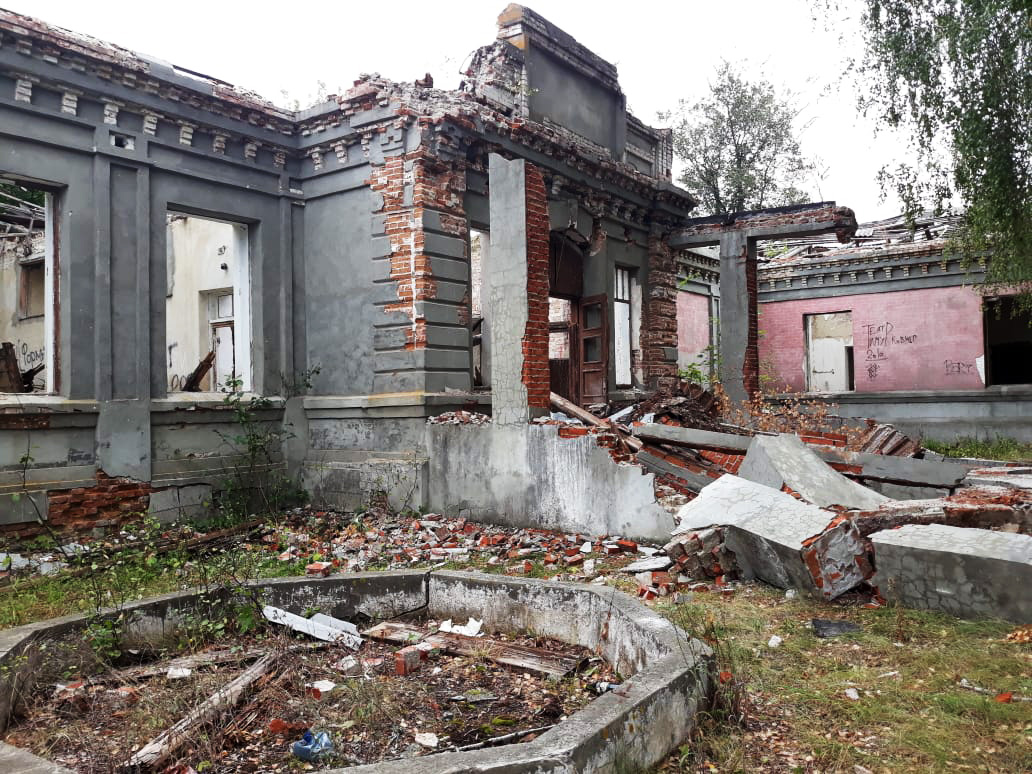
I don’t even want to think about what the estate will look like a year from now. After all, with every passing day—not even every month—the architectural heritage of our ancestors is dwindling more and more. That’s exactly why our team spent the entire past year traveling across the expanses of Sloboda Ukraine, filming and photographing what’s still left. And this year, based on the work of our expeditions, quite detailed tour itineraries have begun to appear. There’s no question of preserving or restoring these sites. The government’s attitude toward architectural heritage has been clear for a long time. You can write dozens or even hundreds of posts on social media or petitions on various websites—the result will be the same. “Manage to visit and see them”—that’s probably the only thing a resident of our country who cares about historic architecture can afford to do. So, while the weather hasn’t completely turned bad yet and there’s still a chance to get ready and head out, here are a few more options for admiring the beauty of our region.
Each of the three suggested itineraries includes quite a few attractions, and you’re free to choose which ones to visit and in what order. I’d recommend leaving Kharkiv between 7:00 and 7:30 a.m. The earlier you leave, the more you’ll see. Vilshany and Bohodukhiv, already familiar from previous trips, flash by outside the window. Once you arrive in Okhtyrka, you can make a stop. Thanks to the preserved mansions from the 19th and early 20th centuries and the beautiful churches in this former regimental (and later district) town, the spirit of old Sloboda Ukraine can still be felt to this day. And if you read, for example, V. Wallis’s *An Outline of the History of the Okhtyrka Sloboda Cossack Regiment of the 17th–18th Centuries* and V. Potto’s *History of the Okhtyrka Regiment* before your trip, you won’t want to leave this historic town at all. After all, wandering through its narrow streets, steeped in history, you can see so many beautiful sights! By the way, if you go on a Sunday, starting around 10 a.m. near one of the city’s main attractions — the Holy Intercession Cathedral (second half of the 18th century; for a long time, its construction was mistakenly attributed to the famous Rastrelli)—you can check out the local “flea market.”
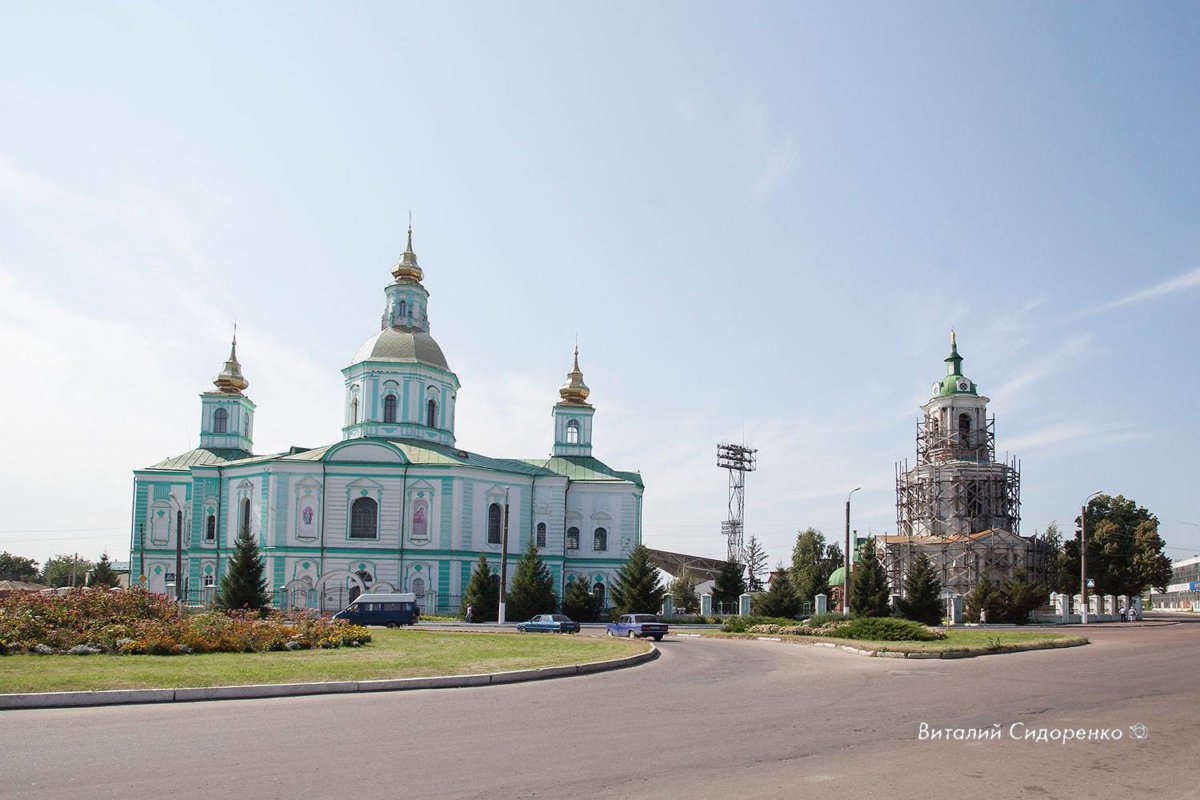
If you’d like, you can pick up some antiques here—and they’re cheaper than in Kharkiv. If pre-revolutionary postcards and photographs don’t appeal to you, you can visit the cathedral and admire one of the main sacred sites of our region—the miraculous icon of the Okhtyrka Mother of God. The distance from Kharkiv to Okhtyrka is 111 km; how much time to spend in this wonderful town is up to you.
Just 20 km from Okhtyrka lies an equally beautiful city that is rightly considered a famous tourist destination in Sloboda Ukraine—Trostyanets’.
What a host of famous names are associated with this town! Among them is the first owner of Trostyanets’, Okhtyrka Colonel Ivan Perekrestov, who became notorious for his greed, corruption, and oppression of the Cossacks. For this, incidentally, by the highest decree of Peter I, Perekrestov was stripped of his rank of colonel, and his estates were confiscated and transferred to the state treasury. And the tsar’s confessor, Timofey Vasilyevich Nadarzhinsky, who was considered in his day the wealthiest man among the “white clergy.” And the young composer P. I. Tchaikovsky, who was staying with his friend and classmate A. V. Golitsyn in the summer of 1864. It was in Trostyanets’ that he composed his first symphonic work—the overture “The Storm.” The estate’s subsequent owner, Leopold König—a name familiar to all lovers of Sloboda Ukraine history—as well as the renowned Ukrainian writer Mykola Khvylovy, who was born in Trostyanets’. All in all, there are indeed quite a few illustrious and renowned names associated with this town, whose population numbers just over 20,000.
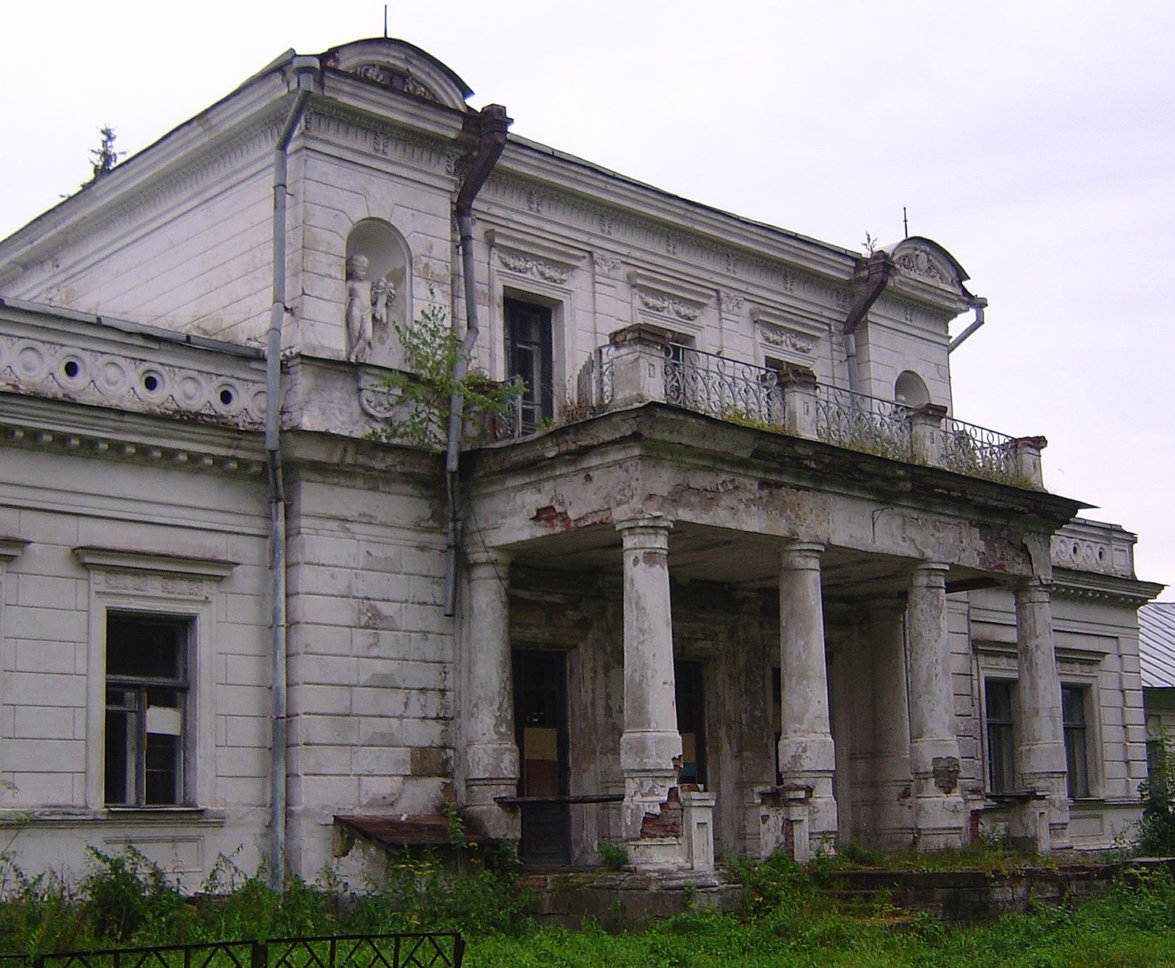
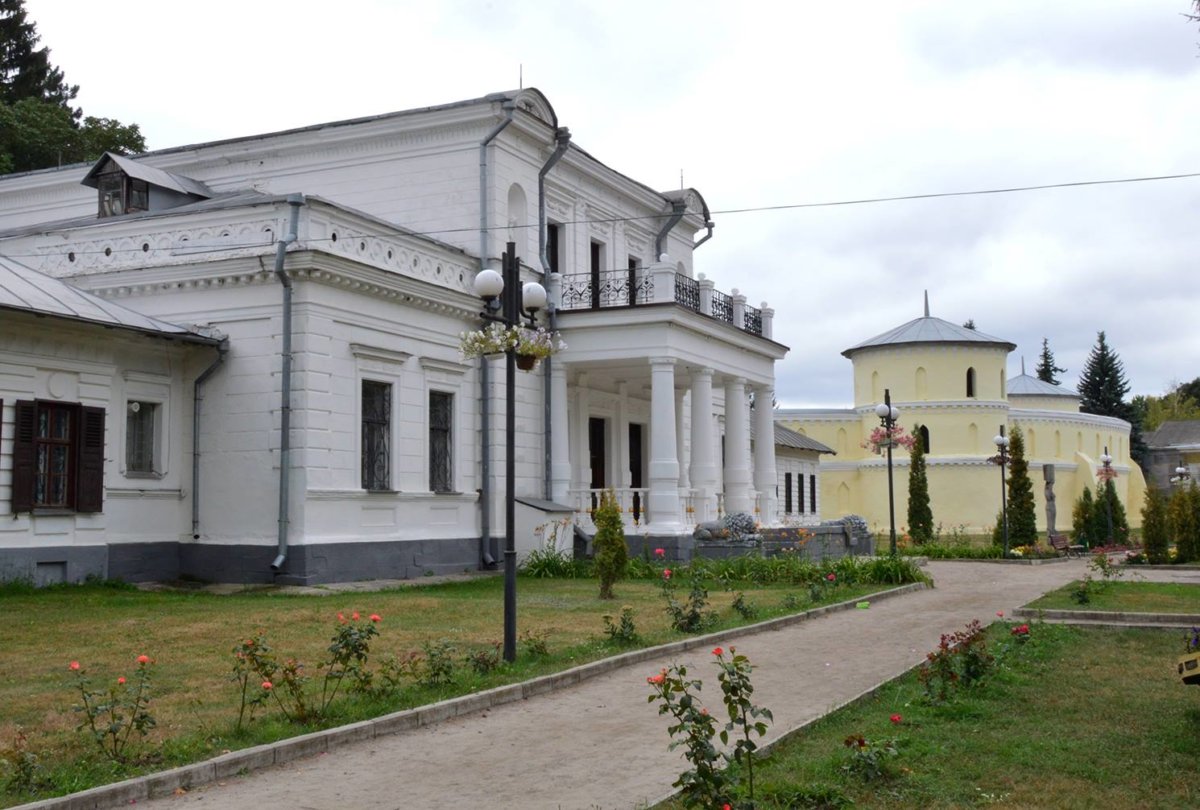
Historic churches, mansions, an estate that has miraculously survived to this day, and international festivals of various genres make the city attractive to tourists. I almost forgot. While the weather permits, after you’ve enjoyed the city’s architecture, I highly recommend visiting dendropark “Neskuchne”, located right there. It covers a total area of 256 hectares. Some of the oak trees in this arboretum, established in the 19th century, are several hundred years old. Picnics are allowed in the park; there are tables and benches, and near one of the lakes are the ruins of the so-called “Grotto of the Nymphs.” It’s a wonderful way to take a break from the hustle and bustle of the city, especially during the enchanting Slobozhansky autumn.
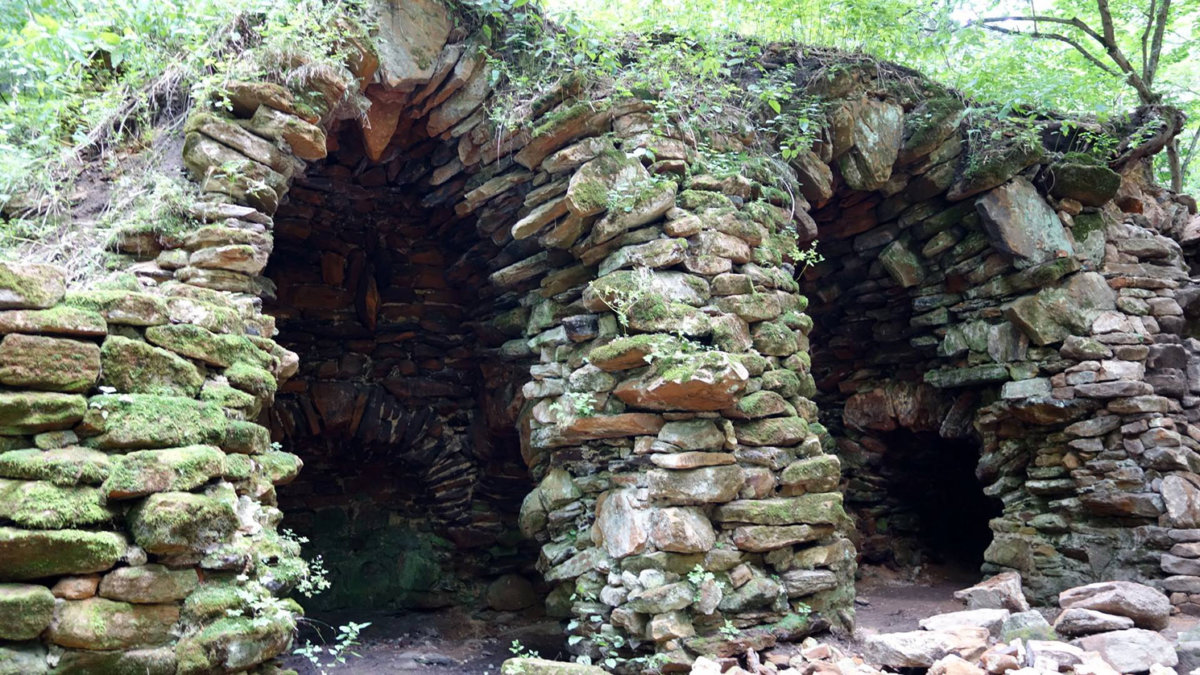
If time permits, let’s keep going. As you head toward Sumy, you can turn right and stop by Velykyi Bobryk.
In the early 18th century, it was owned by Colonel Andrei Kondratyev of Sumy; later, it passed to the Komburlei and Rakhmanov families. It was thanks to the latter that the stone Church of the Ascension, featuring three altars, was founded in Bobryk in the first half of the 19th century. Incidentally, some of the icons for the church—which was consecrated in 1851 by His Eminence Filaret—were painted in Italy. The church remains a sight to behold to this day. Nearby, in the center of the village, on an 8-hectare site, lies Velikobobritsky Park, established by the landowners in 1815 to commemorate the victory over Napoleon.

Once again, before reaching Sumy, we turn left and arrive in Nizy. This village also belonged to the Kondratyev family, and the remains of their estate can still be seen there.
Pyotr Ilyich Tchaikovsky visited here for eight years. In one of the outbuildings (which has not survived to this day), the great composer rested and composed his works, some of which, incidentally, were dedicated to the estate’s owners. That is precisely why the Tchaikovsky Memorial Museum is located in Nyzy, where a monument to him has also been erected. Today, despite this rich history, the manor house is in need of restoration. Not far from the museum stands the magnificent Church of St. John the Theologian, built in 1910 (designed by the outstanding Kharkiv diocesan architect Vladimir Khristianovich Nemkin). So a trip to Nyzy is definitely worth it.
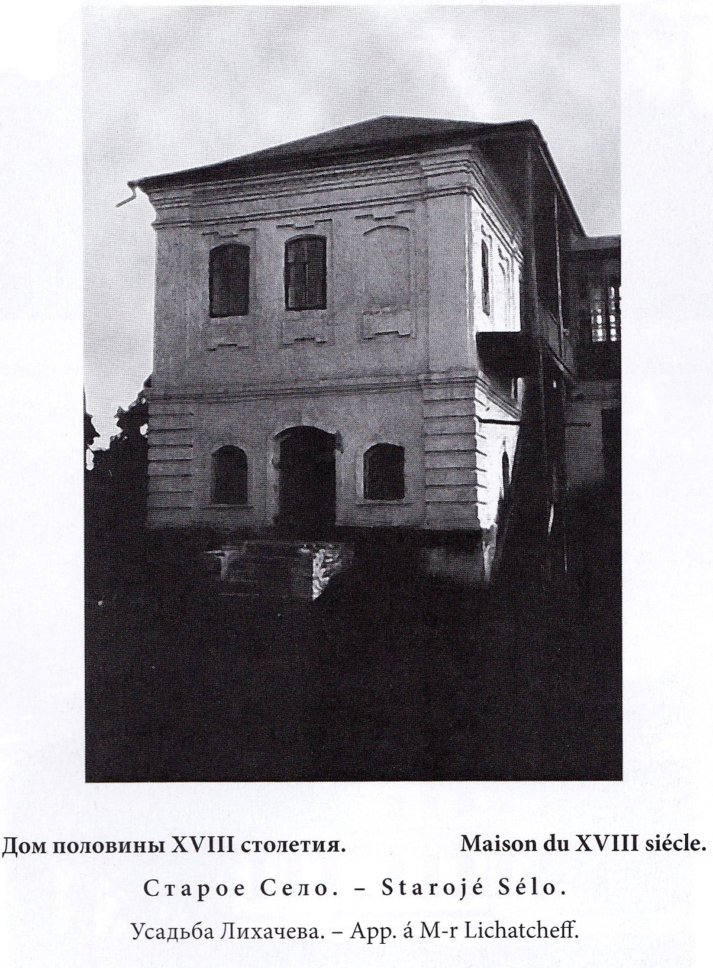
Stare Selo is just 16 km away, although it’s still labeled “Chervony” on maps. It was also owned by the Kondratyevs. So why is it worth going there? The answer is very simple: the oldest manor house in Sloboda Ukraine is located right there. Legend has it that Tsar Peter the Great stayed the night in this very house on his way back from the Battle of Poltava. The building is also called “Peter’s Terem” or simply “Teremok.” Of course, this structure from the second half of the 18th century underwent several additions before 1917, but that does not diminish its value.
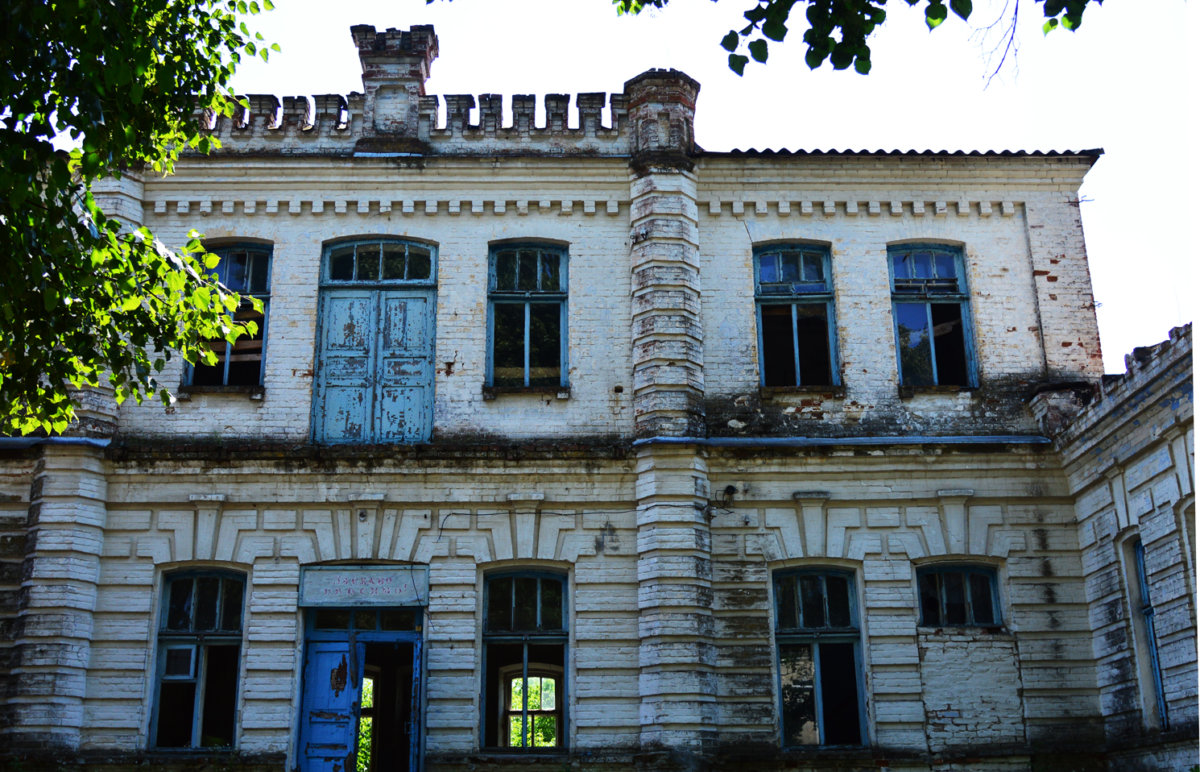
After the Kondratyevs, from the first half of the 19th century until the early 20th century, Stare Selo was owned by the Zboromirsky family. The estate they built, located not far from the “terem,” has survived to this day. As is customary, when the Bolsheviks came to power, a general-education school was established in the building of the former estate. It is largely thanks to this that the building was not demolished. But several decades ago, a new school was built in the village, and the old manor house fell into disuse… A fire broke out in the right wing of the building, and it is gradually falling into ruin. Yet, despite its increasingly dilapidated condition, it is still worth a visit.
As we can see, the two churches, the park, and the three estates could make for a pretty good itinerary “through the places associated with Kondratyev.” And if you’re a music lover, by combining Trostyanets’ with Nizamy, you can easily set off on a journey through “Tchaikovsky’s Sloboda Ukraine sites.”
I’d like to single out a place called Lyfyne, located 28 km from Chervonyi and 203 km from Kharkiv. I think many of us have heard and are familiar with Taras Shevchenko’s beautiful poems:
Oh, a rose blooms on the mountain;
A Cossack walks
through the valley, And asks in sorrow:
Where does that fate take pride?Is it in the taverns with the rich?
Or in the steppes with the chumaks?
Or out in the open
fields, where the wind blows freely?Not there, not there, my friend and brother,
With the girl in a stranger’s house,
Wrapped in a towel and a scarf
, Hidden away in a new chest.
So, these poems were written in Lyfyne, where the great Kobzar stayed at the estate of his friend Dmitry Khrushchev from June 6 to 9, 1859. In addition to the poems, the famous guest also created two landscape paintings here, “In Likhvin,” and a sketch titled “The Oak.”
Before the Khrushchevs, the farmstead was owned by the Alferovs and the Somovs. Under the Alferovs, in 1785, Lyfyne had 30 farmsteads, a wooden manor house, and an adjoining garden with fruit trees. The current “preserved” estate was built between the 1830s and 1880s. I didn’t put the word “preserved” in quotation marks for no reason. The estate’s current condition is a vivid example of our government’s true attitude toward architectural heritage and the preservation of “Shevchenko’s sites.”
A year ago, during our trip to Lyfyne, one of the estate’s outbuildings looked like this:

Here’s what the building looked like in 2005, in a photo by Andrei Paramonov:
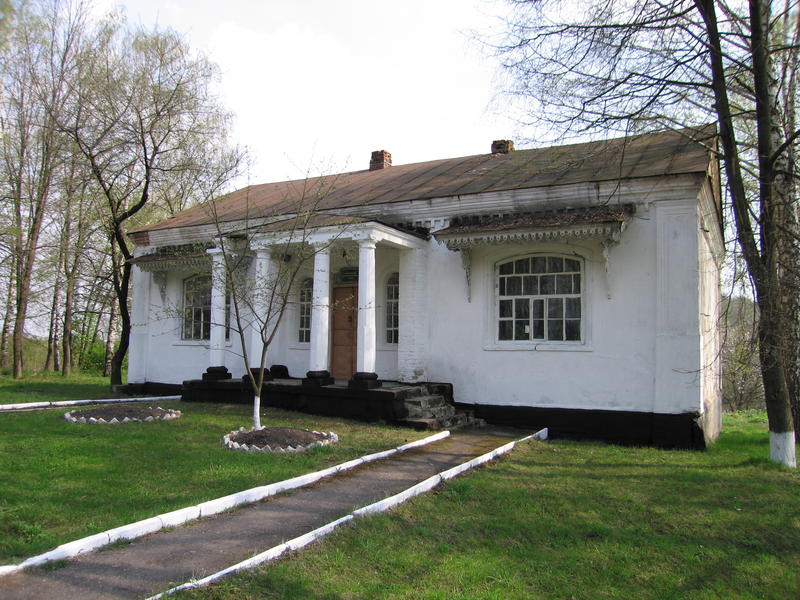
You’ll probably be surprised, but those outbuildings and structures on the property are no longer there. Although they were still there in 2005.
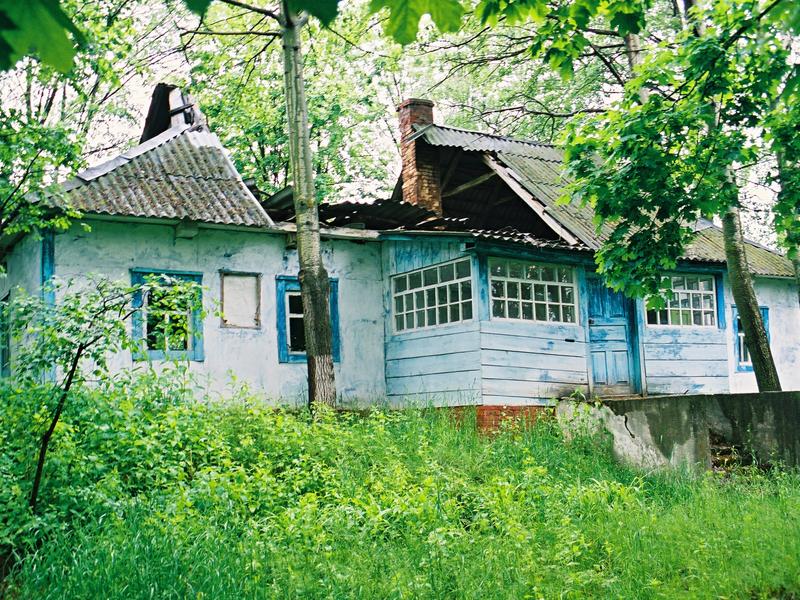
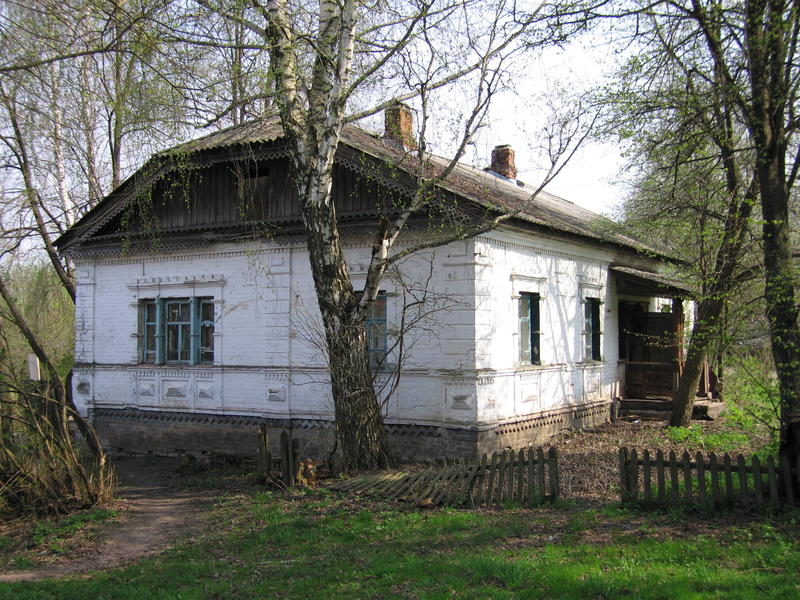
And it was only because the private owner—unable to restore the estate—erected a high fence around it at his own expense and hired a permanent security detail that this gem of Slobozhanshchyna was spared from complete ruin. When we visited Lyfyne last year, we were amazed even by what remained.
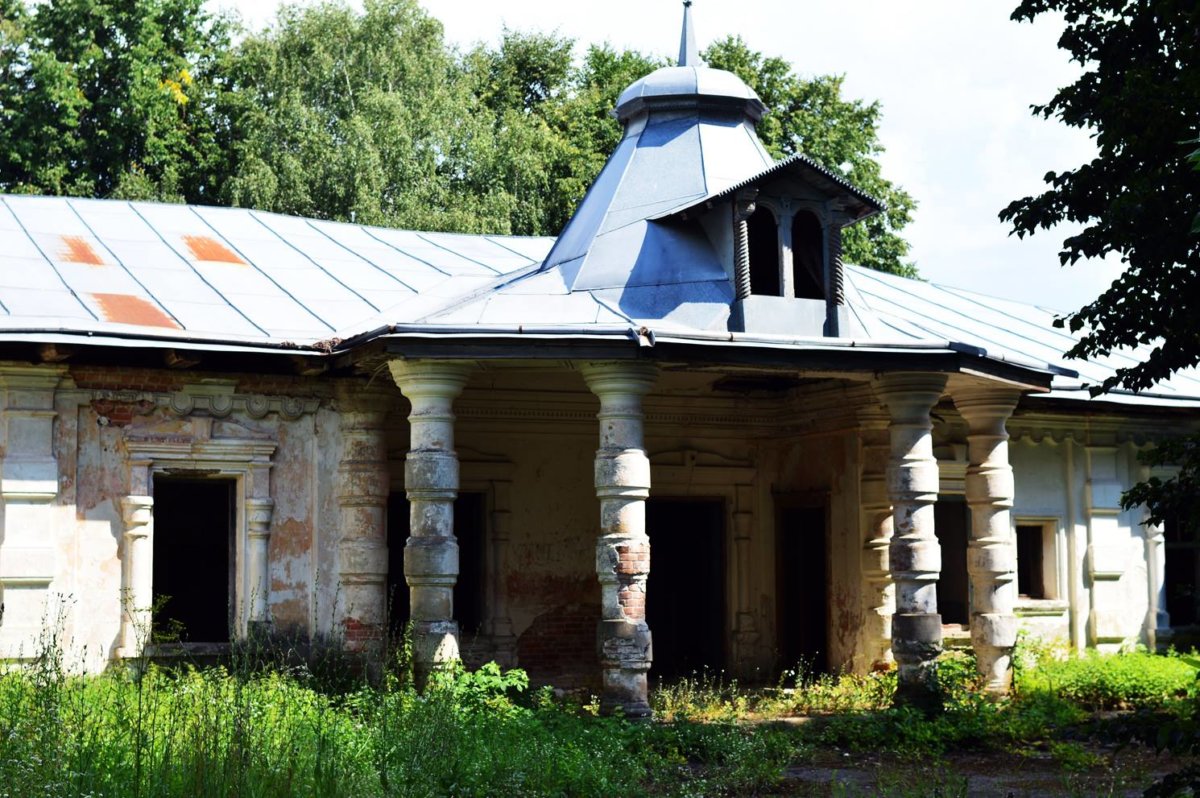

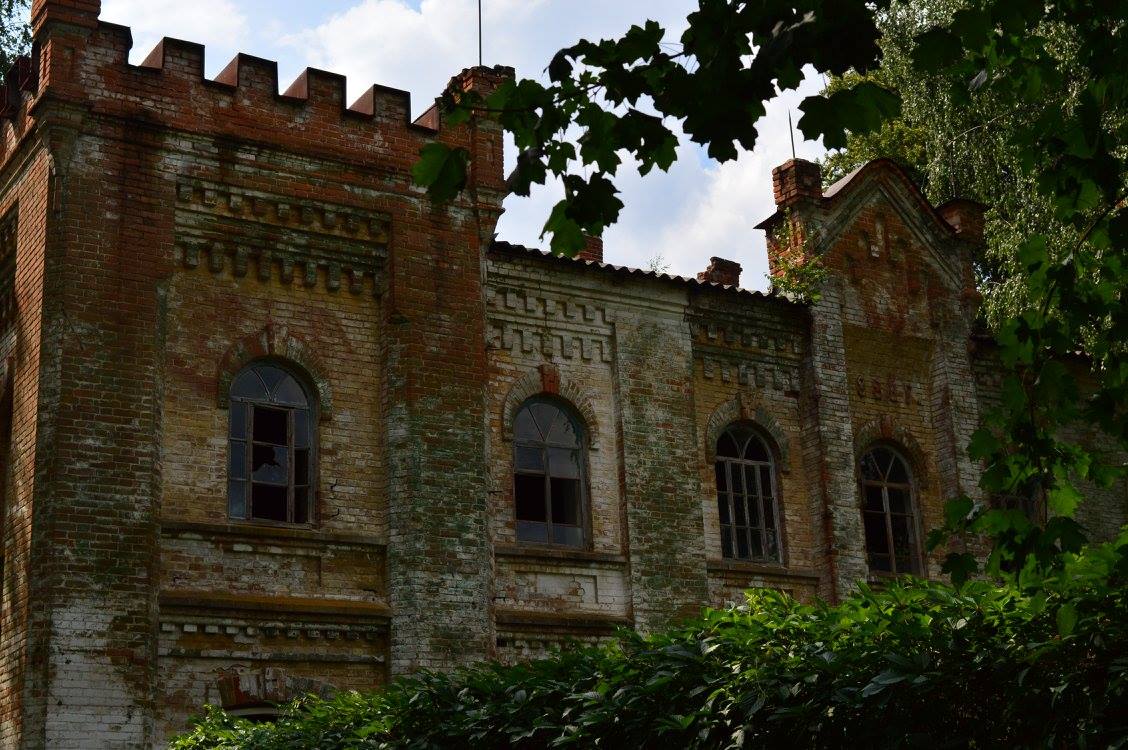
So if you want to see some truly magical beauty, head straight to Lyfyne. Speaking of the road, keep in mind that it’s best to drive to the estate in an SUV. Also, pay attention to the weather: ideally, there shouldn’t be any rain before or during your trip. Otherwise, you risk getting stuck there for quite a while…
That’s all for today. But only for today. After all, the beauty of our Sloboda Ukraine is endless! The main thing is to make sure you get to see it all.

- About the military pilot school and the airfield in Kharkiv… - 04.11.2020
- Nikanor Savich—A Political Career by Mistake - 13.07.2020
- And once again, about the Cavalry Guards… - 21.01.2020