The Natural History Museum building was originally constructed between 1899 and 1901 to serve as a student dormitory for Kharkiv University.
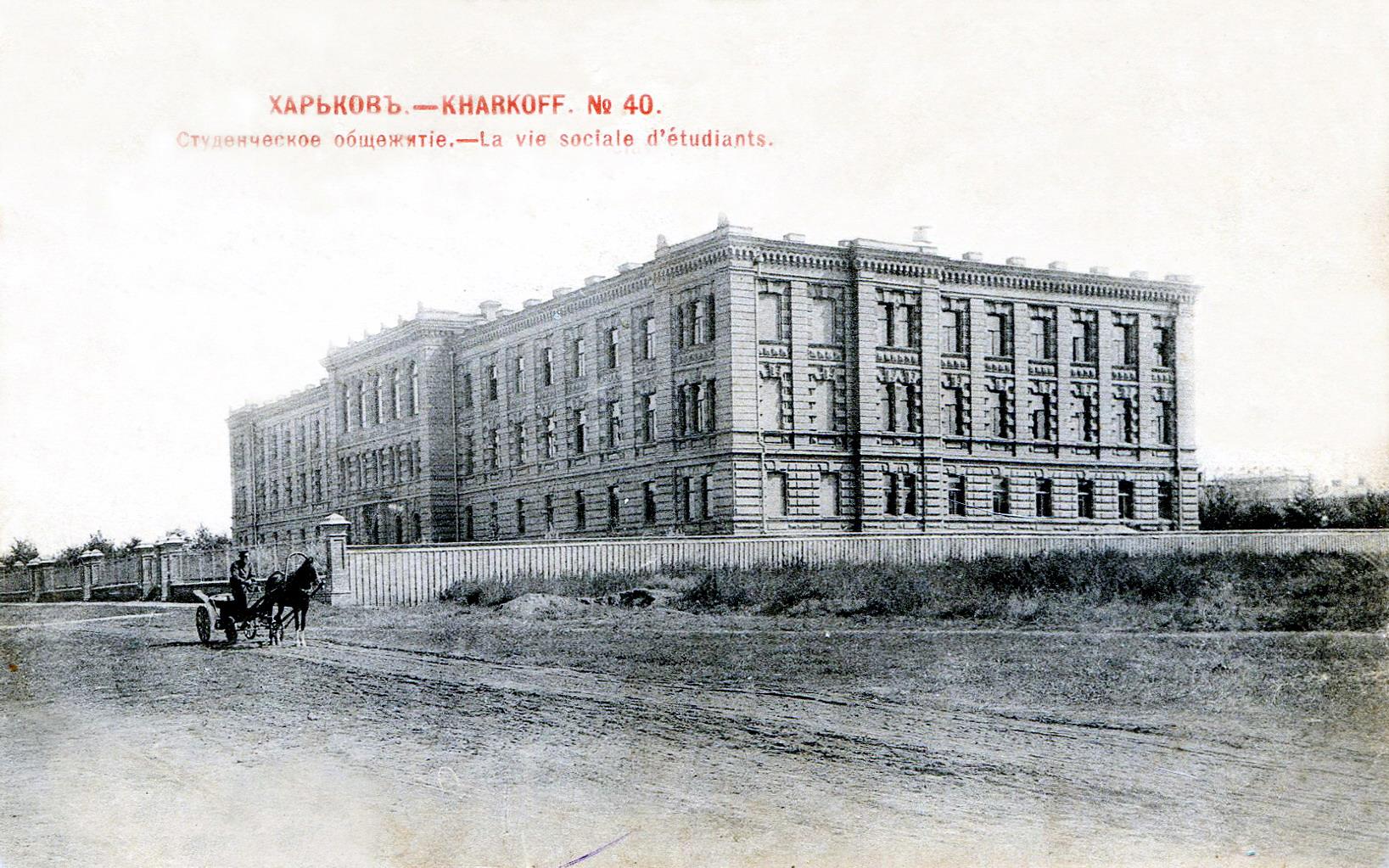
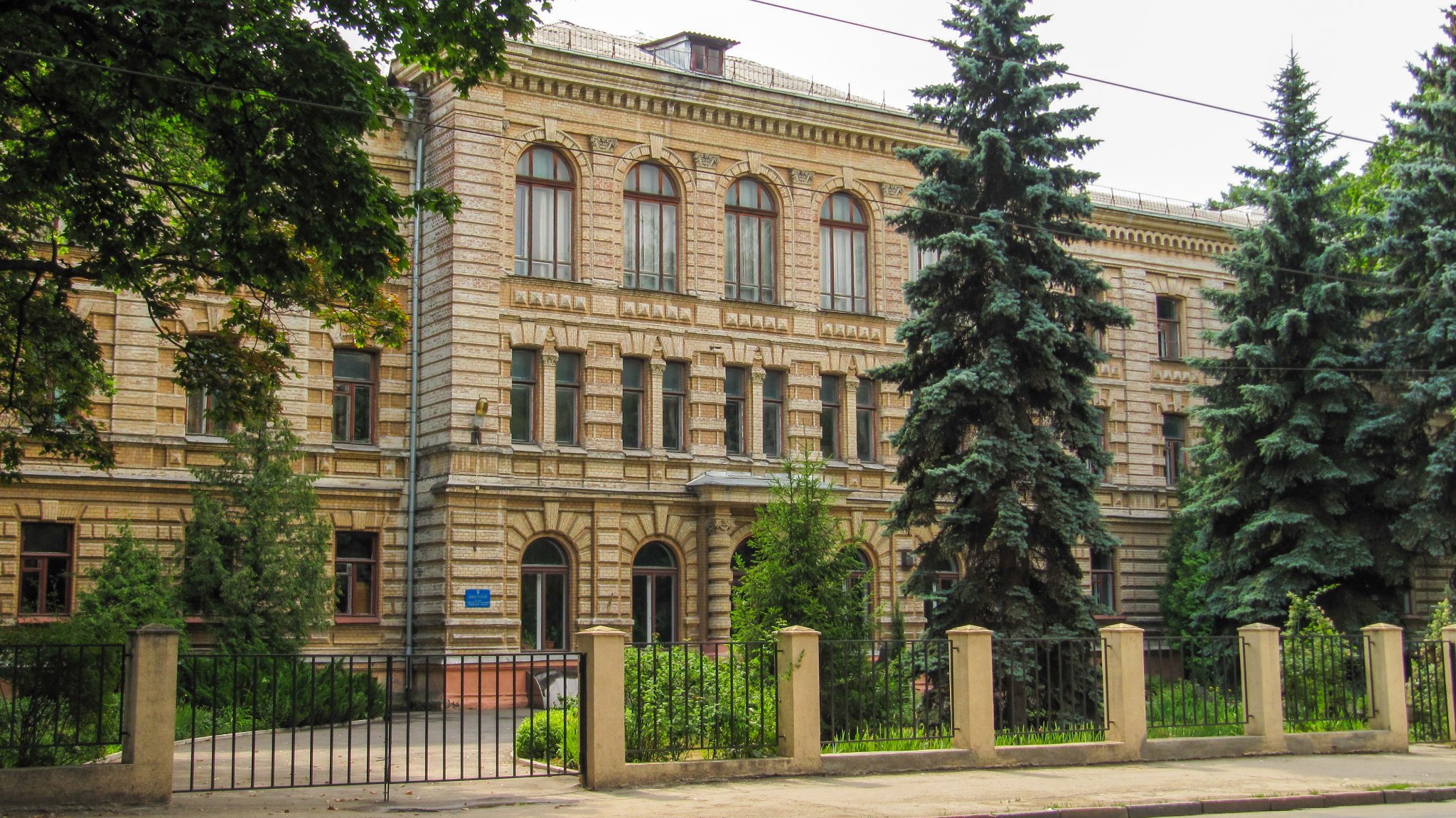
The Neo-Renaissance building was designed by architect Viktor Velichko and is designated as an architectural landmark.
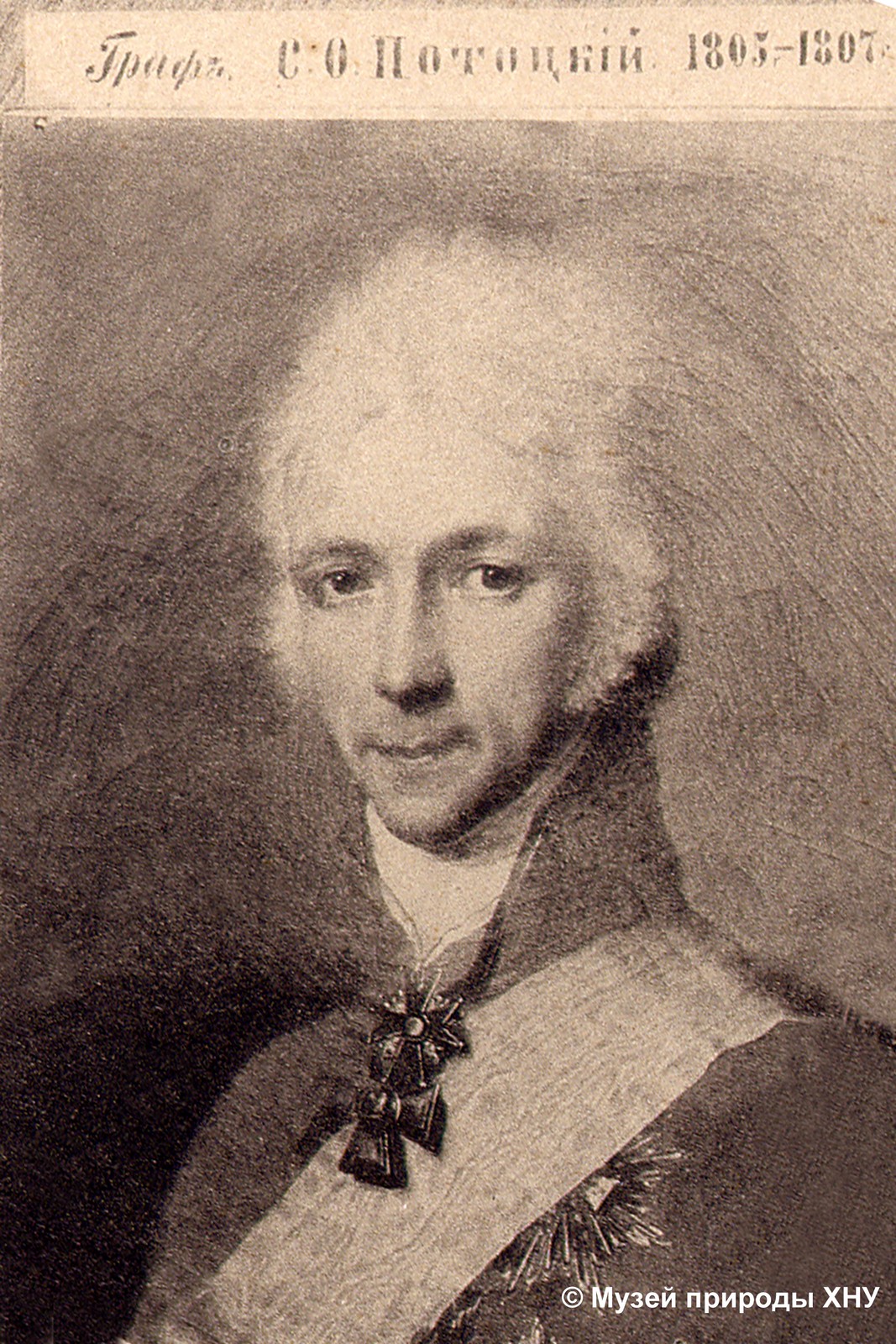
The museum itself dates back to 1805–1806. At that time, Count S. Pototsky, the superintendent of the Kharkiv educational district, purchased from the Hanoverian pharmacist Gruner a collection of “natural objects” assembled by Professor André, as well as a zoological collection belonging to the Italian Cetti (235 butterflies, 540 beetles, 125 stuffed birds, 18 starfish, 36 sea urchins, 100 specimens of coral, 2,623 mollusc shells, and 520 minerals). These items formed the collection of the Natural History Cabinet.
It is worth noting the work of the museum’s director, Professor I.A. Krinitsky, who led the institution from 1826 to 1836. Thanks to him, the museum’s collection quadrupled in size and was systematically organized for scientific purposes. Throughout the 19th and early 20th centuries, the collection was constantly expanded thanks to patrons (notably D.A. Donets-Zakharzhevsky) and the findings of expeditions by various researchers and scholars.
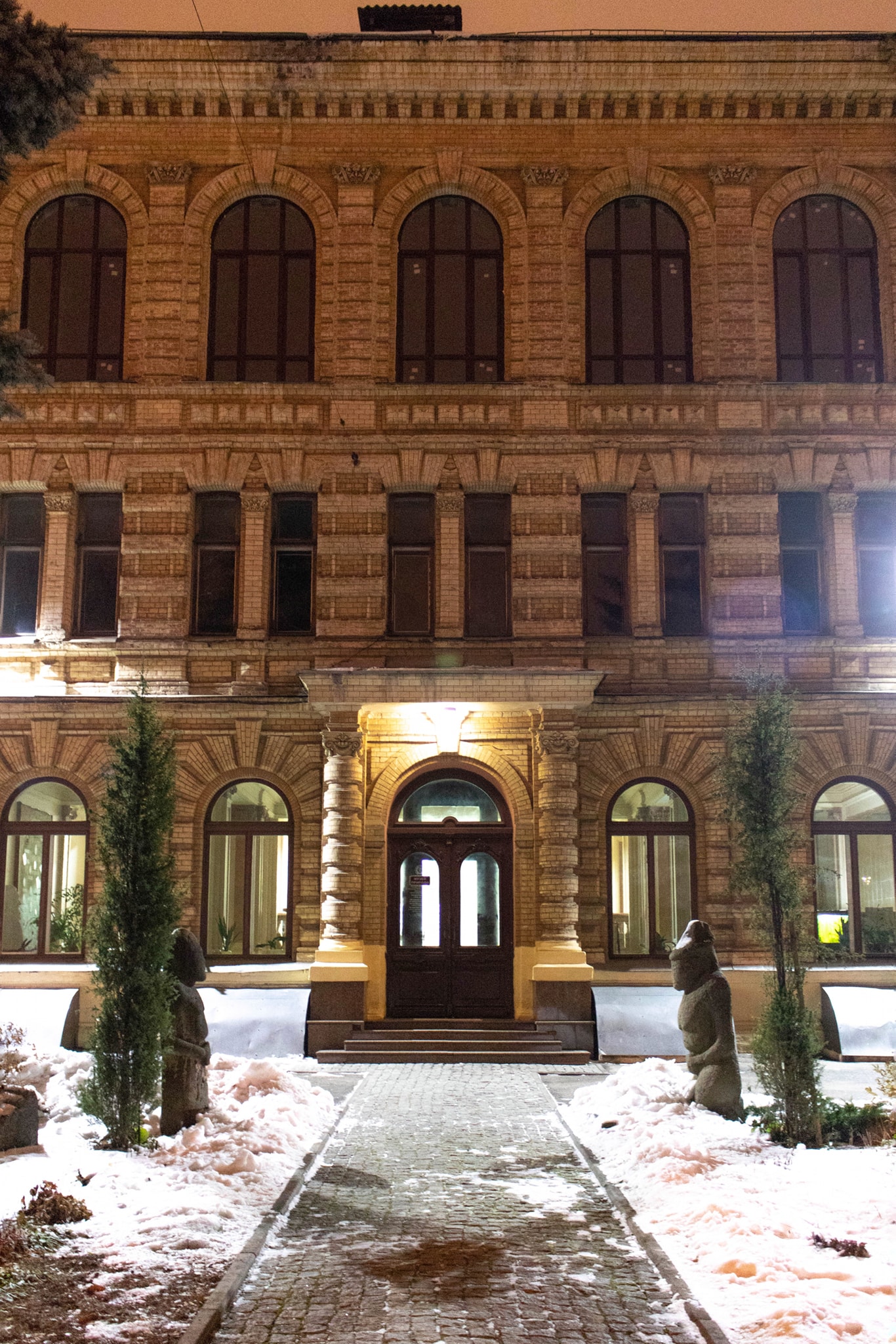
In 1907, the Natural History Cabinet became the Zoological Museum and moved to the building of the former student dormitory.
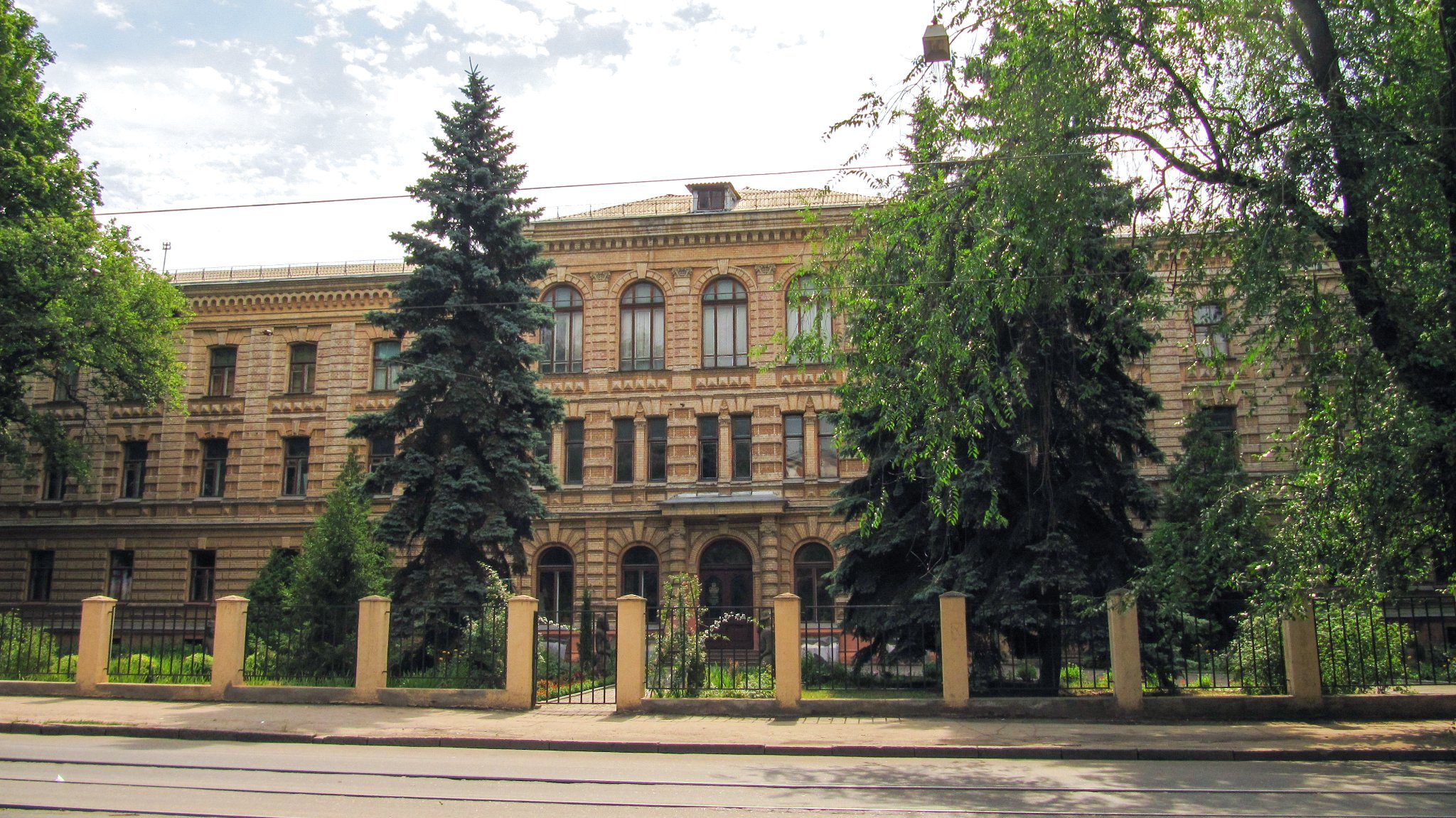
Until 1964, the museum did not occupy the entire building; the biology and economics departments were also located there.
The museum currently has 23 galleries and four departments: geology, invertebrates and vertebrates, the evolution of life, and nature conservation. A separate hall is dedicated to meteorites (which you can even touch); the museum also houses a mammoth skeleton, and its impressive collection of insects—beetles and butterflies—is particularly memorable. In total, the museum’s collection now comprises 250,000 exhibits.
From 1941 to 1943, the wives of university professors lived in the museum; thanks to their efforts, the museum received a certificate of protection from the military command, and its collection was preserved. Unfortunately, as a result of Russian bombings and missile strikes in the spring of 2022, the building was damaged, losing its windows, and the museum’s collection was also damaged.

- Danylevs’koho Street, 19 - 13.10.2026
- Debunking the myth about one of the most famous Kharkiv photos - 12.10.2026
- The Architectural Evolution of the Kharkiv Theater - 26.09.2026