The Monument to Vasily Karazin (1905) is a remarkable sculpture with an interesting history. It’s no secret that Vasily Karazin was one of the founders of Kharkiv University. Some believe that it was largely thanks to the university that Kharkiv in fact, Kharkiv became the largest city in Eastern Ukraine, as well as a major scientific, cultural, and industrial center—whereas it could have been just an ordinary provincial or even district town the size of Poltava or Sumy.
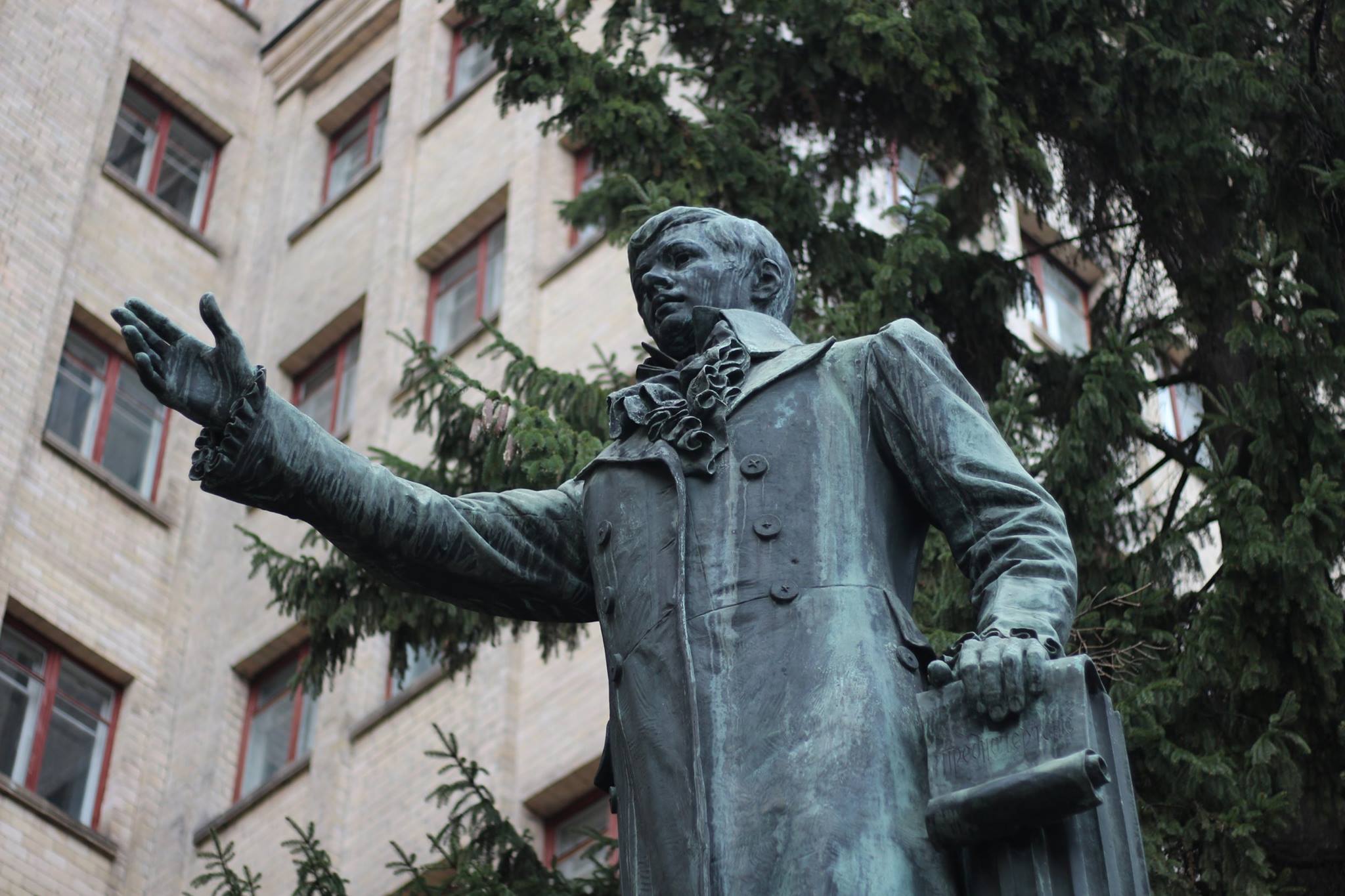
Funds for the sculpture were raised gradually—over the course of 20 years. The pedestal was designed by O. Beketov, and the sculpture was cast in St. Petersburg based on a design by sculptor Ivan Andrioletti.
This rather unusual combination of the sculptor’s first and last names stems from the fact that Ivan Andrioletti was originally from the Kherson Governorate and was adopted by the Italian artist Giovanni Andreoletti…
The plan was to unveil the sculpture in 1905, on the university’s centennial, but due to the outbreak of student unrest and the 1905 Revolution, the authorities were afraid to unveil a monument to the university’s liberal founder and patron.
Attached to the back of the pedestal is a bas-relief depicting Karazin’s estate in the village of Kruchik.

Until 1907, it stood in front of the University Garden in a wooden box, with one hand sticking out of it—a sight that became the subject of numerous caricatures.
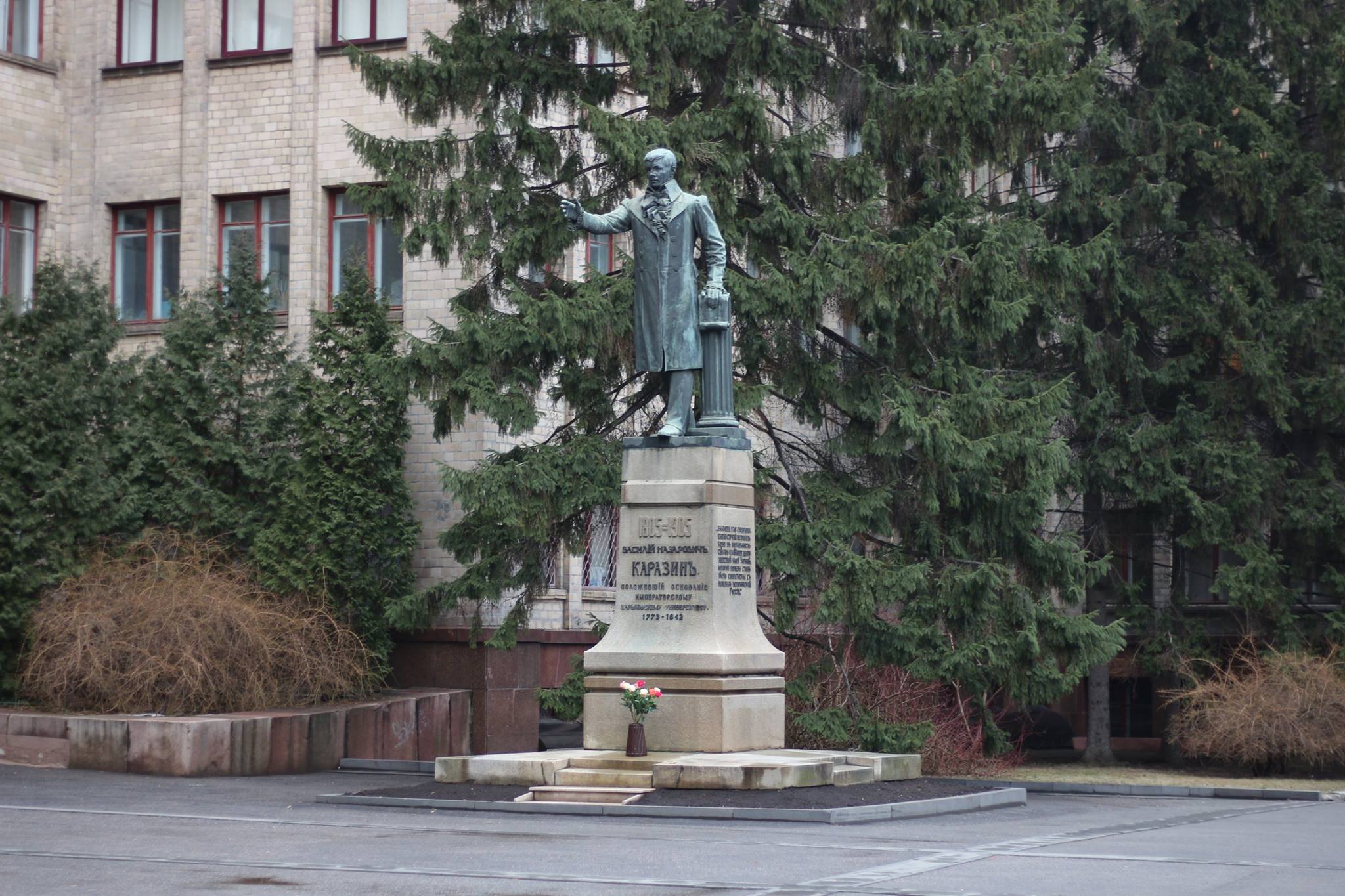
Originally, the monument to Karazin stood where the current monument to Shevchenko is located; in 1934, it was moved to the old university building on Universitetskaya Street (it stood to the left of the entrance to the former Church of St. Anthony).
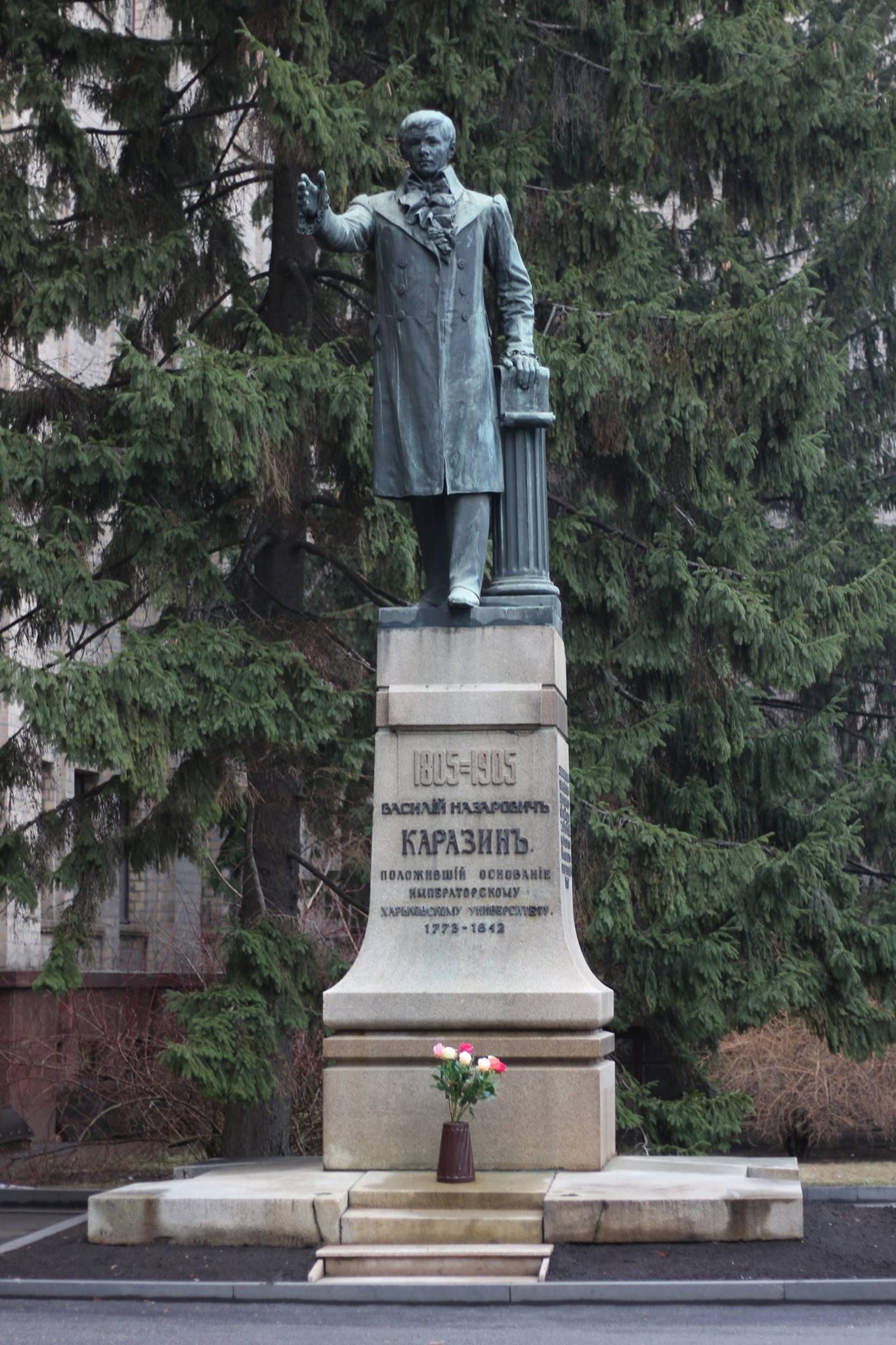
In 1958, the sculpture was moved to its third location, once again in Shevchenko Park, but this time next to the new main building of Kharkiv National University (on the left side).

In 2004, the Karazin statue was “moved” once again—it now stands in a prominent spot at the entrance to the university.
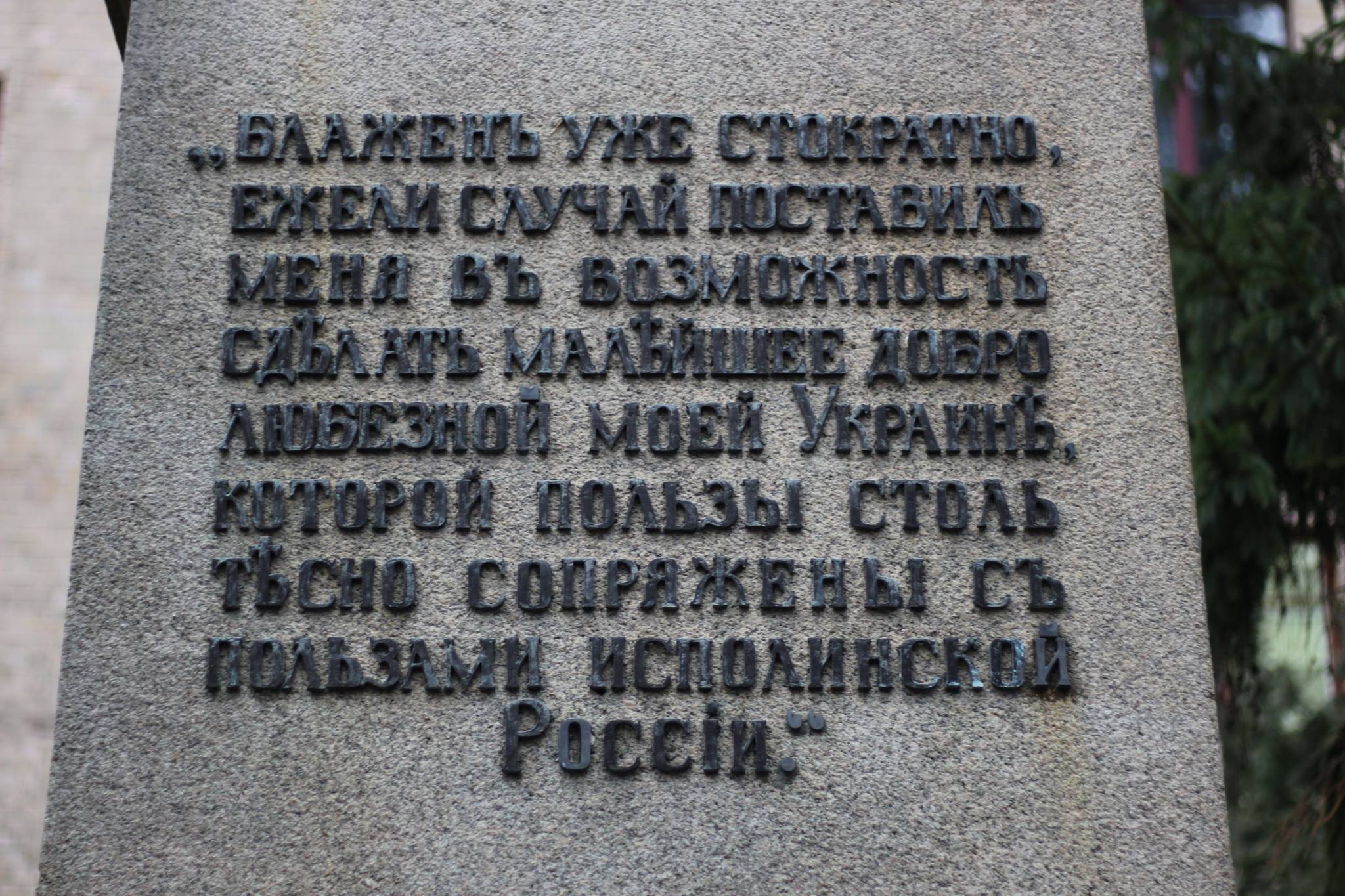
The sculpture depicts 29-year-old Vasily Karazin during his speech to the city’s residents on September 1, 1802, in which he persuaded them of the need to establish a university in the city. Quotes from him can be read on the pedestal.

- "Noah's Ark" - 21.10.2026
- Blackie’s House on Maksymilianivska St - 19.10.2026
- Danylevs’koho Street, 19 - 13.10.2026