The village of Vasilevka lies on the banks of the Grun River in the Lebedinsky District of what is now the Sumy Oblast (formerly part of the Kharkiv Governorate). Nothing now reminds a passing traveler of the former glory and splendor of the once-wealthy estates of Hetman Ivan Mazepa, the Polubotkov brothers, the Miklashevsky family, and others…
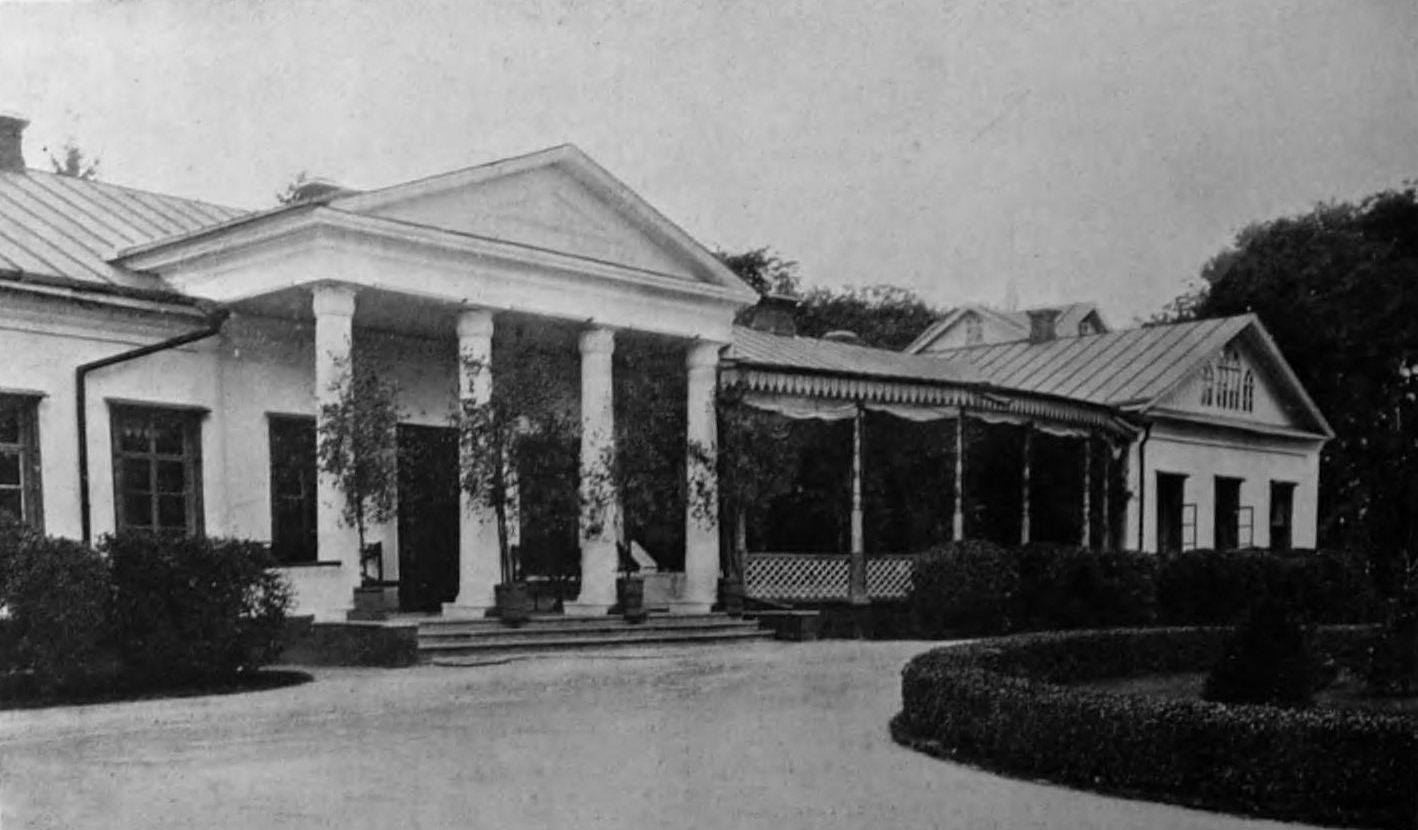
That’s understandable, since the once-beautiful estate was ruthlessly destroyed during the Civil War.
However, thanks to an article in issue No. 72 of the magazine *Stolitsa i Usadba* from 1916, we can still get a glimpse of this beautiful estate belonging to influential figures.
The Vasilevka estate, located in the Lebedinsky District of the Kharkiv Governorate, belongs to Lieutenant General G.A. Glazenap.
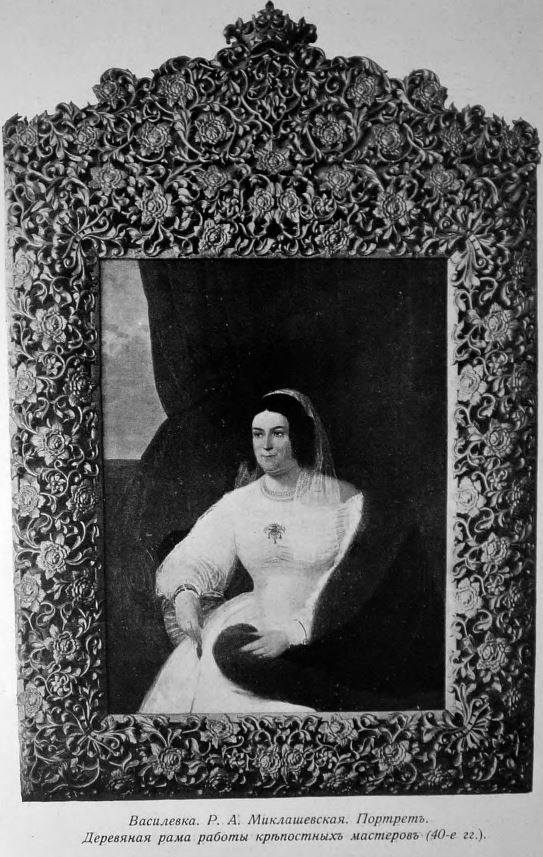
In the old days, it belonged to Pavel Polubotok, a colonel from Chernihiv, who was placed in charge of Little Russia following the death of Hetman Skoropadsky. The Vasilevka estate was granted to him by Peter the Great from among the estates confiscated from Mazepa. Through the marriage of Polubotok’s granddaughter, Vasilevka passed to the Miklashevsky family, descendants of Hetman Miklashevsky. The grandmother of the current owner, Rosetta Andreevna (née Bogaevskaya from her first marriage), was married to Pyotr Ivanovich Miklashevsky. After her death, Vasilevka passed to her son, Bogayevsky, and following the death of his wife—the born Marquise de Vilneuve-Tran—Vasilevka was inherited by G.A. Glazenap.
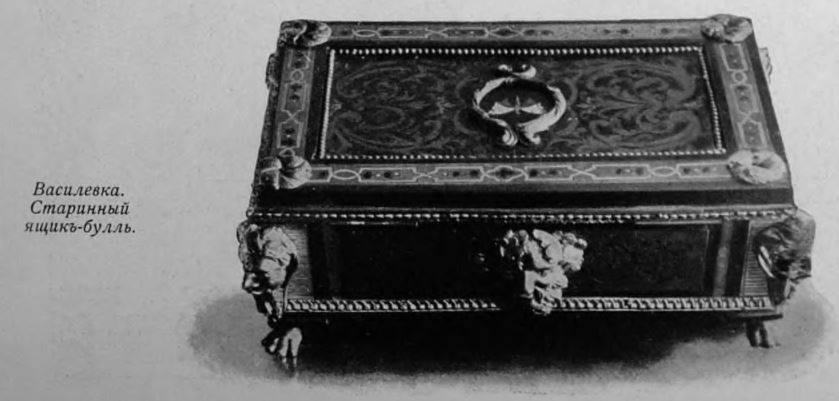
In the billiard room, there is an antique cabinet, remarkable for its elegant lines and classic style; on the inside of its doors are depictions of the four evangelists (marquetry).
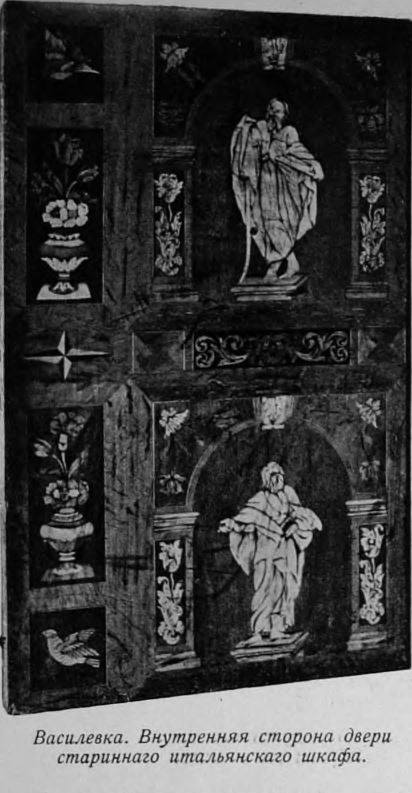
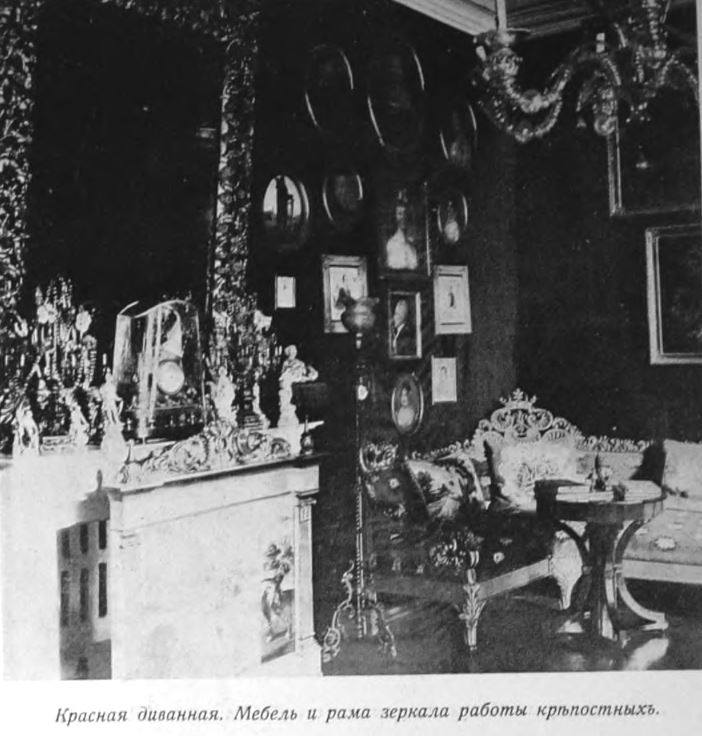
I cannot fail to mention the 24-person dinner service made of antique Saxon Marcollini porcelain, which includes fruit vases and salt shakers of remarkable beauty. In Vasilevka, there is a room called the “sofa room,” where the furniture, fabrics, and mirror frames—all handcrafted works of art—were made in Vasilevka by local artisans in days gone by. In this same room hangs an antique Venetian chandelier, and there are figurines also made of antique Saxon Marcollini porcelain.
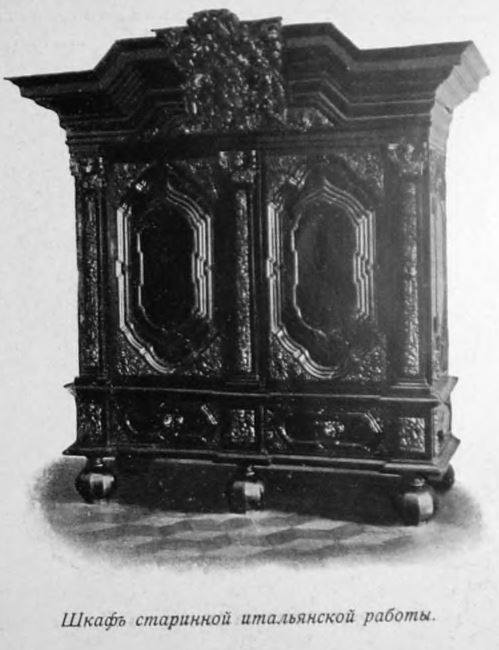
In addition, the estate features beautiful rugs for every room—handmade pieces that have remarkably retained their colors and hues.
The Vasilevsky House has remained unchanged since its construction in 1826, and when part of it burned down a few years ago, it was restored with complete accuracy.
The house contains interesting artistic bronze works, an antique English chime clock, and antique engravings, among which two by W. Word are particularly noteworthy — “Catherine of Aragon Defends Herself Before Her Husband, King Henry VII” and “The Captivity of Mary Stuart.”

- About the military pilot school and the airfield in Kharkiv… - 04.11.2020
- Nikanor Savich—A Political Career by Mistake - 13.07.2020
- And once again, about the Cavalry Guards… - 21.01.2020