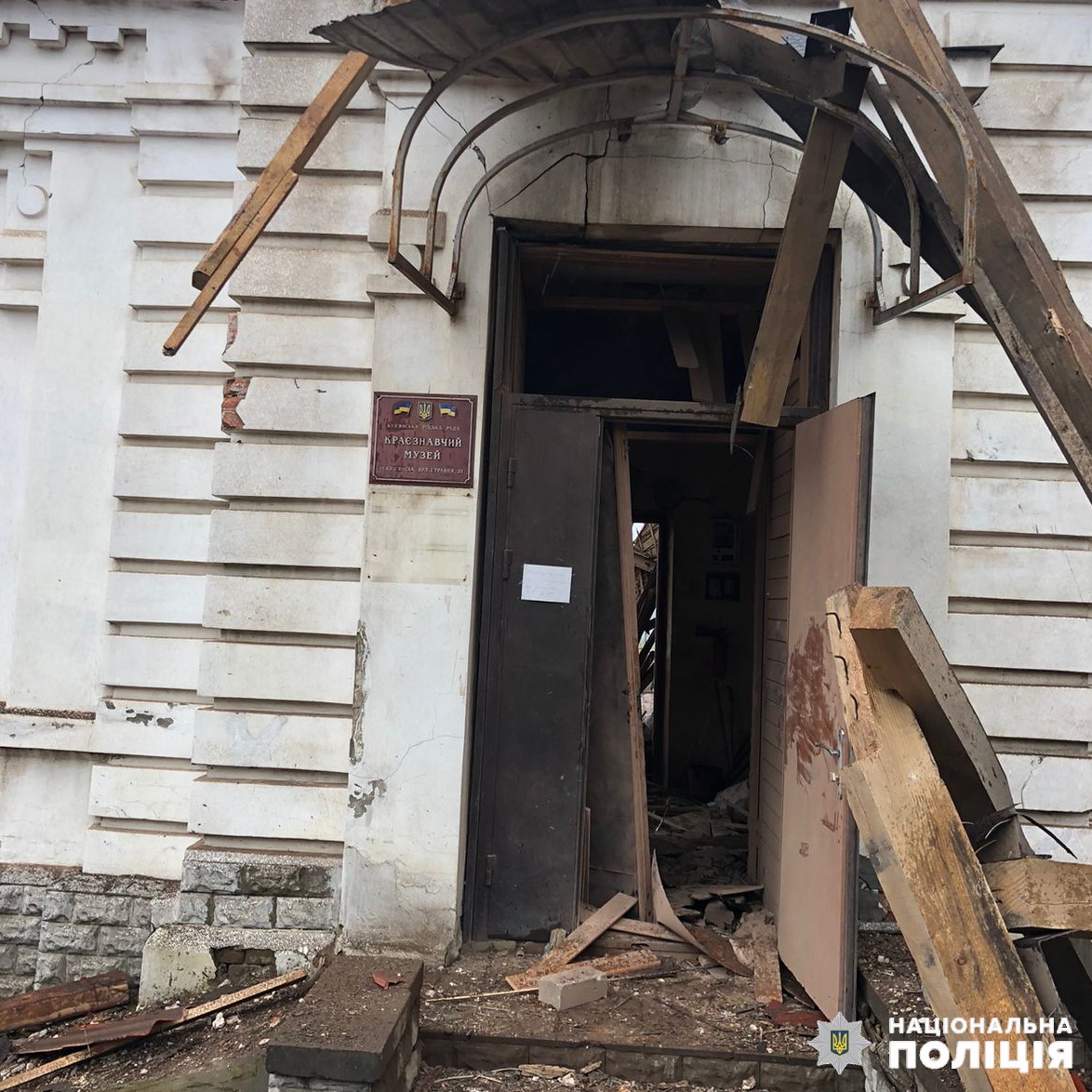
On April 25, 2023, a Russian missile strike destroyed the local history museum in the city of Kupyansk in the Kharkiv region.
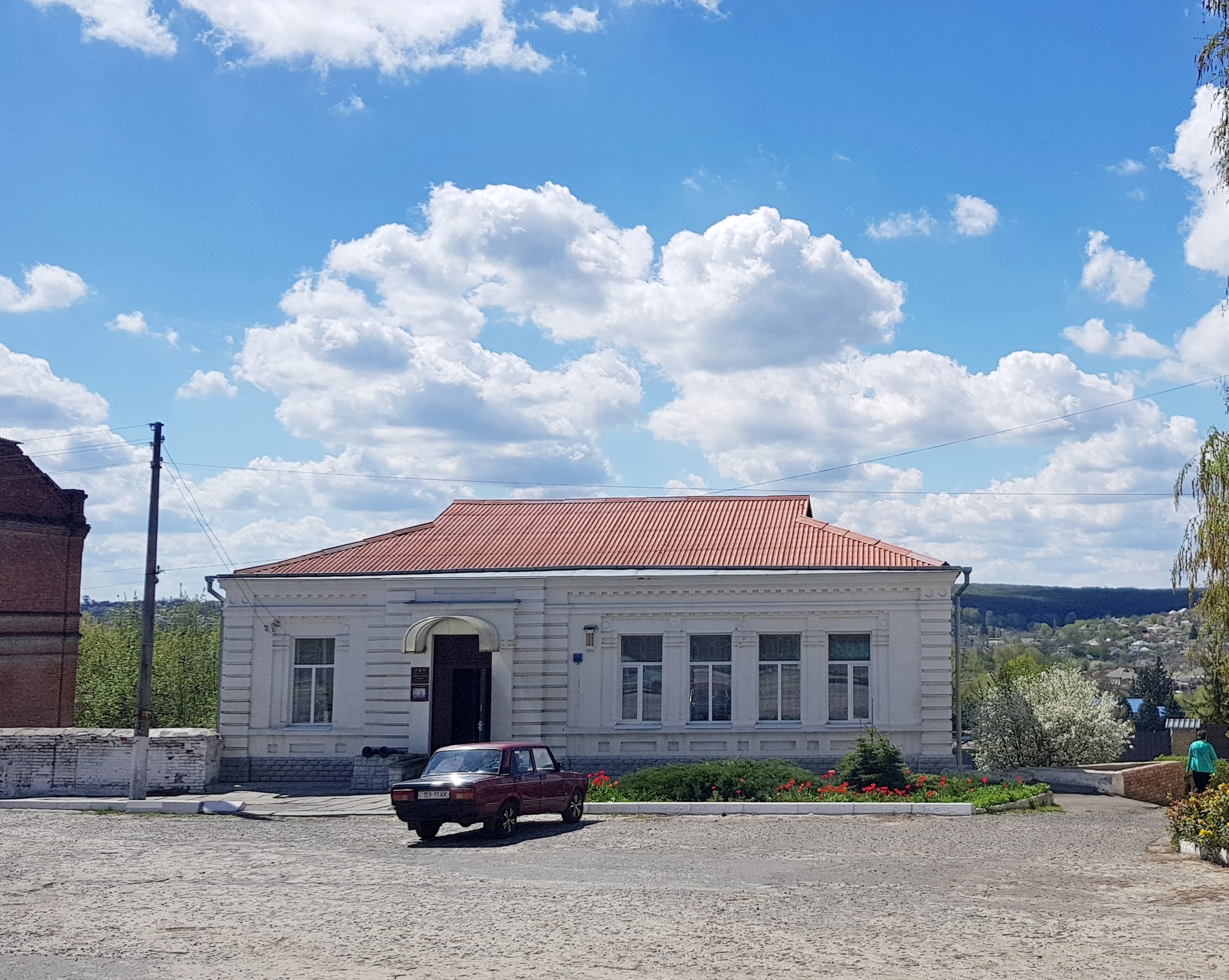
At the time of the strike, the building housed a humanitarian aid distribution center. The museum director, Irina Osadchaya, and a museum employee who were preparing the collection for evacuation were killed. Six people were hospitalized with injuries.
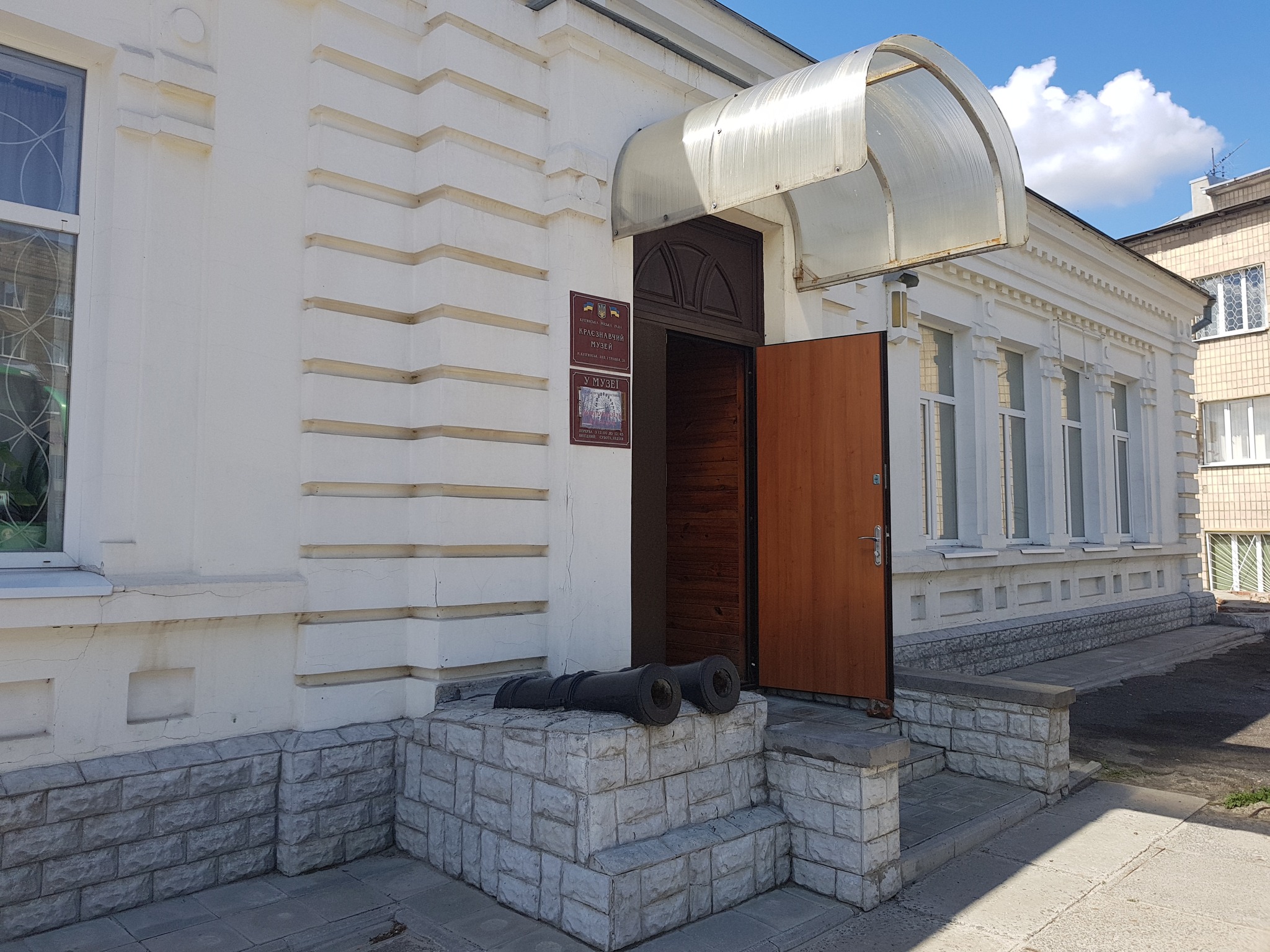
The museum was founded in 1972 and was housed in a building dating from the second half of the 19th century. It was a two-story building situated on a steep slope at 21 May 1, Street. Because of the steep slope on the side facing May 1 Street, the building appeared to be a single-story structure, and its entrance was, in effect, on the second floor.
At the museum entrance, you could see antique muzzle-loading cannons.
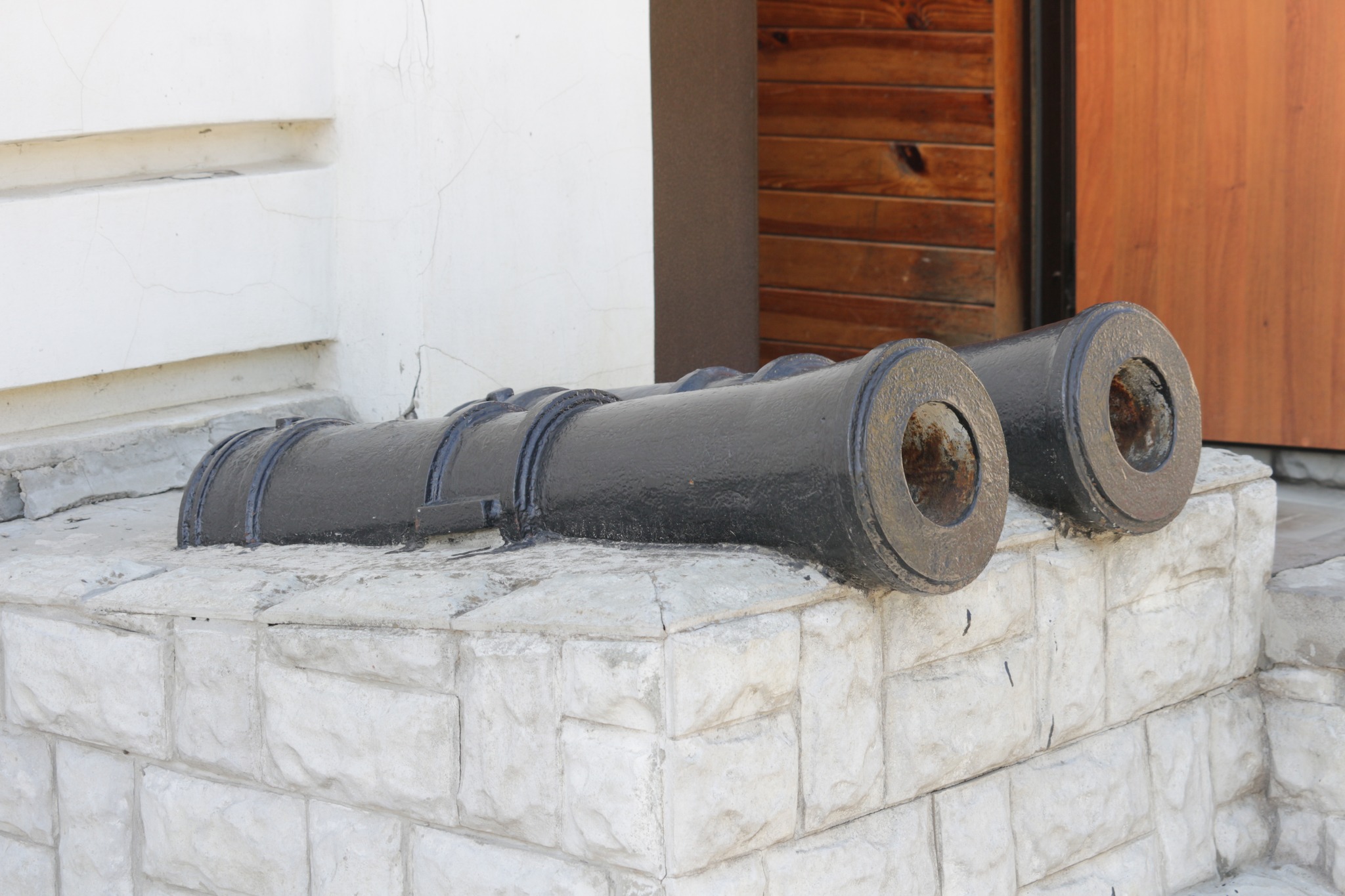
The collection of the Kupyansk Local History Museum consisted of more than 1,000 items. The most valuable of these were evacuated.
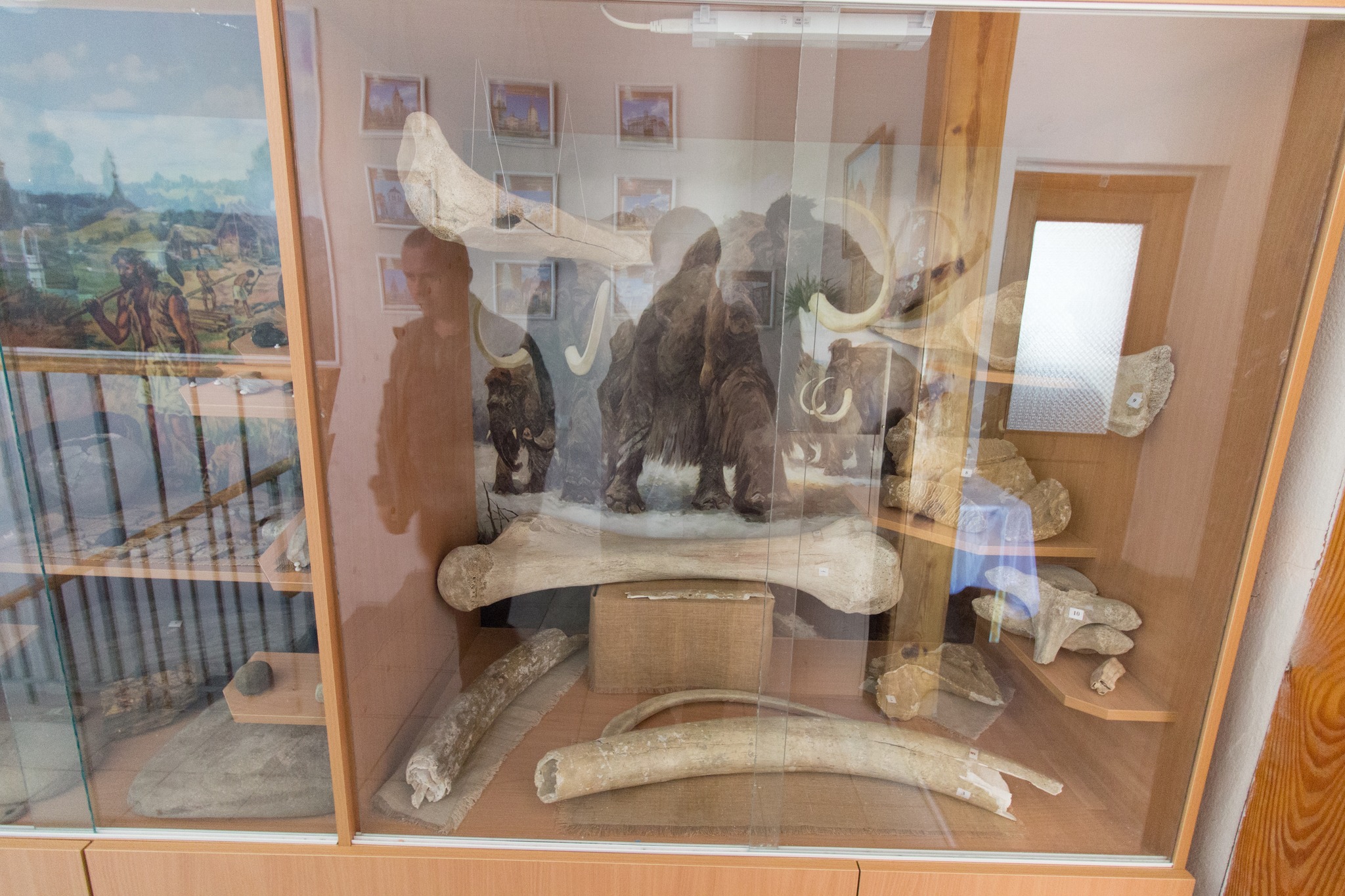
Among them were everyday objects belonging to the ancient people who lived on the Kupyansk land, as well as mammoth bones.
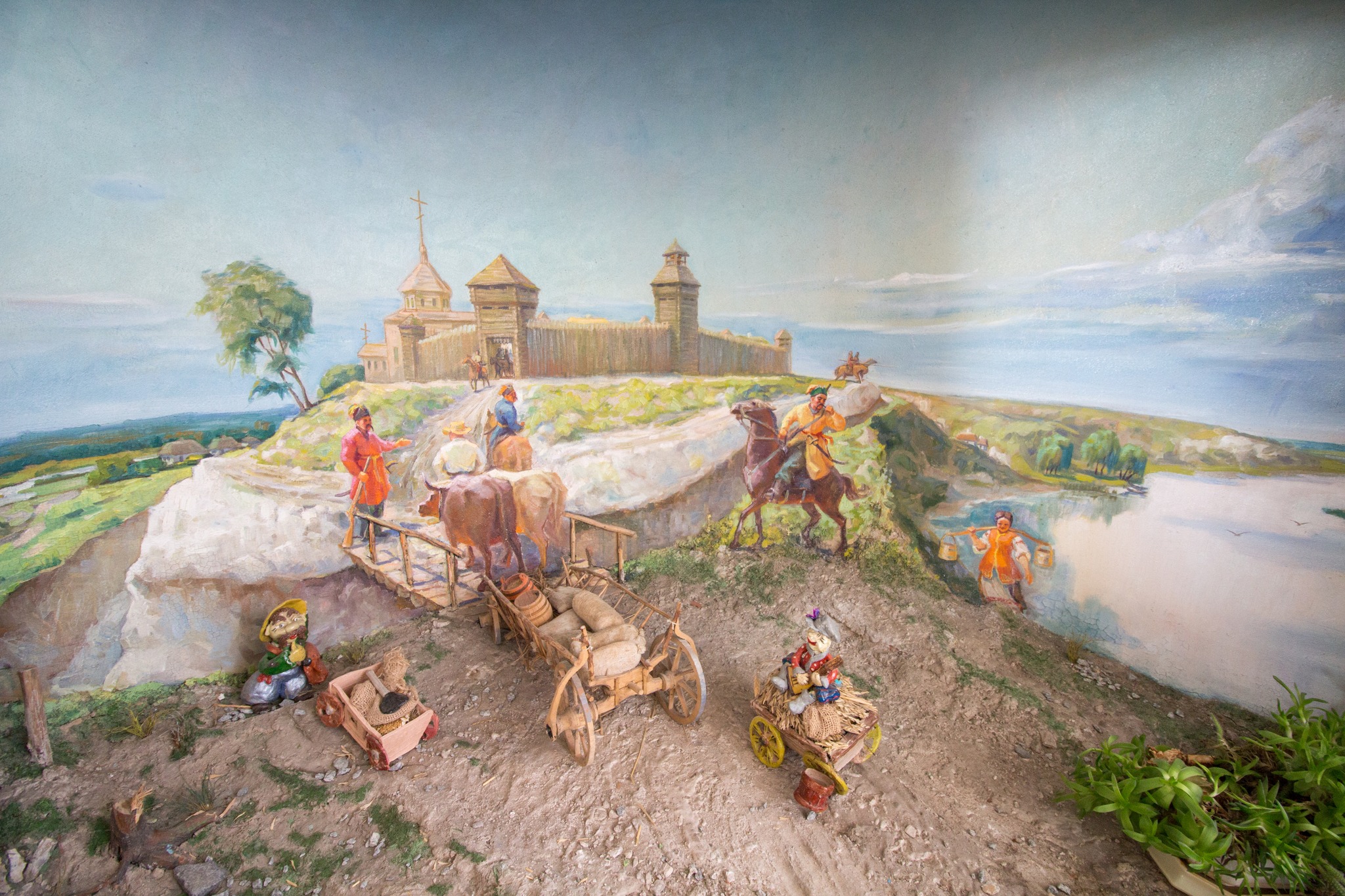
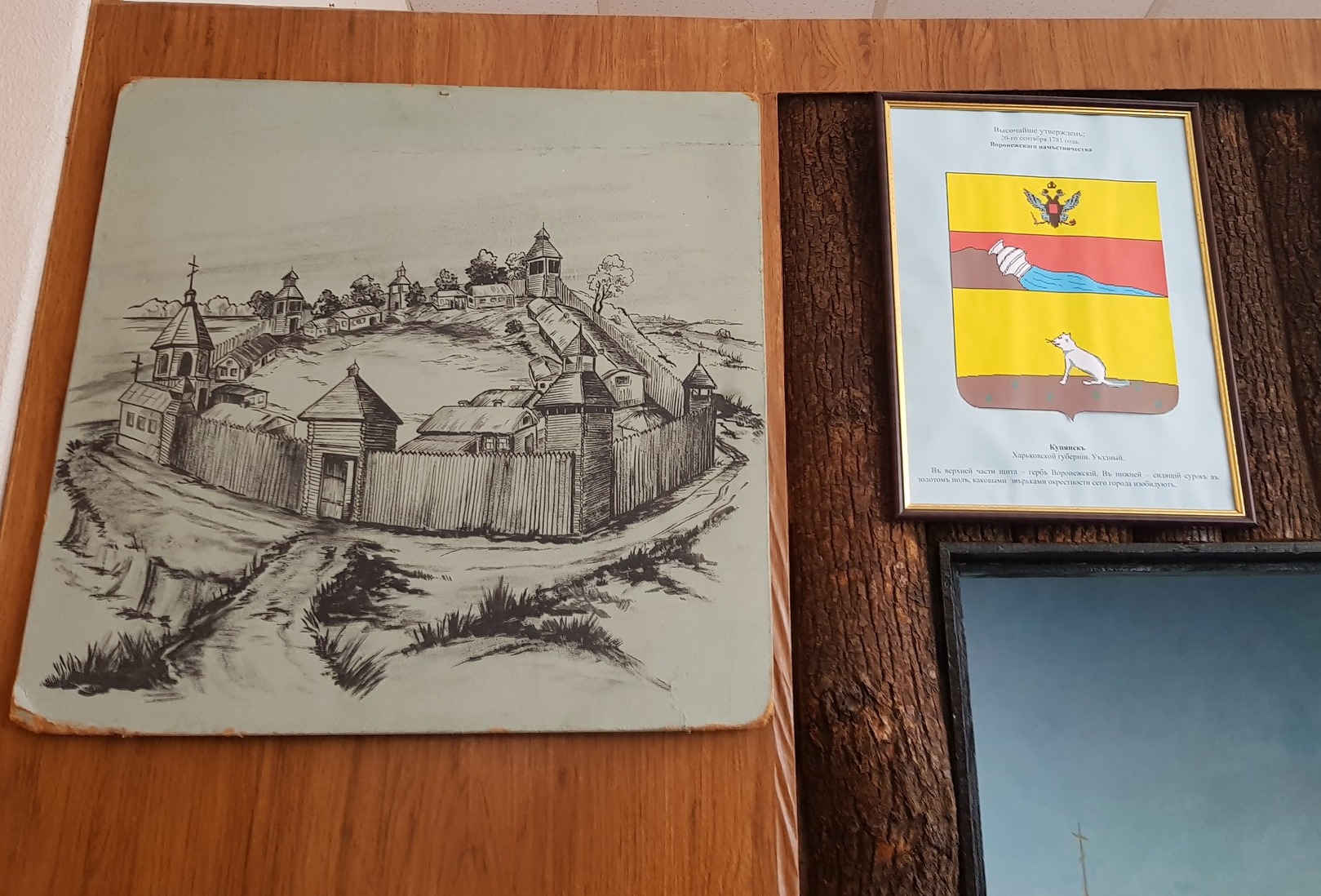
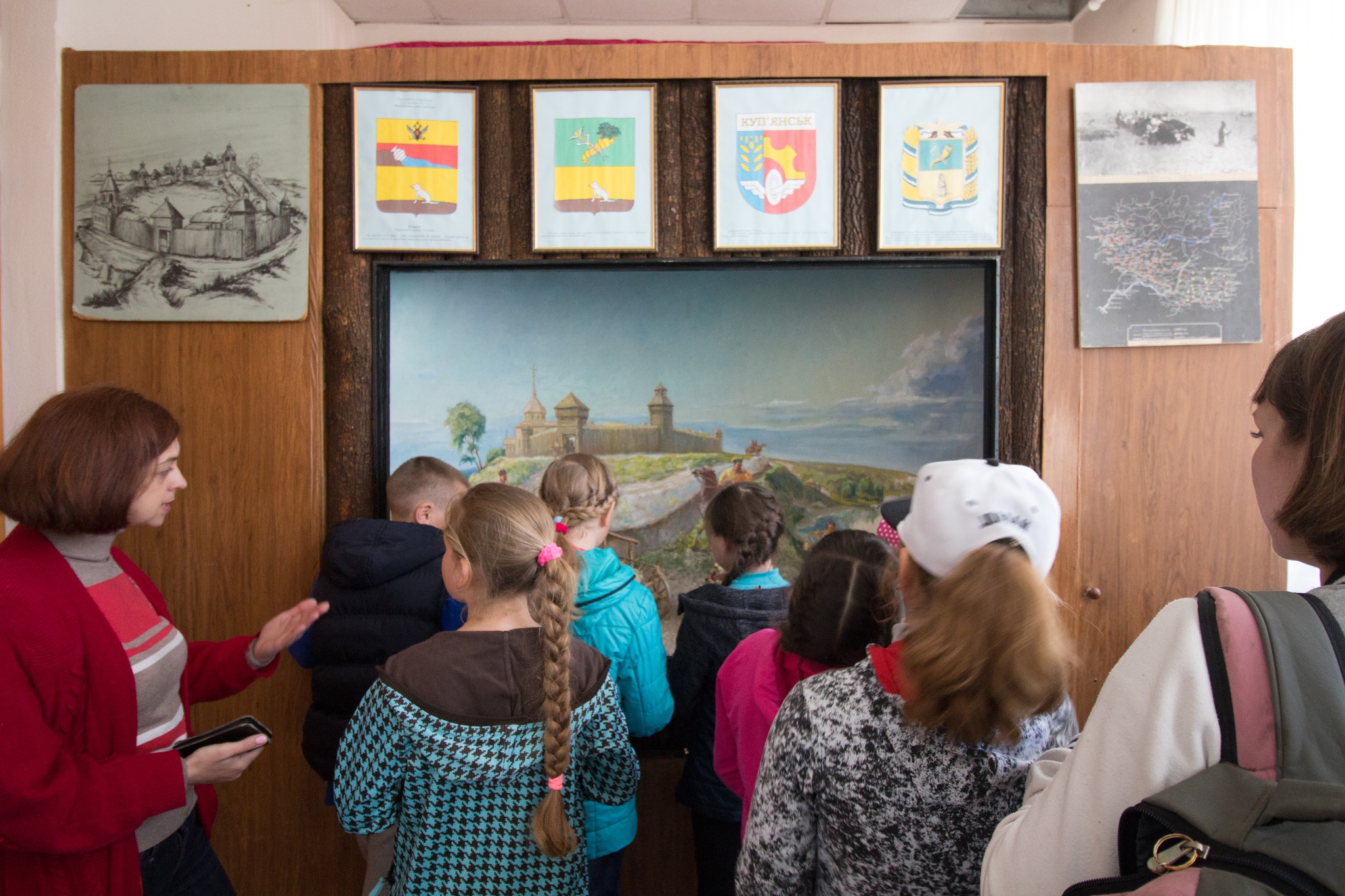
A separate section of the exhibition was dedicated to the founding of Kupyansk (1655) and its first inhabitants—settlers from Right-Bank Ukraine. The museum featured a diorama depicting the Kupiansk Fortress and the chumaks transporting salt to the fortress.
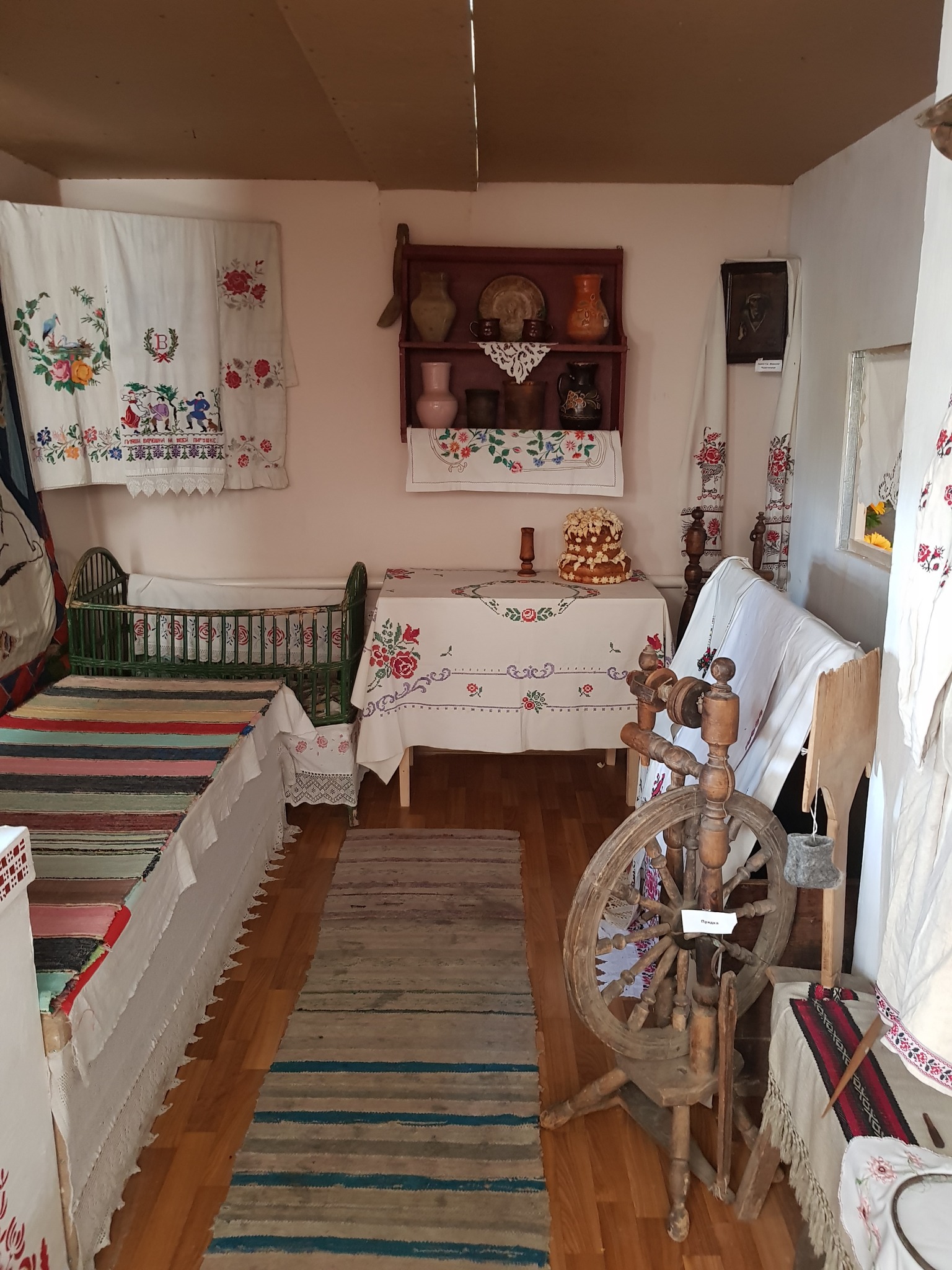
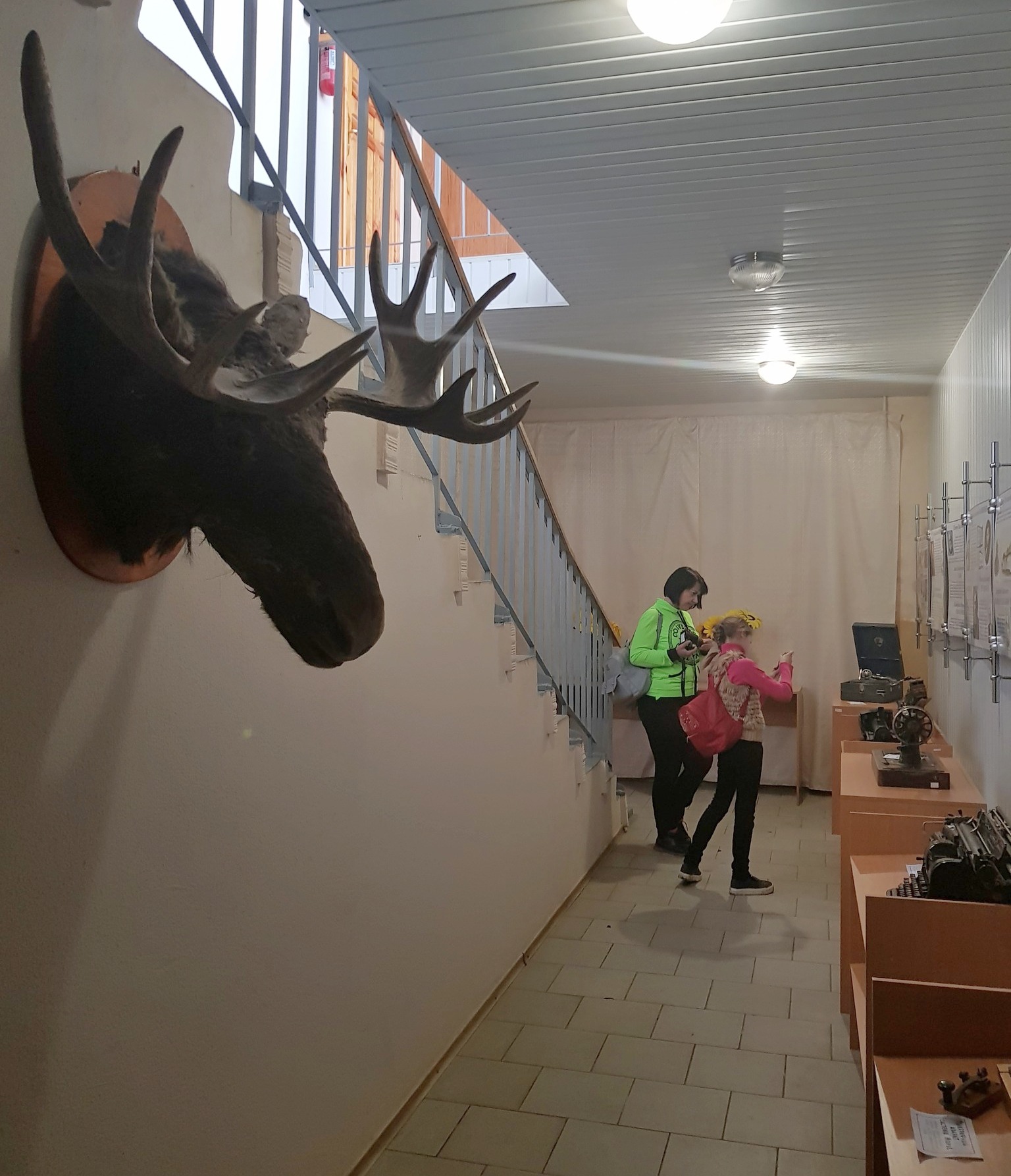
The museum’s ethnographic section is particularly worth mentioning; it features a model of a mazanka (a traditional Ukrainian countryside dwelling), with 19th-century peasant household items, located right inside the building.
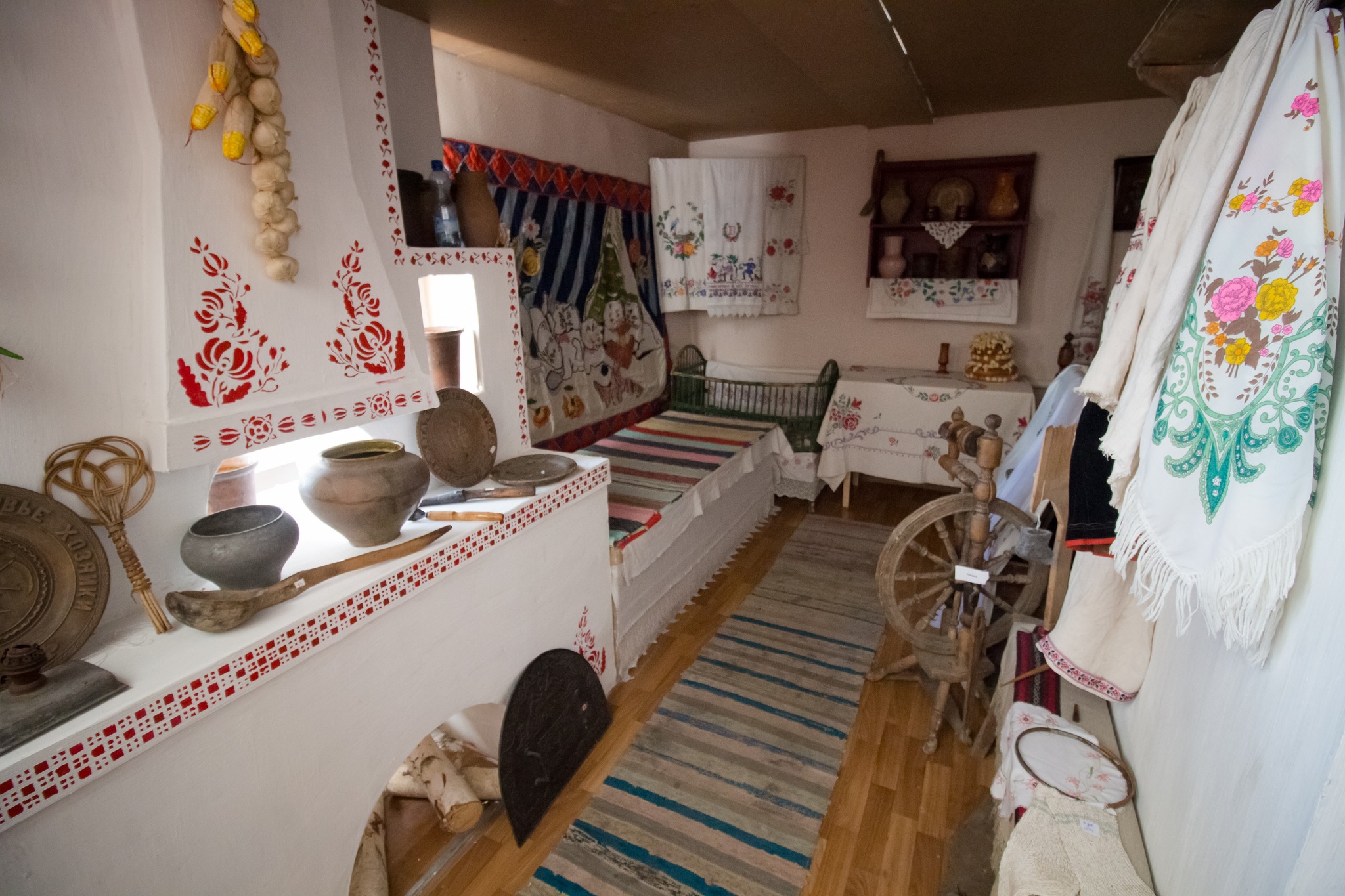

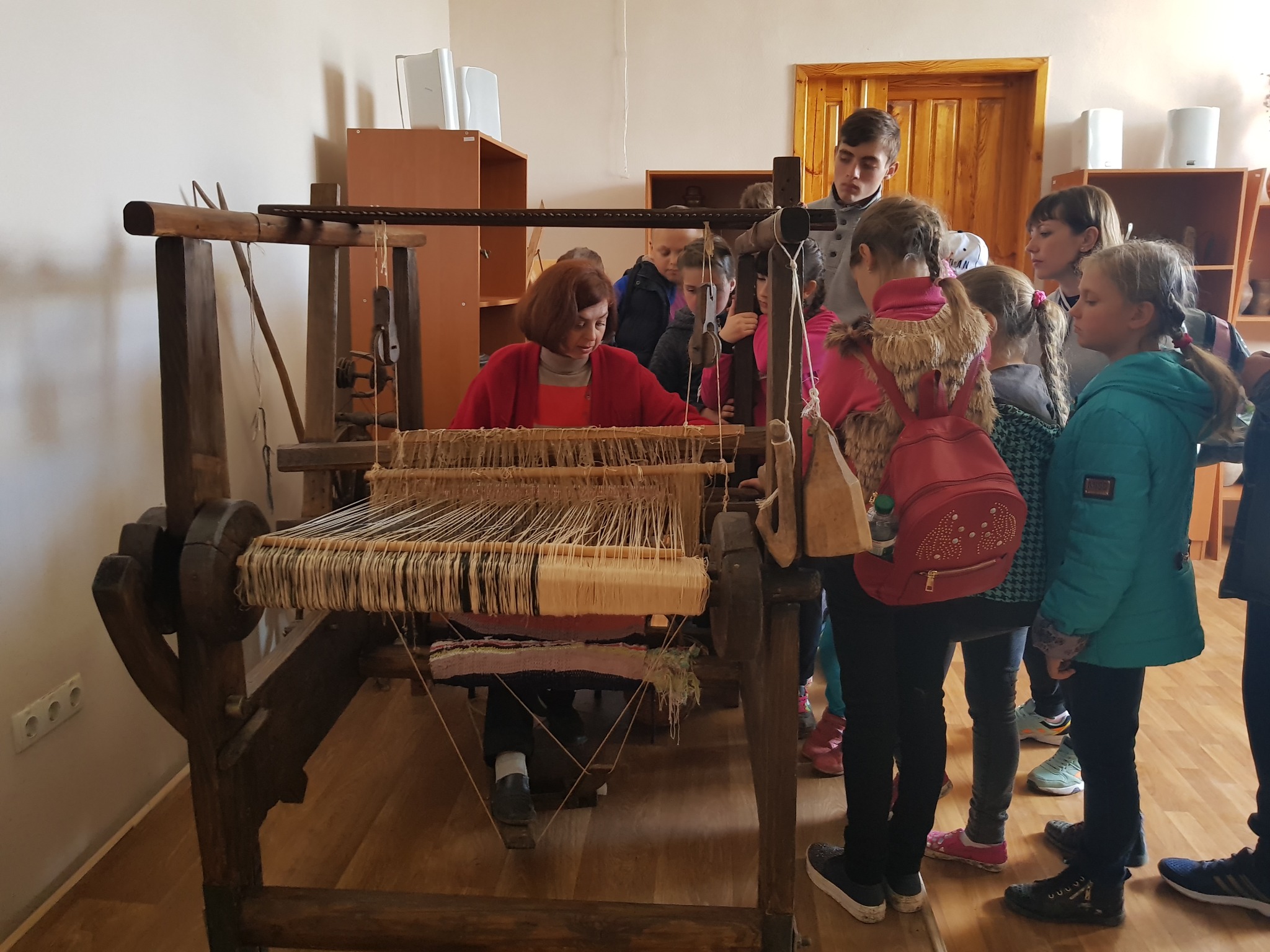
The museum also housed an antique loom.
Typical examples of Sloboda Ukraine embroidered shirts from the Kupyansk region are displayed separately.

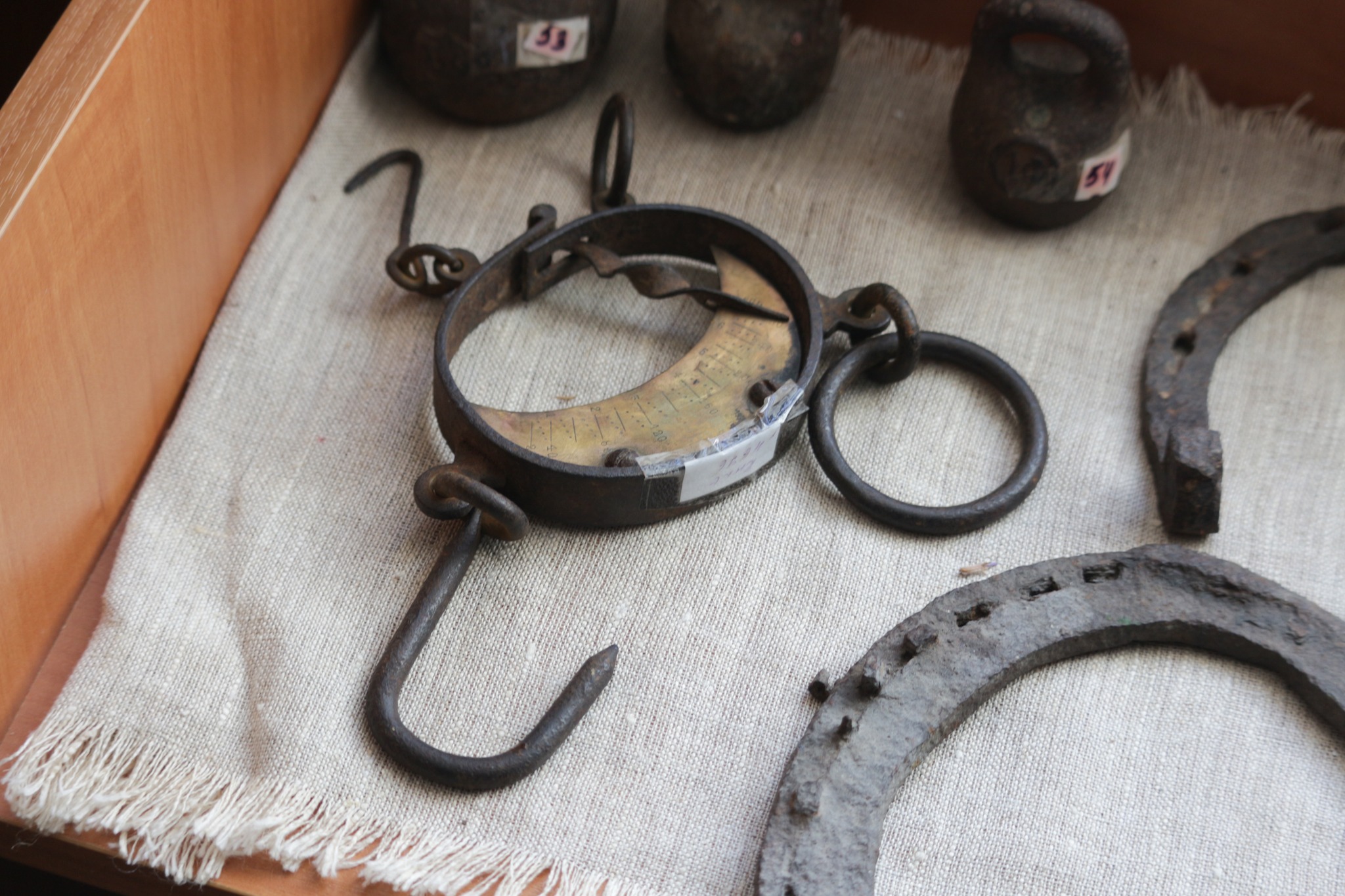
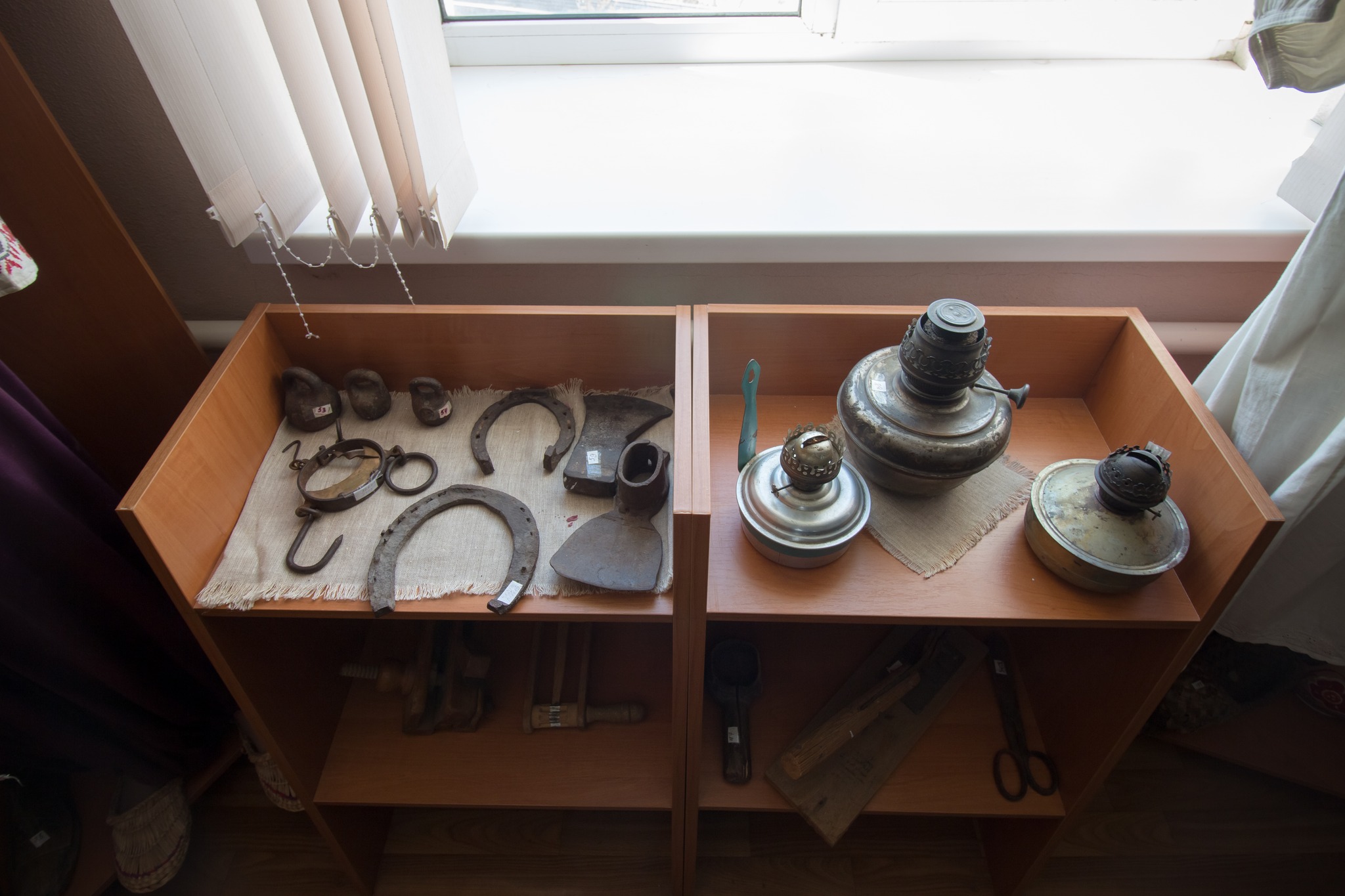
Antique scales, weights, and horseshoes:
On the right side of the display stand in the photo below are lighting fixtures from the late 19th century.

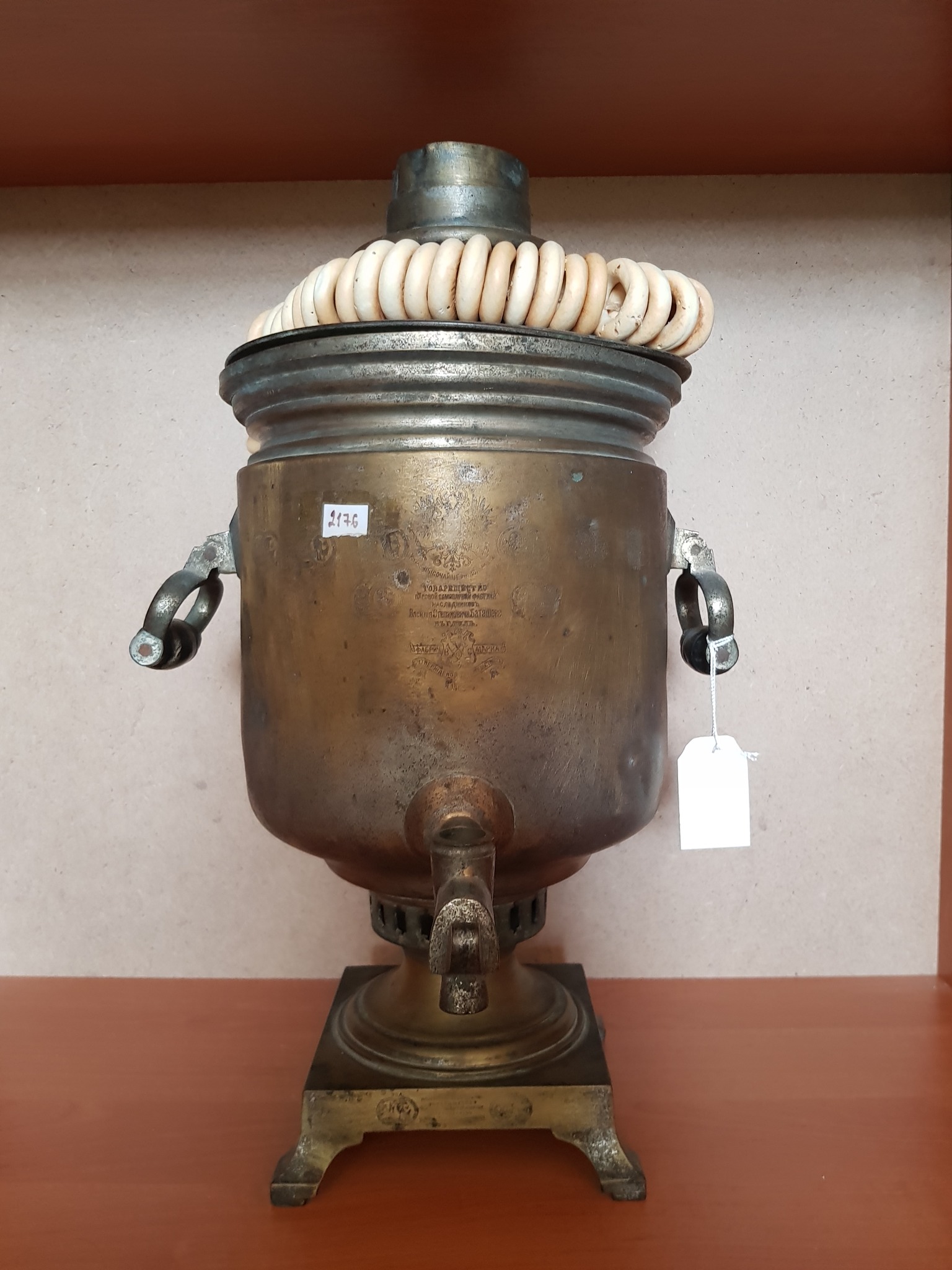
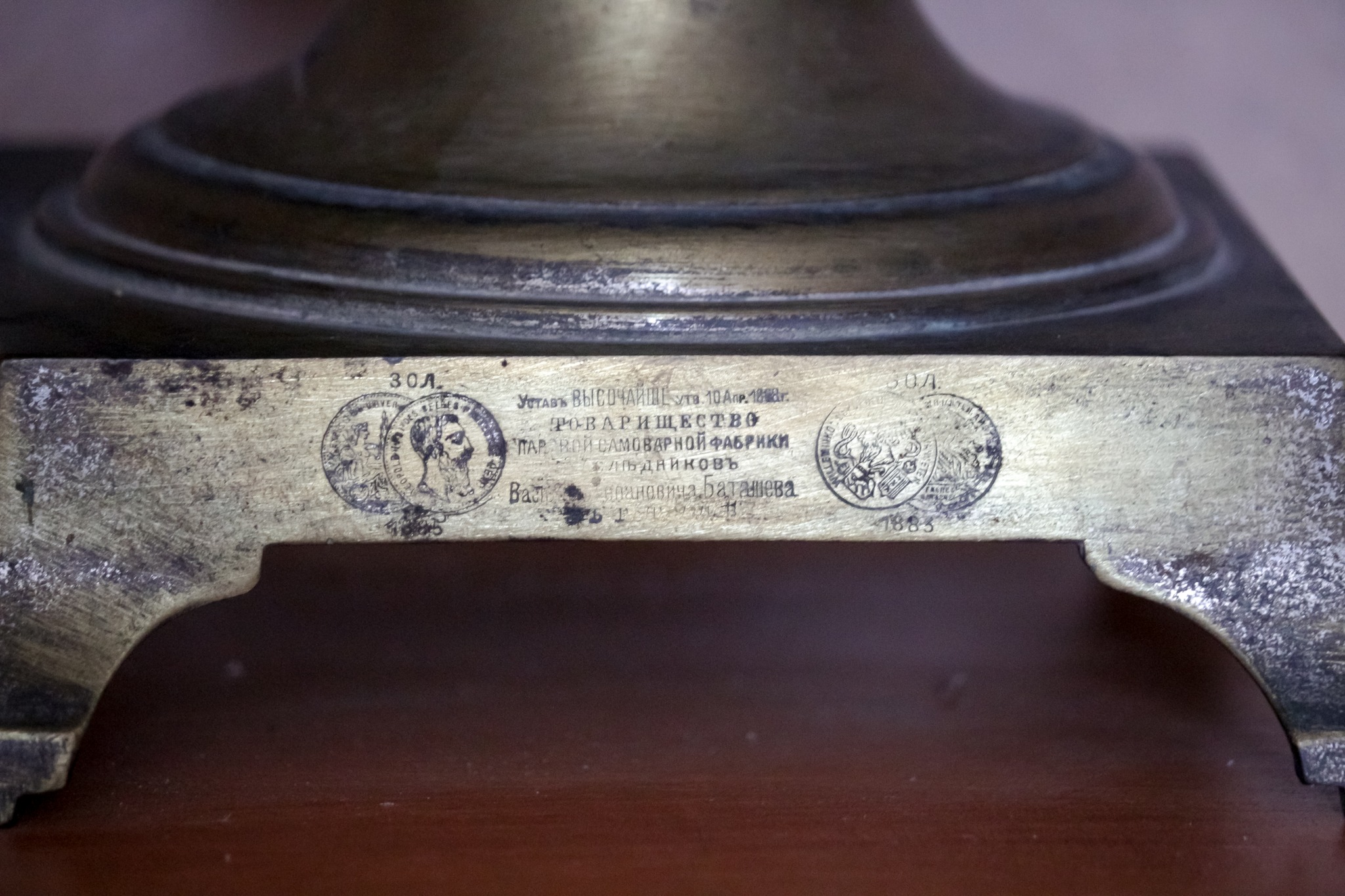
An antique samovar bearing the manufacturer’s marks:
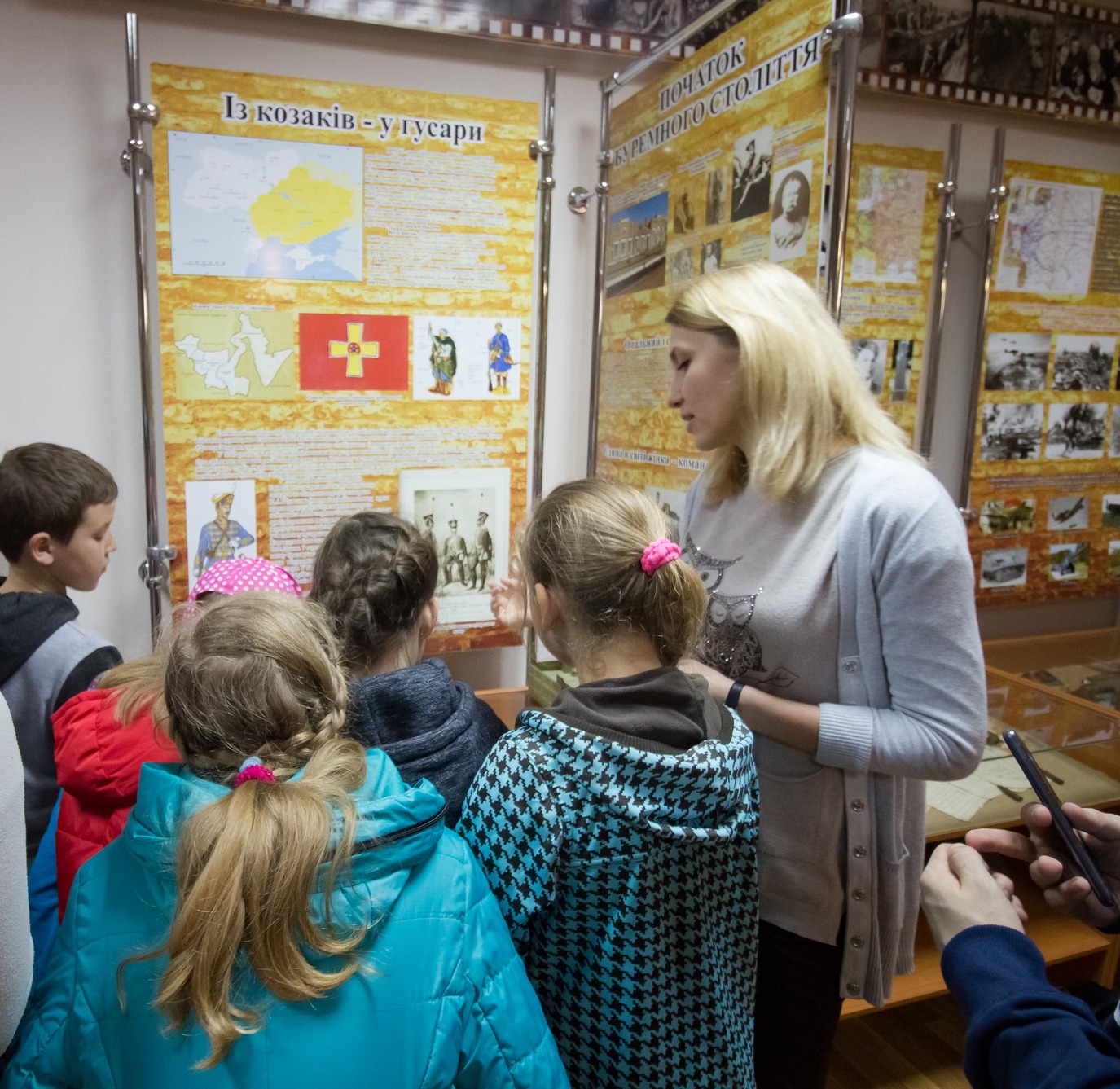
A separate section of the museum was dedicated to the Kupyansk region during World War II.
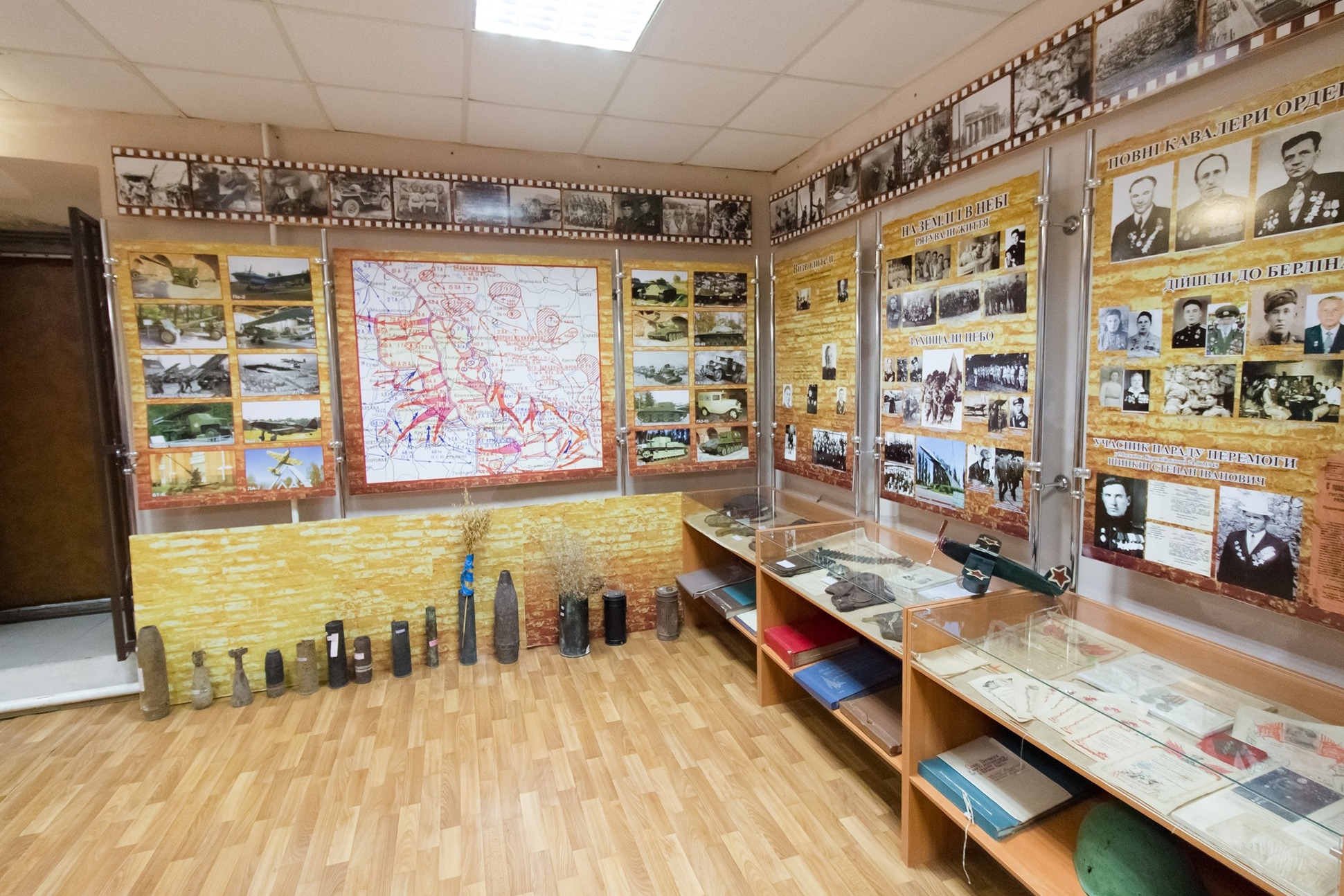
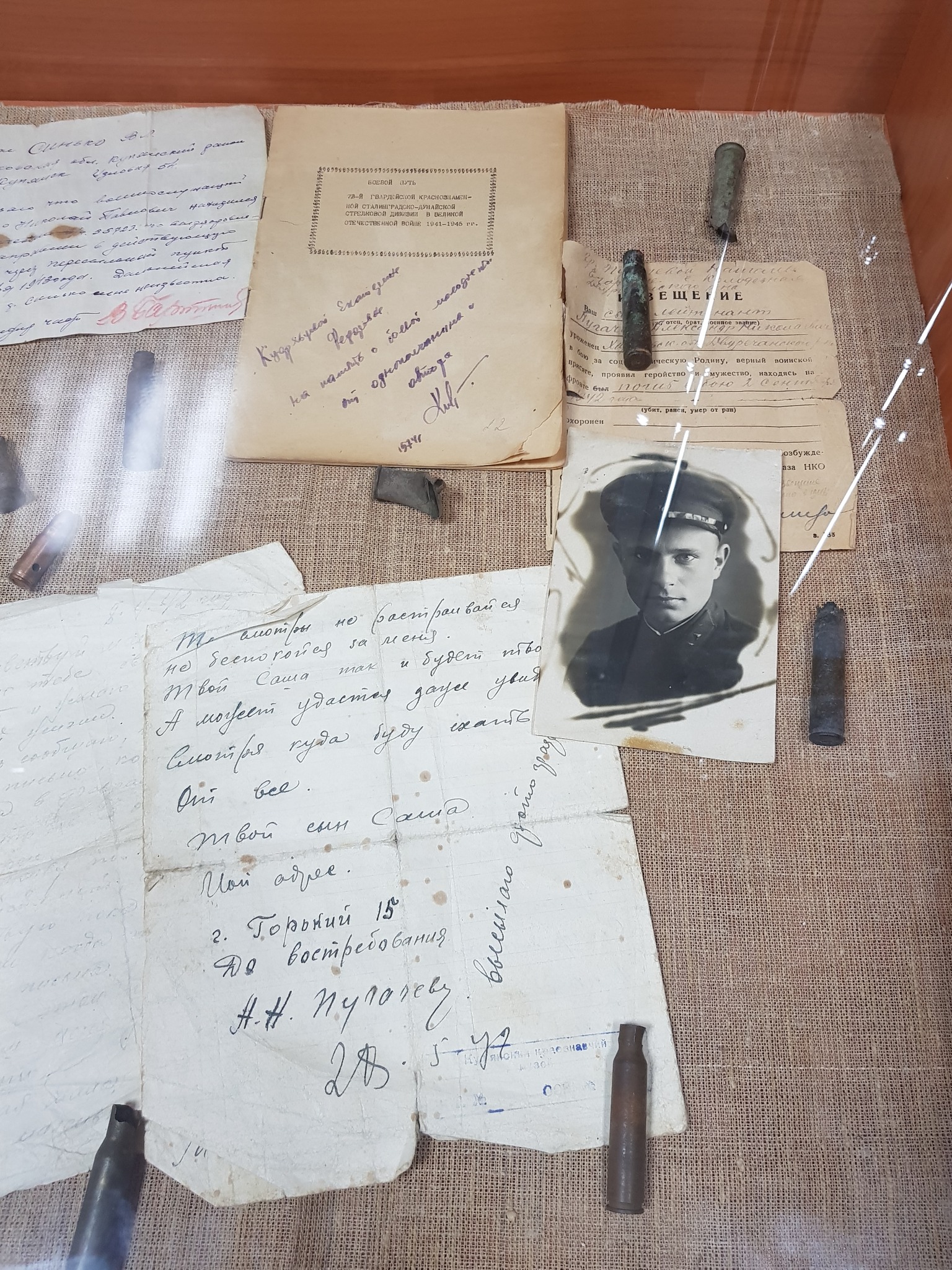
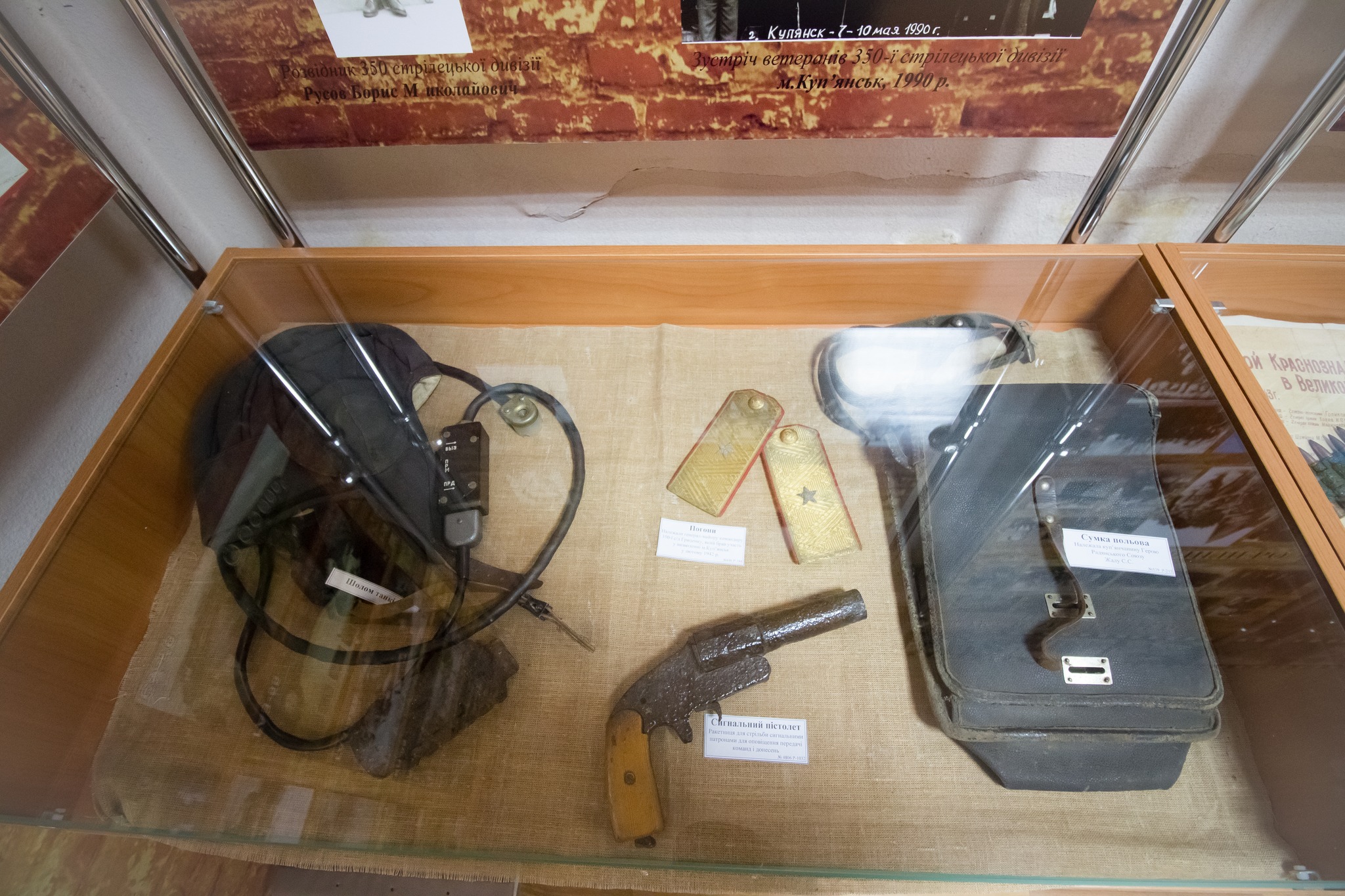
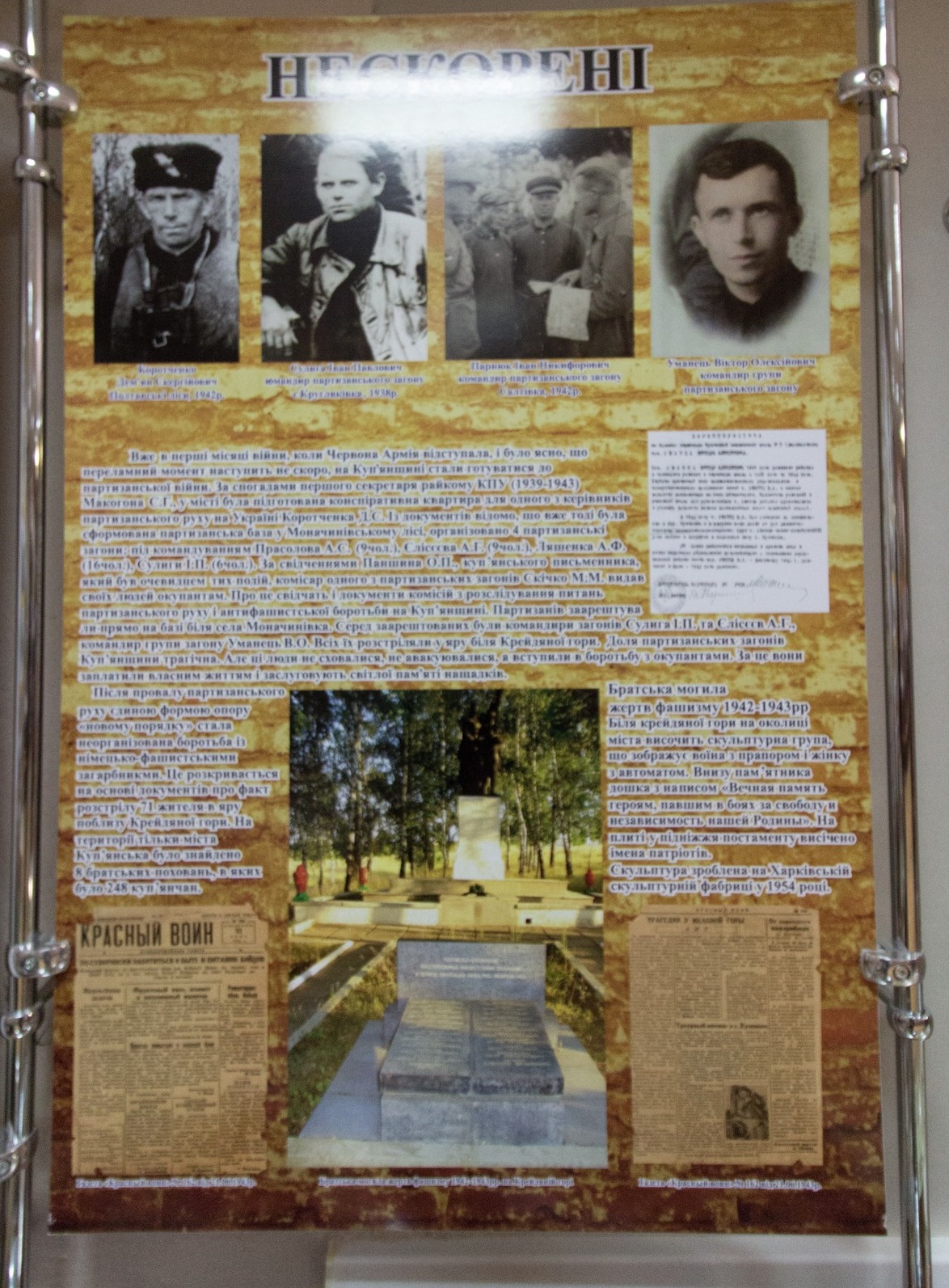
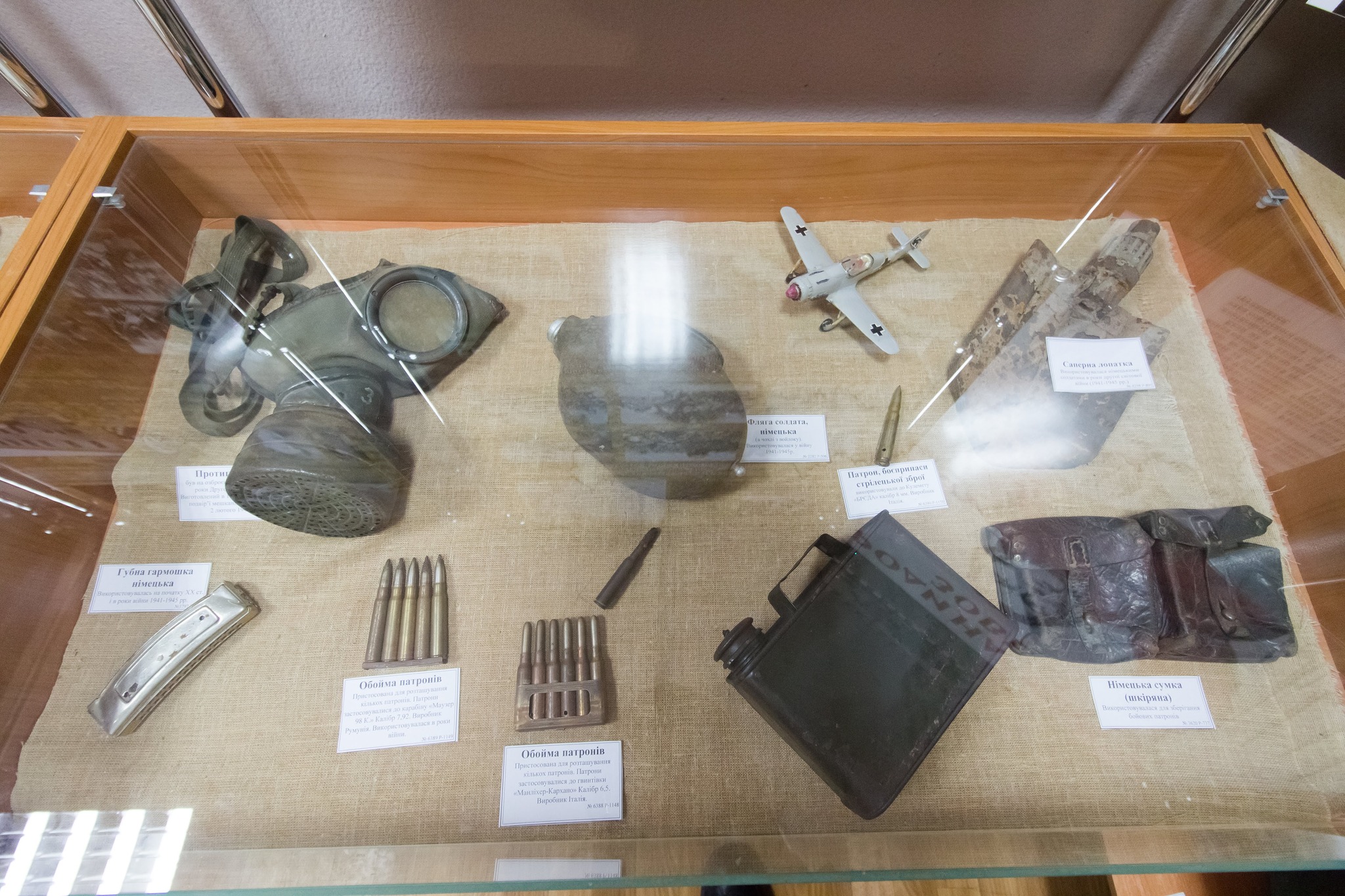
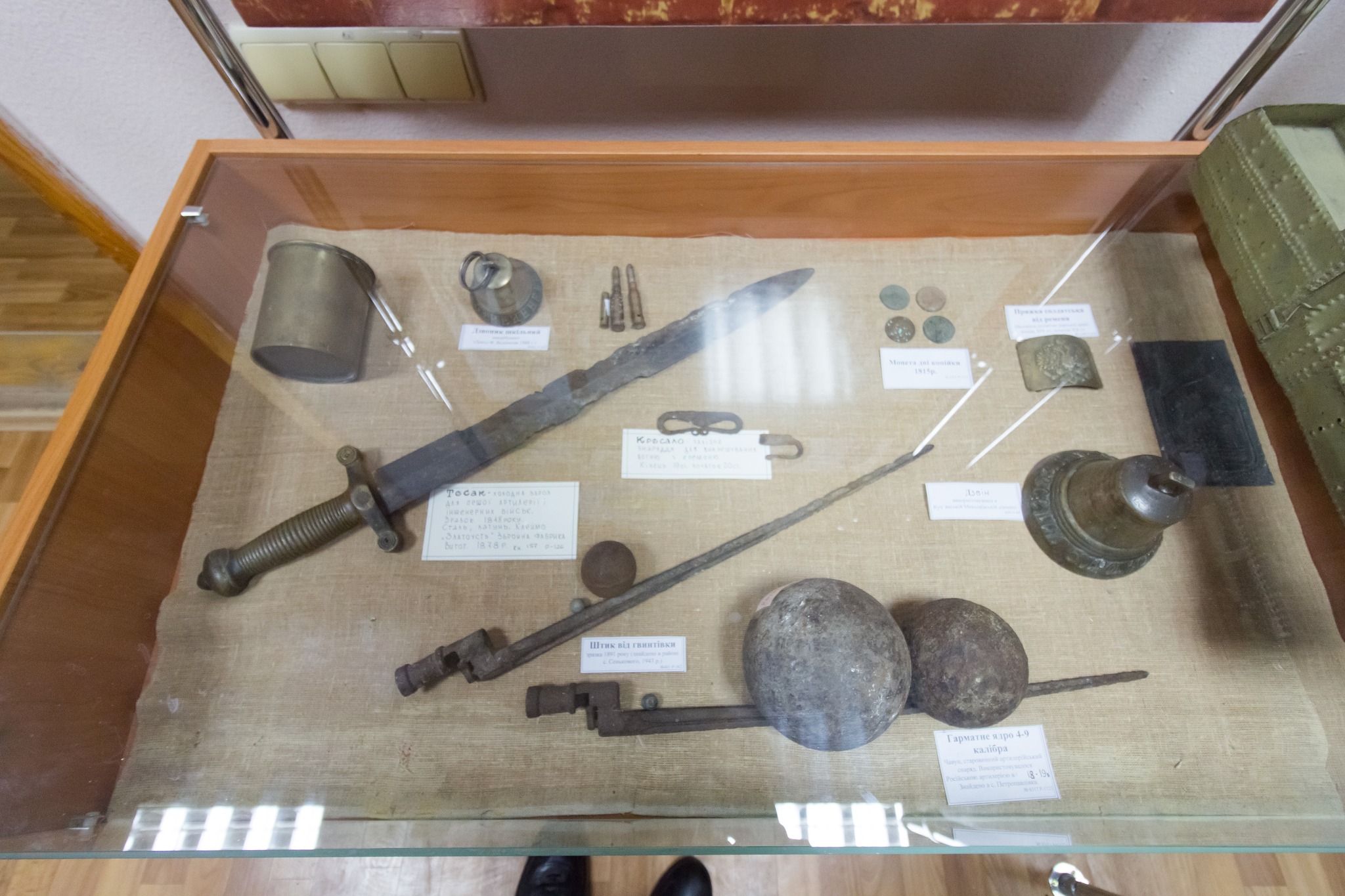
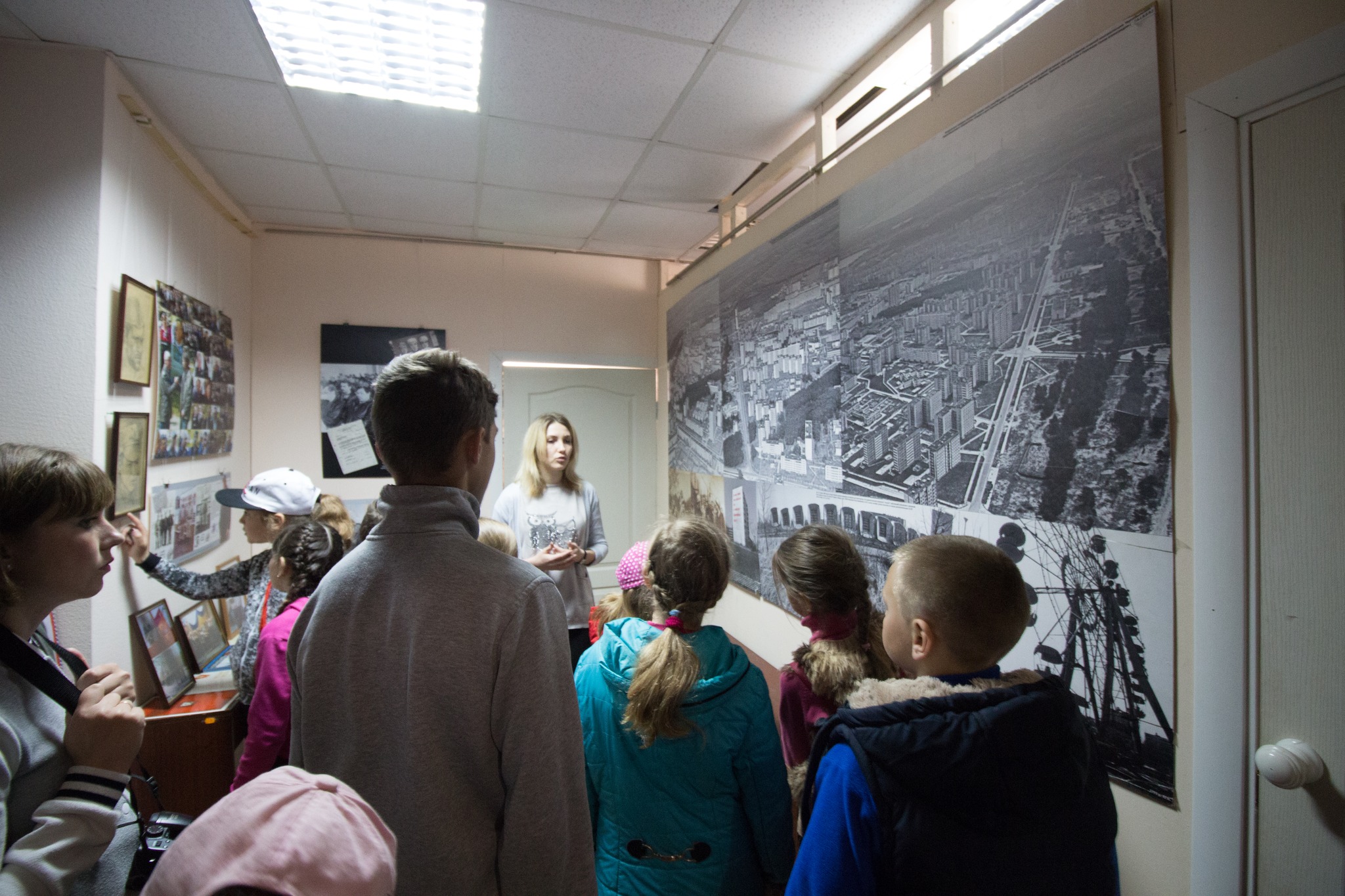
In 2014–15, the museum underwent a major renovation; its exhibits and collections were in good condition. During a tour in 2018, what stood out to me most was not the exhibits themselves, but the museum staff, who spoke enthusiastically and warmly about the collection. It was clear that they loved the museum and poured their hearts into it.



- The Architectural Evolution of the Kharkiv Theater - 26.09.2026
- 1st Kharkiv Gymnasium - 17.09.2026
- The Oldest Movie Theater in Ukraine - 24.08.2026