The century before last was the era of the Industrial Revolution, which gave rise to a previously unseen format of industrial exhibitions. They significantly enlivened city life, the public, the press, and business activity in the city, which had previously only come to life closer to the traditional agricultural fairs. For international exhibitions, the best manufacturers and products from across the country as a whole were selected, while regional (e.g., All-Russian) exhibitions showcased the most interesting products from individual provinces.

It had become customary at industrial exhibitions to erect temporary pavilions, towers, buildings, and sculptures—which were often taken apart and dismantled once the event concluded. In 1870, an industrial exhibition was held in St. Petersburg, at which, of course, the finest manufacturers from the Kharkiv Governorate were also represented.
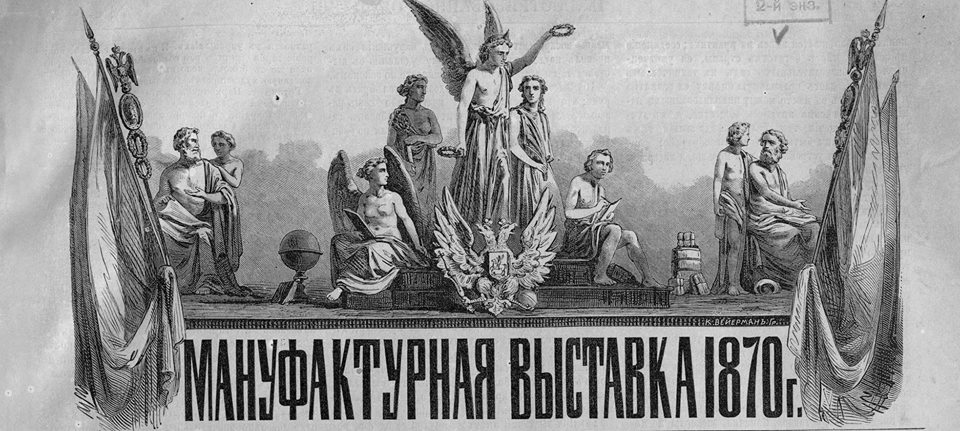
The very best of the best received medals. Let’s take a look at which Kharkiv manufacturers and products won prizes at the 1870 Manufacturers’ Exhibition, according to the exhibition report published in St. Petersburg the following year:
The right to use the national coat of arms (the highest honor)
Weise, a merchant of the 1st Guild in Reval, in the Kharkiv Governorate—for his excellent granulated sugar and very good refined sugar, along with his extensive production and efforts to replace the use of firewood with peat.
Gold Medal:
Rashke, Osip, factory owner. For the high quality of his paints and, in particular, for introducing the production of oil-based malachite green on a large scale. He has supplied ultramarine, bakan, and cinnabar of the highest quality, and in particular oil-based malachite paint, which appeared for the first time at our exhibitions and is distinguished by its durability. This manufacturer’s annual production amounts to 10,000 poods of paints, valued at up to 100,000 rubles.
Silver medals:
1) Westberg, Nikolai, collegiate registrar, for a well-constructed threshing machine and a well-finished steam engine.
2) Ivan Kharitonenko, a 1st-guild merchant from the Kharkiv Governorate—for very good sugar and very good, high-quality refined sugar produced in significant quantities at factories recently acquired by the exhibitor.Bronze medals:
1) Prostov, Alexei, a merchant of the 2nd guild in Kharkiv—for high-quality gloves and glove leather.
2) Krushel, Yegor, craftsman, Kharkiv—for the high quality and reasonable price of a cabinet grand piano.
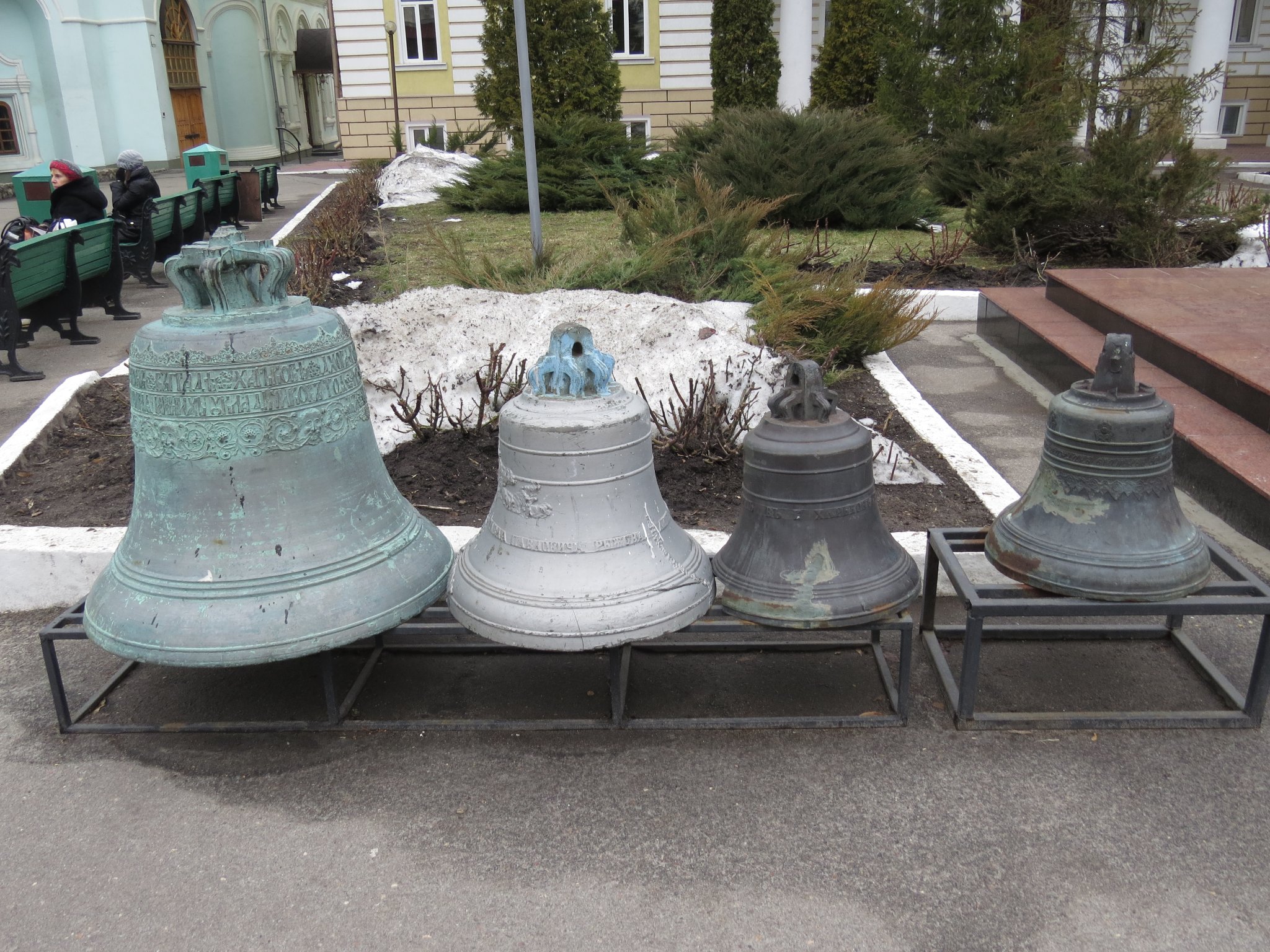
3) Pavel and Ivan Ryzhov, brothers, manufacturers in Kharkiv—for the fine workmanship of an inexpensive steam engine, for high-quality shot, for equally excellent bell casting, and for very good white lead.
Incidentally, a bell made by the Ryzhov brothers is located in the courtyard of the Pokrovsky Monastery in Kharkiv. According to K.P. Shchelkov’s *Historical Chronology of the Kharkiv Governorate* (1882), Ryzhov, an honorary citizen, founded the only bell foundry in the southern part of the Russian Empire in 1858. It was located “10 versts from Kharkiv along the Nikolaev Railway at the Ryzhov station.”
4) Knap, Ivan, a merchant of the 2nd guild in Kharkiv—for the highly satisfactory quality of the beer presented and in recognition of the novelty of Bavarian beer production in Kharkiv.
Of the 21 exhibits from Kharkiv, 8 won prizes. As we can see, as early as 1870, Kharkiv and the Sloboda Ukraine region were renowned for their excellent steam engines, paints, leather goods, beer, and—especially—sugar and refined sugar products, which were recognized with top prizes.
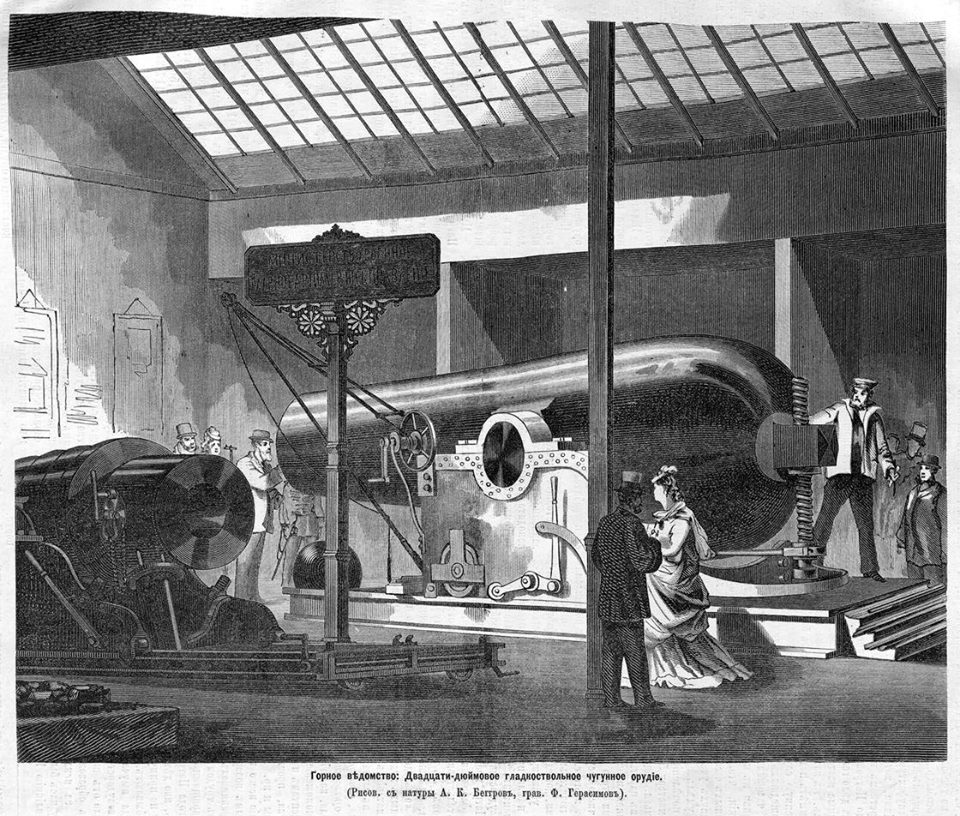
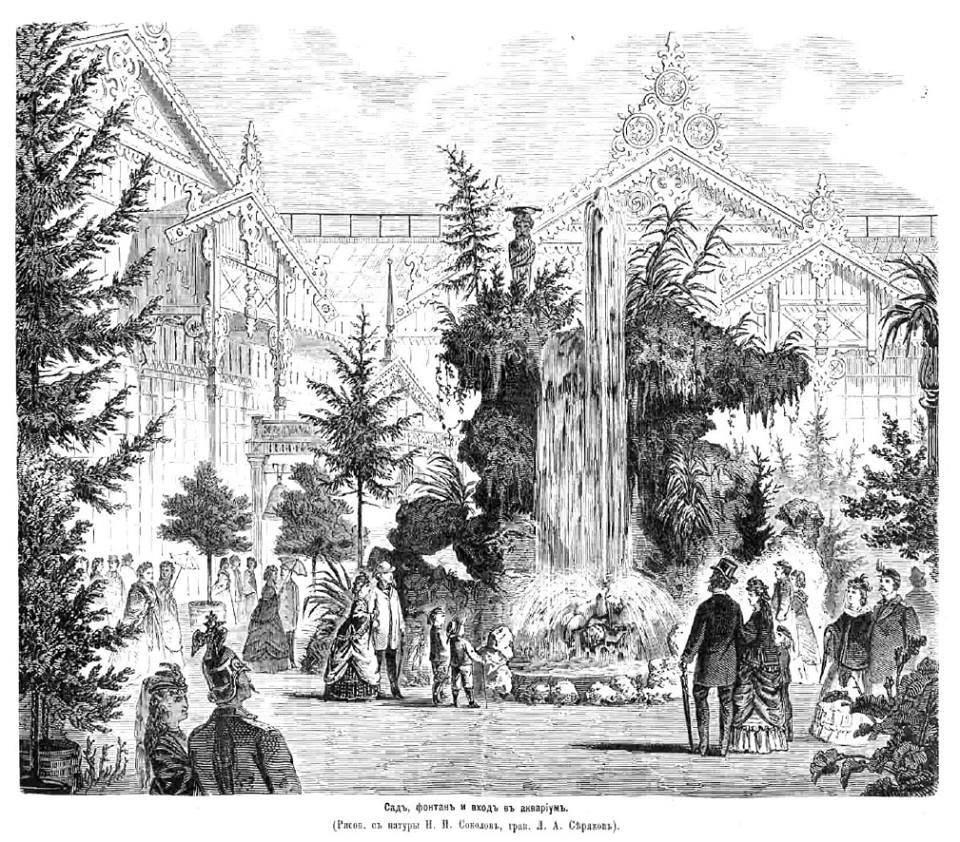
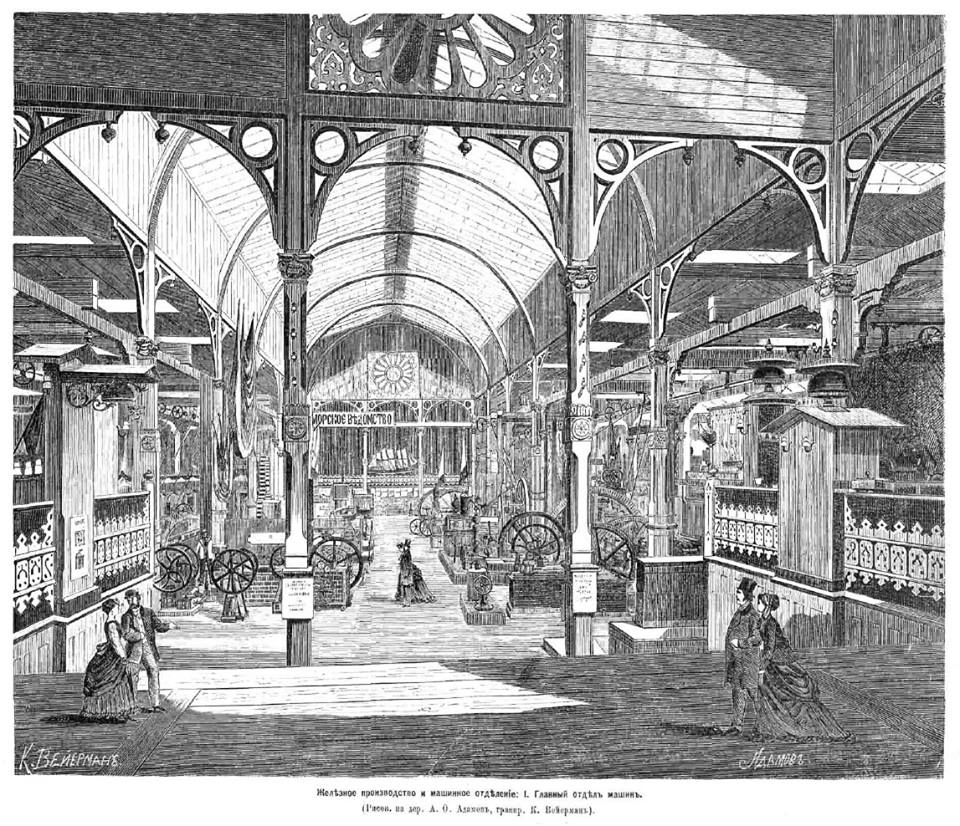
Here are a few engravings illustrating the exhibition pavilions:
We will definitely return to the topic of Kharkiv at exhibitions, which we have already addressed on several occasions.

- Danylevs’koho Street, 19 - 13.10.2026
- Debunking the myth about one of the most famous Kharkiv photos - 12.10.2026
- The Architectural Evolution of the Kharkiv Theater - 26.09.2026