For a long, long time, I’ve been trying to find information on what Kharkiv’s commercial bathhouses looked like in the 19th century. Of course, I’ll save the Korytina and Pavlov bathhouses for my book on Kharkiv, but the smaller ones can be made available to the public today.
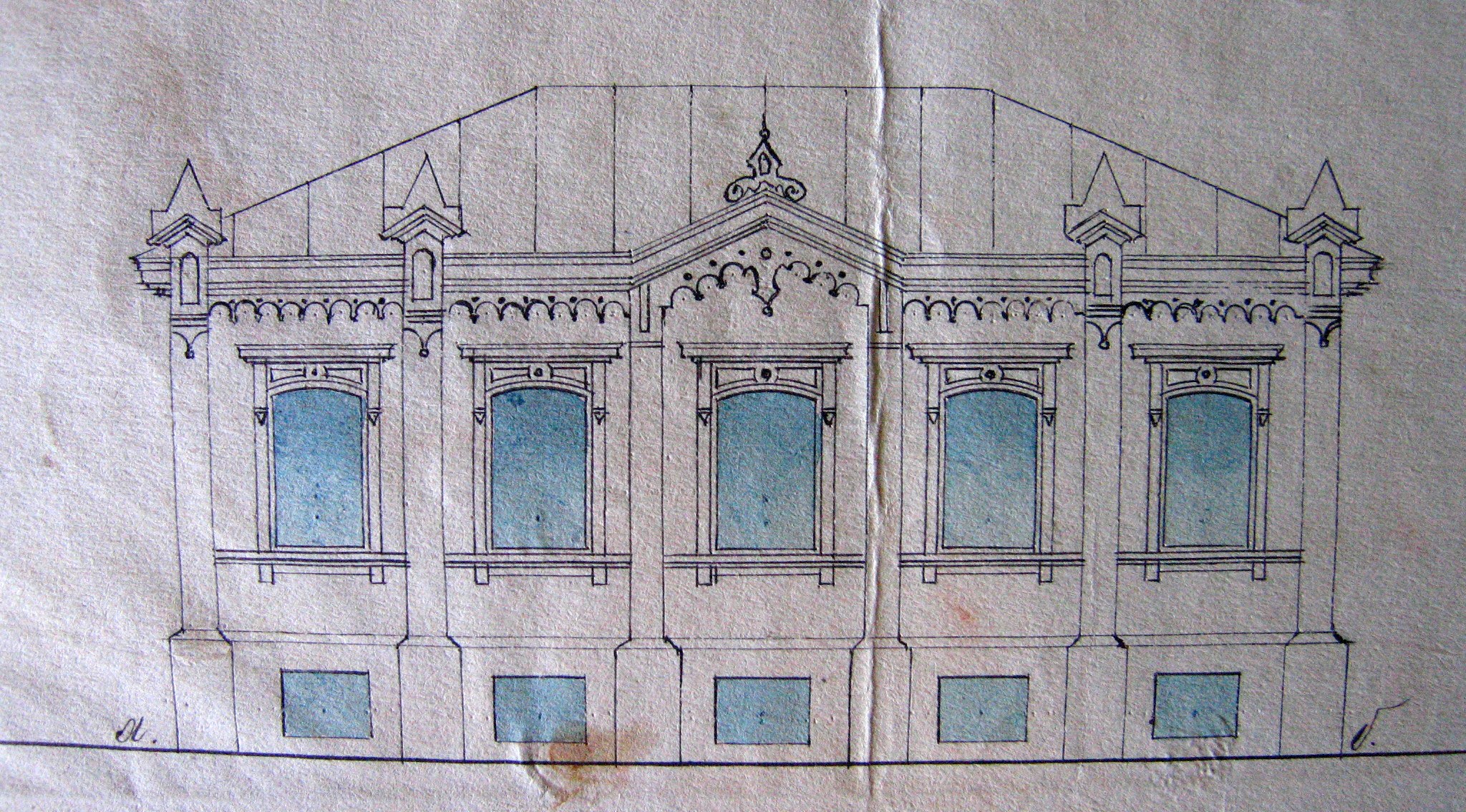
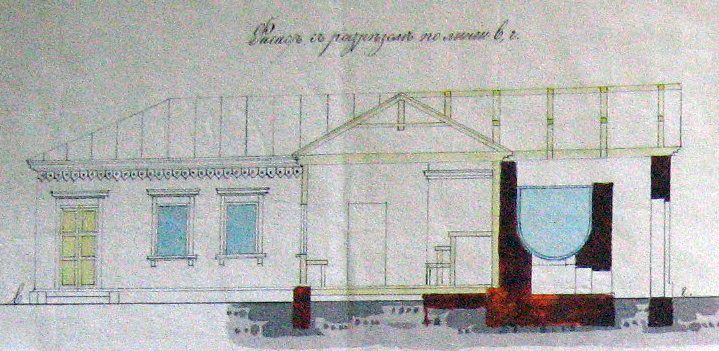
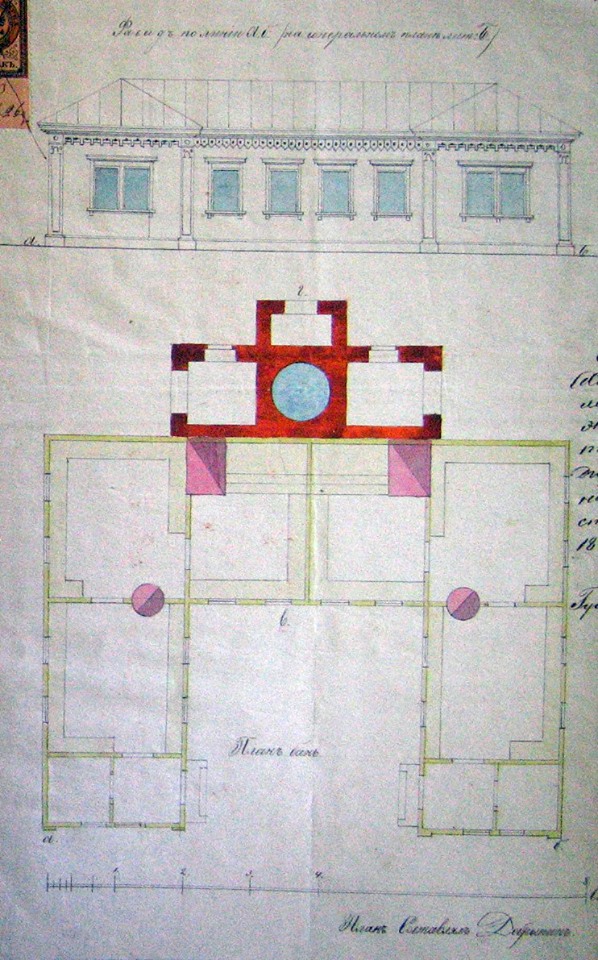
Nikolai Petrovich Chebotarev, a Kharkiv burgher, settled in Kharkiv at the end of the 18th century; prior to that, his family had lived in the village of Khoroshevo. The Chebotarevs’ house was located in the Blagoveshchensk parish; it was a rather beautiful two-story stone building, and more will be said about it later, However, in the suburban settlement of Ivanovka, Nikolai Petrovich purchased a plot of land in the early 1870s, and in 1876 he decided to open a commercial bathhouse there. Within a year, he built a bathhouse, equipped it with everything necessary, obtained permission from the medical board, and by the end of 1877, the bathhouse was up and running. The ground floor housed the boiler room, laundry room, and ironing room. The second floor contained the bathhouse itself, with a changing room, steam room, washing room, and tea room.
Chebotarev’s bathhouse was intended for a very respectable clientele; the fact was that in the Ivanovka settlement, low-ranking officials and civil servants, skilled workers from the railroad depot, students, and teachers rented inexpensive apartments… A single visit to Chebotarev’s bathhouse cost 10 kopecks; a six-month payment, based on one visit per week, came to just 7 kopecks. Here, you could also drop off your laundry and have it returned to your home ironed and bleached. Again, the semi-annual payment was more cost-effective, ranging from 3 to 6 kopecks per week, depending on the volume.

- Kharkiv Public Bathhouses - 07.02.2016
- About Roman Maksimovich Tsebrikov - 24.01.2016
- A Brief History of Construction in Kharkiv During the Reign of Nicholas I - 13.01.2016