The “Kharkiv Calendar” not only contains a lot of interesting information about our city; it also featured some good photographs. Incidentally, thanks to their inclusion in the calendar, these photographs can be dated with reasonable accuracy. The photos are taken from the “Kharkiv Calendar” for 1904 and 1906.

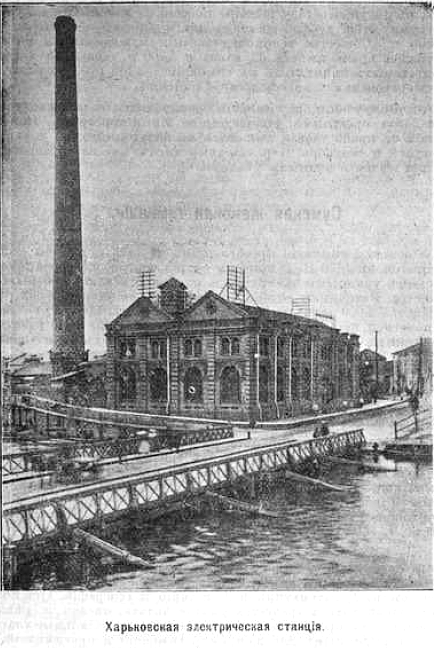
The first Kharkiv Power Plant, with a capacity of 400 kW, was built in 1897. It was destroyed during World War II. Note the very high water level on the Kharkiv River and the wooden bridge. In 1911, a more substantial stone bridge, the Netechensky Bridge, was built on this site. Kharkiv’s wooden bridges were damaged almost every spring during the flood season and had to be constantly repaired.
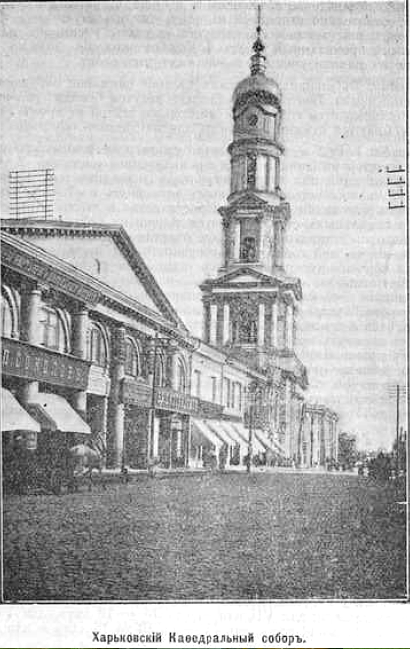
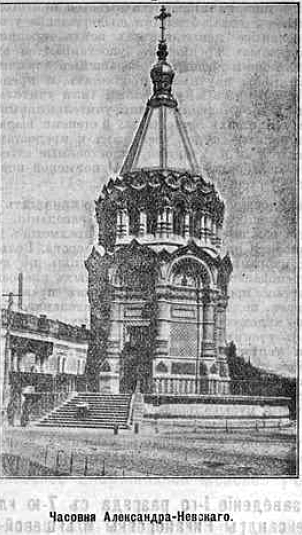
In 1885–1886, architect S. I. Zagoskin built the Alexander Chapel in the center of the station square remembering Emperor Alexander II, who died before his time. The chapel was rebuilt several times. During the Soviet era, the Alexander Chapel was demolished.
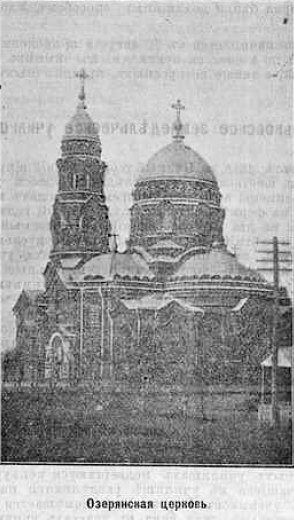
The Ozeryanska Church—designed by V. H. Nemkin—was built between 1892 and 1901. The church was built next to an ancient chapel, to which the Ozeryanskaya Icon of the Mother of God was brought every summer from the Pokrovsky Monastery. The church is located at the highest point of Kholodna Hora.
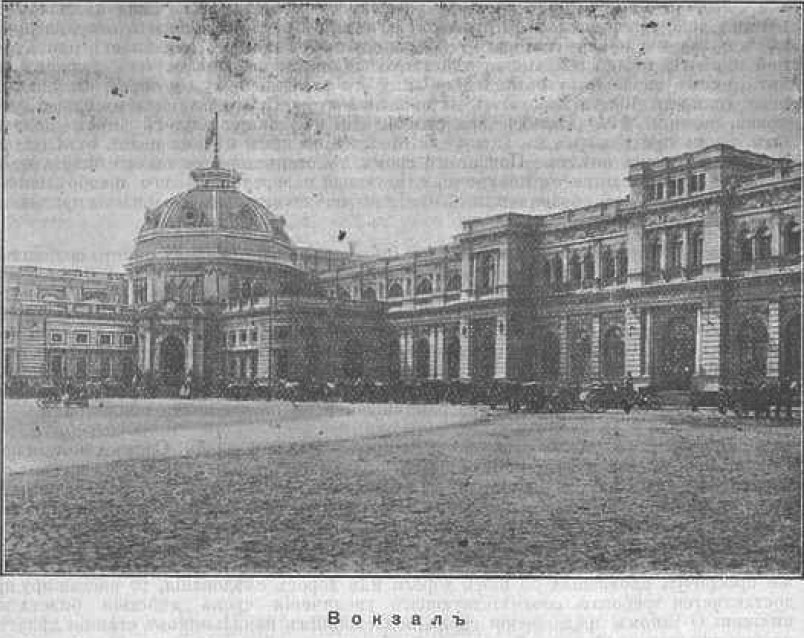
The Kharkiv Railway Station, rebuilt between 1896 and 1901 according to a design by architects S.I. Zagoskin, J. Caune, and D. Spiller. Incidentally, it was considered one of the largest in the Russian Empire. It was destroyed during World War II.
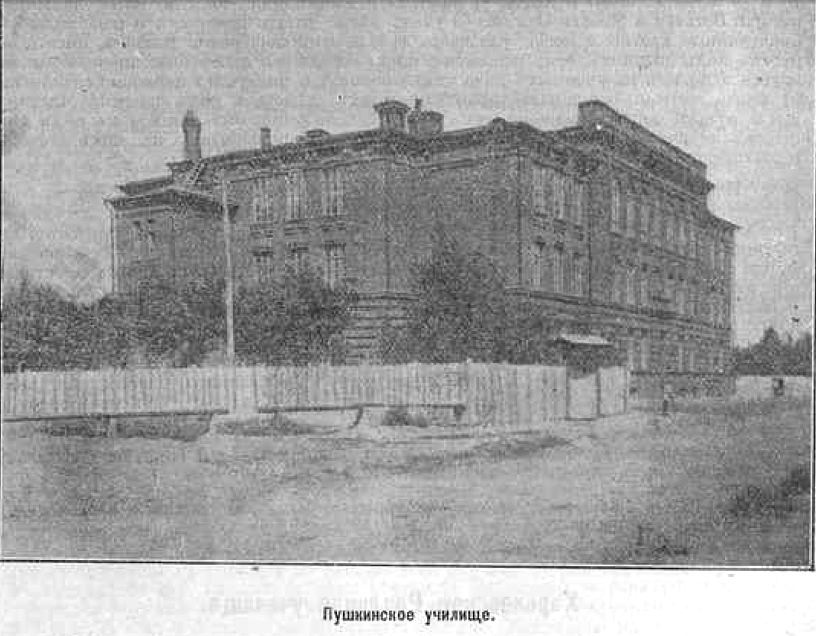
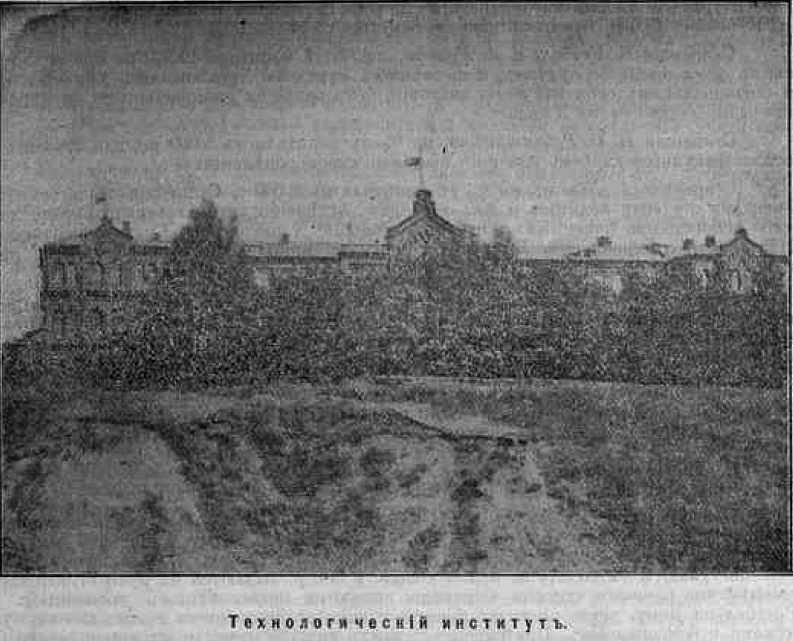
It was built by S.I. Zagoskin. It is located at Malo-Panasovsky Lane, 1. Today, it houses “Vocational-Technical School No. 41.”
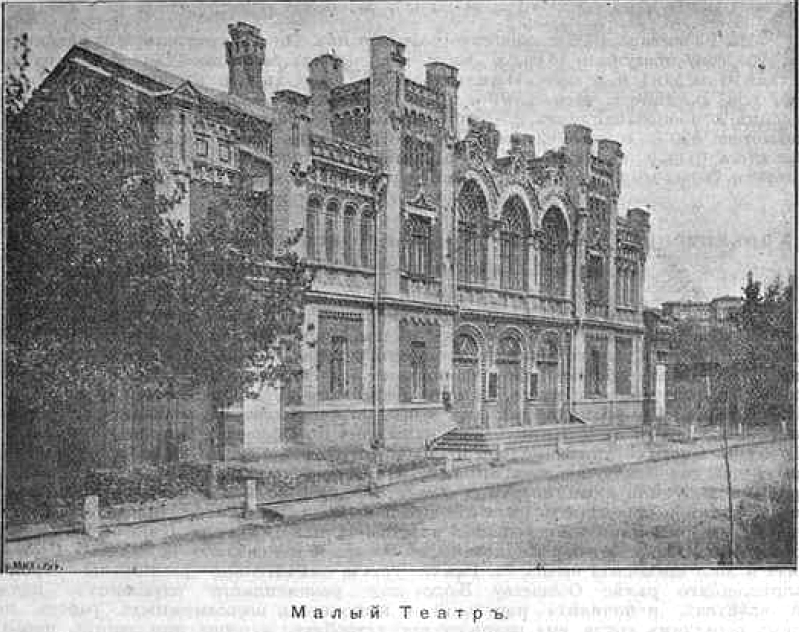
In 1902, architect Jūlijs Caune built the Maly Theater in the garden across from the old mill, where plays were staged, concerts and lectures were held, and charity balls and touring performances took place. The Small Theater was sold, rebuilt, and renamed “Villa Zhatkin,” the People’s House of Art, and the House of Folk Art.
At that time, it was Meshchanskaya Street; today it is Hromadyans’ka Street. Zhatkin’s villa comprised an entire complex of entertainment venues, ranging from restaurants and a cinema showing risqué films to theaters and a brothel. A separate tram line was built to it, and Zhatkin Passage (now Muzychnyi Lane) was “carved out” and illuminated by electricity. In 1941, during one of the first bombings of Kharkiv, the building was destroyed.
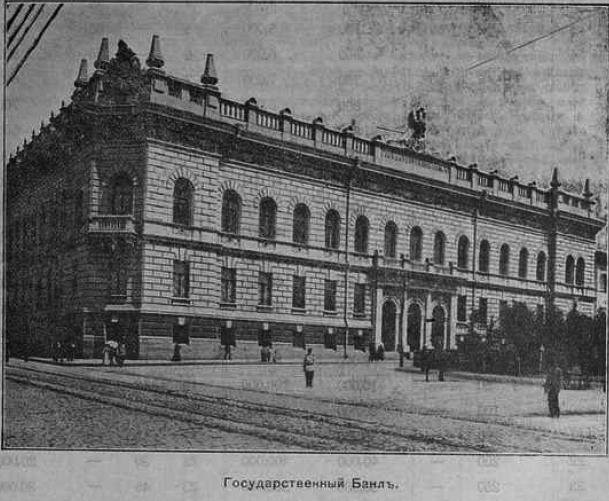
It was built according to a design by St. Petersburg architect R. Golenishchev in 1897–1900 and was originally a two-story building. In 1932, an additional story was added to the building based on a design by A. Beketov and architect V. Peti. Today, it also houses the regional branch of the National Bank of Ukraine. Teatralnyi Square, 1
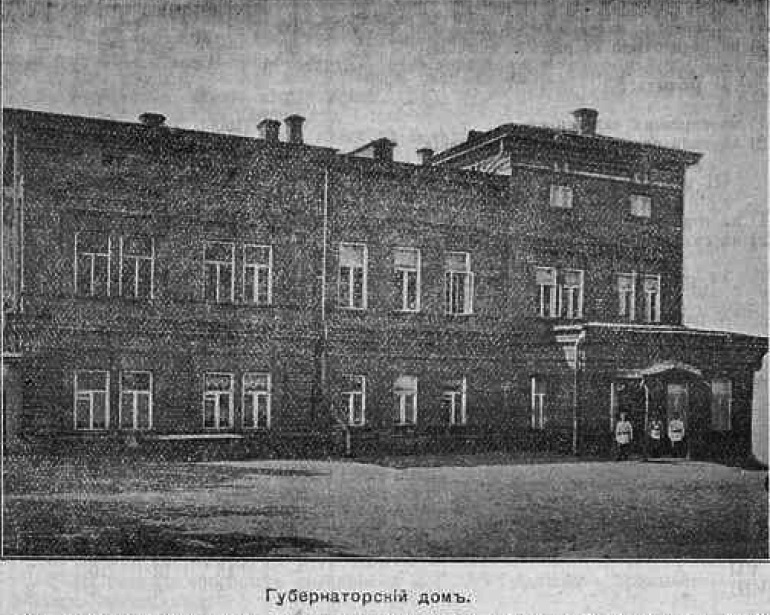
The same *Kharkiv Calendar* from 1906 lists the address of the governor’s residence as 13 Gubernatorskaya Street. Today, this is Kulikovsky Descent. The house where the governor lived, of course, no longer stands…

- About the military pilot school and the airfield in Kharkiv… - 04.11.2020
- Nikanor Savich—A Political Career by Mistake - 13.07.2020
- And once again, about the Cavalry Guards… - 21.01.2020