On November 26, 2026, a Russian UAV struck the main building of the Kharkiv Aviation Institute (KhAI). A fire broke out. The library and museum, as well as the historical collections and stained-glass windows, sustained heavy damage; four employees were injured.

Although this building is not an architectural landmark, it is older than it appears and is designated as a historical monument of local significance. It was built between 1931 and 1933 based on a design by Alexander Mezherovsky (probably the architect).
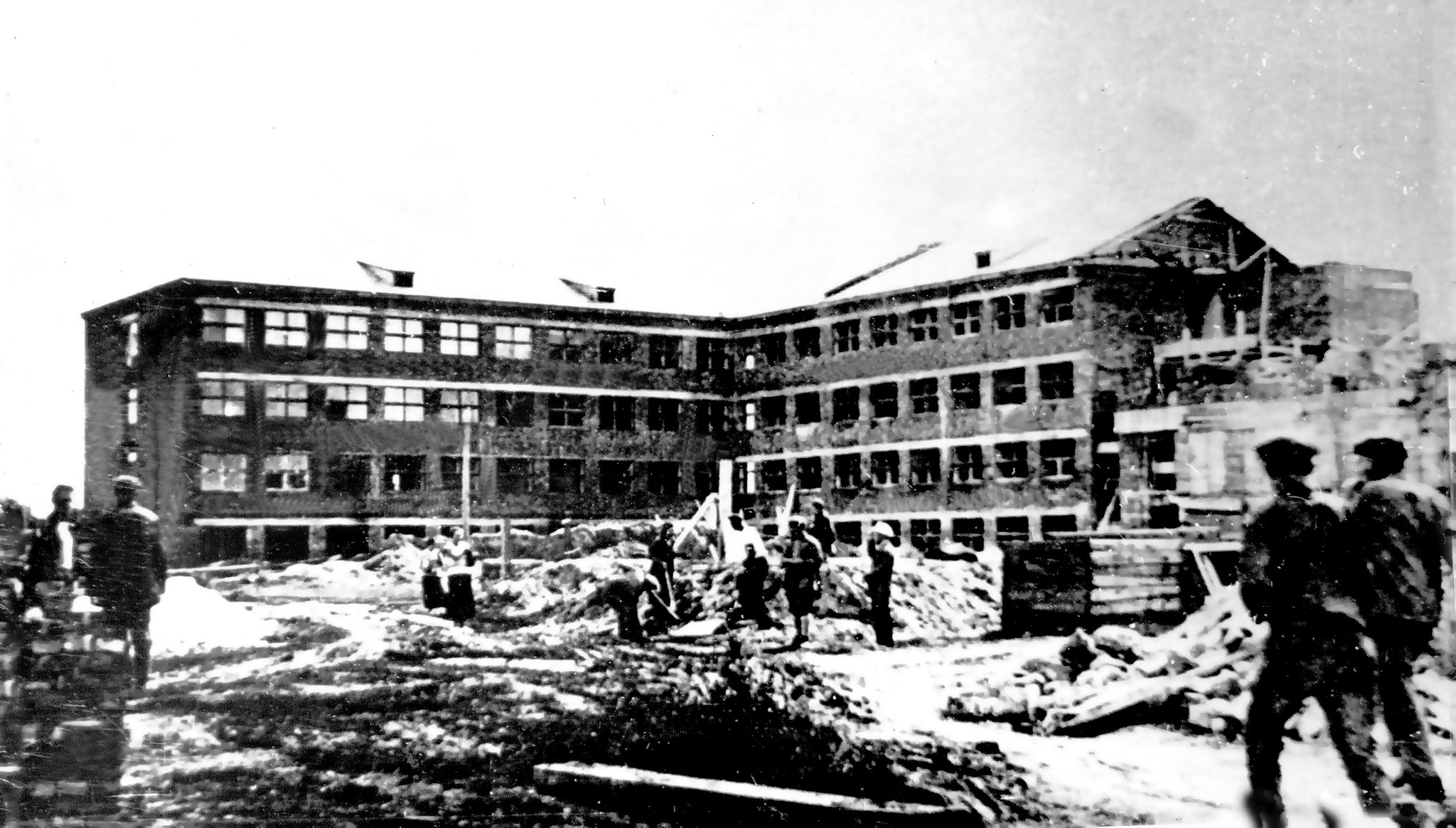
It is known that the renowned aircraft designer Joseph Neman was also involved in the design; his desk was destroyed at the museum as a result of a Russian strike.
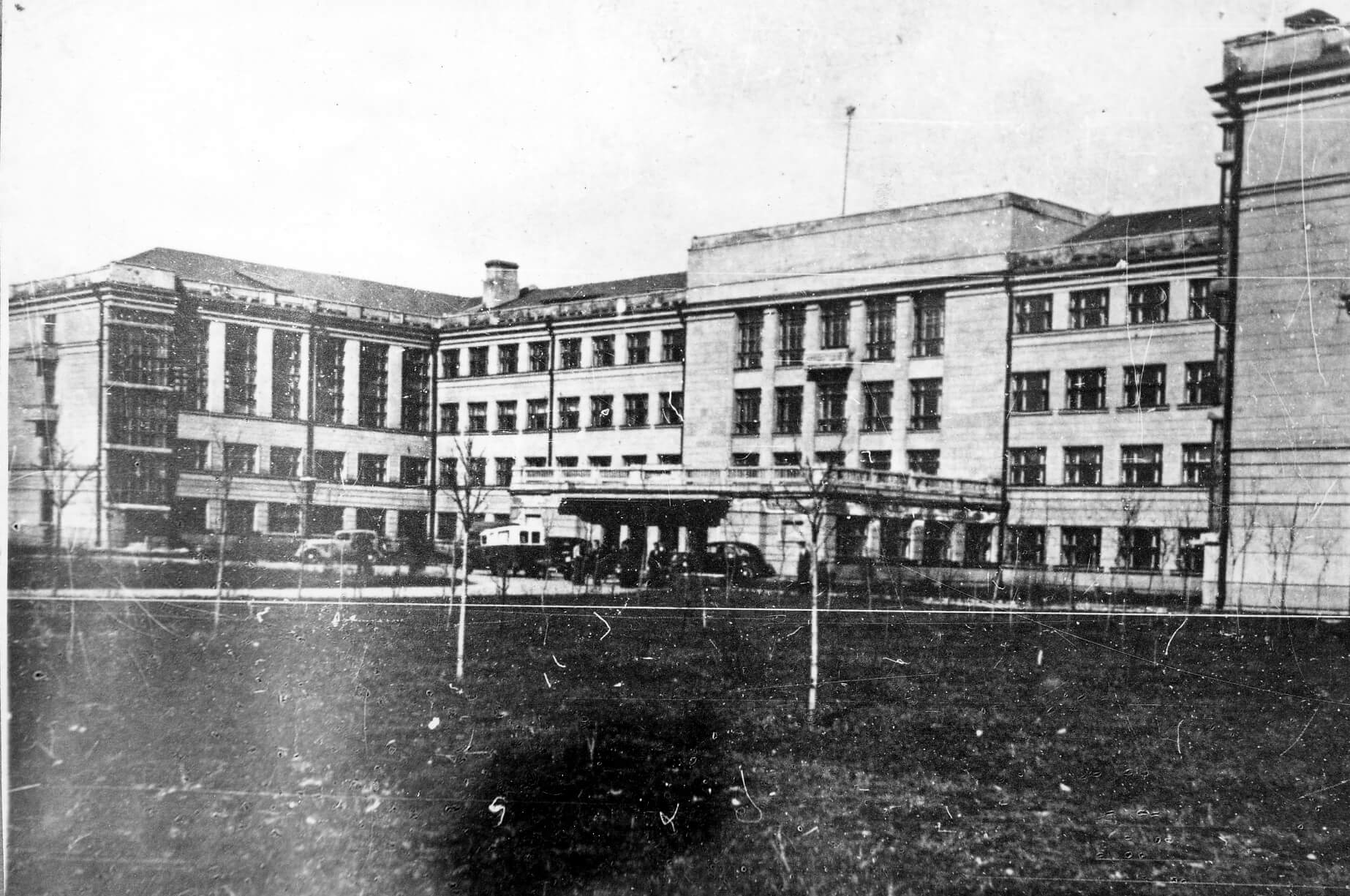
In the 1930s, the main building of the Kharkiv Aviation Institute had an eclectic appearance. It combined elements of Constructivist architecture—such as the continuous vertical bands of glass—with certain features of Neoclassical architecture, including a rusticated first floor and a long entrance hall with a balustrade.
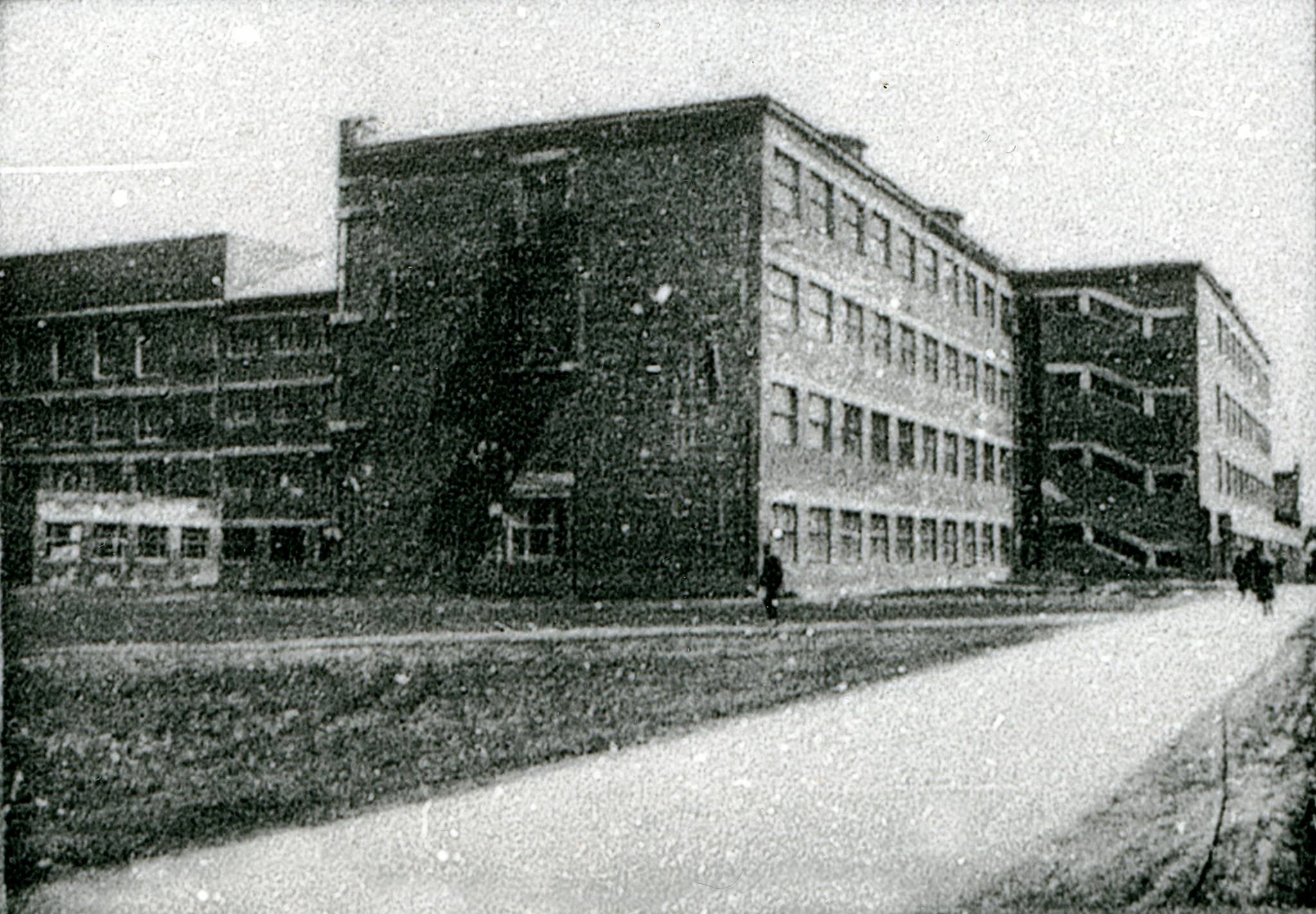
The engineering (aircraft) building was also constructed at that time.
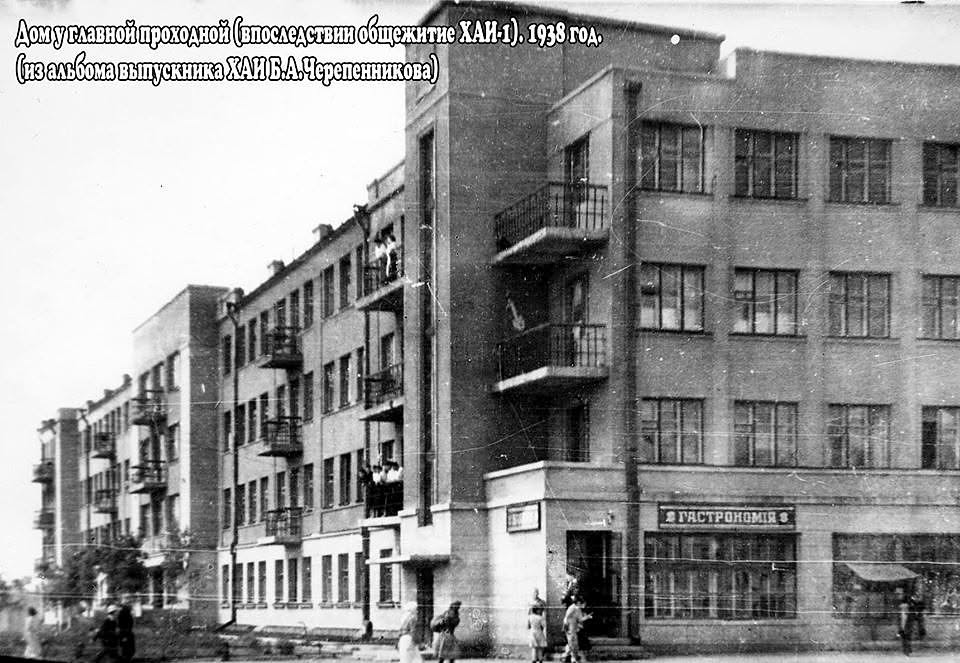
In the mid-1930s, a Constructivist residential building (“the house by the main gate”) was built next to the main building; it later became known as the KhAI-1 dormitory.
In 1941, the Kharkiv Aviation Institute was evacuated to Kazan. The Kharkiv Aviation Institute’s complex of buildings was severely damaged during the battles for Kharkiv in 1943; most of them became totally ruined.
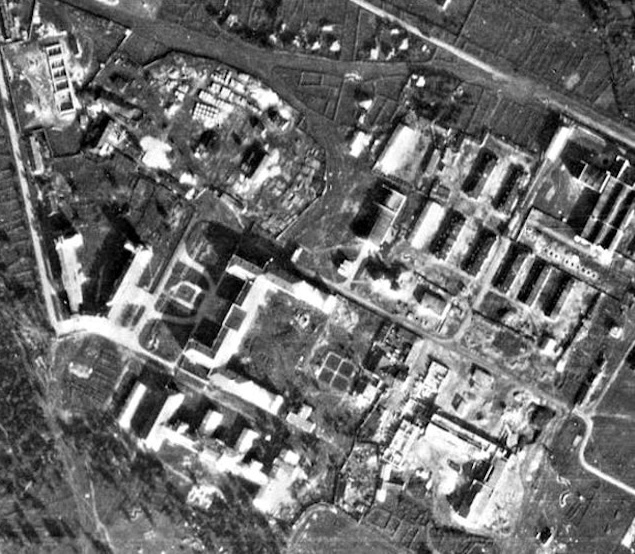
Students, faculty, staff, and prisoners participated in the restoration of the KhAI buildings and structures, which began in 1944 after the institute returned from evacuation. At that time, the institute was temporarily housed in a building at Sumska Street, 18/20.
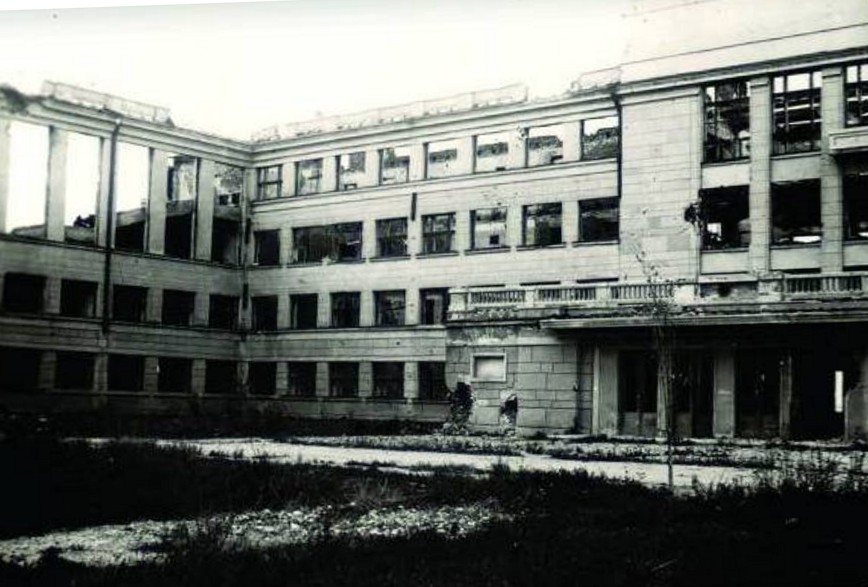
Restoration of the main building continued until 1952.

Almost nothing remains of the Constructivist spirit in the buildings of the KhAI complex; they have been adorned with Soviet Classicism-style decor—columns, medallions, and porticos… Similar transformations occurred at the Medical Institute, the Kharkiv Automobile and Highway Institute, and other buildings in Kharkiv from the 1930s.
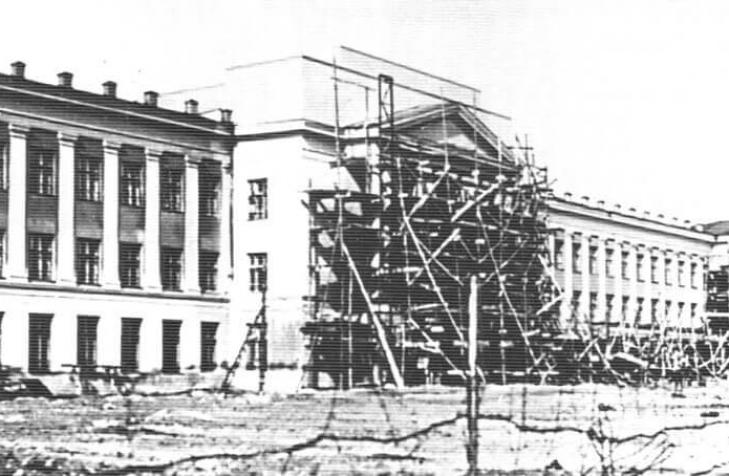
Fun fact: The columns of the institute’s three oldest buildings belong to different architectural orders—Corinthian (the main building), Ionic (the engineering building), and Tuscan (the motor building).
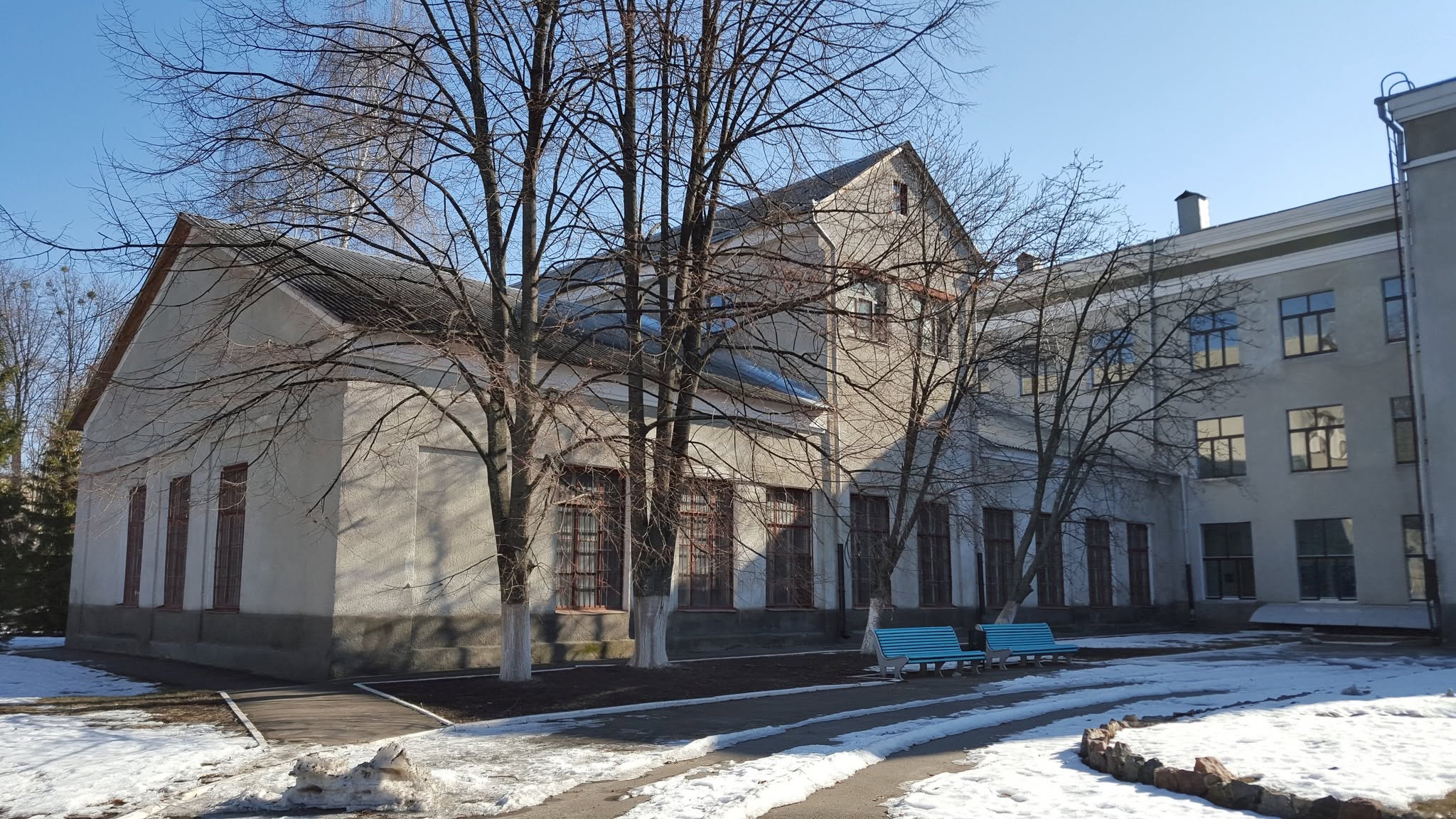
In 1953, a wind tunnel was built on the KhAI campus.
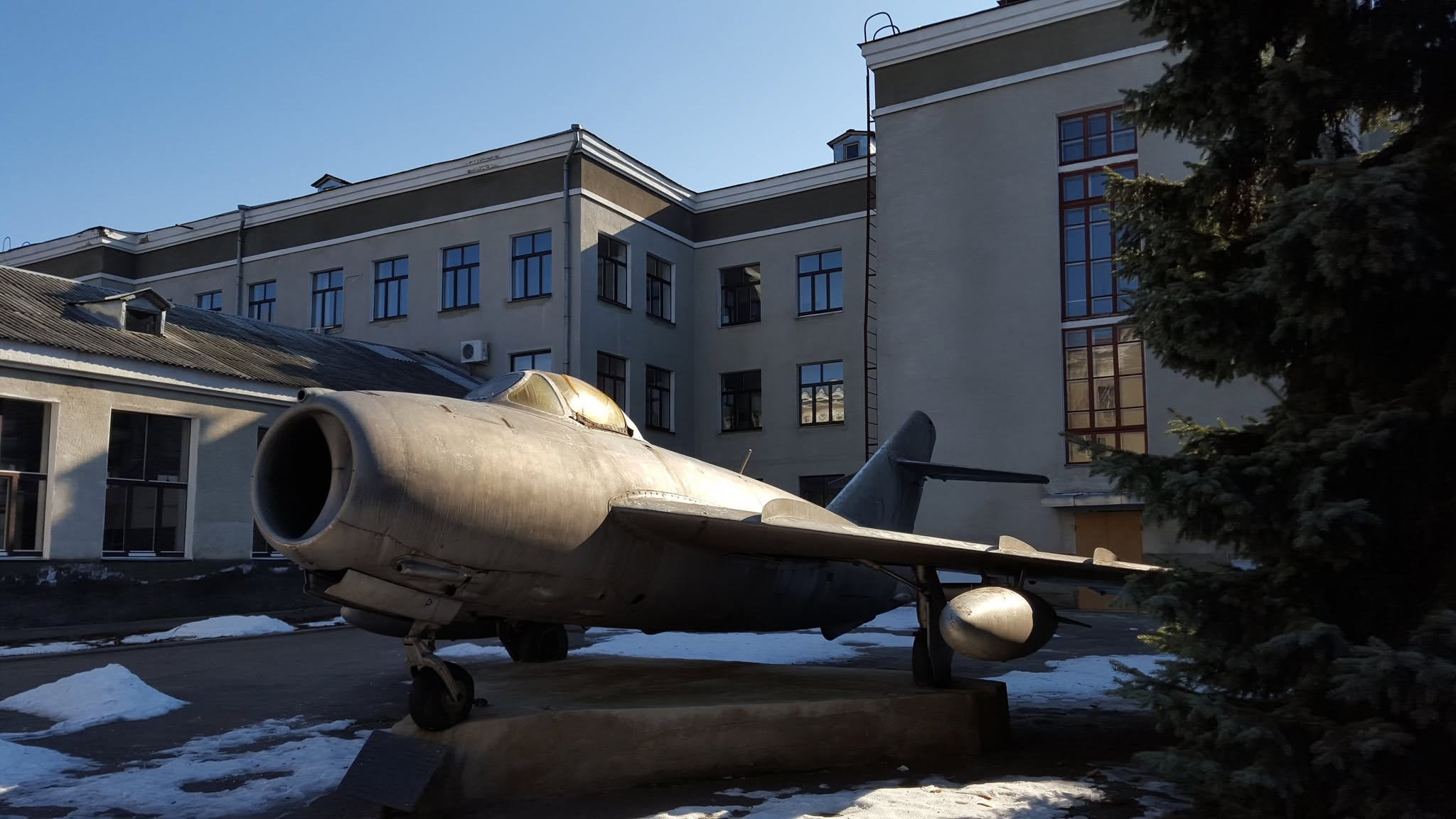
In 1955, construction of the motor building—which had begun before the war on the site of the institute’s former stadium—was completed.
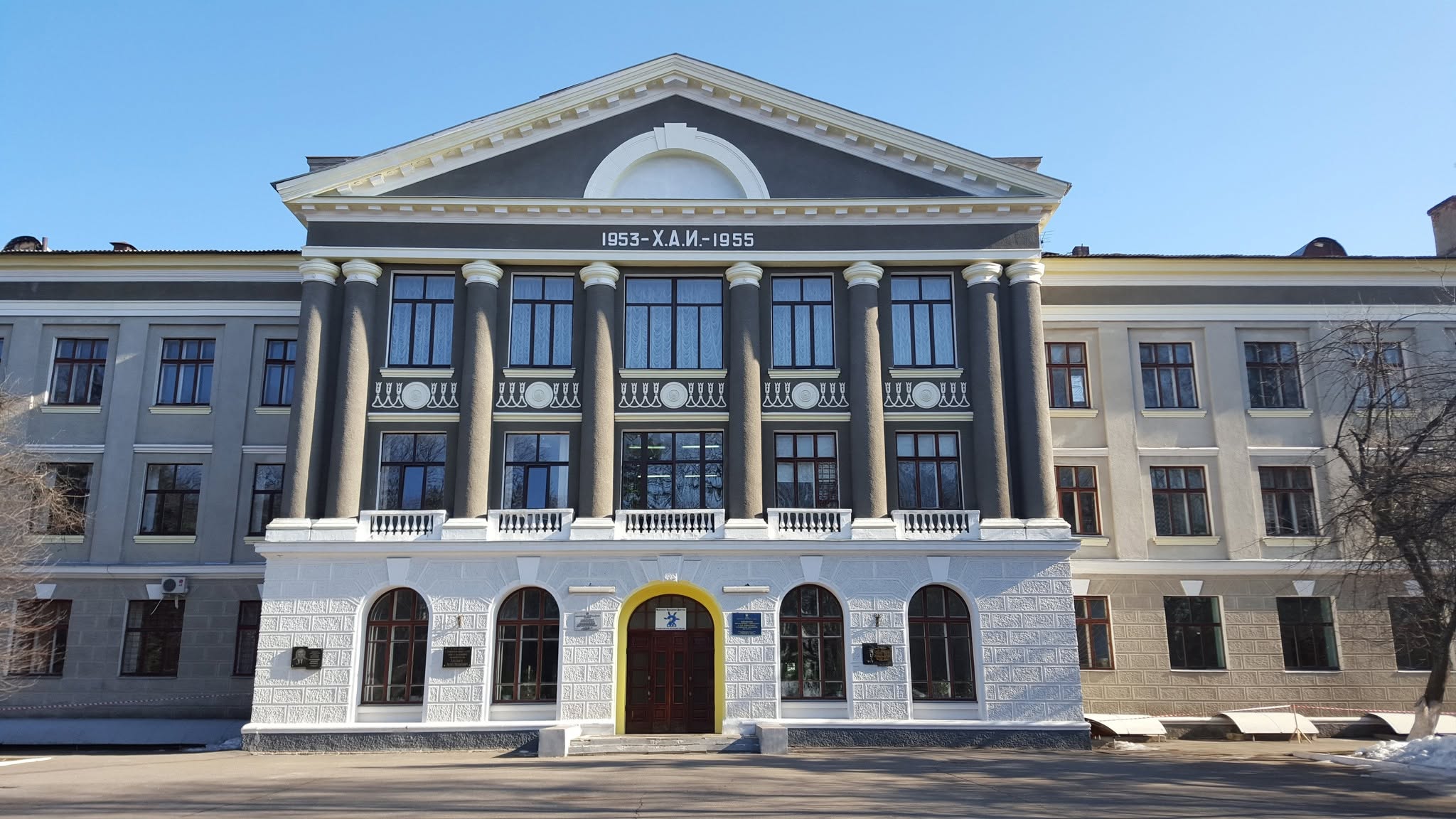
The KhAI campus began to develop particularly rapidly in the 1960s and 1970s, under Rector Nikolai Maslennikov, when numerous new buildings, laboratories, workshops, and dormitories were constructed.
Building K-2 was constructed between 1966 and 1968. In front of it stands a monument—a MiG-19PM fighter-interceptor.
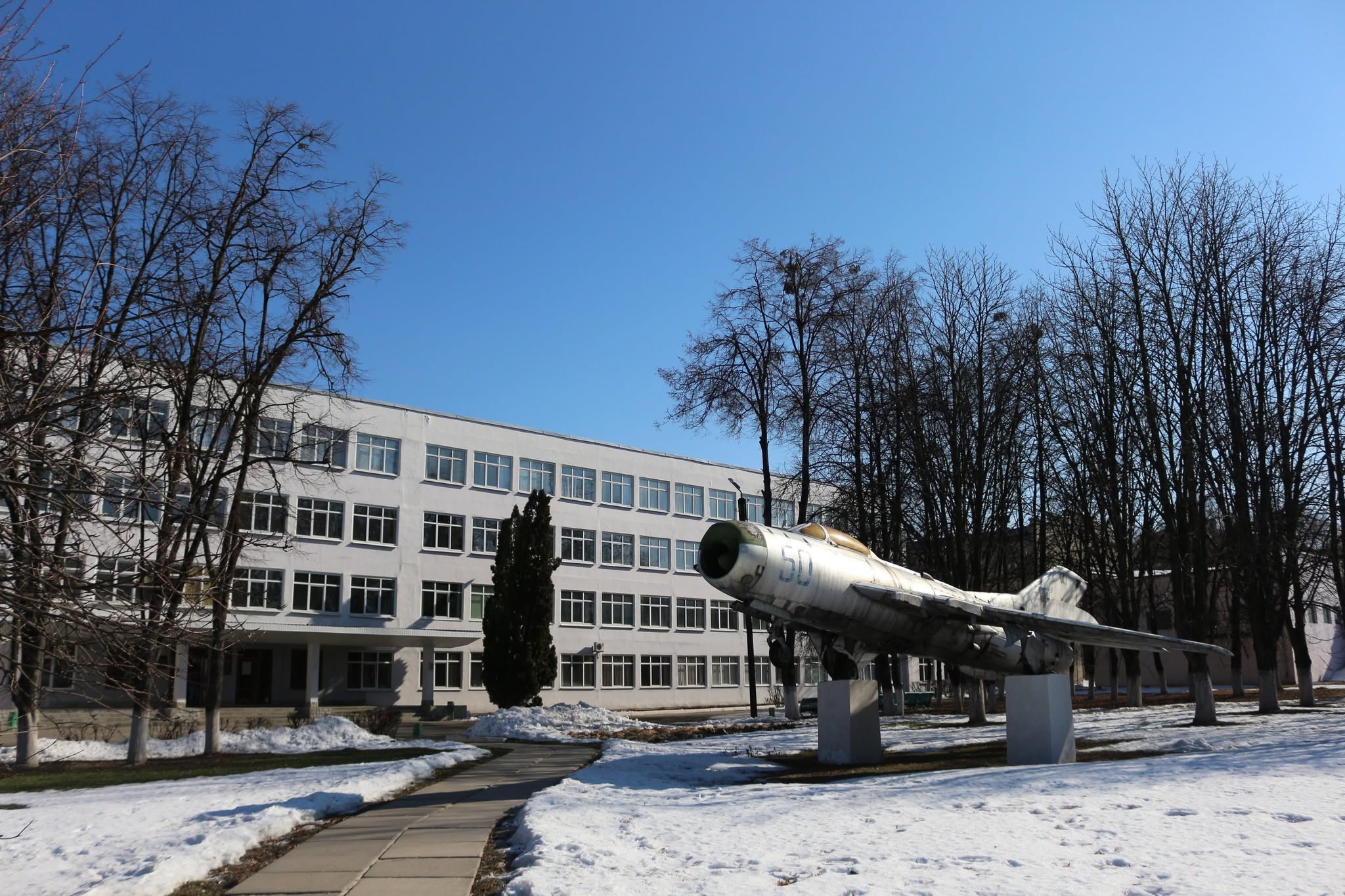
Near the radio building, which was commissioned in 1969, there is another aircraft monument on a pedestal—the Su-7B fighter-bomber.
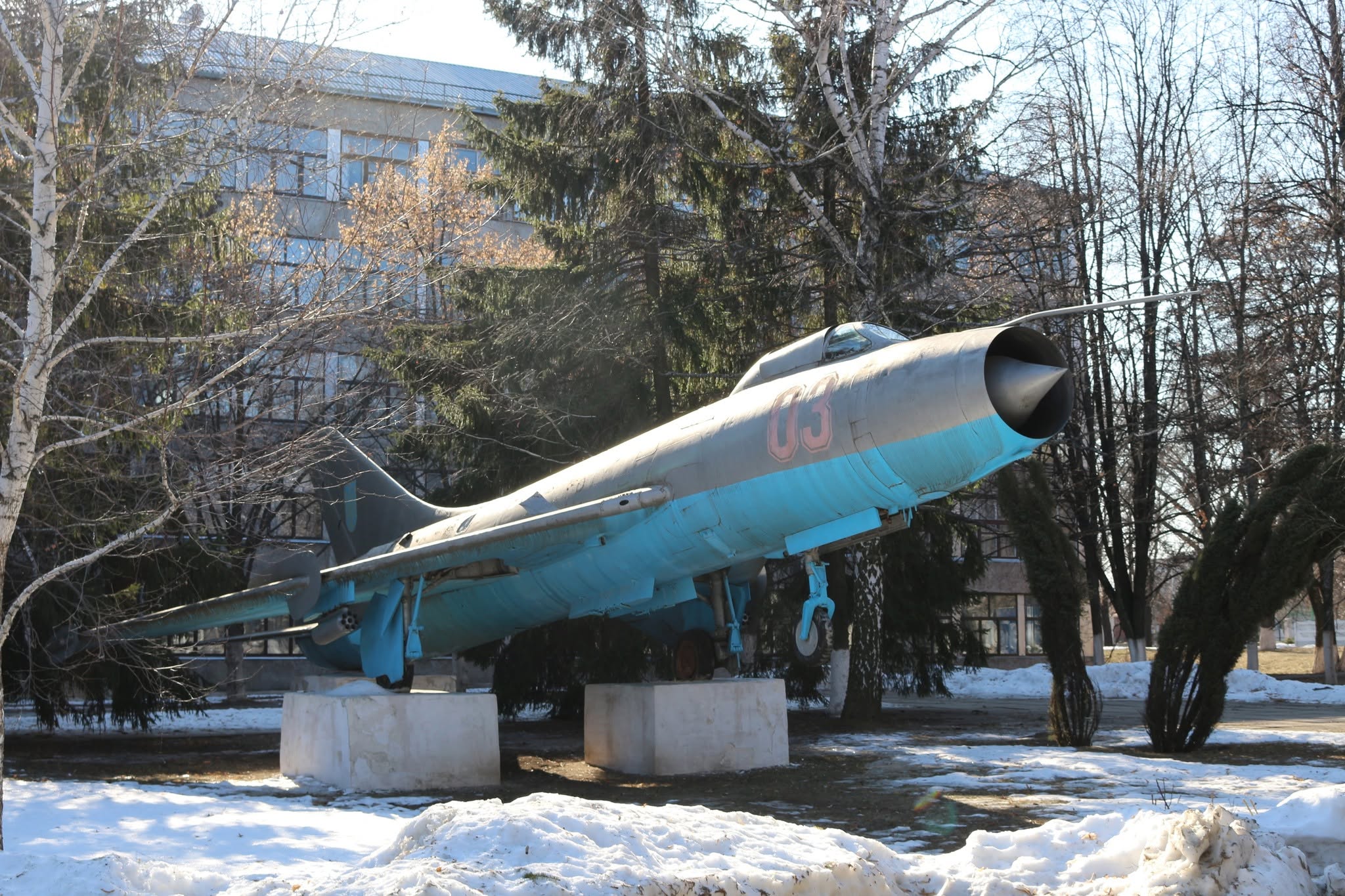
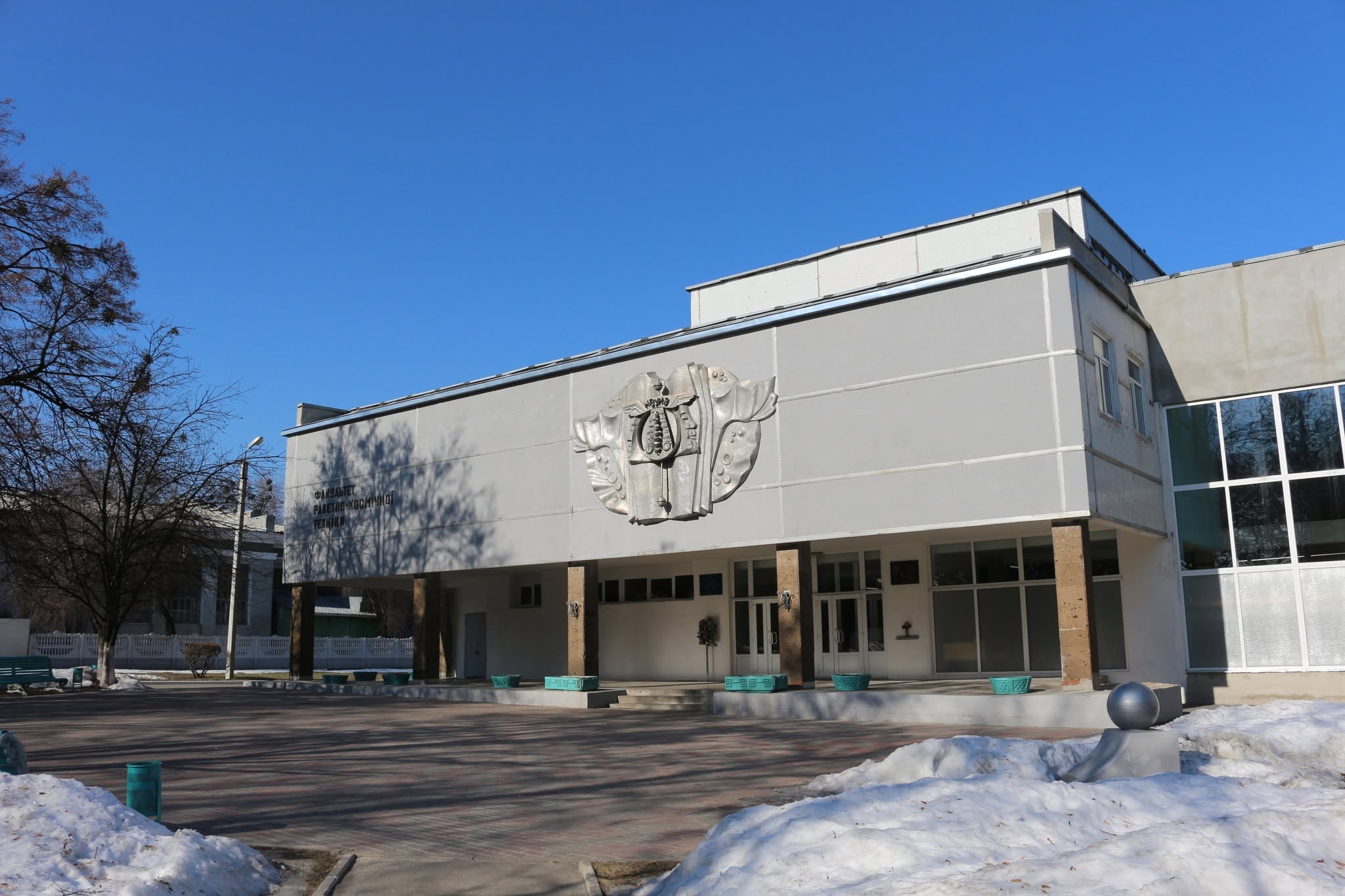
The later rocket building (also known as the “flying machine” and the training and laboratory building) was built in 1986. It is recognizable by its metal bas-relief in the Soviet modernist style.
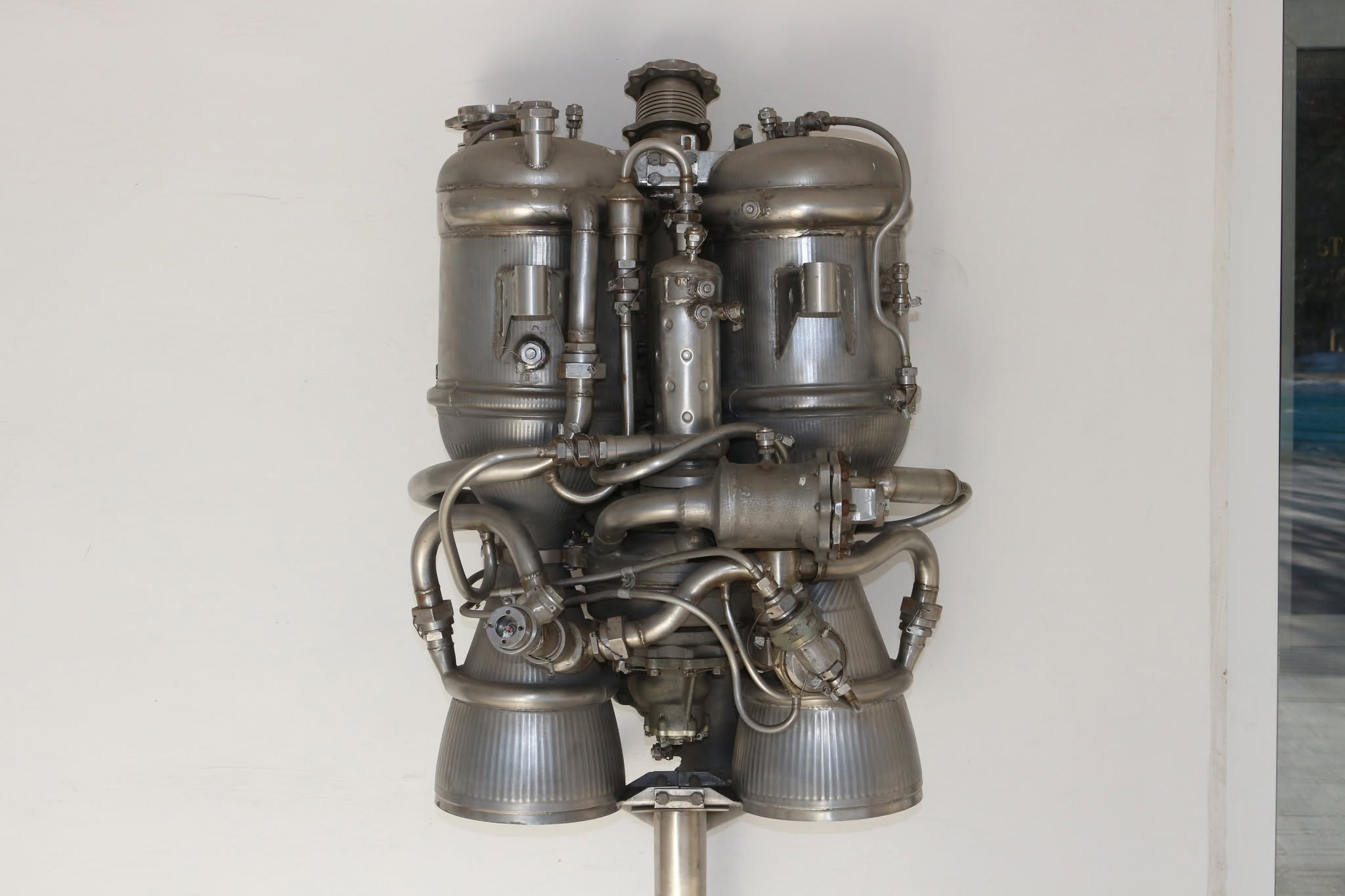
A rocket engine is mounted on the wall at the entrance to the building.
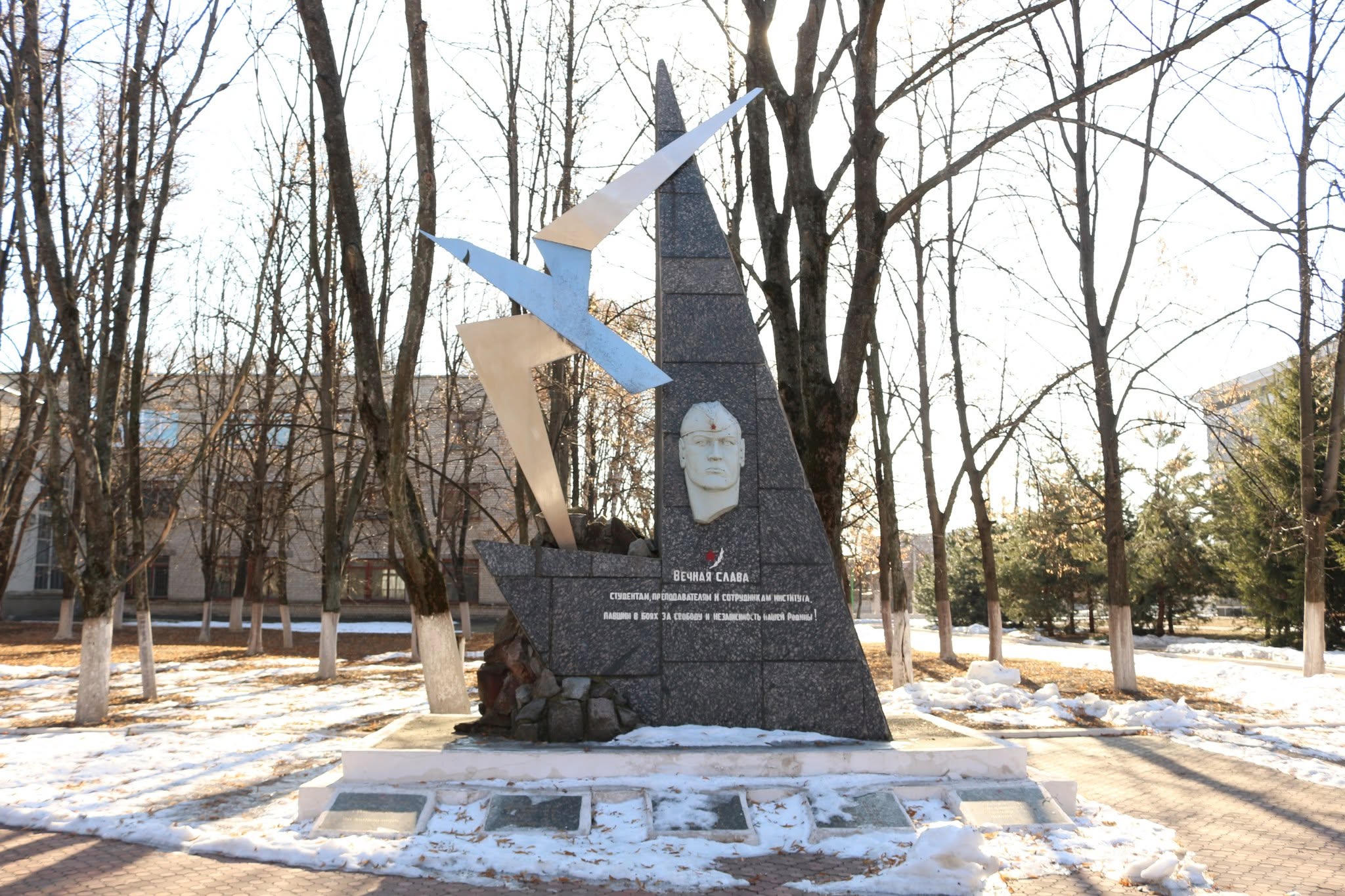
In general, there are many monuments dedicated to technology, as well as commemorative plaques honoring outstanding alumni and faculty members, on the KhAI campus.
A monument to the students, faculty, and staff of KhAI who fell in battle against the Nazi invaders was erected in 1970 on the main avenue leading to the Radio Engineering Building. More than 500 KhAI faculty members and students fought on the front lines from 1941 to 1945.
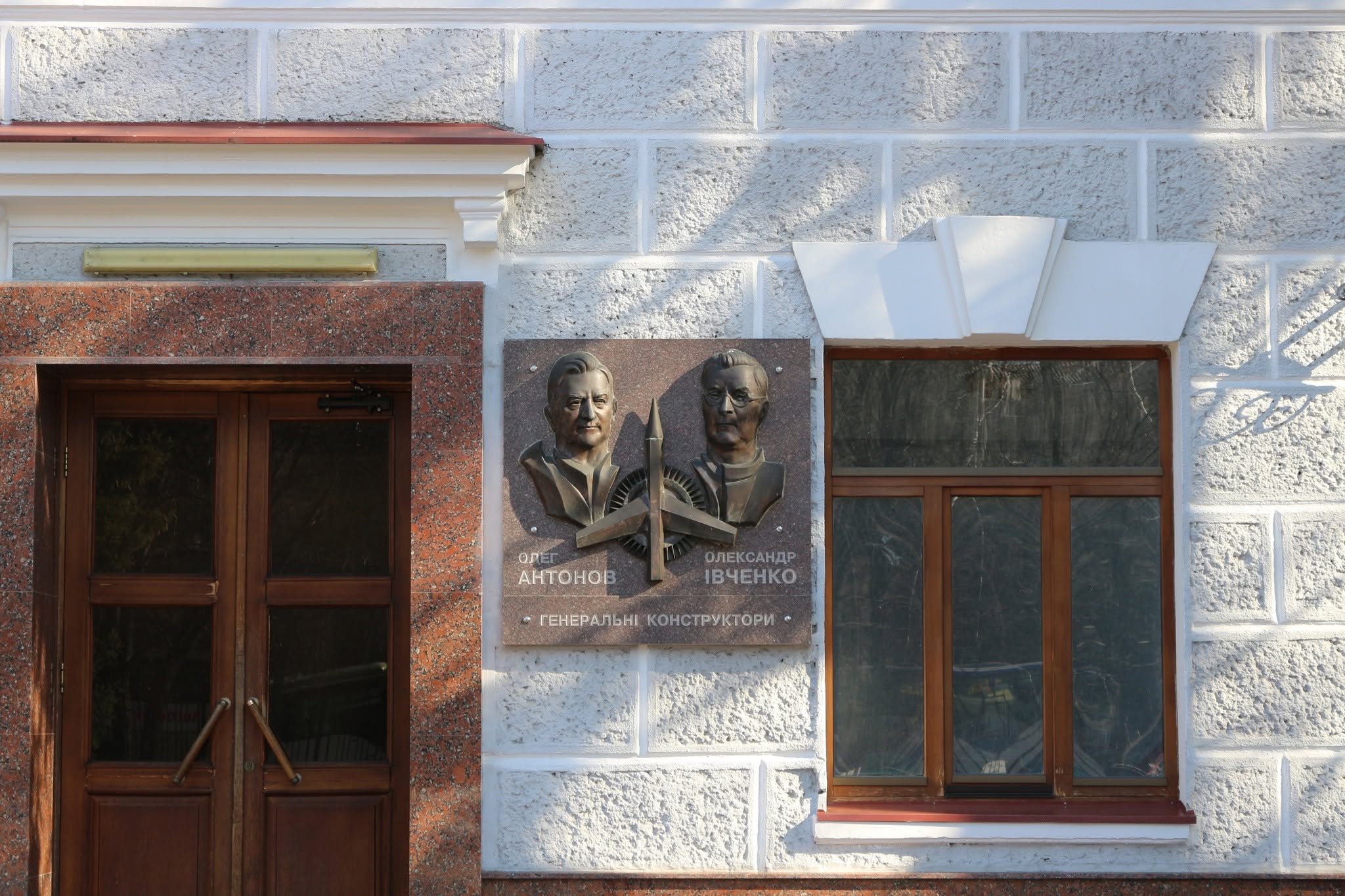
A commemorative plaque at the entrance to the main building is dedicated to the chief designers: Oleg Antonov, who served as head of the Department of Aircraft Design at KhAI from 1977, and Alexander Ivchenko, the designer of jet engines. Ivchenko studied at the Kharkiv Polytechnic Institute (KhPI) from 1930 to 1935; the Kharkiv Aviation Institute was established in 1930 based on the aviation faculty of KhPI.
One of the most unusual monuments to a student freebie—which appeared in 1995. The sign on it reads, “freebie for everyone for free, and may no one leave feeling slighted” (a reference to a line from Arkady and Boris Strugatsky’s novel *Roadside Picnic*).

In 2021, another monument was erected in front of the main entrance—this time, a MiG-23 fighter jet.
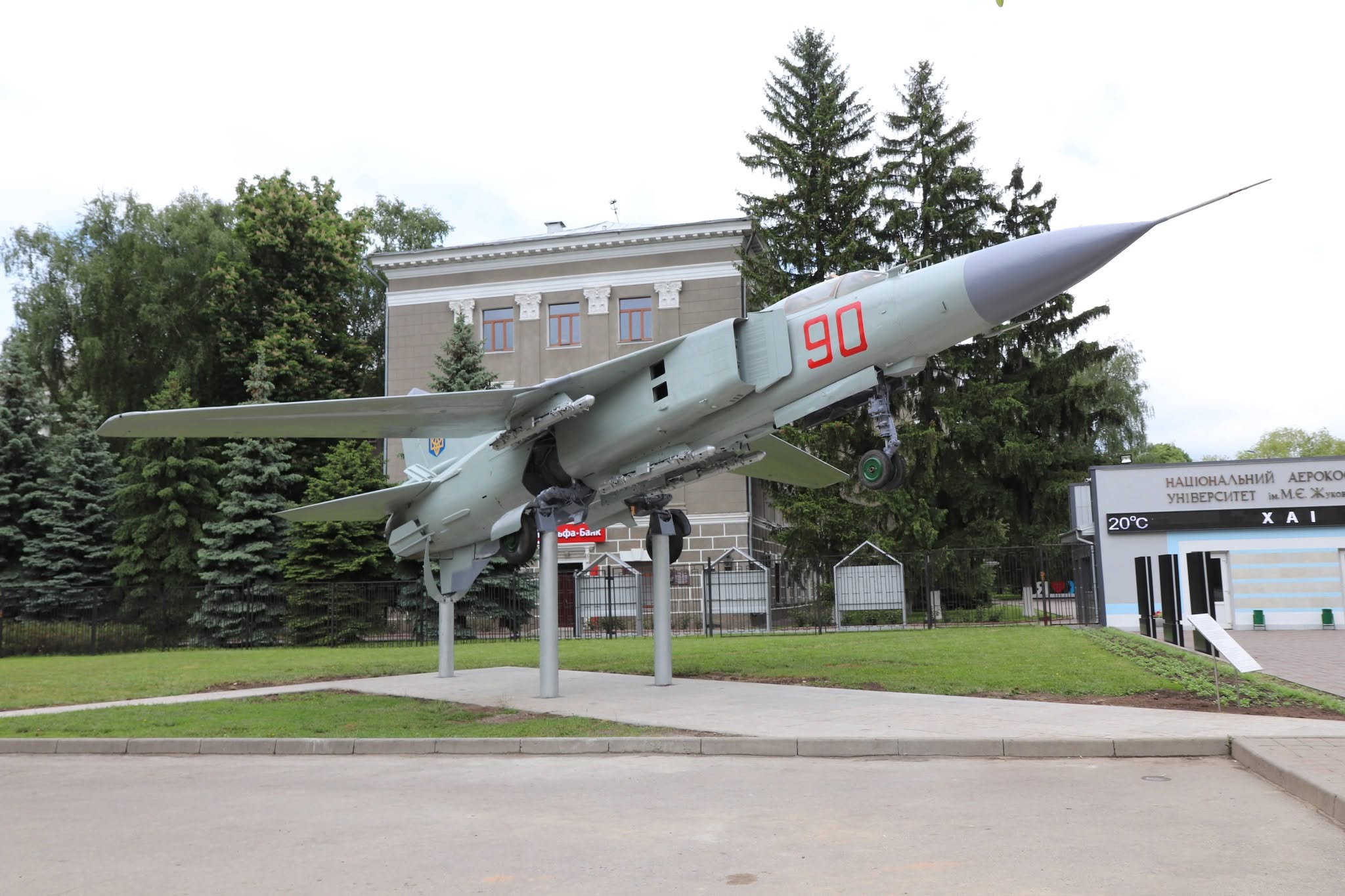
The current address of the main building of the Kharkiv Aviation Institute is Vadyma Manka Street, 17. Since the 1930s, this street had been named after the pilot Valery Chkalov. In 2023, it was renamed in honor of Vadym Manko, a National Guard captain who died in 2022 during combat operations in the Kharkiv region and was posthumously awarded the title of Hero of Ukraine.
The campus of the National Aerospace University “Kharkiv Aviation Institute” has been under constant Russian attack since 2022. There is virtually no building left with windows that haven’t been shattered or a roof that hasn’t been damaged.
In 2024, the true pride of KhAI—an outdoor heated swimming pool that had been open year-round since 1971—was damaged when a “KAB”-type bomb struck.
In 2025, a “Shahed”-type attack drone damaged the KhAI track and field arena, which was built in 1978.
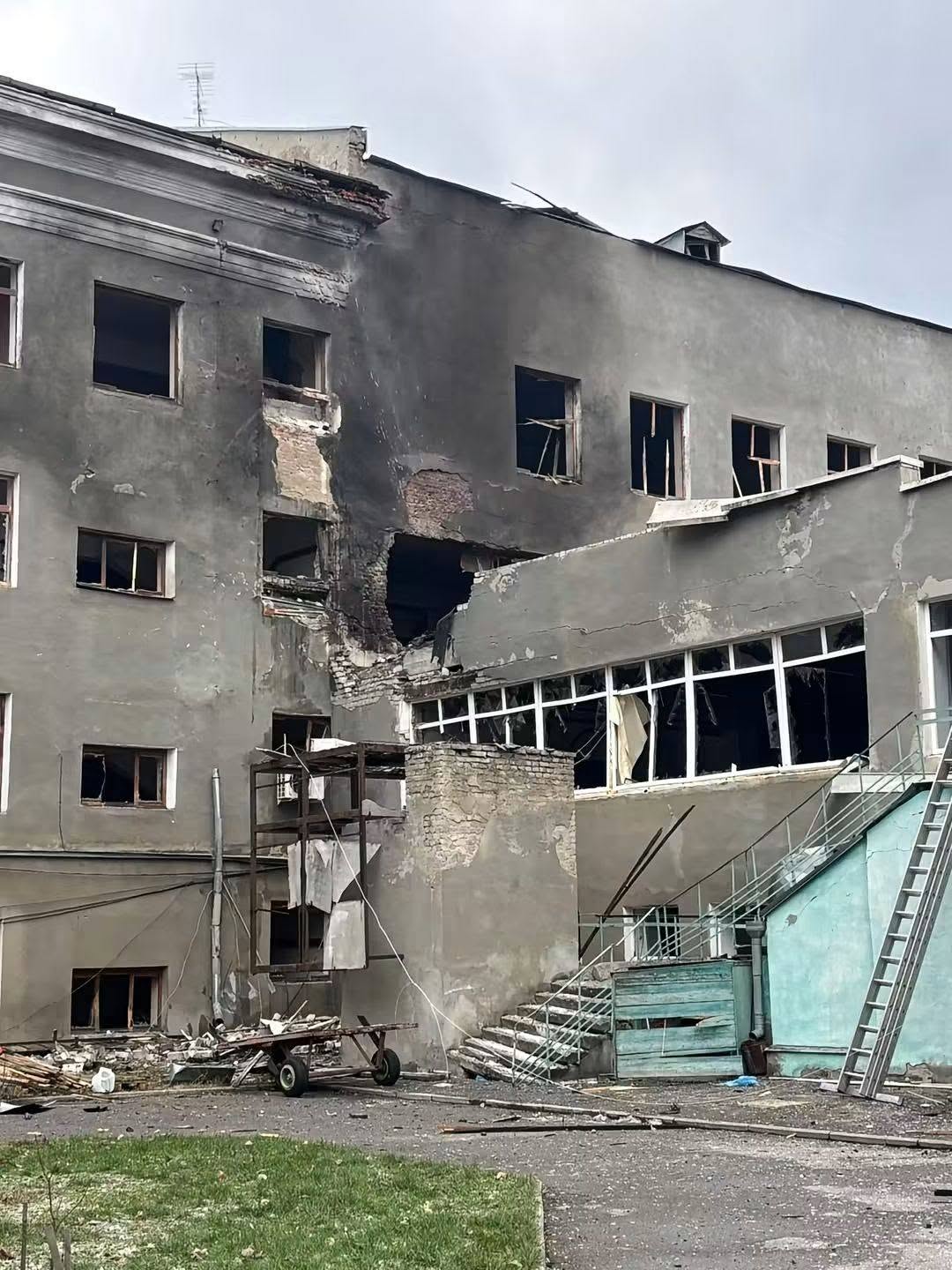
The Kharkiv Aviation Institute, its alumni, and charitable foundations are repairing broken windows, damaged roofs, and buildings, but enemy attacks keep destroying them again and again.
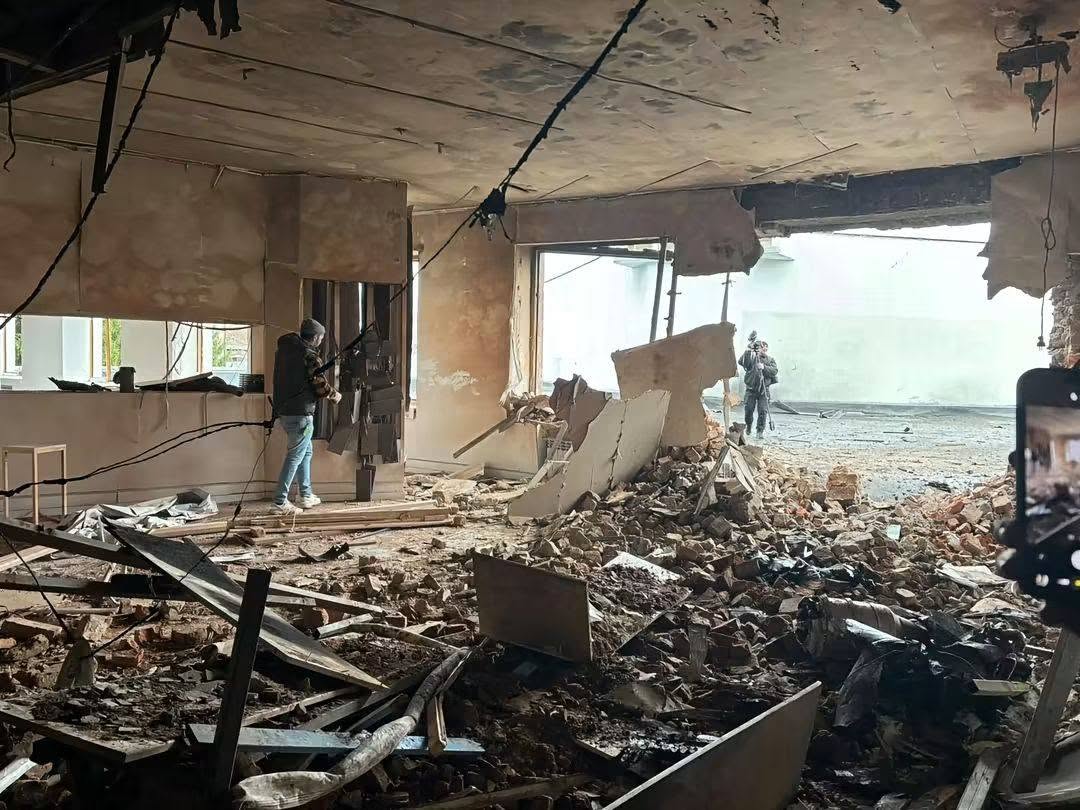

- Kharkiv Aviation Institute - 28.11.2026
- Kindergarten No. 119 - 30.10.2026
- "Noah's Ark" - 21.10.2026