On June 28, way back in 1914, a young Bosnian Serb named Gavrilo Princip assassinated Archduke Franz Ferdinand, the heir to the Austrian throne, and his wife in Sarajevo.
Exactly one month later, on July 28, 1914, Austria-Hungary declared war on Serbia. One of the most horrific and bloody tragedies in human history—known as World War I—had begun.
Mobilization was underway in many countries. And on August 1, 1914, Germany declared war on the Russian Empire. These events also affected our beloved city.
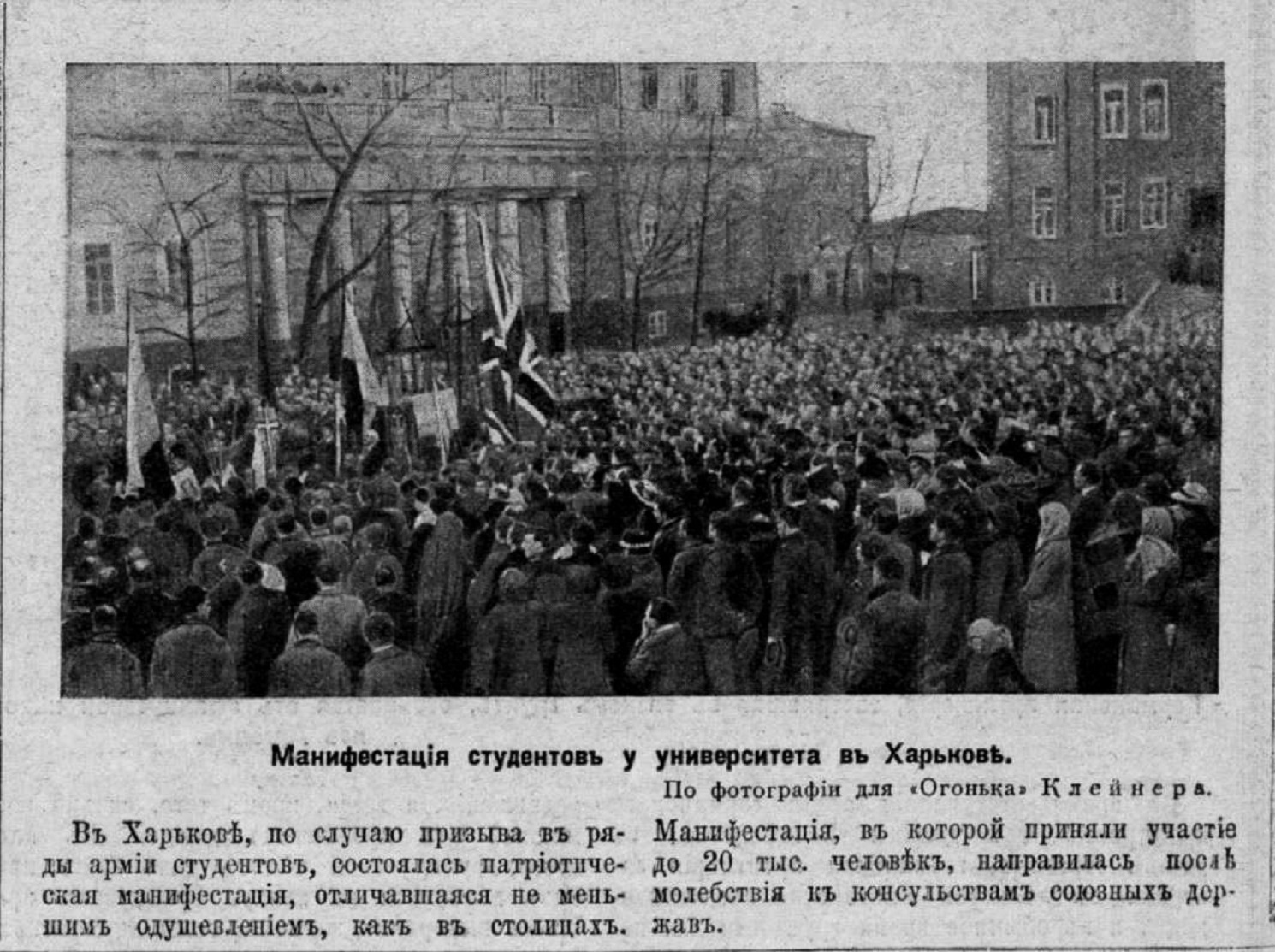
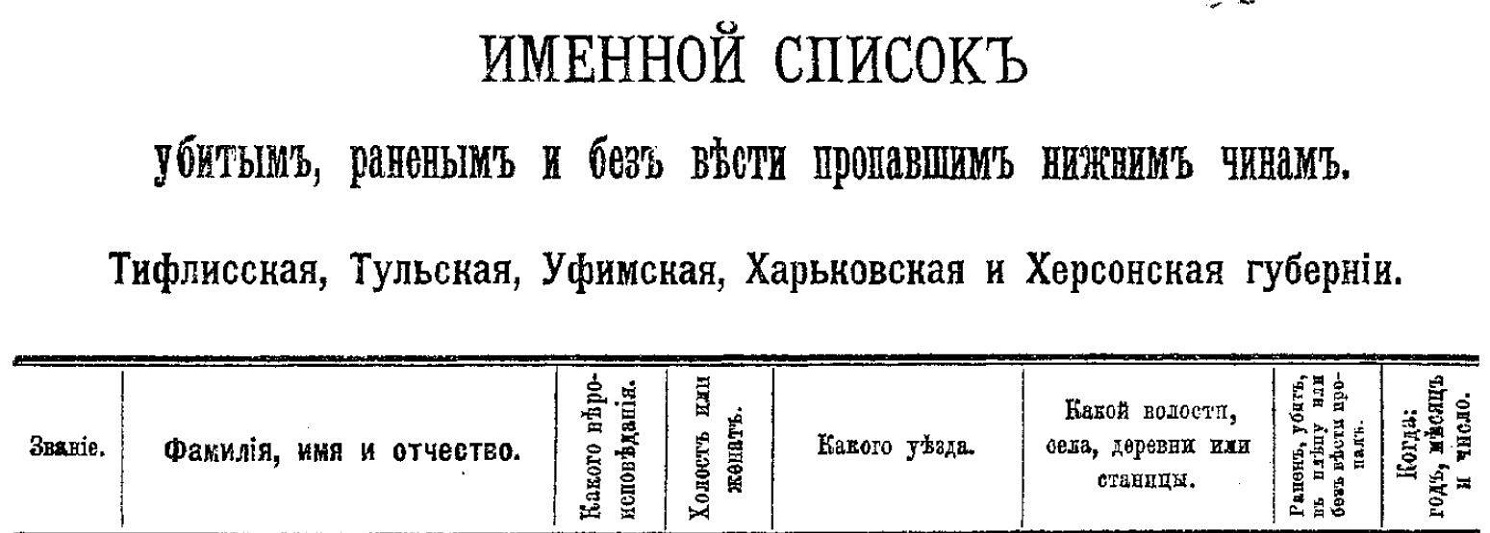
Throughout World War I (from July 28, 1914, to November 11, 1918), thousands of Slobozhans were sent to the front and died there.
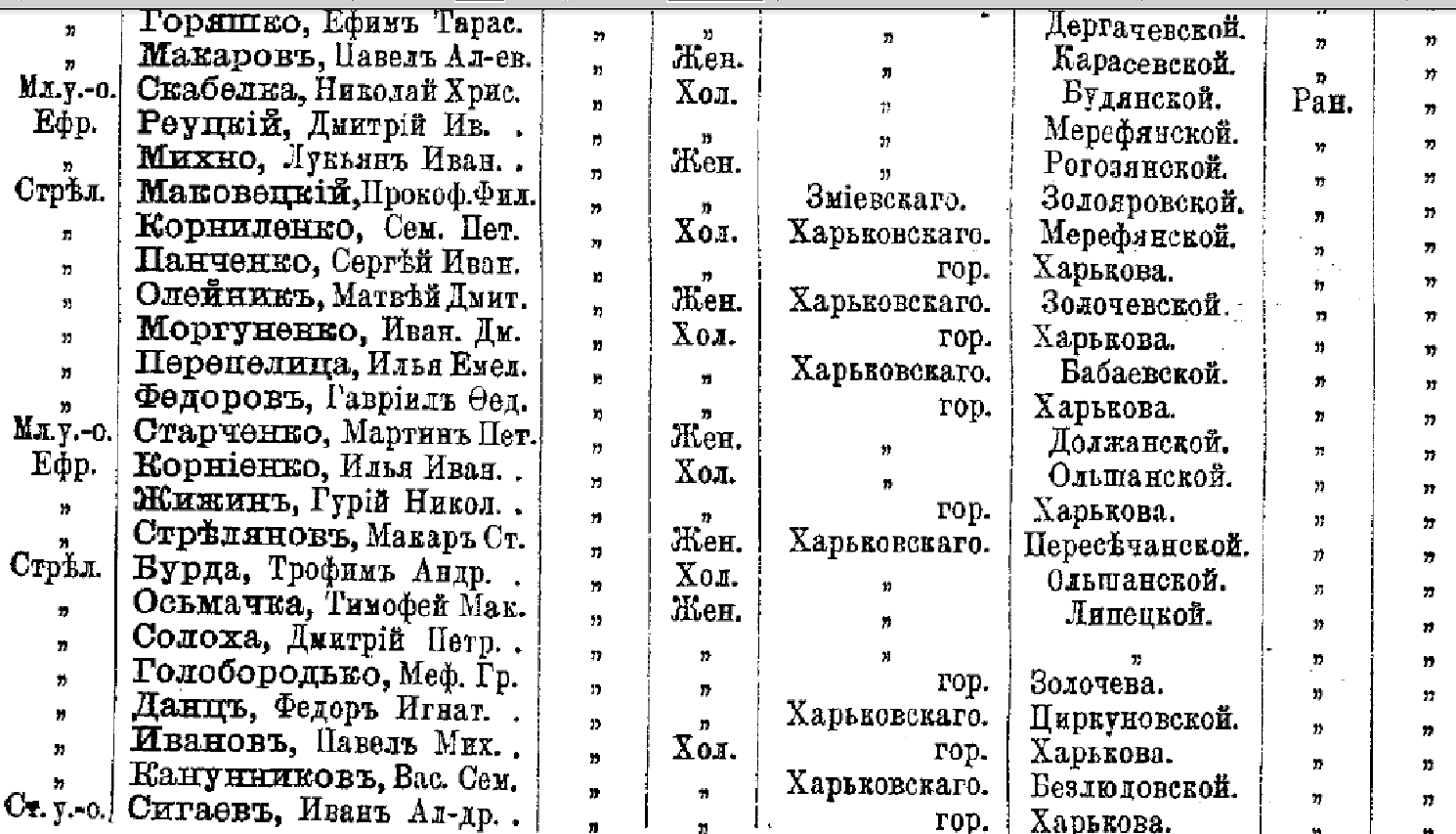
Many women from Kharkiv became Red Cross nurses and cared for the wounded on the battlefields and in hospitals.
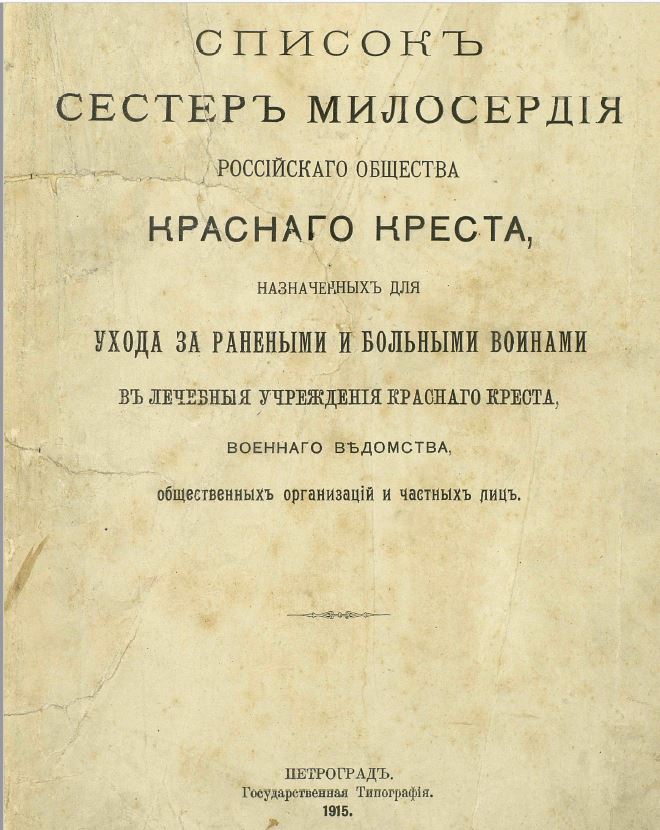
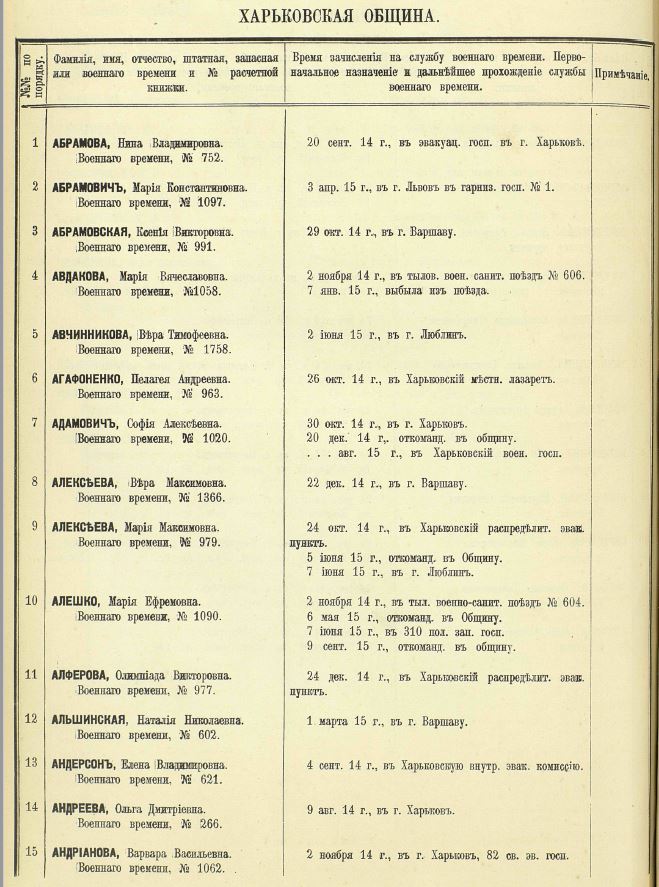
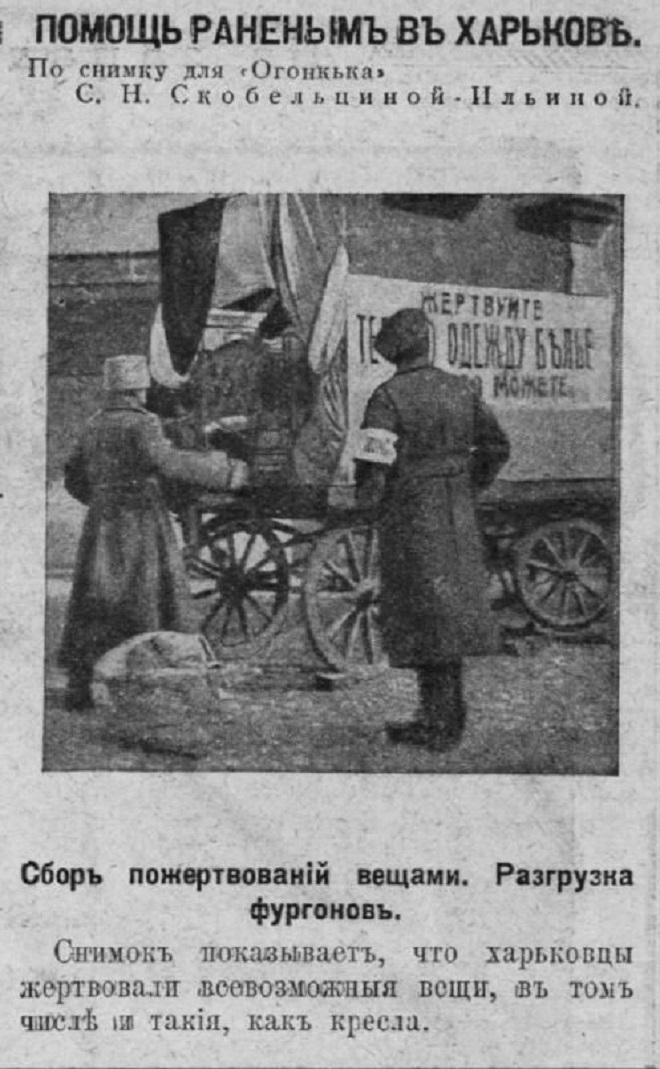
Thousands of residents, just as they would a century later, became volunteers, helping the army in any way they could.
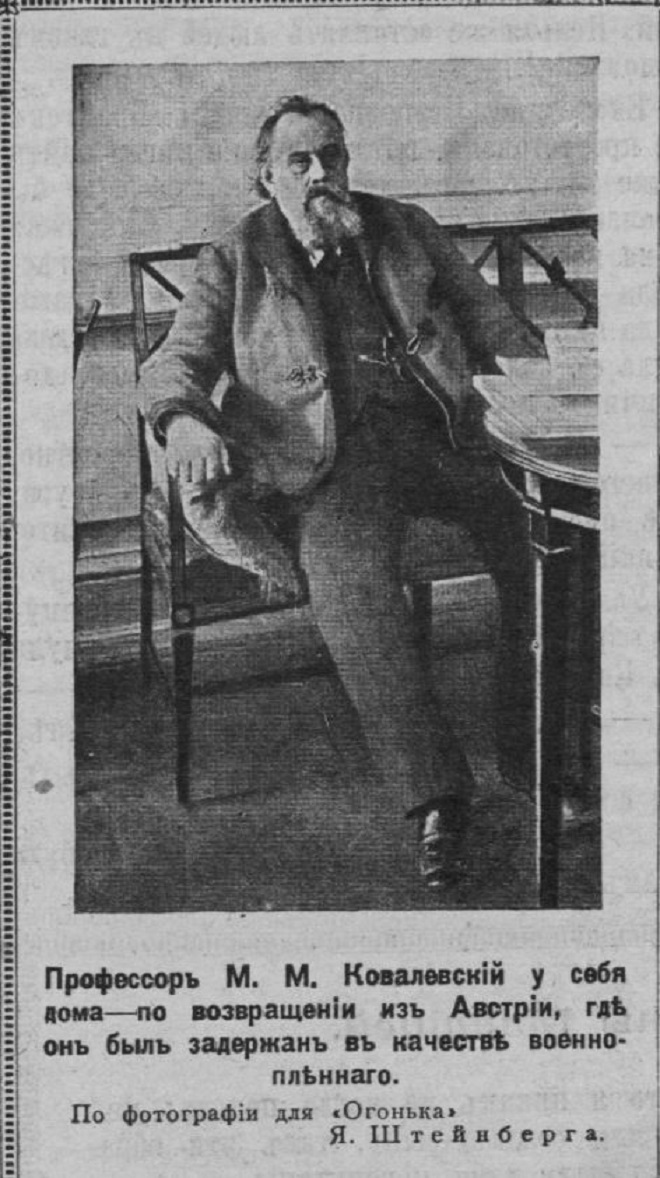
Many of our fellow countrymen—both ordinary soldiers and members of the scientific elite—were taken prisoner. Some of them returned, while others did not.
Someone’s husbands, fathers, sons, brothers, friends… The great-great-grandfathers and great-great-grandmothers of many of us, who were simply doing their duty at the time.
When recalling World War I and Kharkiv, one cannot fail to mention that it is precisely this period that is associated with the darkest chapters in our city’s history. Austrians and Germans living in the Kharkiv region began to face persecution on the basis of their nationality. Many of them were stripped of their property and evicted from the city. “Enemies of the fatherland” were the subject of denunciations by “patriotic” citizens and were placed under police surveillance.


I’d like to remember all of them today. After all, the Civil War broke out soon after, and there was no time for that anymore… The 1920s and 1930s came, and the war was labeled “imperialist”—who had time to remember? Then came the 1940s and 1950s; obviously, there were plenty of problems, and again, no time for reminiscing. And so on.
For Ukraine, the events of World War I represent a great domestic tragedy. After all, on August 6, 1914, Austria-Hungary also declared war on the Russian Empire. Thus, Ukrainians from both the west and the east—serving in opposing armies, fulfilling their duty but in fact fighting for the interests of others—found themselves drawn into a fratricidal war as well.
Given this fact, is it appropriate to hold any official events in Ukraine on August 1 to commemorate those who died? I don’t think so, although it’s probably still worth commemorating these events privately and locally on August 1 or 6. After all, this is our history.
The International Day of Remembrance for the Victims of World War I is November 11 or the Sunday closest to that date. This date is observed as a day of mourning in many countries around the world. The red poppy is the symbol of this day of remembrance.

The question of why we have erased tens of thousands of people from the history of Sloboda Ukraine, as if they had never existed at all, remains, to my regret, unanswered.
Some people’s ancestors fell in that terrible war. Many of us still have photographs of them. To me, these people are simply my relatives, close friends, dear ones, and beloved fellow countrymen—people whose memory deserves to be honored and under no circumstances politicized. In my history of Kharkiv, they haven’t been erased—they still exist. It’s just a shame that, unlike in other countries, there’s nowhere in Ukraine to lay flowers on August 1 or November 11…

- About the military pilot school and the airfield in Kharkiv… - 04.11.2020
- Nikanor Savich—A Political Career by Mistake - 13.07.2020
- And once again, about the Cavalry Guards… - 21.01.2020