Lately, a lot of people have been racking their brains over the question, “What is Kharkiv’s brand?” What is its symbol?
But I think that in our beloved city, we should just erect a monument to the number “one” and stop stressing about this whole issue altogether.
After all, Kharkiv is perhaps the only place in our country where the number of things created and events that happened “for the first time” within the borders of the former Russian Empire, Ukraine, and even the world—per square meter—is simply off the charts. And as for all the “firsts” our fellow countrymen have achieved in the context of world history—words simply cannot do them justice!
As the saying goes: “If you were to list all the ways Kharkiv was the first, your tongue would fall off and your vocal cords would snap.” I don’t know about others, but to be honest, I lost count a long time ago.
There is a vast number of such facts, both well-known and little-known. Therefore, if a significant event is not described in one entry, that does not mean it will not be discussed in the next one. So, let’s begin.
The First Book Supermarket
Many of us are familiar with and fond of the building at Poltavskyi Shliakh, 1. However, few people know that this beautiful mansion was once home to Ukraine’s first book supermarket.
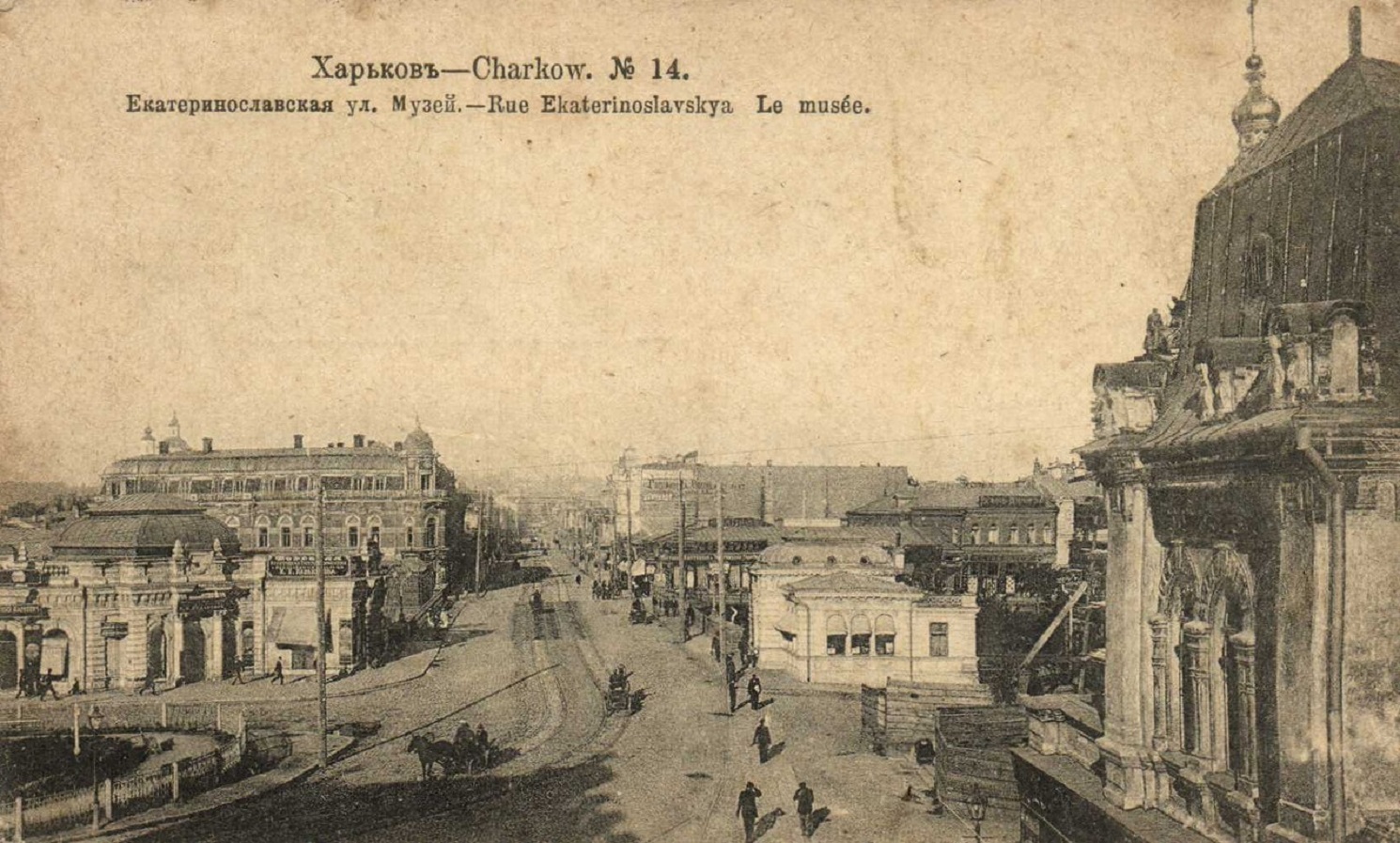
In the late 19th and early 20th centuries, Alexei Sergeyevich Suvorin’s publishing house was the leader in the book trade throughout the Russian Empire. It was no coincidence that his contemporaries called Suvorin a “book magnate.” He owned his own printing press, a newspaper, a chain of bookstores (including some abroad), and held the exclusive right to sell his publications (newspapers, magazines, cheap books, and postcards) on railroads, at docks, and at the Caucasian and Starorussk mineral springs. Even today, few publishers could dream of such staggering success!
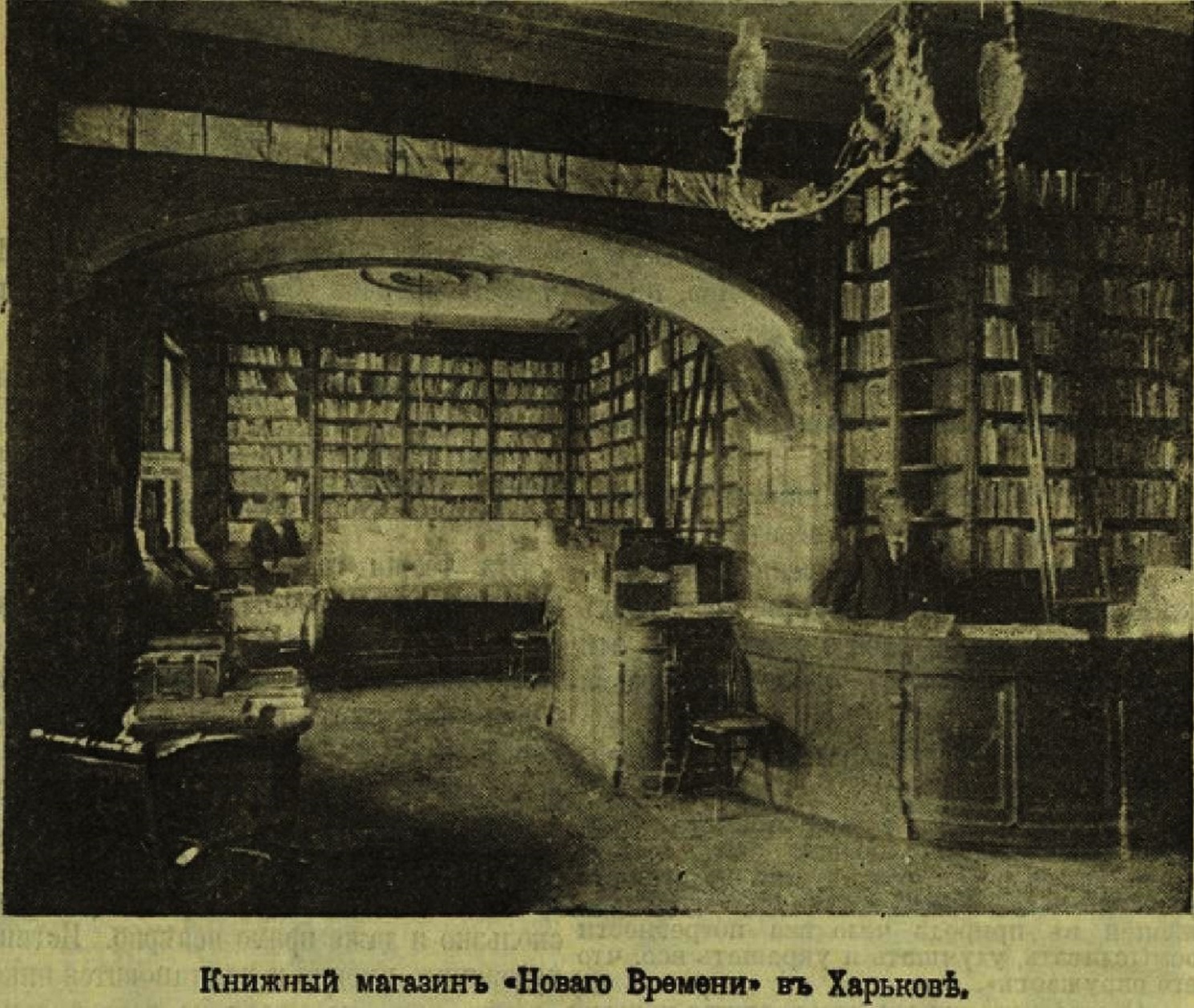
Following the opening of the “Novoye Vremya” bookstores in Moscow and St. Petersburg in 1878, Suvorin opened his third store right here in our city in 1885.

Advertisements from that time give us every reason to believe that Suvorin’s store in Kharkiv was a kind of book supermarket where you could buy absolutely anything.
Numerous customers from Kharkiv and the southern provinces were drawn not only by the store’s extensive selection, but also by the fact that it was restocked with new books every week, as well as by its discount program. Later, similar stores were opened in Odessa, Saratov, and Rostov-on-Don.
The First Music Library
In January 1903, many newspapers were filled with glowing tributes to our city.
This is hardly surprising—after all, what happened in Kharkiv on January 8 of that year was not merely an important event, but the first of its kind throughout the entire empire at that time.
In one of the newspapers, we read:
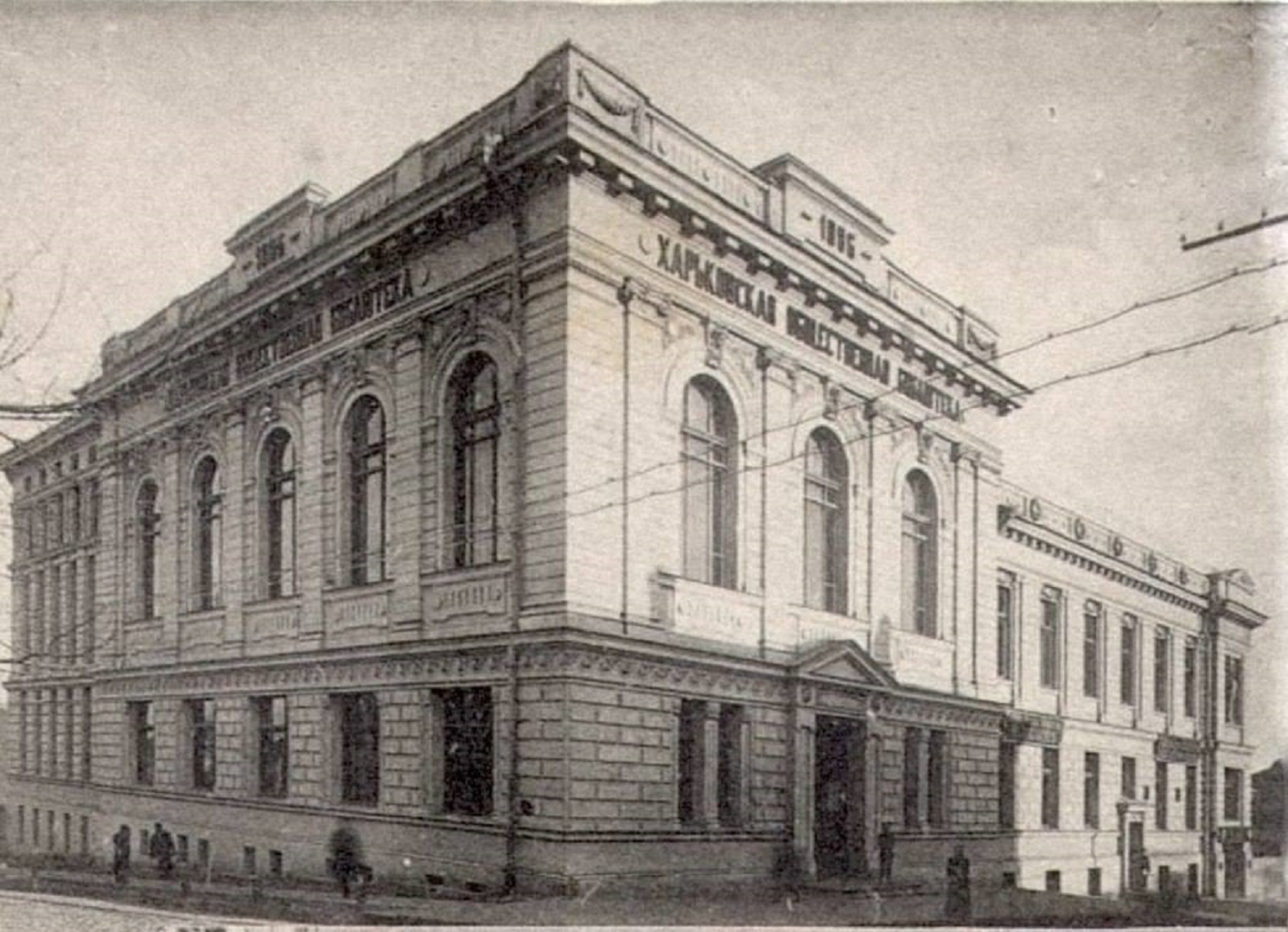
A music department has just opened at the Kharkiv Public Library—the first initiative of its kind at a public library in Russia. A special catalog printed for the opening of the new section runs to 68 pages and shows that the music section is already quite comprehensive, so that it can serve the less affluent segment of Kharkiv’s population. Although the collection currently consists of 330 volumes of music books, librettos, music journals, and reports, this section brings together all the most outstanding works in Russian music literature. The sheet music section of the music department contains a considerable number of educational works, as well as works representing all forms of musical art, ranging from instrumental pieces to operas. Currently, the main collection of the sheet music library consists of works by contemporary Russian composers, donated by the publisher M. Belyaev. The subscription fee for the music department is affordable—50 kopecks per month—although the library also has a free reading room. Thus, Kharkiv has the distinction of establishing the first public music library in Russia.
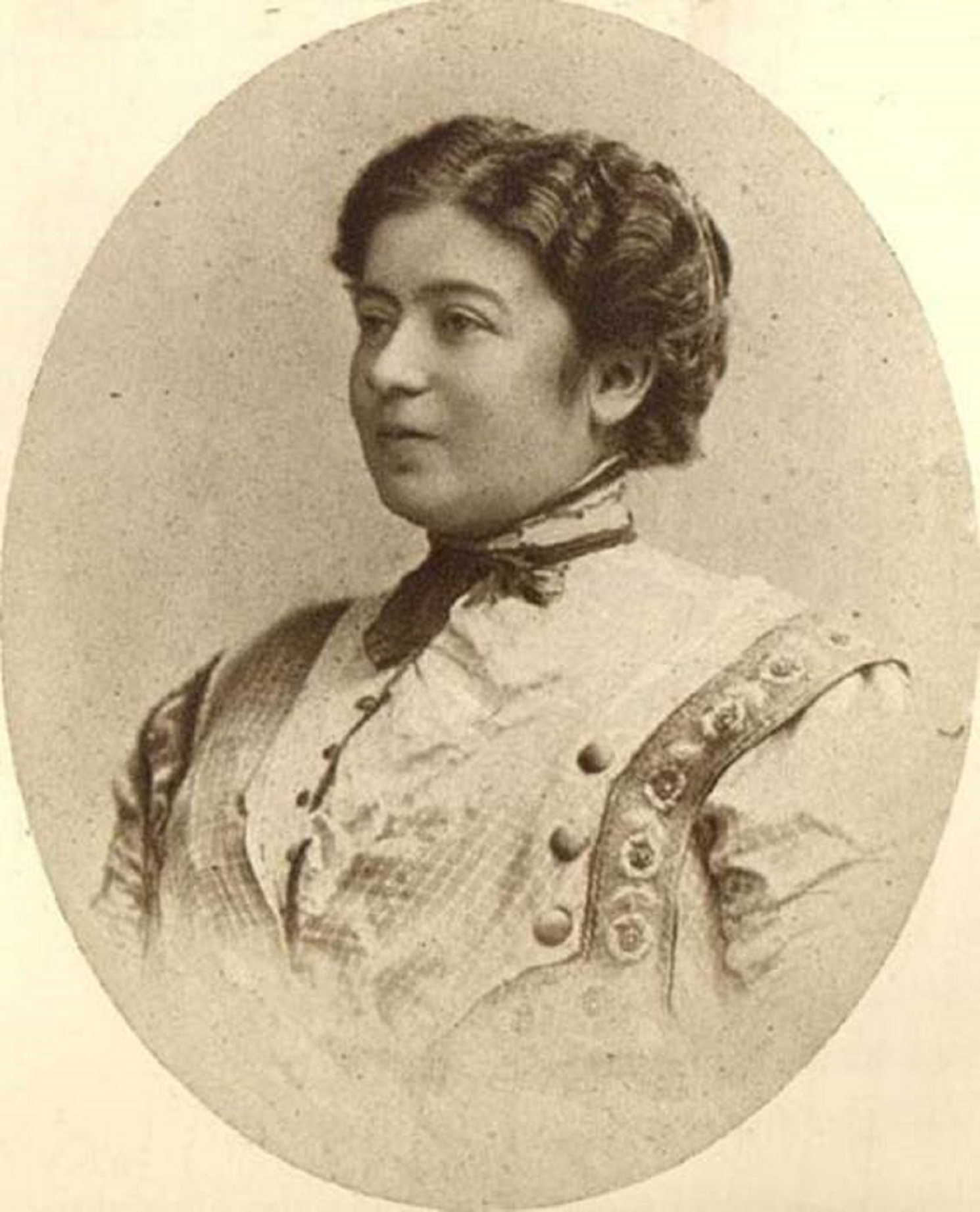
The initiative to establish the first music library came from an outstanding Kharkiv native—Lyubov Borisovna Khavkina—whose remarkable achievements I am deeply ashamed to describe so briefly.
The aforementioned institution was located in the building of the Kharkiv Public Library at Petrovsky Lane, 18 (now the V.G. Korolenko Kharkiv State Scientific Library, Korolenka Lane, 18).
The First Journal of Venereology—and More…
It would be a grave mistake to idealize a bygone era and its customs.
The late 19th and early 20th centuries were not as romantic and noble as many people think.
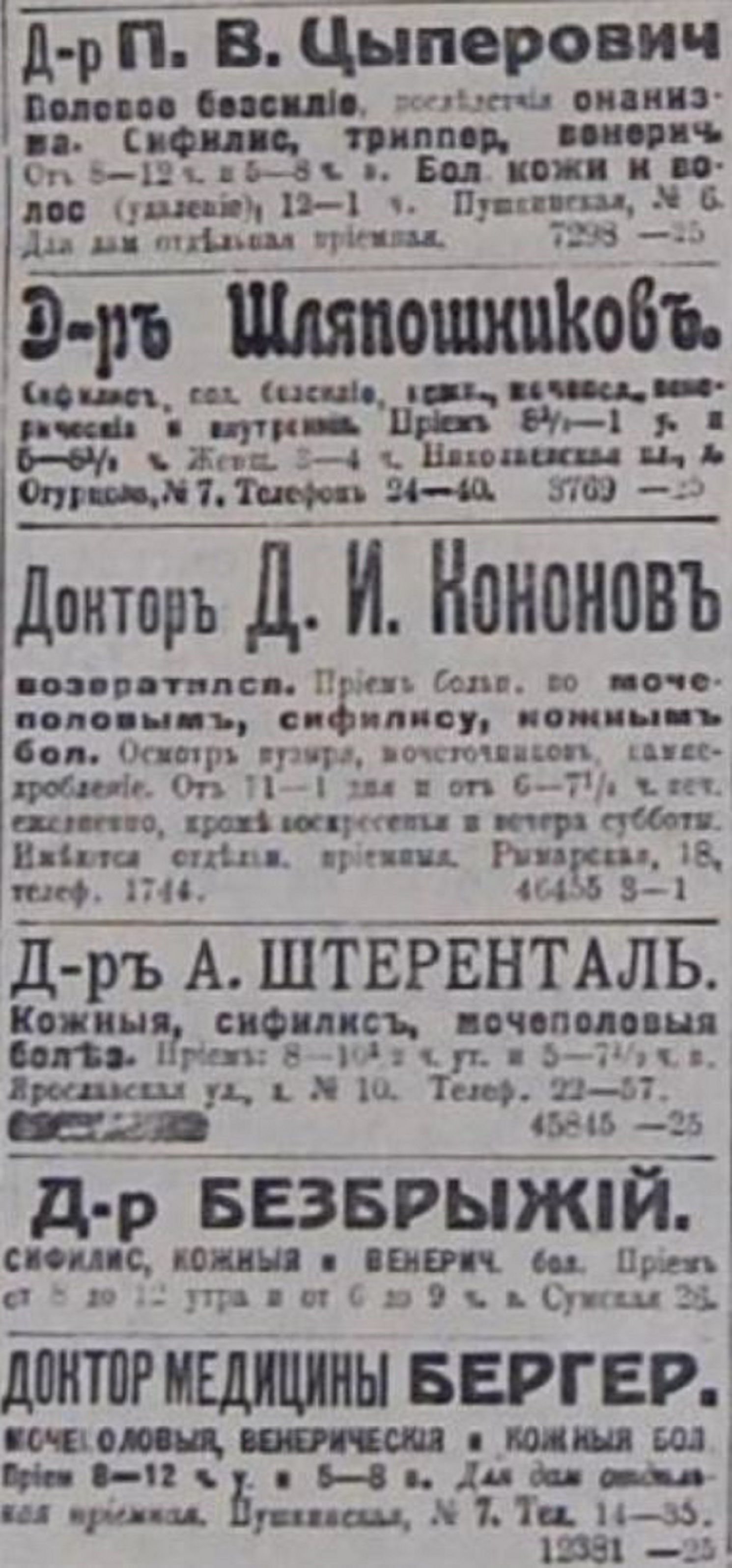
One of the most serious problems of that time was the widespread sexual promiscuity among the population. Kharkiv newspapers, in particular, were literally flooded with advertisements for all manner of treatments for syphilis, gonorrhea, and other such “delights.”
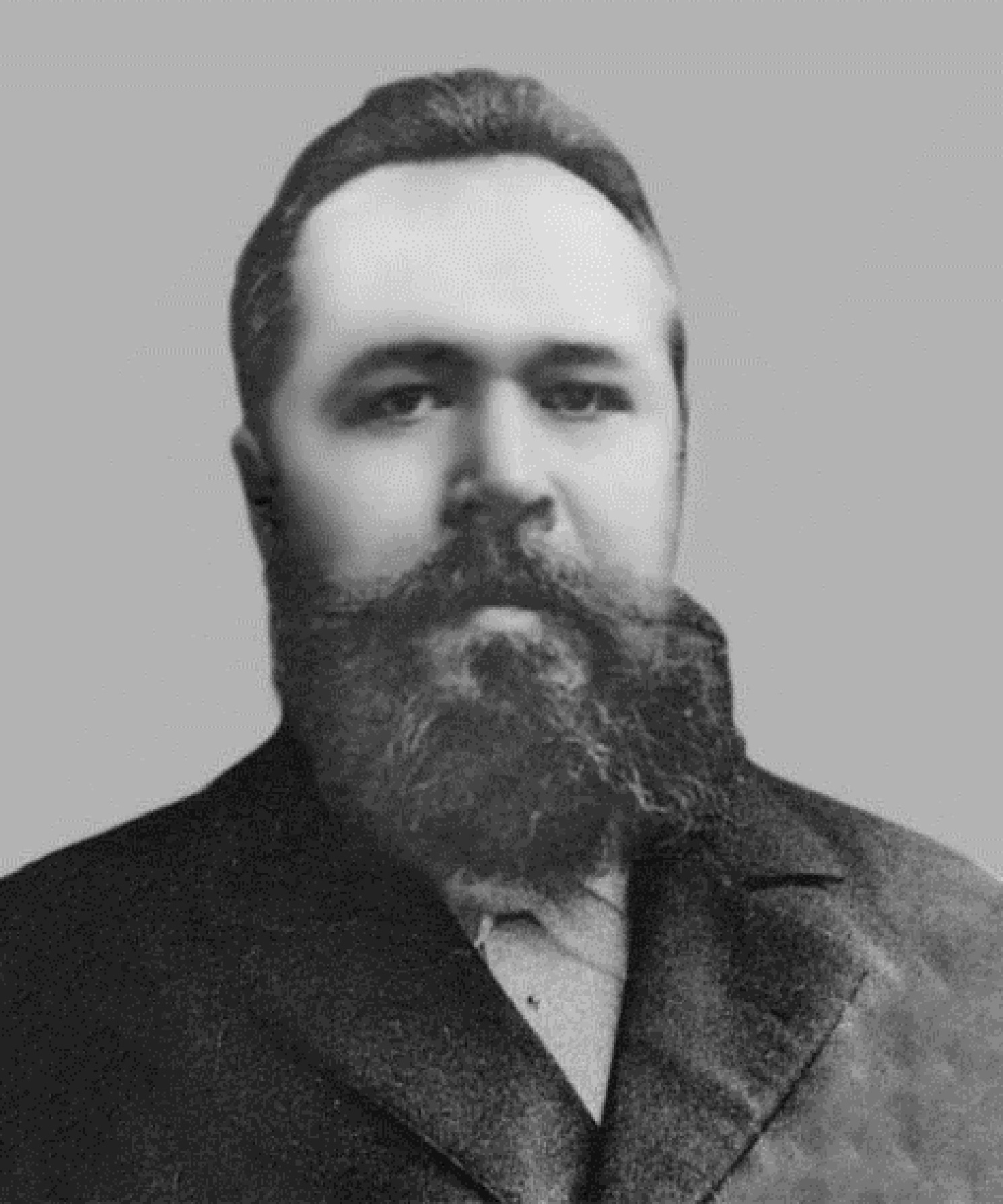
In 1887, Professor Ivan Fedorovich Zelenev assumed the position of chair of the Department of Dermatology and Venereology at the Medical Faculty of the Kharkiv Imperial University (now Karazin Kharkiv National University). It is thanks to his tireless efforts that our beloved city of Kharkiv also became home to many firsts.
As early as 1890, Prof. I. F. Zelenev founded the first Kharkiv Dermatological Society in the province and was elected its president. This society became the first provincial institution of its kind in the Russian Empire. Previously, such associations had existed only in St. Petersburg and Moscow.
In 1901, Ivan Fedorovich founded Russia’s first “Russian Journal of Skin and Venereal Diseases” in Kharkiv and became its editor. Until 1911, the journal was published in our beloved city, and thereafter in Moscow. The journal’s primary goal was to improve the professional qualifications of specialists and to involve physicians from other specialties in the fight against venereal and infectious skin diseases.
And on May 13, 1903, at a regular meeting of the Kharkiv Dermatological Society, Ivan Fedorovich raised the issue of establishing an All-Russian Venereological Society.
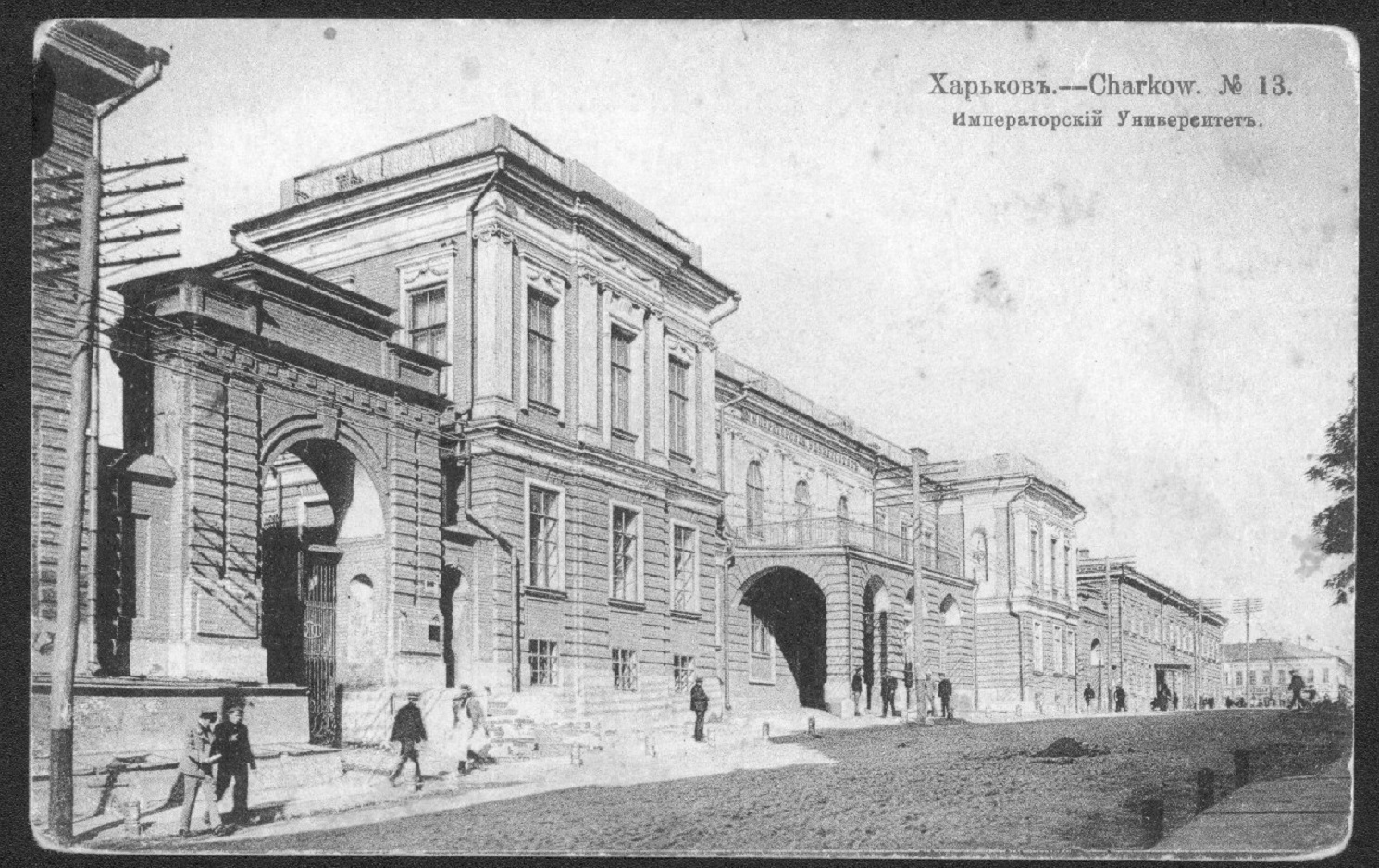
It was in Kharkiv that Zelenev conceived the idea of establishing the “All-Russian League for the Fight Against Venereal Diseases.” However, he did not succeed in putting this important idea into practice until 1914, by which time he was already the head of the Department of Dermatology and Venereology at Moscow University.
That’s all for now on the Kharkiv championship.
To be continued.

- About the military pilot school and the airfield in Kharkiv… - 04.11.2020
- Nikanor Savich—A Political Career by Mistake - 13.07.2020
- And once again, about the Cavalry Guards… - 21.01.2020