The urban-type settlement of Kochetok is located 40–50 km from Kharkiv on the picturesque banks of the Seversky Donets River. The scenery there is incredibly beautiful. Back in 1999, Yuri Voroshilov masterfully captured them in his photographs.
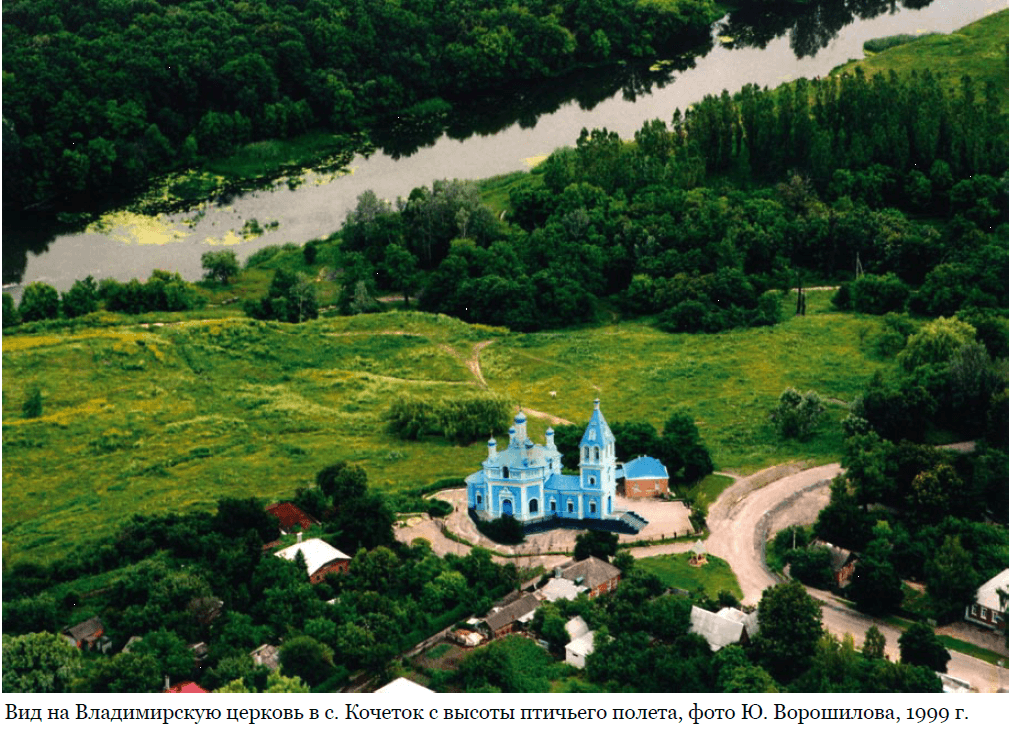
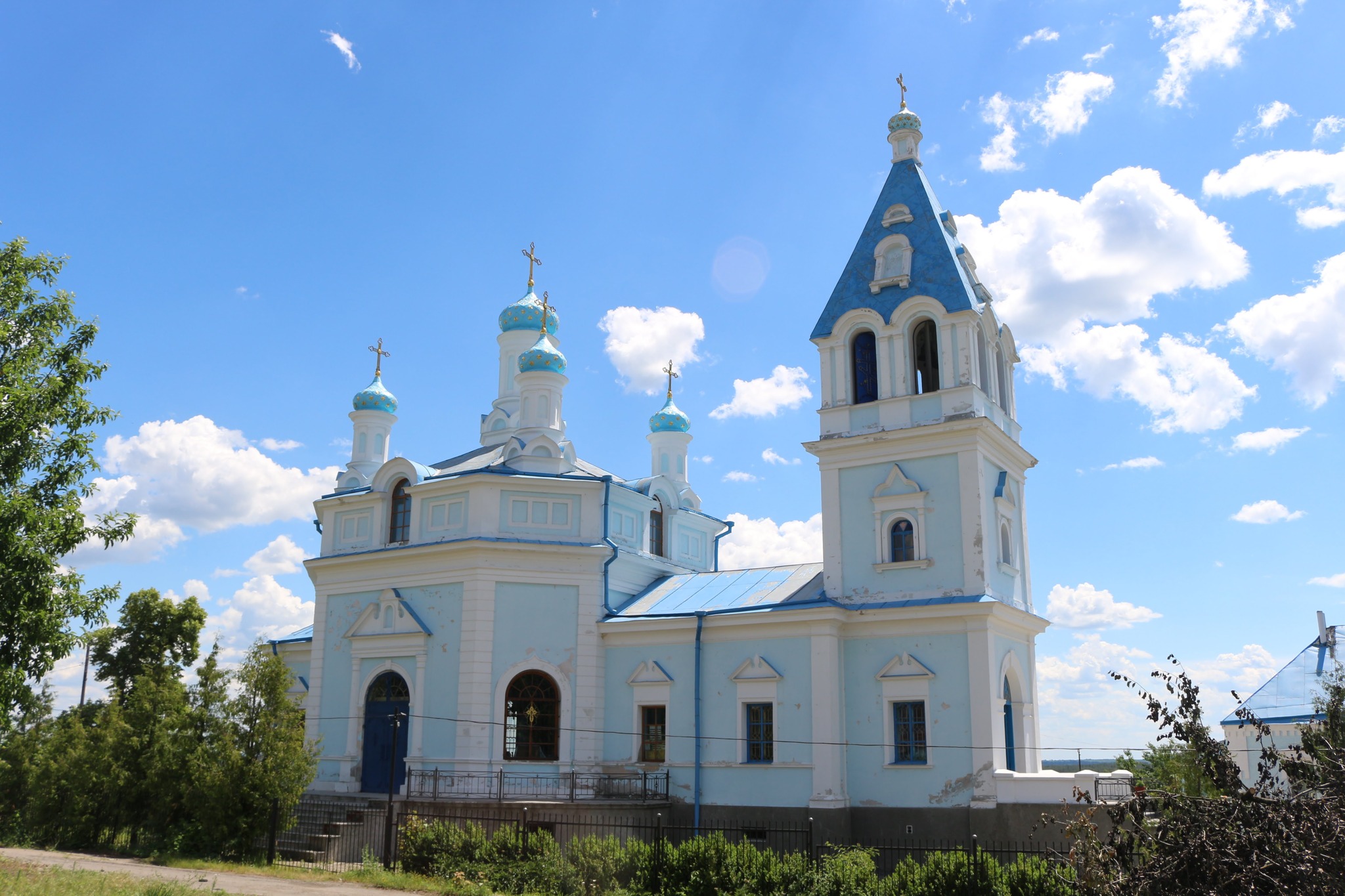
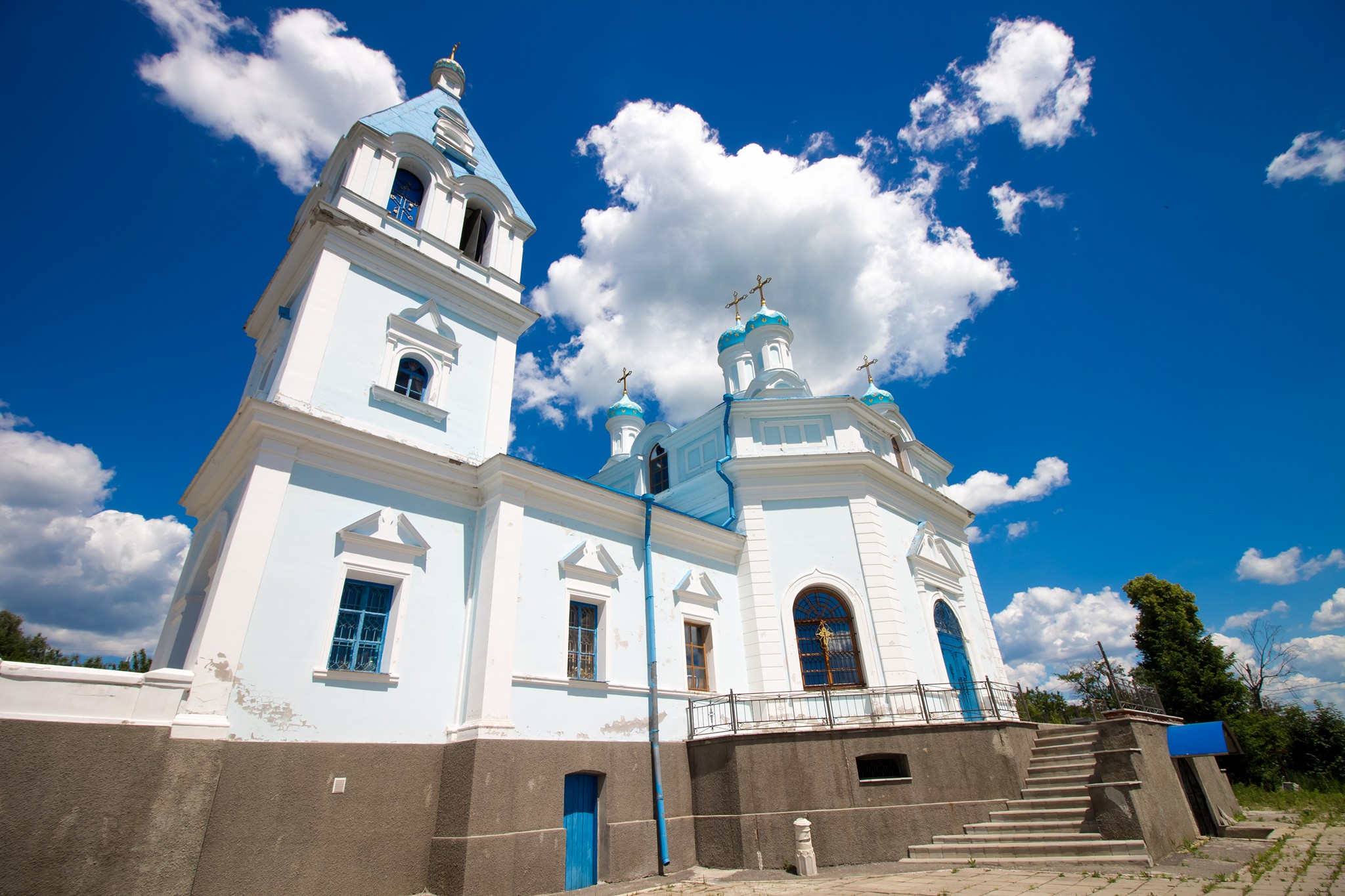
Even today, Kochetok attracts plenty of tourists for several reasons. First, the city of Chuhuiv is located two kilometers away, home to one of the region’s main tourist attractions—the I. E. Repin Art and Memorial Museum.
Second, Ilya Repin, the world-famous native of Chuhuiv, often visited here with his parents as a child. “When we were still living in Osinovka, we would often go with my mother to Kochetok—about seven versts from Osinovka—on major holidays. To make it in time for church service, we had to leave the house at sunrise. When we’d get up and walk through the entire town, and the sun was already starting to get hot, we’d happily enter the dense maple forest near Kochetok and hurry to arrive before the bells began to ring,”. Later in life, the artist painted the beautiful work “Religious Procession in an Oak Forest.” So Kochetok is, in fact, the legendary “Repin places.”
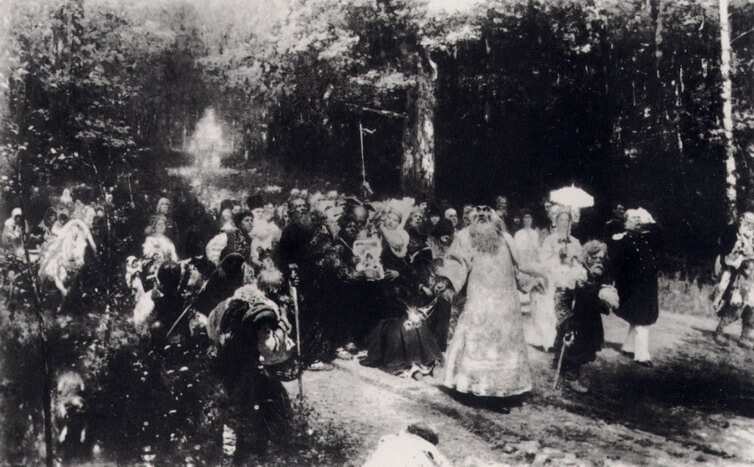
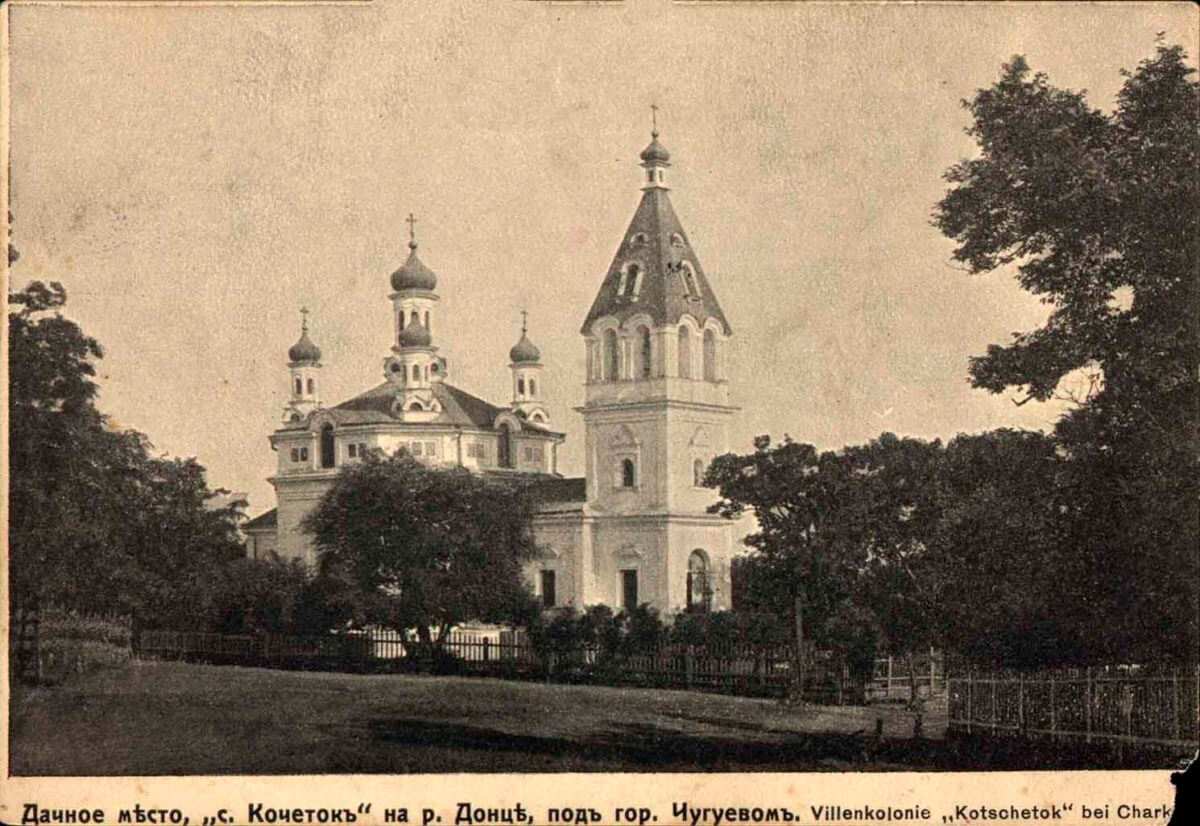
Third, it is an extraordinarily beautiful church dedicated to the Vladimir Icon of the Mother of God, built in the mid-19th century. Here is what P. G. Fomin writes about it in his study *Church Antiquities of the Kharkiv Region*:
The village of Kochetka was once home to the Chuhuiv Hermitage, which housed a highly venerated icon of the Mother of God of Vladimir. It was founded around 1700 and was affiliated with the Kharkiv School Monastery. In 1757, a stone church with a magnificent bell tower was consecrated here. After the monastery was closed, the church remained as a parish church. In 1854, it was dismantled, and a new church was built in its place, attached to the ancient bell tower. The bell tower, which has been preserved in its original form, provides an insight into the architectural style of the monastery’s ancient structures.
For more details on the history of Kochetok and the church, see the following excellent studies:
— A. F. Paramonov, “The History of the Village of Kochetok”;
— F. P. Karpov, “The Village of Kochetok Today and Fifty Years Ago.”
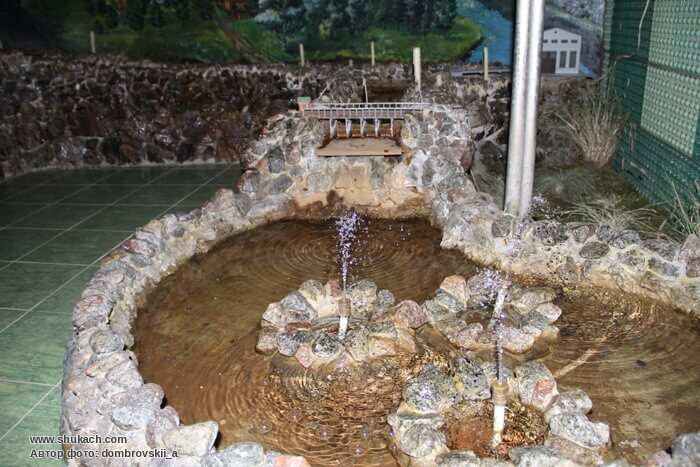
Fourth, Kochetok is home to a unique water museum, established back in 1983 on the site of a water treatment plant (now the “Donets” Water Supply and Sewerage Utility). It houses more than 2,000 exhibits that provide a vivid insight into, for example, the history of the Seversky Donets River or the role of water in people’s lives in general.
Fifth, the incredibly beautiful Kochetok Entomological Reserve and the “Kochetok Forest Cottage” Landscape Reserve of local significance.
Let me repeat—all of this isn’t that far from Kharkiv and is quite accessible for independent trips. Well, if that’s not enough for some of you, here’s a sixth reason to take a “trip” to this wonderful place. As far back as the 19th century, officials from Kharkiv chose the area around Kochetok for their summer homes. The presence of Dr. Yegor Faddeevich Sledzievsky’s renowned health resort there contributed significantly to this trend. Up to 100 visitors came there every summer to be treated with the healing mineral waters. However, paradoxically, most of them were not from Kharkiv, but from Moscow and St. Petersburg. Naturally, many prominent and wealthy people from across the empire at that time not only sought treatment in Kochetok but also purchased summer homes there.
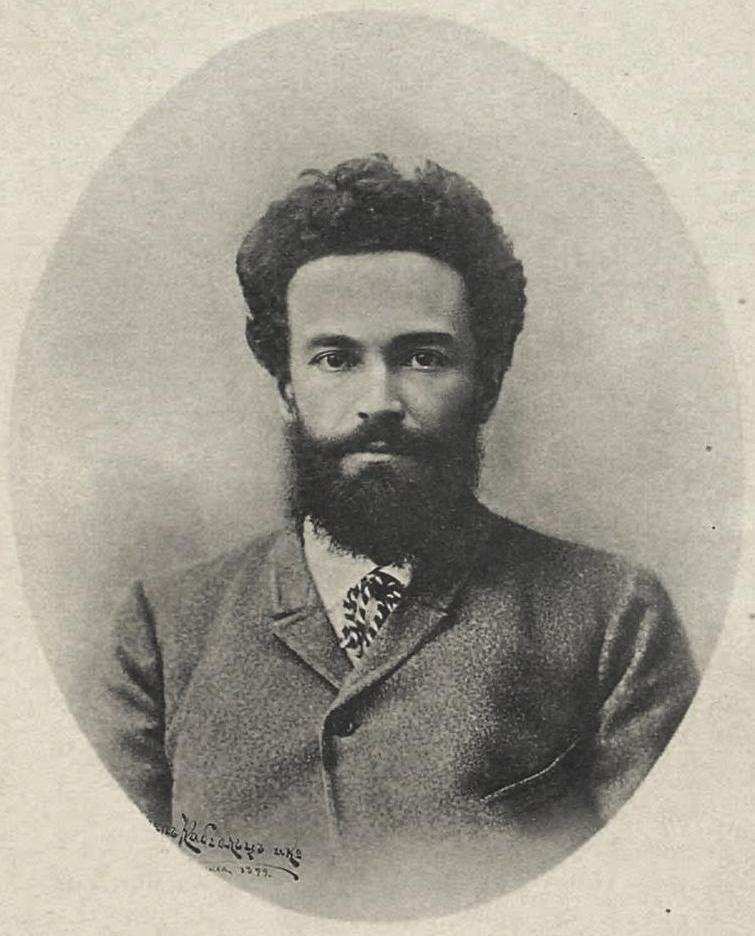
On May 26, 1899, at his country home in Kochetok (June 6), the renowned philosopher and psychologist Nikolai Yakovlevich Grot, one of the founders of experimental psychology of emotions, suddenly passed away at the age of 47 due to nervous exhaustion.
The grave of this outstanding scientist, located near the Vladimir Icon Church in Kochetok, has survived to this day. Thanks to the information posted on the website, relatives of the Grot family from all over the world continue to visit it to this day.
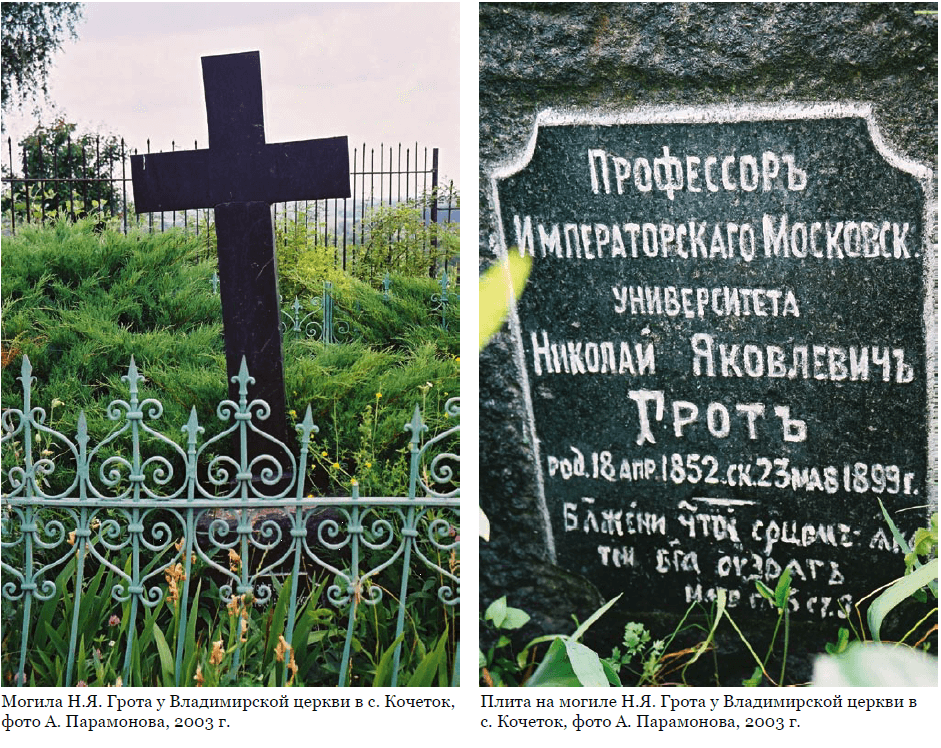
Photo from http://www.otkudarodom.ua
The remains of another outstanding scholar, who lived and died in Kochetok, were less fortunate, and his grave, alas, has not survived to this day. However, this by no means means that he should be forgotten. The fall 1899 issue of the journal *Istorichesky Vestnik* featured a lengthy obituary written by the excellent writer and translator Vasily Yegorovich Rudakov, which began with the words: “On September 18, in the village of Kochetok in the Kharkiv Governorate, one of our most outstanding scholars and educators, one of the most ‘honored veterans’ of our educational department, passed away. We are referring to Nikolai Alekseevich Lavrovsky, full member of the Academy and trustee of the Riga Educational District…”
Indeed, the late Nikolai Alekseevich was an outstanding individual. He was born into a large family of a humble rural priest in the Tver Diocese and was educated at the Tver Theological Seminary. Upon graduation, he continued his studies at the St. Petersburg Main Pedagogical Institute. He was awarded a gold medal and appointed acting assistant professor in the Department of Greek and Latin Literature and Antiquities, with the rank of Class IX. From 1853 to 1875, he worked at the Imperial University of Kharkiv, where he was appointed associate professor in the Department of Pedagogy. In August 1856, for his excellent and diligent service, Lavrovsky was granted the highest favor of His Imperial Majesty and entrusted with editing the unofficial section of the Kharkiv Provincial Gazette. In 1890, Lavrovsky became a member of the Academy of Sciences, and in 1892, an honorary member of Kharkiv University. He was the author of numerous scholarly works and publications.
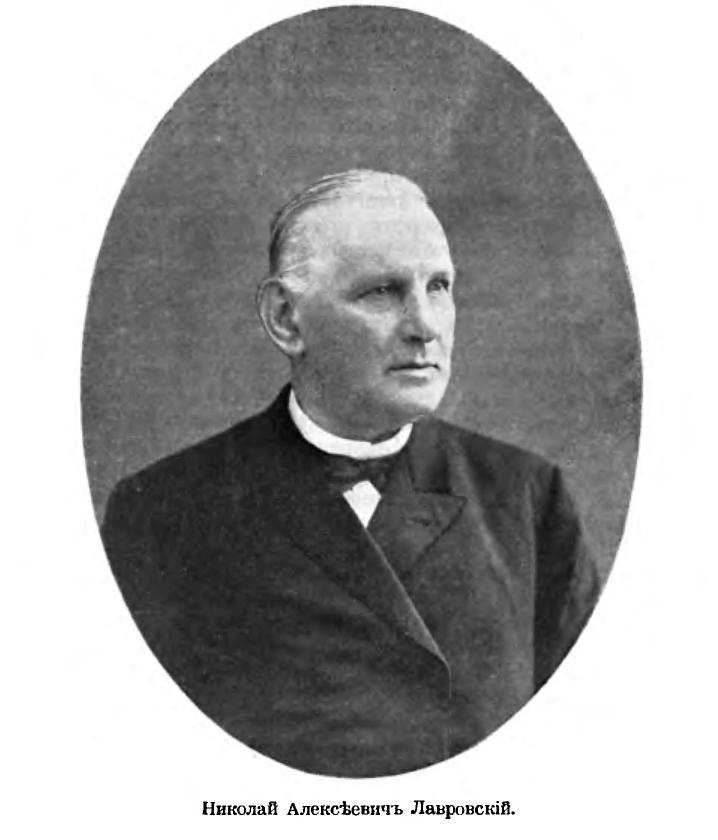
Interesting fact: It was Nikolai Alekseevich Lavrovsky who, based on archival records, was the first to reveal to the world that Vasily Nazarievich Karazin had embezzled funds donated to Kharkiv University. Whether this is true or not, no one knows…
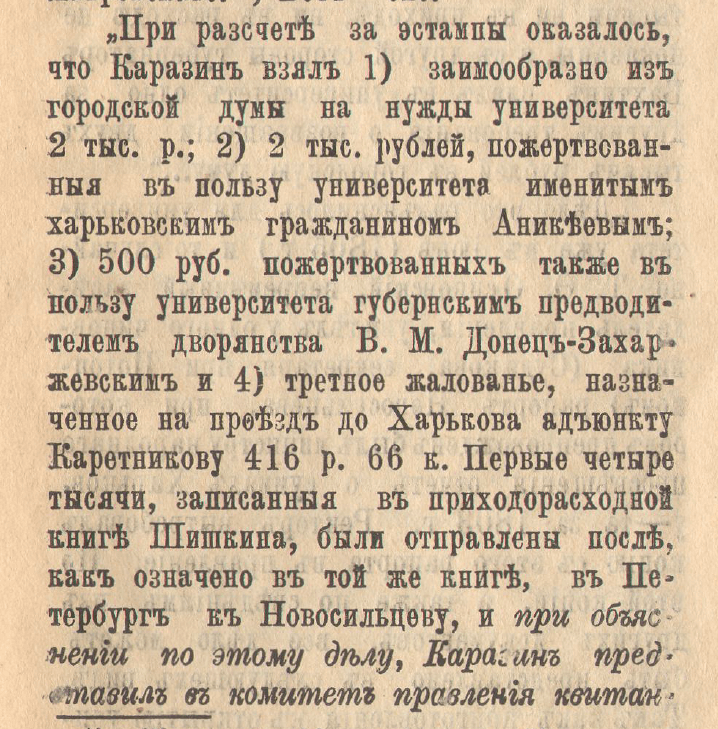
For more details on Lavrovsky’s attitude toward Vasily Karazin, readers can consult his works, as well as the 1905 book *Mr. I-va’s Pamphlet: “V.N. Karazin—The Alleged Founder of Kharkiv University,” and Prof. D. Bagaley’s response in “Yuzhny Krai,” No. 8, p. 467.”
Be that as it may, in 1899 Lavrovsky retired and decided to spend his winters in Kharkiv and his summers at his dacha in Kochetok. But fate had other plans. Upon arriving for his vacation, he died on September 18.
Historic architecture, an interesting museum, beautiful nature, a rich historical past, and the names of great figures—all this is Kochetok. But is it the only place like this in the lands of Sloboda Ukraine?

- About the military pilot school and the airfield in Kharkiv… - 04.11.2020
- Nikanor Savich—A Political Career by Mistake - 13.07.2020
- And once again, about the Cavalry Guards… - 21.01.2020