You can never get enough of Sloboda Ukraine. And our region is beautiful no matter what time of year it is.
So on October 29, our close-knit Nakipelo-UAR team—consisting of myself, Inna Romenskaya, Alexei Sorokin, Olga Dzyuba, Roman Tkach, and Alexandra Kisel—set out once again. The weather was overcast and gray, which isn’t unusual for late October, so we decided not to film but to stick to taking photos. So it wasn’t so much an expedition as a reconnaissance mission—with the goal of returning to these places in the spring or summer.
Originally, my main destination was the village of Alyosha. I learned about its existence a long time ago thanks to the wonderful website “My Trostyanets’.” In the “Trostyanets’ and Surroundings” section of the site, the following information and photos were posted.
Alesha.
Two kilometers from the Trostyanets’–Lebedyn highway lies the abandoned forest hamlet of Alesha. Today, few people in Trostyanets’ know of its existence, although just a few decades ago, houses stood here under centuries-old oak trees, and people lived and worked there. The Alesha farmstead has been known since the mid-19th century, when the Markov landowners built a distillery on the shore of a forest lake. Next to the distillery, on a natural hill, barracks were built for the workers, designed to house 10 people.
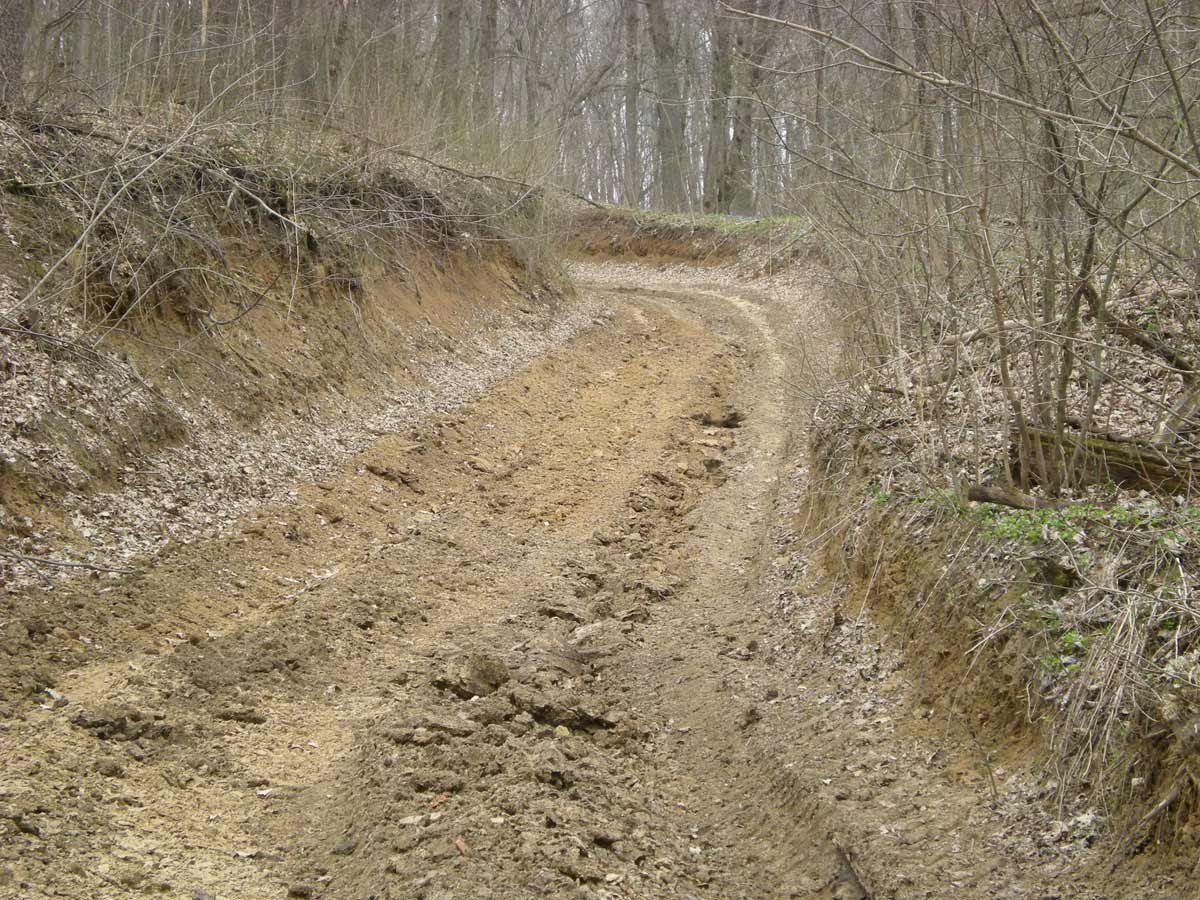
All the buildings were wooden and covered with roof tiles. The factory has not survived to this day, and all that remains of the barracks is the building’s frame and two ruined stoves. People lived on the farmstead until about the 1970s, working in the forest (planting, growing, and harvesting timber). There was only one street with about a dozen houses. During the war, many families from Ovodivka—which had been burned down by the Germans—moved to Alyosha. Some of them returned home after the war, while others stayed to live in the woods. There were those who owned houses in both Alyosha and Ovodivka and lived in them in turn for several years at a time.”
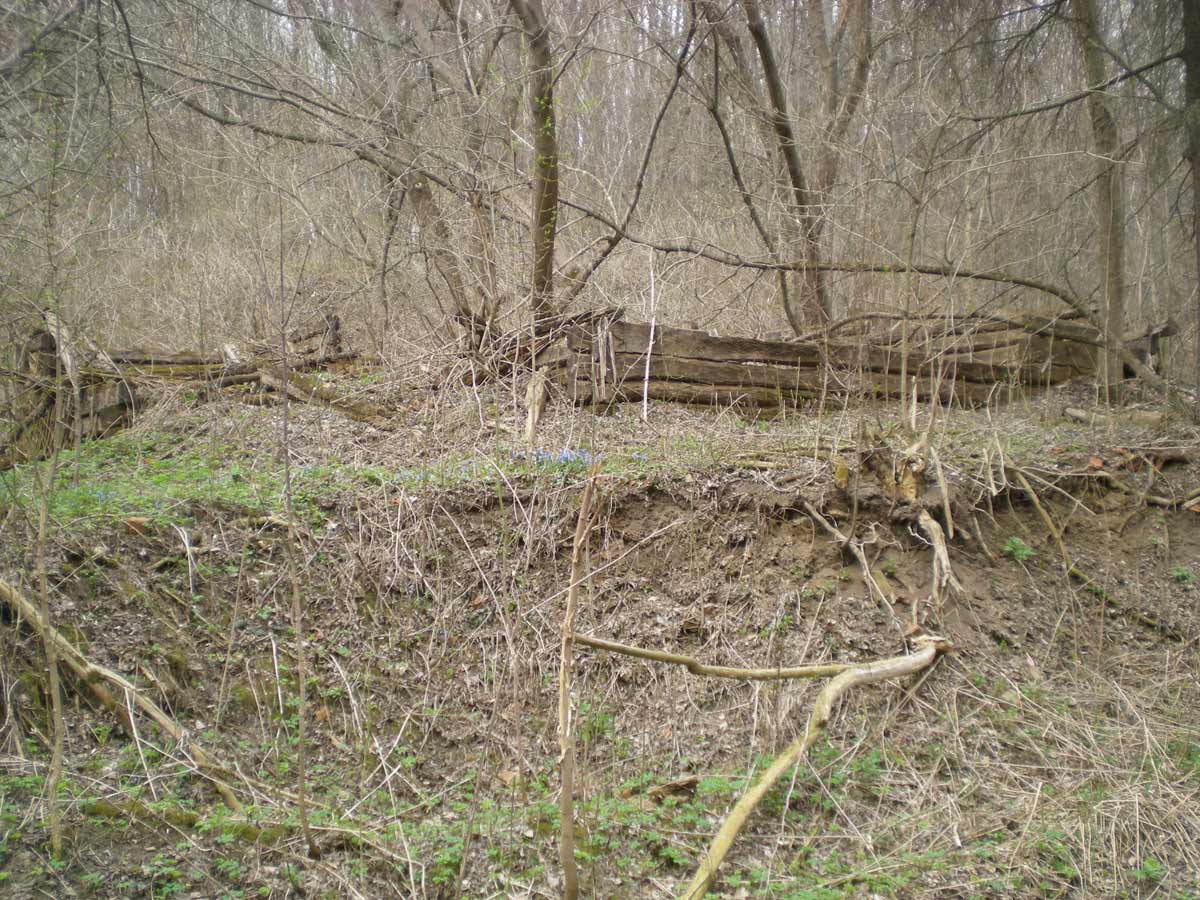
Given that there was no information about this place on any other online resources, I began to doubt whether “Alesha” actually existed at all.
However, after studying Schubert’s 19th-century three-scale maps

and General Staff maps,
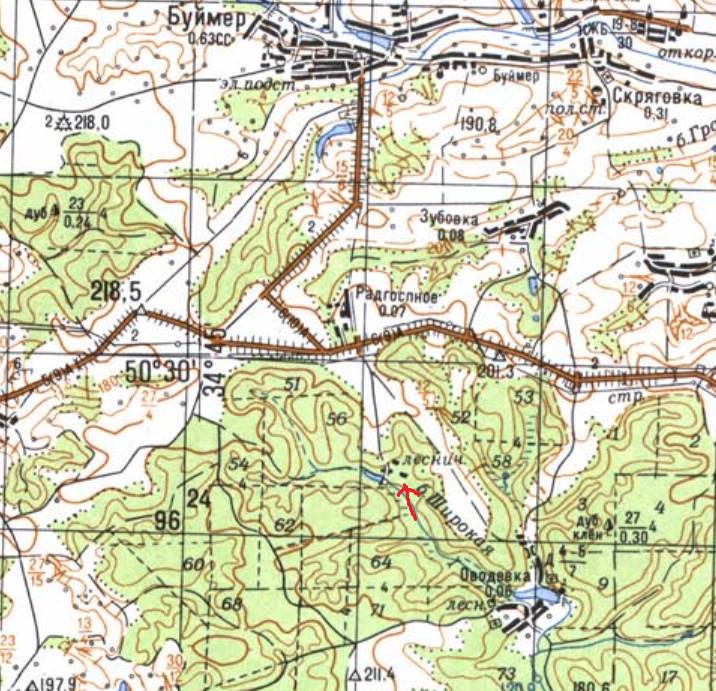
I did a rough check, assuming that the place we were heading to must be located just above Ovodivka. To my delight, I can now say that my initial skepticism was unfounded—the place does indeed exist.
Since there was still plenty of daylight left, I figured it would be a shame to limit ourselves to just visiting the abandoned farmstead. As a result, we made adjustments to the route literally 30 minutes before leaving home. And they were definitely worth it.
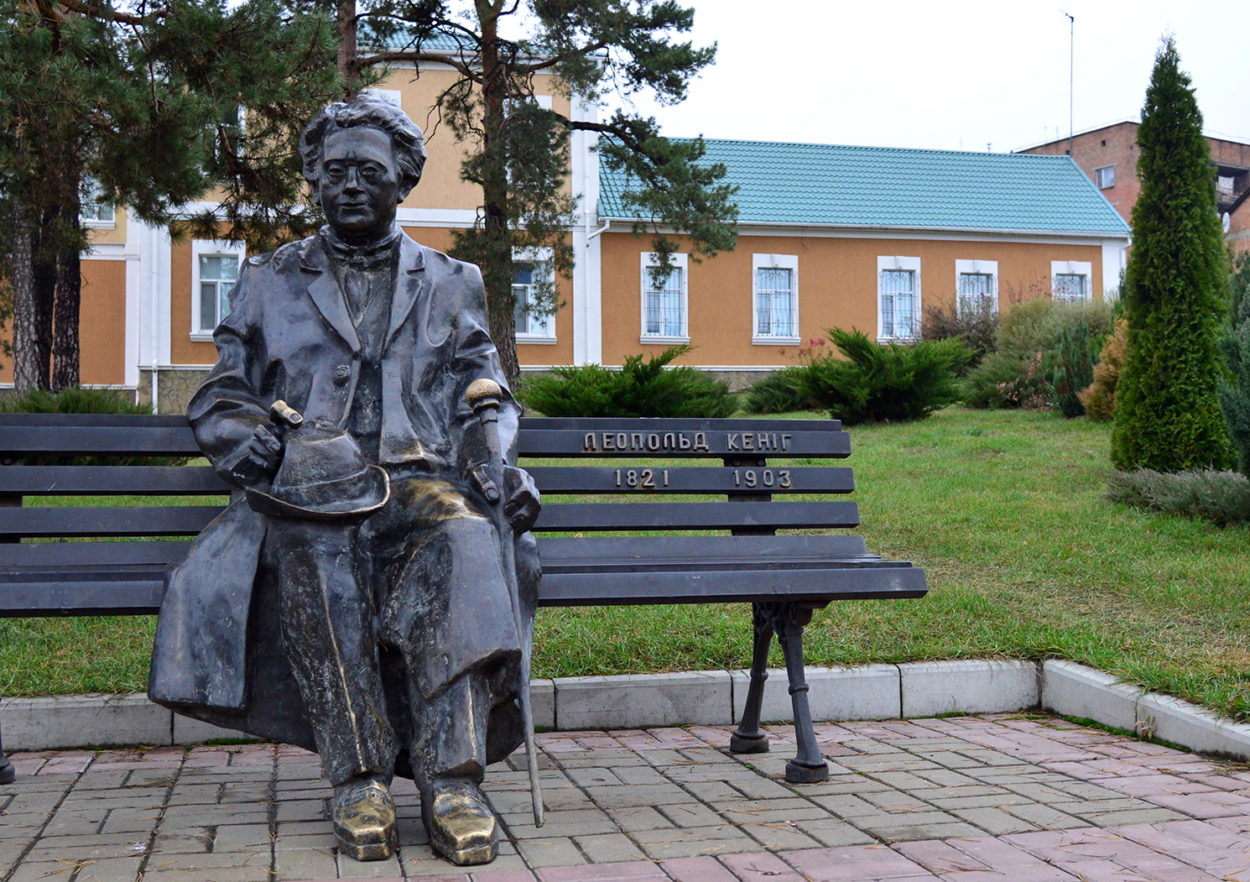
The morning of November 29. To get onto the Lebedyn highway, we drive through Trostyanets’. Seeing the monument to Leopold König, we can’t help but stop. Everything around it is well-maintained, clean, and beautiful.
After discussing it, we decided to save “Alesha” for last. Since the beautiful architecture of our native region is our priority, our first stop was the Church of St. John the Baptist in the village of Ryabushki. In Filaret Gumilevsky’s book *Historical and Statistical Description of the Kharkiv Diocese*, we read:
The first church dedicated to the Nativity of St. John the Glorious Prophet, Forerunner, and Baptist of the Lord was built here in 1770 by landowner Ivan Timofeyevich Krasovsky. According to the old-timers, on the site where the village of Ryabushki and the church itself now stand, there once lived a single peasant named Ryabushka on his farmstead, and across the entire area where the village and church now stand, there stood a vast forest of oak and birch trees, and downstream along the Olshana River lay a meadow. Remnants of all this can still be seen today… Ivan Timofeyevich Krasovsky, who lived until 1770 in the village of Timofeyevka in the Lebedinsky District, grew fond of the Ryabushki area, where most of the forest and land belonged to him; and, moved by piety, with the blessing of His Eminence Samuel, Bishop of Belgorod and Oboyan, in 1770—before he even built a house for himself—laid the foundation for a house of God, and from that time on, he lived permanently in Ryabushki, where he also relocated some of his people. On September 11, 1771, the church was consecrated by Archpriest John Shkursky of Lebedino.
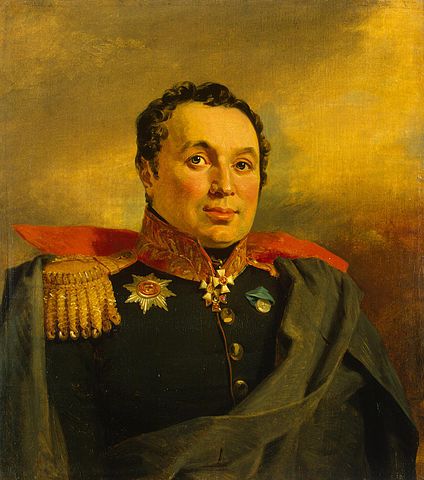
Hryhorii Skovoroda, who was much beloved in Sloboda Ukraine, was a guest at Ivan Timofeyevich Krasovsky’s estate. One of the streets in Ryabushki is named after Afanasy Ivanovich Krasovsky, a native of the village who served as a general of the infantry and fought in the Napoleonic Wars, two Russo-Turkish Wars, and the Persian War, as well as in the suppression of the Polish Uprising.
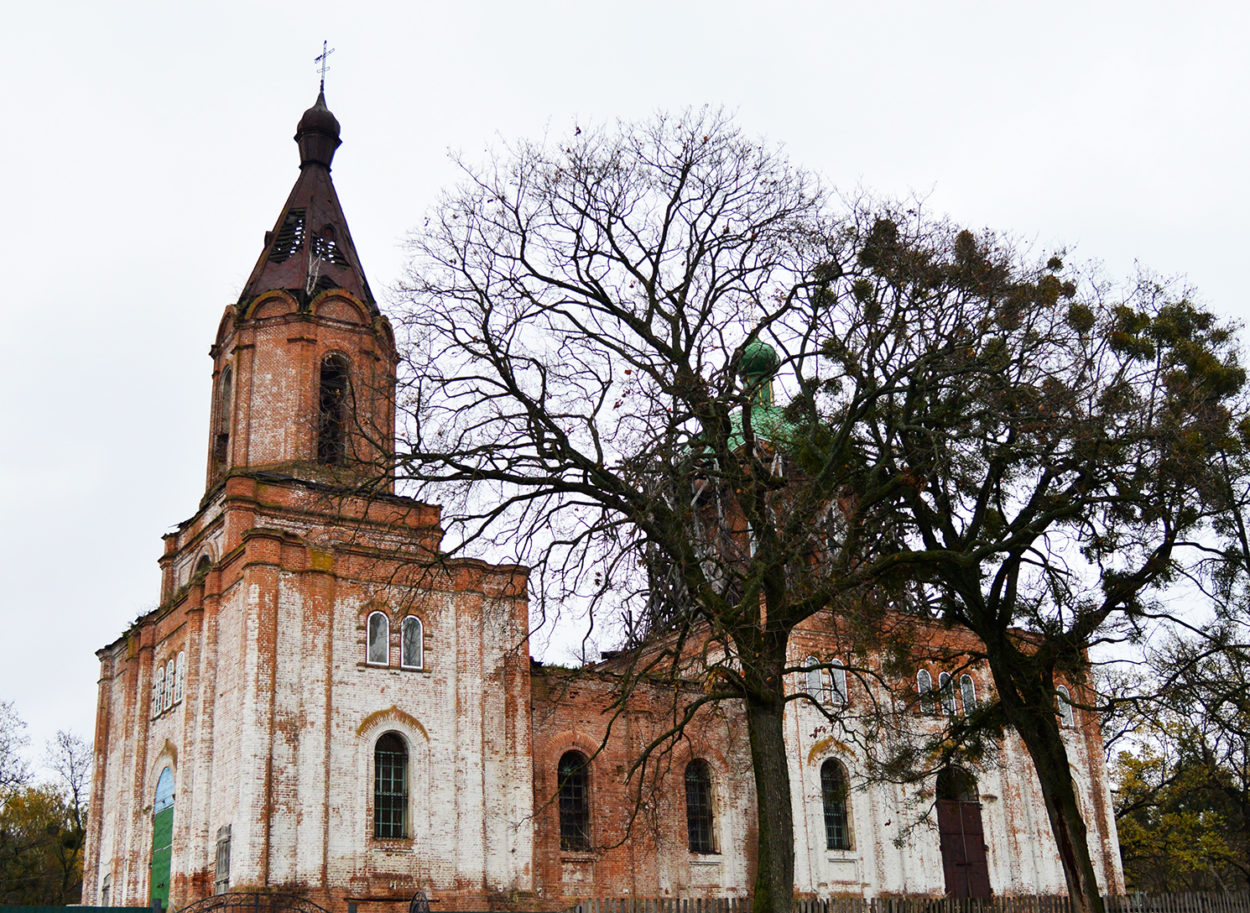
From 1869 to 1878, the 10th Odessa Uhlan Regiment was stationed in Lebedyn. Its 2nd Squadron was quartered in Ryabushky. In 1886, the stone Church of St. John the Baptist was built on the site of the old wooden church, funded by the parishioners. Despite its plastic windows and signs of deterioration, it is still a sight to behold and deserves to be admired.
In 1875, Bishop Savva of Kharkiv and Okhtyrka also visited Ryabushki. In his memoirs, he writes:
At 9 o’clock in the evening, I arrived in the settlement of Ryabushka and spent the night at the home of the dean, Father Tomashevsky. The houses in this settlement are arranged in a single line stretching for 7 versts. The church is located almost in the center of the settlement. Because it was so late, I was unable to examine it properly.

Years have passed, yet the village of Ryabushki still stretches along the road. And the church still stands in the center. It’s heartening that there is something timeless in this dynamic life…
The historic architecture of the beautiful county town of Lebedyn rushes past us. But we don’t stop even for a moment to admire or capture this Sloboda Ukraine beauty. Our route takes us southwest of the city, to a place called Bobrovo.
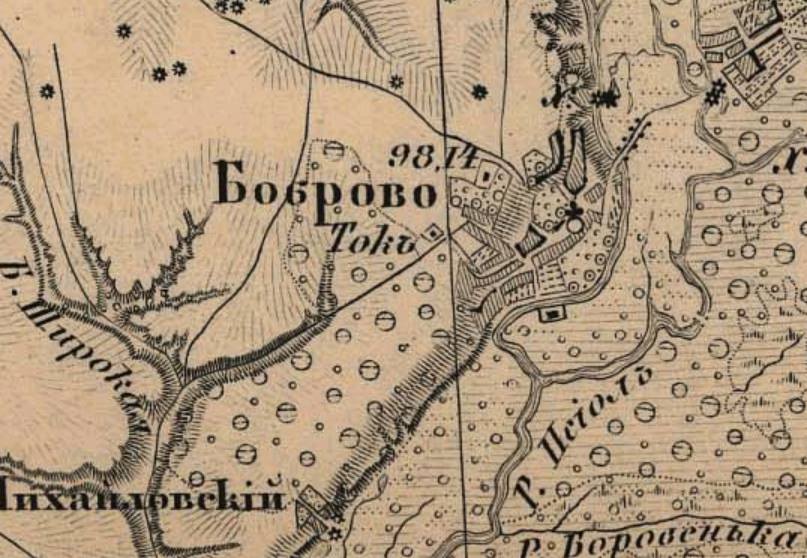
At the end of the 18th century, there were three mansions there:
— Titular Counselor Neplyuev, along with his estate and distillery;
— Staff Captain Gorobtsev;
— Ensign Andrei Vasilyevich Roslavtsev.
The estates of the Bobrovo landowners were subsequently purchased by the Bukharins, whose family was at that time very well-known and highly influential. In 1832, thanks to the marriage of Vera Ivanovna Bukharina to Nikolai Nikolayevich Annenkov, the estate passed to the Annenkovs. Incidentally, we have already met Vera Ivanovna before. After all, she received a certificate of commendation for her participation in the All-Russian Agricultural Exhibition in Kharkiv in 1887.

Next to the stone manor house in Bobrovo stood a wooden church dedicated to Saint Nicholas, built with funds from parishioners in 1730. However, as early as 1846, the church was rebuilt by Vera Ivanovna. The wooden structure was renovated, and a stone foundation was laid. In 1891, using her own funds, a stone church dedicated to Saint Nicholas was built nearby in the cemetery. As I mentioned above, the owners of Bobrovo were people of considerable nobility and wealth. I will certainly publish a number of extremely interesting stories related to them at a later date. But today I would like to share another of my amazing discoveries here. The fact is that very little is known about the descriptions of the estate and the church from those times. However, I did manage to find them in the autobiographical notes of His Eminence Savva. After all, in the summer of 1875, the bishop of the Kharkiv Diocese was a guest there. Here is what he writes:
After lunch at the home of Dean Khodskoy, Lebedyn left and traveled to the village of Bobrovo for the night, where he was warmly welcomed by the noble landowner Vera Ivanovna Annenkova, the widow of Adjutant General Annenkov, the former Governor-General of Kyiv. Vera Ivanovna showed me 11 volumes of letters and telegrams from her late husband, and based on these materials, she undertook an attempt to write his biography.
The Bobrovskaya Church, located on the landowner’s estate, is very well maintained. In the altar stands an icon depicting various saints, presented to the late I. N. Annenkov on December 6, 1863, by the citizens of Kyiv during his tenure there as Governor-General.

Near the church was a public school where one of Mrs. Annenkova’s daughters taught; and attached to the school was a tea house for the peasants, which they could visit at certain times of the day. I inspected both the school and the tea house and tested the children on all the subjects taught at the school, much to the delight of the young teacher. General Annenkova’s estate is situated in a beautiful location. A large stone house stands on a high hill; from it, a vast, shady garden slopes down to the Psol River. Floodplains stretch for quite a distance along the banks of the Psol.
However, the estate did not survive to the present day, as it was dismantled in the postwar years. Items from the estate can still be seen today at the Lebedinsky Art Museum. Now, fields stand in its place.
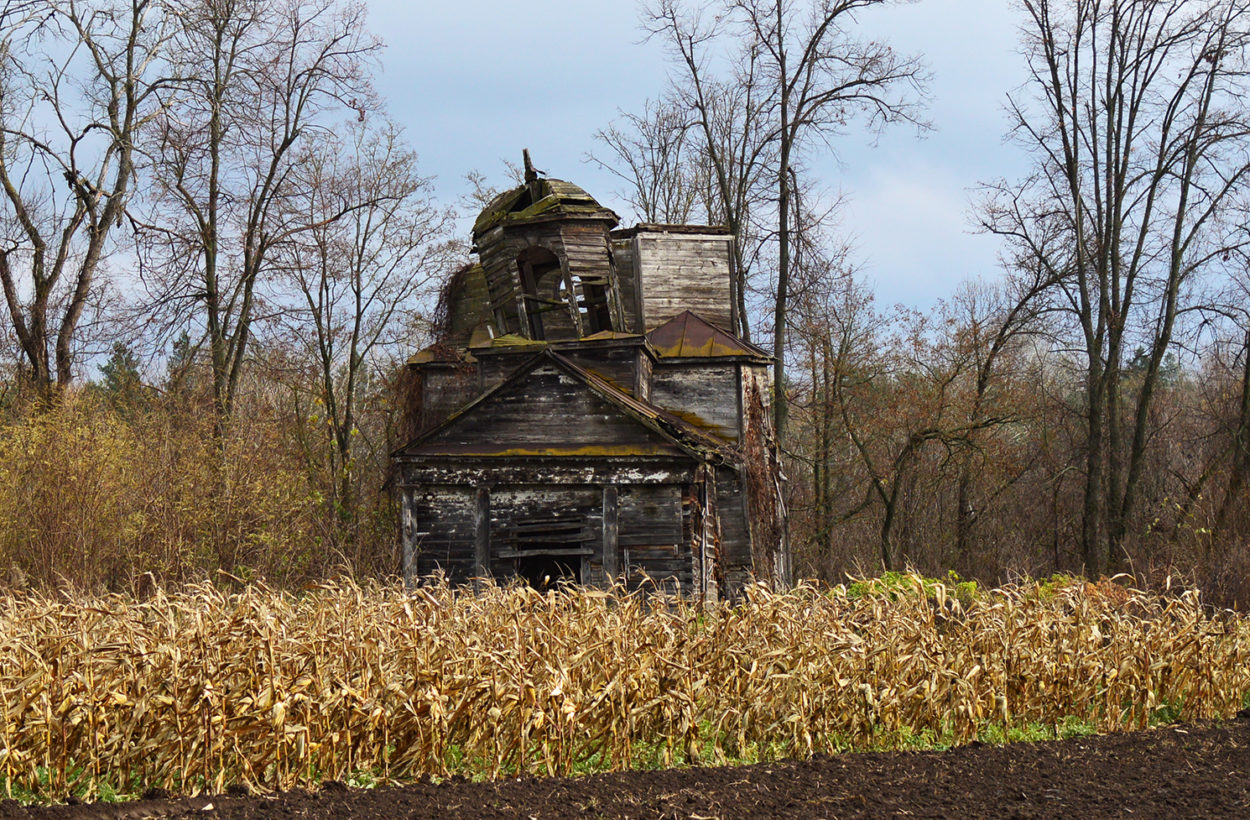
St. Nicholas Church, the oldest wooden church in Sloboda Ukraine, has been designated a local architectural landmark and assigned a preservation number. The results of the government’s efforts to preserve this site—which is unique to our region—are, as they say, plain to see.
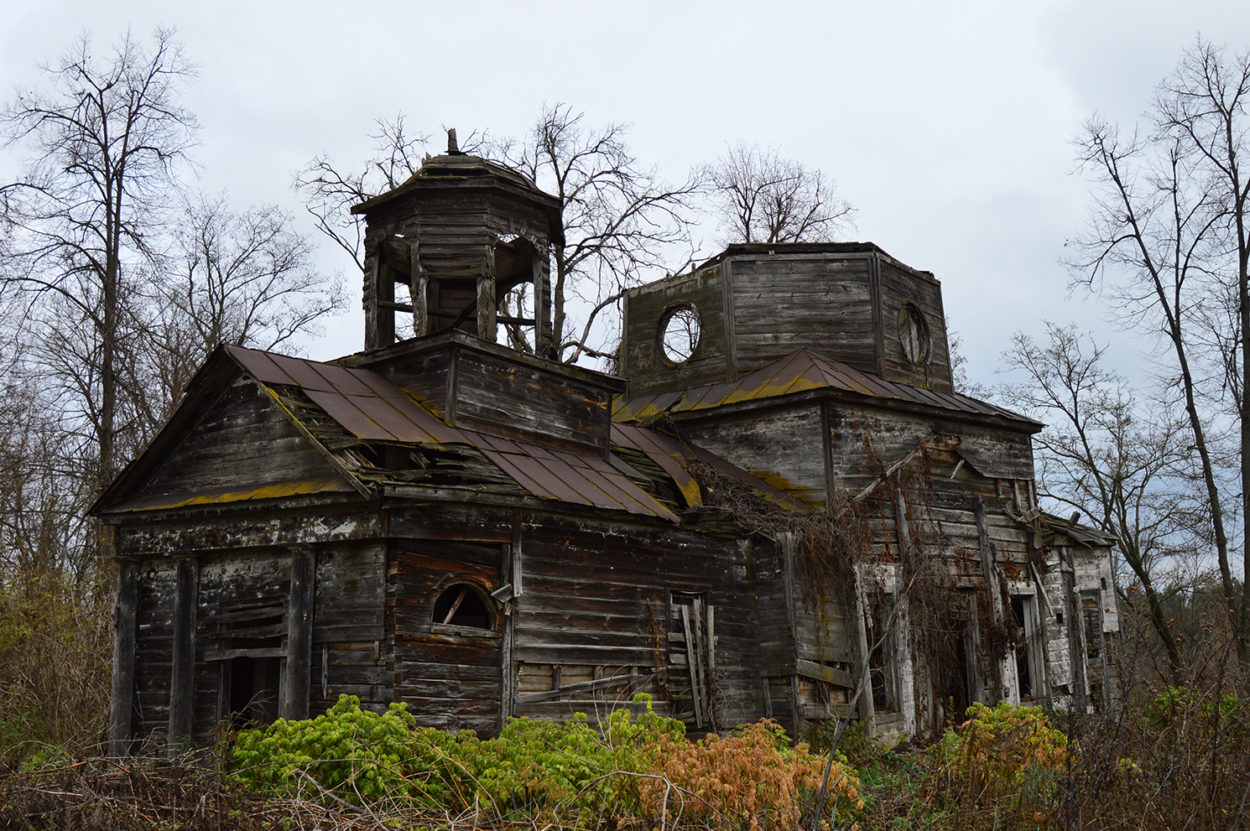

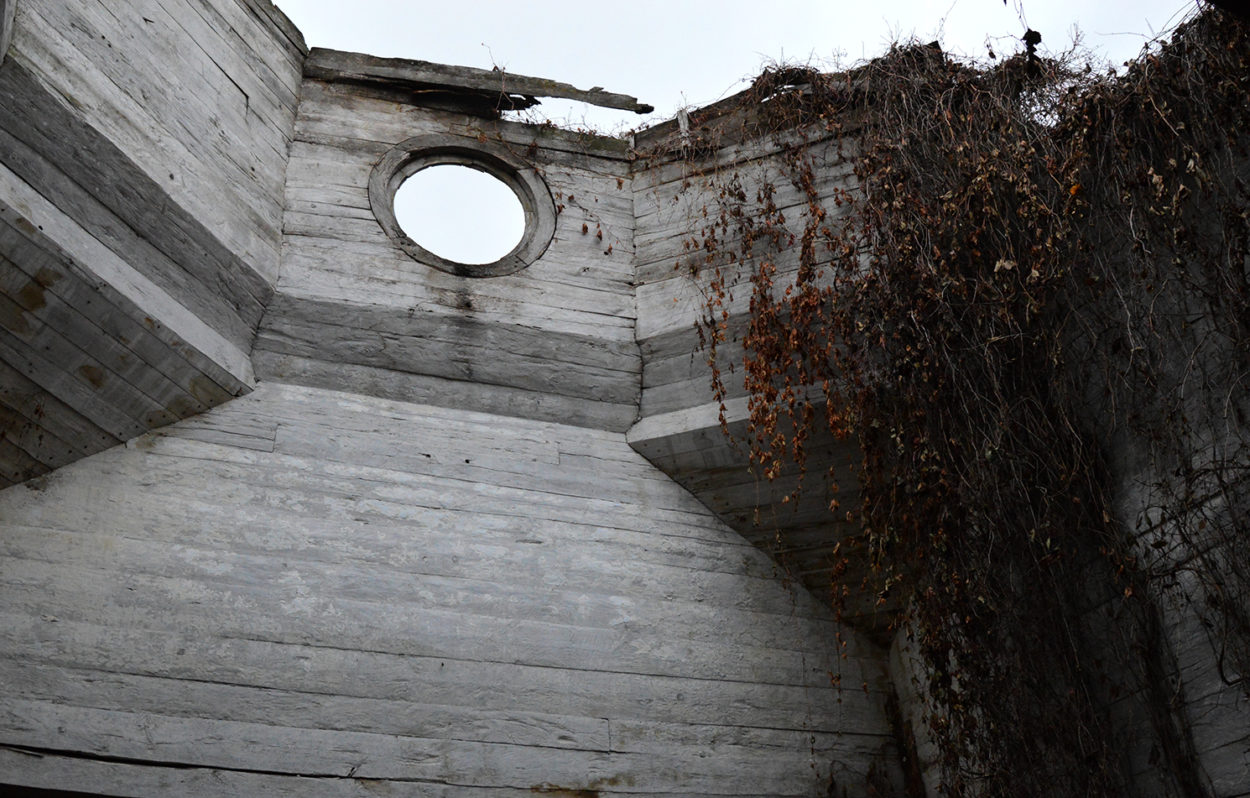
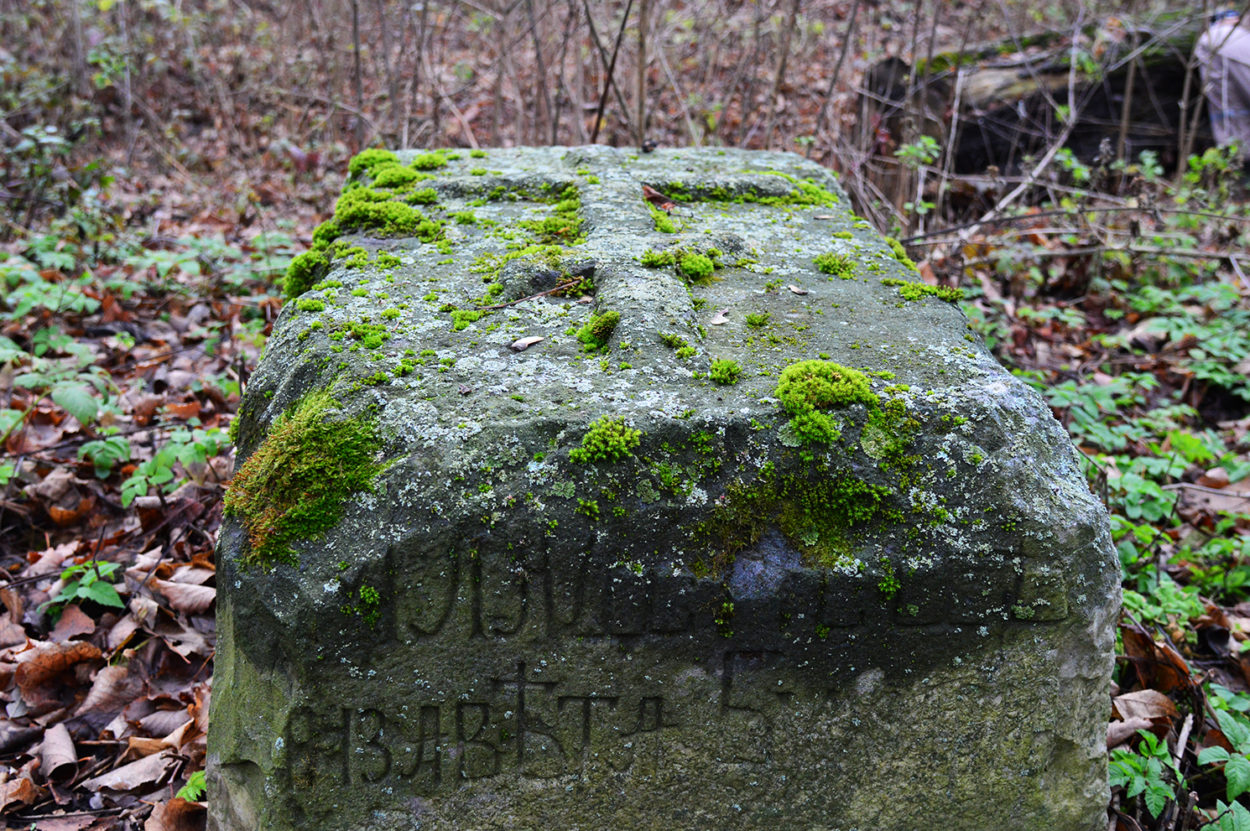
No, no! This isn’t a set for a horror movie—it’s our reality. Behind what is officially designated as an “architectural monument” lie the remains of an ancient cemetery, where you can still see the gravestones of its former occupants.
After spending a few hours in Bobrovo, we returned to the Lebedyn highway and, at the end of our Sunday trip, finally visited the Alyosha farmstead. It—or rather, what remains of it—really does exist in the remote forest on the shore of the lake. The scenery there is indescribably beautiful.

It’s been more than two weeks since we visited those places. But to be honest, in our hearts, we still haven’t really returned from Bobrovo…

- About the military pilot school and the airfield in Kharkiv… - 04.11.2020
- Nikanor Savich—A Political Career by Mistake - 13.07.2020
- And once again, about the Cavalry Guards… - 21.01.2020