What was the first bicycle to be mass-produced in Ukraine? Many people will recall the “Ukraine” model, which was introduced in 1926 at the Kharkiv Bicycle Factory. But the history of bicycle manufacturing in Kharkiv began a decade earlier.
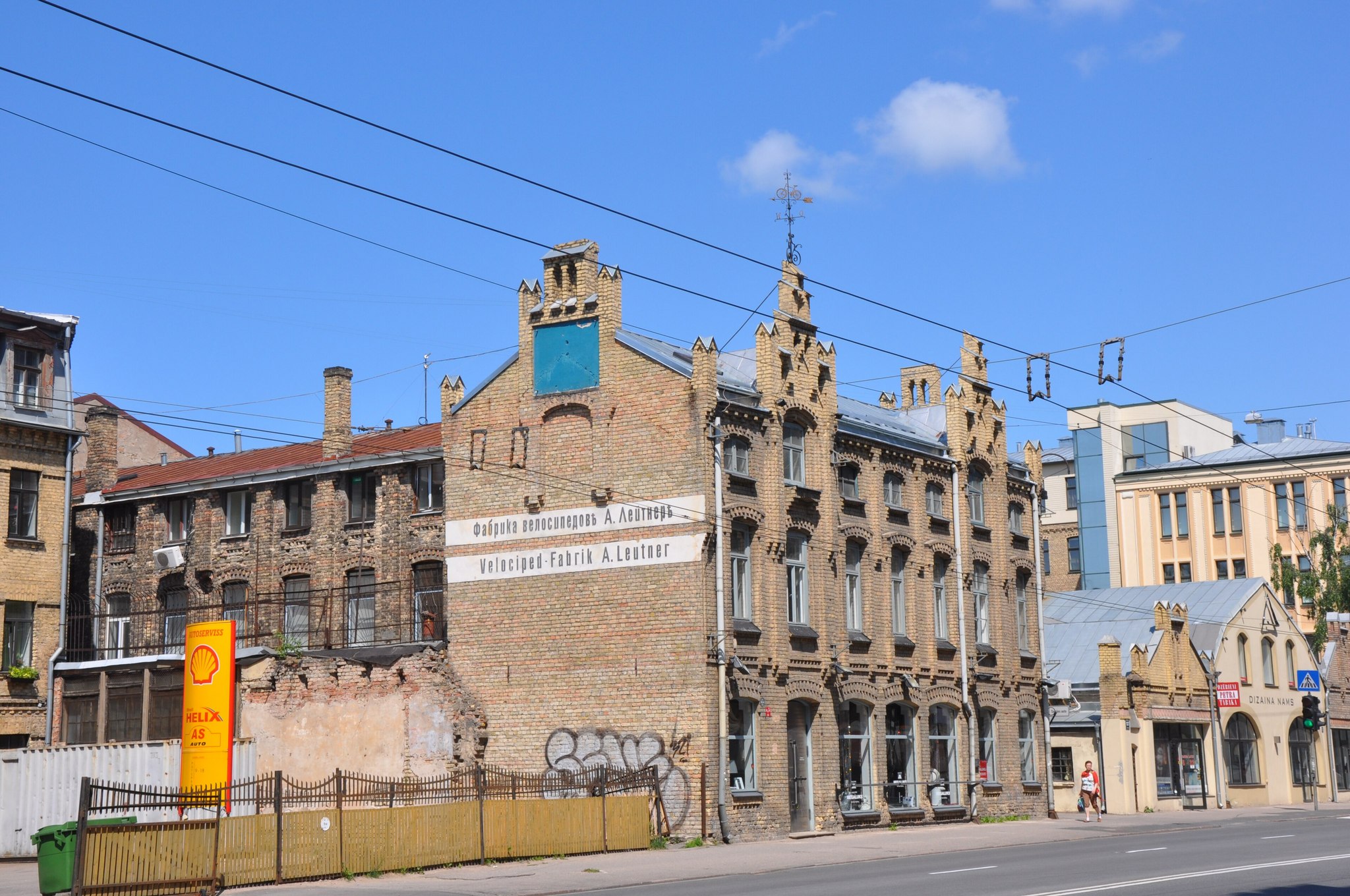
Due to the approaching front lines of World War I, many enterprises were evacuated from Riga (Latvia). Among them was the General Electric Company (AEG), for which a new building was constructed in 1916—now the Kharkiv Electromechanical Plant. But this was far from the only Riga-based enterprise evacuated to Kharkiv—in July 1915, part of the production from the Leutner factory was moved to the vacant workshops of the “Helfferich Sade” factory on Korsikovskaya Street. Alexander Kasparovich Feldman became the director and organizer of production in Kharkiv.
Alexander Leutner’s factory, which produced its first “Penny-Farthing” bicycle in 1886, became the largest bicycle factory in the Russian empire. By 1917, its workshops had produced over 100,000 bicycles across 60 models, including tandems, children’s and women’s models, cargo tricycles, and bicycles with a cardan shaft. For a time, the factory also assembled motorcycles and automobiles.
In 1913, the Main Military-Technical Directorate of the Russian Imperial Army placed an order with Leitner for the manufacture of bicycles—10,000 units were purchased in 1914. It should be noted that, starting in the late 19th century, bicycles began to appear widely in the armies of many countries around the world; units equipped with bicycles were then called “bicycle troops.” Bicycle-mounted scouts could cover up to 80–120 km per day. In the Russian army, starting in 1894, both “civilian” road bicycles and special French “Peugeot” bicycles designed by Henri Gérard were used.
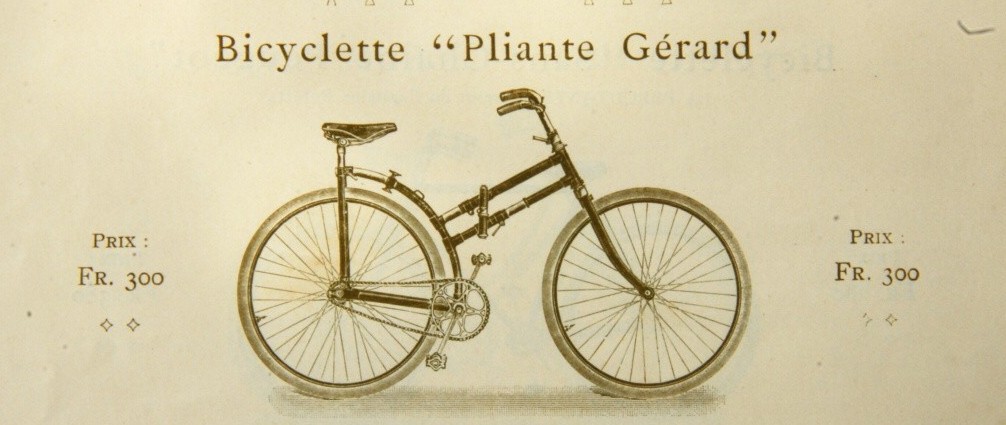
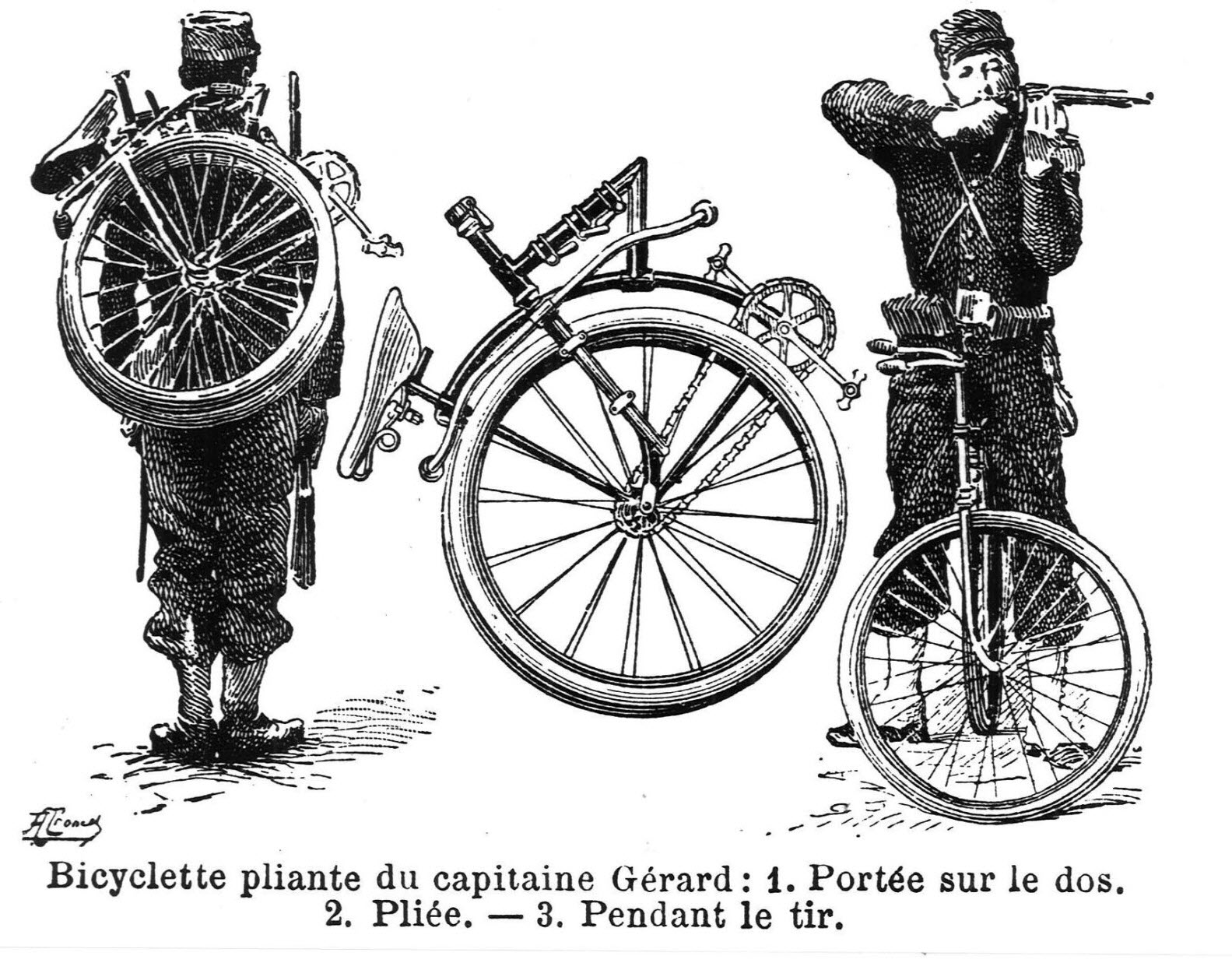
The latter could be folded and carried by soldiers over rough terrain on their shoulders, like a backpack; to reduce the length when folded, their saddle was positioned above the rear wheel.
However, soldiers did not particularly like the Gérard bicycle due to its unreliability, so the military commissioned the development of domestic folding bicycles. Such a bicycle was created by engineer Maxim Shchepanov at the “DUX” factory. This enterprise was founded by Estonian entrepreneur Julius Möller in Moscow in 1891; it was Leutner’s main competitor.
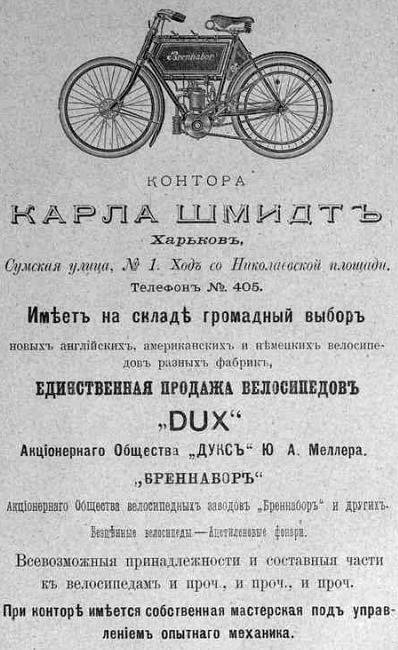
However, because the DUX factory was swamped with orders for airplanes and no longer had any spare production capacity, in 1916 the documentation and patent for the production of the “DUX Combat” bicycle were sent to Leutner’s factory.
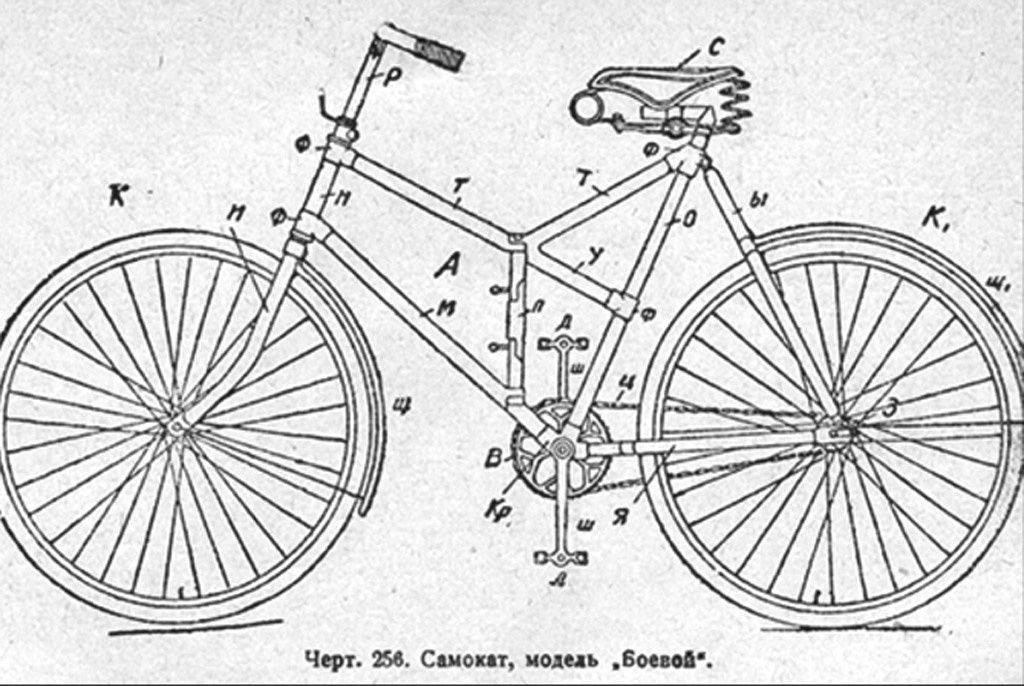
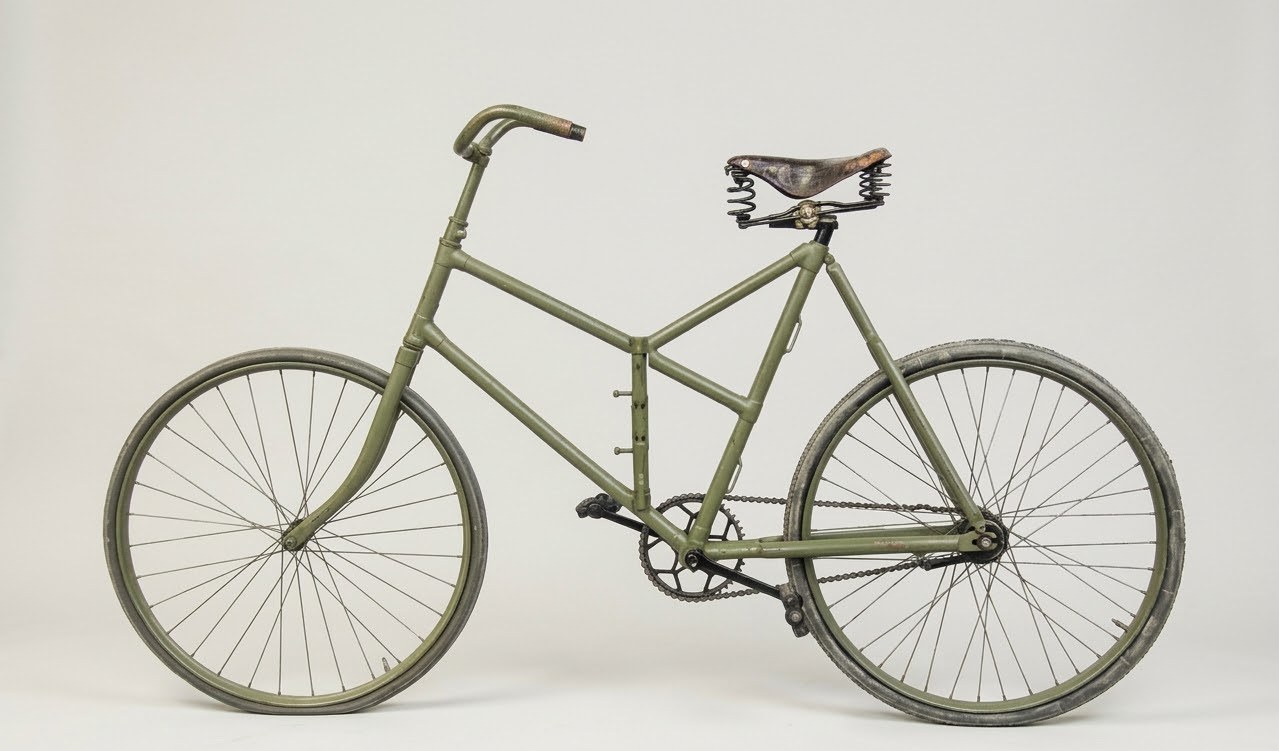
What was the first bicycle produced in Kharkiv like? The “Dux Boevoy” (Military Dux) model had an original design. It featured a stamp brake (on the front wheel only) and 26-inch wheels. The bicycle weighed 18 kg and had no mudguards. The handlebars were wrapped with twine at the grip points at the factory; holes were provided on the handlebars to secure the twine. A significant portion of the components were imported, mainly from England: brakes, hubs, a hammock-style saddle, Brampton-style pedals and bottom brackets, and 46-tooth sprockets. The bicycles were painted in a light shade of olive drab, the standard color for the Imperial Army’s military equipment. The main design feature was the original folding mechanism, which did not use the usual screws that required lengthy tightening. This allowed the bicycle to be folded in a matter of seconds “on the fly” and carried on backpack-style shoulder straps—mounts for them were built into the frame.
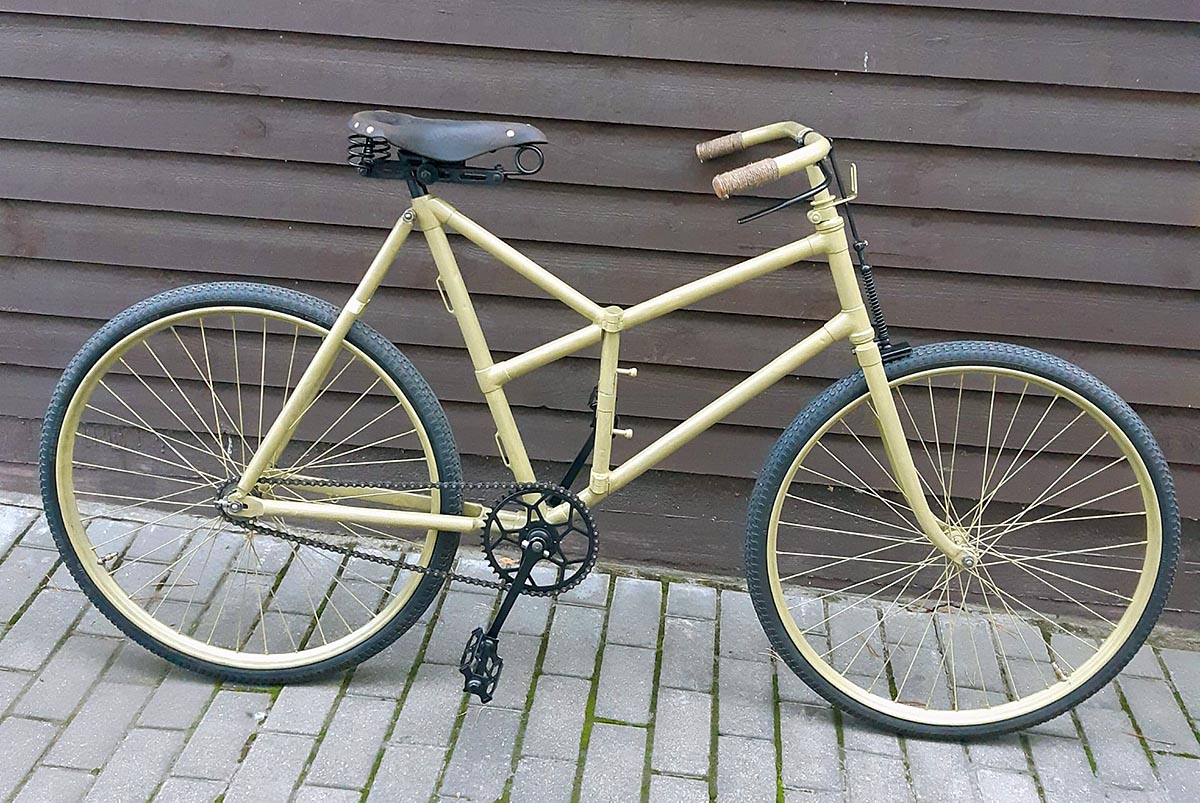
Production of the “Dux Boevoy” in Kharkiv began in March 1916. By the end of November 1917, approximately 3,600 units had been assembled at the Leutner factory in Kharkiv and 678 units at the “Dux” factory in Moscow. It should be noted that disruptions in logistics from Great Britain during World War I significantly limited mass production—the Leutner factory had to deviate from the approved design and seek alternative component manufacturers. Consequently, different types of carriages and sprockets were used; hubs came in both non-freewheel and freewheel versions, as well as with the Eadie Coaster automatic brake. Due to this “mishmash” of components, quality and maintainability suffered. With the advent of Soviet power, assembly of the “Dux Boevoy” continued for the Red Army, but only in small batches until the old stock of spare parts was exhausted.
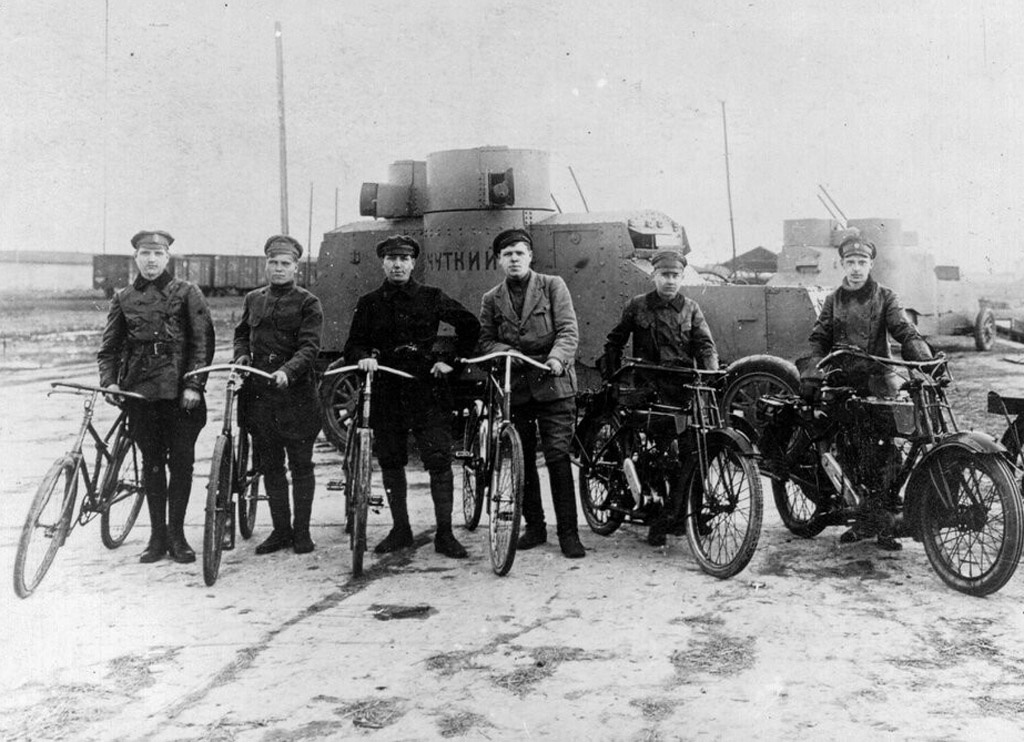
The resumption of mass bicycle production did not begin until 1923, thanks to the efforts of 50 specialists and workers from the Leutner factory in Riga who had remained in Kharkiv. This marked the founding of the First state-owned bicycle factory, named after G. I. Petrovsky. The equipment was moved from the “Serp i Molot” factory (formerly Gelferich-Sade) across the street to the Bleichert and Eichner factory, built in 1893, which had previously produced wire ropes and barbed wire.
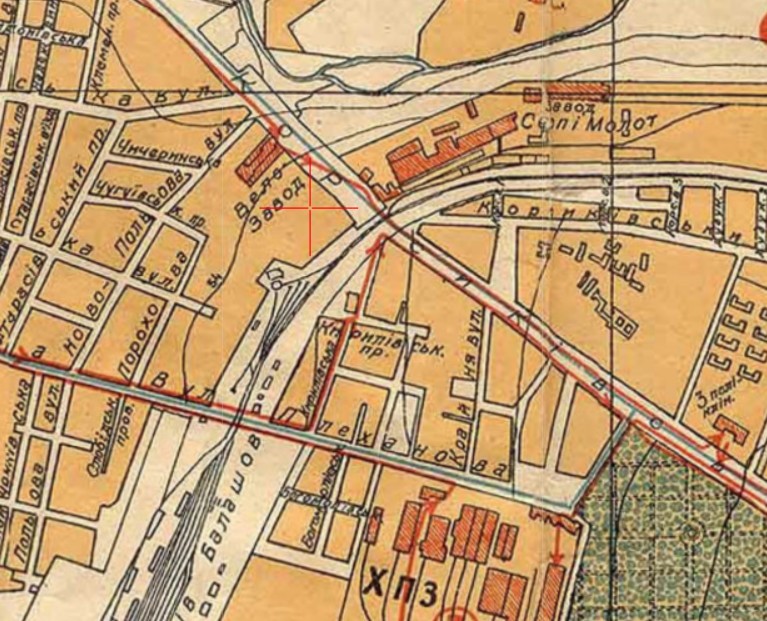
In the first year, bicycle frames were made from Cossack pikes filled with sand; in 1925–26, they were manufactured from English pipes. In general, during those years, bicycles were almost entirely assembled from imported English and German components.
In 1926, the first “Ukraine” bicycle model appeared, but that’s a whole different story…
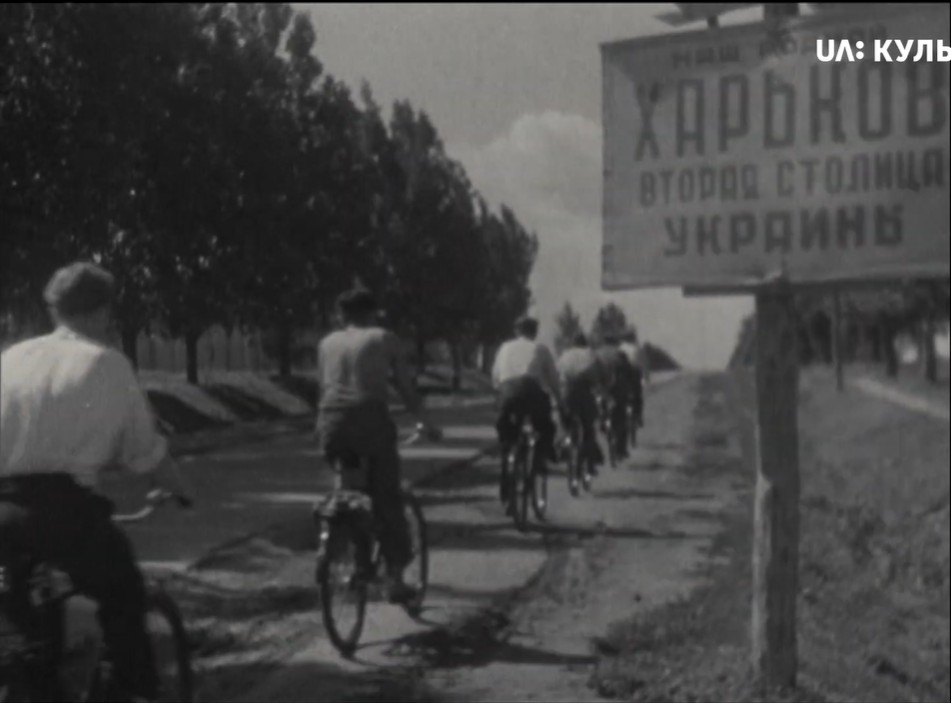
KhVZ became the largest bicycle manufacturer in the USSR; its territory expanded significantly, and new buildings were constructed.
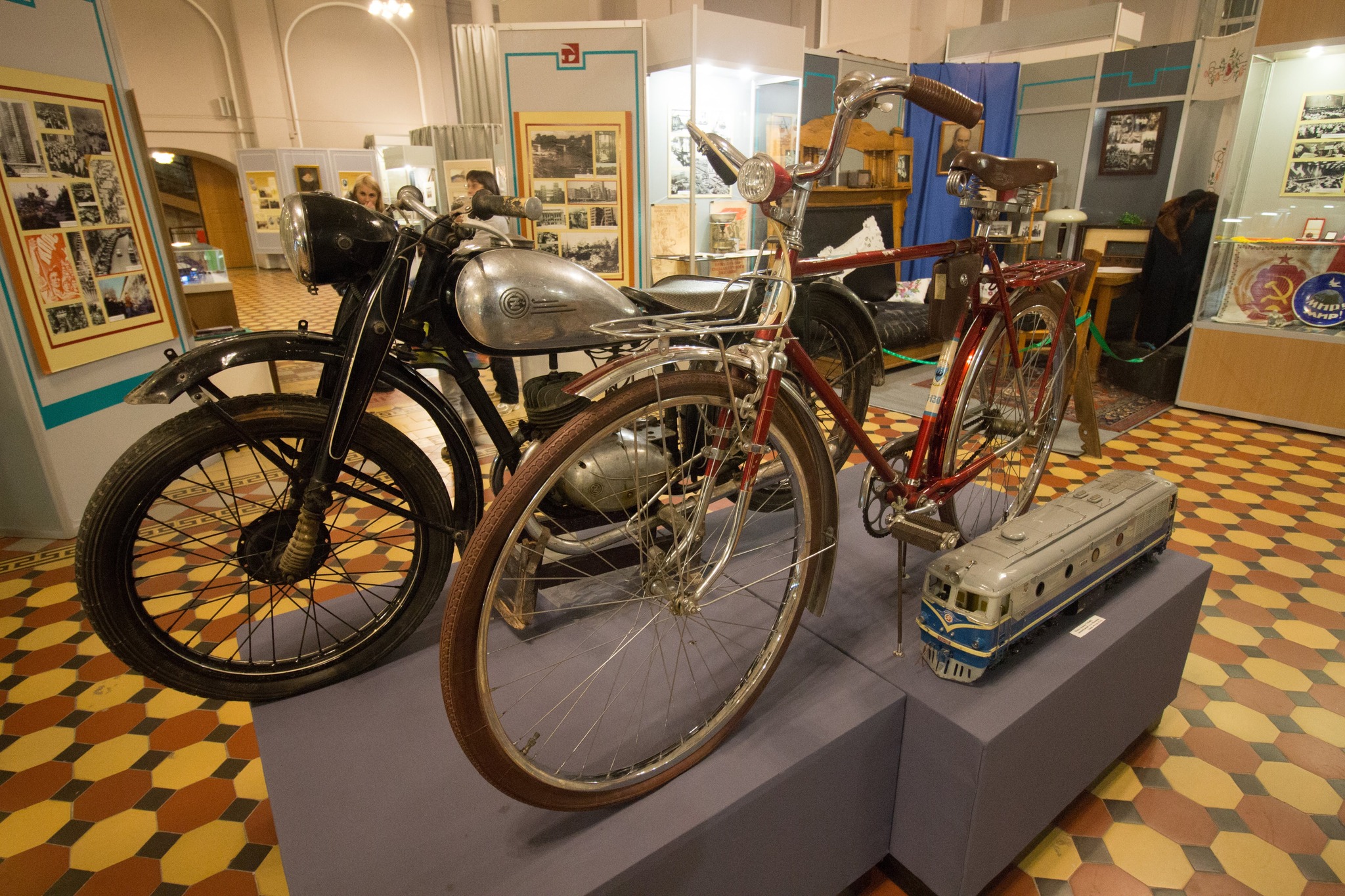
Over its 101-year history, KhVZ has assembled more than 30 million bicycles.
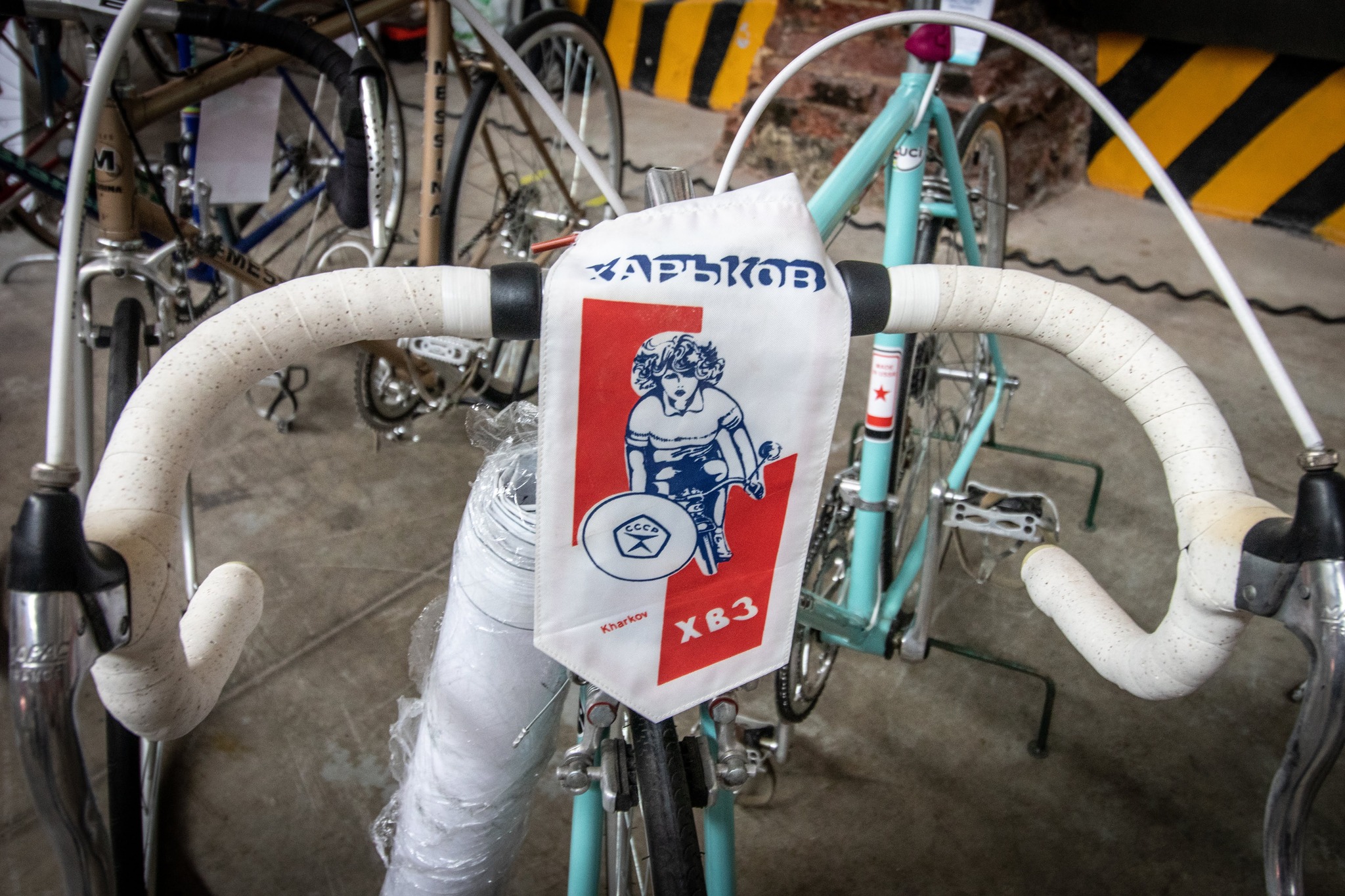
In recent decades, to compete with Chinese models, it returned to its roots—assembling bicycles from imported components, although this practice has long been standard for many global manufacturers.
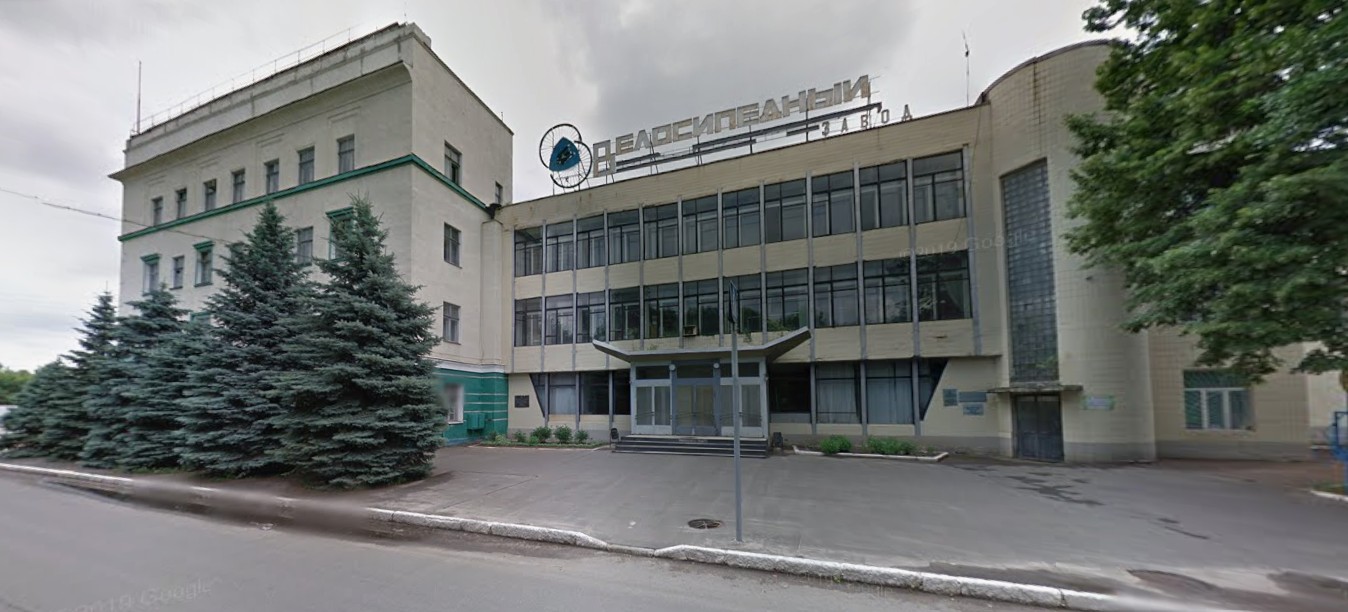
Kharkiv Bicycle Factory remained operational during the first months of the full-scale Russian invasion in 2022, but could not withstand the war and was liquidated at the end of 2024.
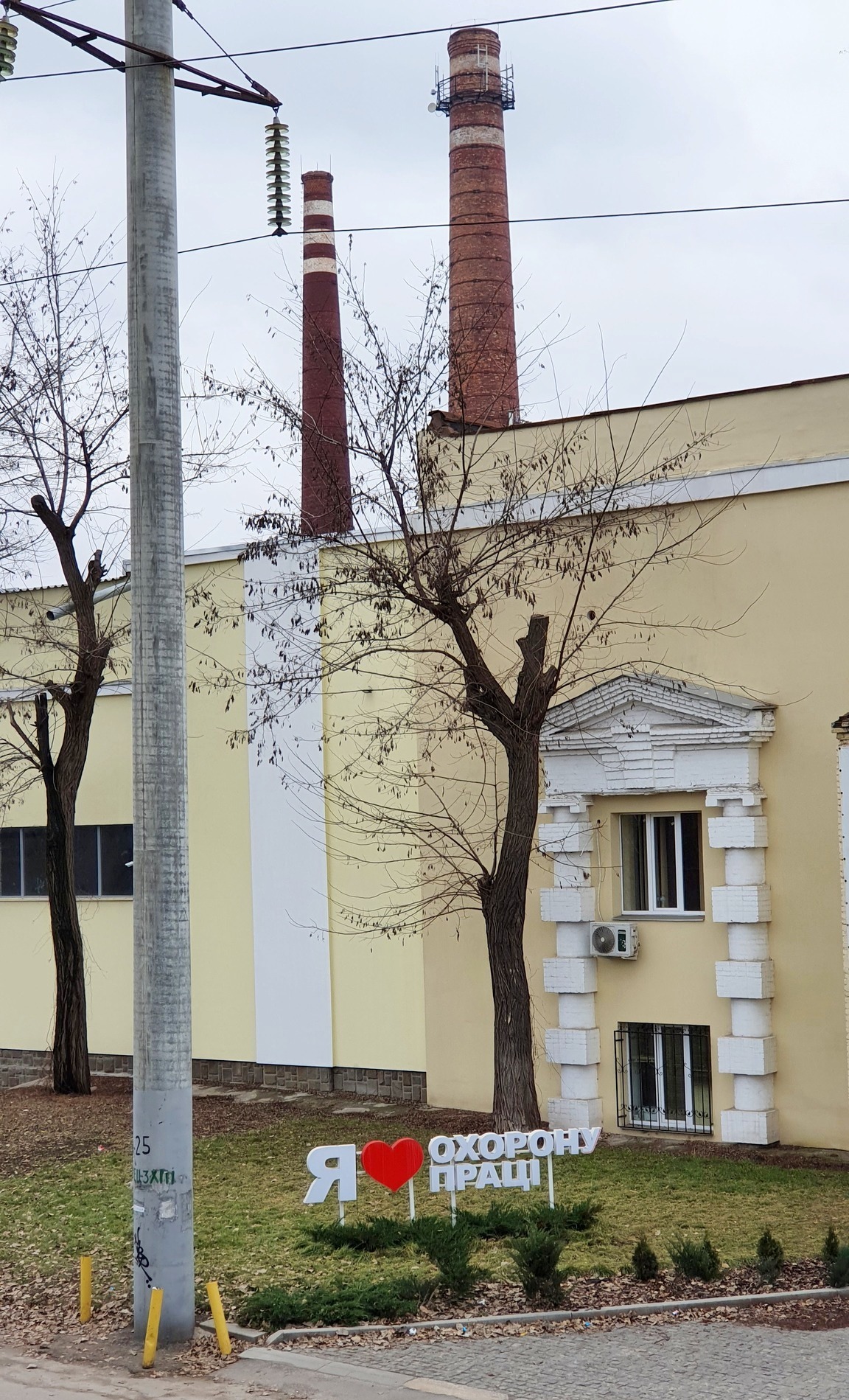
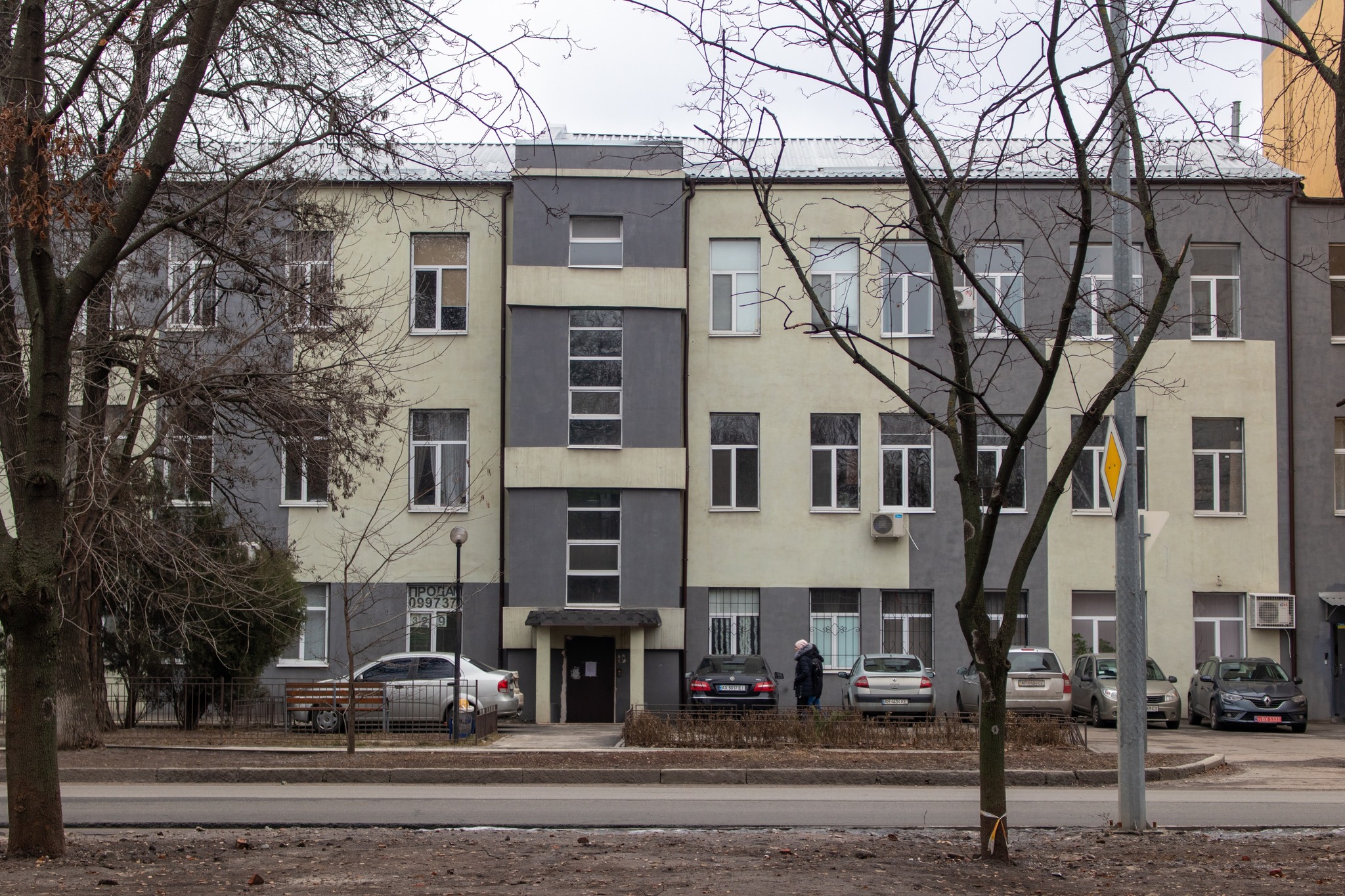
Between 2016 and 2021, some of the factory’s workshops and administrative buildings were renovated for the “Parkovy Kvartal” residential complex, and construction of a new residential complex, “Urban City,” began on the Kharkiv Bicycle Factory grounds.
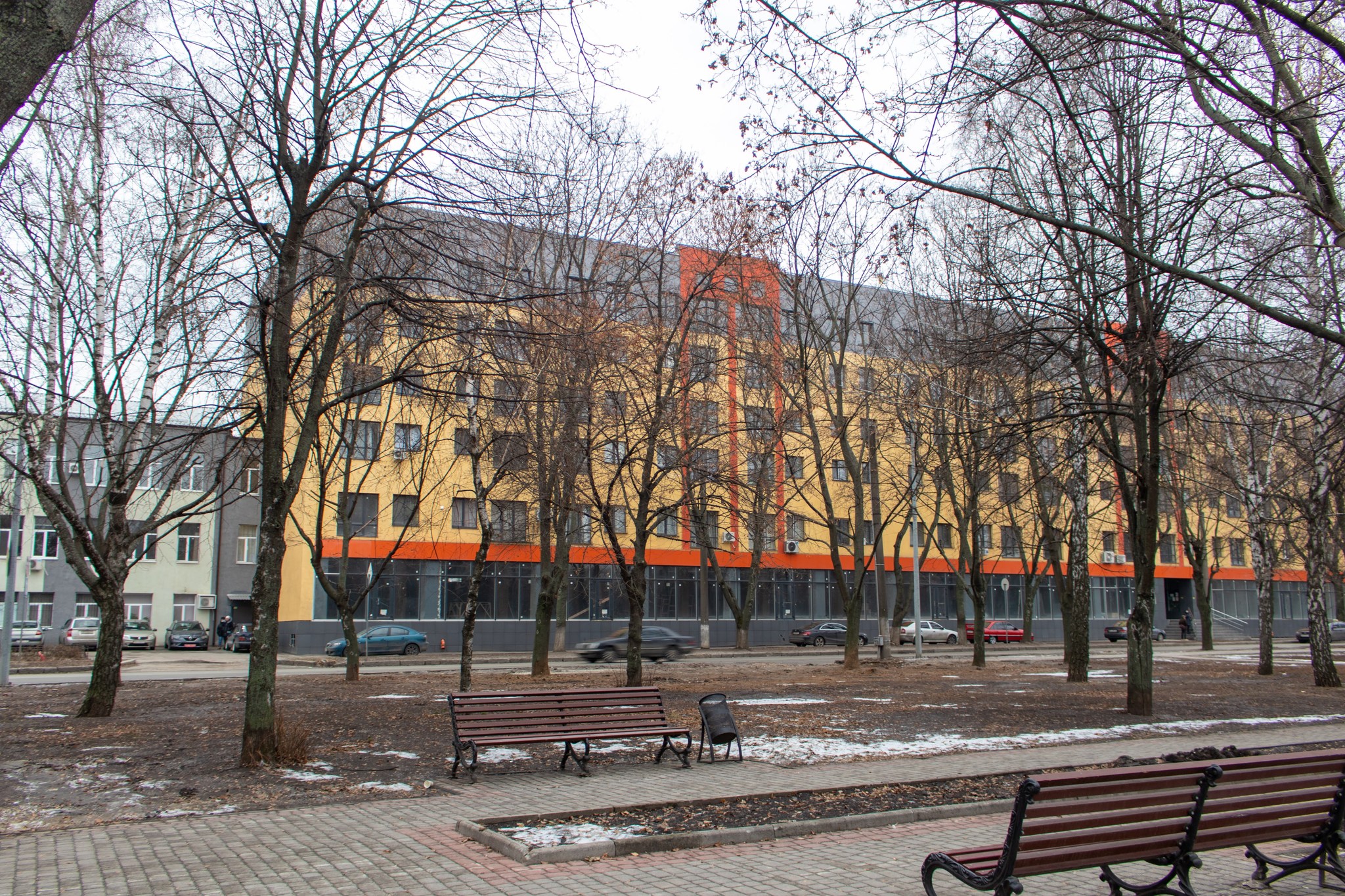
The only reminders of the bicycle factory now are the place names—Velozavodsky Square and Velozavodsky Bridge.

- Danylevs’koho Street, 19 - 13.10.2026
- Debunking the myth about one of the most famous Kharkiv photos - 12.10.2026
- The Architectural Evolution of the Kharkiv Theater - 26.09.2026