This scandalous yet little-known love story is inextricably linked to the names of two archbishops from Kharkiv.
For Bishop Filaret (Gumilevsky), it cost him the Kharkiv Diocese.
Archbishop Savva (Tikhomirov), for his part, recalls her story in detail as an edifying example.
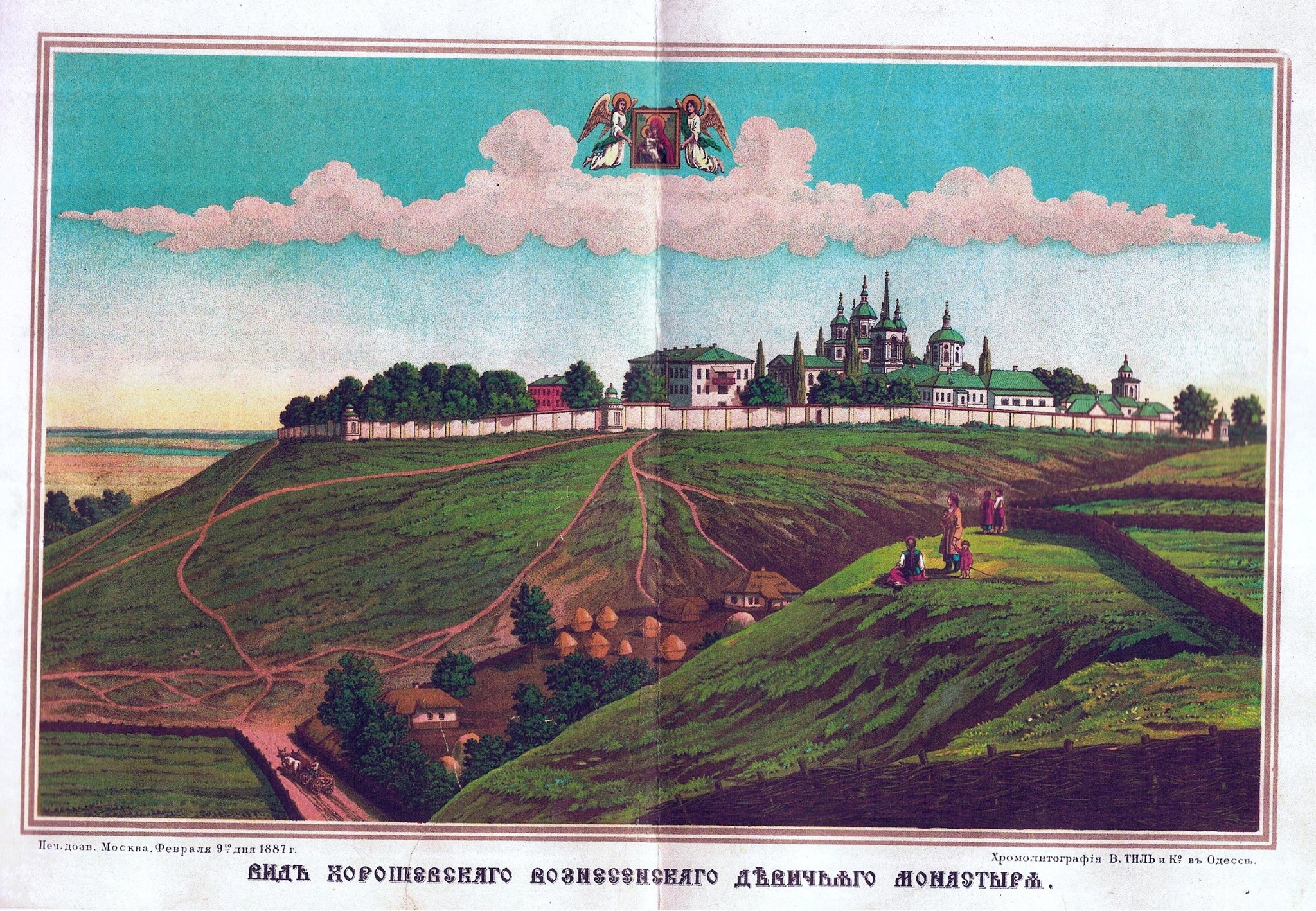
So what exactly happened on August 29, 1857? Why do some call this event the “Filaret Affair,” others the “episcopal lampoon,” and still others the “temptation of His Eminence of Kharkiv”?
In the third volume of *Historical and Statistical Description of the Kharkiv Diocese* by Filaret (Gumilevsky) (published by the “Kharkiv Private Museum of the City Estate”), an article by A. F. Tarasenko titled “The Episcopate of Filaret (Gumilevsky) in Kharkiv” was included.
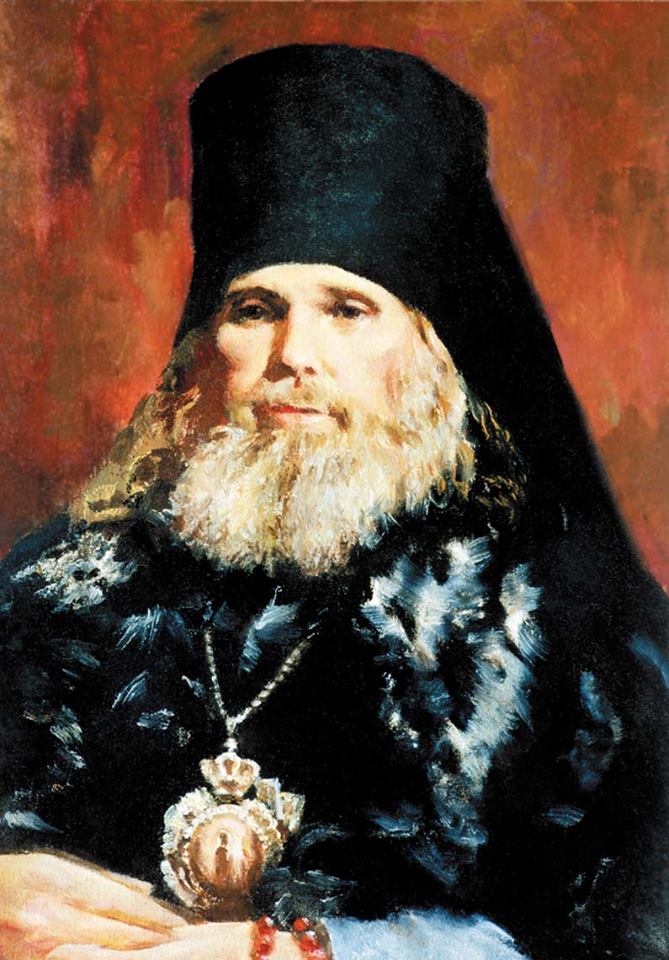
In it, the author cites the following example:
The Kharkiv Khoroshevsky Convent caused him the most trouble; he devoted a great deal of time and energy to its development. At this convent, Filaret enforced a “communal” rule of life instead of the “free” lifestyle of the residents there. To do this, he had to make personnel changes. Many people did not like this, and a lampoon was written about the bishop and circulated in Kharkiv. The “Filaret Affair” caused quite a stir. The new circumstances at the convent prompted a special investigation. Metropolitan Filaret (Drozdov) conveys the essence of the incident in his letter to Archbishop Alexei of Tver: “Have you heard about the temptation of His Eminence of Kharkiv? It began with an insignificant lapse in judgment: he brought a relative—a nun—from another diocese and appointed her treasurer of the convent. A certain count seduced a novice at the convent, married her, and had the audacity to appear at the convent with her. He was insulted here. And that is where the slander came from. I learned too late about His Eminence’s relative serving as treasurer, and therefore wrote to him too late, advising that a bishop must act with caution toward relatives who serve in his diocese, and that it is better not to appoint relatives from other dioceses at all. Now both the abbess and the treasurer’s relative have been removed from their posts, and the latter has been transferred to another convent. I do not know whether this will be sufficient to confirm that His Eminence is acting impartially.”
The author then names the count who led them astray:
Count A. Devier, one of the main parties involved in the conflict, also had a financial stake in the matter. He owed money to the monastery but had no intention of repaying it. An investigation was launched. The case files amounted to a large volume of documents. Count A. Devier and his accomplices were found guilty in this case and expelled from the Kharkiv Governorate. However, Filaret (Gumilevsky) also had to leave Kharkiv, the city where he had hoped to die.
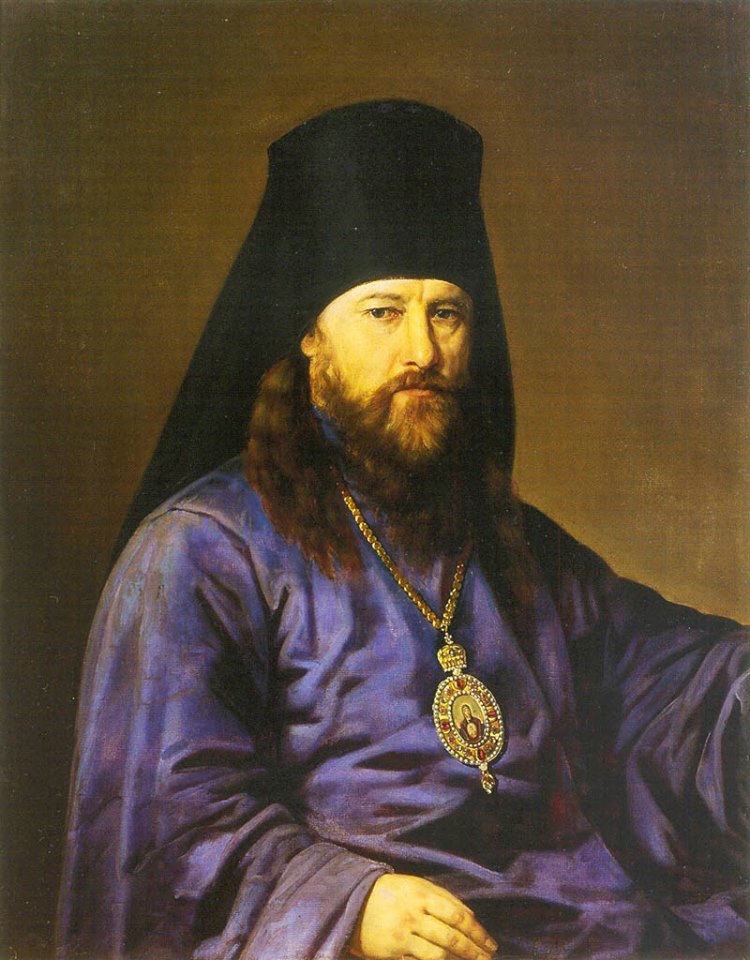
On December 7, 1874, Savva (Tikhomirov) was consecrated Bishop of Kharkiv and Akhtyr.
Throughout the nine volumes of his autobiography, *The Chronicle of My Life*, he frequently mentions the city that we all love.
Naturally, as the bishop of Kharkiv, Savva could not help but mention the relatively recent scandal involving Filaret and its details.
In Volume 5, we find the following:
The name Devier brings to mind a tragic story that took place at the Khoroshev Convent during the tenure of His Eminence Filaret Gumilevsky as Metropolitan of Kharkiv. Count Devier, who was by no means known for his good character, visited the Khoroshev Convent for women, where he noticed a beautiful novice named Tatiana, a woman of the middle class; he seduced her and married her. Such a dishonorable act on the part of the dissolute count could not, of course, fail to offend the sisters of the convent, and especially the abbess, Mother Antonina. Not only that: Count Devier, having married the novice, had the audacity to appear at the convent with his young wife, thereby causing the nuns even greater grief. But they, in turn, did not remain indebted to the insolent visitor. One day, as he was leaving the convent with his wife, dressed in the latest Parisian fashion, someone from the wall doused them with filthy slop. This occurred on August 29, 1857. The insulted count flew into a rage and immediately initiated legal proceedings. This scandalous case was brought to the attention of His Imperial Majesty. Archimandrite Jacob of the Danilov Monastery was dispatched from Moscow to investigate the incident. The case ended with Abbess Antonina being removed from the administration of the convent, and His Eminence Filaret being transferred to the Chernihiv Diocese.
Here’s the story of the Bishop of Kharkiv and the offended count, who quite justifiably stood up for himself and his wife.
As for the accounts of the mischief caused by the restless Devier family in the Kharkiv Governorate, they are still waiting for their time to come.
P.S. There’s a very interesting story about the Khoroshevsky Monastery and its underground passages; curious readers can read it here
Sources:
- Filaret (Gumilevsky, D.G.). Vol. 3. “Historical and Statistical Description of the Kharkiv Diocese”: in 3 volumes. Editorial Board: Paramonov, A.F., et al.
- Savva (Tikhomirov, Ivan Mikhailovich; 1819–1896).
- Chronicle of My Life: Autobiographical Notes by His Eminence Savva, Archbishop of Tver and Kashin, Vol. 5: (1874–1879).

- About the military pilot school and the airfield in Kharkiv… - 04.11.2020
- Nikanor Savich—A Political Career by Mistake - 13.07.2020
- And once again, about the Cavalry Guards… - 21.01.2020