As is well known, in the late 19th and early 20th centuries, there was no Internet or search engines.
As a result, all kinds of directories, reference books, and calendars published at that time were extremely popular, as they contained absolutely everything. The amount of information they contained was so vast that, for example, the 1910 book *List of Factories and Plants in Russia* ran to 1,418 pages.
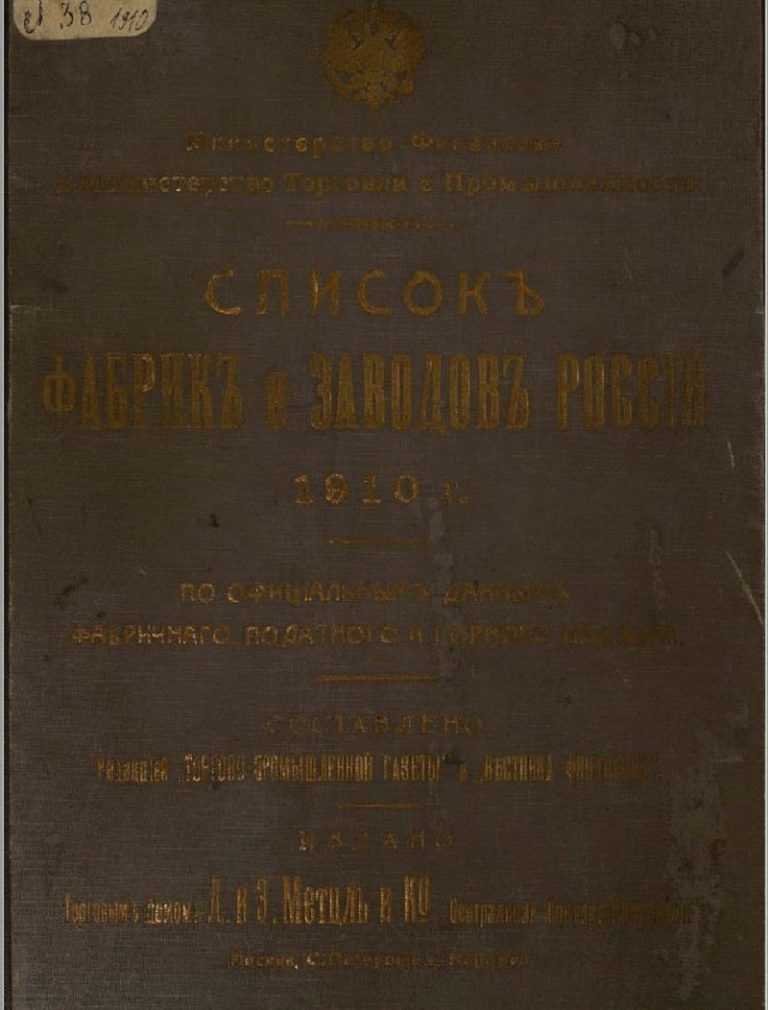
If we carefully leaf through the commercial and industrial directories of that time, such as:
— “Directory of Factories and Plants in European Russia,” 1894
— “All of Russia,” 1895, Vol. 1—
“Factory and Plant Industry and Trade in Russia,” 1896
— “Statistics on Excise-Taxable Industries for 1897–1898”—
“All of Russia,” 1897, Vol. 2
— “All of Russia,” 1899
— “Factory and Plant Enterprises of the Russian Empire,” 1909
— “Factory and Plant Industry of the Kharkiv Governorate,” 1912
— “Factory and Plant Enterprises of the Russian Empire,” 1914
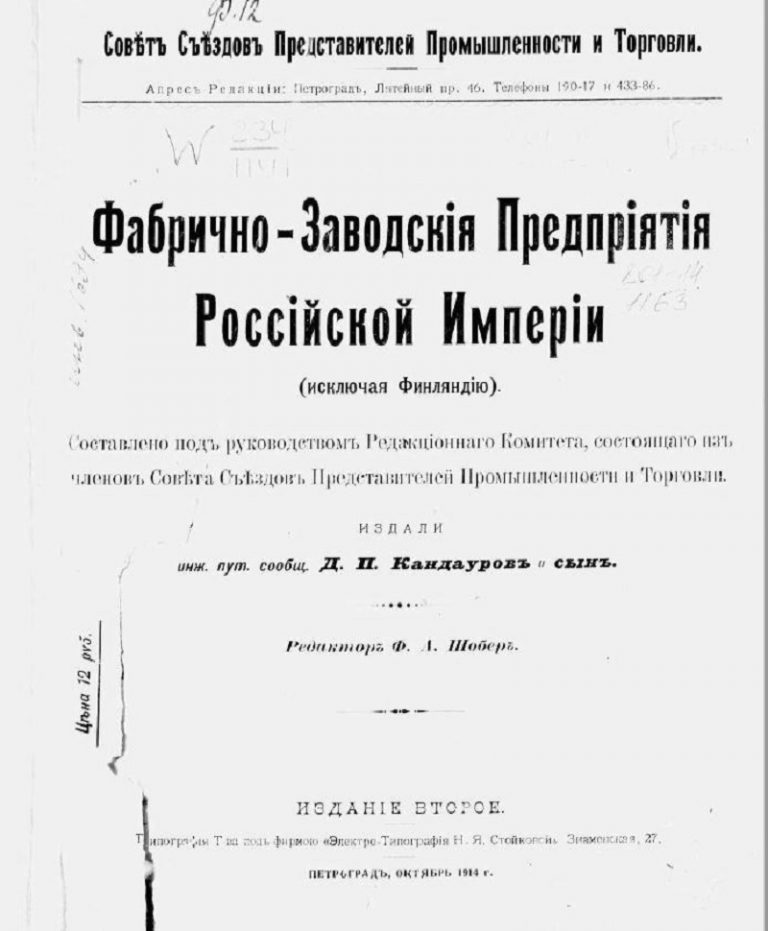
— *Kharkiv Calendar*, 1915,
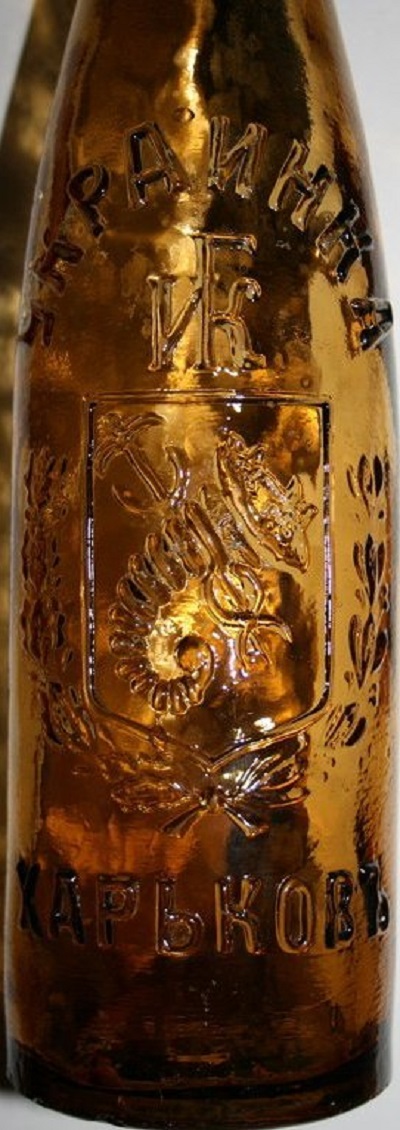
Then we’ll discover a surprisingly interesting and important fact: throughout the entire Russian Empire, there was only one company named “Ukrainka,” and it was ours.
The factory, founded in 1887, was located in the hamlet of the same name in the Tsirkunovskaya volost.
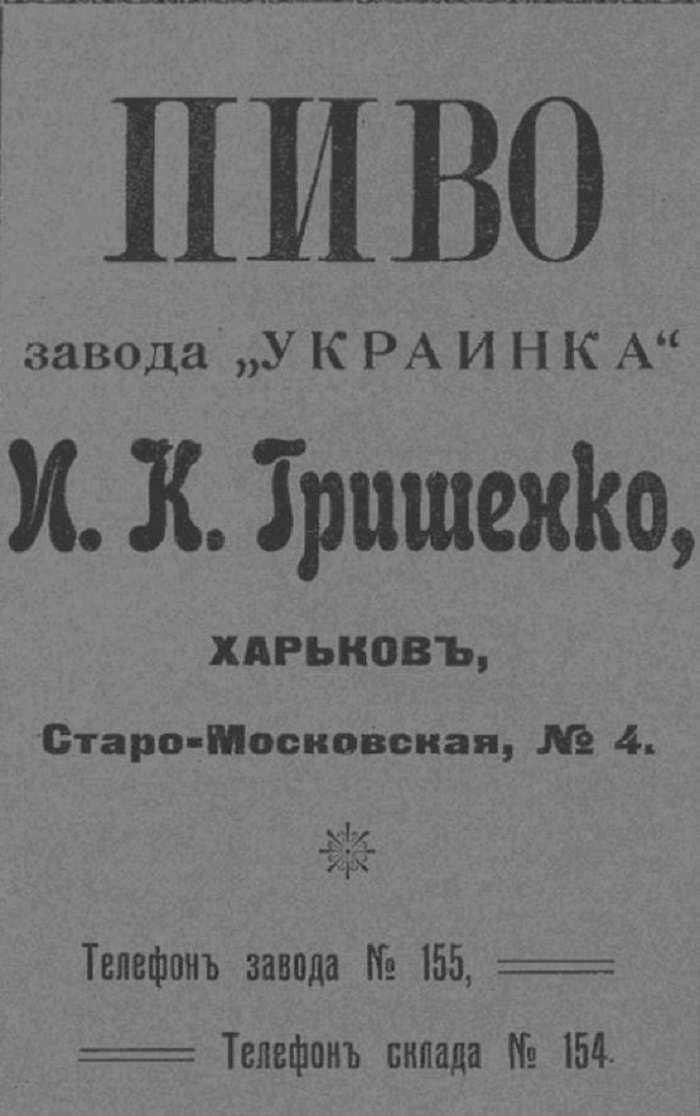
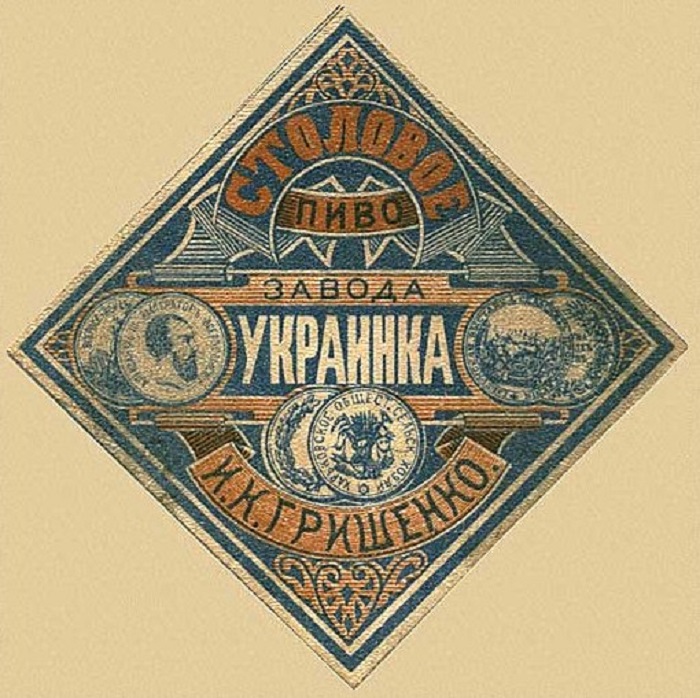
The full name of the enterprise was: “Ukrainka Ukrainian Beer and Mead Factory.” The owner of “Ukrainka” was, of course, the Ukrainian Ivan Kirillovich Grishenko.
The central office (headquarters) was located in Kharkiv at Staro-Moskovskaya Street, 4.
Annual production at the “Ukrainka” beer and mead brewery in various years was as follows:
— 1894 — 83,000 rubles
— 1909 — 240,000 rubles
— 1910 — 180,000–200,000 rubles
— 1912 — 149,076 rubles.
— 1914 — 240,000 rubles.
Compared to the “New Bavaria” factory, which many people are familiar with (and whose annual output in 1914 was 800,000 rubles), this is, of course, extremely small.
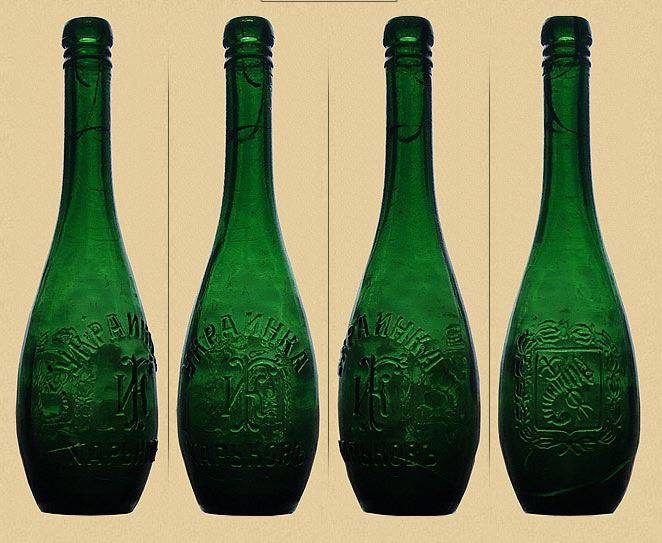
However, despite this, the Kharkiv-based “Ukrainka” stood out strikingly among other breweries—not only in our city but also throughout the Russian Empire.
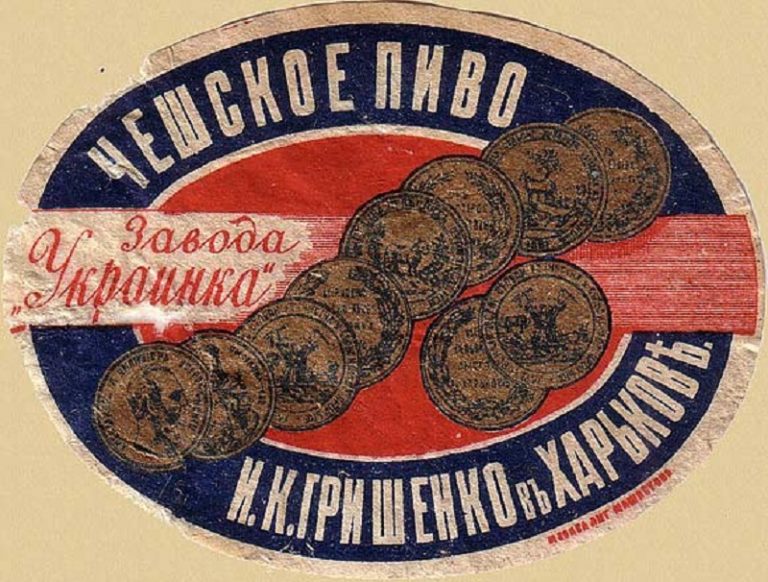
In the book *Factory-Based Industry and Trade in Russia in 1896*, we find facts that are extremely important to us: “According to available information, Russian hops often find their way into Russia under the guise of foreign hops. Some breweries are even beginning to establish their own hop plantations. Such plantations are found, among others, at the “Ukrainka” brewery in Kharkiv. But there are breweries that simply use wild hops….”
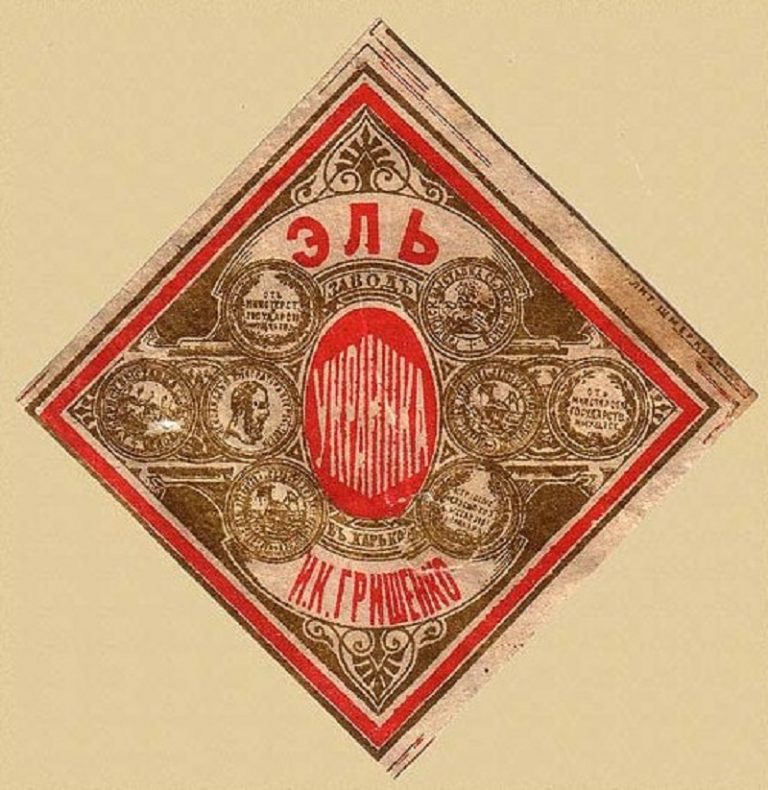
In the book *Statistics on Excise-Taxable Industries for 1897–1898*, we read the following:
“Mechanical malting equipment did not become widely used in the Russian brewing industry. According to reports from the Excise Tax Administrators, such equipment is found only at the following breweries:
― the “Galland” system at Karl Machlaid’s “Tivoli” factory in the Livonian Governorate in Warsaw;
— Pfaff in the Estland Governorate;
— the “Saloden” system at Grishchenko’s “Ukrainka” factory in Kharkiv;
— the “Hermen” system at the Trekhgorny Brewery in Moscow.”
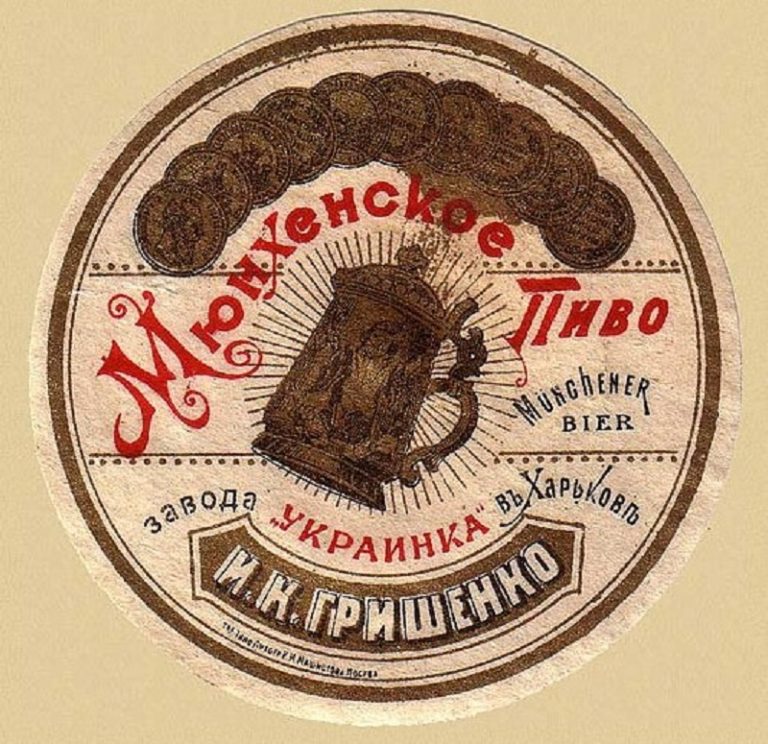
Thus, the Kharkiv-based “Ukrainka” was unique not only because of its name, but also from a technical standpoint. Naturally, all these factors had a significant impact on the product’s taste and quality.
Today, the “Ukrainka” brand—which used to be, as they say, “the only real Ukrainian beer”—has, unfortunately, been forgotten. What a shame.
After all, this brand—unique in every way—could still be bringing glory to the city we all love and serving as one of its symbols, because “Ukrainka” is Kharkiv.
P.S.
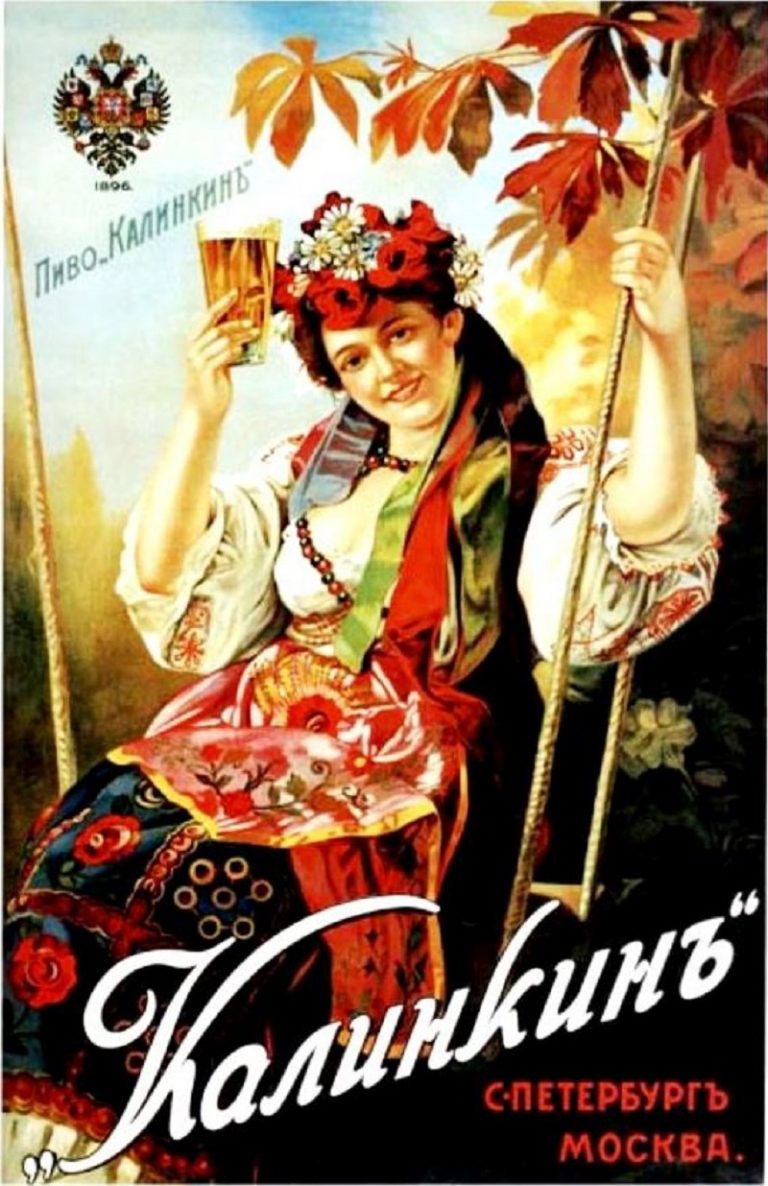
An 1896 advertising poster for the Kalinkinsky Beer and Mead Company, located in St. Petersburg, depicts a young woman in traditional Ukrainian dress sitting on a swing and holding a glass of fresh beer. Who knows—perhaps it was the beautiful women of Sloboda Ukraine, or the activities of the Kharkiv-based “Ukrainka,” that served as the inspiration for its creation…

- About the military pilot school and the airfield in Kharkiv… - 04.11.2020
- Nikanor Savich—A Political Career by Mistake - 13.07.2020
- And once again, about the Cavalry Guards… - 21.01.2020