We have already mentioned the first attempts to establish bus service in Kharkiv in the pre-WWI years. Unfortunately, for a number of reasons, buses quickly disappeared from Kharkiv’s roads for more than 10 years. In 1925, we had 15 British Leyland buses in operation; by 1928, there were already 36 vehicles on the routes. Among them were some truly unique examples that we cannot overlook.
Many drivers and social media users in Kharkiv have noticed the appearance in the city of a “classic” yellow American school bus, which transports students from a private school.
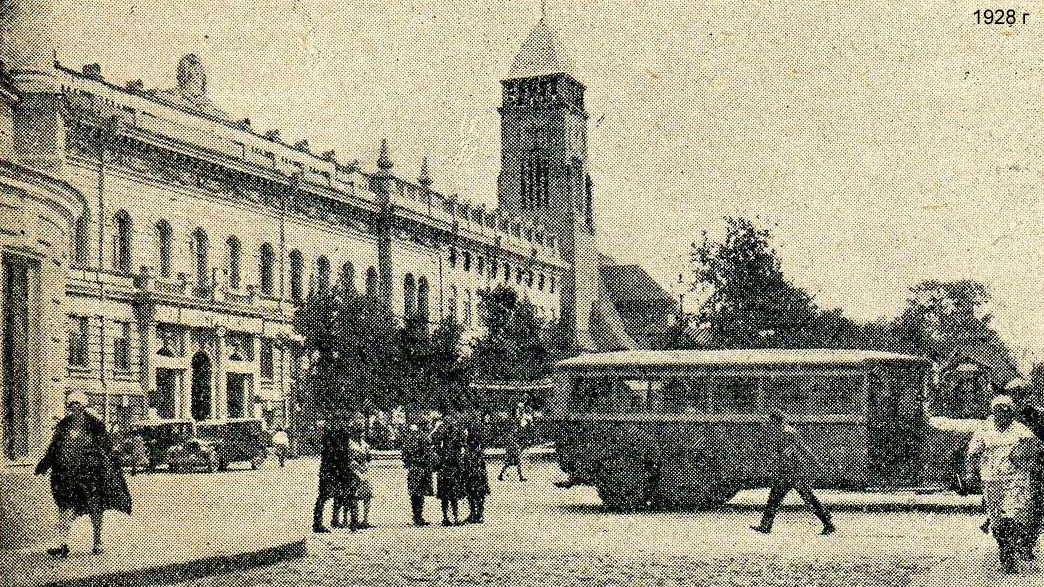
This yellow Freightliner bus is very long and doesn’t quite fit the dimensions of Kharkiv’s streets. However, it isn’t the first giant American bus on our roads. Researcher Eduard Zub found a note and a photograph in a 1927 newspaper about an unnamed American bus that was purchased by the Kharkiv Communal Enterprise “for the needs of the Kharkiv population.” But what kind of bus was it? After a long search, we managed to figure it out. The model turned out to be quite extraordinary and rare even for 1920s America, and it also had an intriguing history and unique technical features.
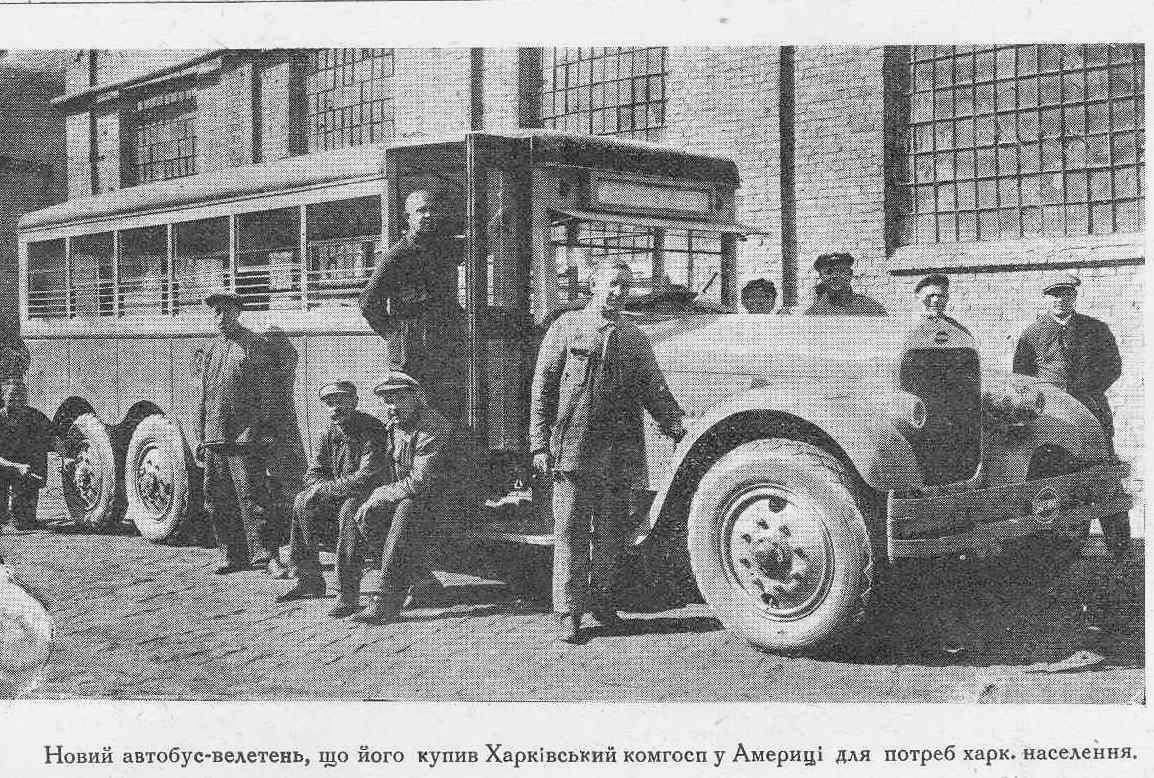
In the late 1910s, the world-renowned industrial giant and tire manufacturer Goodyear decided to independently develop several trucks and buses to test its products and transport workers. As a result of Ellis Templin’s design work, several trucks and buses were created, including an exotic eight-wheeler. A patent for the six-wheel truck was issued in 1921. Soon after, Templin left Goodyear and moved to Philadelphia, Pennsylvania. Together with Chester McGrire, he founded a company with the straightforward name The Six-Wheel Co., which began manufacturing buses on the chassis developed at Goodyear. To be fair, it should be noted that the engineer did not “steal his blueprints” from his former employer but rather legally licensed the design from his former employer.

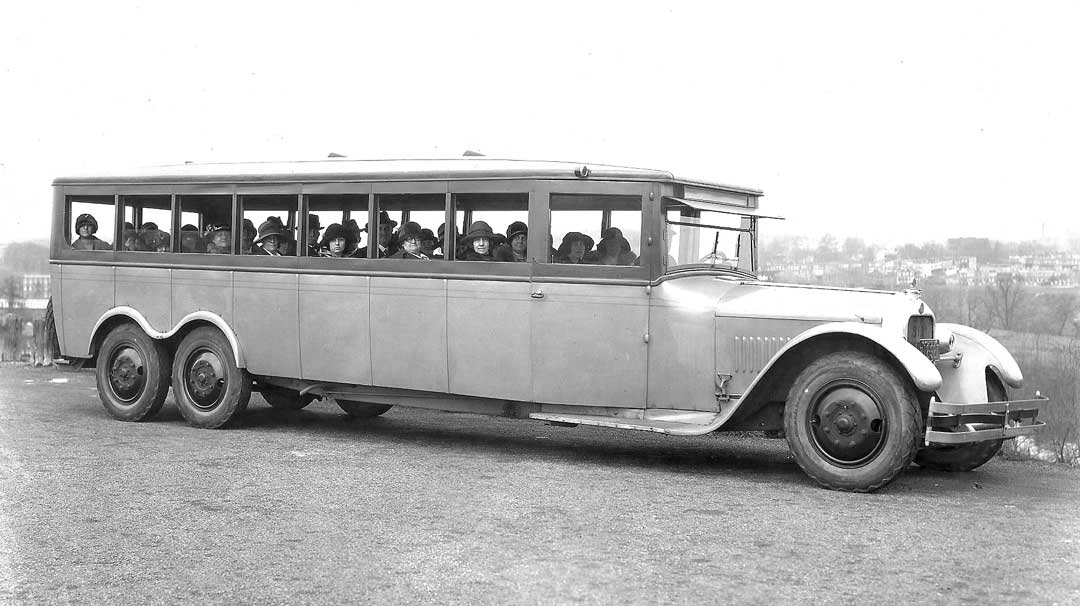
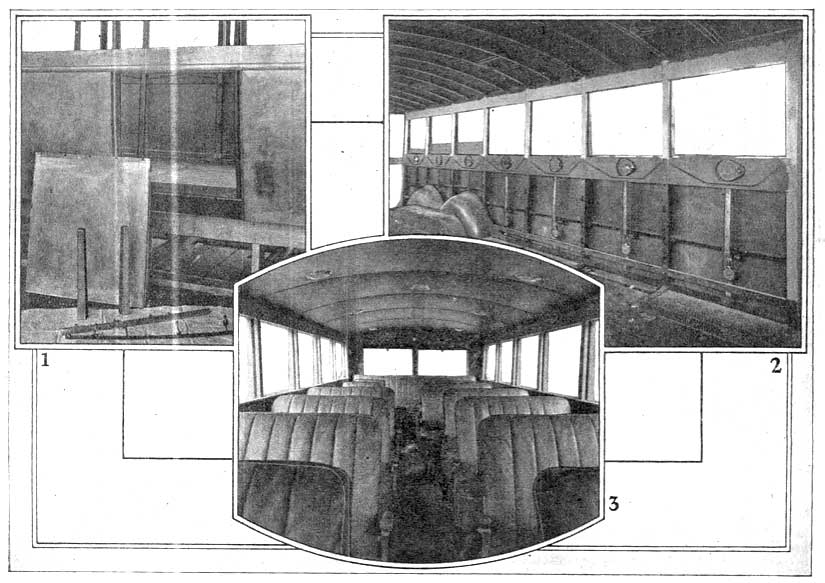
Production of the buses began in 1924 in two versions: an intercity model with a wheelbase of 5.71 meters and a shortened city model with a wheelbase of 4.92 meters. The latter had folding front doors and a higher roof. It was this exact model that Kharkiv purchased. At the time, it had the longest chassis in the United States. The bus could carry 27 passengers; the interior was equipped with comfortable leather seats, and every side window could be opened.
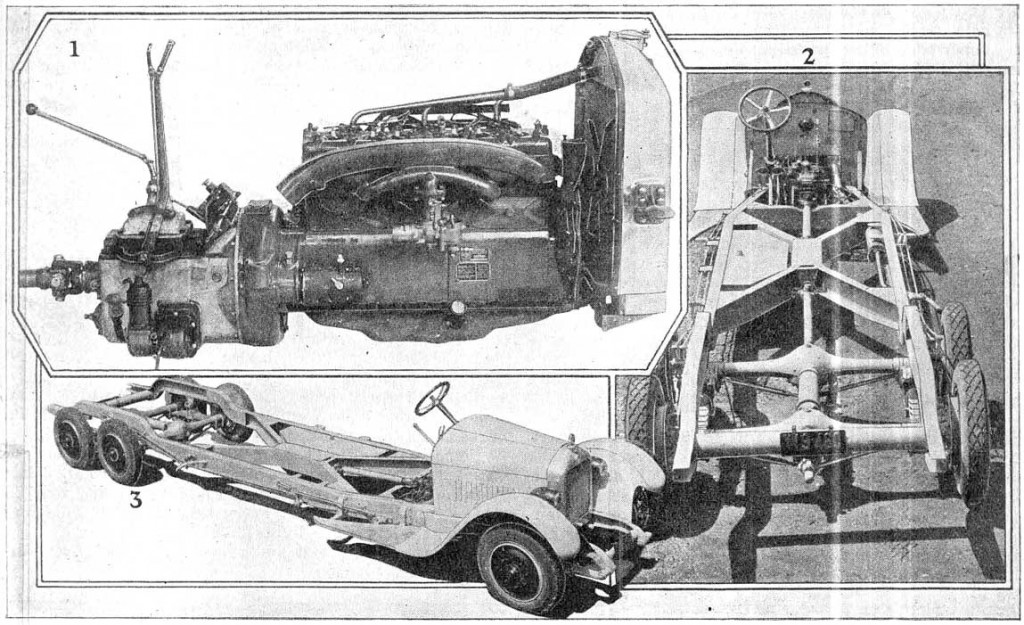
There were also quite a few interesting technical features. First, it had a three-axle design, which was quite unusual for the time (the two rear axles were driven). Second, it had a steel body, which was a rarity in the USSR until the 1950s. Back then, bus bodies were often made of wood with metal paneling. But wood rotted and dried out quickly in our climate, and the vehicles had to be scrapped prematurely. On the Six Wheel Co. bus, only the roof was made of wood.
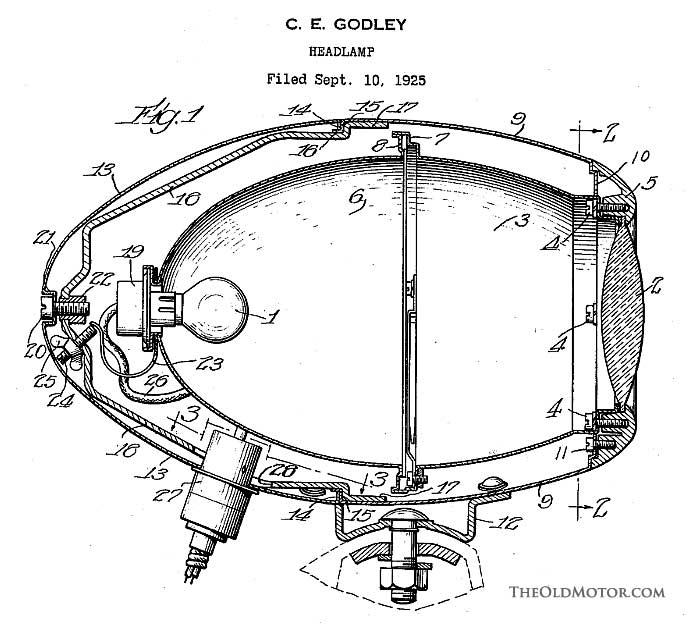
The bus was equipped with a 5.4-liter engine from Continental Motors, one of the most popular engine manufacturers of the time, which delivered a respectable 70 horsepower for 1924. Also worth noting are the unusual “bullet-shaped” headlights with a small reflector. This was yet another technical innovation from Edmond & Jones, featuring a single central lens inside and a magnifying lens at its tip.
The bus’s exterior panels were easily removable, allowing them to be replaced and repaired without the need for major bodywork. All in all, compared to the archaic British Leylands, which had been in service in the city since 1925 and had appeared repeatedly in photographs and even in prose, the 1924 “American” seemed like a spaceship.
Unfortunately, all traces of the Six Wheel Co. bus in Kharkiv have been lost. One can only assume that, thanks to its steel construction, it lasted longer than its wooden counterparts. Traces of the American company from the late 1920s are also fading. Evidently, the factory did not survive the Great Depression, so Kharkiv would have been physically unable to “replenish” its bus fleets with this same model.
However, in the 1930s, Soviet-made buses began appearing on the streets, built on ZIS chassis, many of which were assembled by hand by repair shops right in Kharkiv. How can one not recall that the chassis of ZIS trucks and buses (ranging from the AMO-2 to the well-known ZIS-5) were also based on the design of the American Autocar Dispatch SA truck… But that’s a whole other story…

- Danylevs’koho Street, 19 - 13.10.2026
- Debunking the myth about one of the most famous Kharkiv photos - 12.10.2026
- The Architectural Evolution of the Kharkiv Theater - 26.09.2026