On August 24, 1904, a battle began near the city of Liaoyang (Northeastern China).
The Battle of Liaoyang, which lasted from August 24 to September 3, is considered one of the largest battles of the Russo-Japanese War.
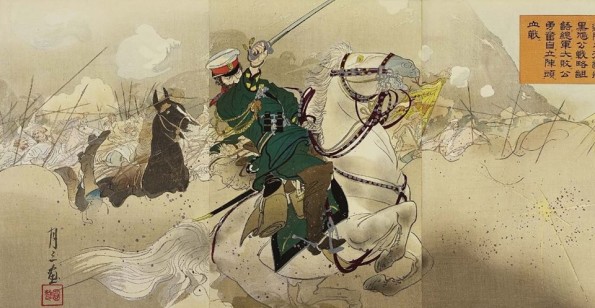
During this decisive battle, the Russian Manchurian Army—which held a numerical and positional advantage over the enemy—had every opportunity to rout the Japanese forces, which had exhausted their strength in futile attacks. However, General A. N. Kuropatkin overestimated the danger posed by the enemy’s flanking maneuver and ordered his troops to retreat north toward the city of Mukden.
As a result, the Japanese army was officially declared the victor—the Russian troops retreated, abandoning their positions. In reality, however, the Japanese army was unable to rout the Russian forces, suffered heavy losses, and might have been defeated had the Russian command shown more skill and determination.
The Russian Army suffered 19,112 casualties, including those killed, wounded, and taken prisoner. Japanese casualties totaled approximately 24,140.
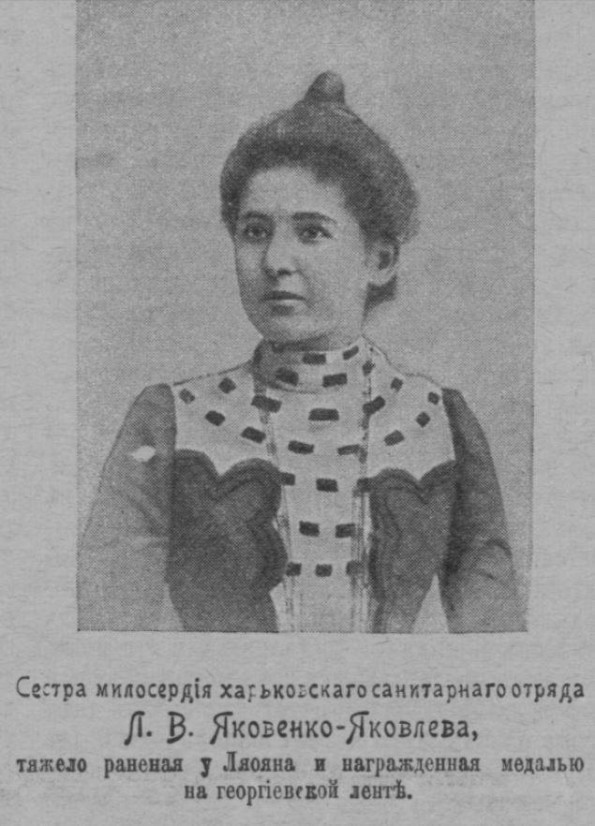
Every army had its heroes back then. The people of Kharkiv—or, more precisely, the women of Kharkiv—also distinguished themselves in this battle. In the national newspapers of that time, we find a very interesting account:
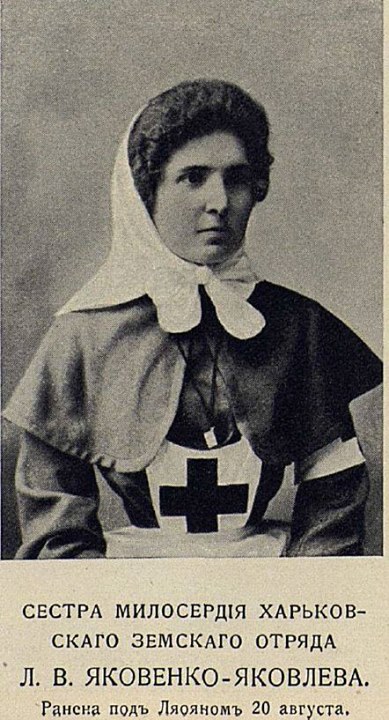
L.V. Yakovenko-Yakovleva, a nurse with the Kharkiv Medical Detachment, was seriously wounded near Laoyan and awarded a medal on the St. George ribbon

- About the military pilot school and the airfield in Kharkiv… - 04.11.2020
- Nikanor Savich—A Political Career by Mistake - 13.07.2020
- And once again, about the Cavalry Guards… - 21.01.2020