Many buildings are attributed to the Masonic movement, which continues to stir the imaginations of Kharkiv tour guides. The most famous of these is the crumbling Art Nouveau mansion at Sviatodukhivska Street, 10. Of course, no Freemasons ever met or lived in this building—this is a well-known myth that originated in journalistic circles in the 2000s. Nevertheless, there are several buildings in the city whose facades are literally adorned with the Masonic symbols—the compass and the square. However, a closer look at the history of these buildings reveals that they, too, have no connection to secret societies. For example, in the decoration of the opulent buildings from the early 1950s, these symbols simply identified the architects (Universytets’ka Street, 9 St. and Sumska Street, 9)—this was a common practice. Of course, the very idea of Masonic symbols appearing on Stalinist buildings is laughable—by that time, the last remaining members of the Masonic movement in the USSR had either been repressed or had gone deep underground.
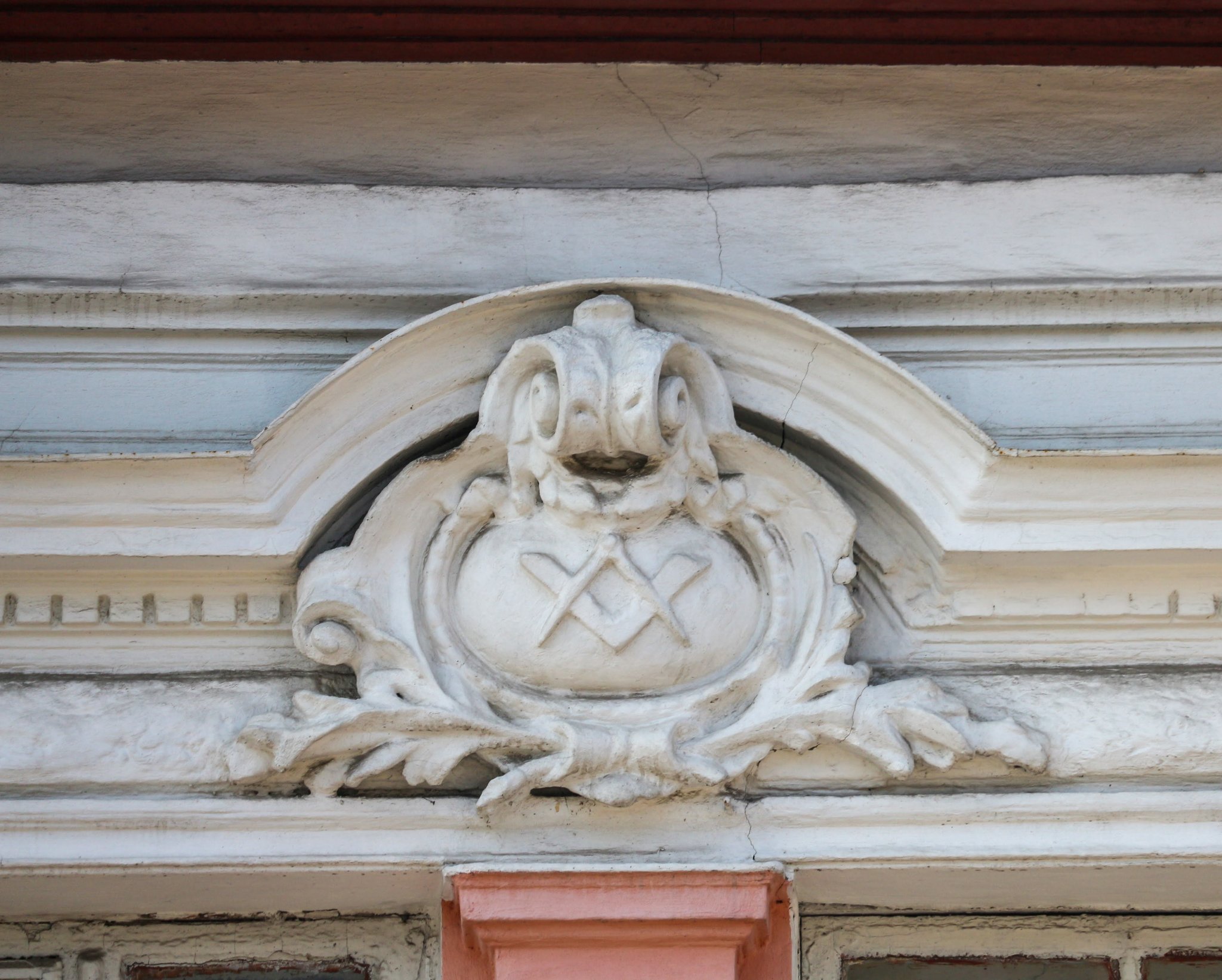
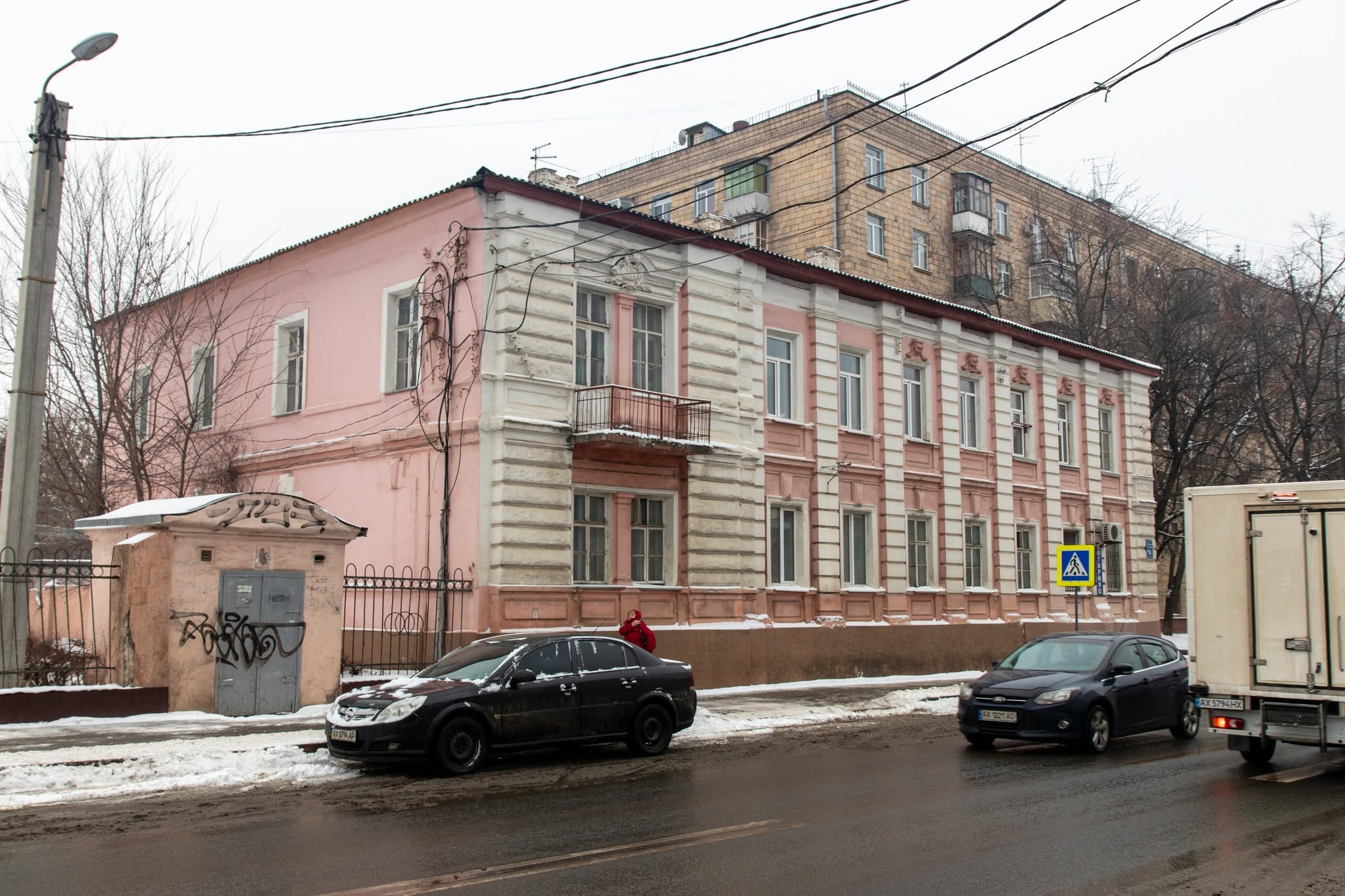
However, such symbols can also be found on pre-revolutionary buildings. For example, a bas-relief featuring a compass and a set square adorns the facade of the building at Heorhiya Tarasenka Street, 4 (from 1919 to 1923, this street was called Plekhanovskaya Street; its original name was Petinskaya Street).
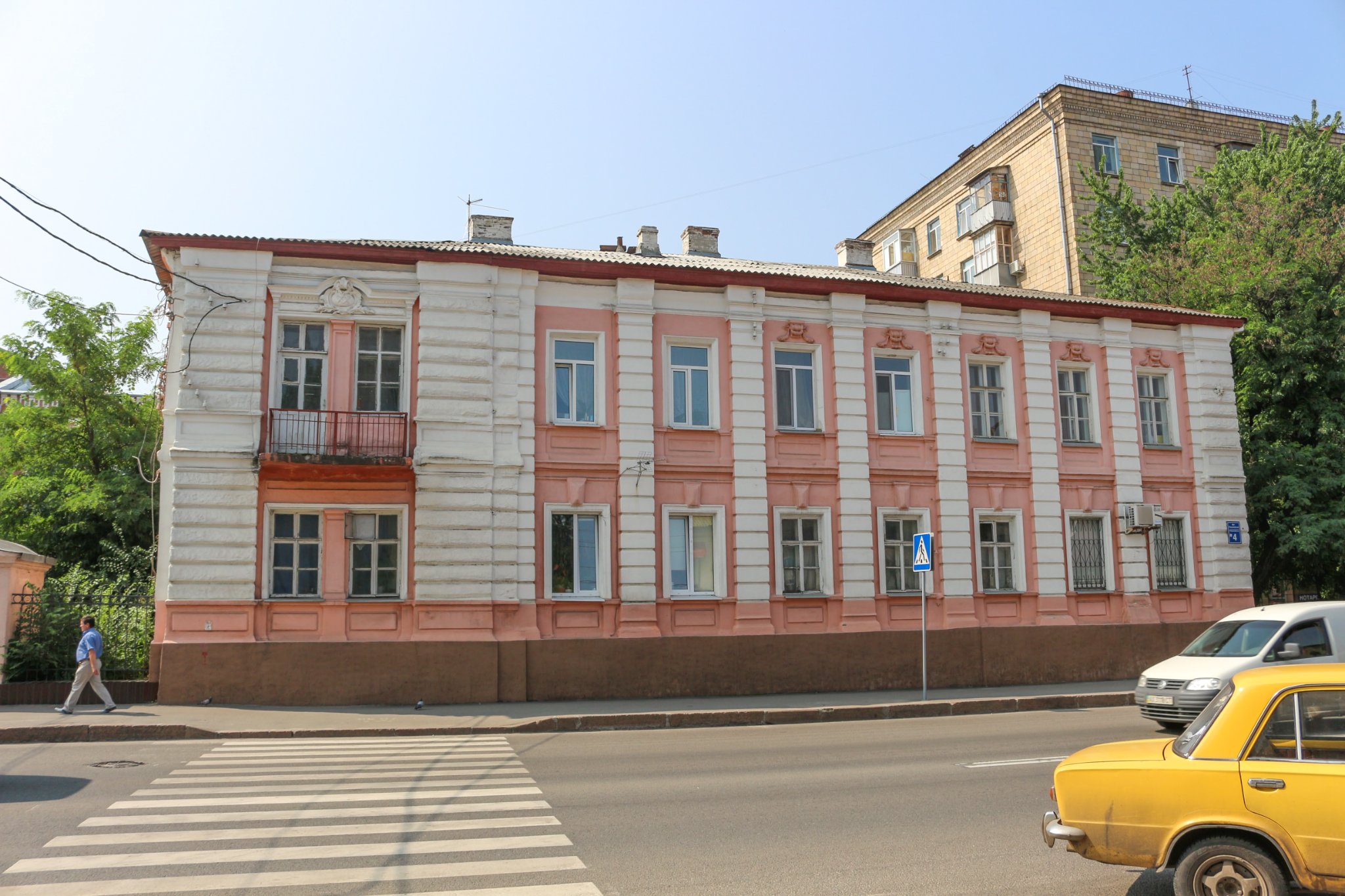
However, this building was not associated with the Freemasons either. It housed a vocational school, for which the compass and square were part of the professional symbolism.
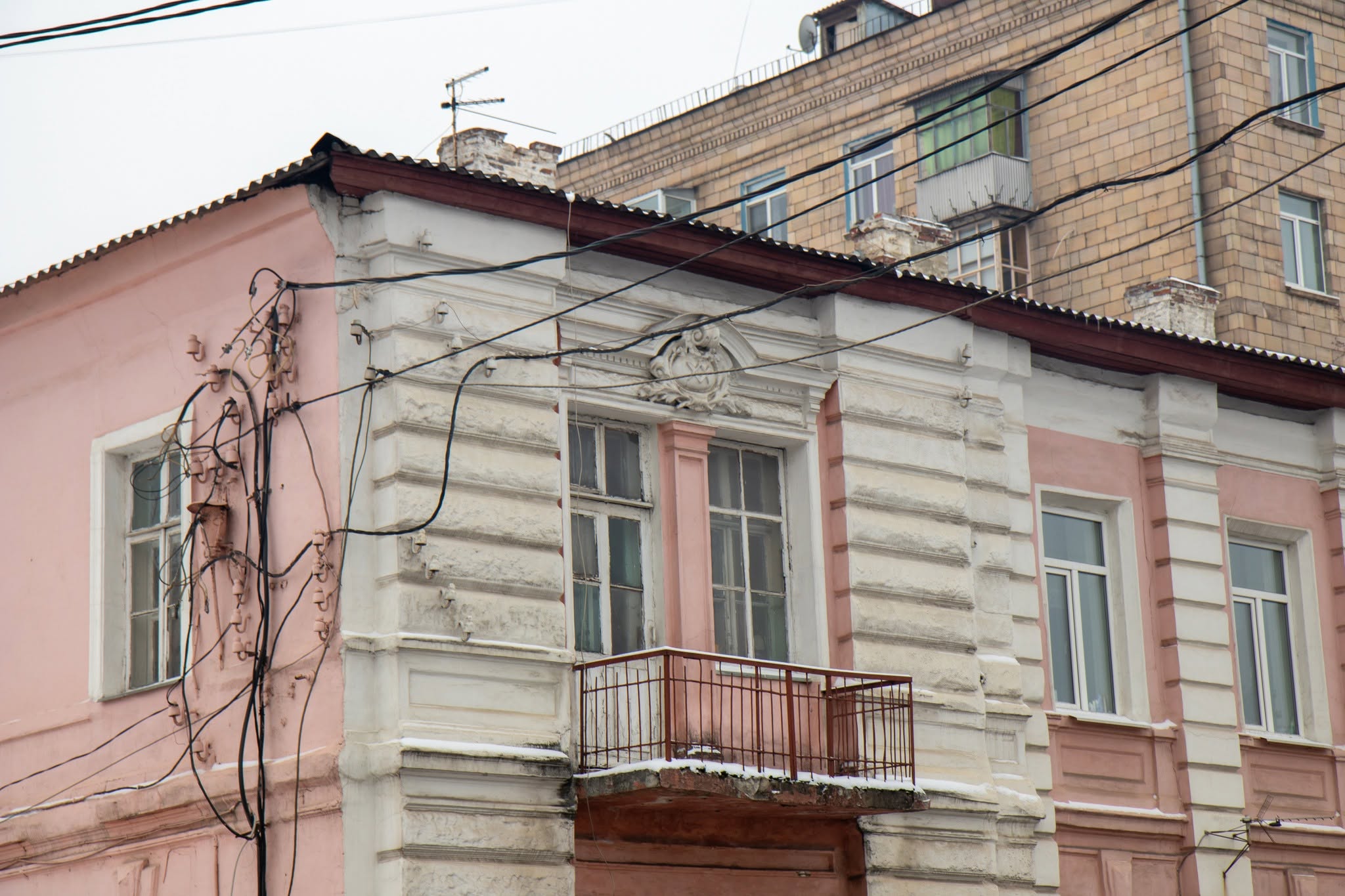
There is widespread information online claiming that the building was constructed in 1886 based on a design by architect Sergei Zagoskin. However, we would venture to suggest that the story behind its construction is a bit more complicated.
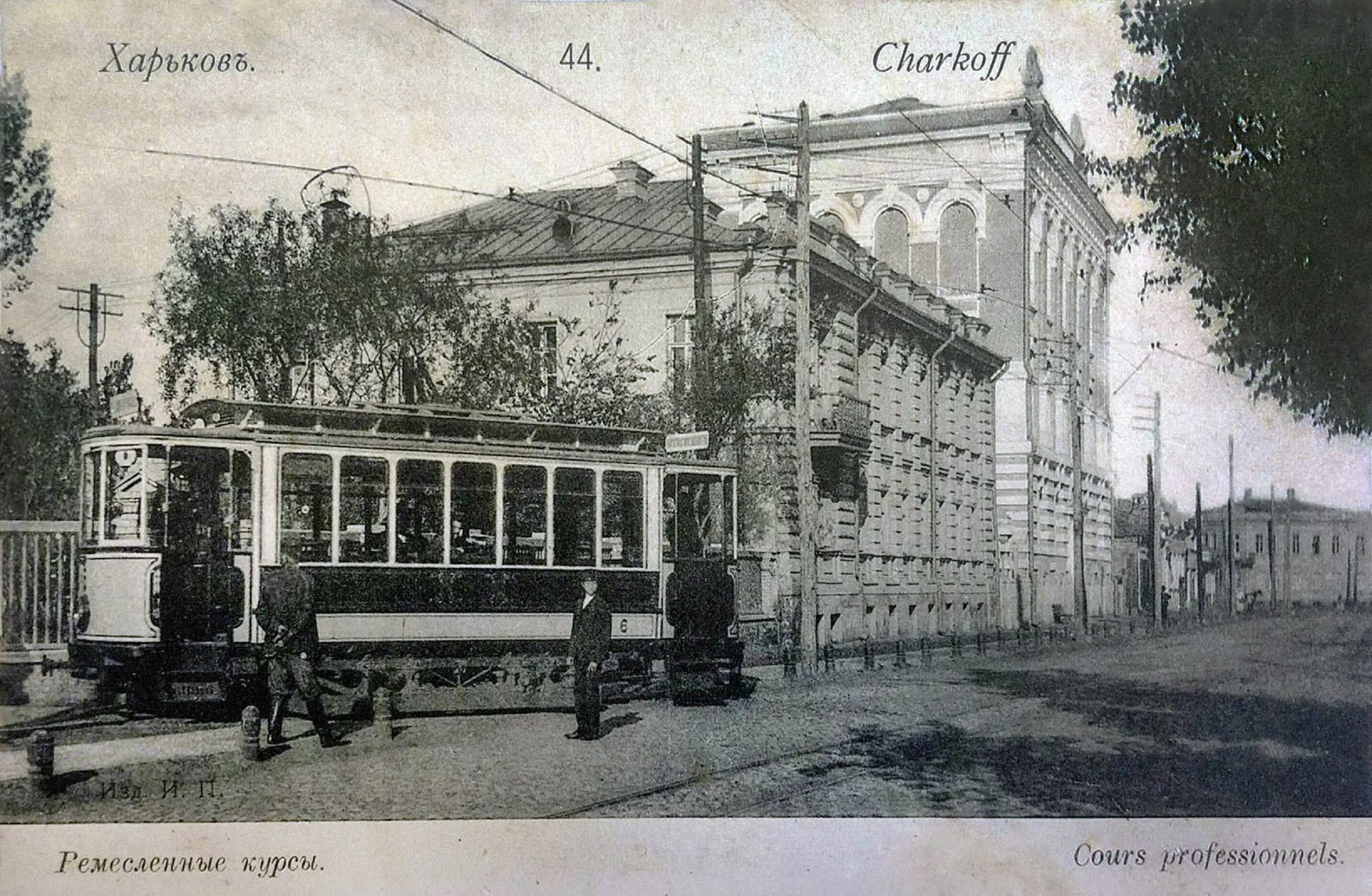
It is known that the vocational school was opened on January 12, 1886. As early as the 1870s, Y. Skrinnikov, a member of the city duma, donated a residential building for the school (at that time, it was located at Petinska Street, 8). At the same time, the eclectic decor of the facade does not quite resemble that of the 1870s, but is rather typical of the 1880s and 1890s. Also noteworthy is a certain asymmetry in its design—the left section seems to jut forward. It is possible that S. Zagoskin rebuilt the old building in the second half of the 1880s and modernized its facade. The Vocational School building has survived to the present day, albeit with some losses—the finials of the rusticated gables on the roof were lost, and the windows on the ground floor were bricked up.
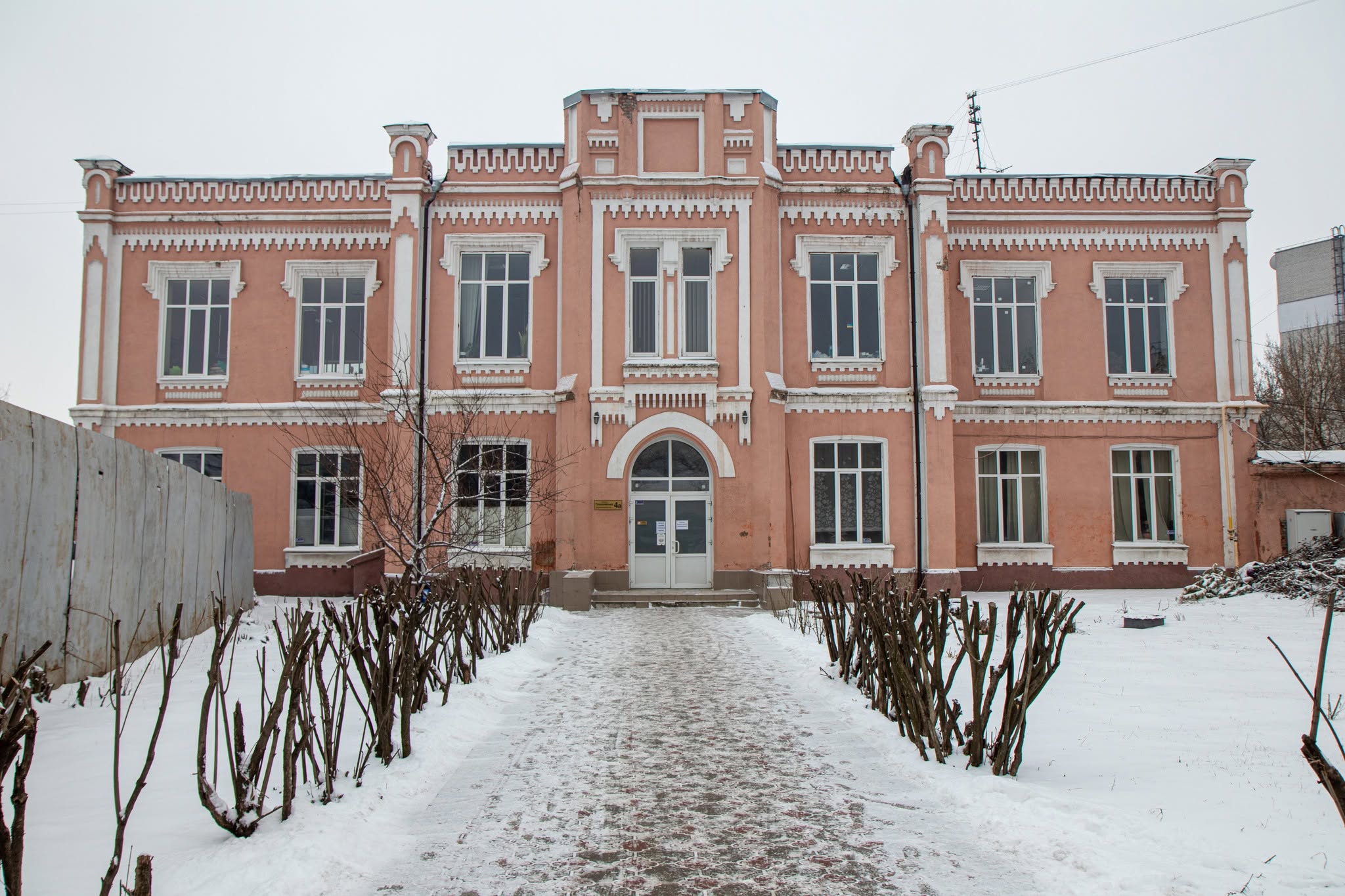
However, this was far from the only building on the school complex. An impressive classroom building in the eclectic style with Gothic Revival elements (currently located at Heorhiya Tarasenka Street, 4A) rose up next to it. It is also attributed to Zagoskin and built in 1886, but most likely dates back slightly later. The original building had a U-shape; judging by aerial photographs, its outline was closed and built over around the 1950s, and the numerous turrets crowning the attic were also lost.
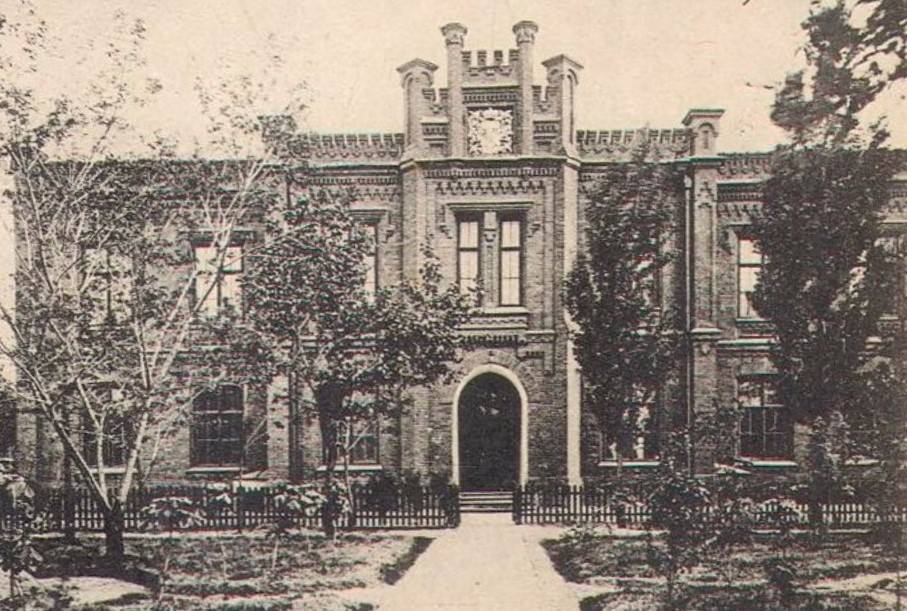
An annual budget of 10,000 rubles was allocated for the school’s operations. The school taught the trades of metalworking and blacksmithing, carpentry, lathe work, and woodcarving. Upon graduation, students became draftsmen, metalworkers, and lathe operators in factories and workshops, as well as railroad engineers. The school had an enrollment of 160–250 students.
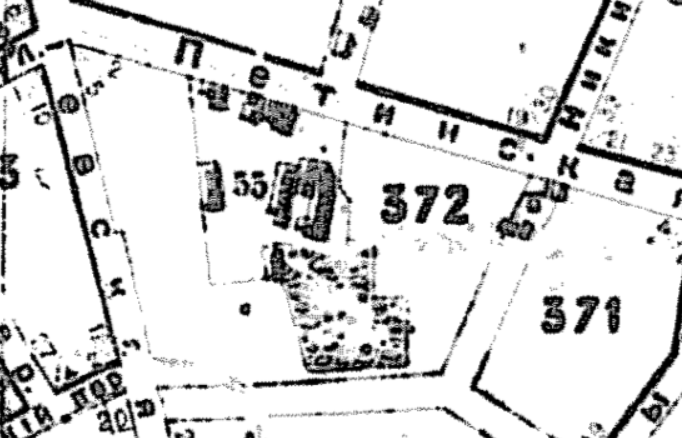
On the 1896 map, all the school’s modern buildings are already clearly visible. Its grounds (marked No. 33) were quite extensive, spanning the entire city block, and, as was written at the time, “took on the character of a People’s University.” Workshops, a warehouse, and a battery room were built on the grounds, and a garden was laid out at the rear of the site.
In 1905, the Petinske tram depot was built on the school grounds—it was located to the left of the classroom building.
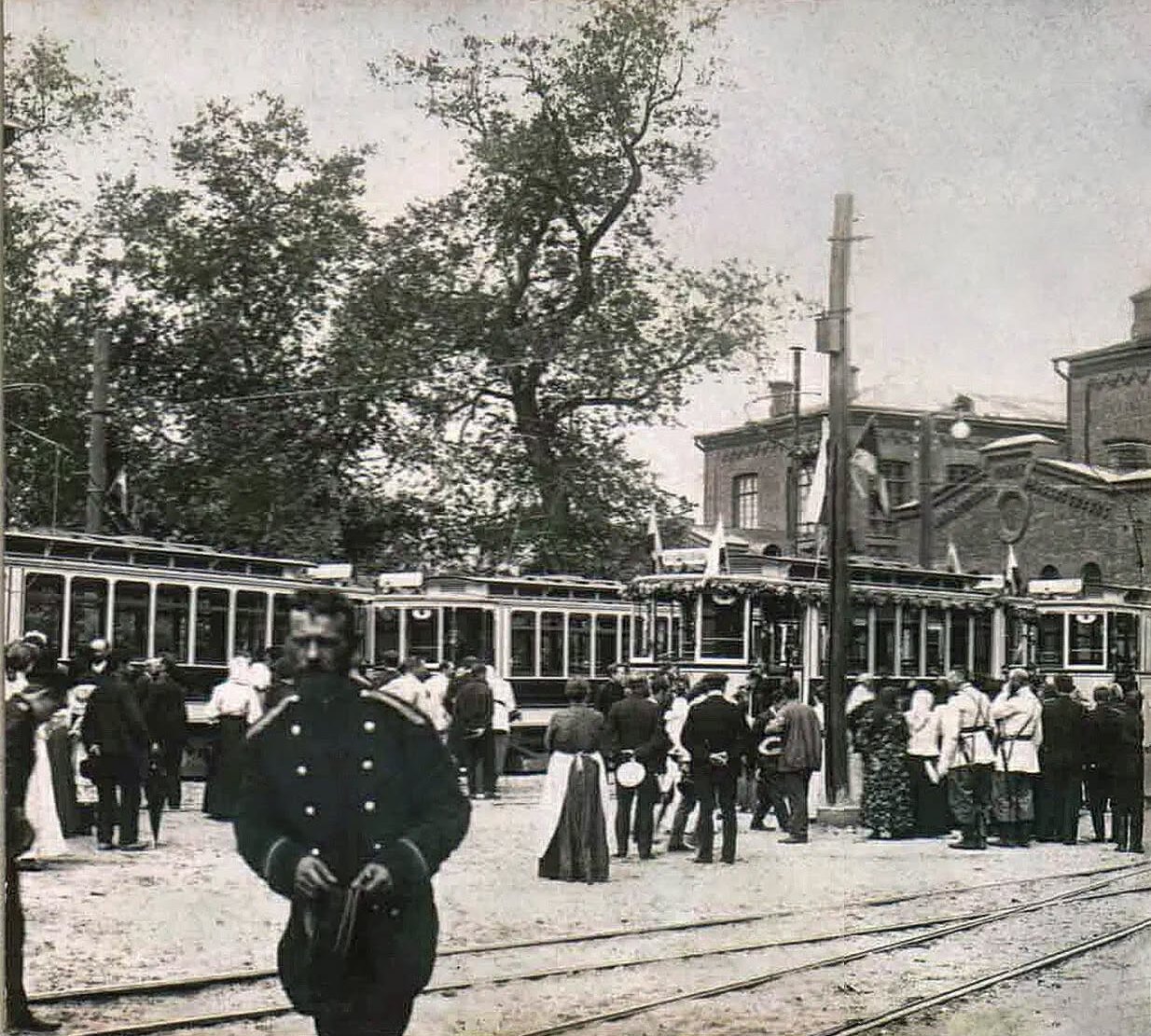
Unfortunately, no photograph of its facade has survived. The depot was closed in 1929 and transferred to the bus and taxi fleet.
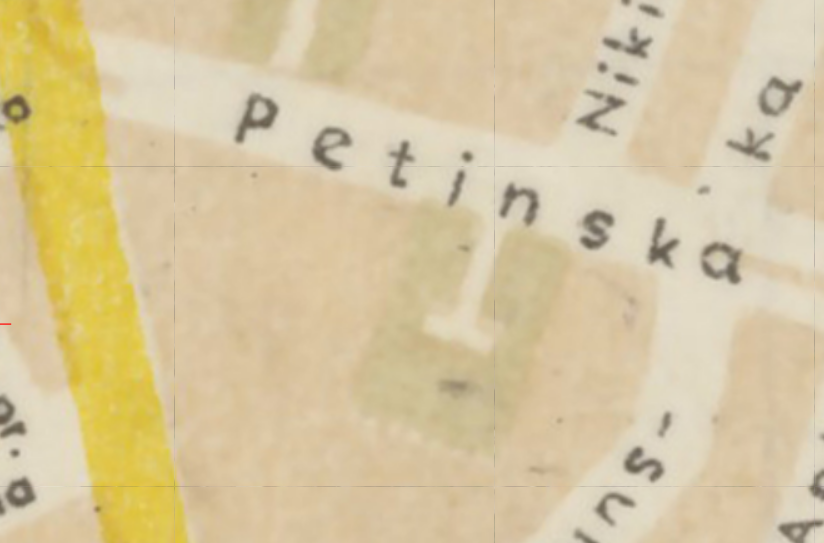
It is most likely that the depot was partially demolished as early as the 1930s to expand the parking area, which can be seen on maps from 1938–1942. Only a “remnant” of the depot remains.
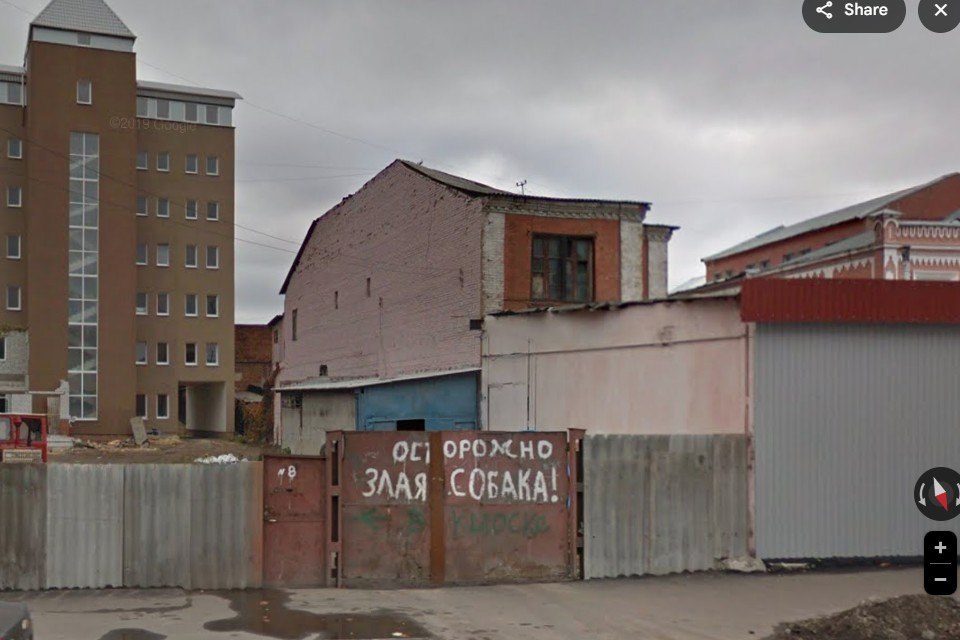
In 1930, a Kharkiv Electromechanical Technical School was established on the basis of vocational school. In 1987, the Technical School moved to a new building at Samsonivs’ka Street, 36; its current name is the Electromechanical Vocational College of the O.M. Beketov Kharkiv National University of Municipal Economy.
Meanwhile, the buildings of the former technical college on Heorhiya Tarasenka Street house numerous offices. Unfortunately, these buildings do not have protected status as architectural monuments, although at the very least building 4A deserves to have it.

- The Architectural Evolution of the Kharkiv Theater - 26.09.2026
- 1st Kharkiv Gymnasium - 17.09.2026
- The Oldest Movie Theater in Ukraine - 24.08.2026