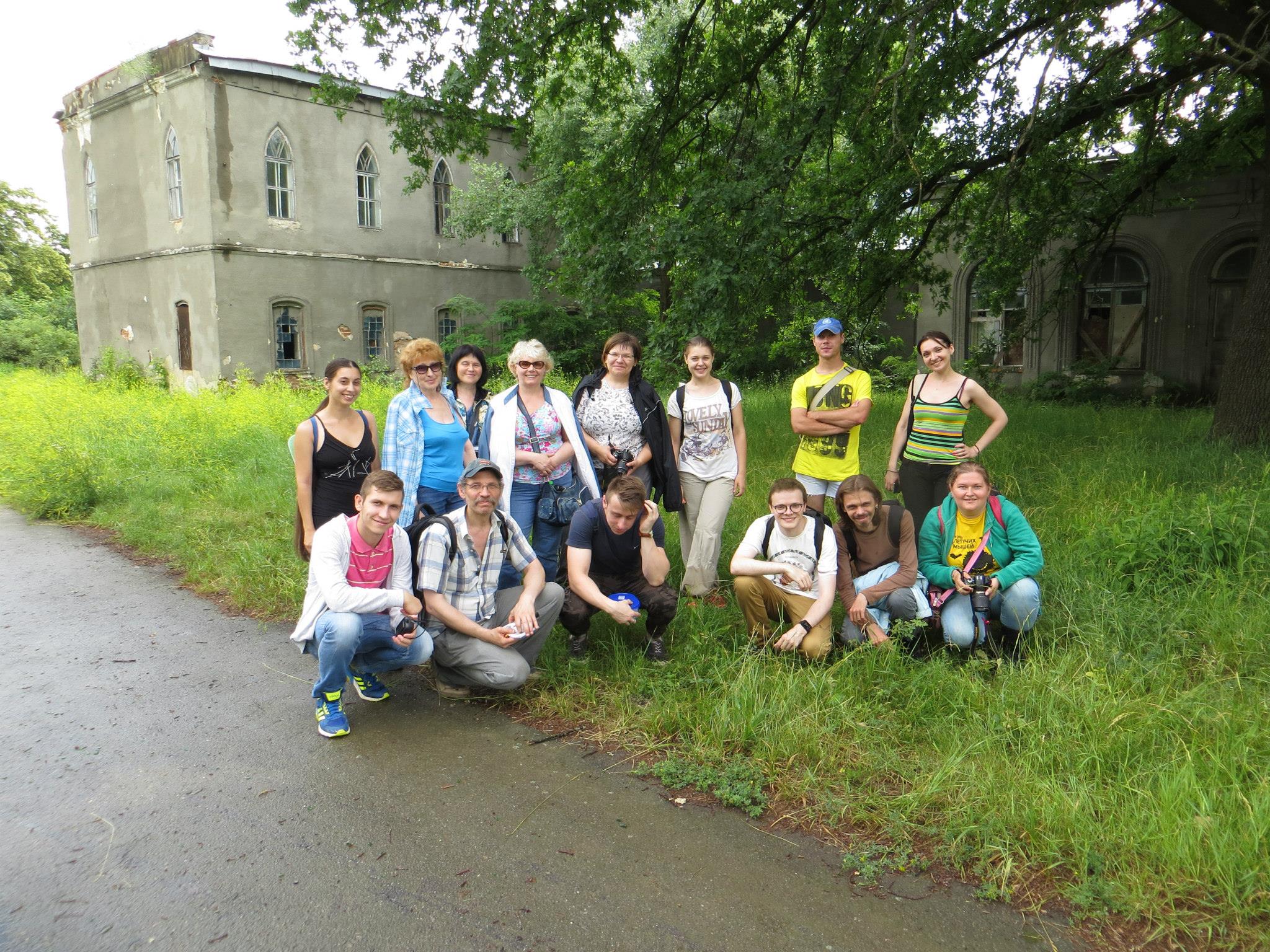
On June 21, 2015, we took a field trip to the estate in Hyivka neighborhood, located in Lyubotin. The estate was once considered one of the most beautiful in the Kharkiv Governorate and is notable for the fact that one of its owners was the legendary Vasily Grigoryevich Maslovich—the publisher of Ukraine’s first satirical magazine, *Kharkiv Democritus*. In fact, it was he and his heirs who built and improved the estate, the church, and the entire park complex from the 1820s through the 1870s.
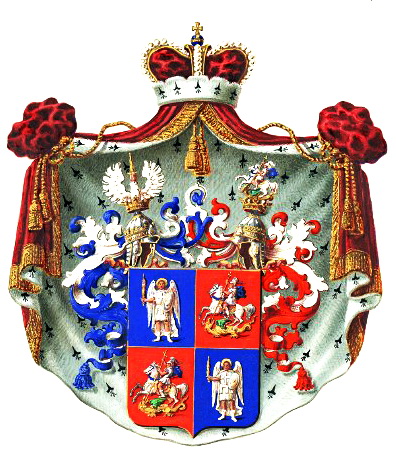
But the estate was best known for its last owners, the Svyatopolk-Mirsky family. Governor-General Prince Dmitry Ivanovich Svyatopolk-Mirsky purchased the estate in 1881.
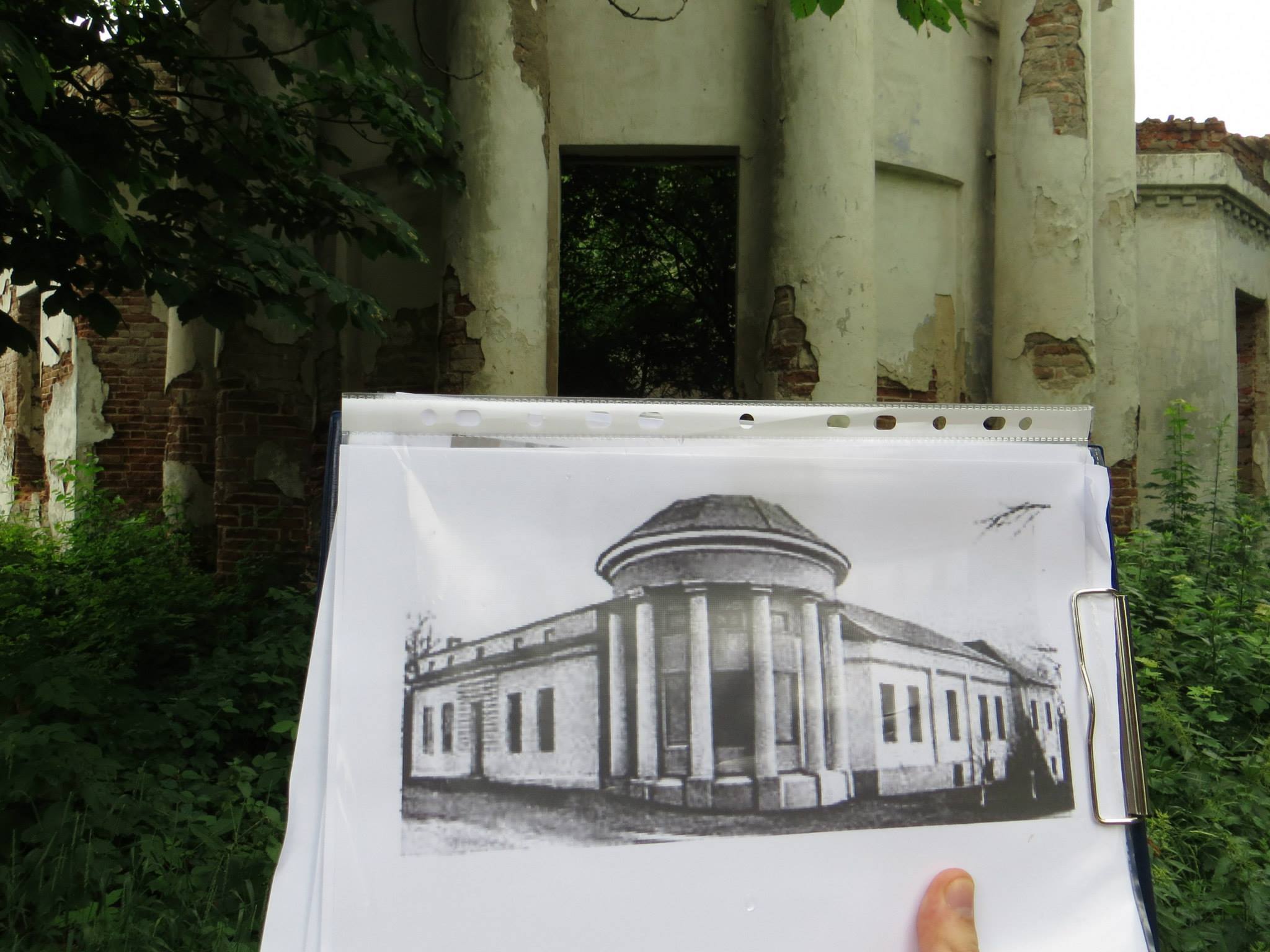
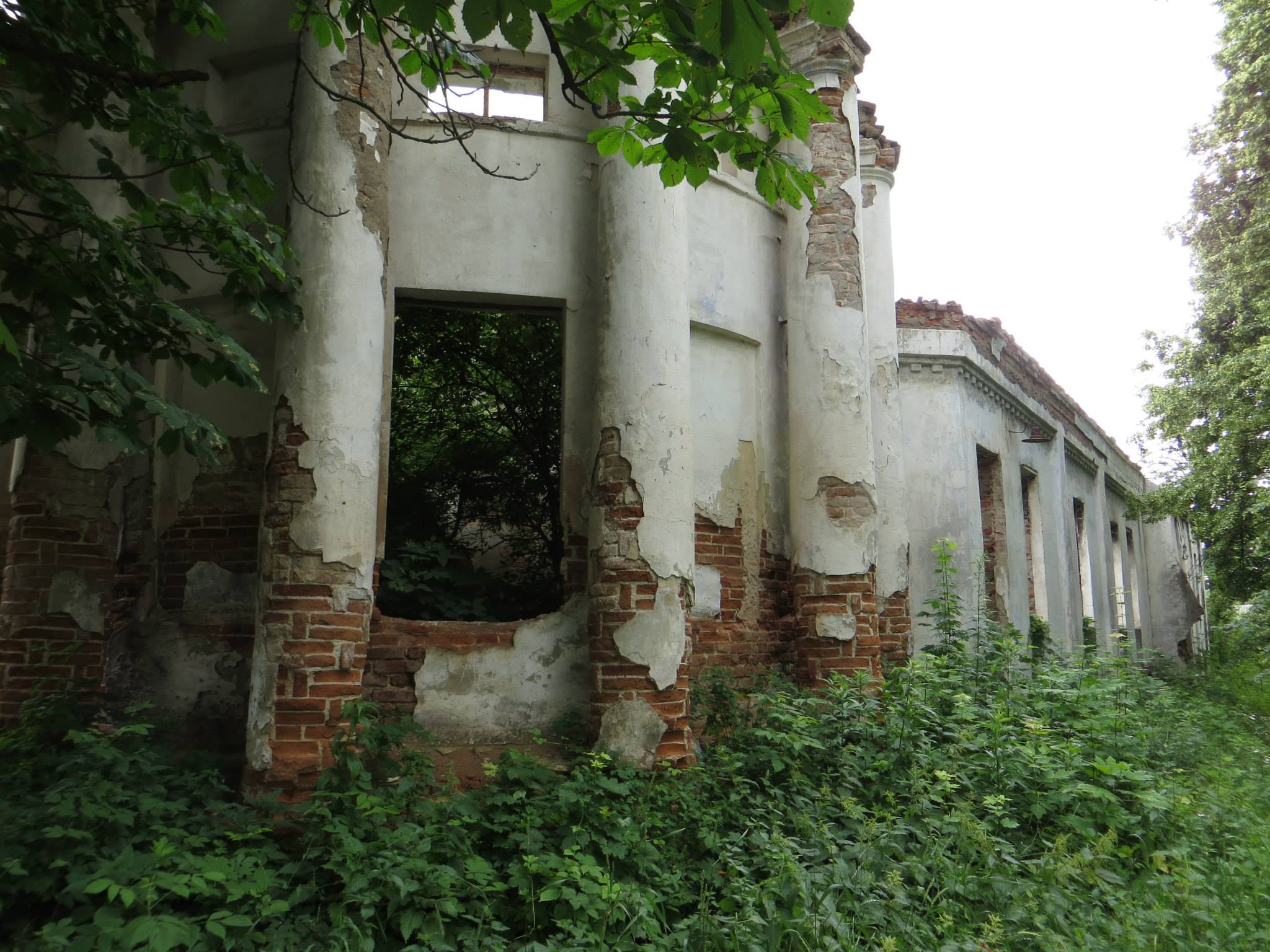
The estate manager’s office. Almost nothing remains of the rotunda—just a couple of load-bearing walls and a collapsed basement.
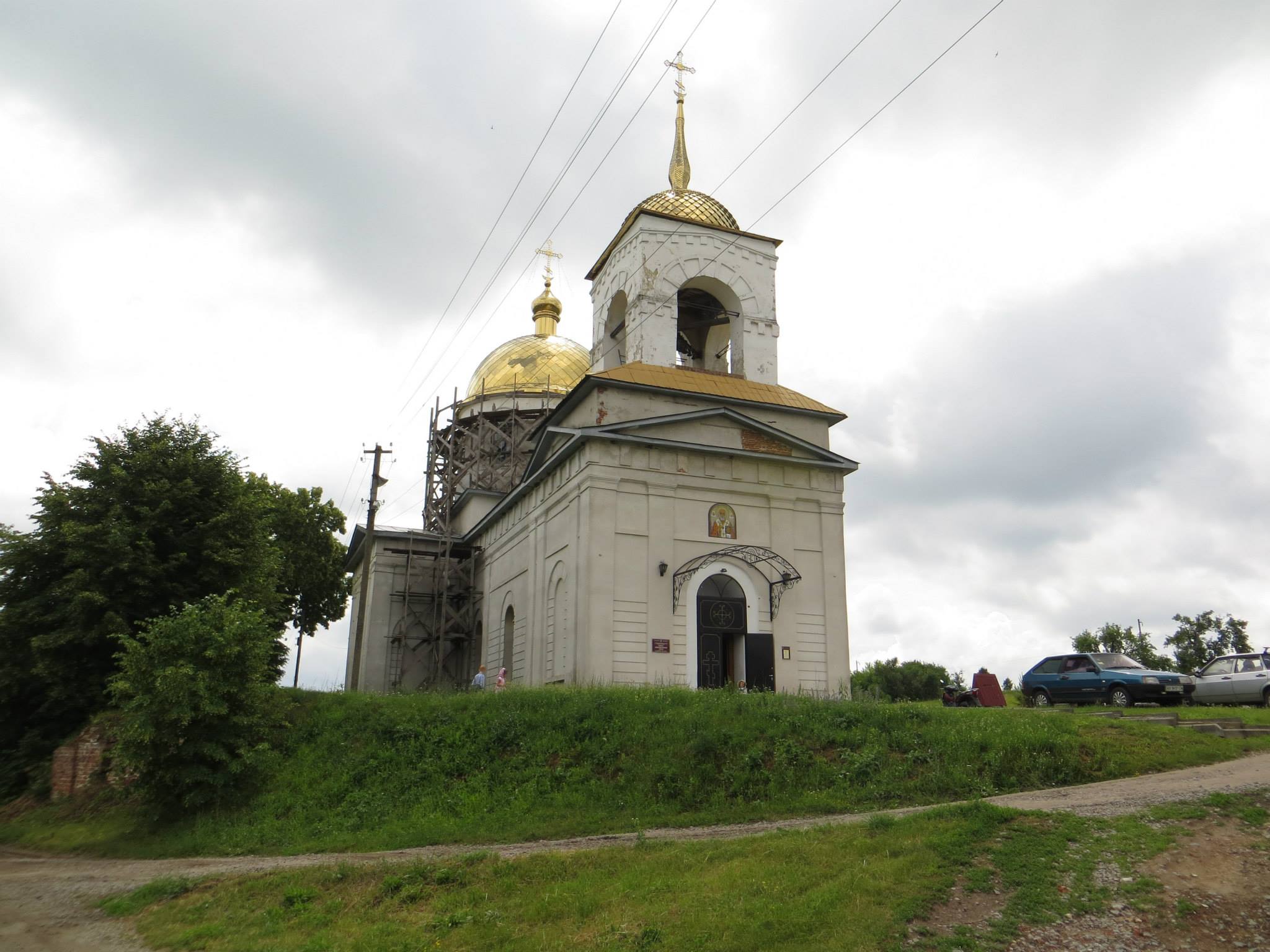
St. Nicholas Church in Giyovka, built in the early 1840s.
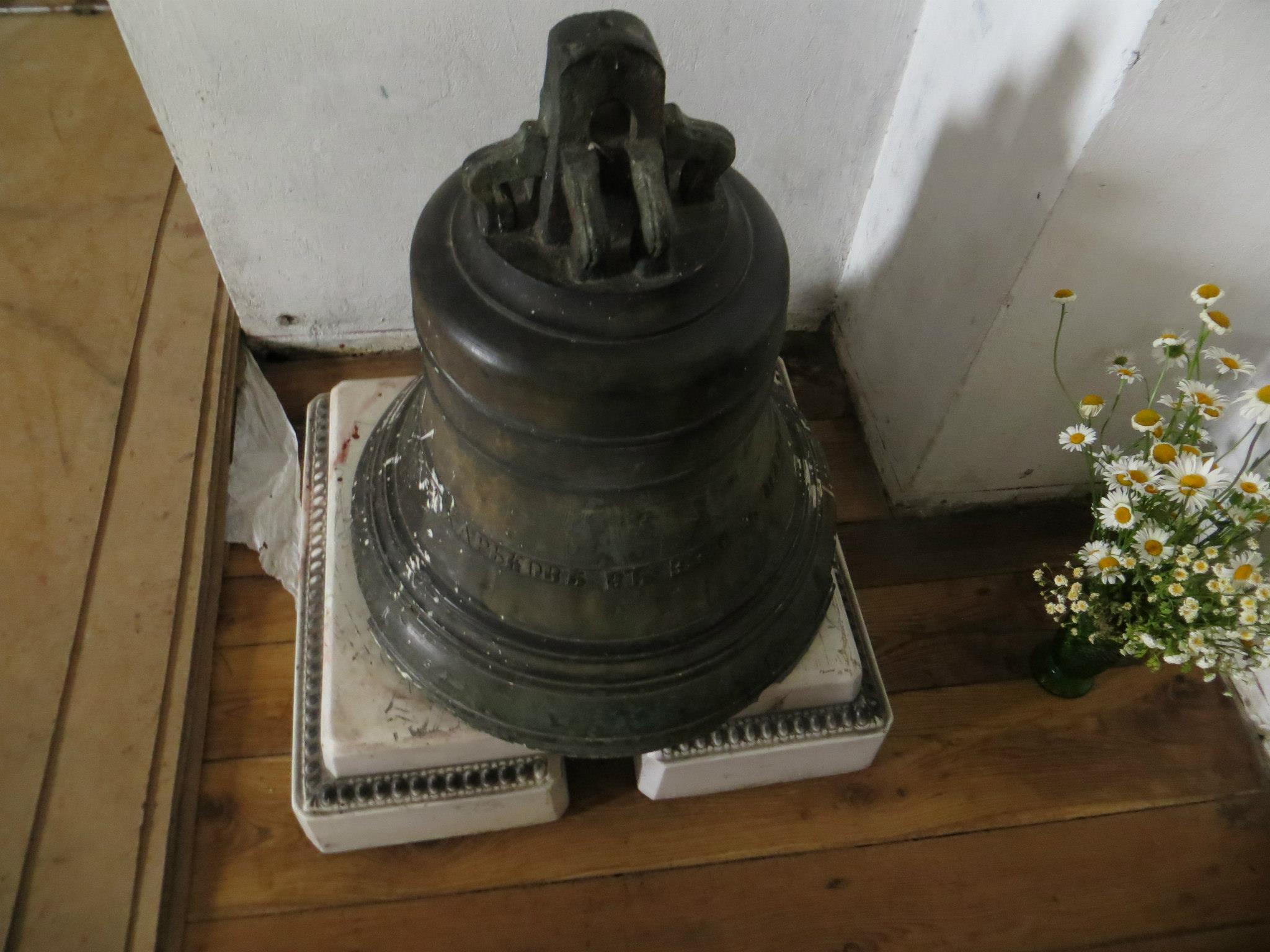
Construction was begun by Maslovich, a writer from Kharkiv, who had owned the estate since the early 19th century. The old bell has been preserved in the church.
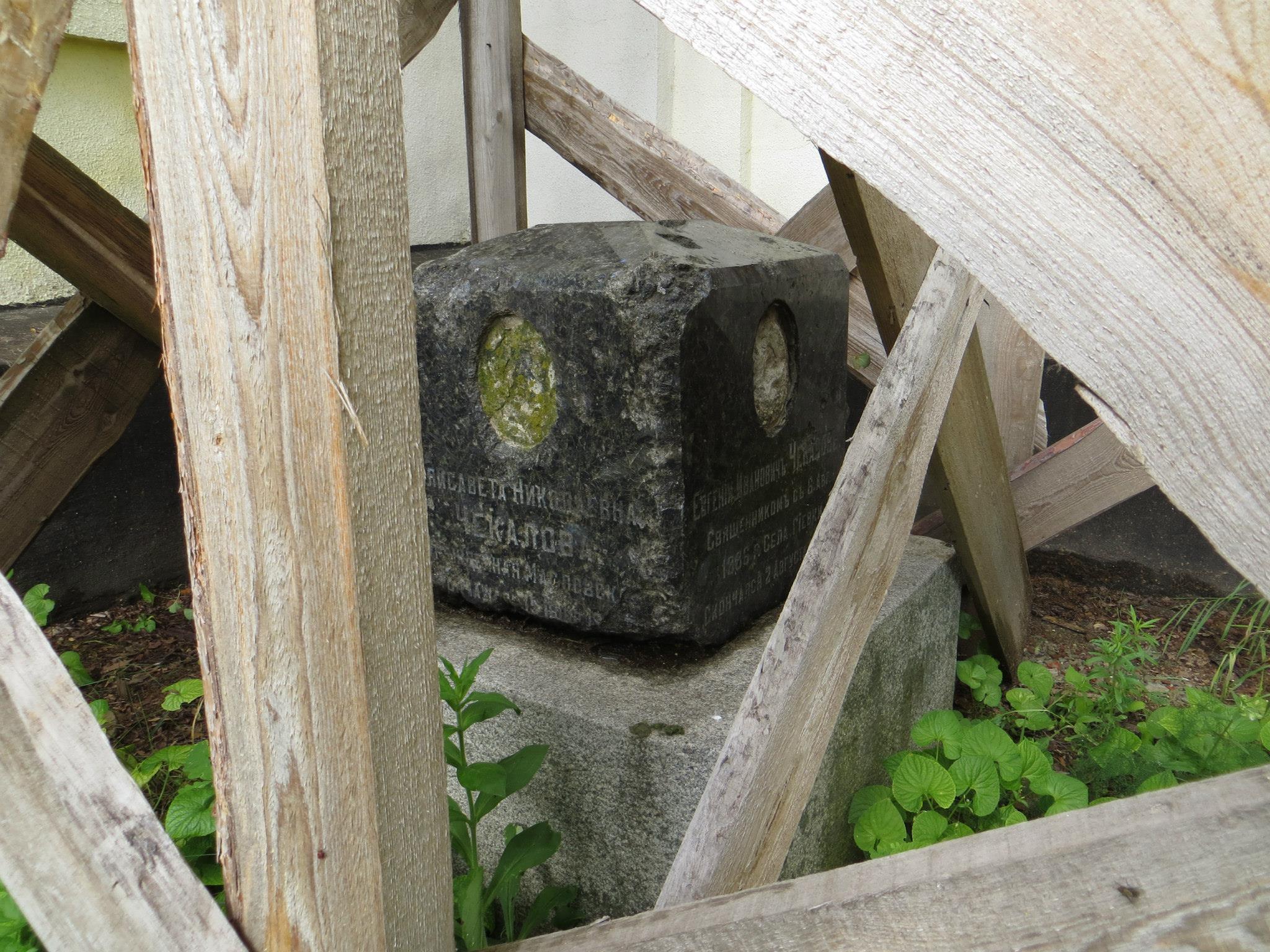
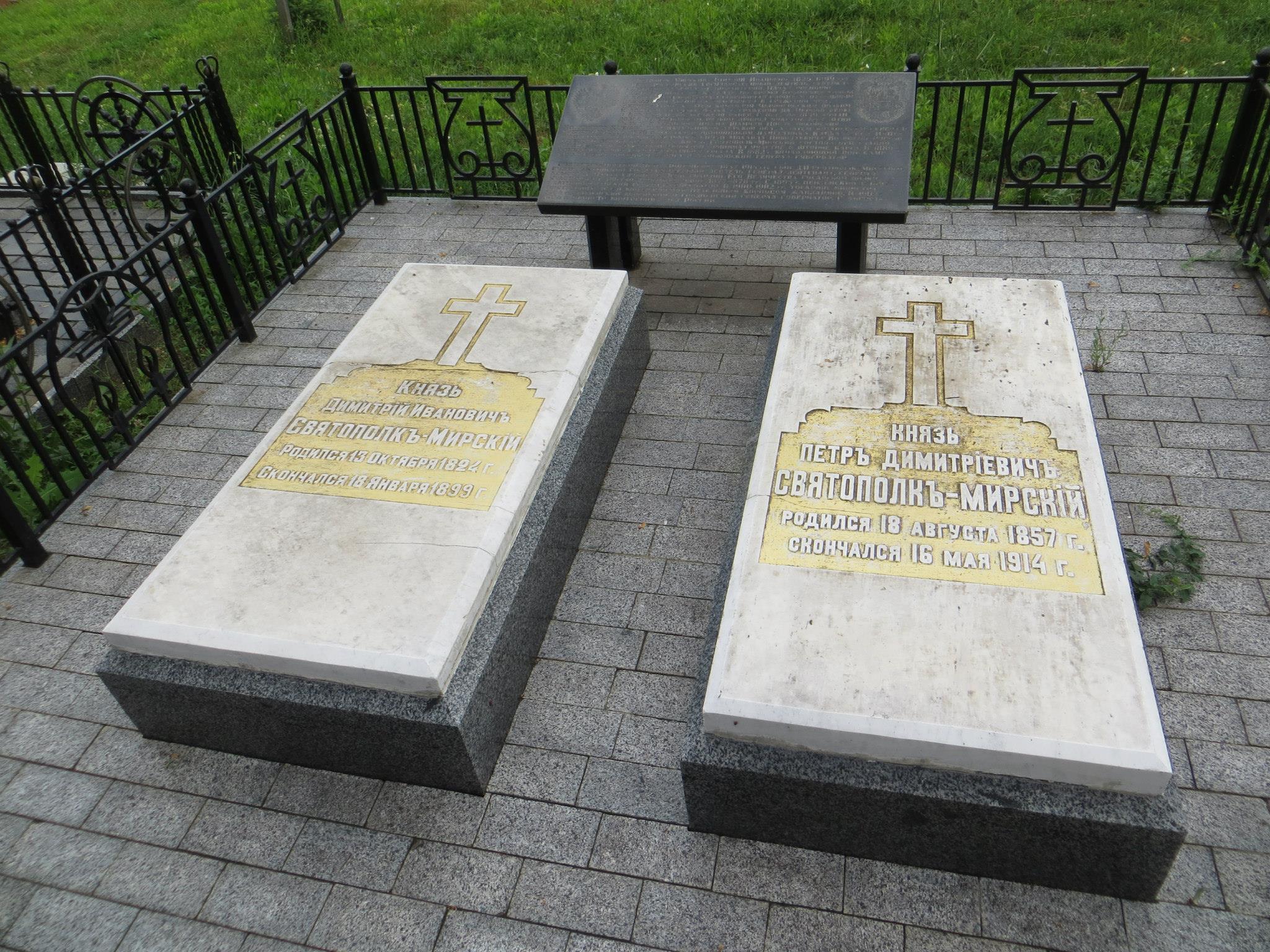
The Mirsky princes were buried near the St. Nicholas Church in Hyivka, although their graves were dug up and desecrated in the 1950s, and the overturned granite slabs were used as paving stones near the Lyubotyn City Council
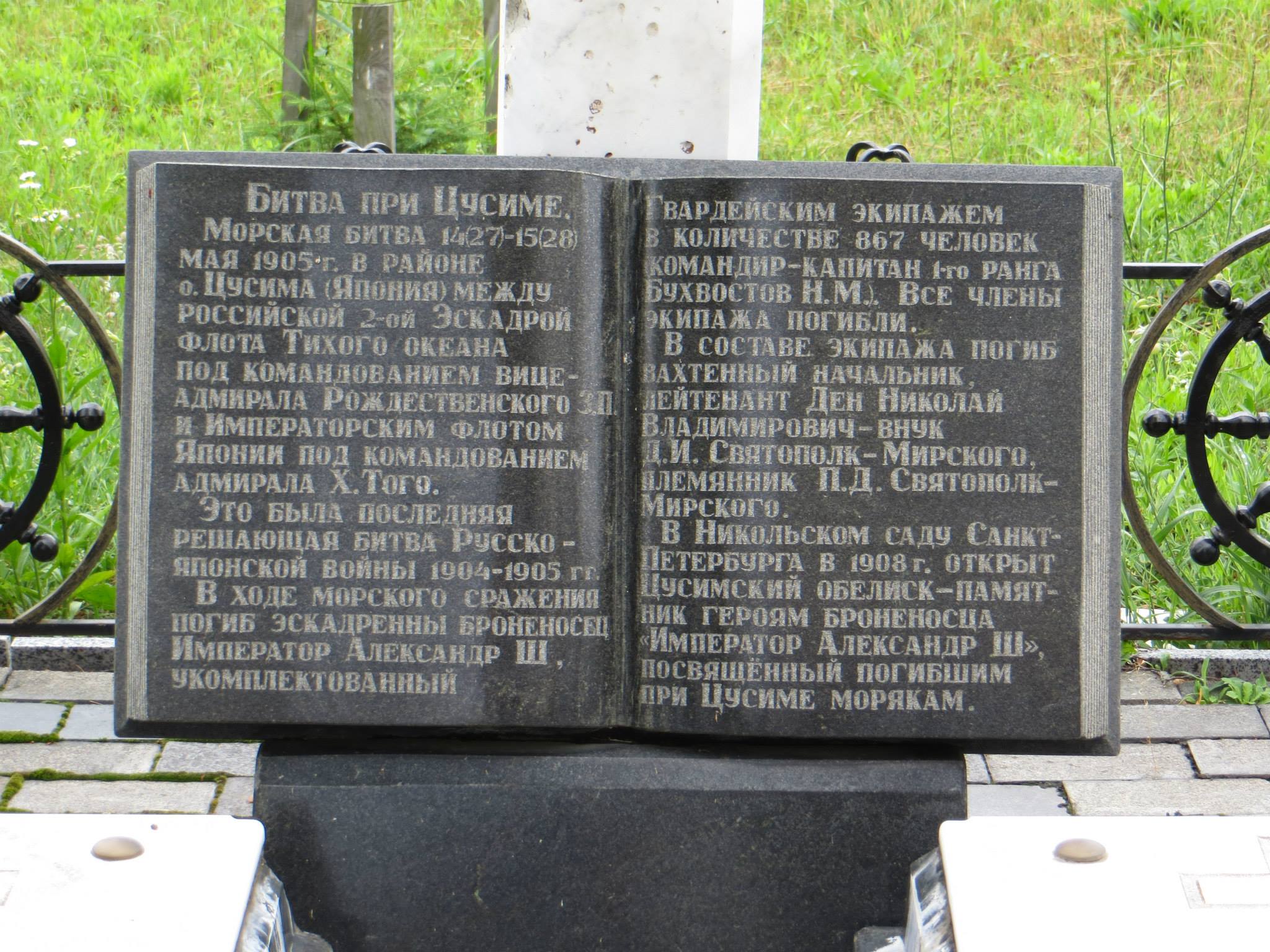
During the Battle of Tsushima in 1905, Den Nikolai Vladimirovich, the nephew of P. Svyatopolk-Mirsky, was killed aboard the ship *Emperor Alexander III*.
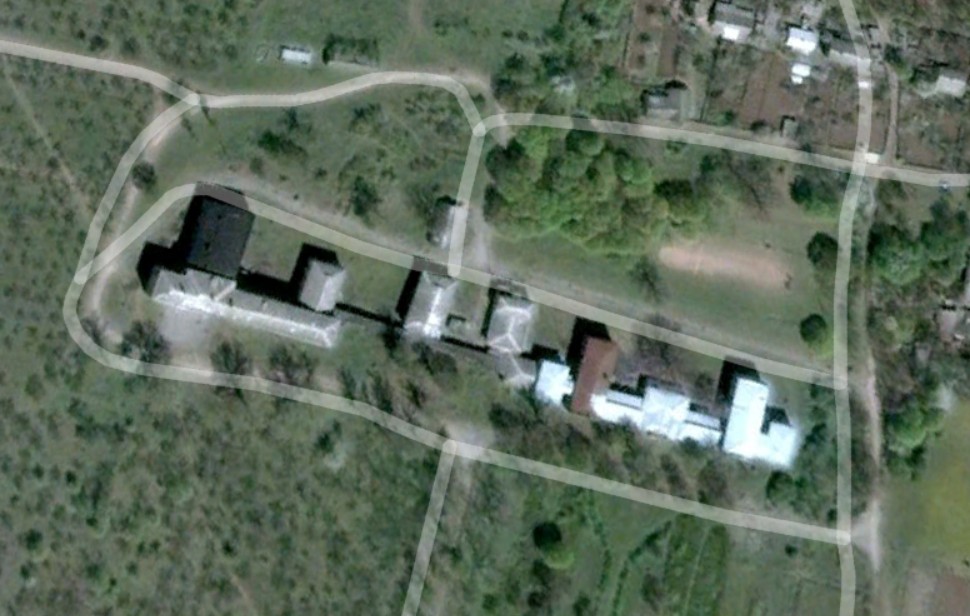
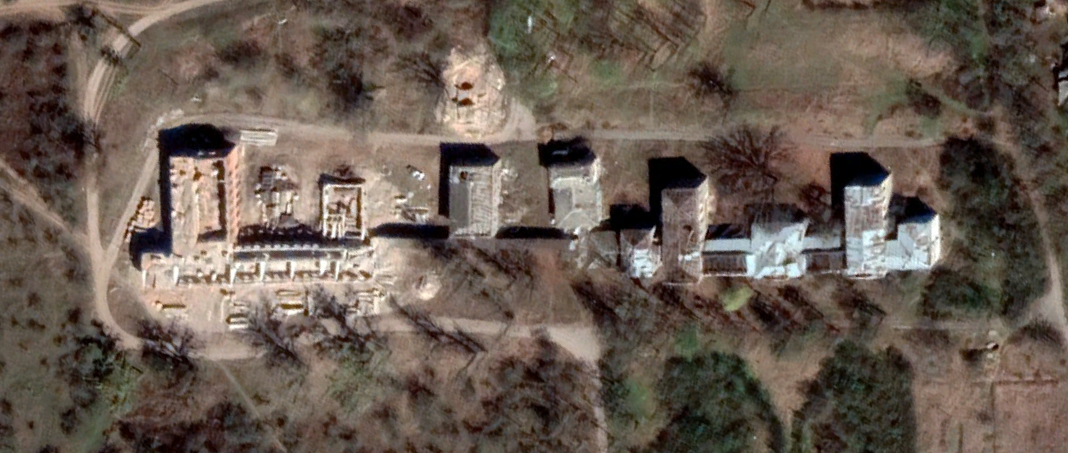
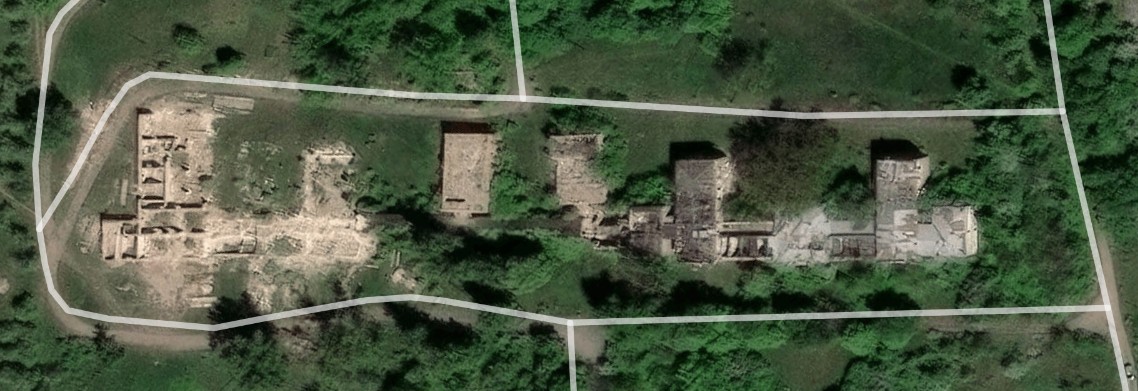
The estate in Hyivka originally consisted of two L-shaped, two-story buildings connected by a long, one-story passageway.
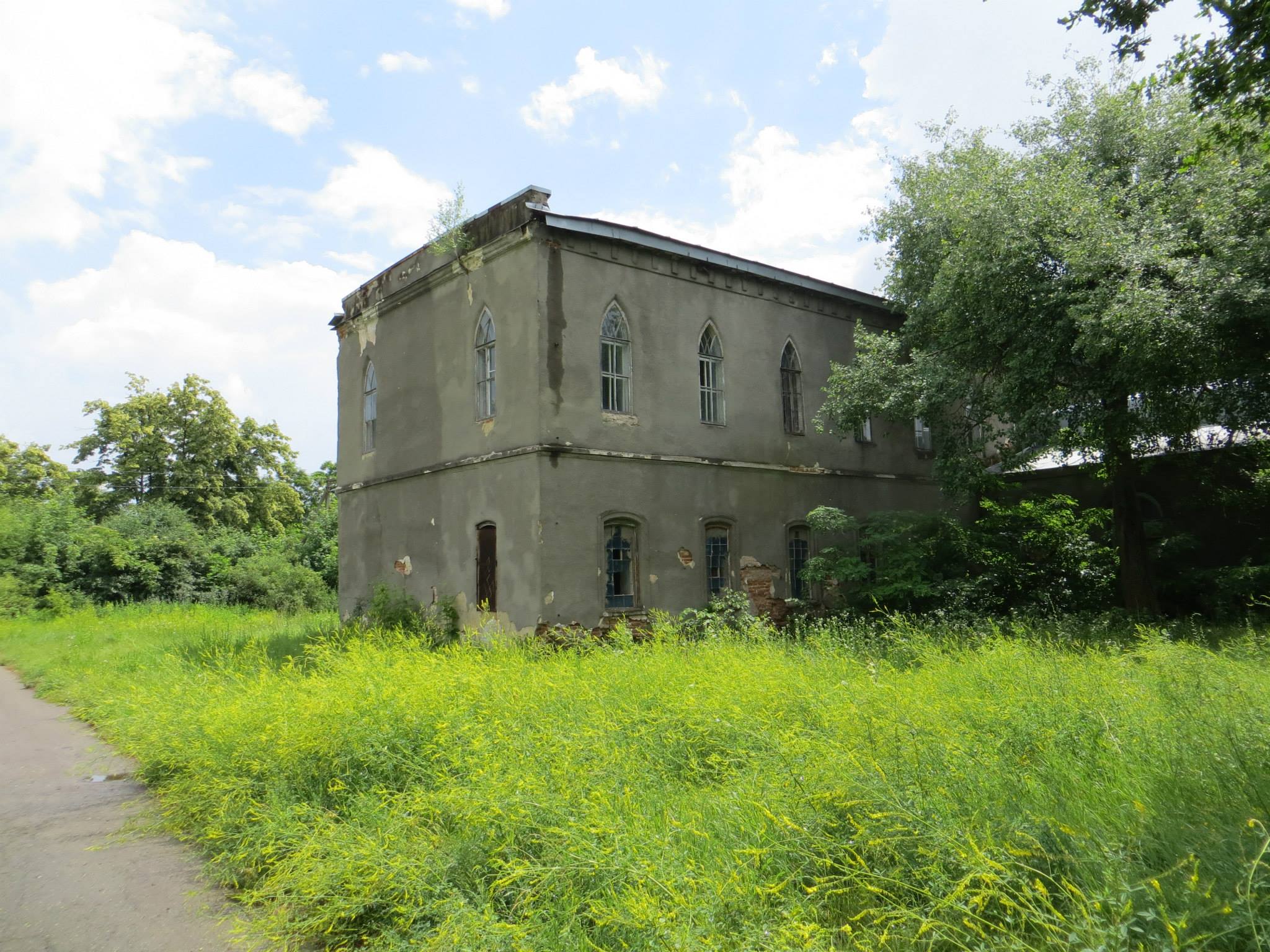
The passageway was originally a greenhouse, then an art gallery, and later residential quarters.
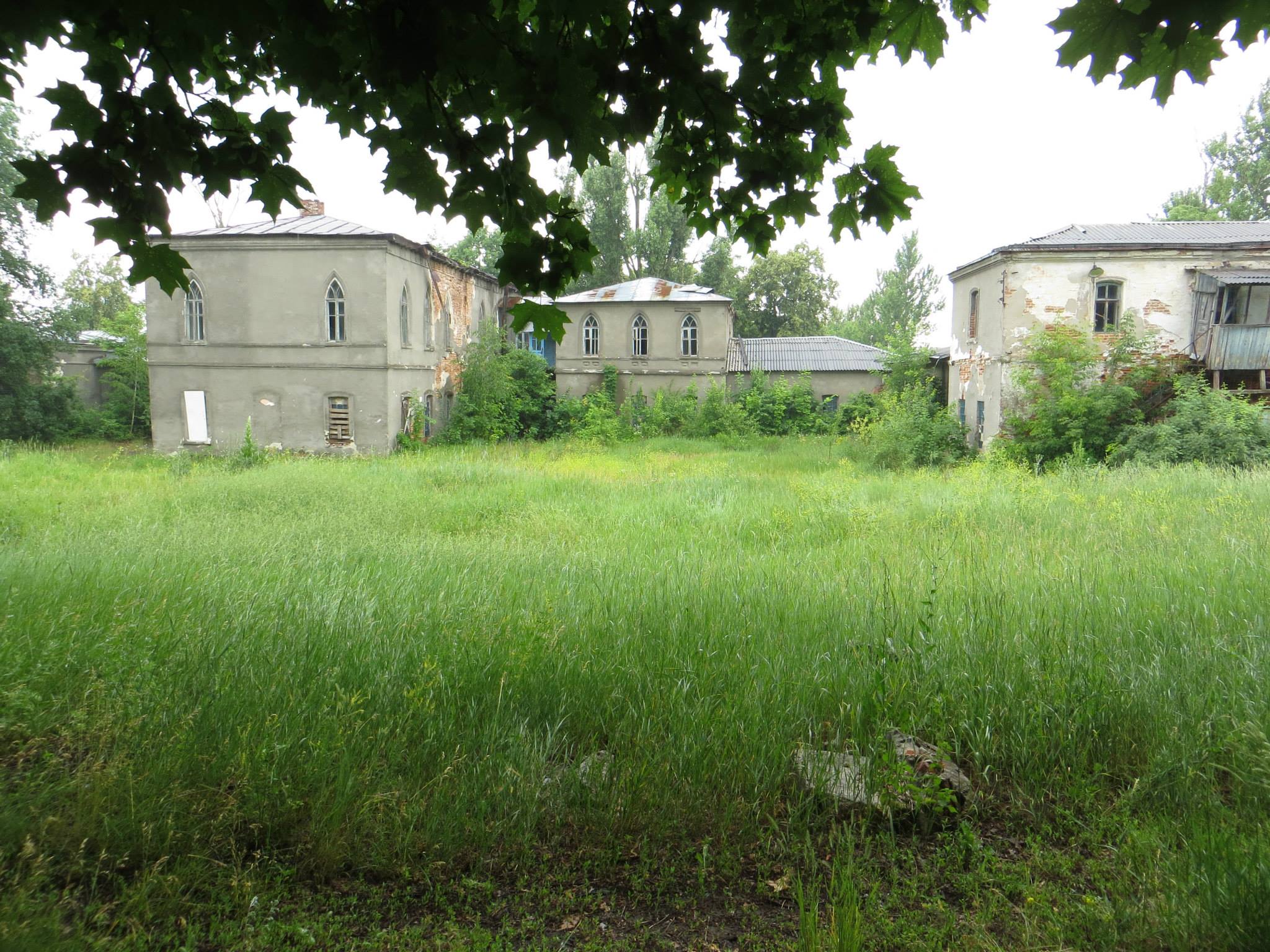
Later, additional two-story buildings and extensions were “strung together” along the passageway.
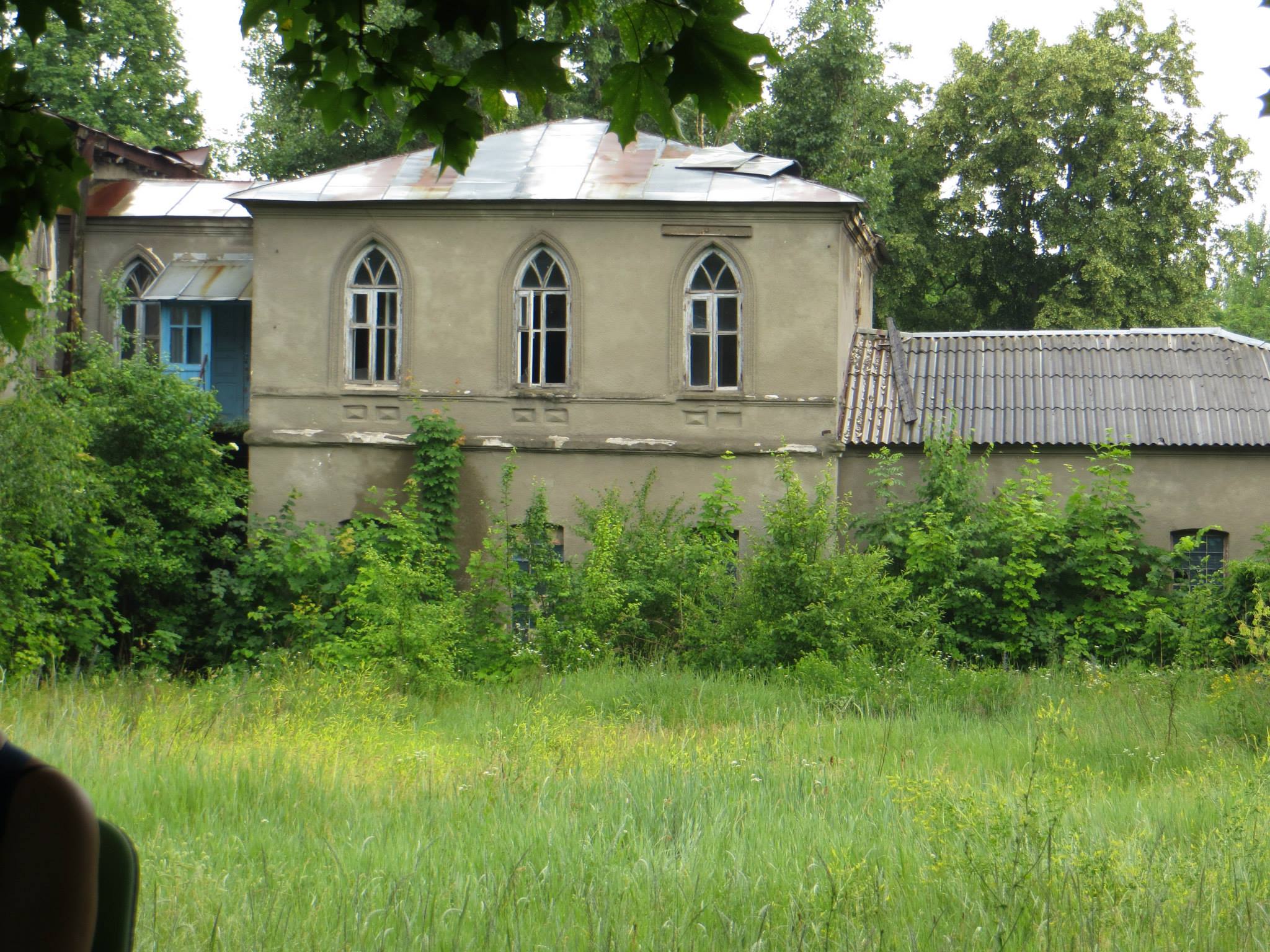
During the Soviet era, the estate was converted into a boarding school.
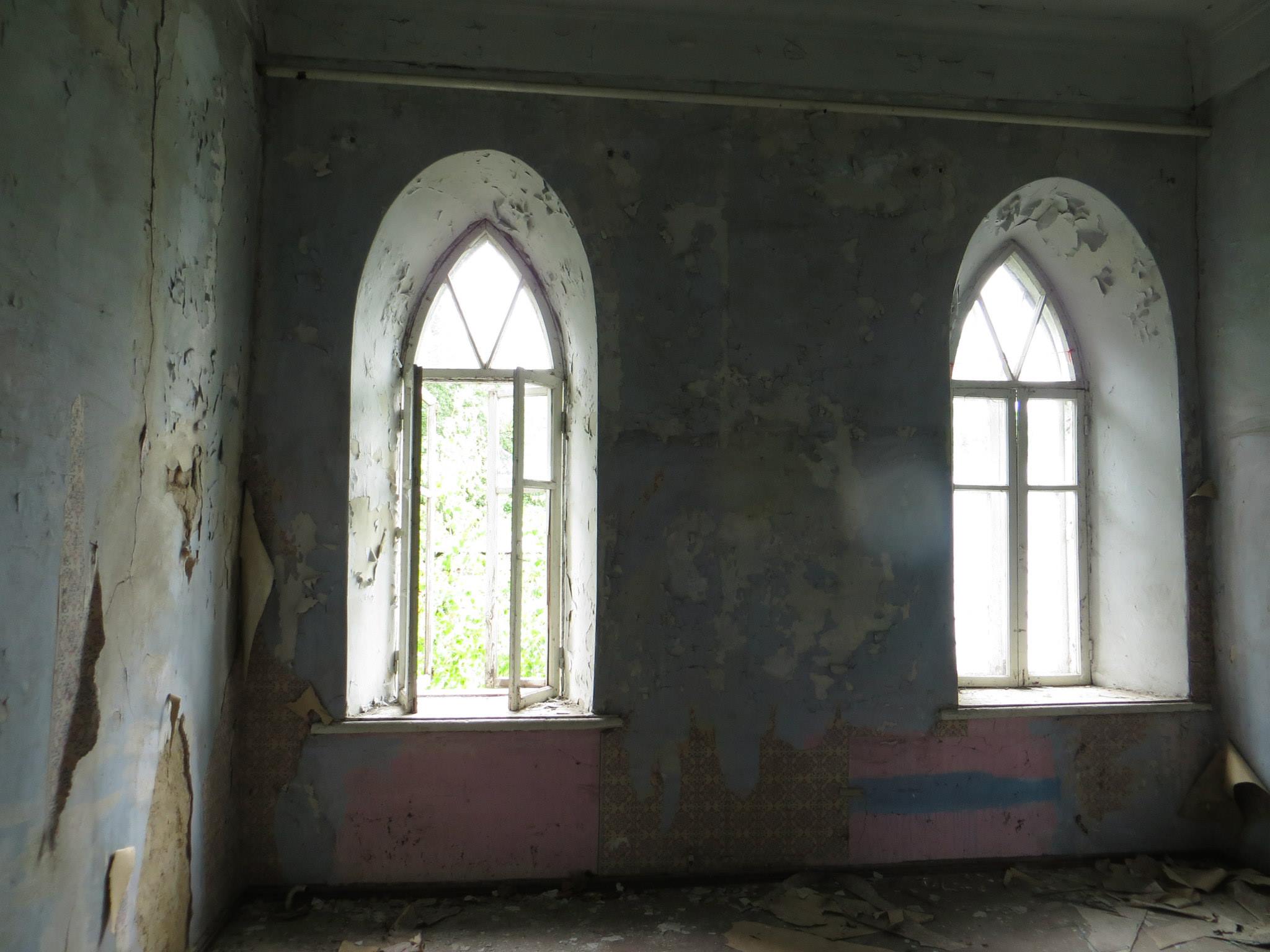
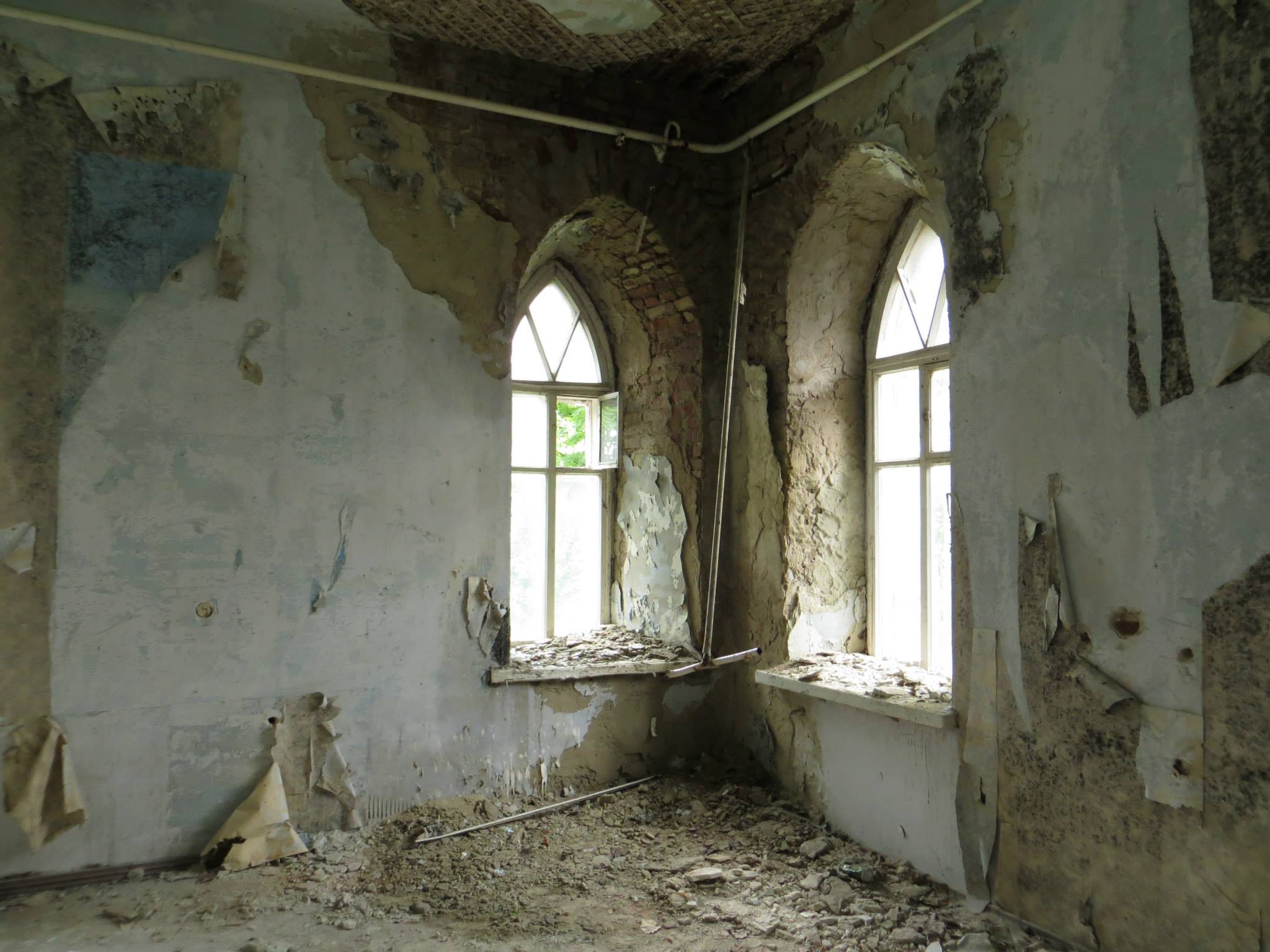
Additional buildings were then added to the estate, this time in a standard architectural style, without Gothic Revival-style lancet windows.
And now a few words about the estate’s last owners. Prince Pyotr Dmitrievich Svyatopolk-Mirsky served as Minister of the Interior from 1904 to 1905 and played one of the key roles in the 1905 Revolution.
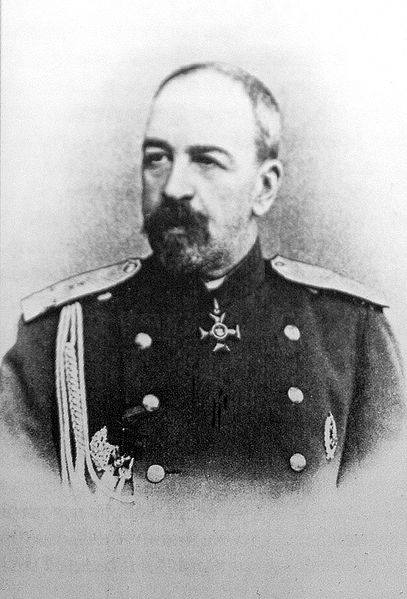
Peter was a liberal and enjoyed the support of the intelligentsia and the masses, but he was never able to break the reactionary machine, and he resigned the day after the tragic “Bloody Sunday.”
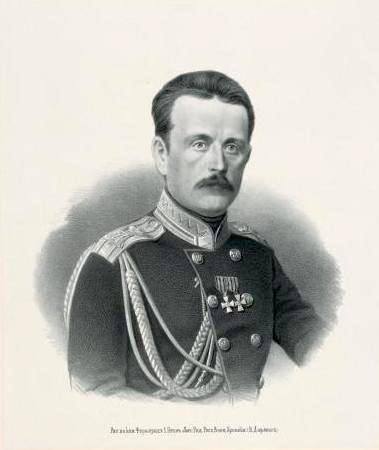
The prince’s father, Dmitry Ivanovich, fought in the Caucasian and Crimean Wars
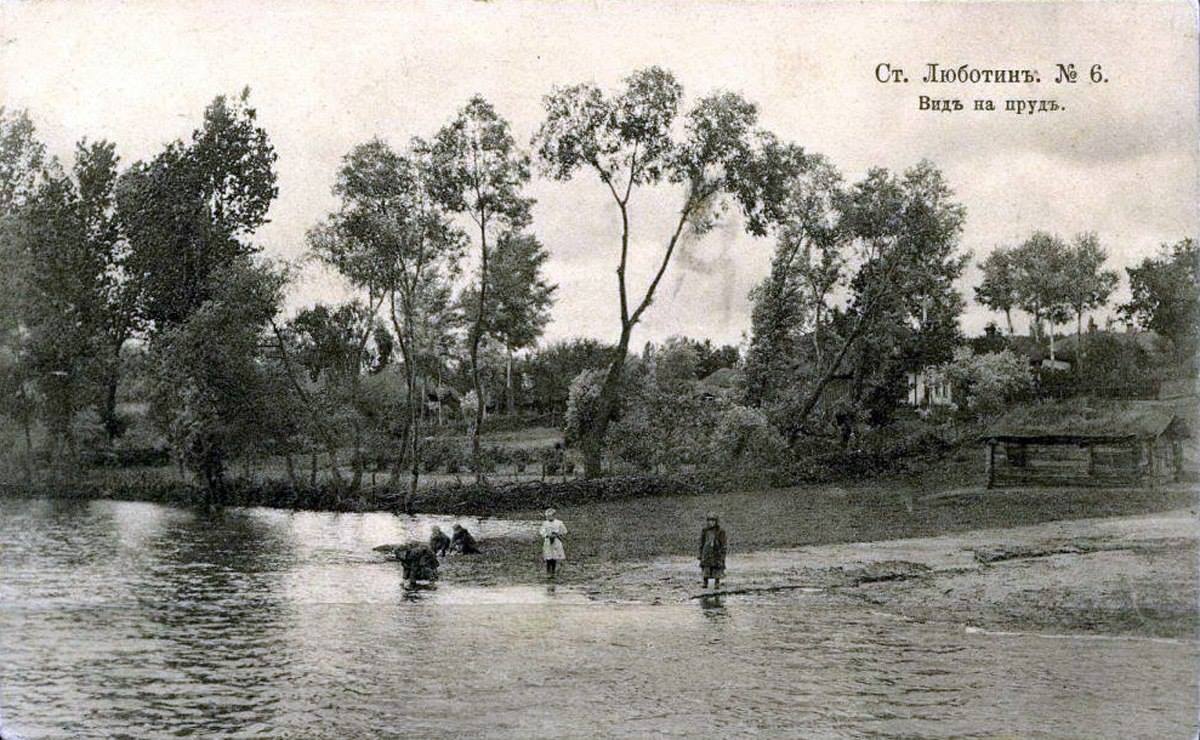
The Giyevsky Pond is located between the estate and the church.
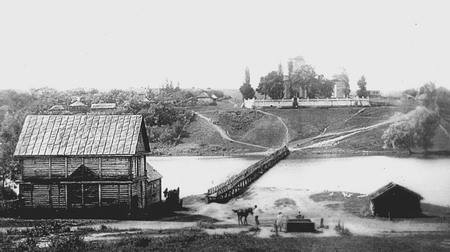
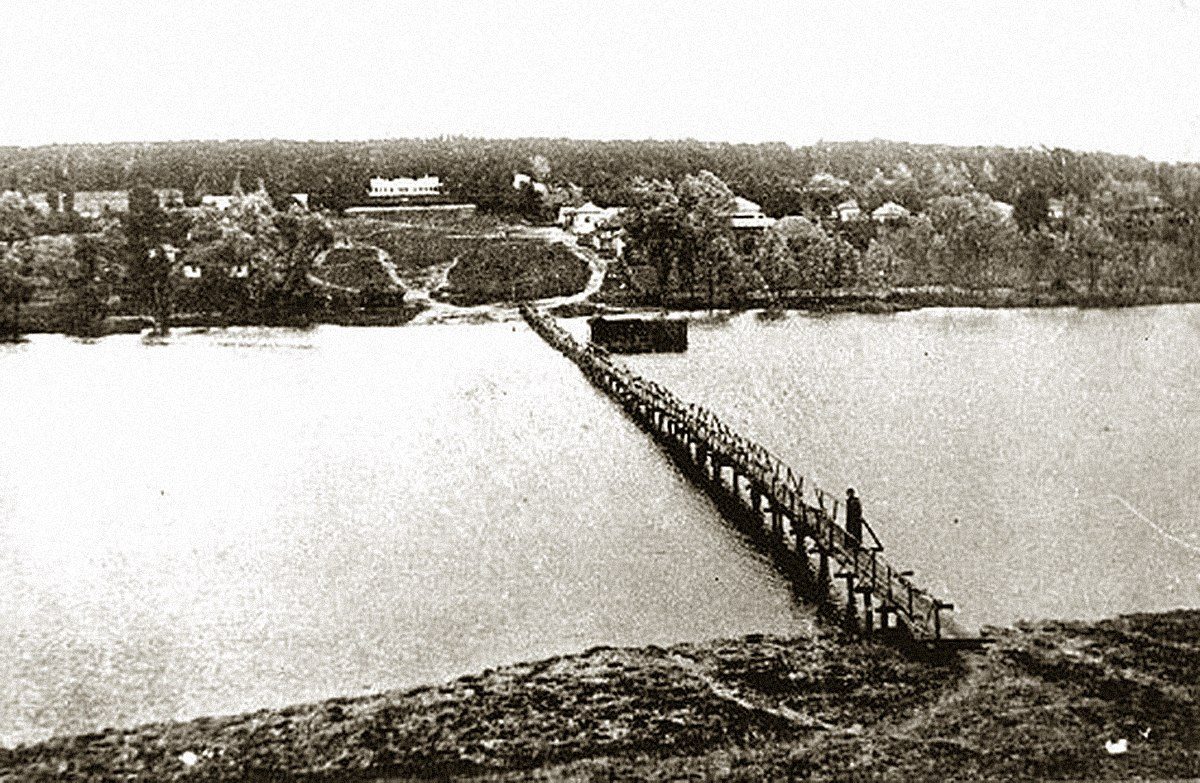
A wooden bridge had previously spanned it, but it was destroyed at the same time the church was closed during the Soviet era.
The estate, including the Soviet-era additions, was 230 meters long.
Since our visit in 2015, a fire has broken out at the estate; some of the buildings have been dismantled for their bricks, and the roofing has been removed for its metal.

- "Noah's Ark" - 21.10.2026
- Blackie’s House on Maksymilianivska St - 19.10.2026
- Danylevs’koho Street, 19 - 13.10.2026