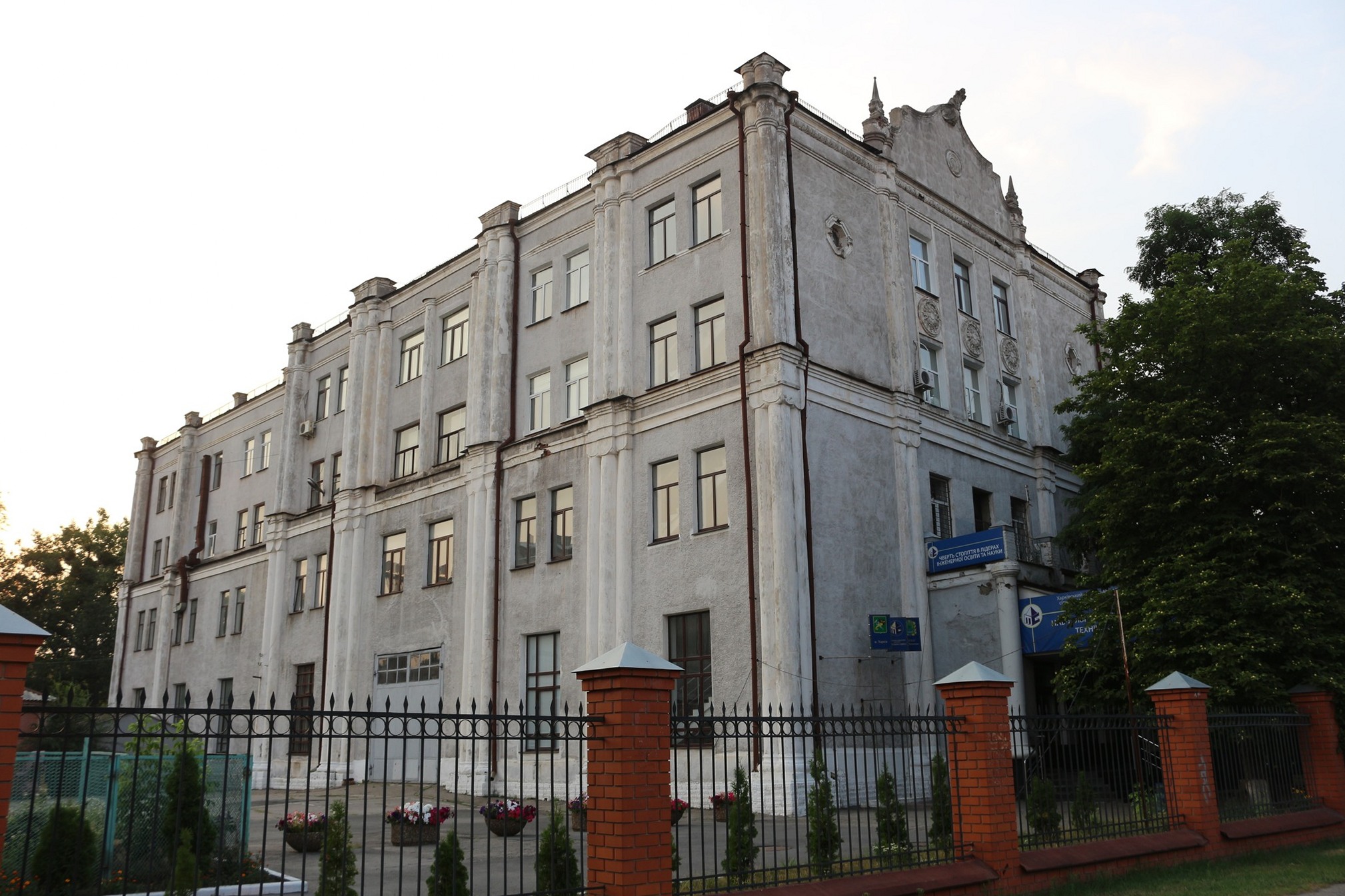
Few people would recognize the outline of one of the buildings at the Technical University of Agriculture on Oboronnyi Val Square as a former church, but that is indeed what it is.
The wooden Church of the Ascension has stood on this square since the late 17th century.
Due to natural aging and the deterioration of the wood, such churches could not stand for centuries; they were also often completely destroyed by fire.
The next Ascension Church was built in the late 18th century, and it is this church that features in the legend surrounding the 1800 Pasquille, because of which the enraged Emperor Paul I allegedly came close to ordering the destruction of the city of Kharkiv and the deportation of all its inhabitants to Siberia.
You can see what the Ascension Church looked like back then in this old photograph, which was based on a painting from the early 19th century:

In fact, the claim that the emperor intended to destroy Kharkiv is untrue; although a lampoon targeting the emperor was indeed found on the church door and several suspects were exiled to Siberia, the investigation never identified its author.
Historian Nikolai Gorbun concluded that the author of the lampoon was most likely a Pole who had participated in the Kościuszko Uprising and had been exiled to serve in Kharkiv.
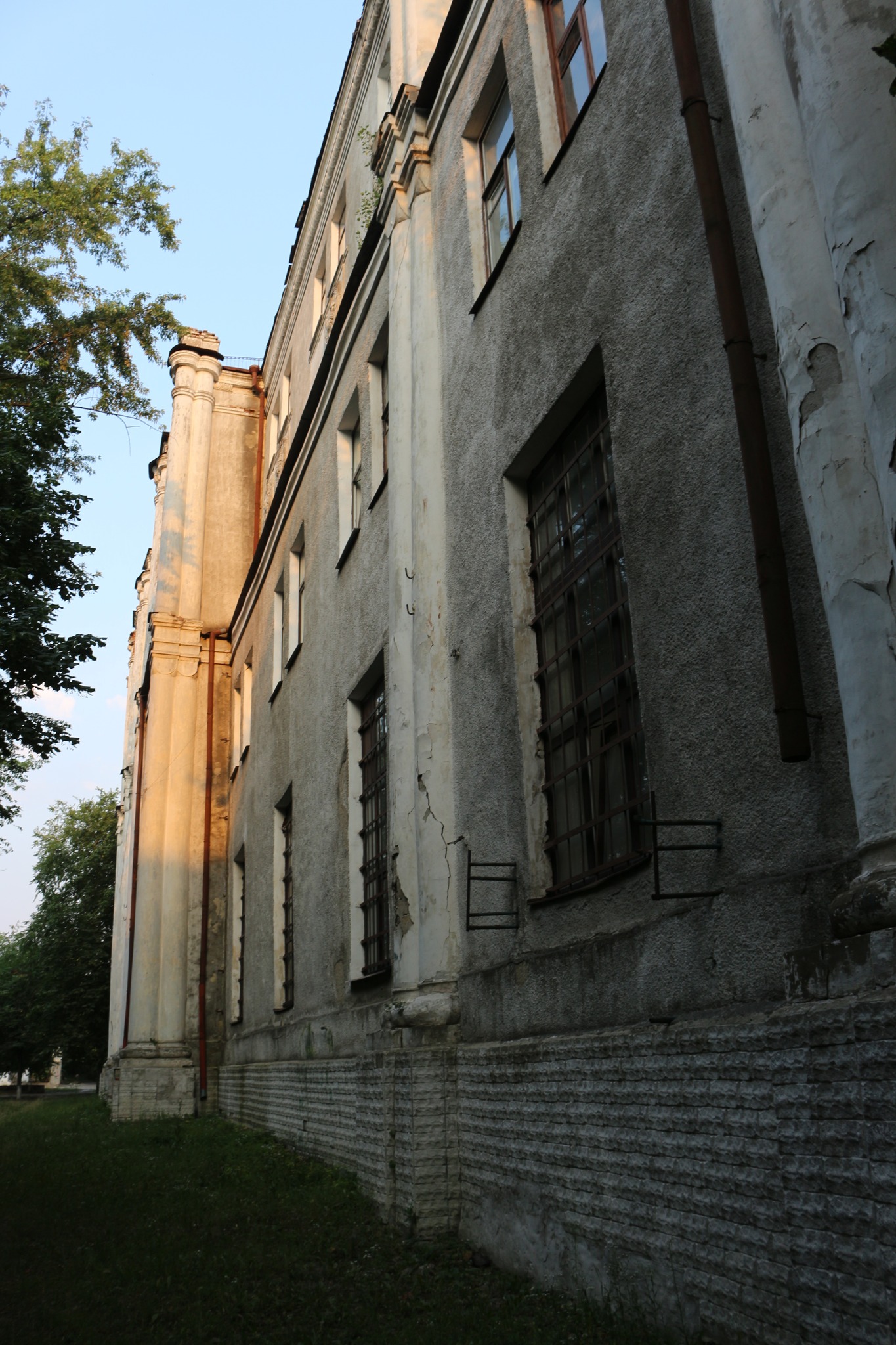
The construction of the last version of stone church on this site was carried out in 1860-70s according to a design by Joseph Karpovich (which, according to research by A. Paramonov, was a modified version of Konstantin Ton’s design).
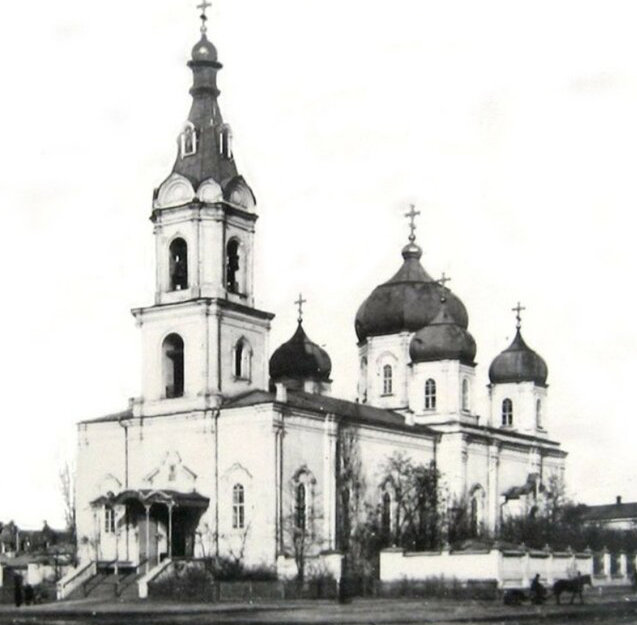
In 1870, the church, which was still under construction, partially collapsed. Construction was completed in 1876.
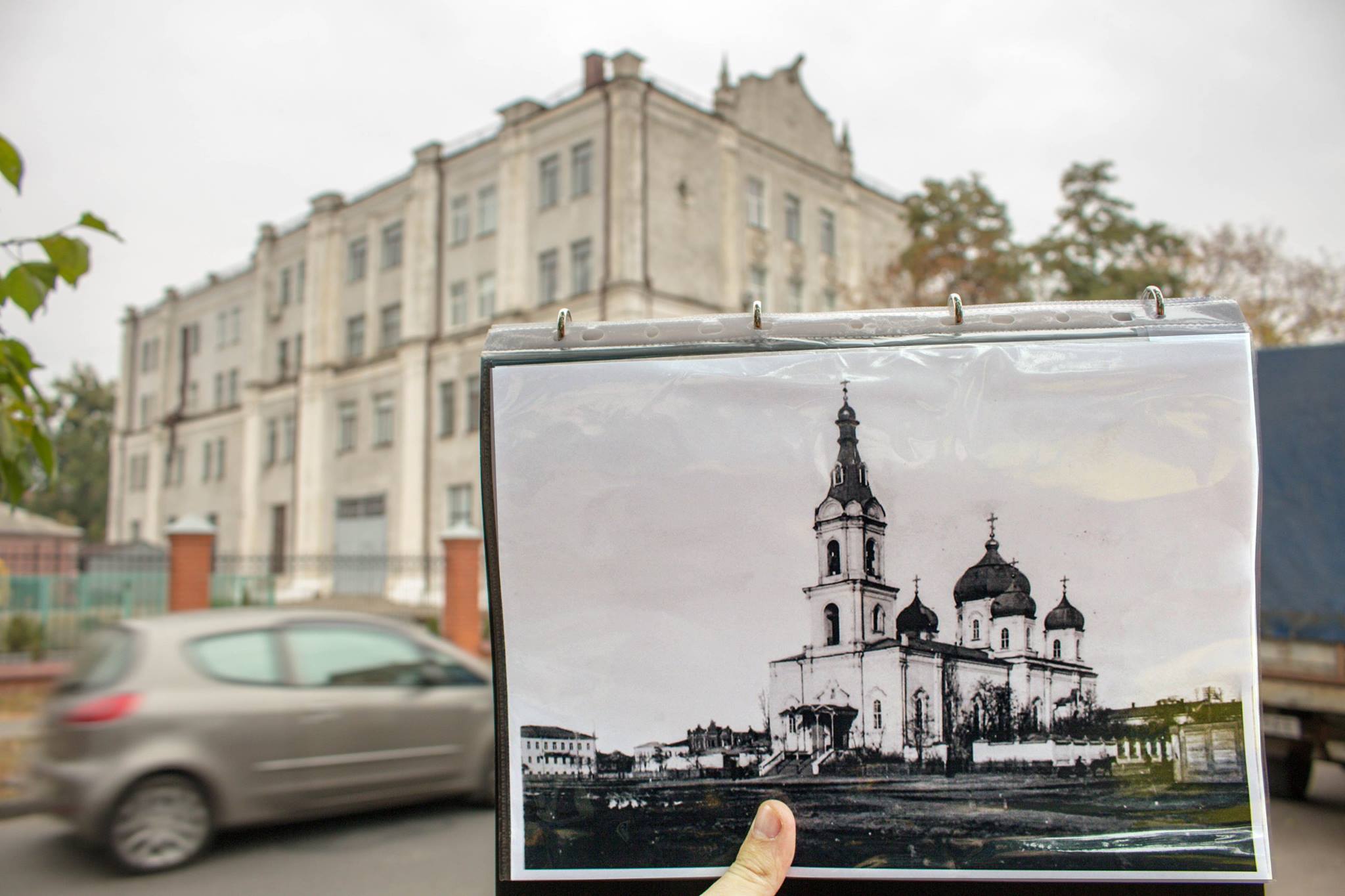
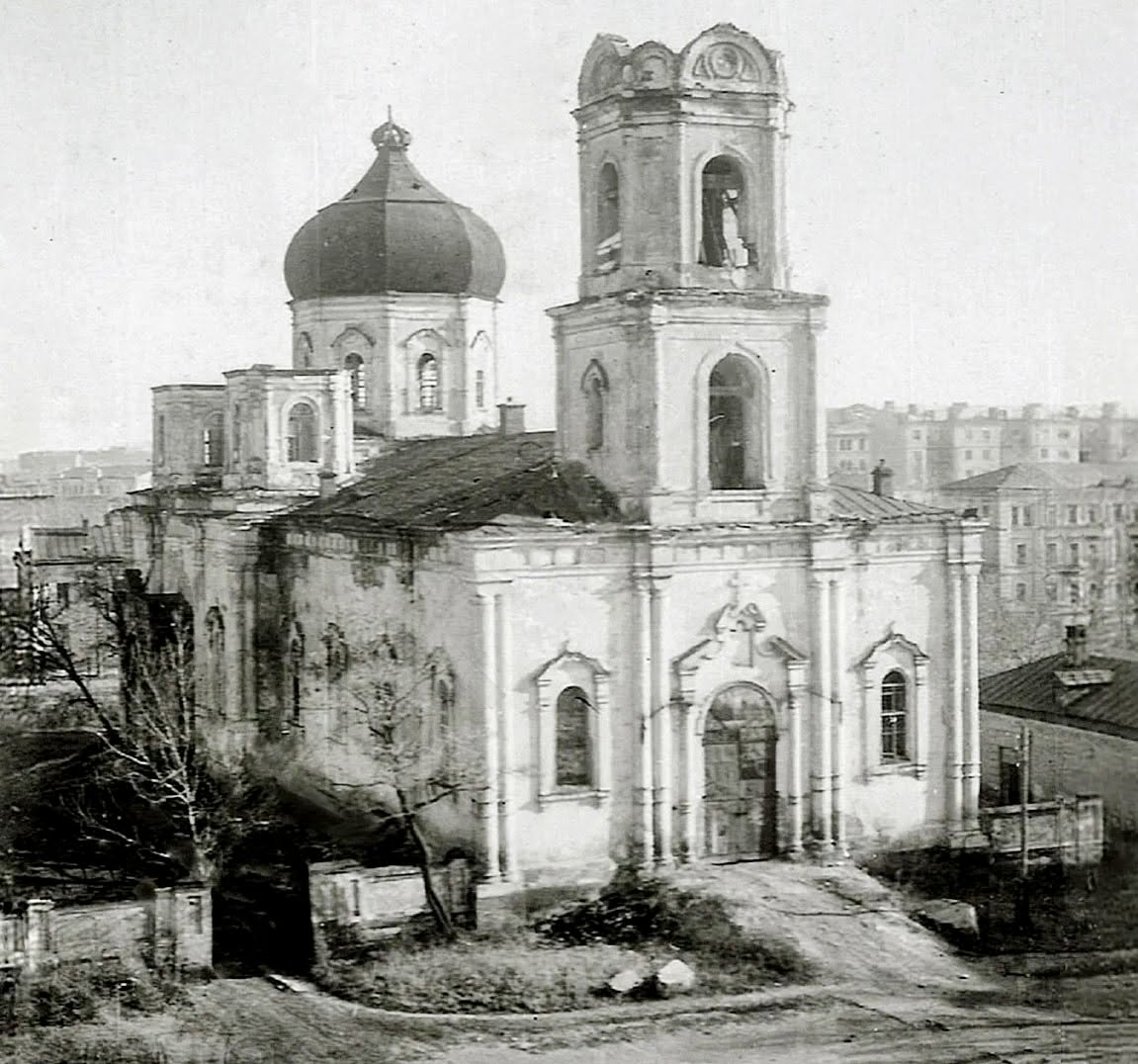
After the 1917 revolution, the Ascension Church was closed and used for administrative purposes. The upper section of the bell tower and the domes surmounting the four drums were demolished.
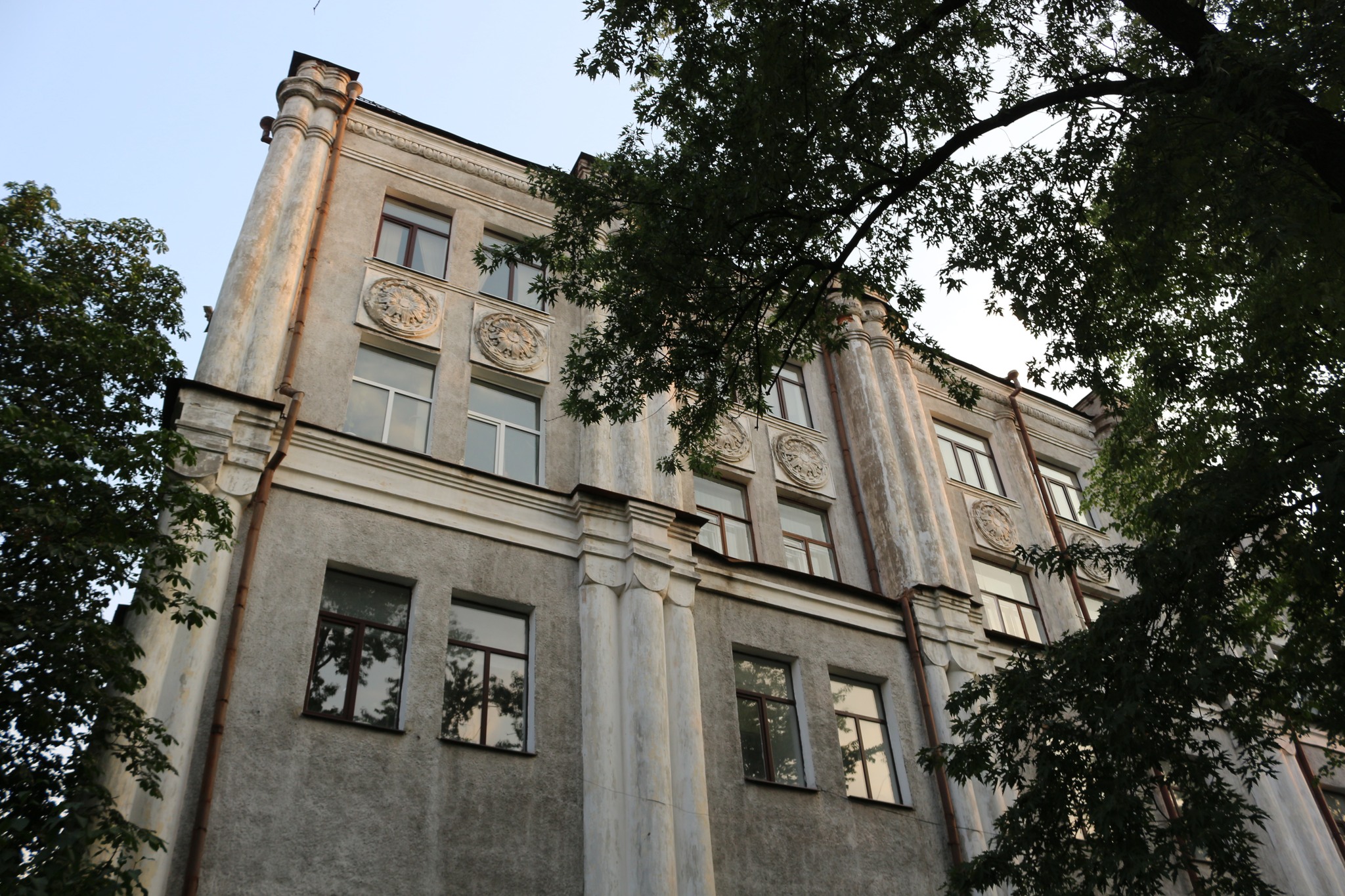
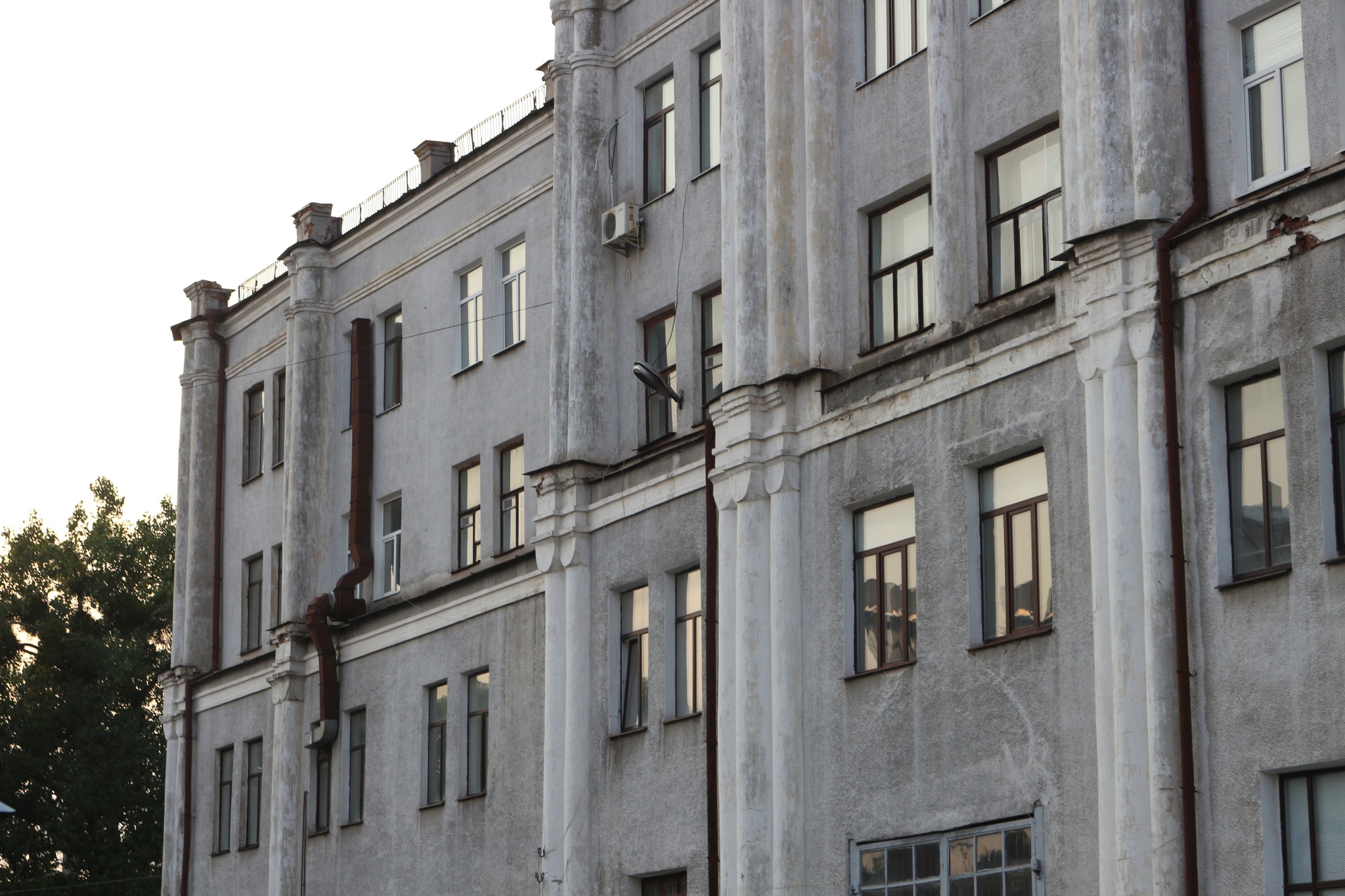
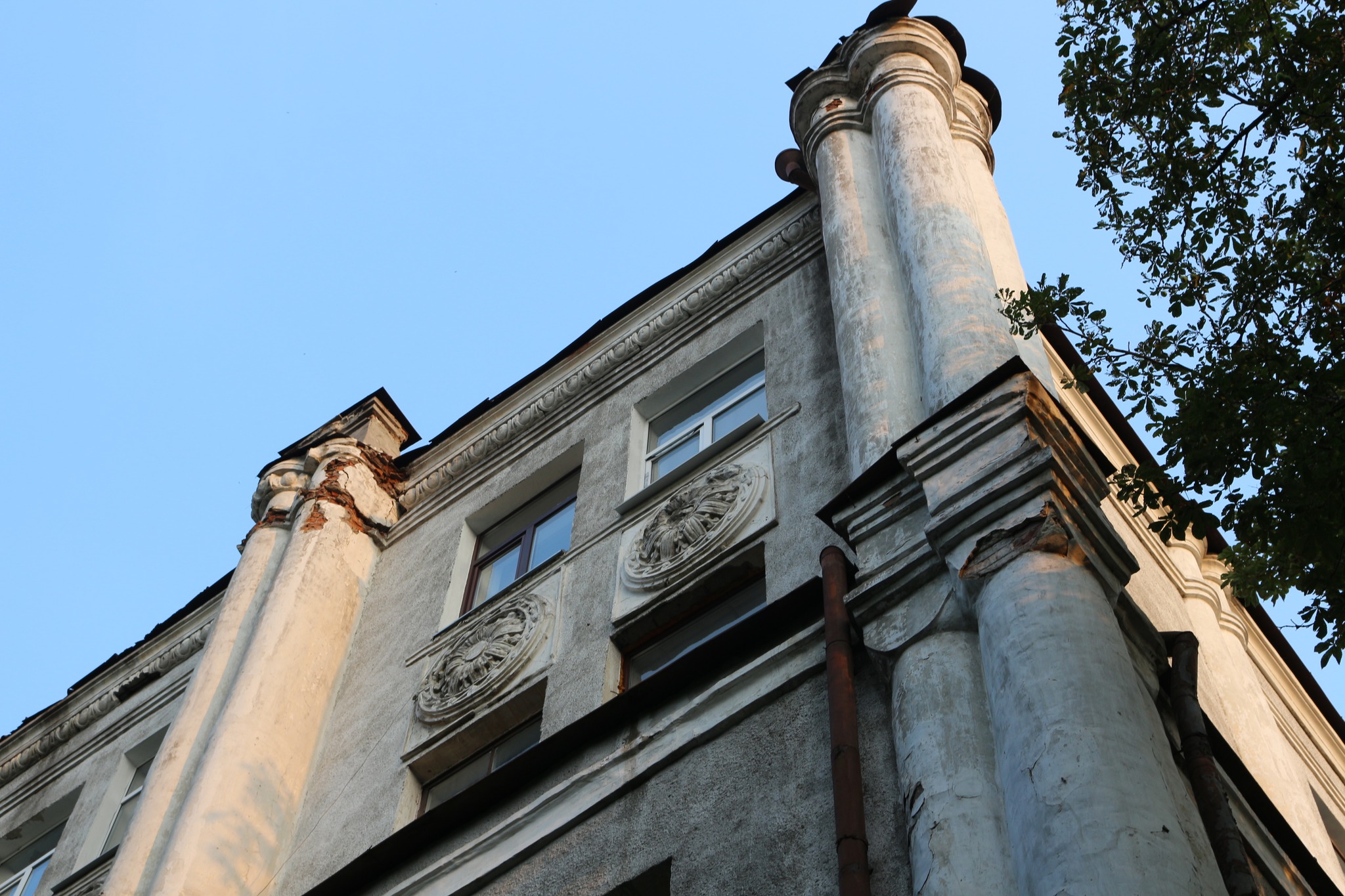
After World War II, the bell tower and the main dome were demolished. Several stories were added to the church, and new windows were cut into the walls. The semi-columns of the original church were extended the full height of the building, and details characteristic of Socialist Classicism style—such as rosettes or a “Baroque” attic—were added.
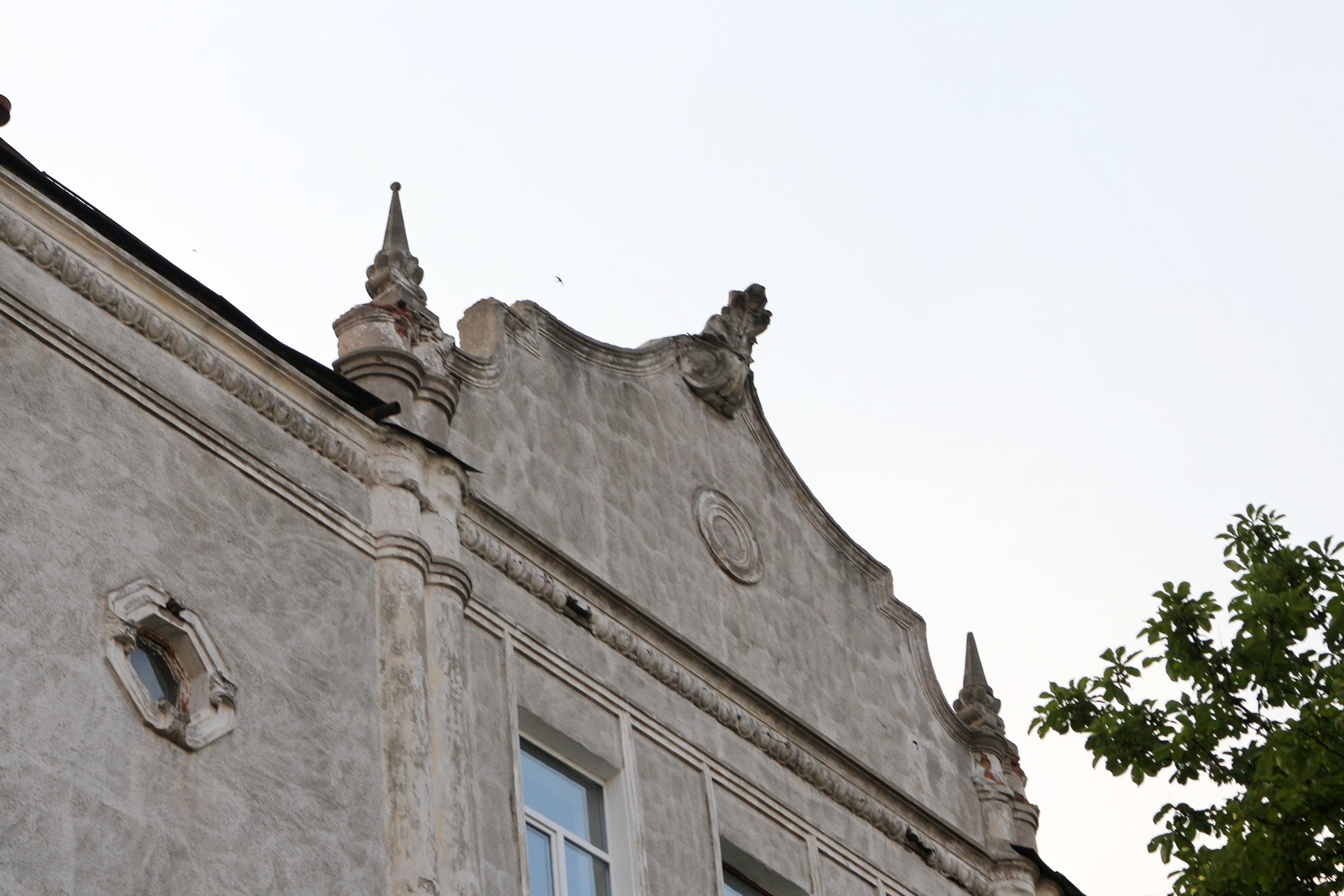
The former Ascension Church now houses the Educational and Research Institute of Technical Service of the Agricultural University. The building’s current address is Oboronnyi Val Square, 16.
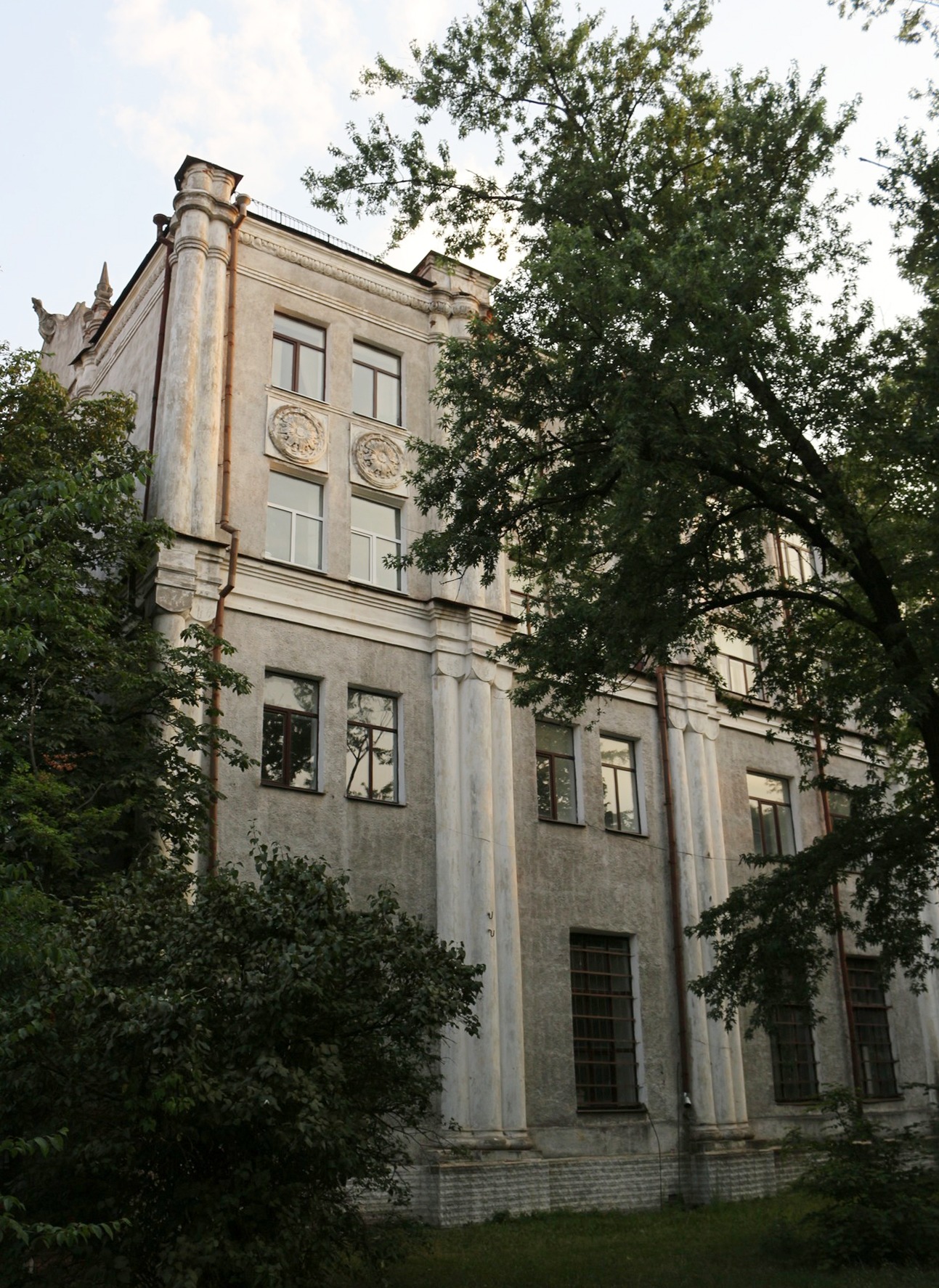
On September 26, 2026, this building—along with the neighboring historic structures on the eastern side of the square—was damaged by a Russian drone strike. The doors, windows, and interiors of the building sustained damage.

- Danylevs’koho Street, 19 - 13.10.2026
- Debunking the myth about one of the most famous Kharkiv photos - 12.10.2026
- The Architectural Evolution of the Kharkiv Theater - 26.09.2026