A photo report from the “Architectural Maximum” tour series, which we conducted on May 23, 2015. During the tour, we attempted to see all (or almost all!) of the buildings designed by architect Viktor Estrovich. The route was 15.5 km long, 10 km of which we walked, and we also took the tram and metro.
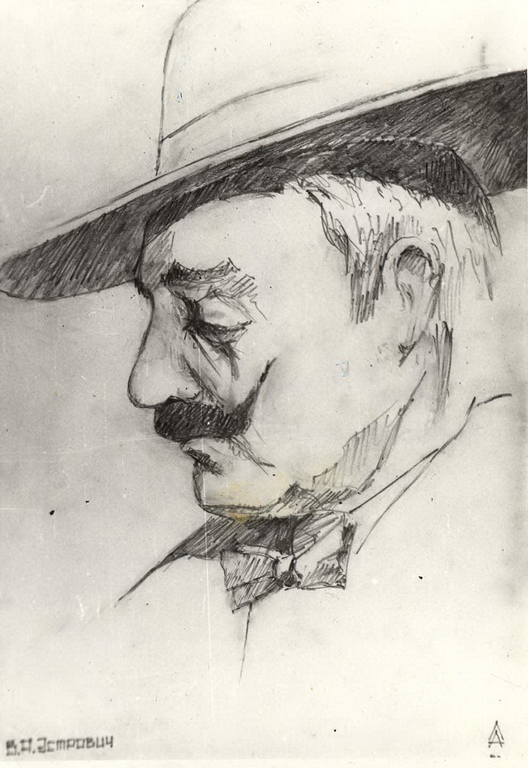
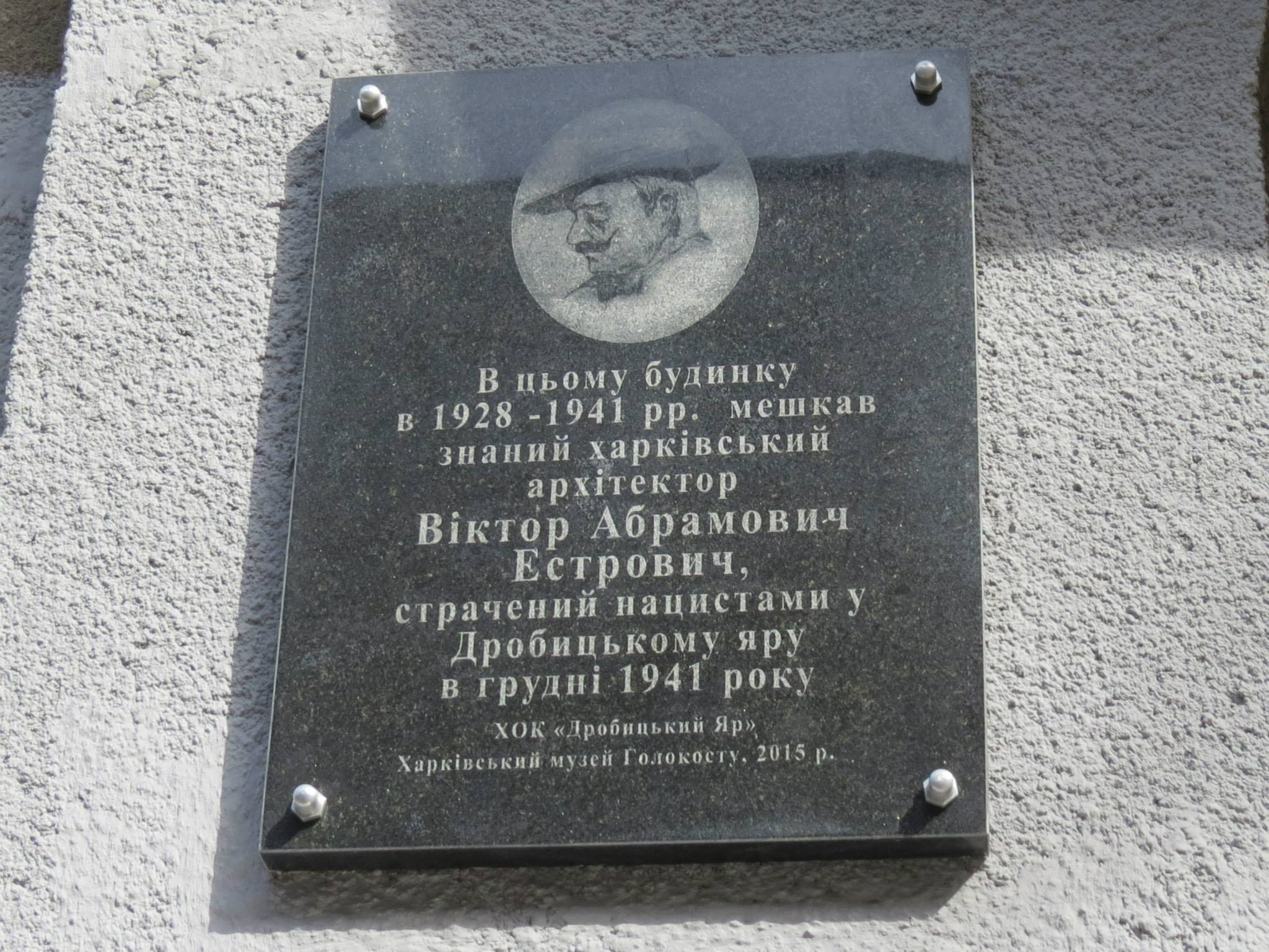
The prominent Kharkiv architect Viktor Abramovich Estrovich was born in 1881 in the town of Rossiyany, Kovno Governorate, now Kaunas County, Lithuania. He graduated from the St. Petersburg Institute of Civil Engineers in 1907 and initially worked in Yekaterinoslav. It’s worth noting that he is the second architect from the Baltic states to be named among the so-called “Five Great Kharkiv Architects” (Beketov, Ginzburg, Rzhepishevsky, Caune, and Estrovich). This once again underscores the close cultural ties between Kharkiv and the Baltic states before the 1917 Revolution. Jūlijs Caune was Latvian, and Viktor Estrovich was Jewish. He died, like thousands of his fellow Kharkivites, in Drobitsky Yar. Not a single photograph of him remains, only this pencil portrait. But the best memory of him is his beautiful buildings in our city.
Before the 1917 Revolution, Estrovich designed apartment buildings and mansions commissioned by Kharkiv’s financial and industrial elite. Estrovich continued to work actively during the Soviet period. The architect no longer designed apartment buildings but rather multi-story buildings for workers and officials and also worked on large and complex hospital and medical facility projects.
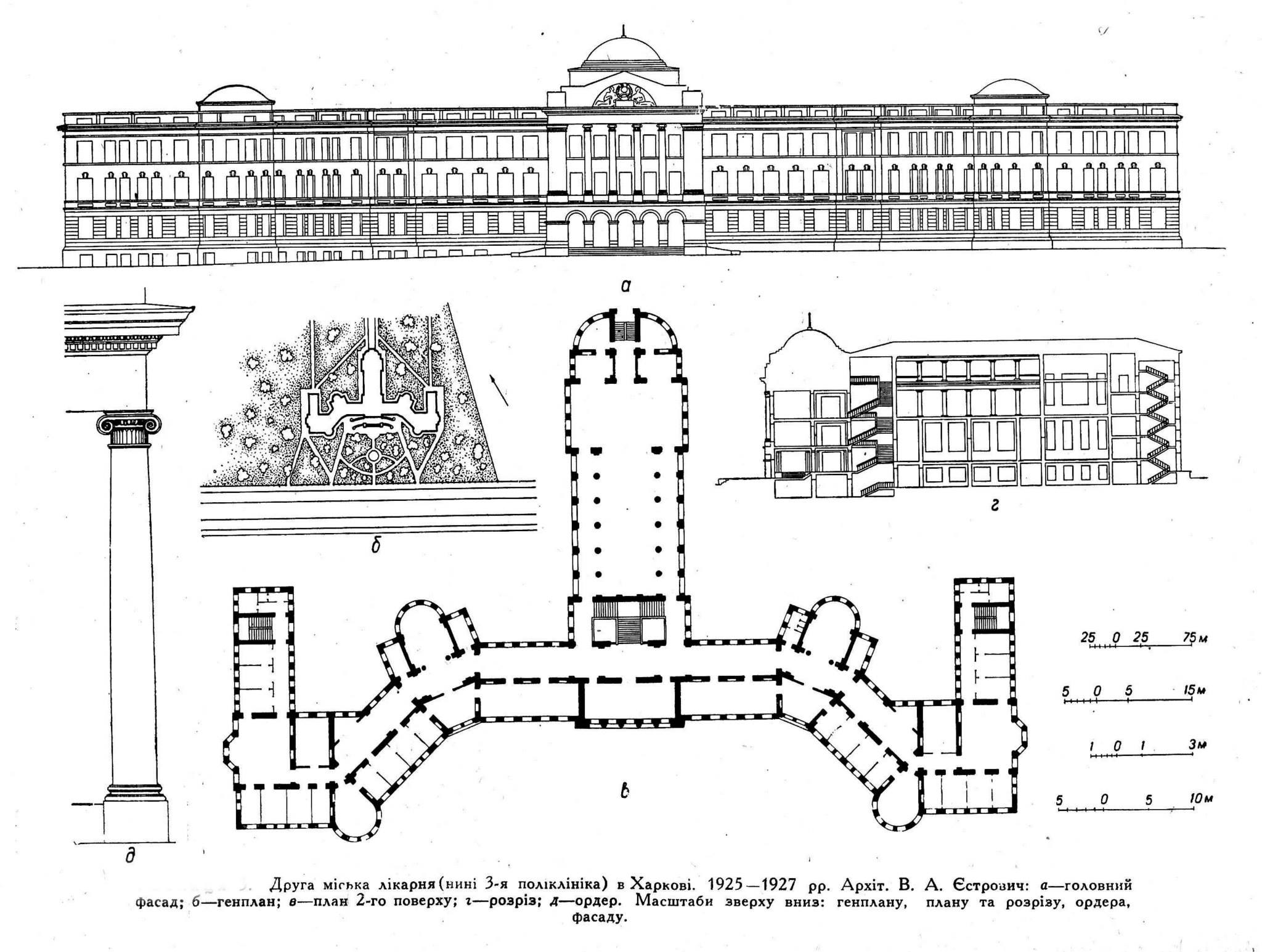
- Heroes of Kharkiv Avenue, 197. 3rd Workers’ Clinic – 1927
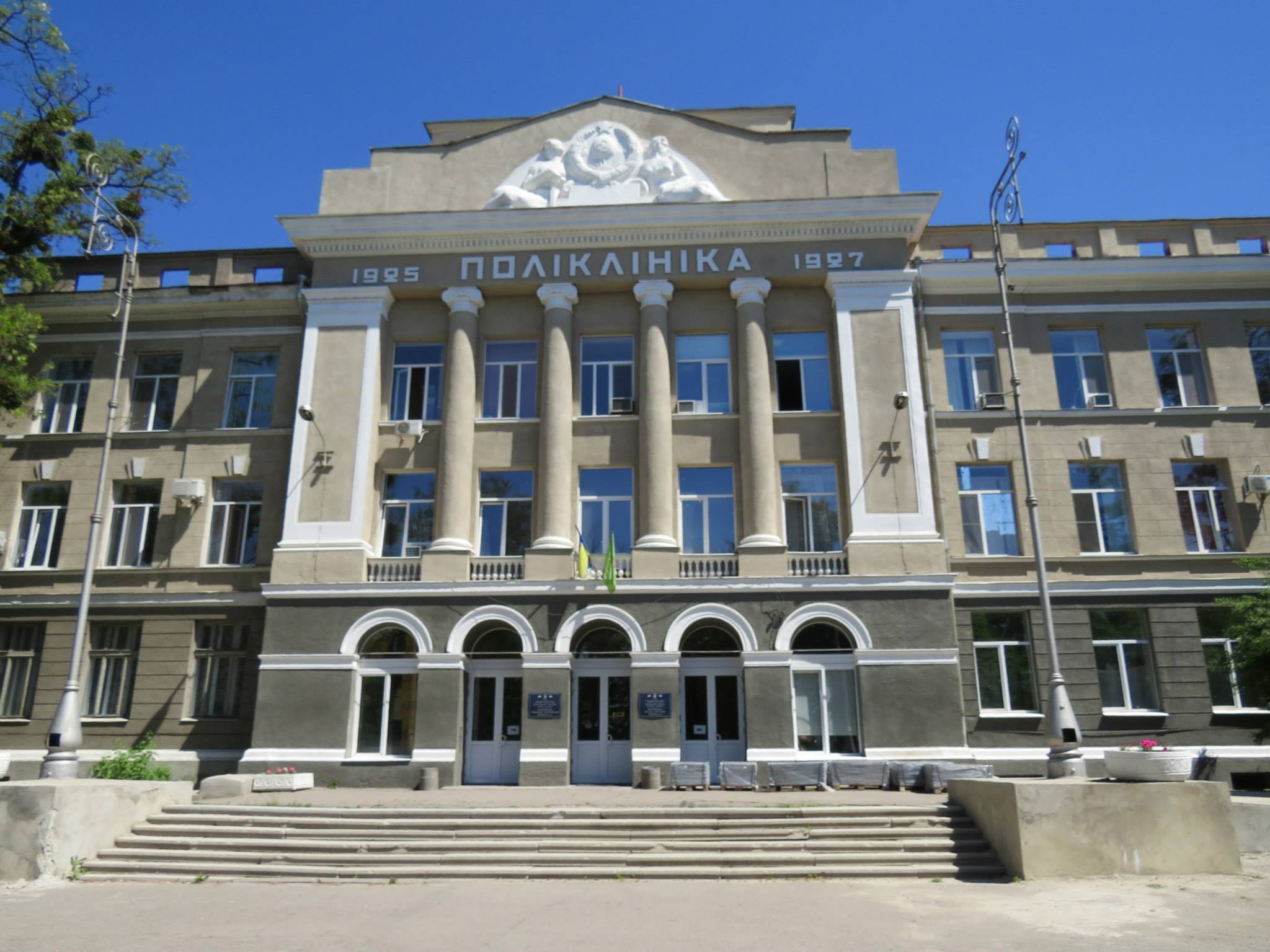
The building now houses the second city hospital.
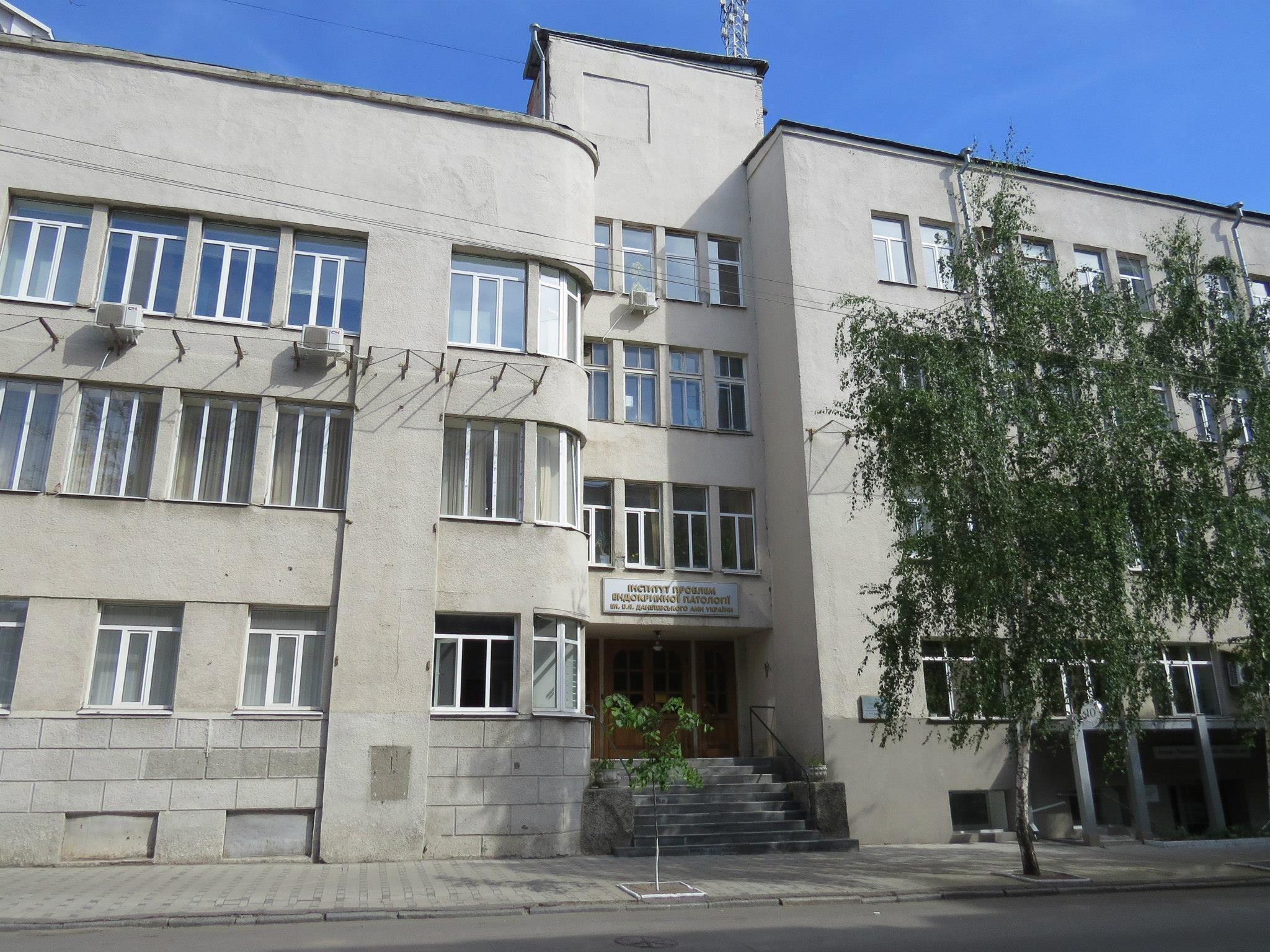
2. Research Institute of Endocrinology (1932) in the constructivist style. Alchevskyh Street, 10.
3. Alchevskyh Street, 6. The “Red Bank Worker” residential building (1928). Designed with the help of architect Andrusenko. Estrovich himself lived in this building.
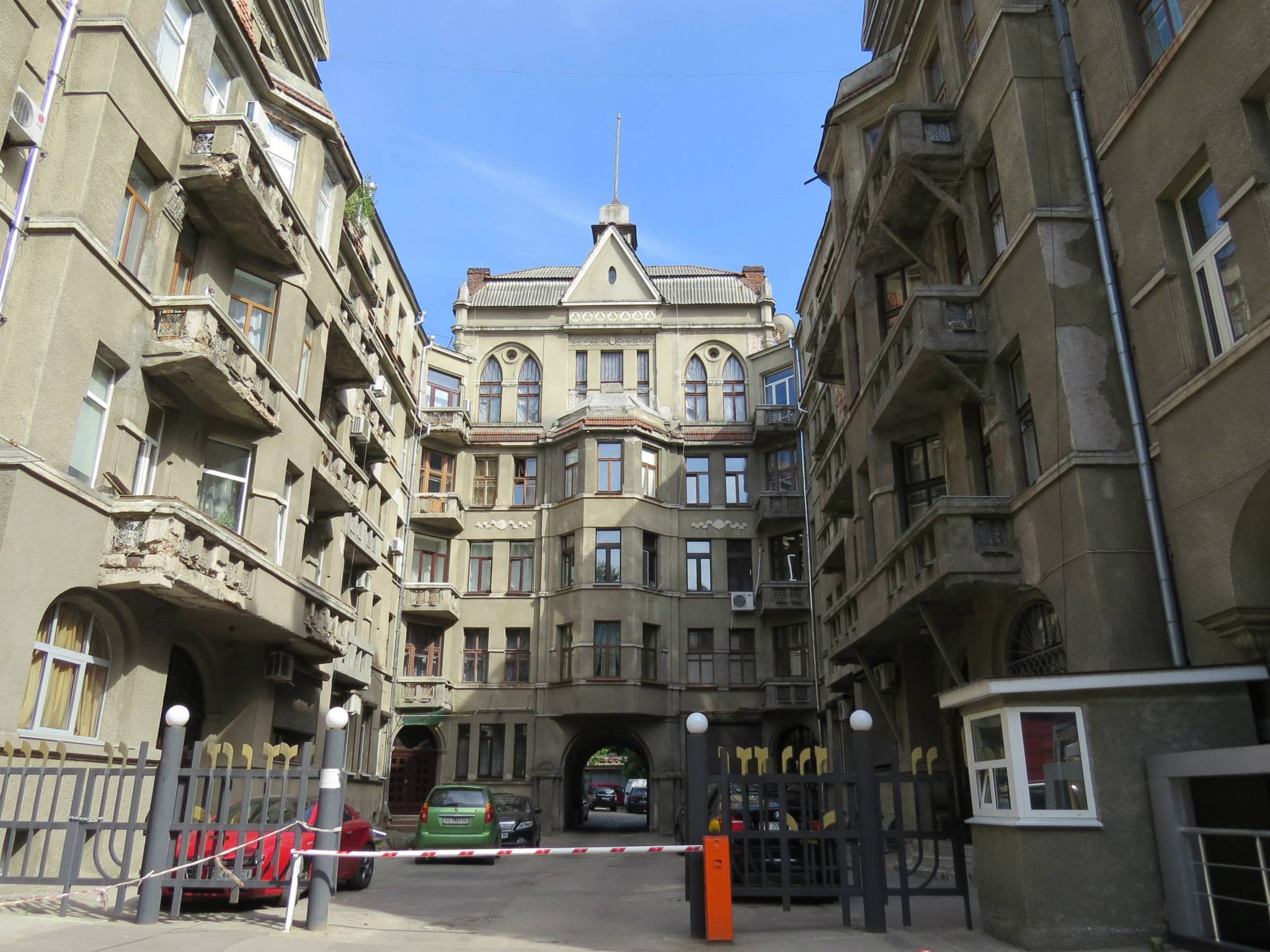
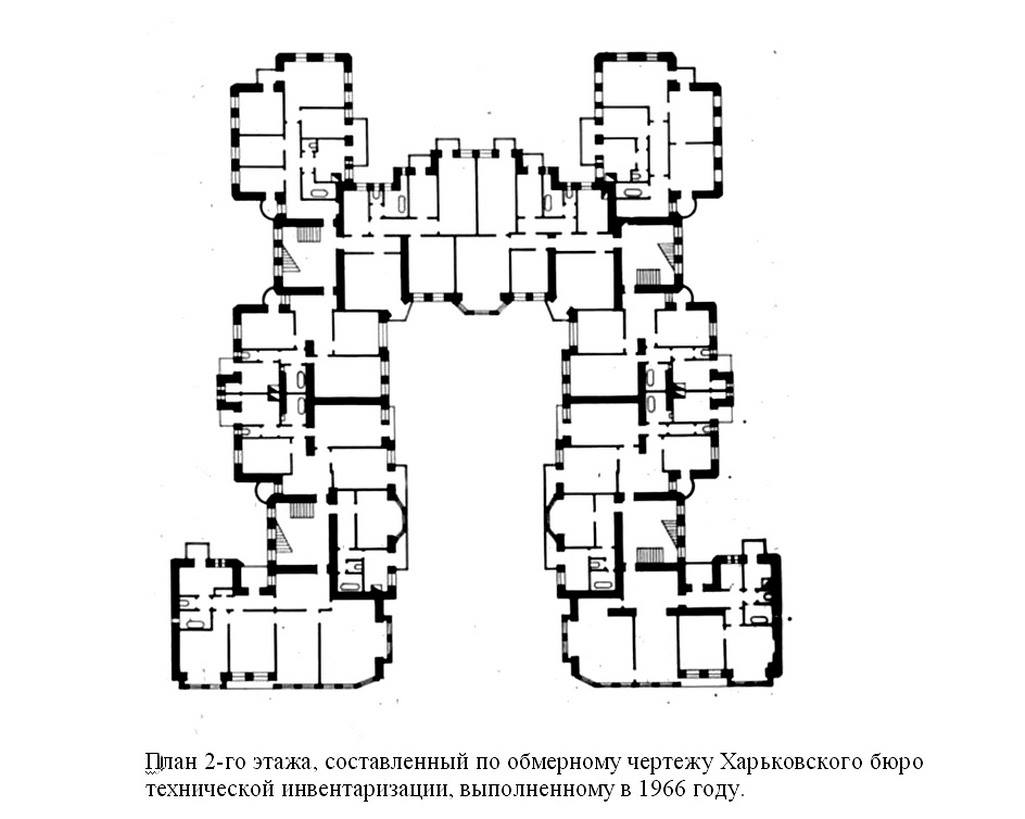
The building’s style is considered to be decorative Art Deco, but in fact it is very eclectic, that is, different styles mixed into one, including Art Nouveau, Ukrainian Art Nouveau, and Gothic Revival.
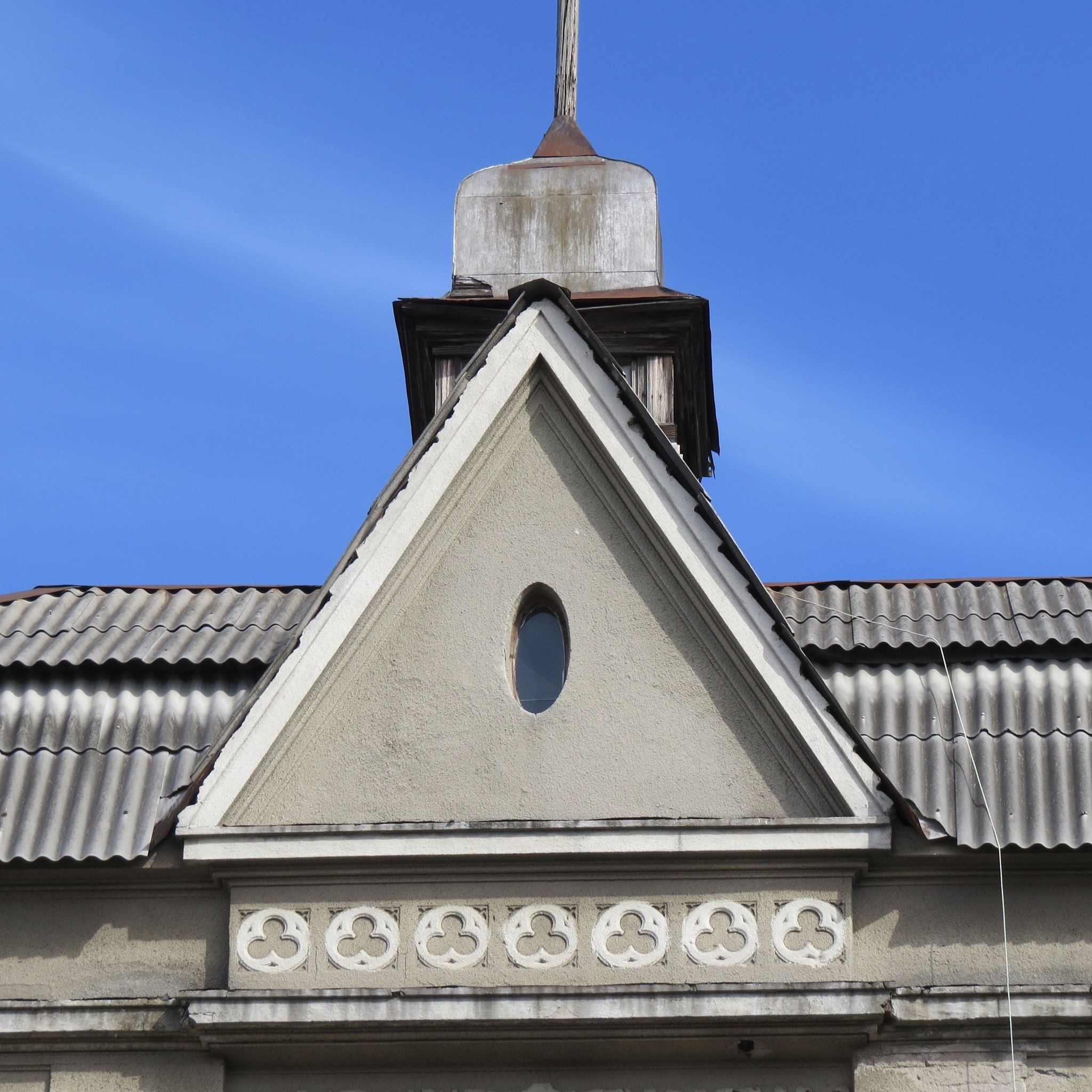
A house was being built for employees of the People’s Commissariat of Finance of the Ukrainian SSR. They say the medallion depicts hands exchanging money. But we used Zoom and apparently saw just a handshake.

In December 1941, architect Viktor Estrovich, along with his wife and other Jews remaining in occupied Kharkiv, found themselves in a ghetto on the outskirts of the city, in the barracks of the Machine Tool Plant, and were executed by the Nazis. He was unable to evacuate the city due to poor health—he was seriously ill by this time.
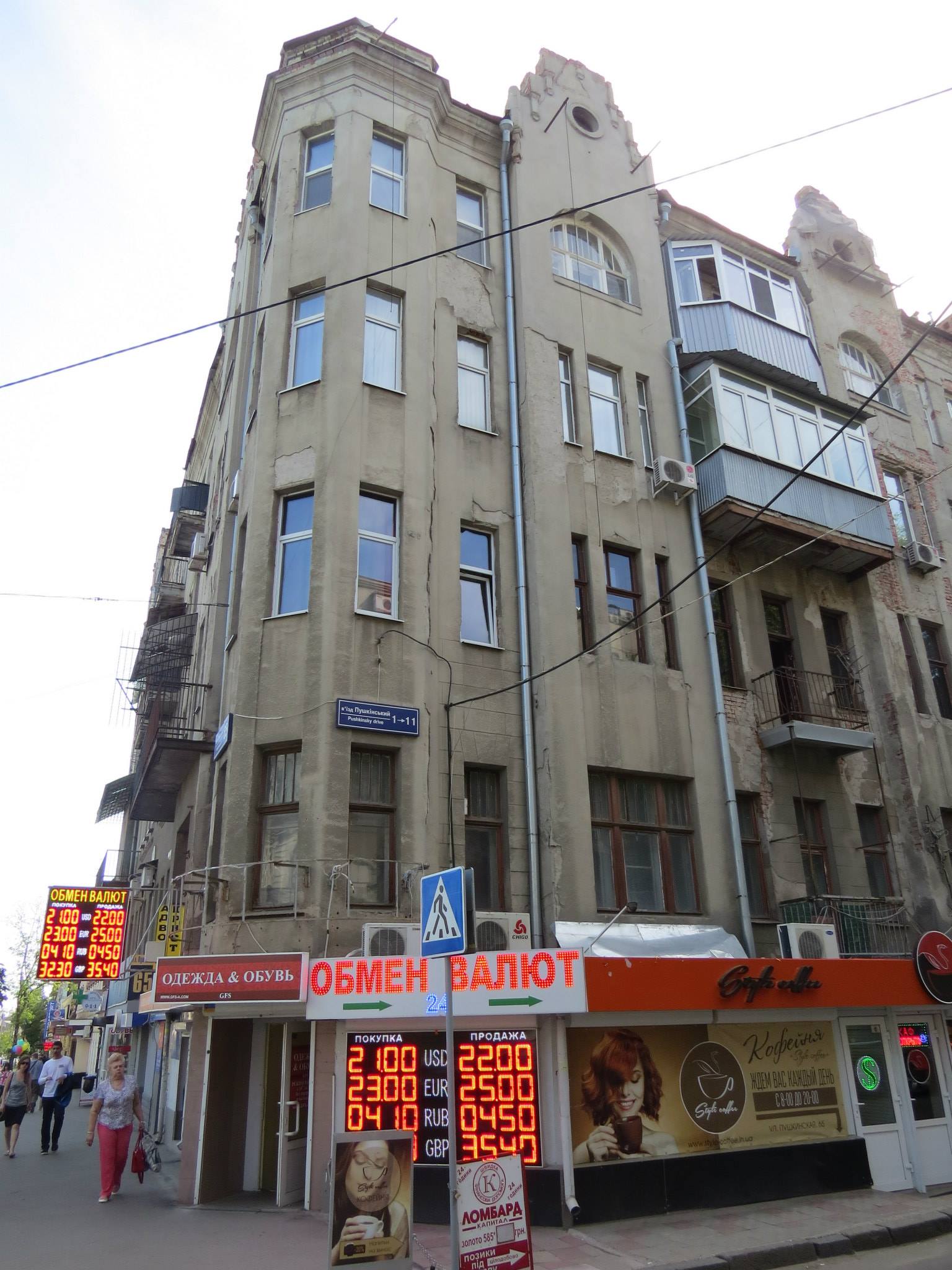
4. Hryhoriia Skovorody Street, 65. Apartment building (1913-14).
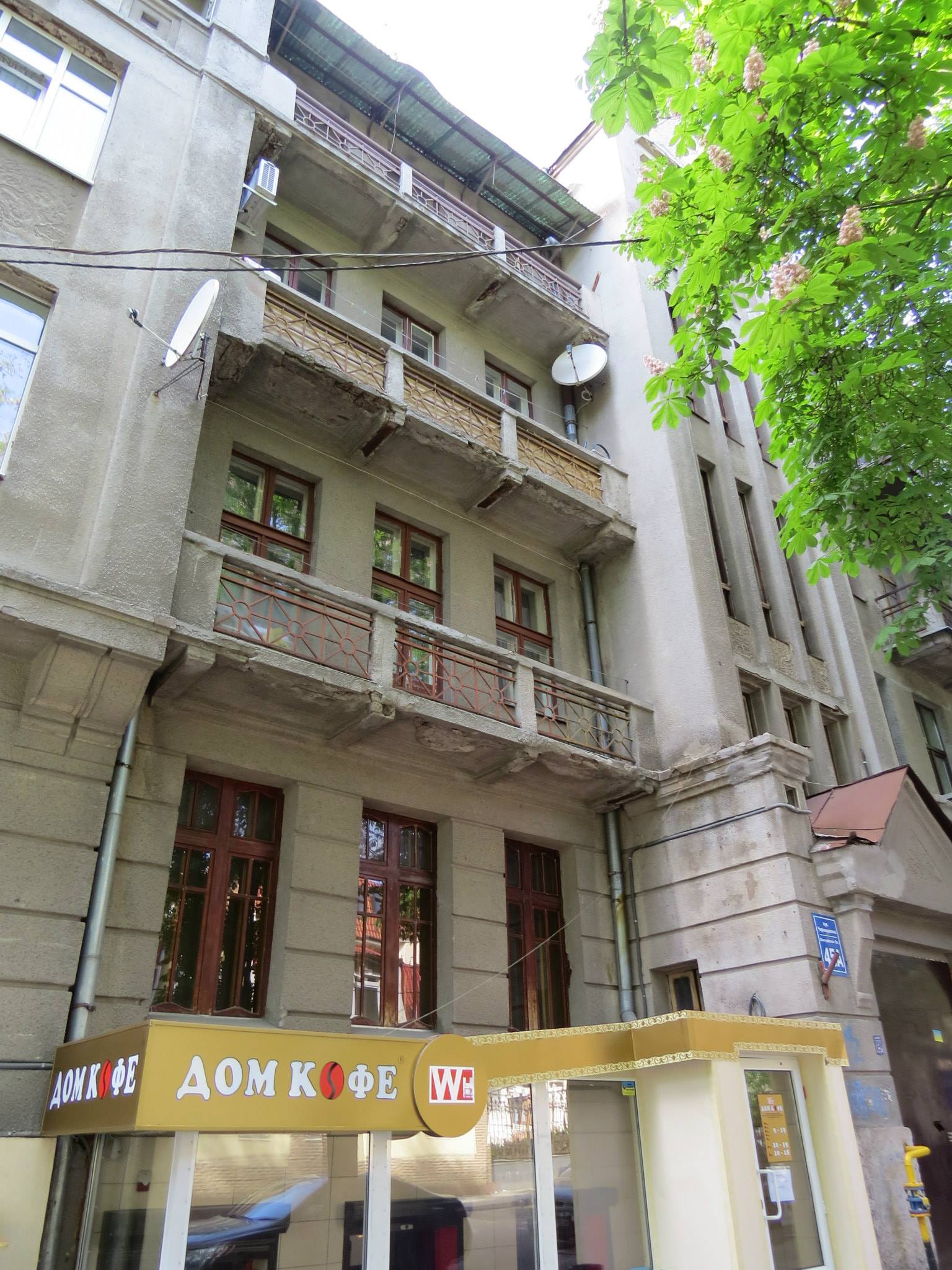
5. Chernyshevska Street, 45A. Residential building “Medrabotnik” (1939) built for employees of the People’s Commissariat of Health of the Ukrainian SSR.
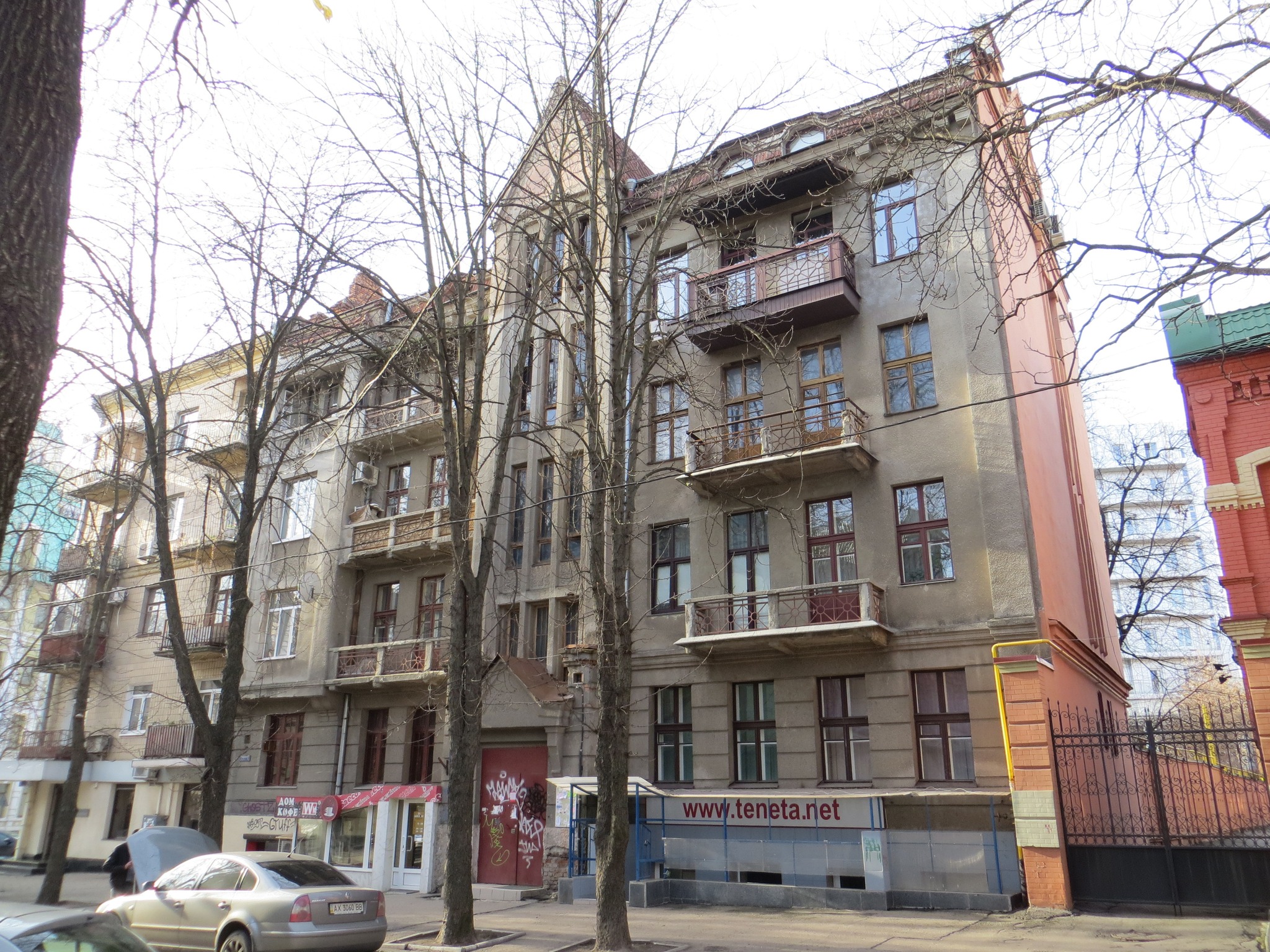
Apparently, this was Estrovich’s last house built. The roof was partially tiled, like the “Red Bank Worker” house.
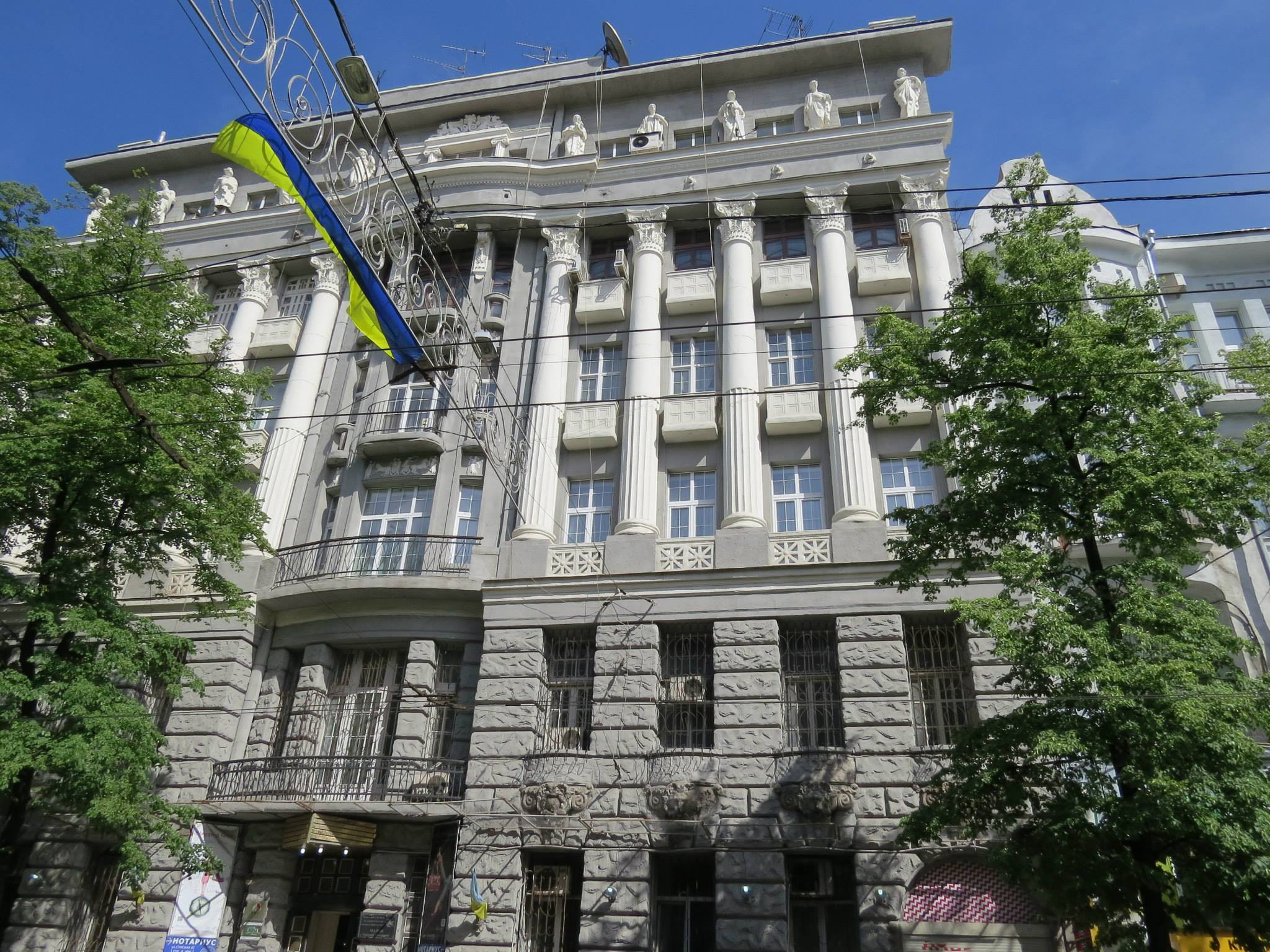
6. Sumska Street, 82. Former Moshkevich Apartment Building (1914). Neo-Renaissance style. Excellent sculptures remain on the façade. A rooftop solarium was built above the building for sunbathing.
The same house from the rear.
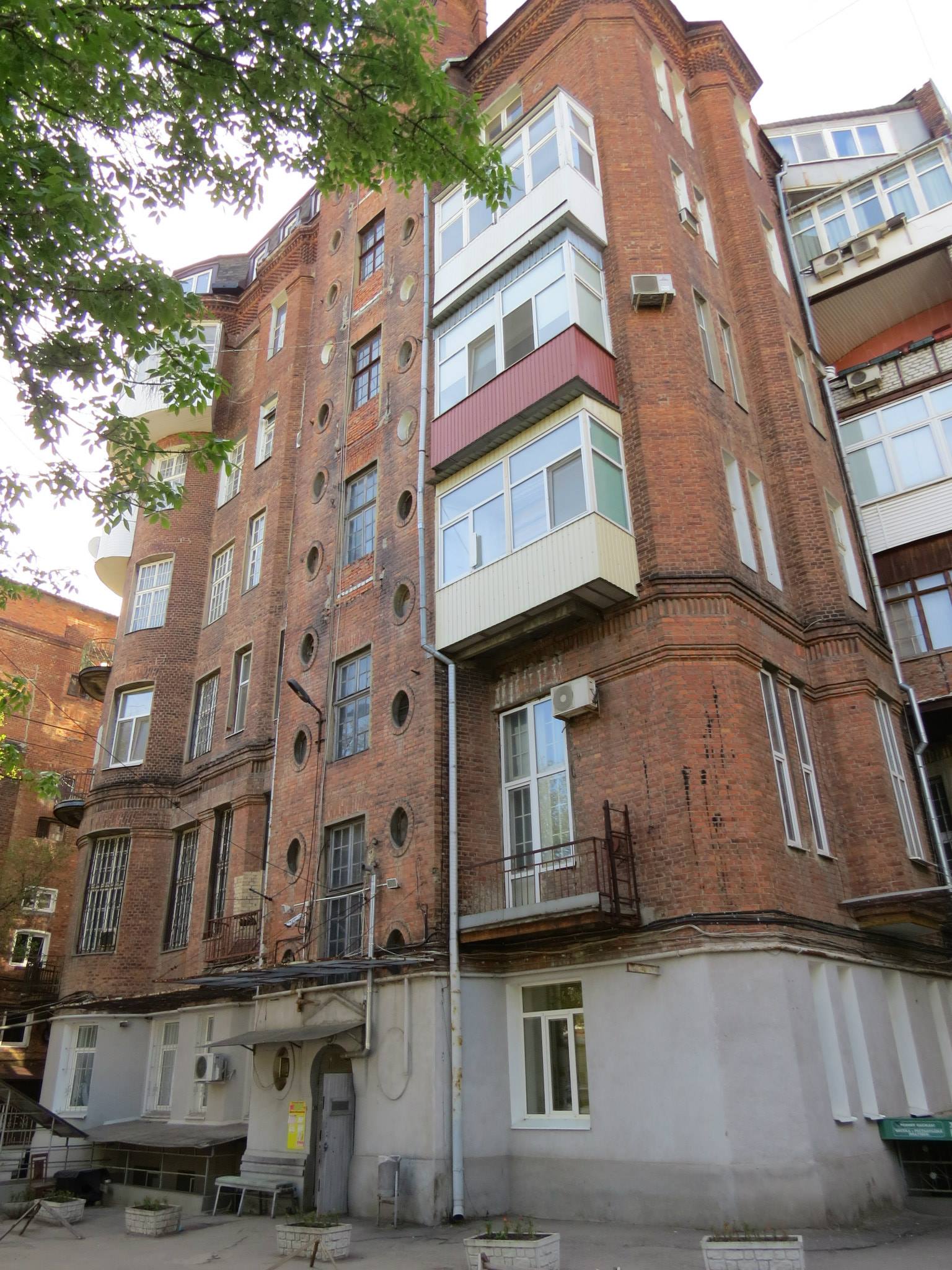
7. Trinklera Street, 6. Institute of Occupational Hygiene (1935).

Now it is a dental clinic and a research institute of Kharkiv National Medical University with a clinical department.
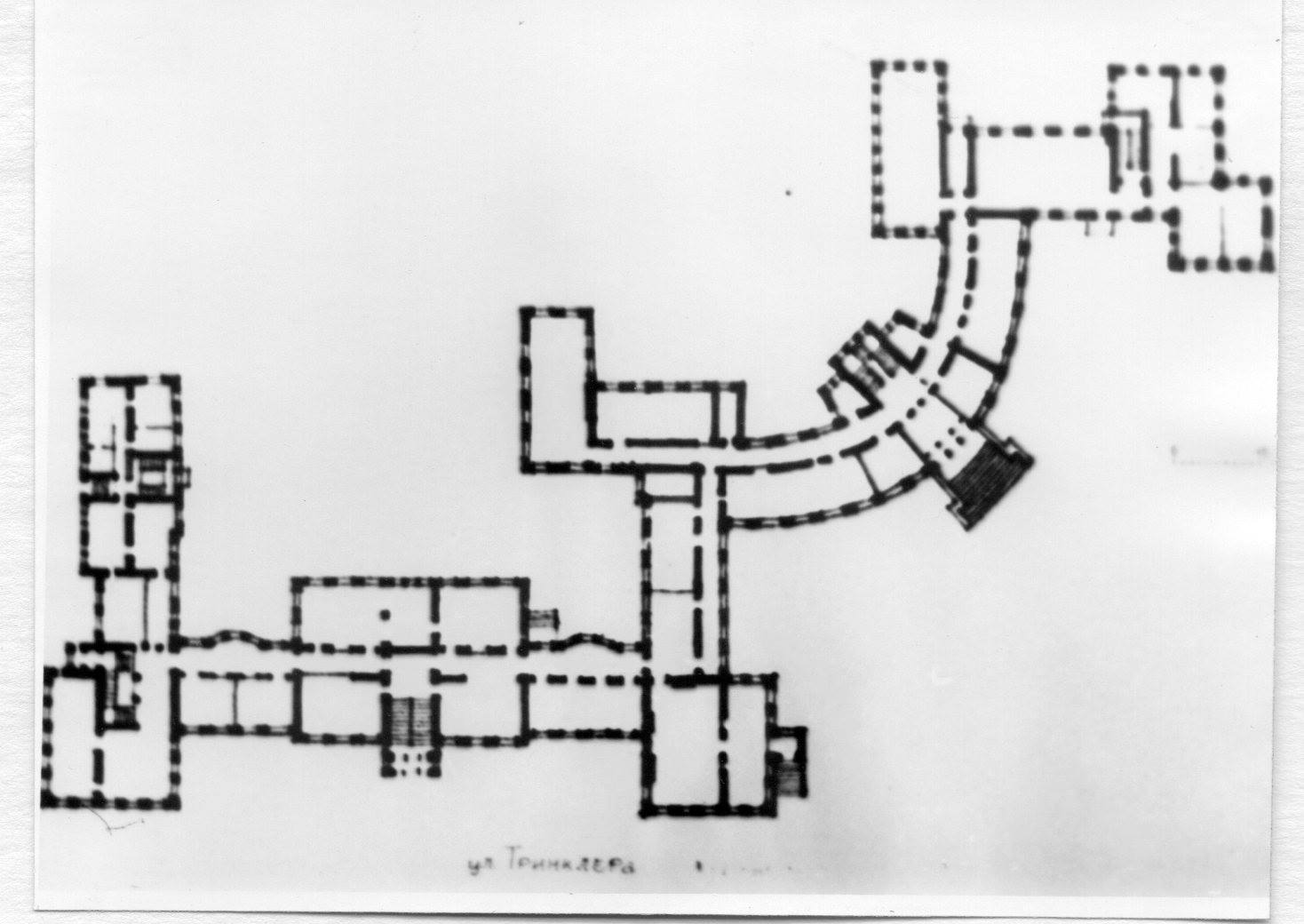
8. Nauky Avenue 4. Morphological Building of the Medical Institute (1939). The original style was constructivist. It was severely damaged during the war and was reconstructed in 1952 by architect Orekhov in a different style.
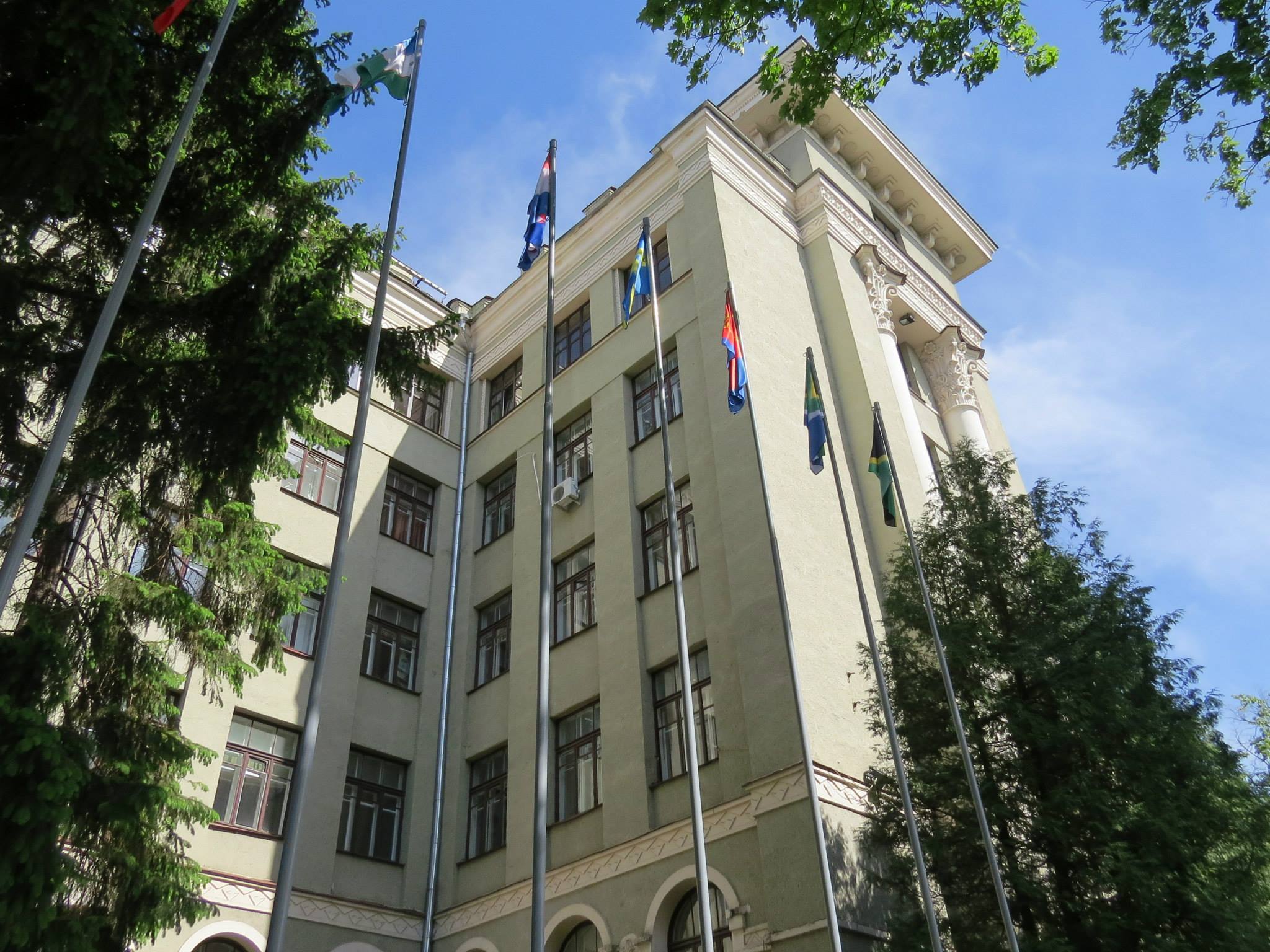
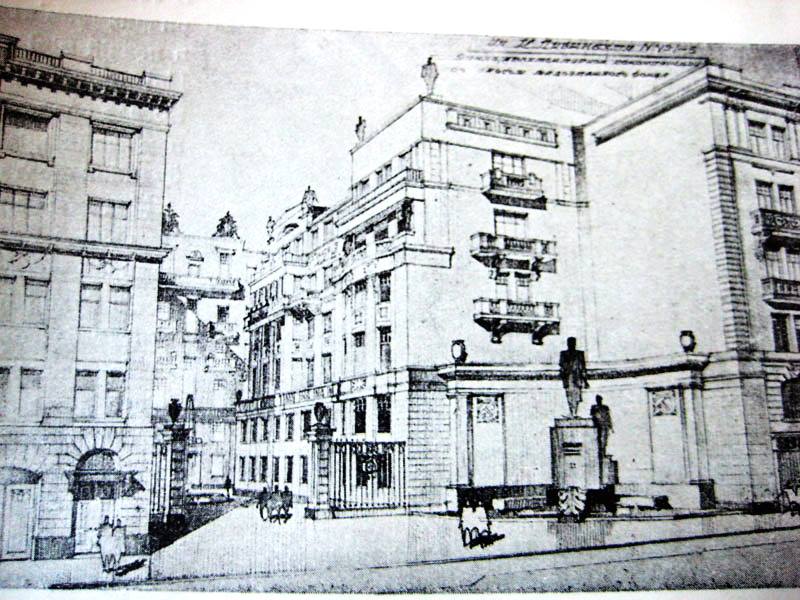
9. Sumska Street, 3A. Apartment house (in the courtyards, 1914). Designed in collaboration with architect L.K. Terven. The house is barely visible due to the the house at number 3.
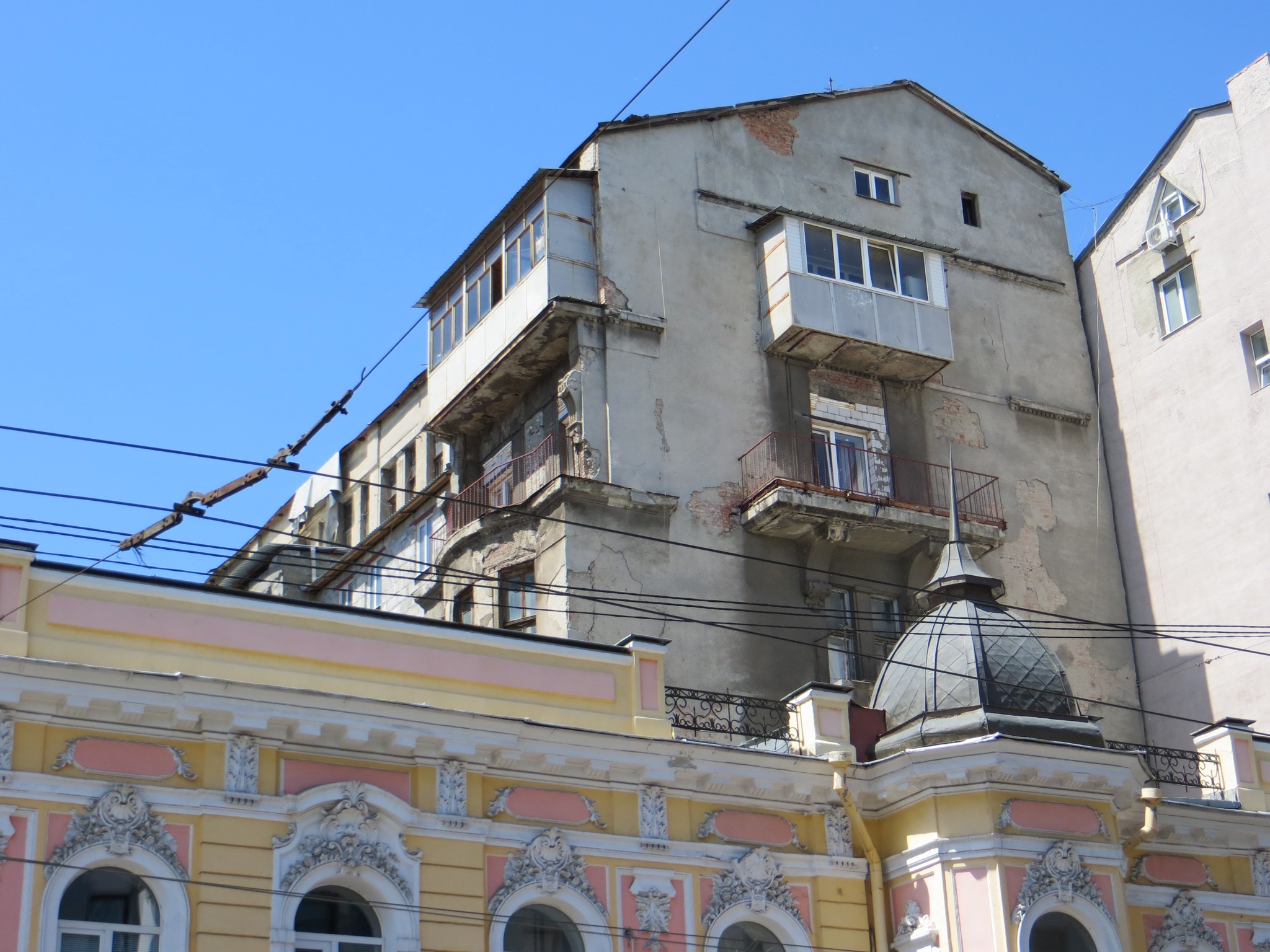
What the house might have looked like if they’d torn down the 3rd building. Fortunately, they didn’t, but it also makes it hard to see Estrovich’s house. But it’s still there.
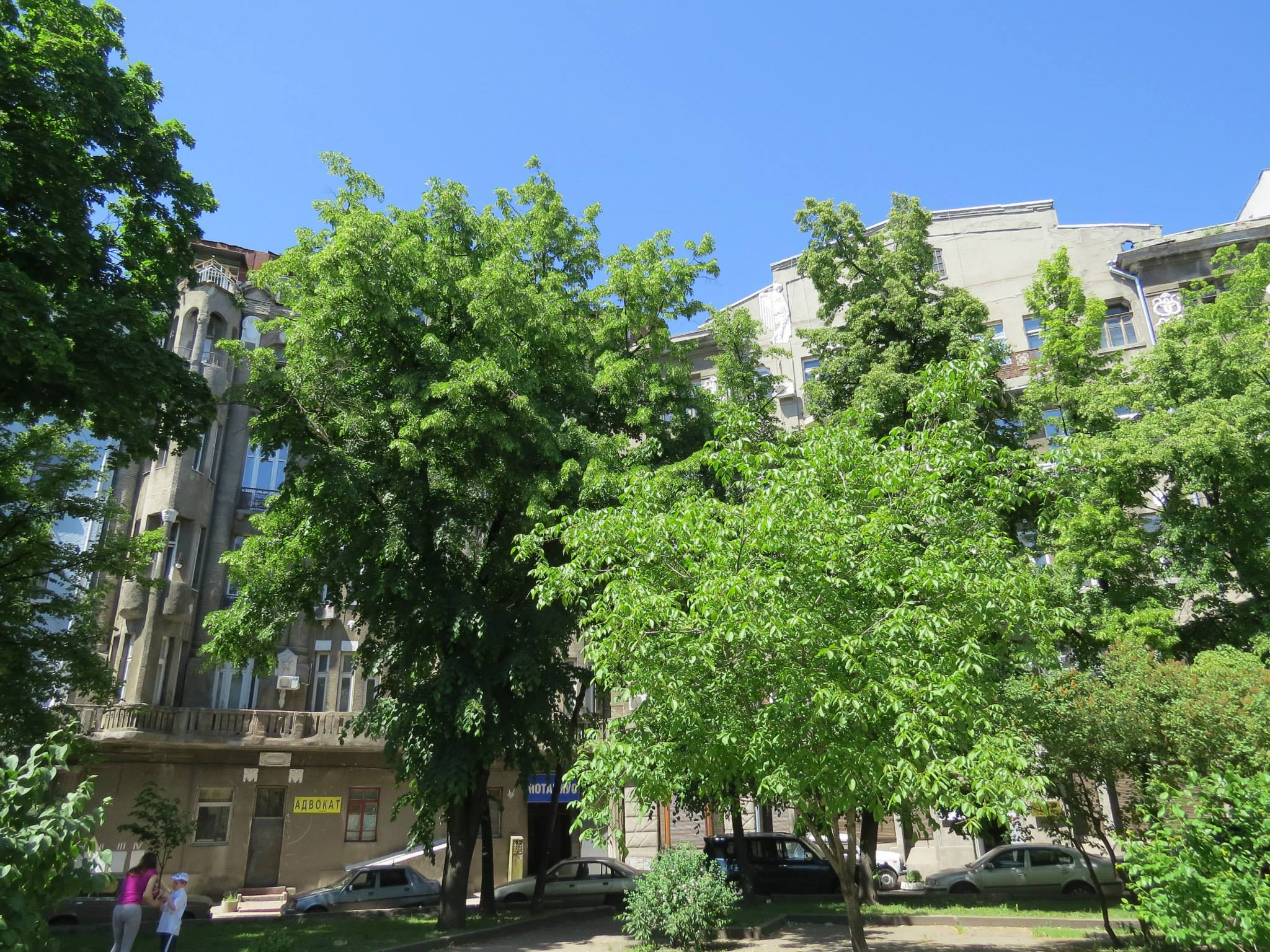
10. Poltavskyi Shliakh Street, 22. The Katz brothers’ Art Nouveau apartment building (1914) is also difficult to see due to the foliage, but it is magnificent.
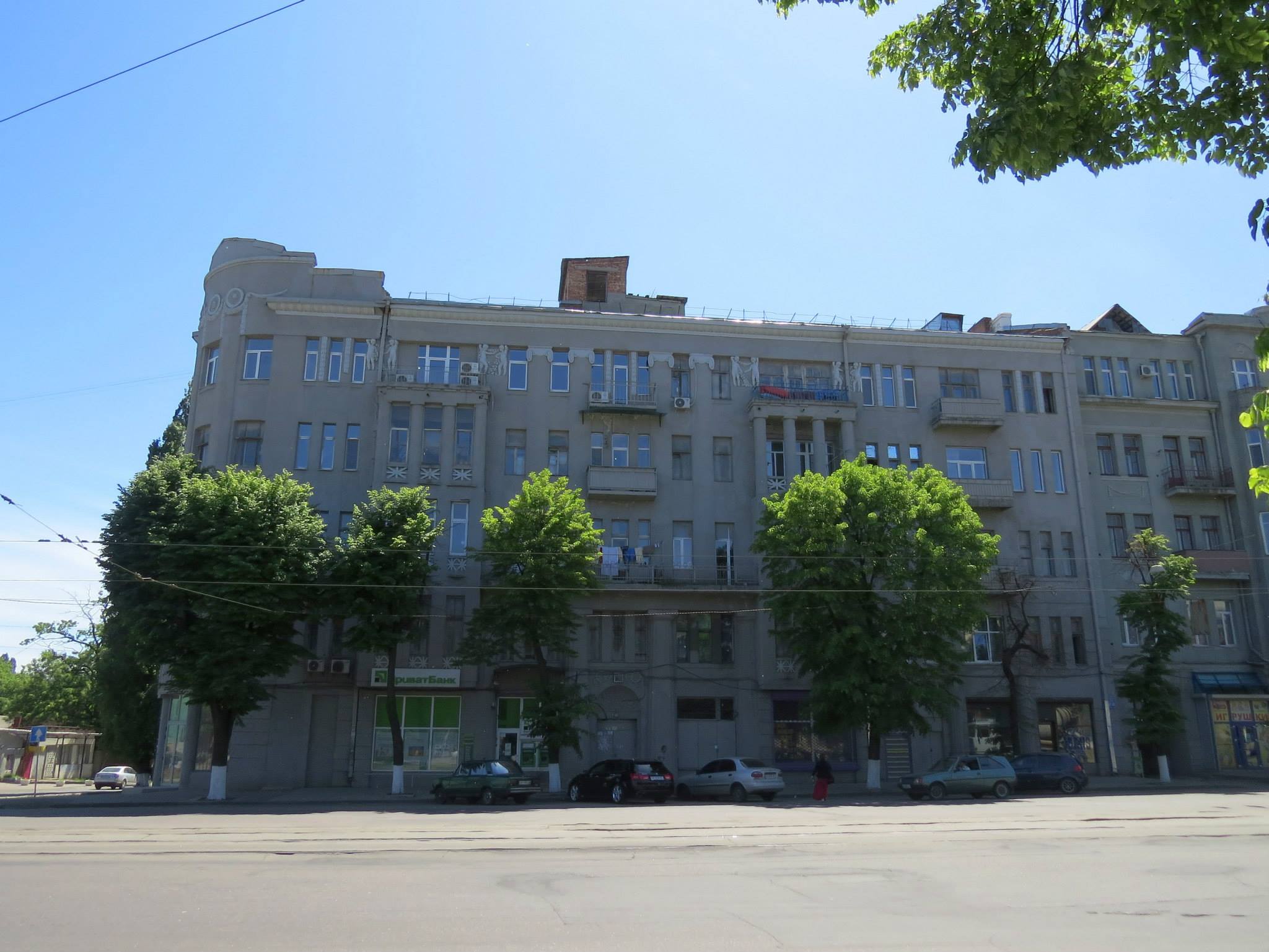
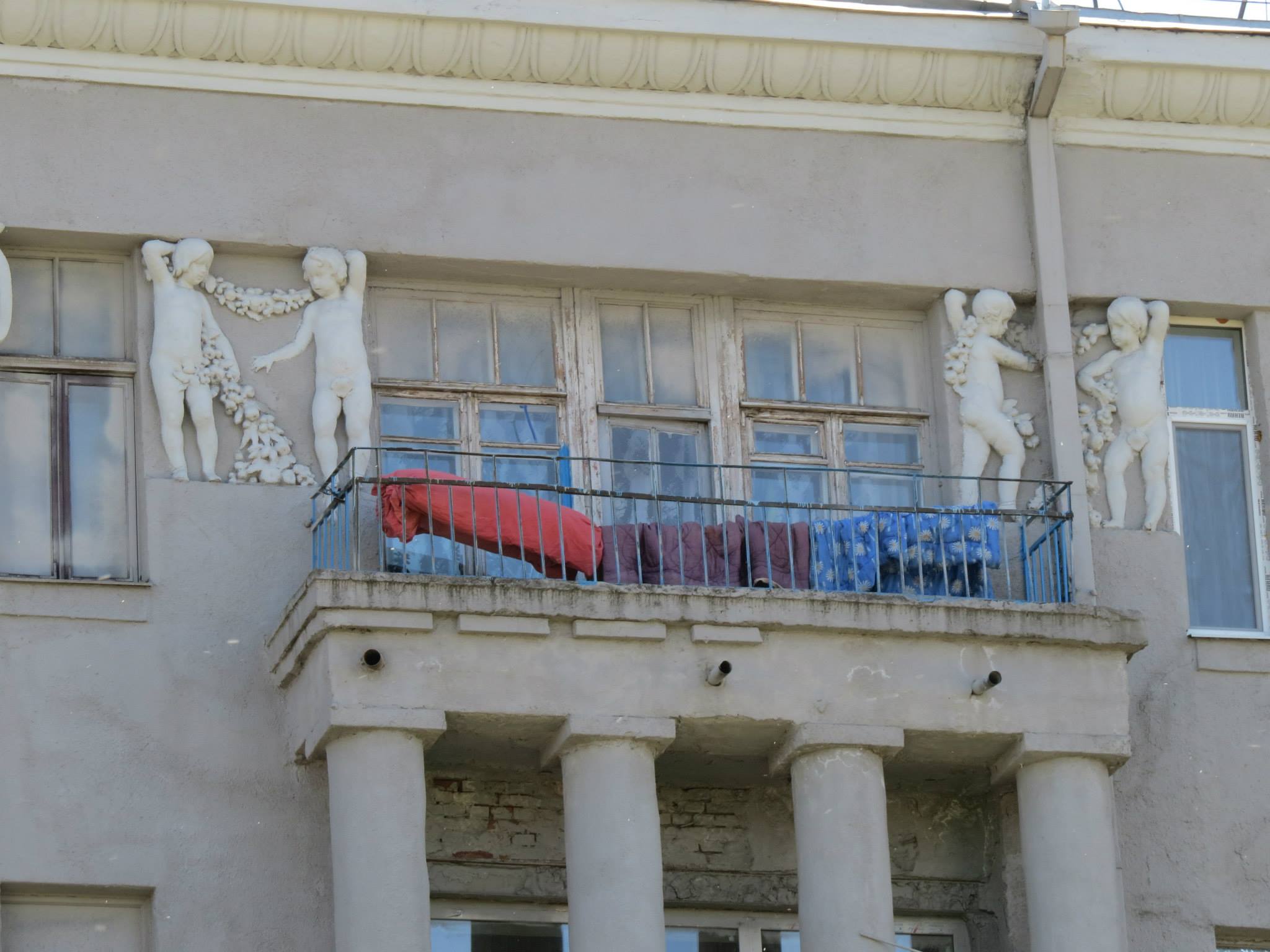
11. Poltavskyi Shliakh Street, 47/49. The apartment building of E. Feldman and the private hospital of obstetrician L. Margulis, 1914-1915.
The cherubs under the roof have been preserved. It is designed in the Art Nouveau style.
Alluring Kharkiv in its entirety.
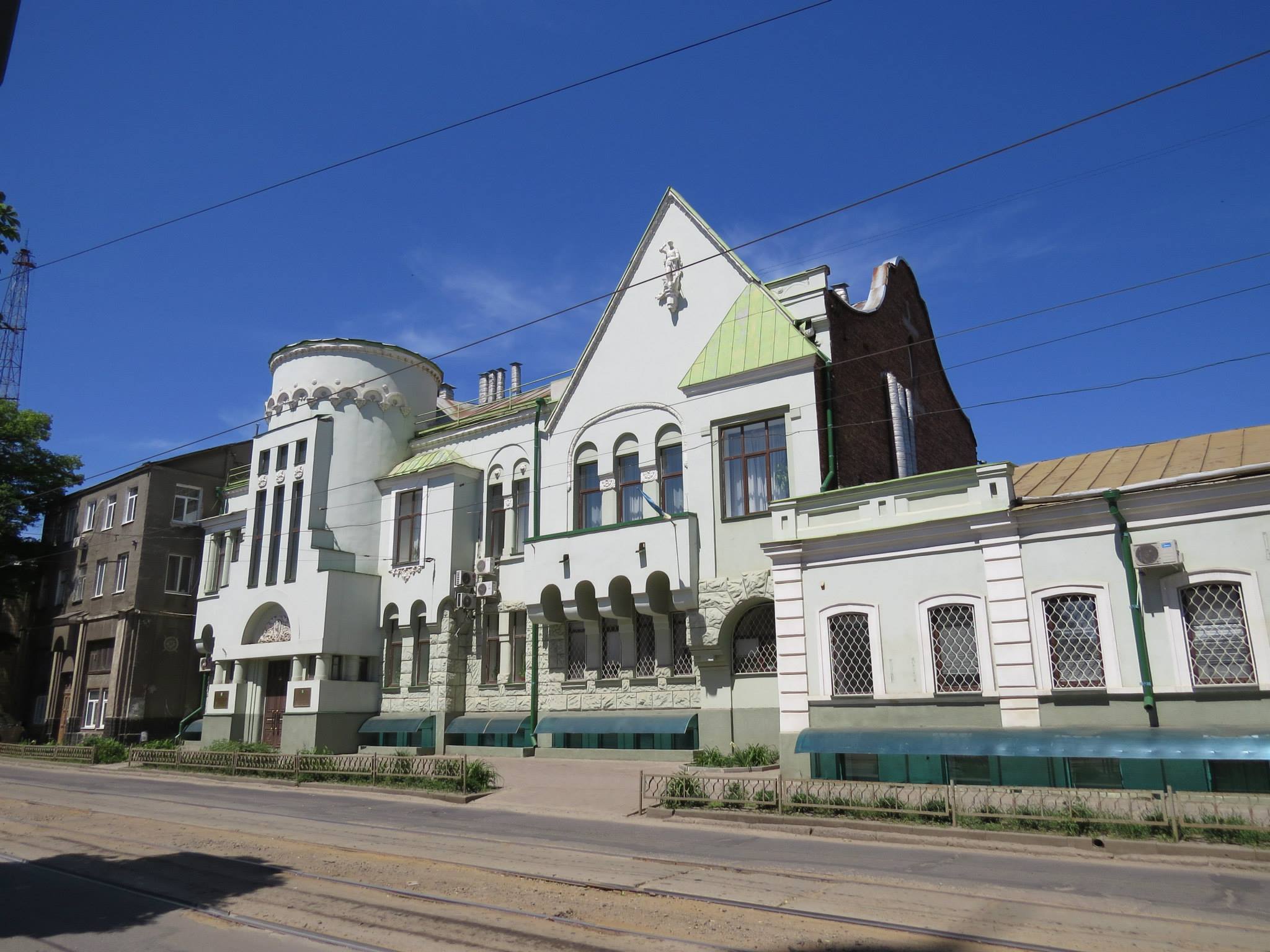
12. Grigory Golberg’s Mansion. Goldbergivska Street, 104. Built in 1913 in the Romantic Art Nouveau style (with castle-like features). It currently houses the Sanitary and Epidemiological Service. A sculpture of St. George remains on the façade.
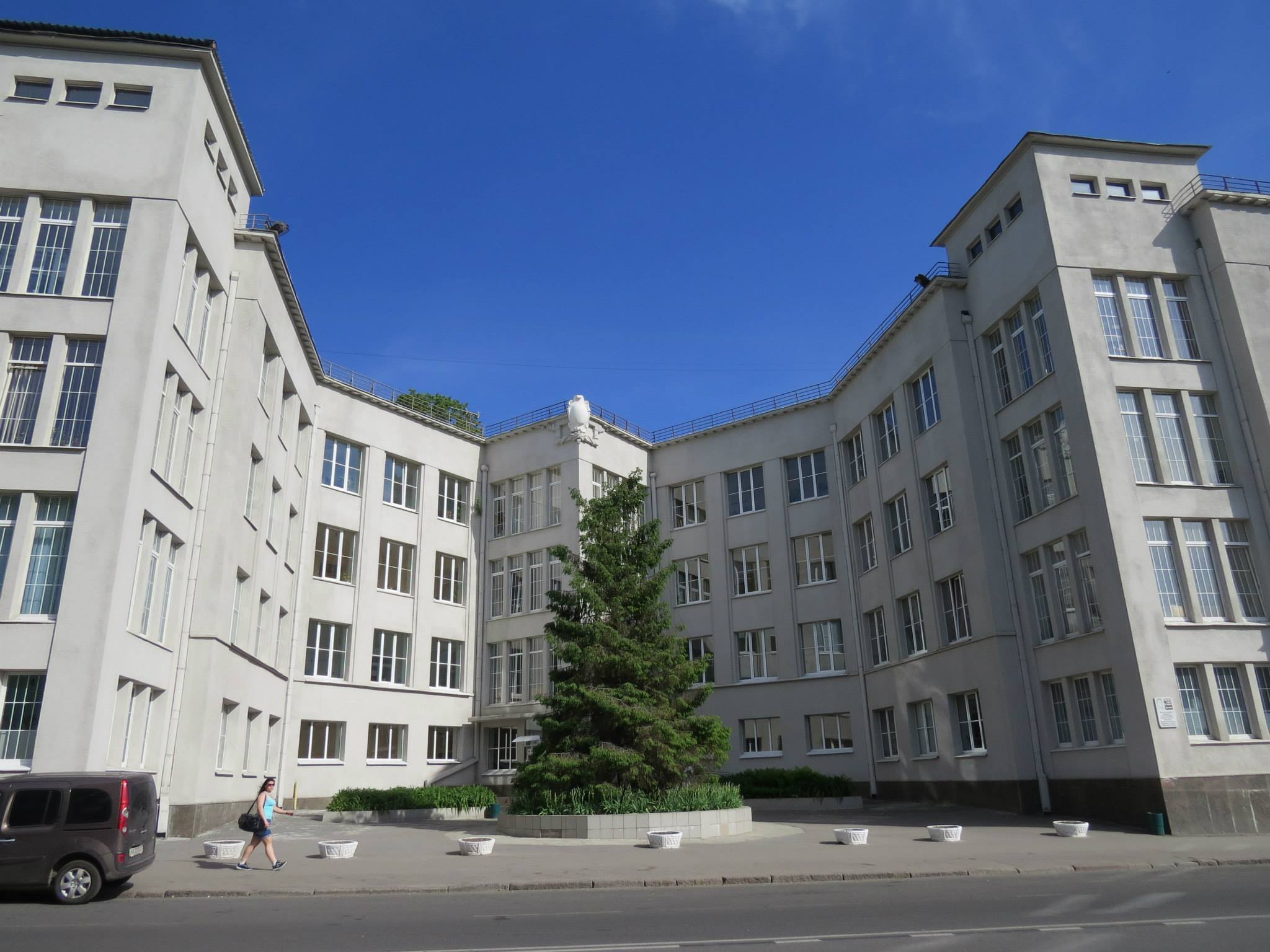
13. Hryhoriia Skovorody Street, 82. Institute of Medical Radiology (1930). Constructivist style.
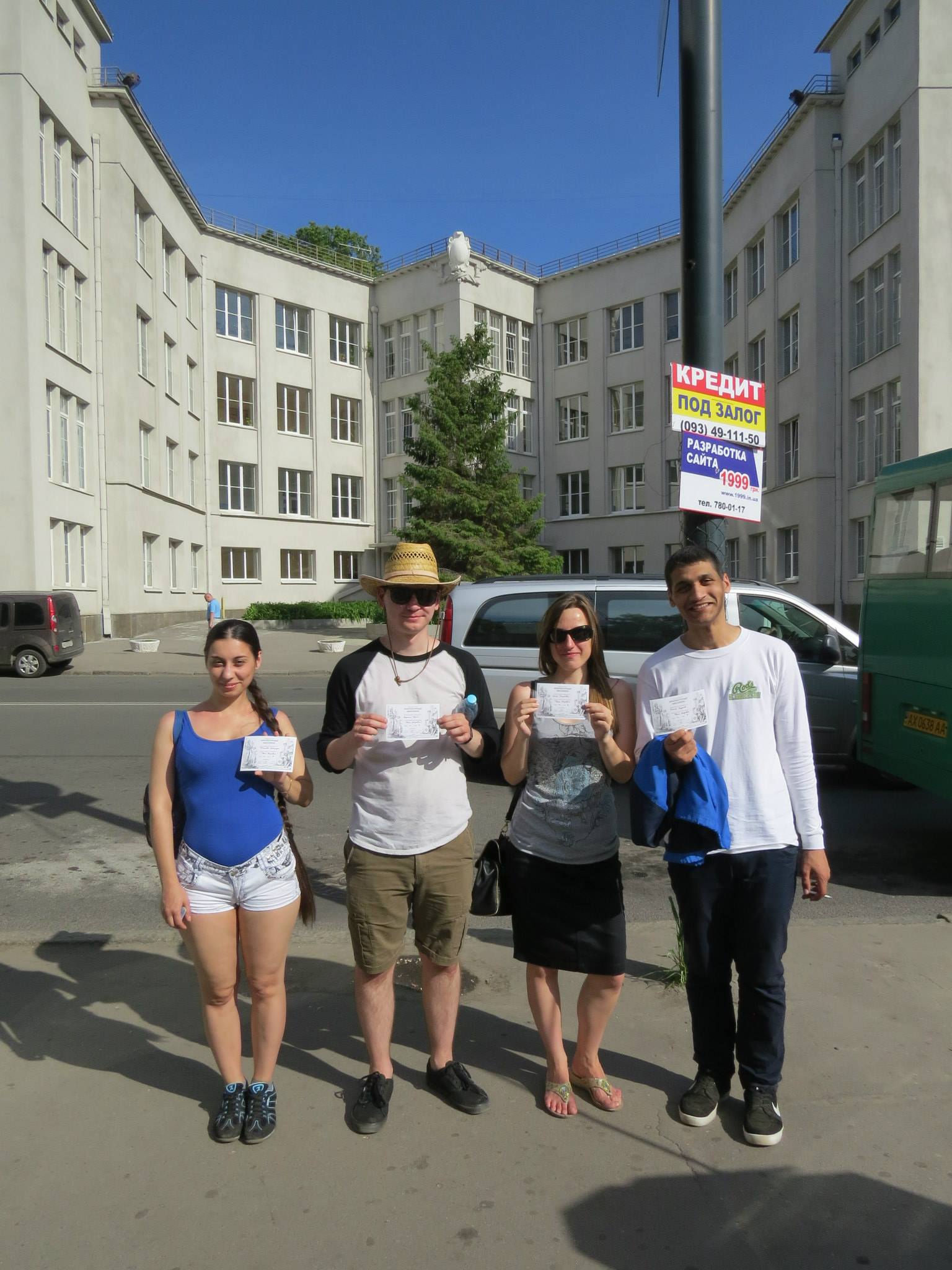
Everyone who completed the route received personalized certificates.

- Danylevs’koho Street, 19 - 13.10.2026
- Debunking the myth about one of the most famous Kharkiv photos - 12.10.2026
- The Architectural Evolution of the Kharkiv Theater - 26.09.2026