When it comes to the history of aviation in Kharkiv during World War I, most people immediately think of the famous pilot Stepan Vasilyevich Grizodubov, who received his pilot’s license in 1915–1916 after training at the Petrograd School. Meanwhile, the largest educational institutions, such as the Zhukovsky National Aerospace University and the Kharkiv National Air Force University named after Ivan Kozhedub, a three-time Hero of the Soviet Union, trace their history back only to 1930. However, not long ago, I was fortunate enough to discover documents from 1917 related to Kharkiv and aviation. To be honest, I thought long and hard about whether I should write about this topic. After all, on the one hand, there are still many gaps in this history. On the other hand, all of this is part of the past of our beloved city, which is worth knowing about. For this reason, I decided to proceed after all.
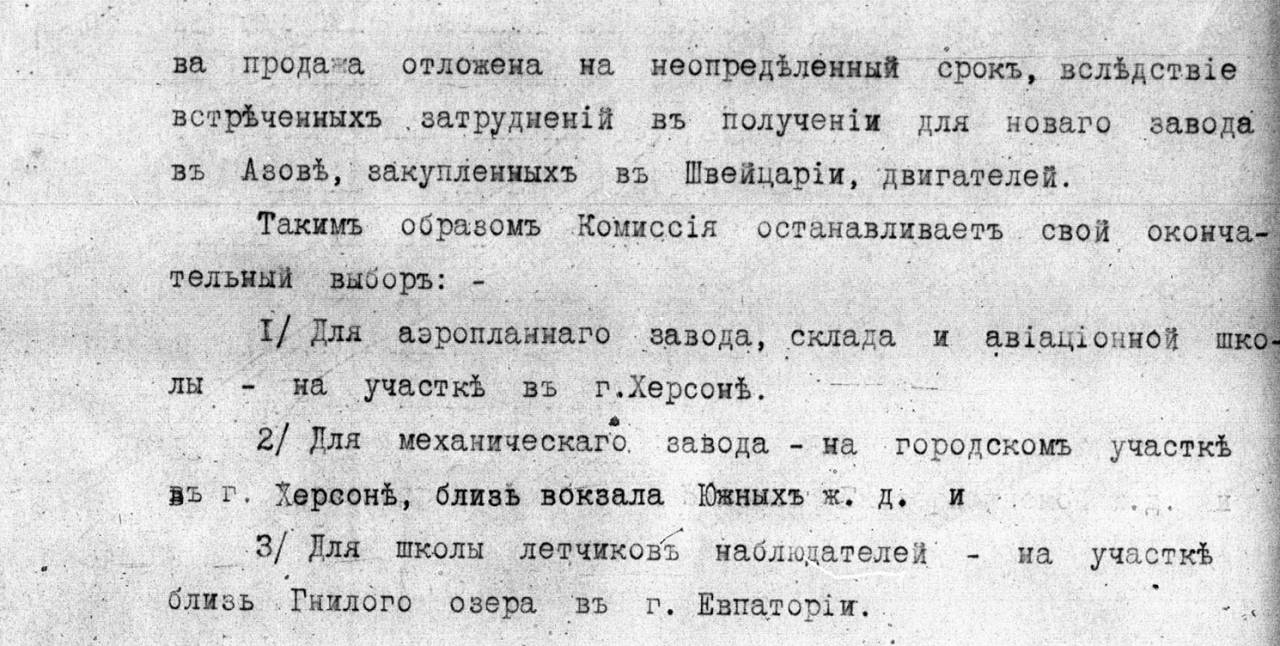
Thus, in January, the Air Force Command deemed it necessary to establish a main airfield, an aviation supply depot, an aircraft factory, and an aviation school in the southern part of the empire. A special commission was dispatched to inspect potential construction sites in the cities of Yekaterinoslav (now Dnipro), Alexandrovsk (now Zaporizhzhia), Kharkiv, Taganrog, Rostov-on-Don, and Kherson. According to its findings, the most suitable locations for establishing all the aforementioned facilities were Kherson and Yevpatoria. It was decided not to build anything in our city, since:
- The brick factory of the “Rits” Joint-Stock Company, which had been converted into rear workshops for the 12th Railway Battalion, occupied a large area of very rugged terrain. It was not feasible to establish an aircraft factory there—it was impossible to build an airfield nearby. The second negative factor was the relatively high price of the land.
- The wool-washing plant of the “Vladimir Alekseev Trade and Industrial Partnership,” located 7 versts from Kharkiv on the Udy River, had its own railway branch line and a highway outside the city. The large factory buildings, constructed of reinforced concrete, occupied an area of about 24 dessiatines of land.
In principle, it was perfectly suited for establishing a mechanical plant there under the Air Force’s administration. Given that the plant was slated to be relocated to the city of Azov, its owners were prepared to sell the land and property at a very reasonable price. But, alas, the move did not take place, and the sale was postponed indefinitely.
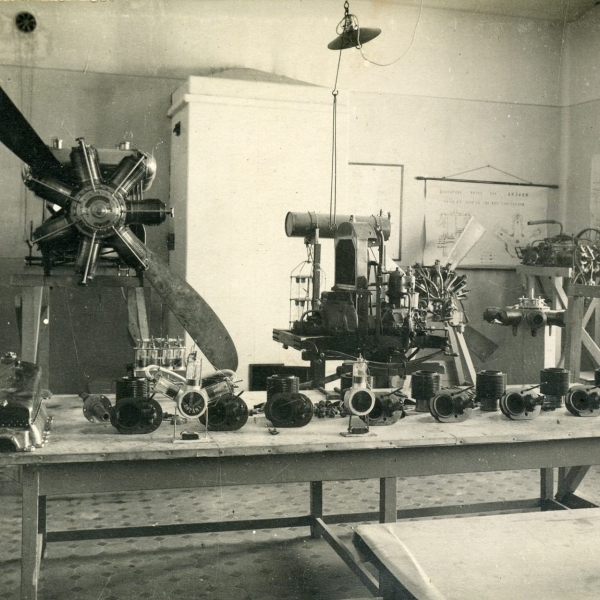
In the fall of 1917, a special aviation commission arrived in Kharkiv once again. The conclusions it reached, as well as the decisions made on that basis, were more favorable for our city. To understand their significance, we must go back a few years. So, in 1910, the “Officers’ Aeronautical School” was established at the Training Aeronautical Park. Its aviation department was stationed in Gatchina starting in May 1911. The mission was “to train army and navy officers, as well as, if funds permit, other individuals, in the art of flying heavier-than-air aircraft, and to create a stock of fully supplied and equipped aircraft to supply aviation detachments.” Cadets completed their practical training at the Lebedev Aviation Plant, where “Voisin” aircraft equipped with “Salmson” engines were manufactured. Their flight time amounted to about 9 hours per month. Soldiers in the school’s military aviation class studied arithmetic, practical geometry, physics, meteorology, aviation, and engine mechanics. The theoretical curriculum for officers included the study of such disciplines as tactics and the use of airplanes in military operations, the development of aviation technology, theoretical knowledge of aviation, aircraft maintenance and service, internal combustion engines (automotive and aviation), automobiles, materials science and strength of materials, radiotelegraphy, meteorology, and photography.
In the summer of 1914, the “Gatchina Military Aviation School” was established based on the aviation department of the Officers’ Aeronautical School. In addition to training military pilots, the school conducted tests of new technical inventions and trained personnel for the maintenance of aircraft and airfields at the front. In 1914–1915, the school trained 175 officer pilots, 57 enlisted pilots, and 20 volunteer officers. And by October 6, 1917, 290 officers and 100 enlisted men were already studying at what was, without exaggeration, the finest aviation training institution in the empire at that time.
In late summer and early fall of that same year, German troops were advancing successfully, and the administration of the Gatchina Aviation School decided to relocate part of the school. Some time later, a special commission concluded that “the following areas were found to meet all the technical requirements for aviation: Samara, Kharkiv, and Lipetsk (in Tambov Governorate).”
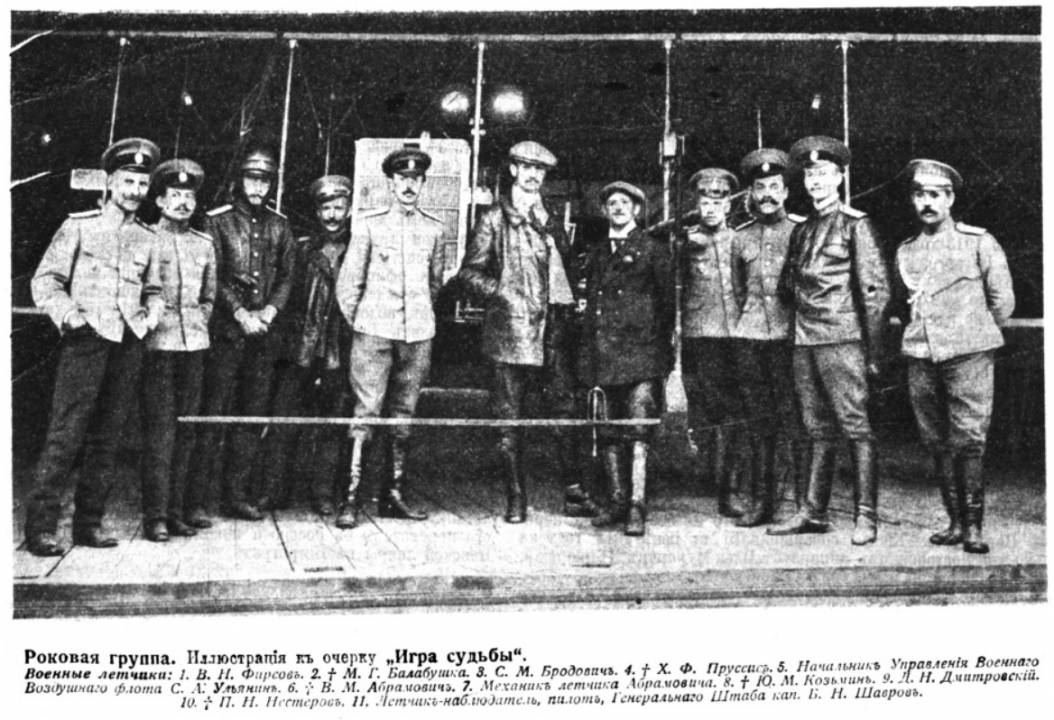
On the evening of November 7 (Old Style), in accordance with an order from the head of the Gatchina Military Aviation School, Mikhail Fedorovich Ivkov, head of its Moscow department, arrived in Kharkiv. The very next day, he personally inspected the sites that Captain Firsov’s commission, which had previously visited our city, had deemed suitable for the construction of an airfield. These were:
- A plot of municipal land near the road to Chuguev, located between the cemetery and a field, with a total area of 153 desyatinas (approximately 167 hectares).
- Plots of municipal land around the road to Saltov, located near the new barracks for soldiers and workshops, with a total area of 234 and 481 desyatinas.
The first of these was a flat area with a small but very gentle depression in the middle. In the immediate vicinity of the site were a Southern Railway station, a locomotive factory, and a power plant.
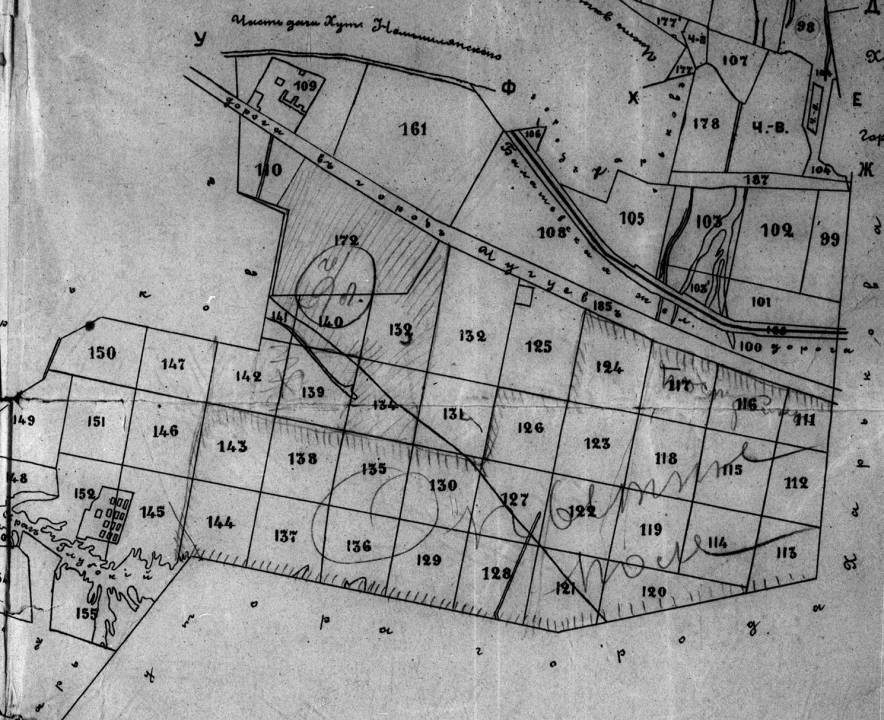
The second stretch was inferior to the first: the terrain sloped down from the road to Saltov toward the Nemyshlya River, and along the road there was an incline of 15–20 meters. To the north of the road, the flat land had been plowed in many places by private landowners.
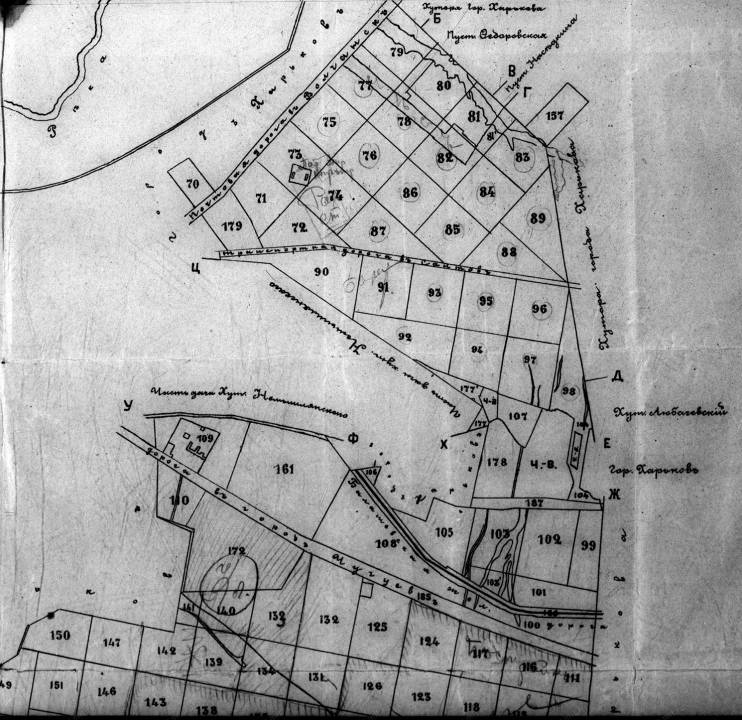
After carefully inspecting both plots, Mikhail Fedorovich chose the first one because of its more advantageous location, and that same evening he submitted an application to the Kharkiv City Council. The land commission, which convened on November 9, rejected Ivkov’s application because the plots intended for the construction of the airfield were occupied by an experimental field. Instead, it offered him plots located around Saltovskaya Road. However, in the current situation, Mikhail Fedorovich did not dare to act on his own and left the final decision to his superior at the Gatchina Military Aviation School—Dmitry Alexandrovich Boreyko. The next day, Ivkov inspected the buildings in Kharkiv that had been adapted to house the school’s branches, which were soon to arrive from Petrograd and Odesa, namely:
— 9 barracks, each accommodating 160 people, for soldiers and workshops;
— 2 carriage sheds converted into garages;
— 2 stables converted into a gasoline storage facility;
— 2 officers’ barracks.
However, Ivkov was dissatisfied with the work of the construction commission responsible for building military barracks in Kharkiv. He pointed out that the buildings lacked separate kitchens and bakeries and that one of the sheds even had a clay floor. He wrote a separate statement about this.
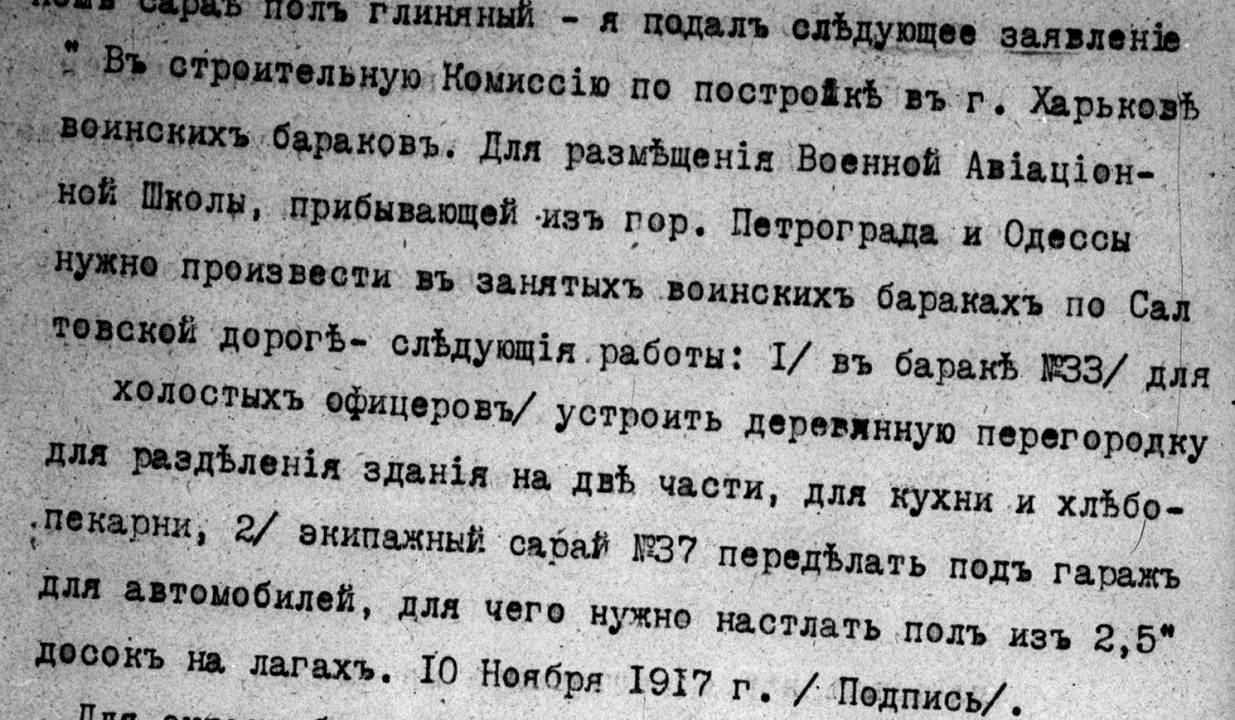
Furthermore, in his report to headquarters dated November 17, 1917, regarding his visit to Kharkiv, Ivkov also pointed out that, in addition to the barracks allocated by the city to accommodate the school’s units, it was also necessary to draw up a special estimate for the construction of a hangar for 100 aircraft and submit it to the Air Force Administration to obtain a loan. And if funds were secured to purchase land for a permanent location for the aviation school, he recommended acquiring one of two plots:
- Located 2–3 versts north of Kharkiv, near the village of Alekseevka;
- 13 versts north of Kharkiv, near the Dergachi station.
In both towns, the sites were flatter and were accessible by highway and railroad. A few days later, the decision to relocate the school’s departments to Kharkiv and build an airfield was finalized. It has not yet been possible to determine exactly where they were all located. However, it can be stated with 100% certainty that the presence of an aviation school in our city was not merely nominal. After all, in his memoirs, Mikhail Sergeyevich Babushkin—a polar pilot well-known in Soviet times who was an instructor at the Gatchina Aviation School at the time—writes:
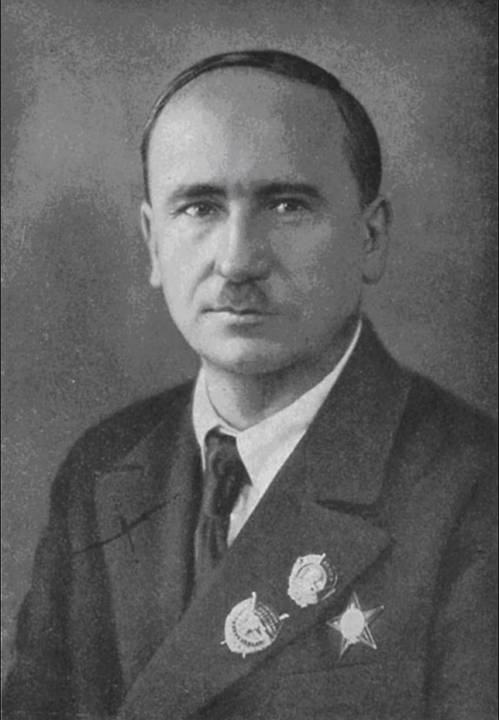
At the end of 1917, the school was ordered to relocate to Ukraine. I headed south with the school. While we were on the way, an order arrived to stop in Kharkiv. We set up the school and resumed classes. Around that time, the Haidamaks and the Germans began their advance. At our school, nearly half the officers were career officers—second lieutenants, lieutenants, and staff captains. They began to conspire: ‘The Germans and the Haidamaks are coming; let’s stay here.’ The school’s headmaster, an old officer and an honest man, gathered a small group and said:
“I am in favor of leaving here. We brought valuable property to Kharkiv, entrusted to us by the revolutionary government, and we are obligated to keep everything intact. Neither the Germans nor any Haidamaks should get their hands on it. We are neither one nor the other… Let’s begin the evacuation tomorrow.”We couldn’t wait any longer. In two days, we loaded all our belongings onto the train. Most of the officers had fled. Only the soldiers, the warrant officers, and a few older officers remained.
Indeed, as was later established, the Gatchina Aviation School left Kharkiv due to the advance of German troops in the spring of 1918. Its new location was the city of Samara. And on August 6, 1918, by order of the Military Aviation School of the People’s Army, the Kharkiv branch of the Gatchina Military Aviation School was renamed the Military Aviation School of the People’s Army.
In addition to the aforementioned school, graduates of courses organized by the Kharkiv Committee for Military-Technical Assistance also provided significant assistance to the air force during the years 1914–1918. But that is a whole other story…

- About the military pilot school and the airfield in Kharkiv… - 04.11.2020
- Nikanor Savich—A Political Career by Mistake - 13.07.2020
- And once again, about the Cavalry Guards… - 21.01.2020