As we all recall, on August 19, 1902, during the 12th Archaeological Congress, an ethnographic concert was also held in Kharkiv. The kobzars and lirniks from the Kharkiv, Poltava, and Chernihiv provinces who performed on stage made a stunning impression on the audience with their masterful playing.
The archaeological congress in Kharkiv also resolved to petition the Minister of the Interior to put an end to police persecution of bandura players and lyre players. Subsequently, a petition on this matter was drafted in Kharkiv, which, incidentally, was signed by all the delegates to the congress.
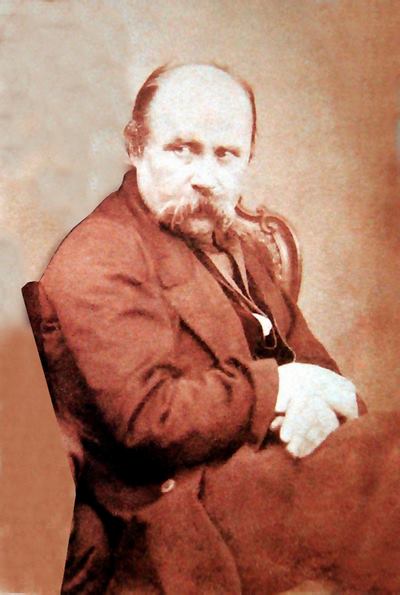
However, that was not the end of the story. After all, in the spring of 1903, despite a number of difficulties, an evening in memory of Taras Shevchenko was held in our beloved city. As before, Ukrainian songs performed by kobzars and lirniks filled the hall. Konstantin Mikhailovich Bich-Lubensky, a Kharkiv-based correspondent for the *Russian Musical Gazette*, reported on all of this.
Incidentally, Konstantin Mikhailovich himself was a truly remarkable figure, although he is now undeservedly forgotten. After all, it was he who, at one of the meetings of the Kharkiv Society named after Kvitka-Osnovyanenko, uttered the famous phrase that Ukraine, like the biblical Lazarus, must “rise from the stinking shroud.”
Well, let’s now return to the Shevchenko evening itself, which the author describes quite vividly…
“We have received a letter from Kharkiv describing a very interesting—from an artistic standpoint—evening in memory of Shevchenko. The concert program was dedicated to readings of works by the beloved Little Russian poet and musical compositions by N. V. Lysenko set to those texts. The performers included: Mr. I. Galayda, who sang several beautiful old dumas accompanied by the bandura; pianist Ms. Khodkevich, who played two pieces by Lysenko; singer Mr. Alchevsky, Mr. Vasilyev and the blind singer Mr. Lavrov, as well as bandura players Ignat Goncharenko and Petro Drevchenko, and the lyre player Ivan Zozulia.
I won’t go into detail about each performer’s performance; I’ll focus only on Mr. Lavrov. This singer is of Bessarabian origin and appears to be a peasant. The sight of this poor man in shabby clothes, with sunken eyes, timid and awkward—made a very distressing impression, which vanished completely as soon as he began singing Leshenko’s romance “Oy chogo ty pochornilo.”
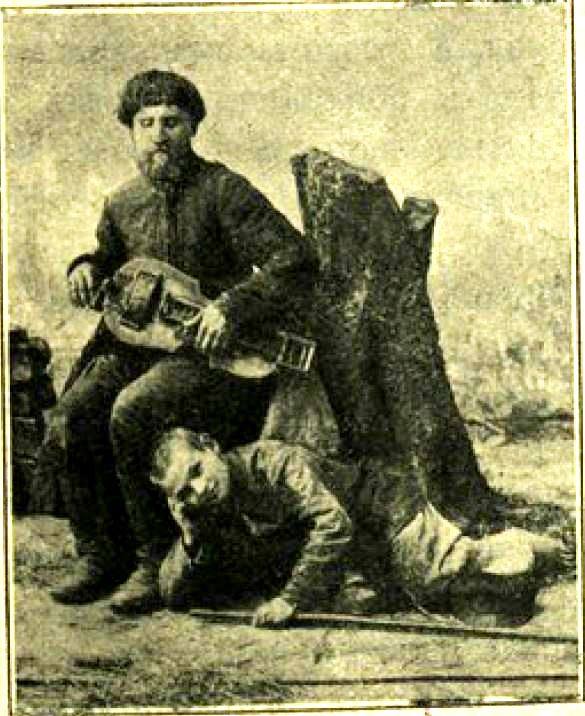
An exceptionally clear and beautiful tenor voice, the deeply artistic expressiveness and thoughtfulness of his interpretation clearly showed that in this unfortunate man, so cruelly wronged by nature, we hear a richly gifted artist and singer. Mr. Alchevsky’s singing was beautiful in tone, but the singing of the blind Lavrov was beautiful not merely in the individual notes of his voice; rather, it captivated the audience with its great artistry to an indescribable degree and almost made one forget the performances of the other artists. I was told that Lavrov learns even the most complex pieces very quickly when a melody is played for him on the violin. It was distressing to read, on the third day after the concert, a notice from Father V. Vertukhov regarding the dire circumstances of this blind man and his appeal for charity from kind-hearted people. And once again, the question raised by members of the 12th Archaeological Congress arises with all its poignancy: the issue of providing for the poor blind singers and poets of the Little Russian people, of separating them from the class of beggars, unjustly classified as such by the administration and cruelly persecuted by it. What a valuable member of the church choir this wonderful blind artist and singer, Lavrov, could have been! And how much unnecessary suspicion—offensive and unpleasant—the organizers of the Shevchenko concert evening had to endure while seeking permission to hold it. The proceeds from this concert went to a charitable society in St. Petersburg dedicated to publishing books on scientific, moral, religious, and agricultural topics. Well-wishers made a small contribution to support the selfless participants in this concert—the blind bandura players.”

- About the military pilot school and the airfield in Kharkiv… - 04.11.2020
- Nikanor Savich—A Political Career by Mistake - 13.07.2020
- And once again, about the Cavalry Guards… - 21.01.2020