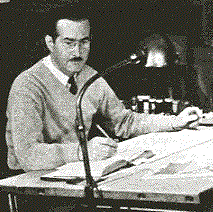
We have already written about the forgotten Kharkiv writer Mikhail Artsybashev and his once world-famous novel *Sanin*. Now it is time to remember his equally talented son, Boris, who, like his father, has been forgotten in Kharkiv but is well known in the West.
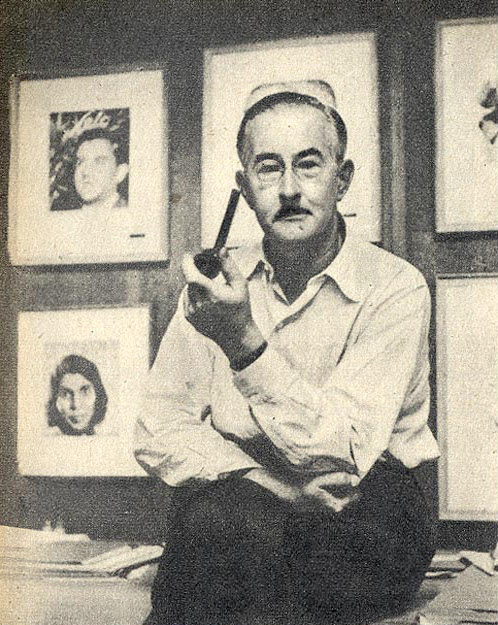
He was born on May 25, 1899, in Kharkiv. Unfortunately, his father, Mikhail Artsybashev, divorced his wife early on and did not maintain much contact with his family, although his son Boris loved his father dearly and admired his talent…. Moreover, before World War I, Mikhail advised his son to leave the country and change his last name so that he would not be burdened by his father’s reputation, which was both well-known and highly scandalous. Artsybashev acquired his basic drawing skills at Princess Tenisheva’s studio in St. Petersburg (incidentally, Dobuzhinsky, Bilibin, and Serebryakova also studied at this same studio). Later, he began studying law at Kyiv University, but in 1917, the revolution interrupted Artsybashev’s education, and he was separated from his family. In 1918, Boris served in Kyiv in Skoropadsky’s army; after Skoropadsky’s overthrow, he attempted to join the ranks of the White Army in southern Ukraine but was captured by the Bolsheviks. Boris managed to escape from captivity. In 1919, he emigrated to the United States, unable to speak English and with only 14 cents in Turkish currency in his pocket. Artsybashev started from scratch—he got a job cutting labels at a printing house, then became a bottle designer. Soon he received a commission to paint the walls of an émigré restaurant called The Russian Inn. These paintings caught the attention of art critic and artist Guy de Bois, which became a turning point in Artsybashev Jr.’s career. Mikhail Fokin invited him to serve as a set designer for his ballet in New York.
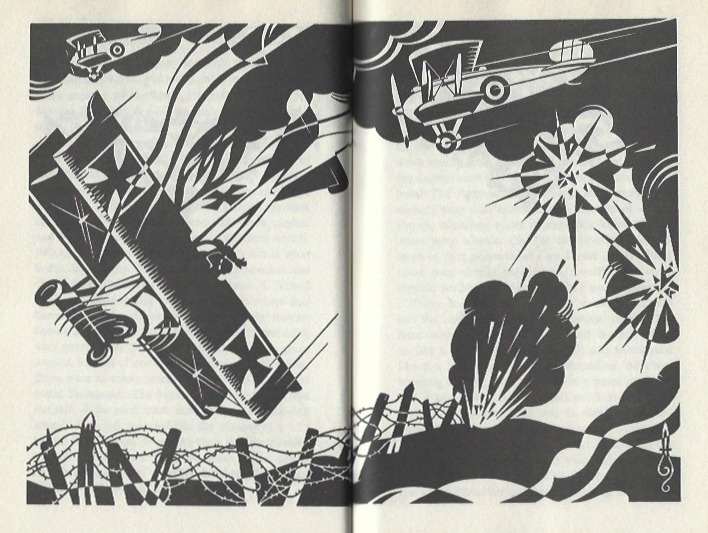
At the same time, Boris also drew illustrations for books. Even in his early works, one can see the surrealistic anthropomorphic mechanisms that would become his trademark. For example, his illustrations for Mamin-Sibiryak’s collection of fairy tales, *Alenushka’s Tales*, were published in 1922 in New York in an English translation titled *Verochka’s Tales*. In 1926, Artsybashev became a U.S. citizen, and in 1930, he married Elizabeth Snyder.
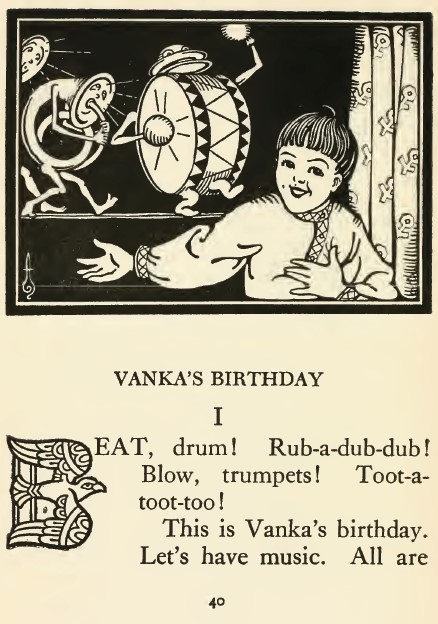
Artsybashev would go on to illustrate more than 50 books that were awarded the prestigious John Newbery Medal (Dhan Mukherjee, *Gai Nek, the Story of a Pigeon*, 1928) and the Caldecott Medal.
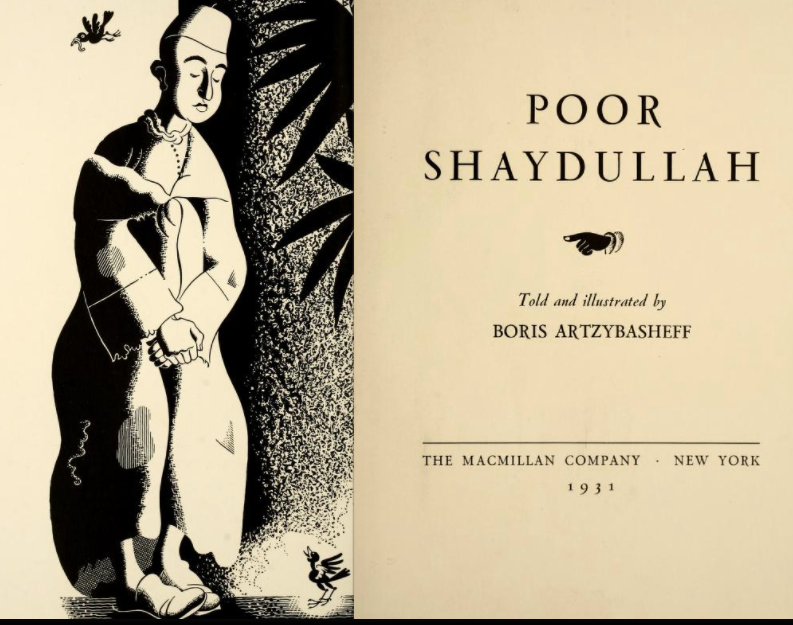
He would write some of the books himself. His first children’s book was *Poor Shaydullah*, published in 1931
In 1937, his book *The Seven Simeons* (a retelling of a folk tale) won several awards, including the prestigious New York Herald Tribune Book Festival Award.
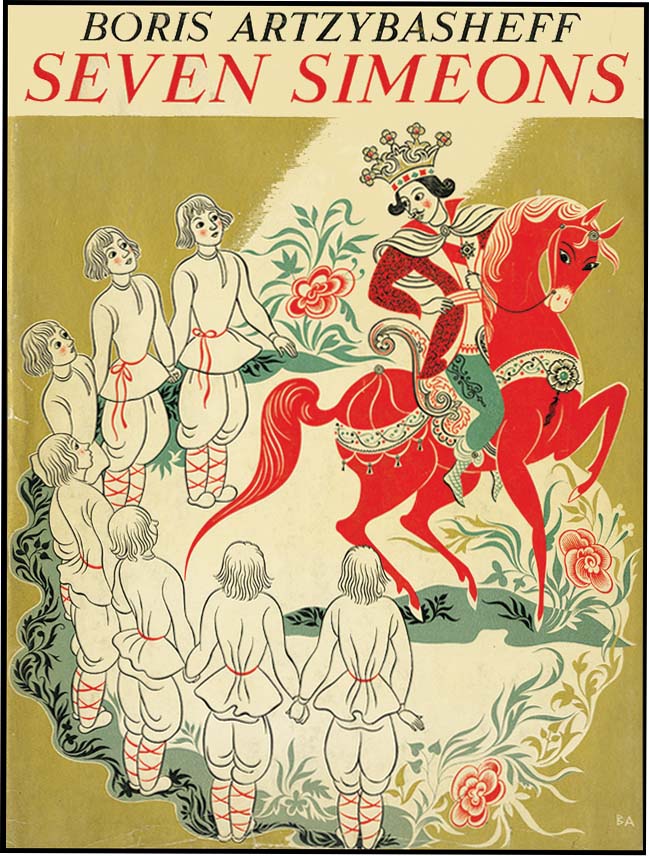
Initially, Artsybashev worked in the style of monochrome flat engravings, but later switched to three-dimensional color works.
Here, one cannot help but recall another talented native of Kharkiv who was an artist, a writer, and an illustrator of both children’s books and more serious works—Nikolai Karazin.
As Artsybashev himself recalled, his worldview was most influenced by the paintings of Bosch, Pieter Bruegel the Elder, and the ancient icons he had seen as a child.
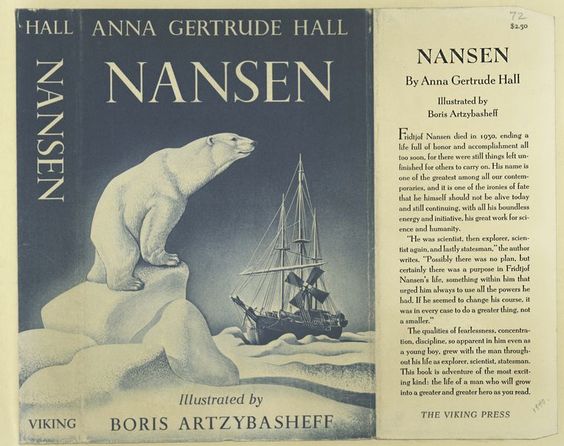
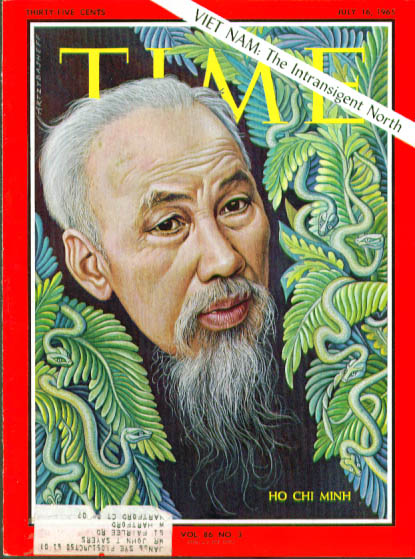
He would achieve true fame in the 1930s, when he shifted his focus to commercial magazine illustrations and advertising work. In 1934, Artsybashev was hired by Time magazine, where he began drawing advertising illustrations for the publication.
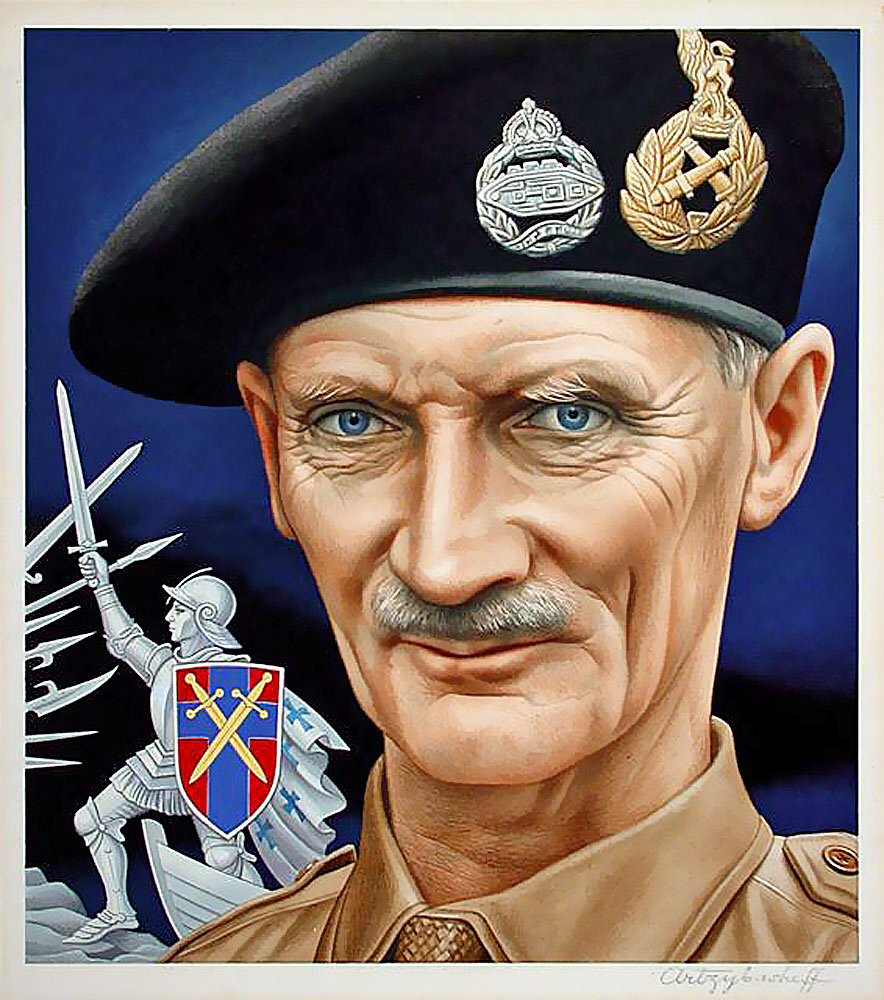
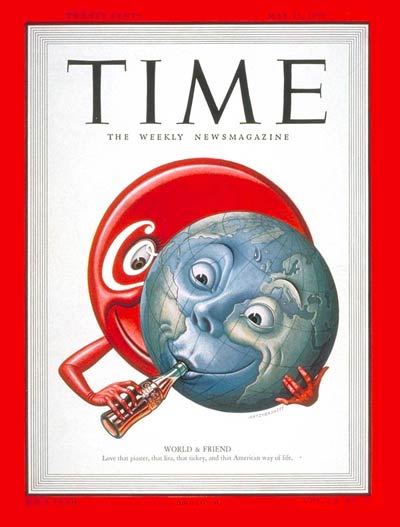
At that time, Time published only photographs, but after a while its covers switched to illustrated artwork, and Artsybashev was one of the first artists entrusted with creating them.
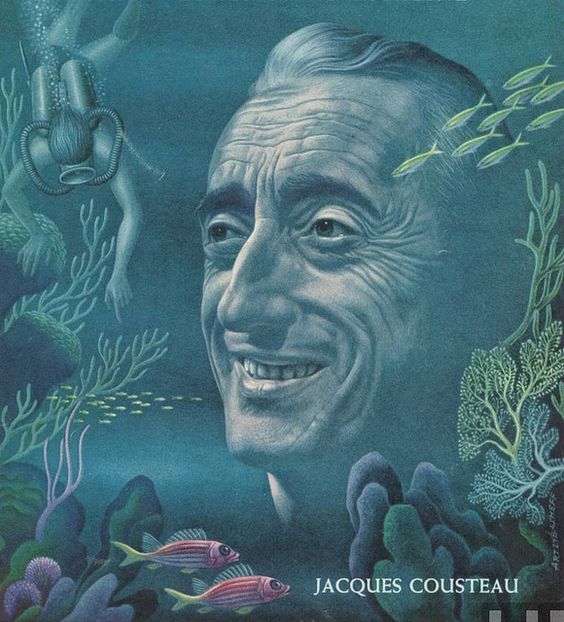
From 1941 to 1965, he illustrated more than 200 covers for *Time*, *Fortune*, and *Life* magazines.
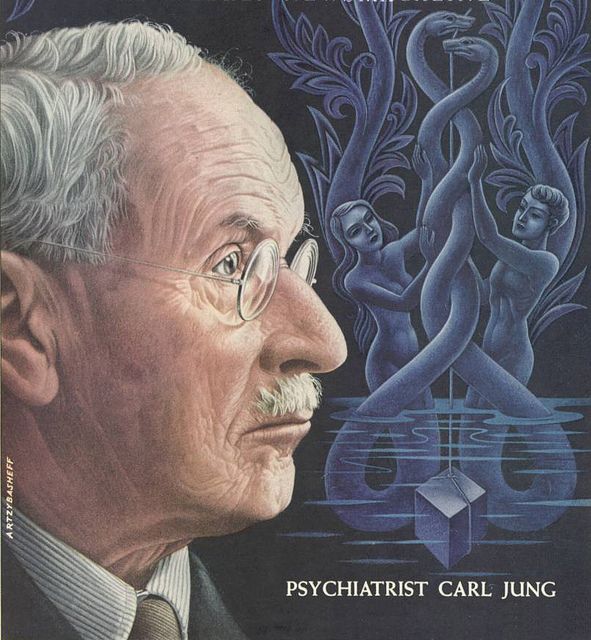
Those were times of great hardship and momentous events for humanity—World War II, the start of the Cold War, and a dramatic leap forward in scientific and technological progress…
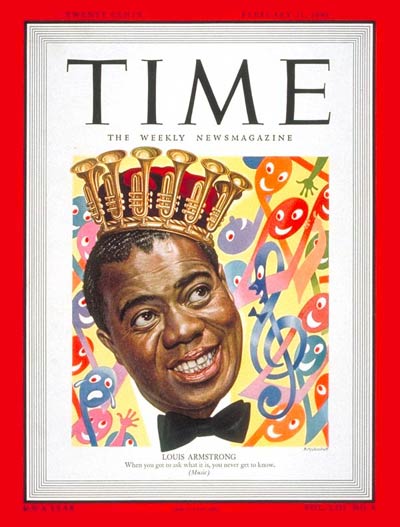
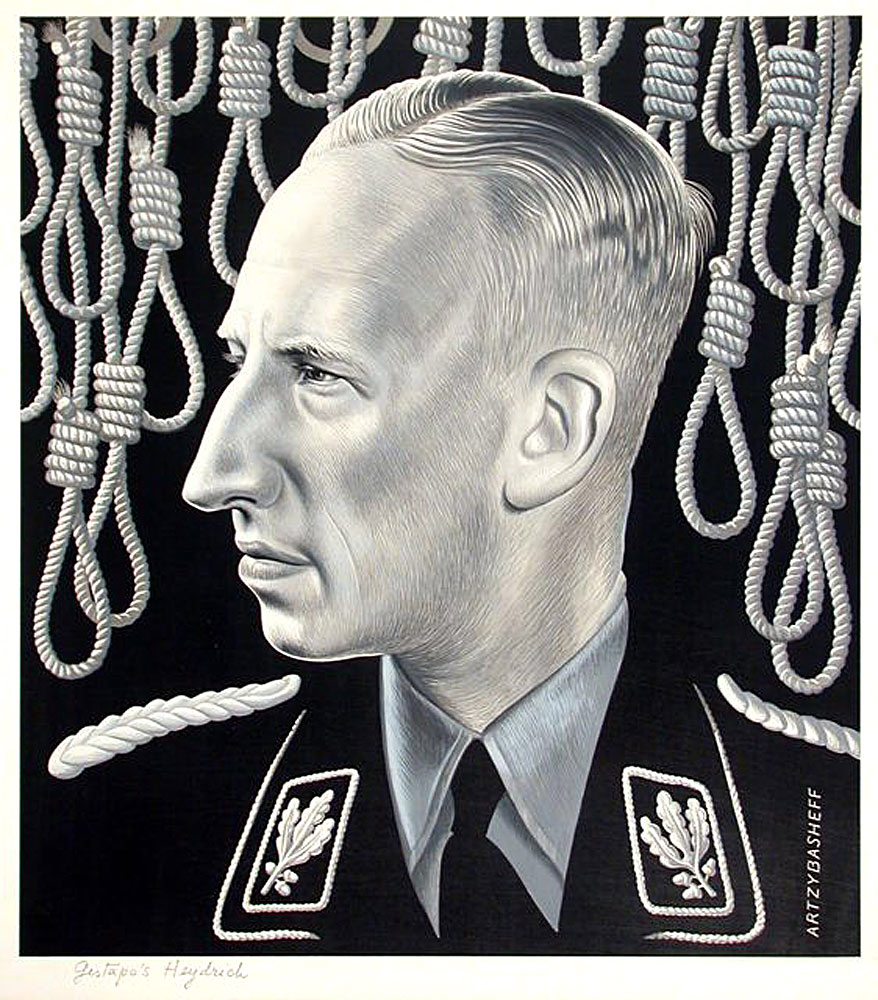
The covers were filled with prominent figures—scientists, politicians, and military leaders.
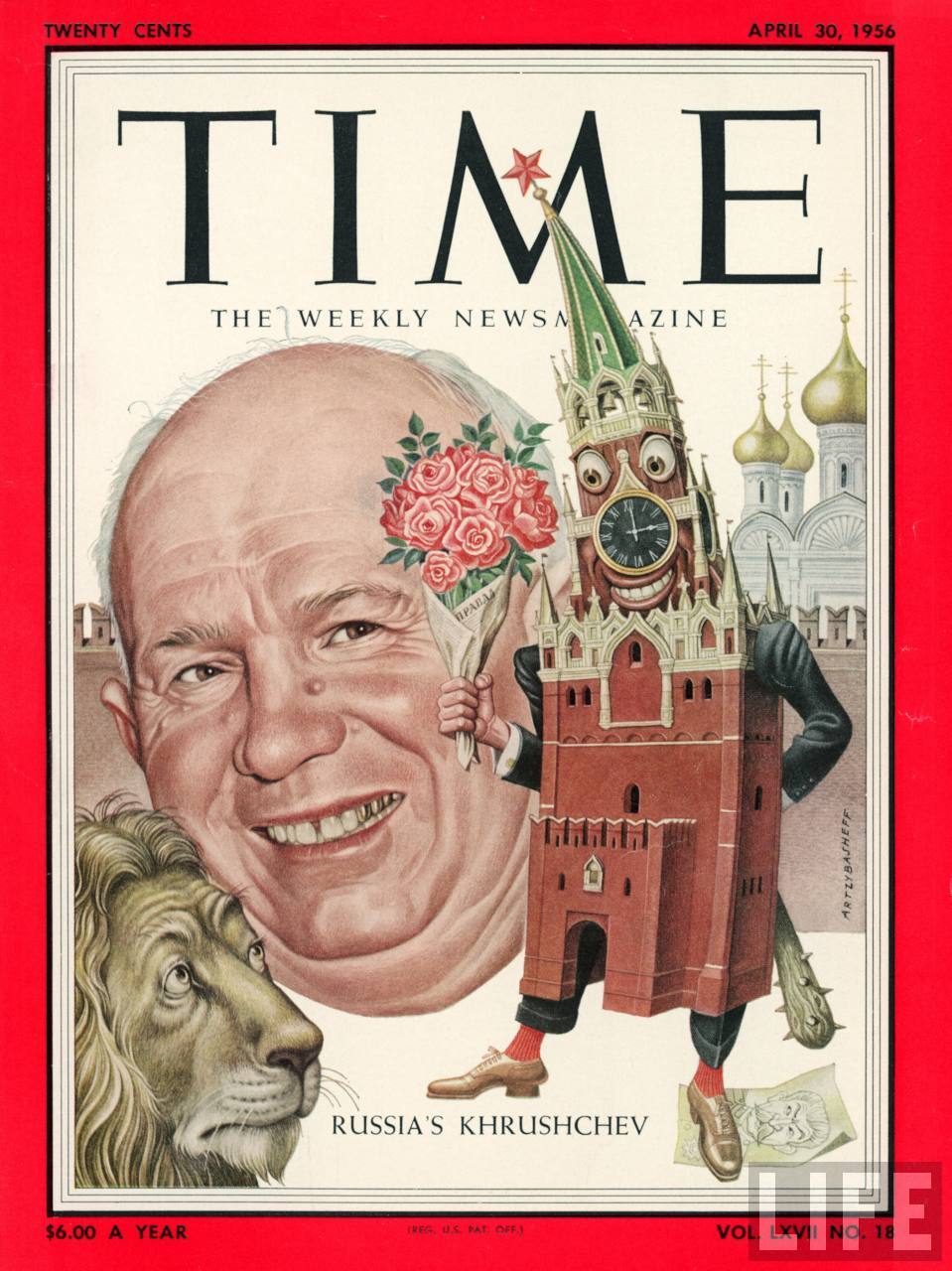
They say that all it took was a minute for Artsybashev to look at a photograph to capture a person’s emotions and paint their portrait.
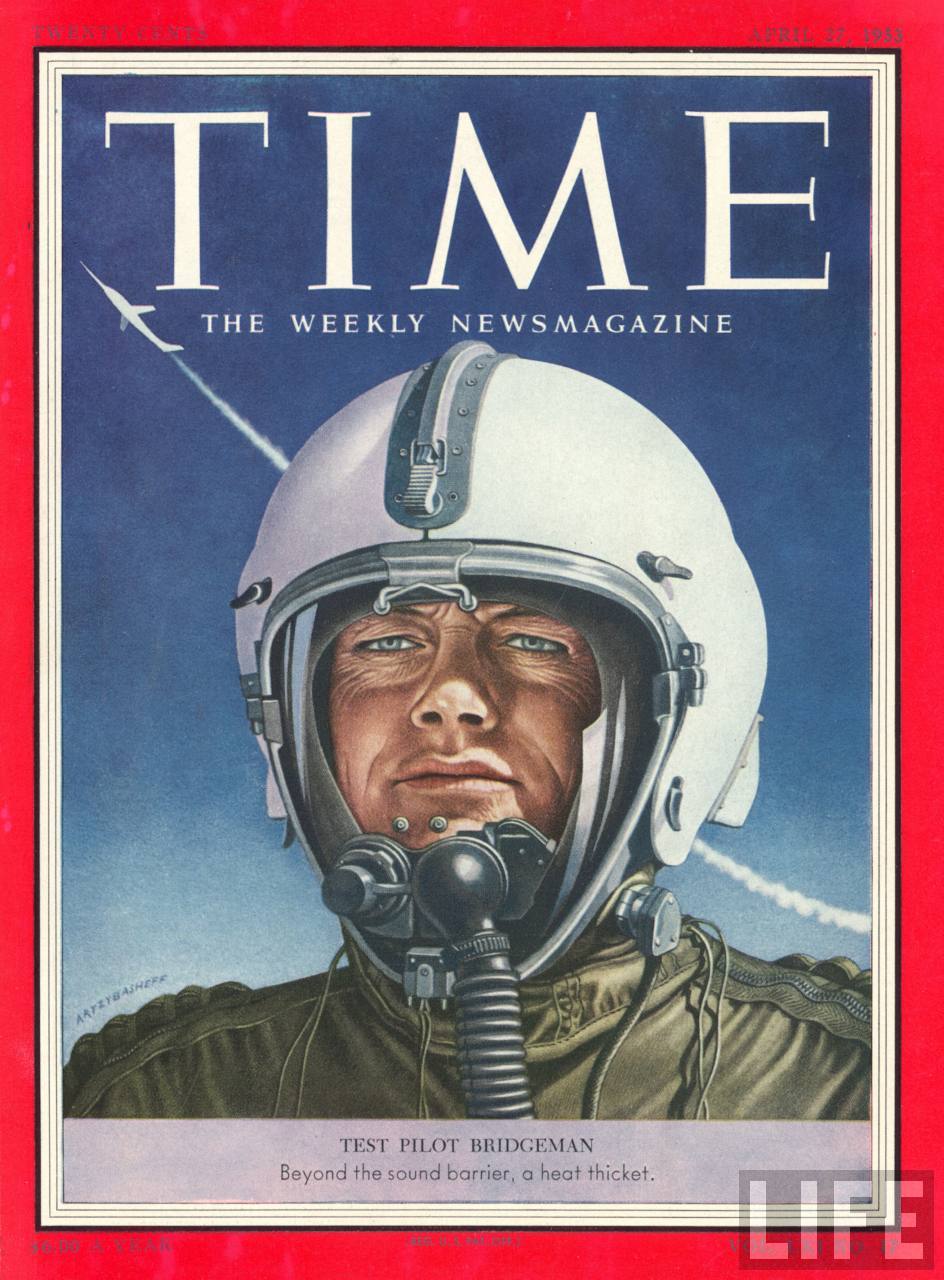
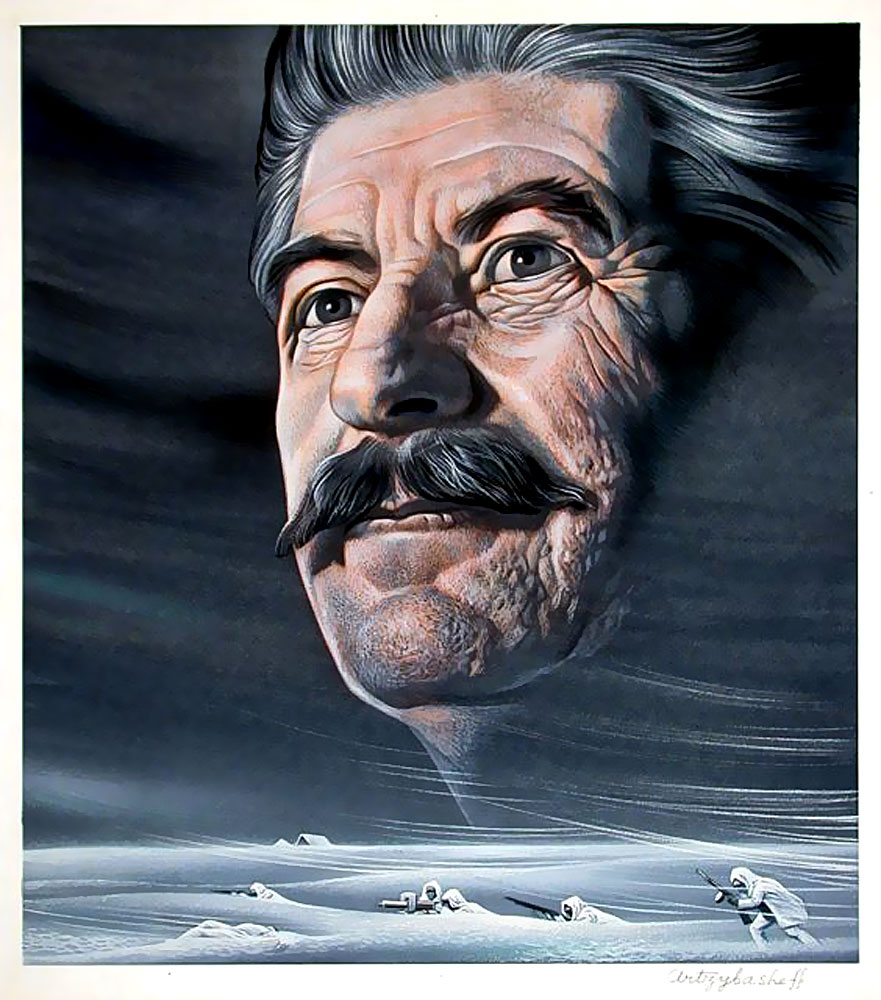
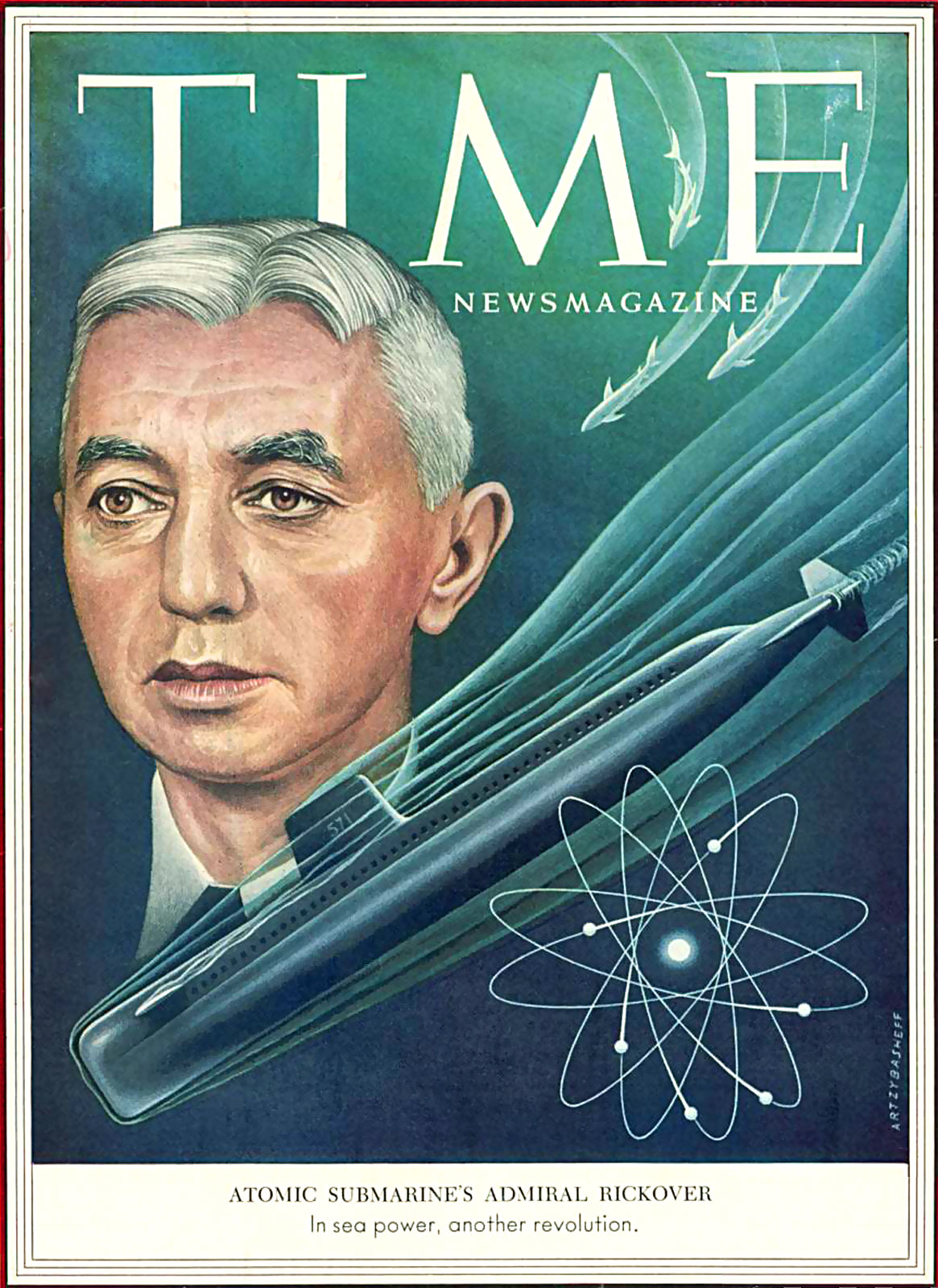
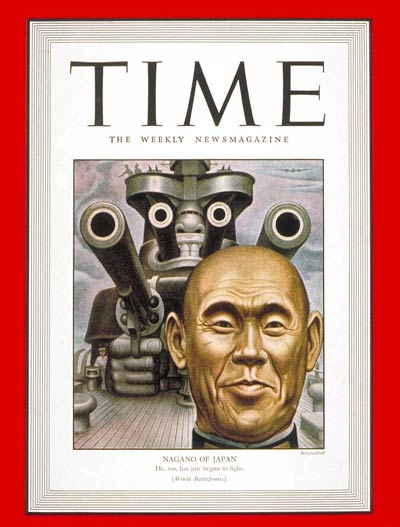
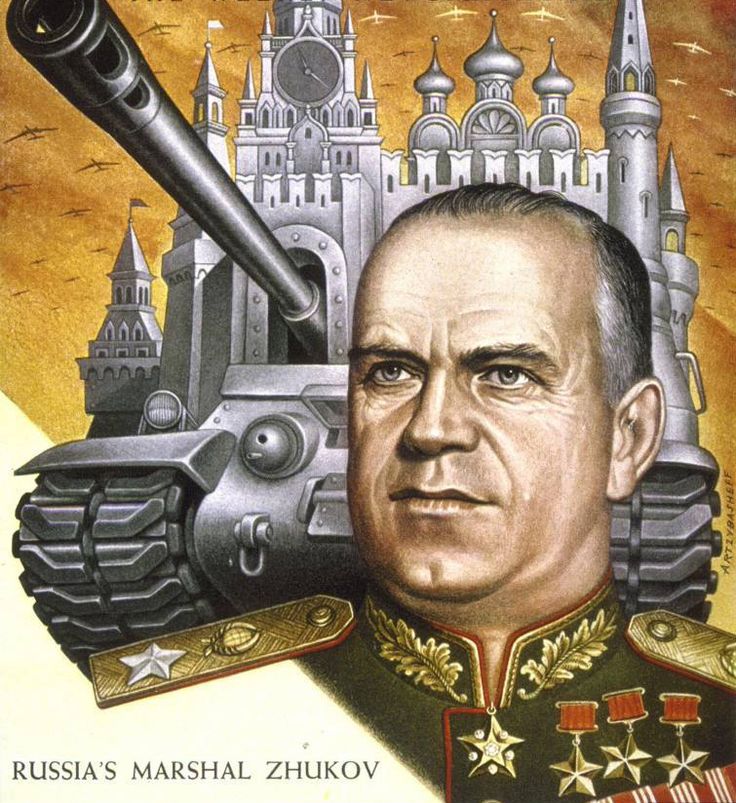
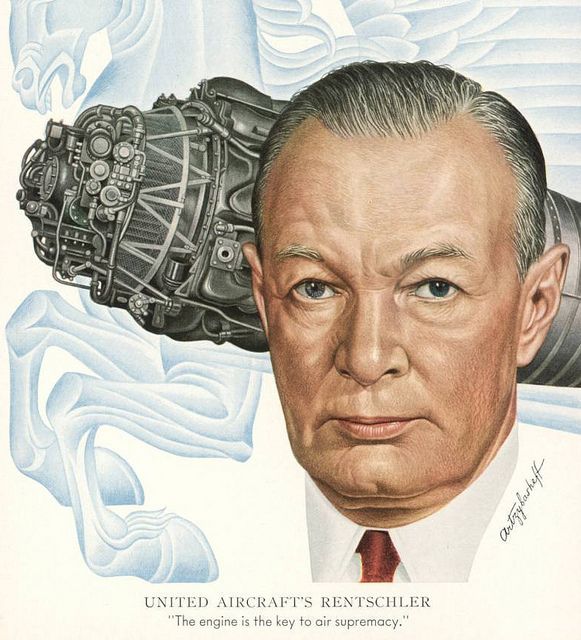



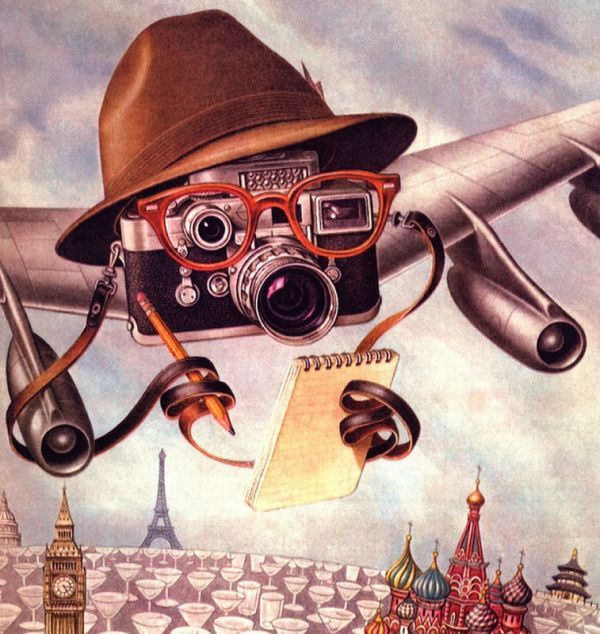
Artsybashev also worked on advertising materials for brands such as Xerox, Shell Oil, PanAm, Casco Power Tools, Parke-Davis, Scotch Tape, Alcoa Steamship Lines, and Parker Pens.
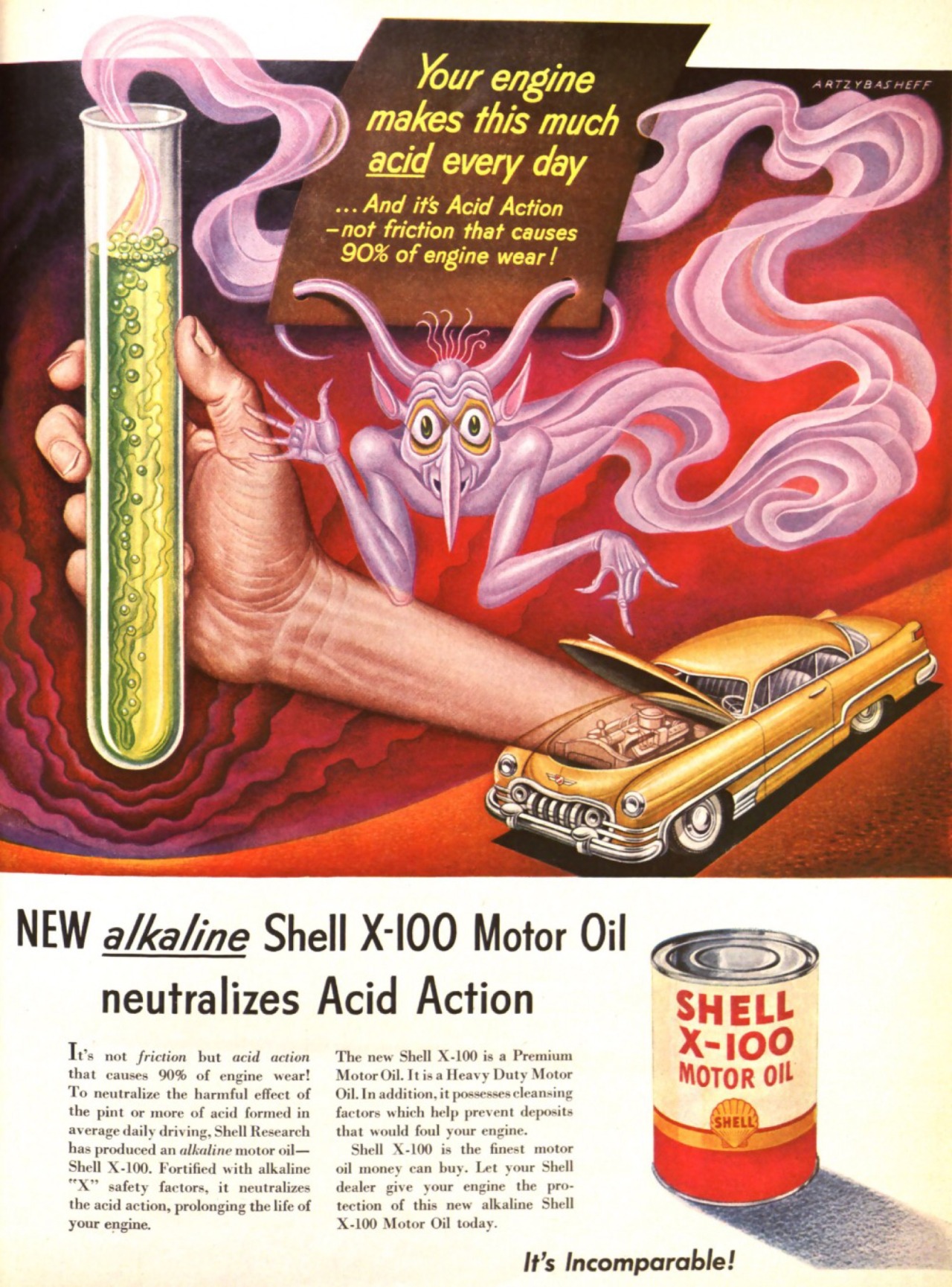
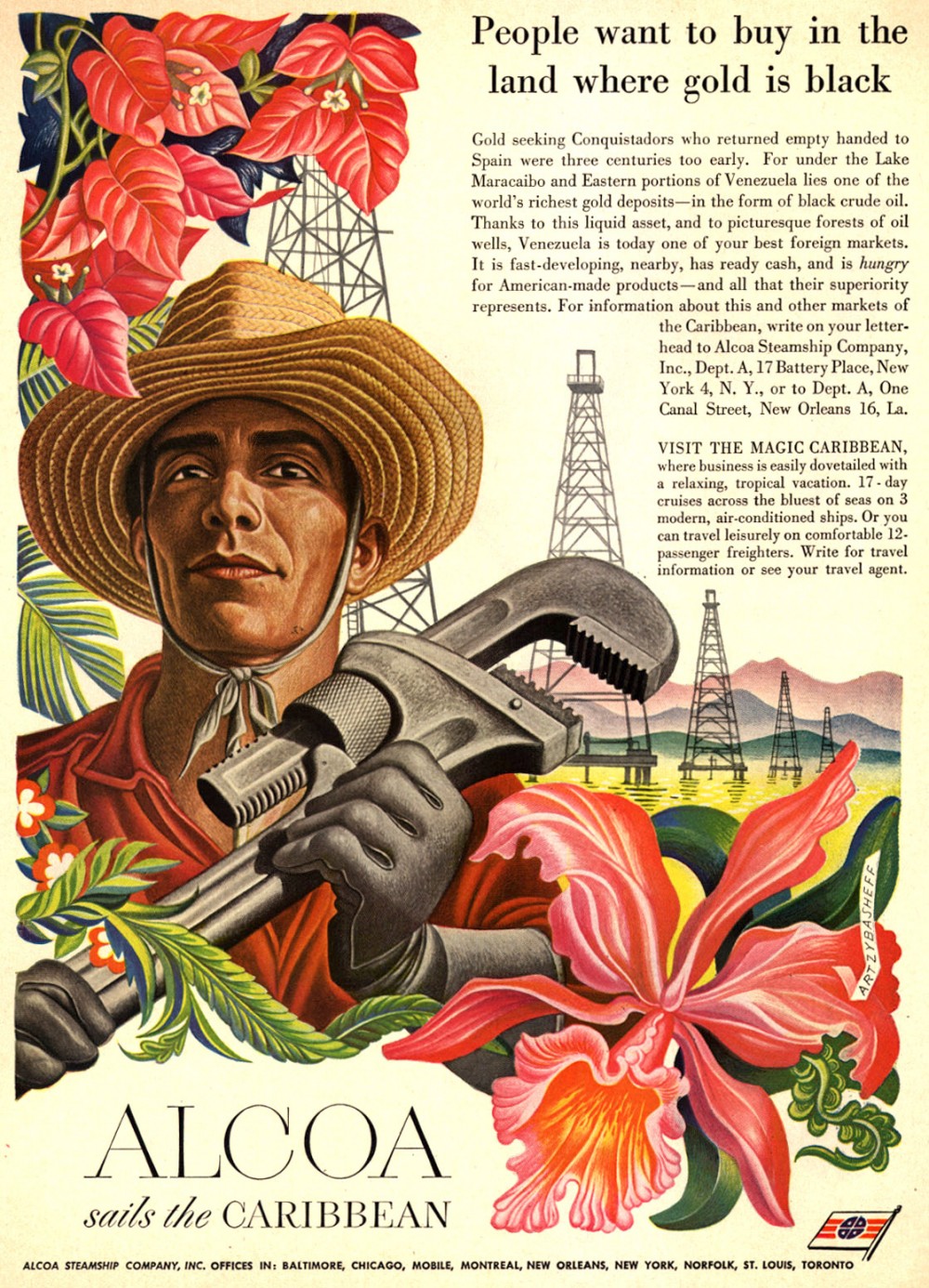
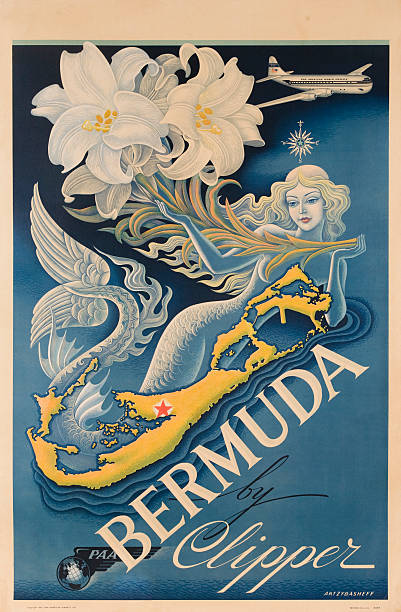
Most of Artsybeshev’s paintings—which he created outside the realm of commercial commissions—are imbued with surrealistic “mechanical-human” themes in which machines and mechanisms come to life. This was in keeping with the spirit of the era and the rapid pace of scientific and technological progress. The artist was a pacifist and sought to satirize militarism, but during World War II he worked with the U.S. State Department on propaganda posters.
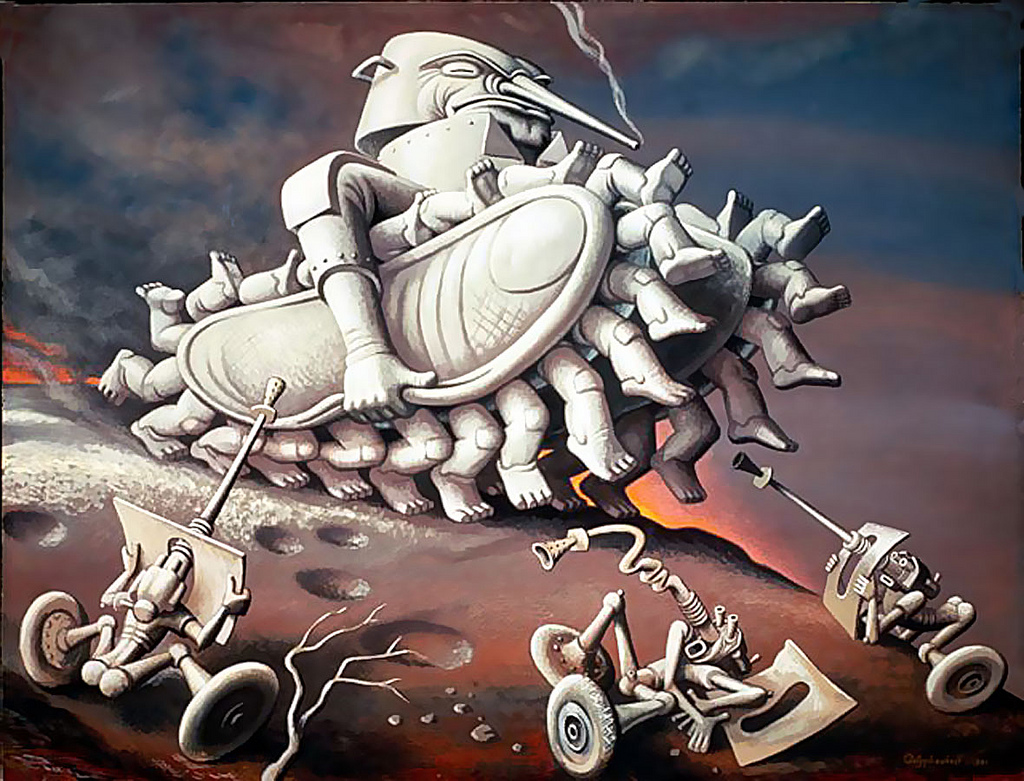
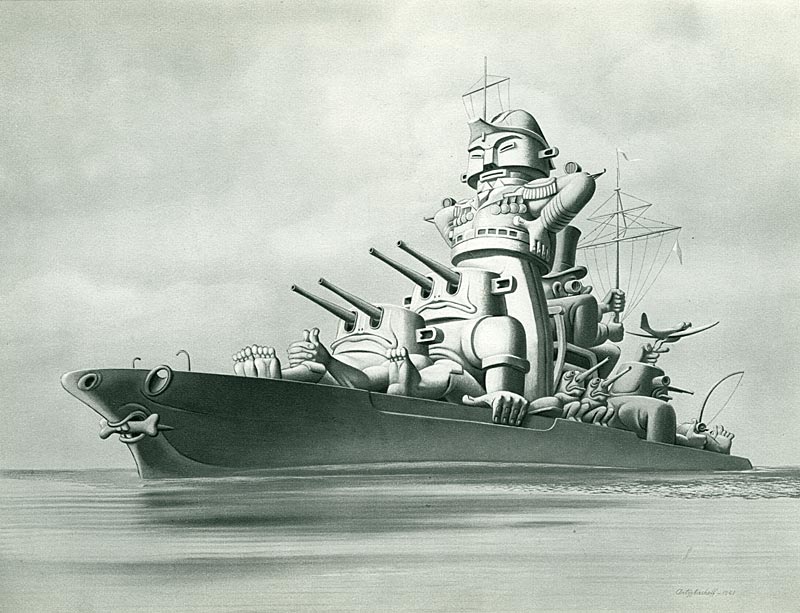
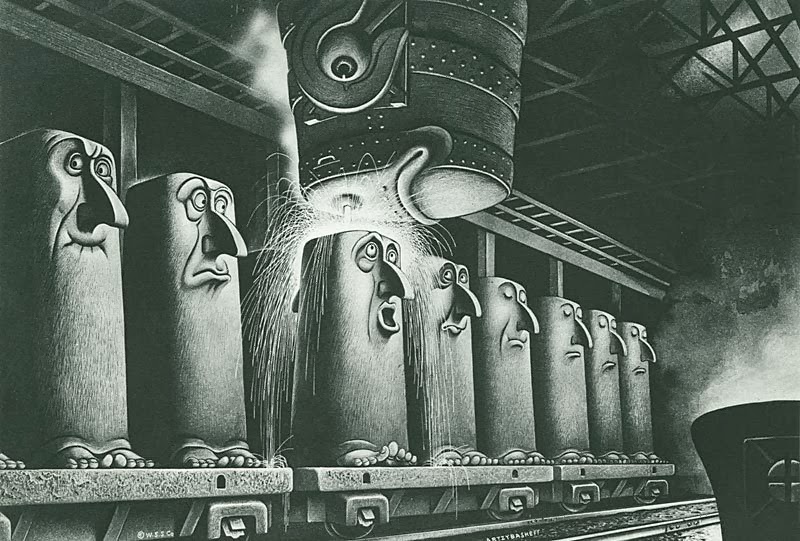

In 1954, Artsybashchev published a book of his illustrations titled *As I See It*, which received favorable reviews from art historians and critics. The horrors of the war were still fresh in people’s minds, and in the book he noted that
…sometimes there is very little left that is human in people, apart from their outward appearance. But since scientists, after conducting numerous experiments on laboratory mice, have proven that even they can gain enough experience to find their way out of a maze, I have great hope for the future. We still have time to learn. After all, as a species, we’re younger than mice.

Boris Artsybashev continued to paint until the end of his life and passed away on July 16, 1965, in Lyme, Connecticut.
This talented native of Kharkiv is considered one of the best American illustrators of the 20th century, but few people in Kharkiv remember him.
Sources:

Kadetskaya Perechka. New York. 1973, No. 6

Chuvakov, V.N. Unforgotten Graves—Volume 1, A–B – 1999

http://bermudacaribbeanart.com/artzybasheff-boris-biography/

http://www.americanartarchives.com/artzybasheff.htm


http://www.bpib.com/artzybas.htm

- 1st Kharkiv Gymnasium - 17.09.2026
- The Oldest Movie Theater in Ukraine - 24.08.2026
- The Alkhovsky Estate - 14.08.2026