On January 18, 2015, “Alluring Kharkiv” decided to locate the homes of several prominent Kharkiv residents using a pre-1917 directory of homeowners. Six addresses were selected… not all of the houses survived the past century, but along the way, we found buildings that were just as interesting, as well as other amusing sites…
The search began with the Sumtsovs’ houses on Movchanivs’kyi Lane, relatives of Professor Mykola Sumtsov, a renowned folklorist, ethnographer, and historian. The original houses on the lane have not survived—now there are vacant lots and new buildings. However, house number 9, the second Sumtsov house on our list, has survived.
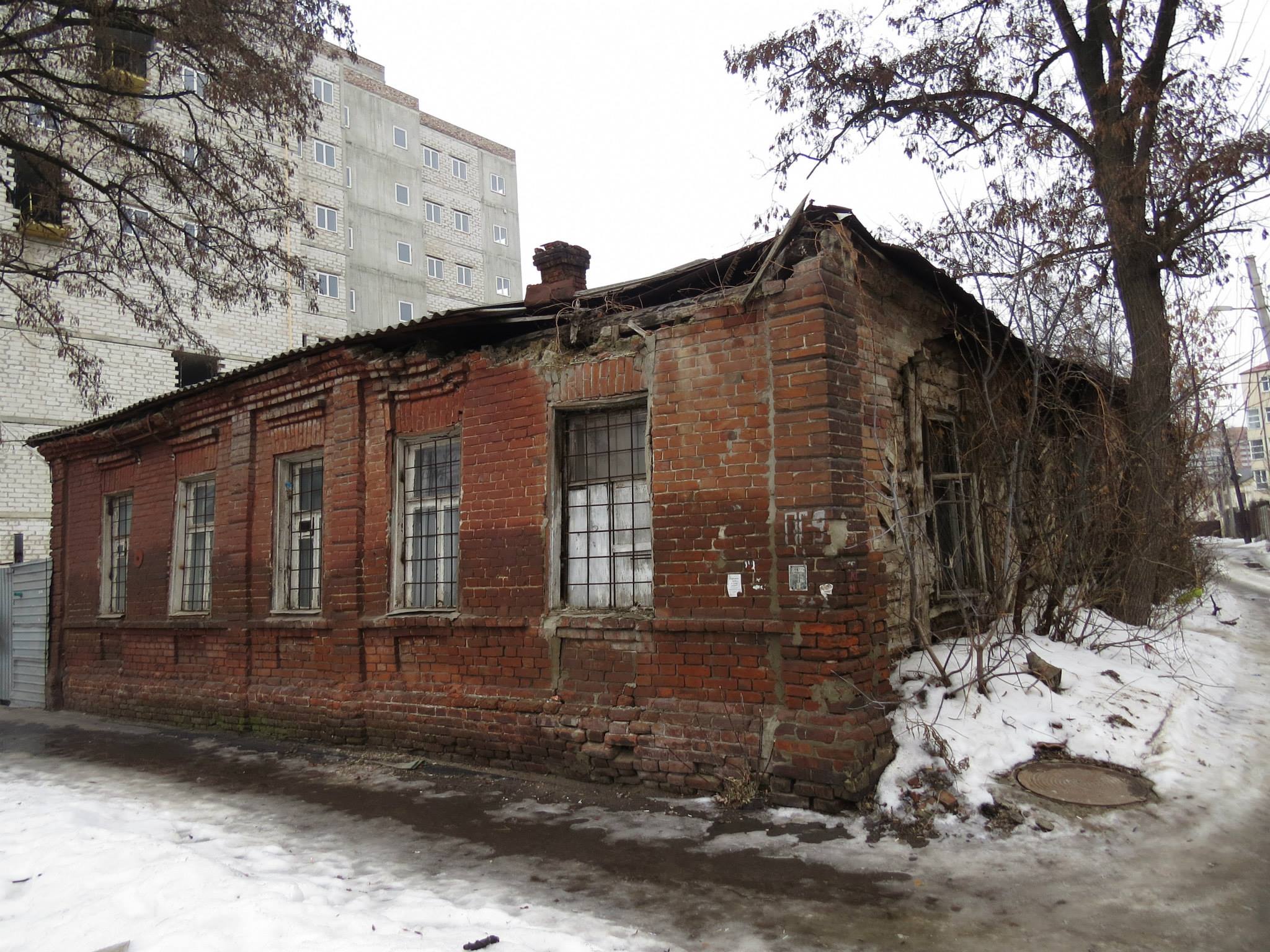
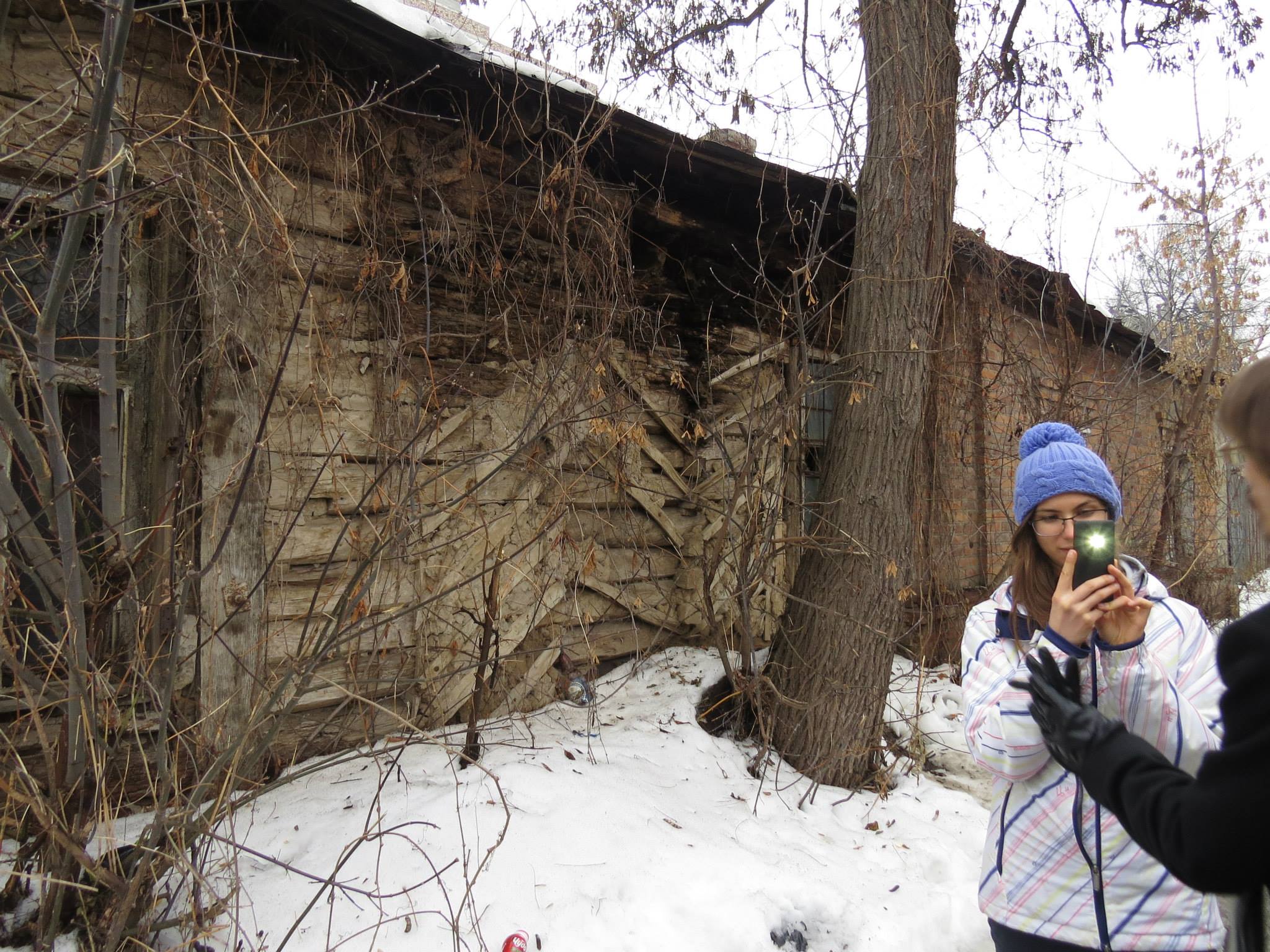
This is a very old house, now uninhabited and practically falling apart… Because the walls have collapsed, its load-bearing structure is visible—it consists of wooden logs covered with slats and coated with clay, with facing bricks laid over them. So this is a clay-wood-brick structure…
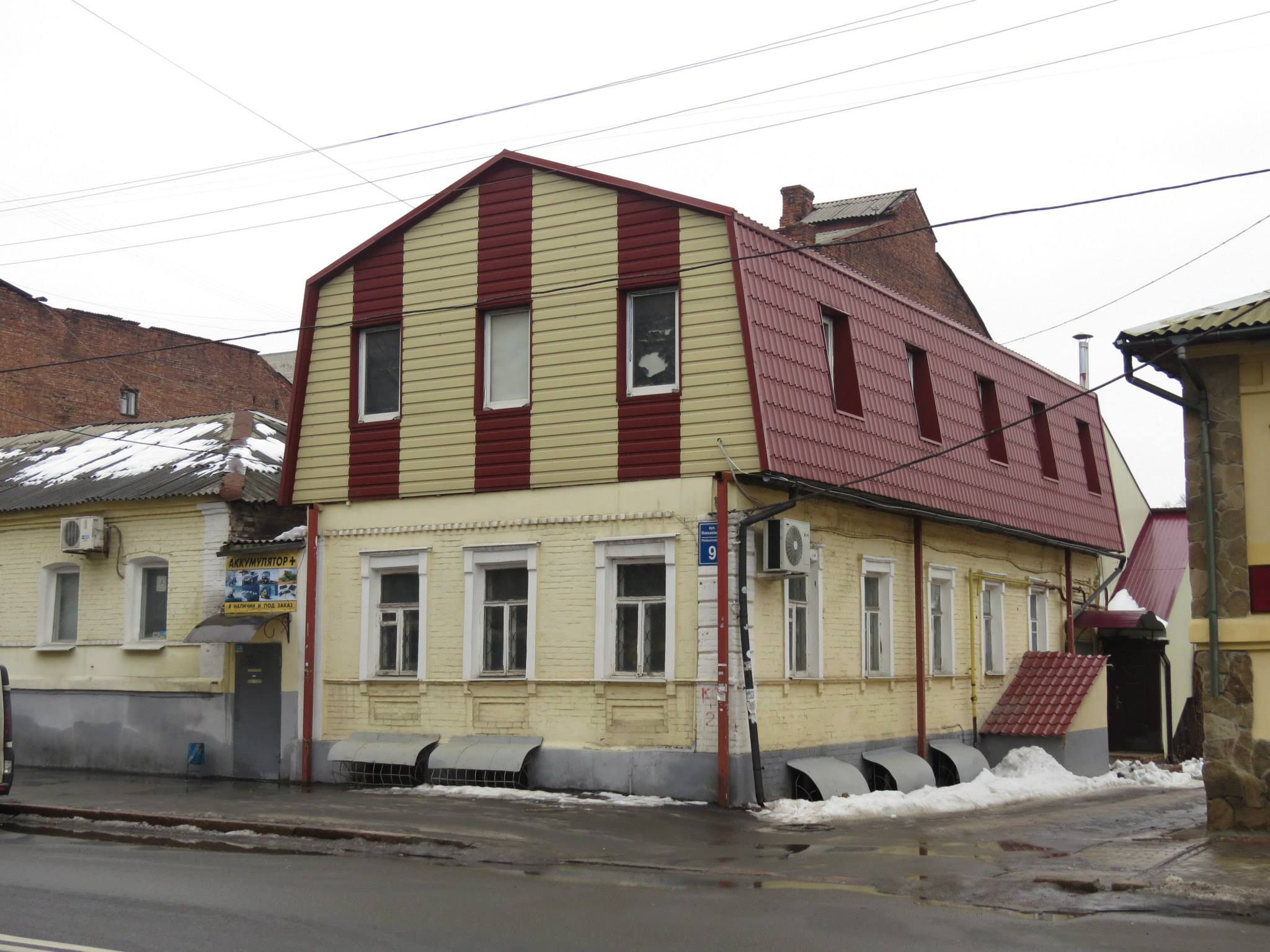
The home of Alexander Markovich Ginzburg, an outstanding Kharkiv architect and pioneer of reinforced concrete. It is located at Heorhiya Tarasenka Street, 9, formerly known as Petinskaya Street. As we can see, the house has undergone significant alterations “above the waist,” but below that, it has retained its original appearance.
Unfortunately, we were unable to locate the home of Alexander Bulatsel, a member of the noble Bulatsel family. One of the family’s most famous members was Pavel Fedorovich Bulatsel, a lawyer and public figure of the early 20th century. New buildings now stand on the presumed site of the houses on Skobelevskaya Square (now Heroes of the Heavenly Hundred Square).
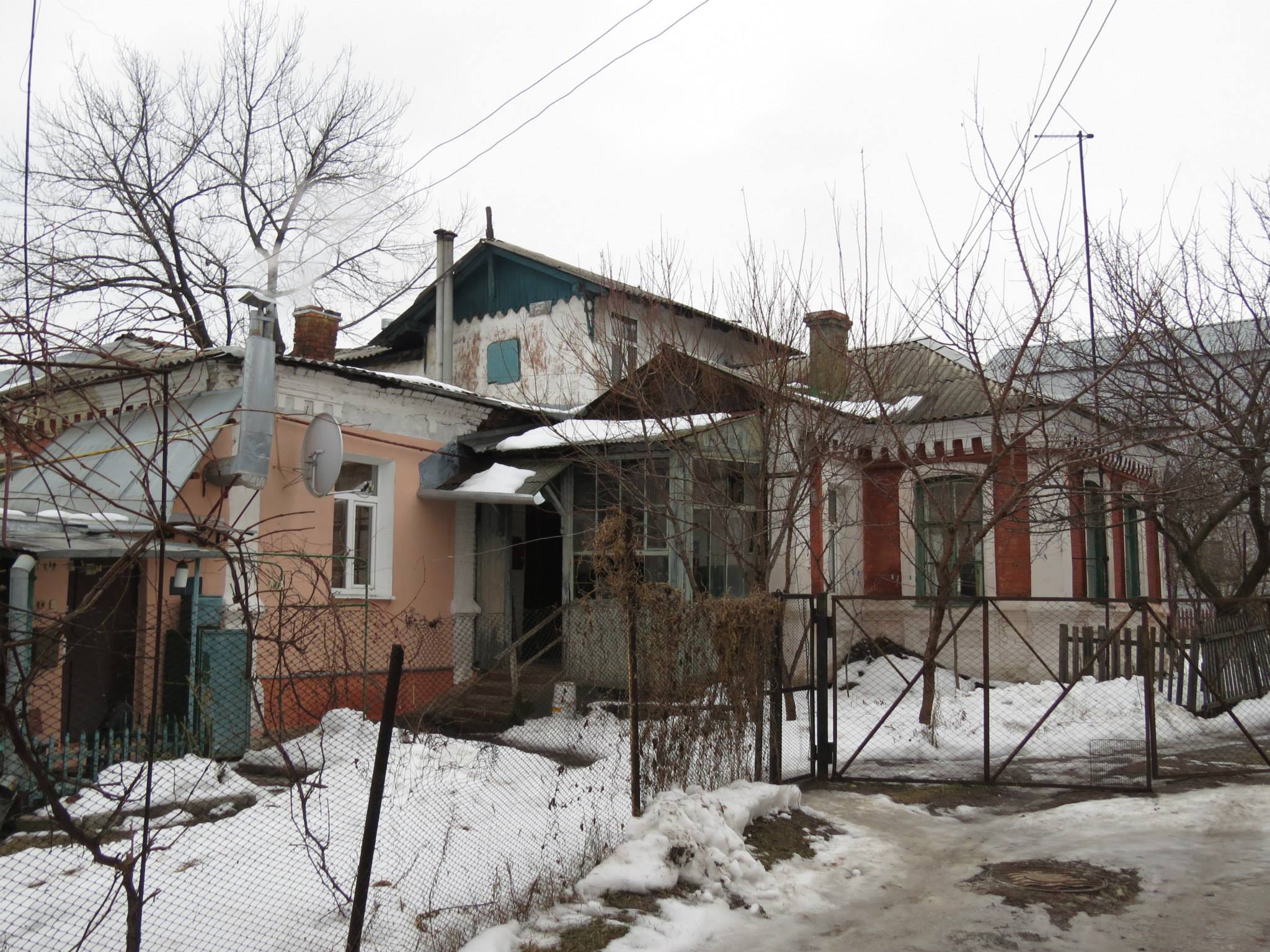
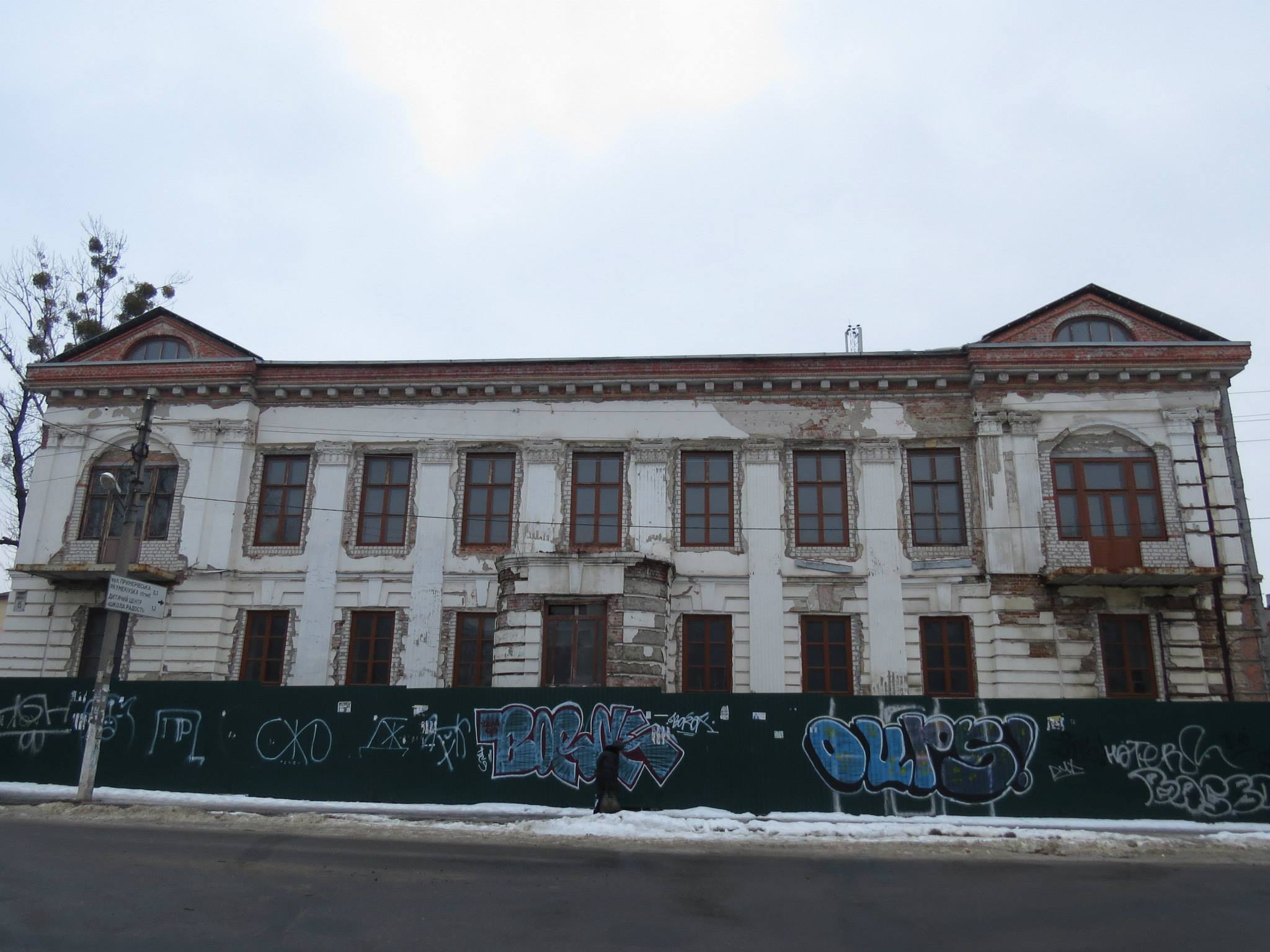
Anna Vasilyevna Rimskaya-Korsakova, a princess from a prominent noble family, lived in this house at Oboronnyi Val Square, 6. The house does not appear on any map; I was able to locate it thanks to Viktor Dmitrenko and a plaque.
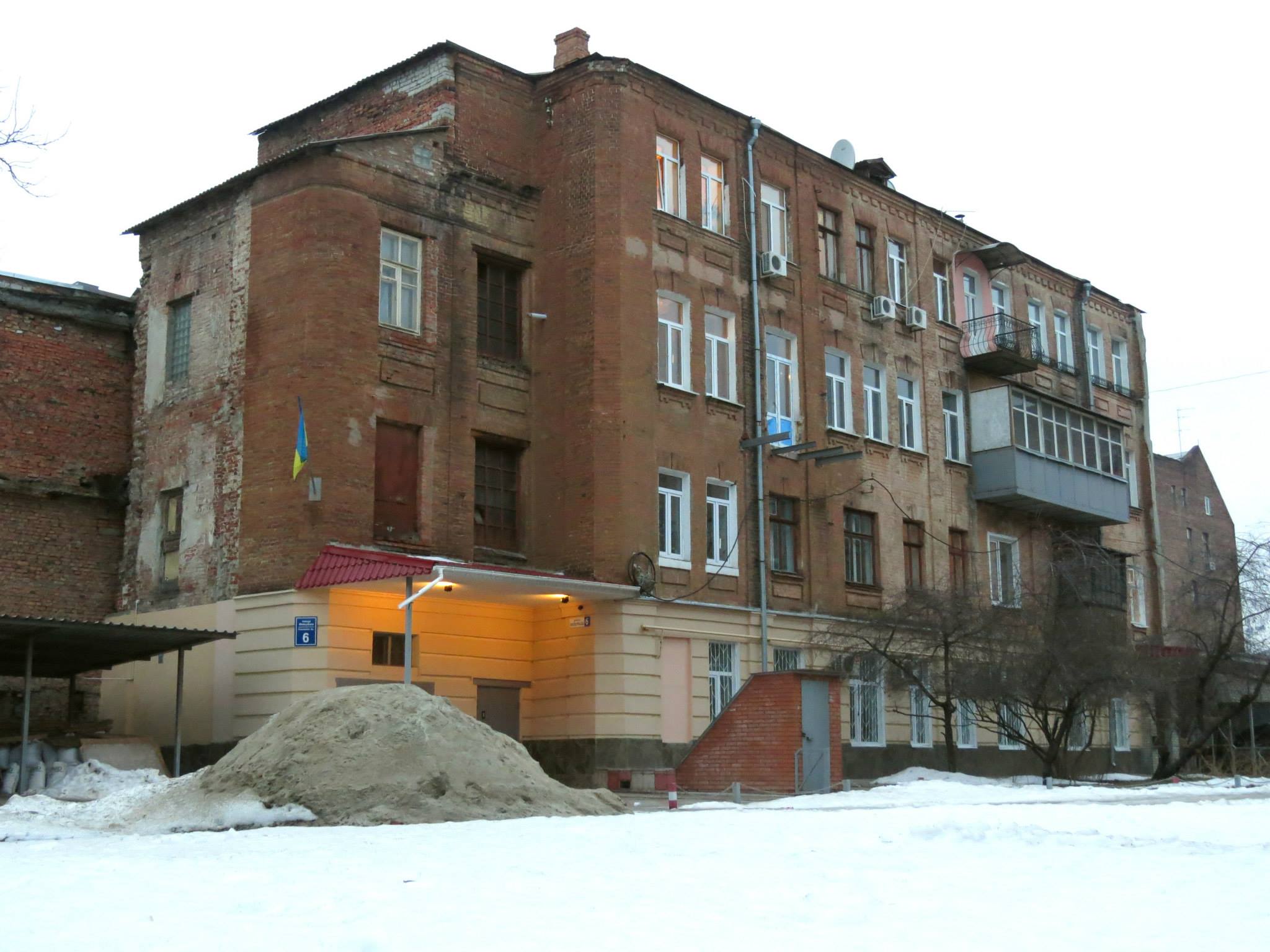
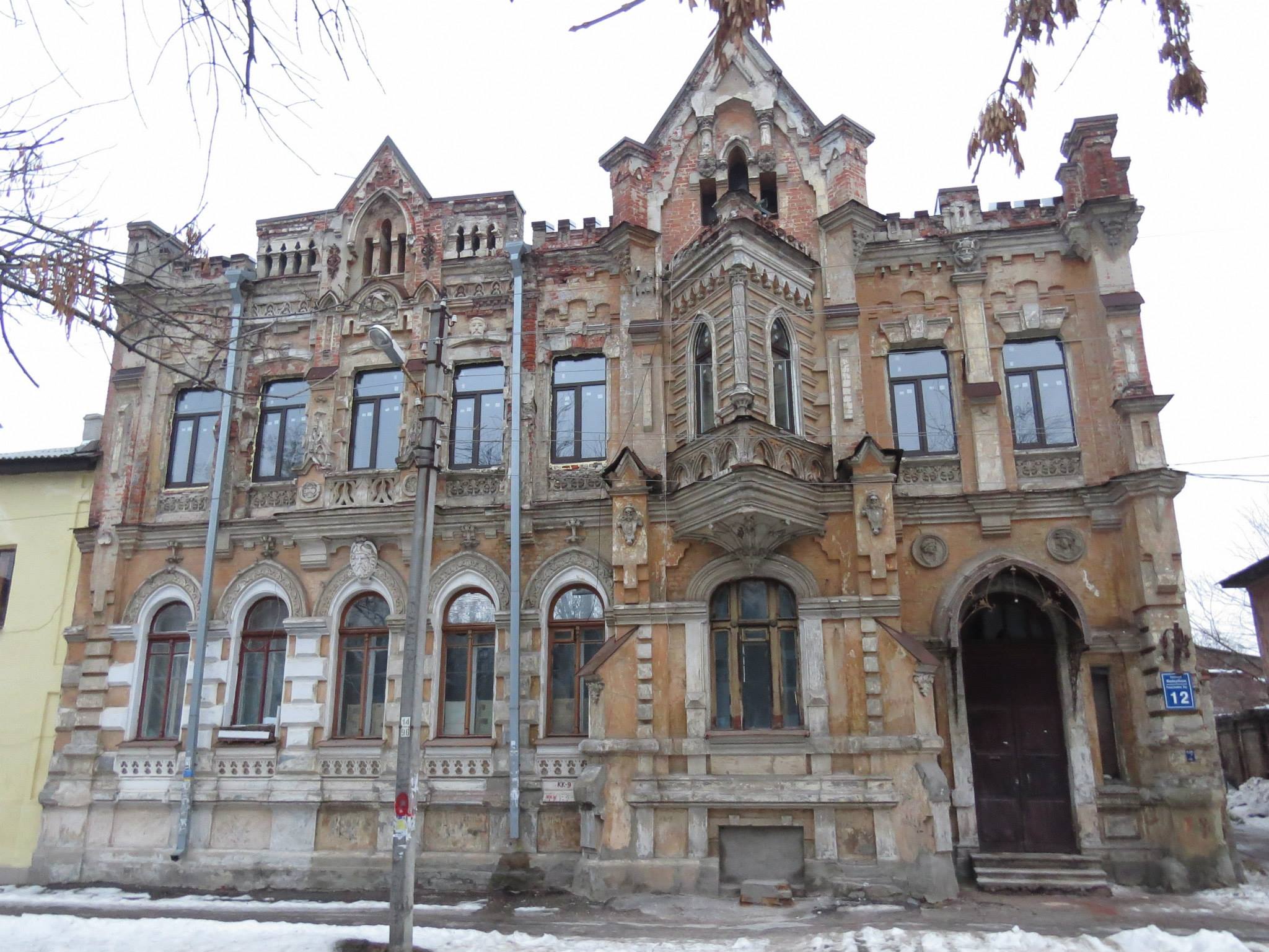
A complex of small buildings next to the former Ascension Church on Oboronnyi Val Square. The buildings are very old.
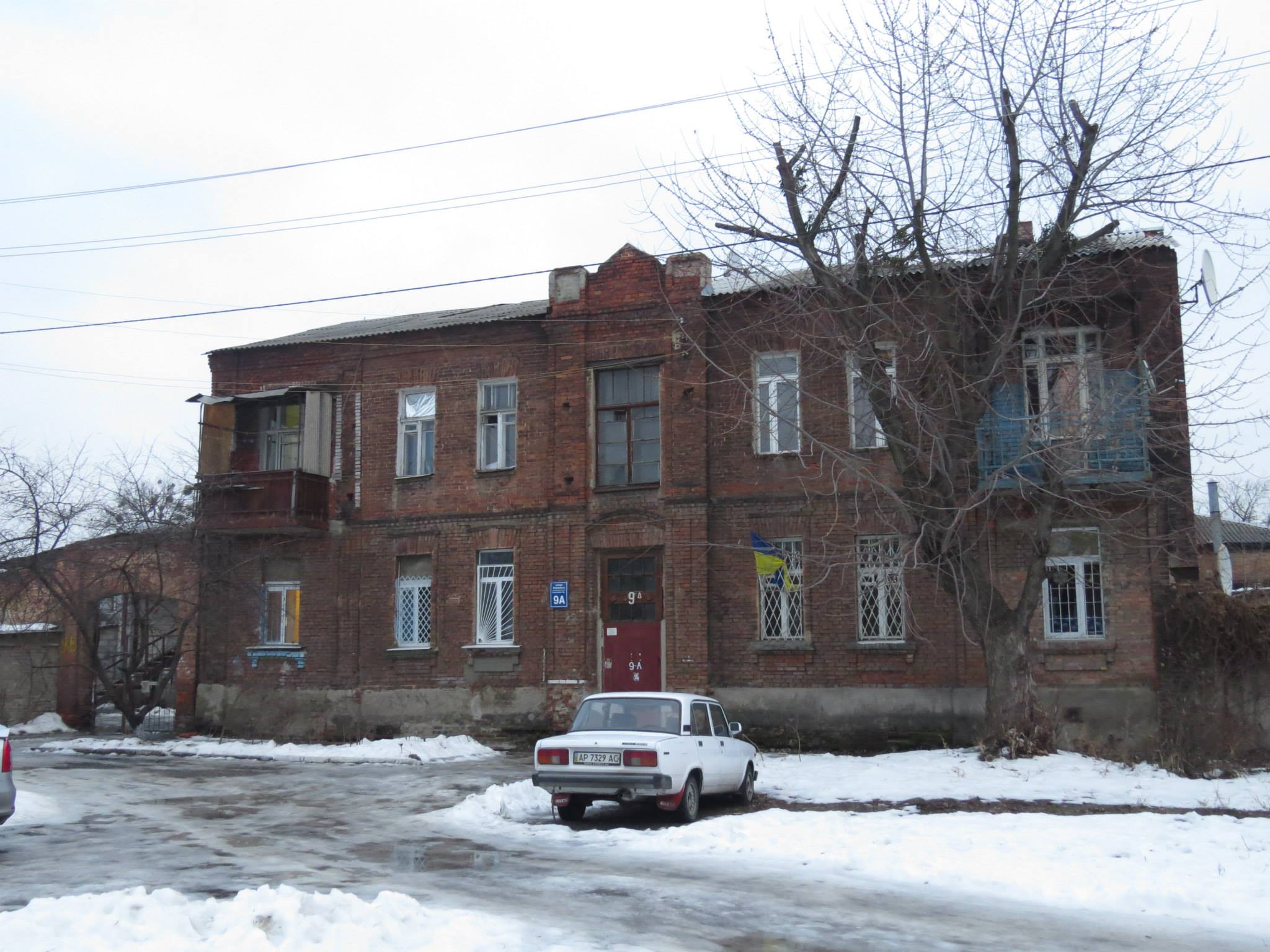
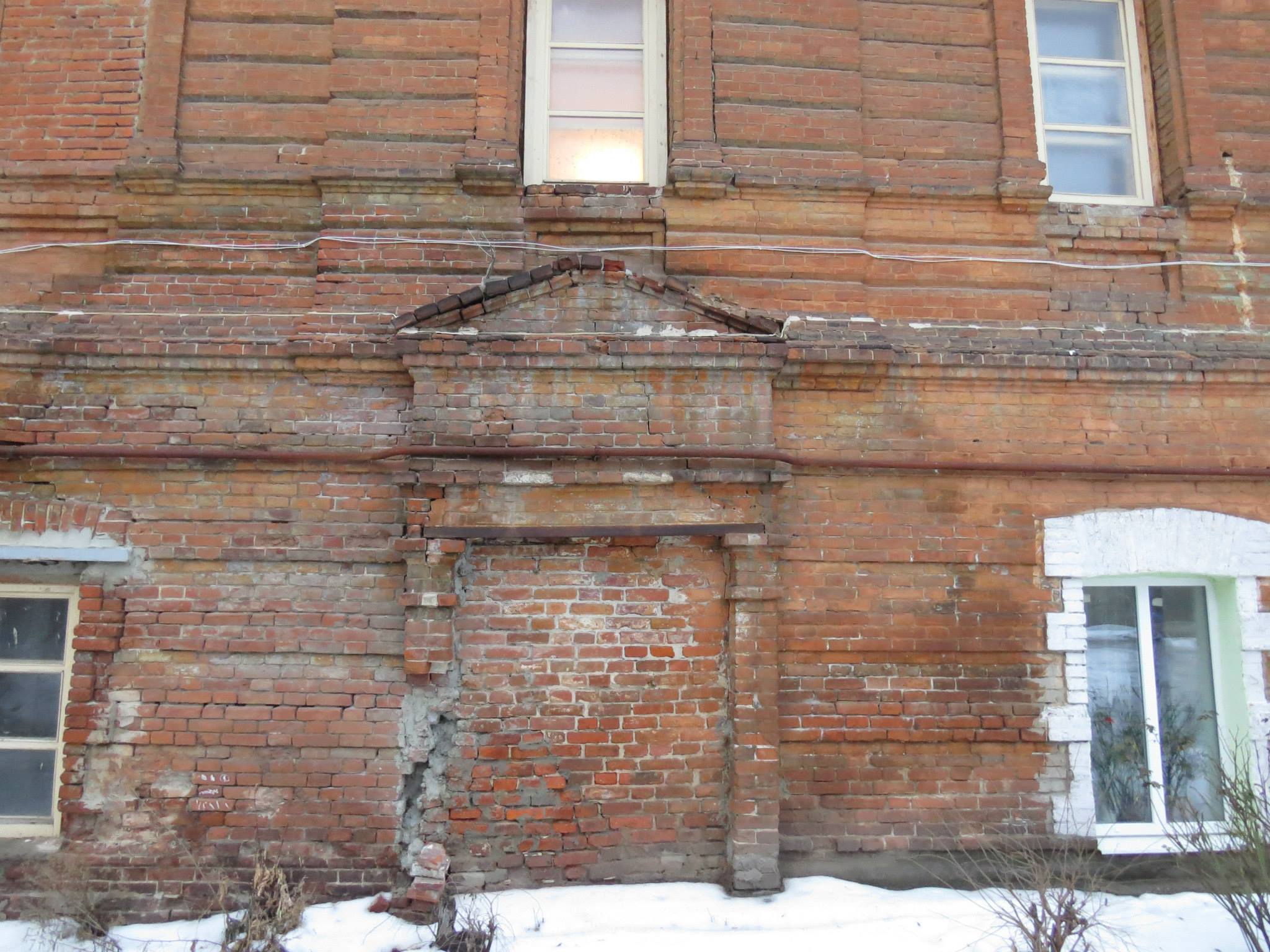
Carriage entrance…
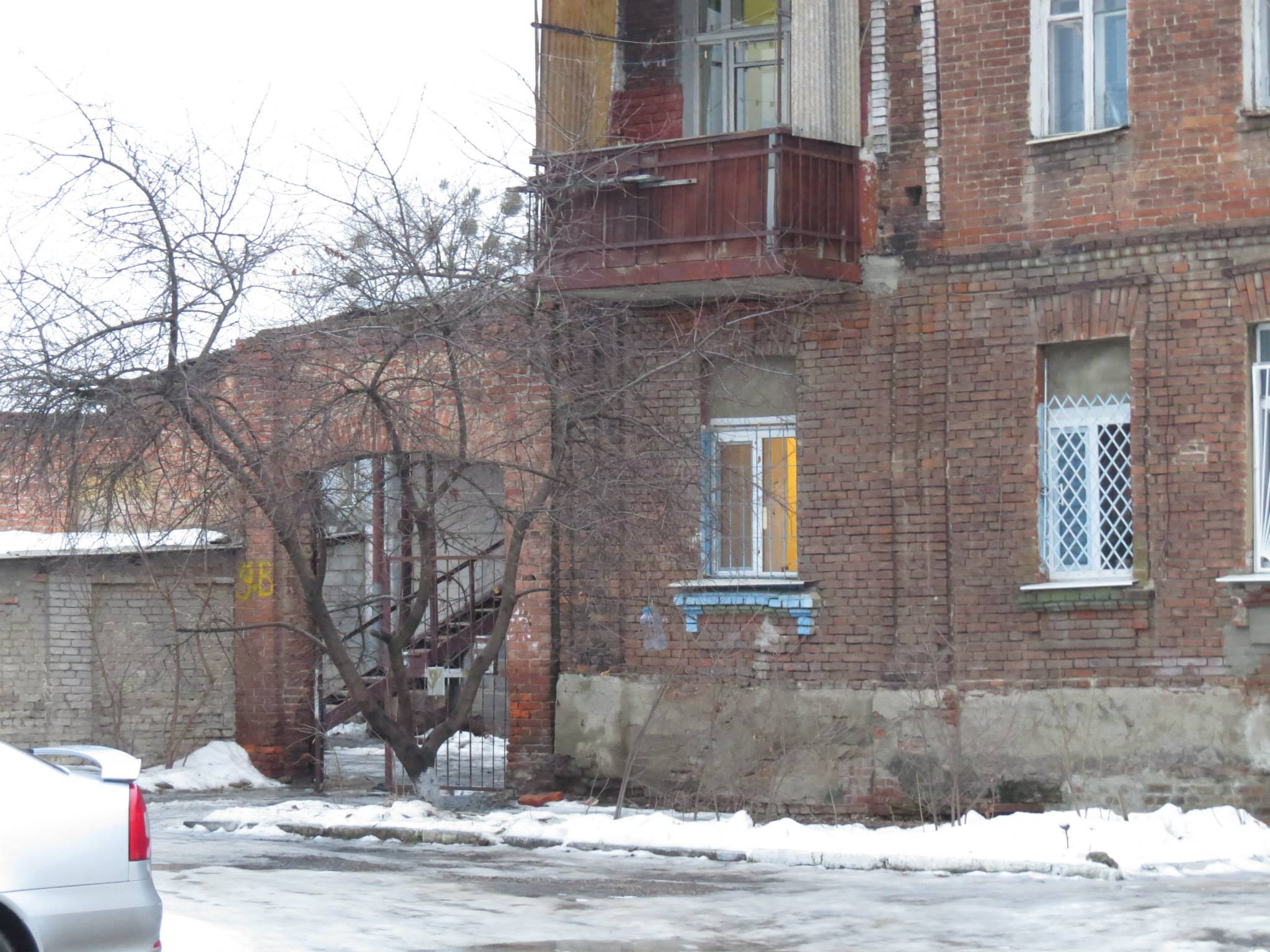
The main entrance, built of brick.
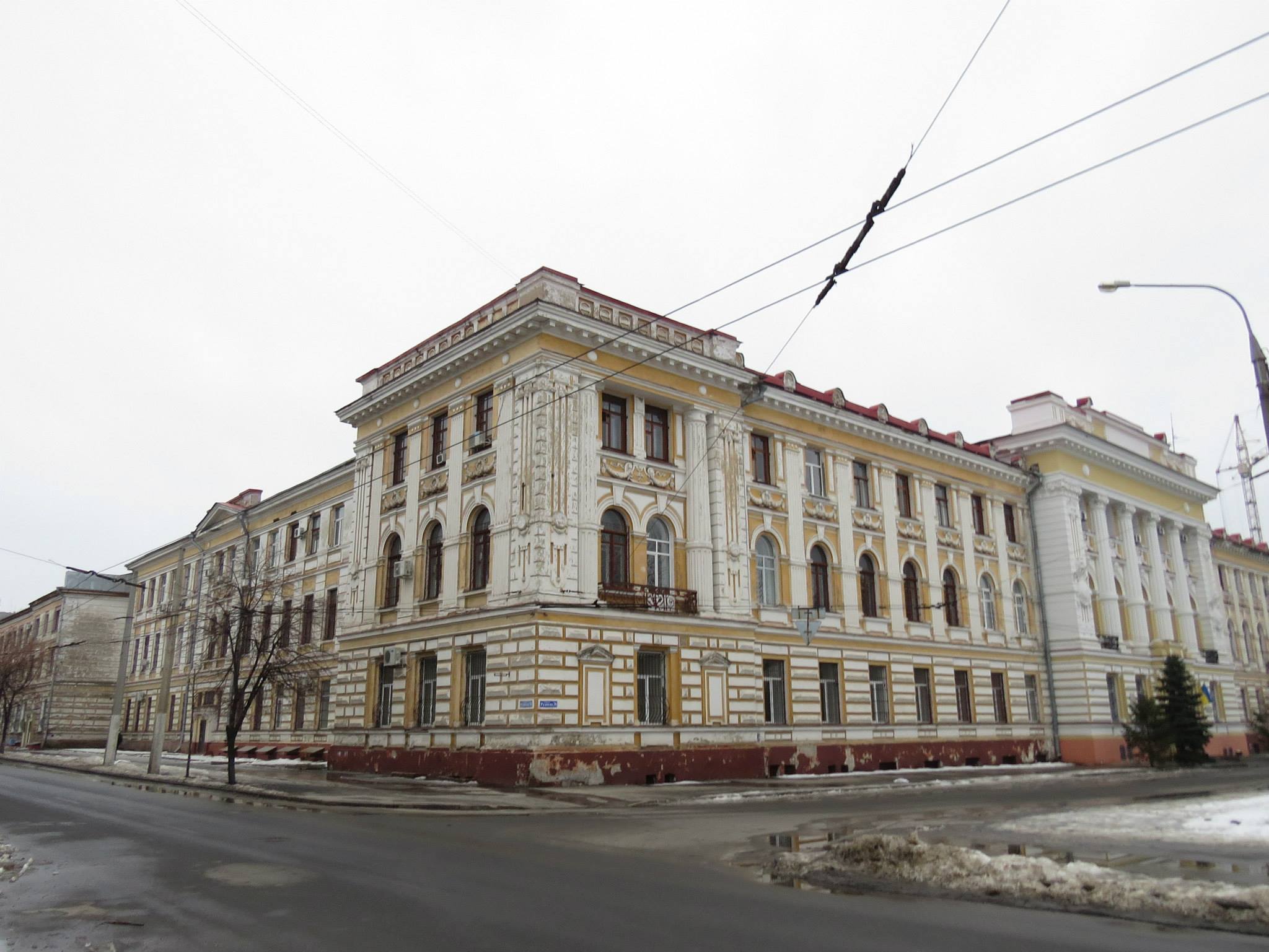
The courthouse was built in 1902 based on a design by O. Beketov (with the collaboration of architects J. Caune and V. Khrustalev). It is located in the center of Heroes of the Heavenly Hundred Square. Today, it houses the Court of Appeals.
Post and Telegraph Office (Oboronnyi Val Square, 15). It operated until 2011 and is now abandoned. The building was constructed in 1834 based on a design by architect I. Shevtsov.
The former Church of the Ascension, now a laboratory building of the National University of Biotechnology. Nothing hints at the building’s history. Built between 1869 and 1876 by architects Andrei Ton and Boris Pokrovsky on the site of the legendary church, which became famous for a satirical legend. Oboronny Val Square was formerly known, like the church, as Voznesenskaya.
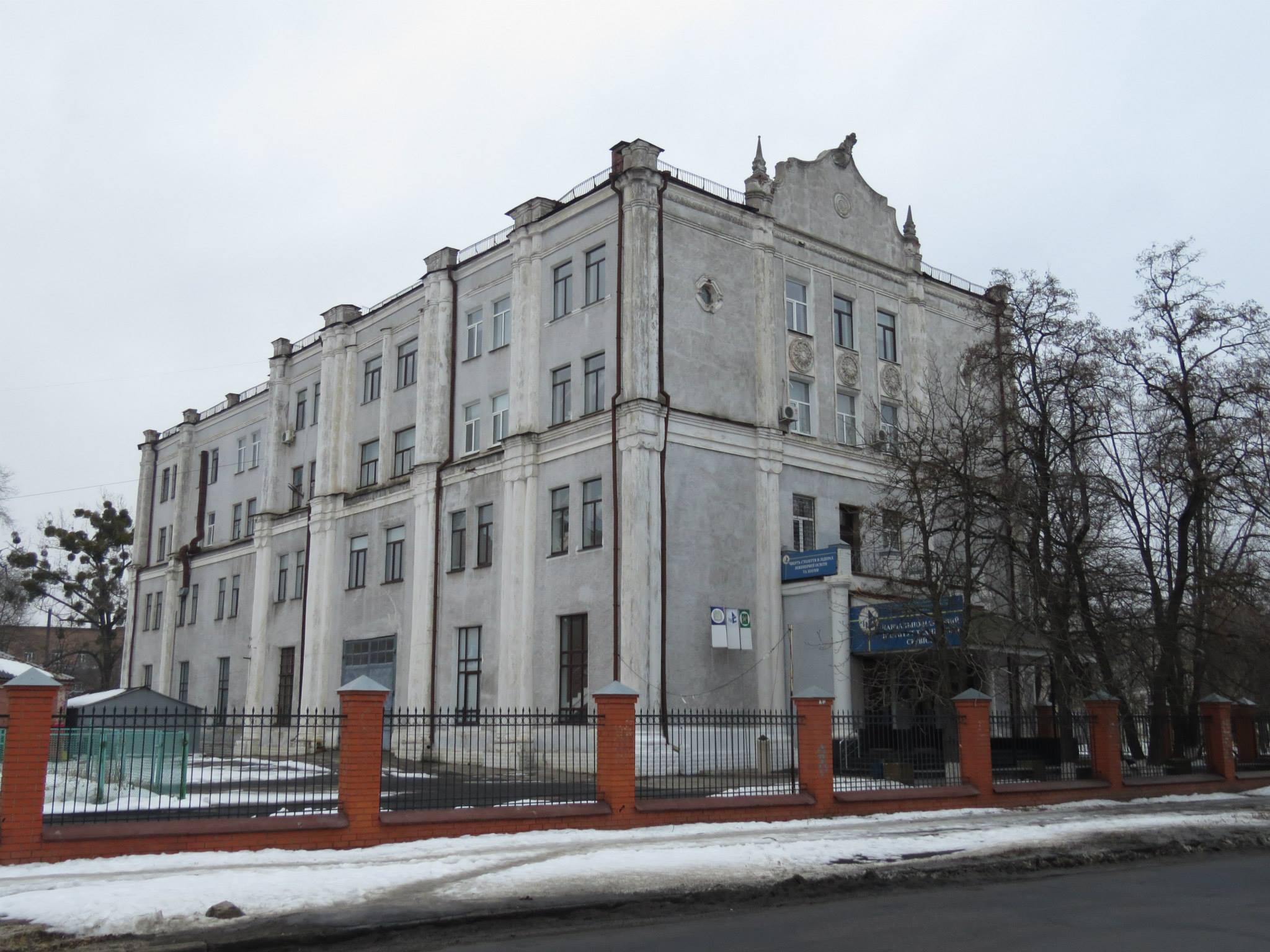
A beautiful former outpatient clinic for tuberculosis patients (1912). Oboronnyi Val Square, 12.
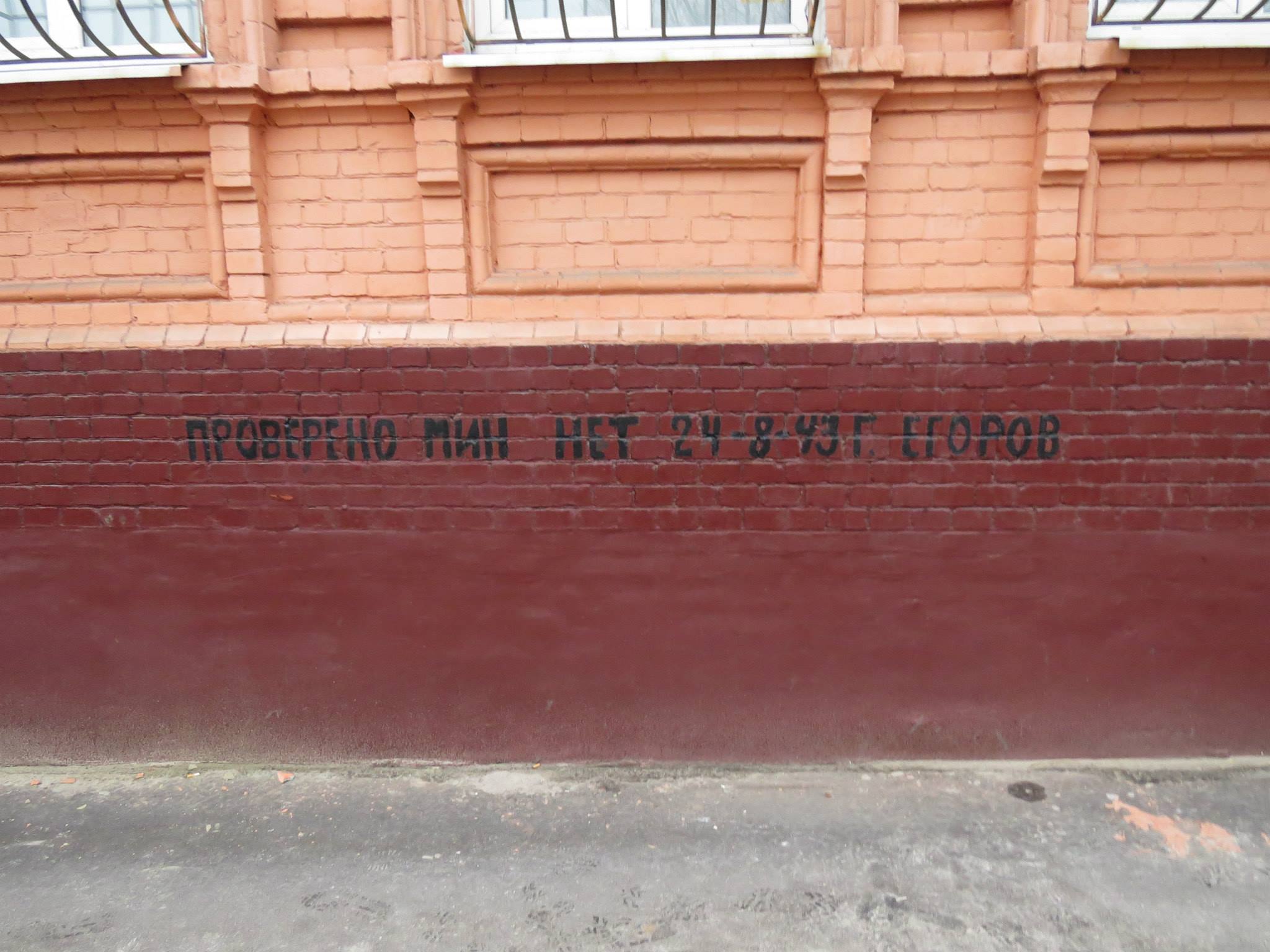
Checked. No mines. 24.8.43. Yegorov
The legendary sapper Yegorov—or, more precisely, the sapper commander—who was in charge of clearing Kharkiv of mines. Most of the inscriptions have been painted over; many are still being repainted for historical purposes, while some have been preserved in their original form. This inscription is clearly not original; it was painted over with a new coat of paint.
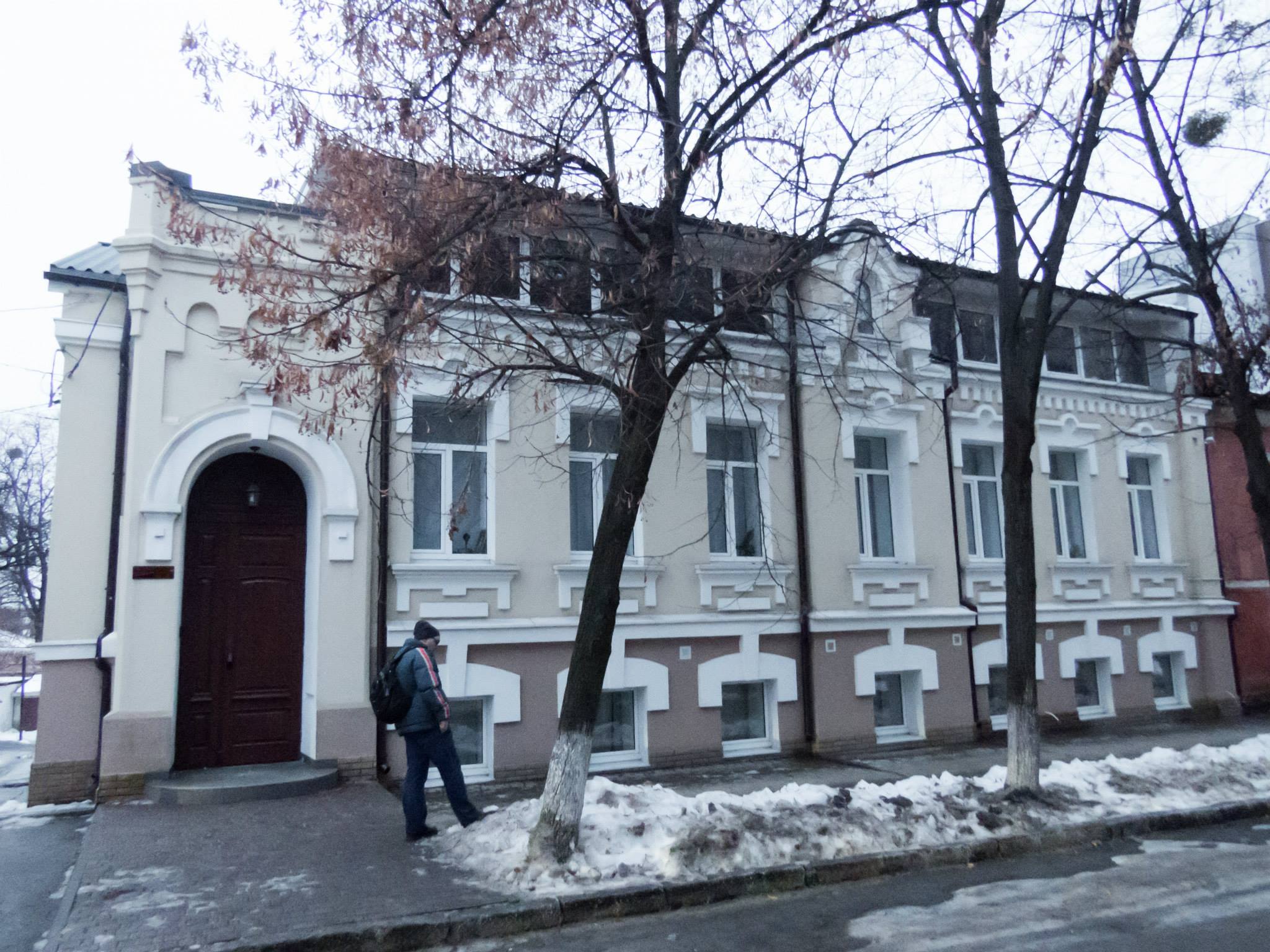
The home of Andrei Alexandrovich Potebnya, a botanist, mycologist, and plant pathologist. His father, Alexander Afanasyevich Potebnya, was an outstanding linguist, philosopher, and literary scholar. The house has been restored, albeit with an addition. Podgornaya Street, where this house is located at number 10, has been renamed Potebni Street.

- "Noah's Ark" - 21.10.2026
- Blackie’s House on Maksymilianivska St - 19.10.2026
- Danylevs’koho Street, 19 - 13.10.2026