This photo gallery features three churches in Sumy that alone are worth the trip to this city.
The Transfiguration Cathedral (Spaso-Preobrajenskii Sobor) was built in 1778.
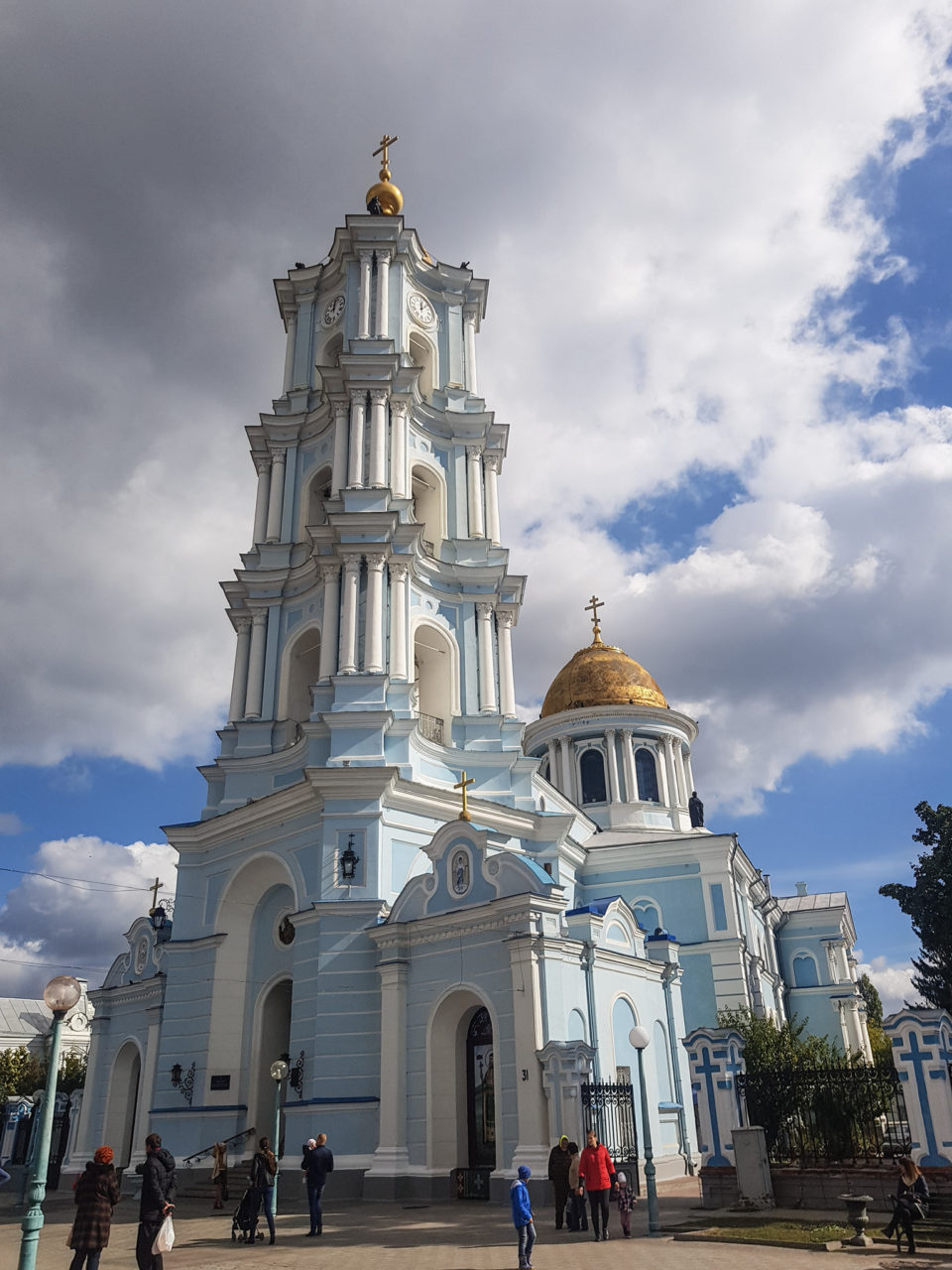
It owes its current appearance to a renovation led by Mikhail Lovtsov, the architect who designed the Annunciation Cathedral in Kharkiv.
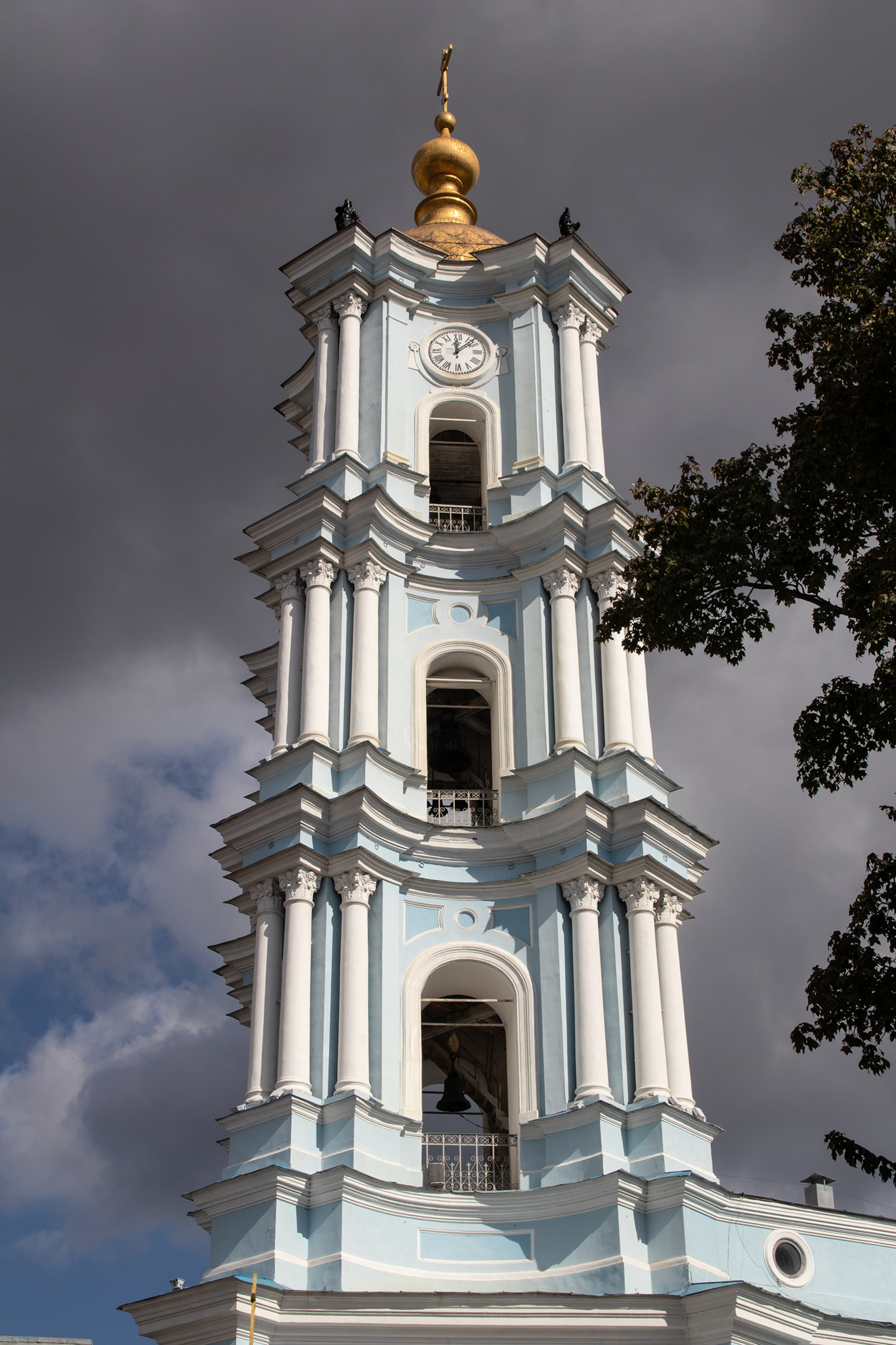
He completely rebuilt and expanded it between 1882 and 1892; today, the church features elements of the Baroque, Neoclassical, and Renaissance styles.
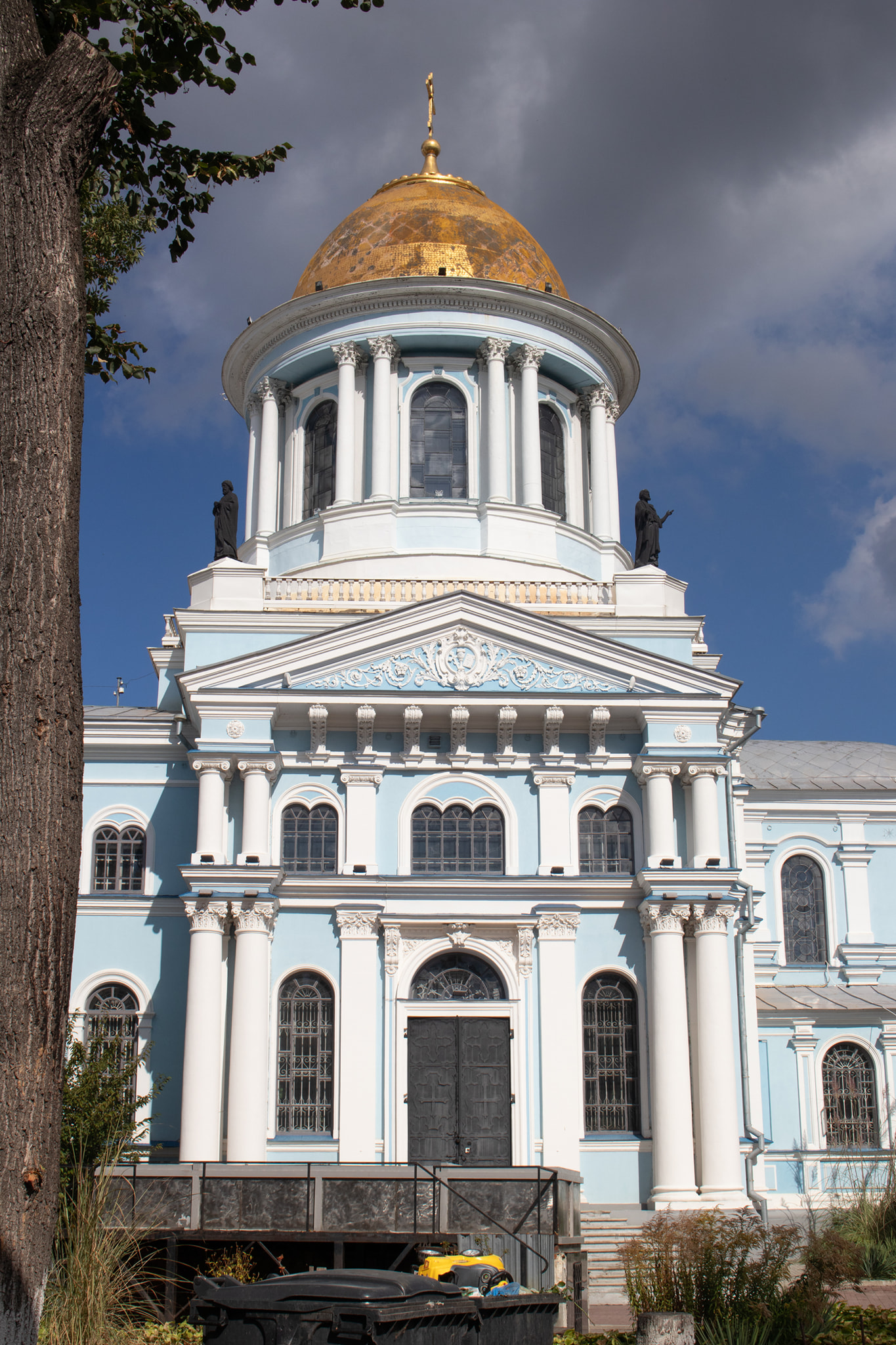
The renovation was funded by the merchants Dmitry and Nikolai Sukhanov.
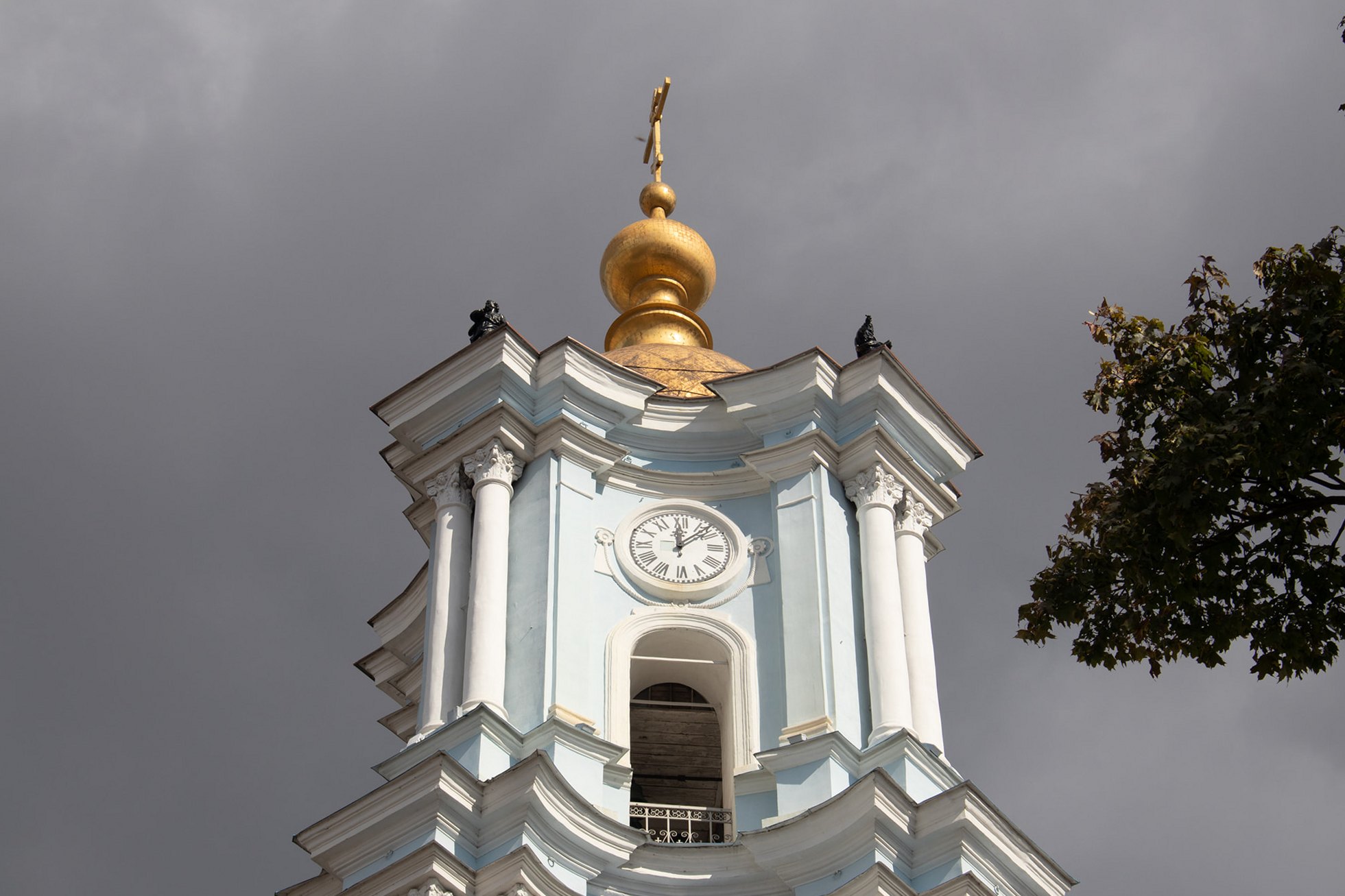
The artist V. Makovsky, among others, worked on the decoration. A clock is mounted on the 56-meter-tall bell tower.

The church’s most sacred relic, the icon of Our Lady of Korsun, was stolen in 2009 and has not yet been found.
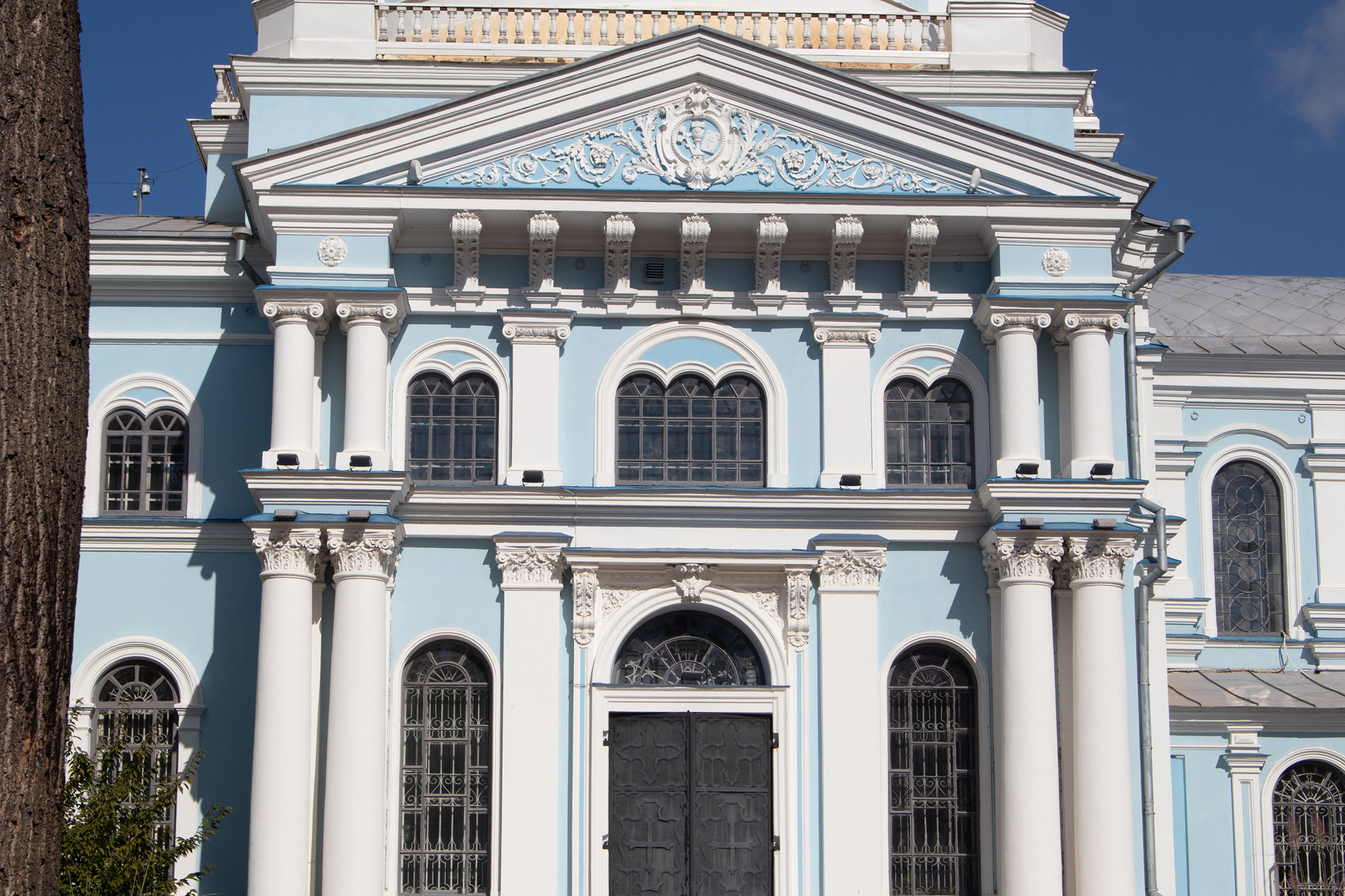
The church is notable for its black sculptures, which contrast with its light-colored walls. These are the Evangelists (in the central dome) and four more apostles on the bell tower.
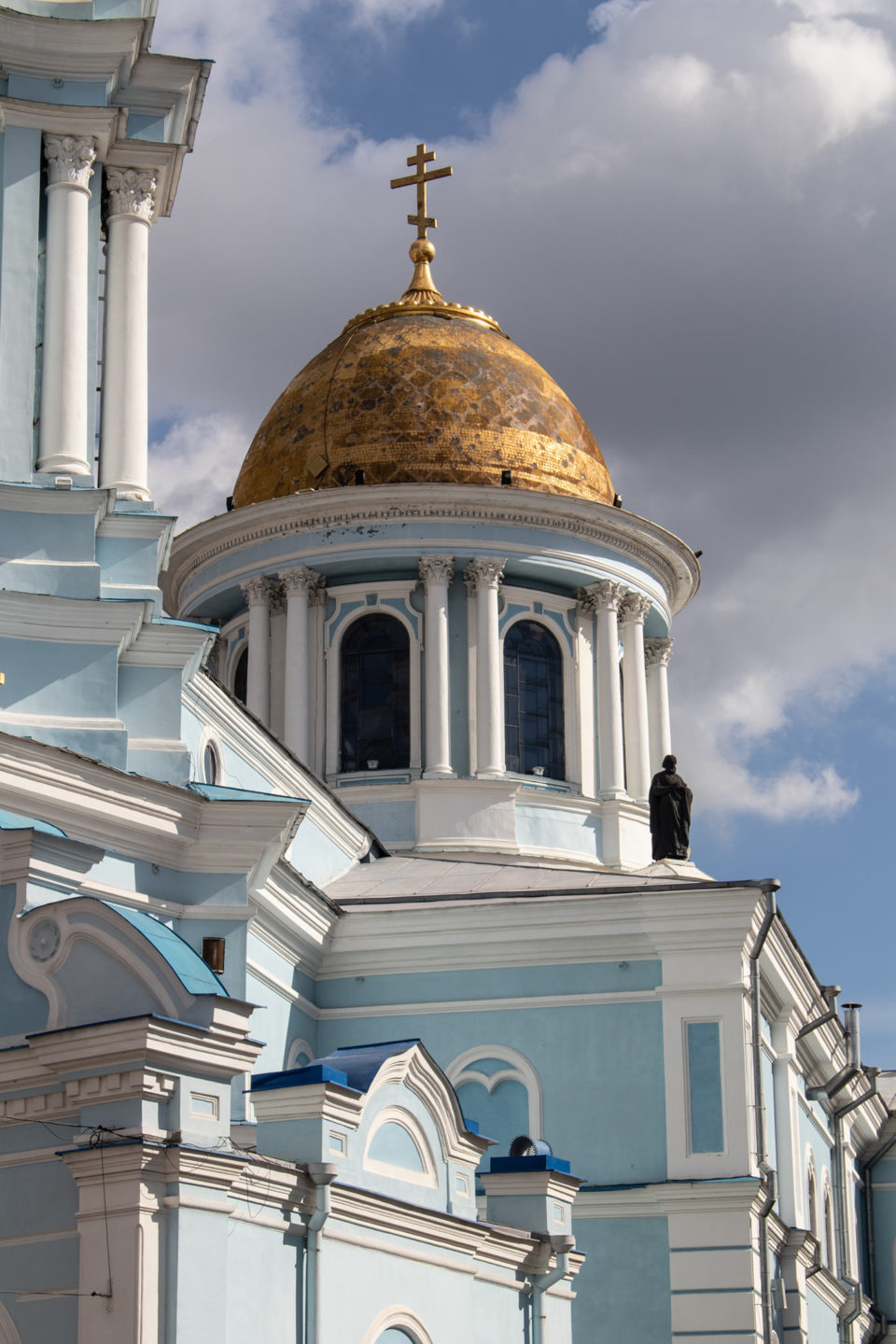
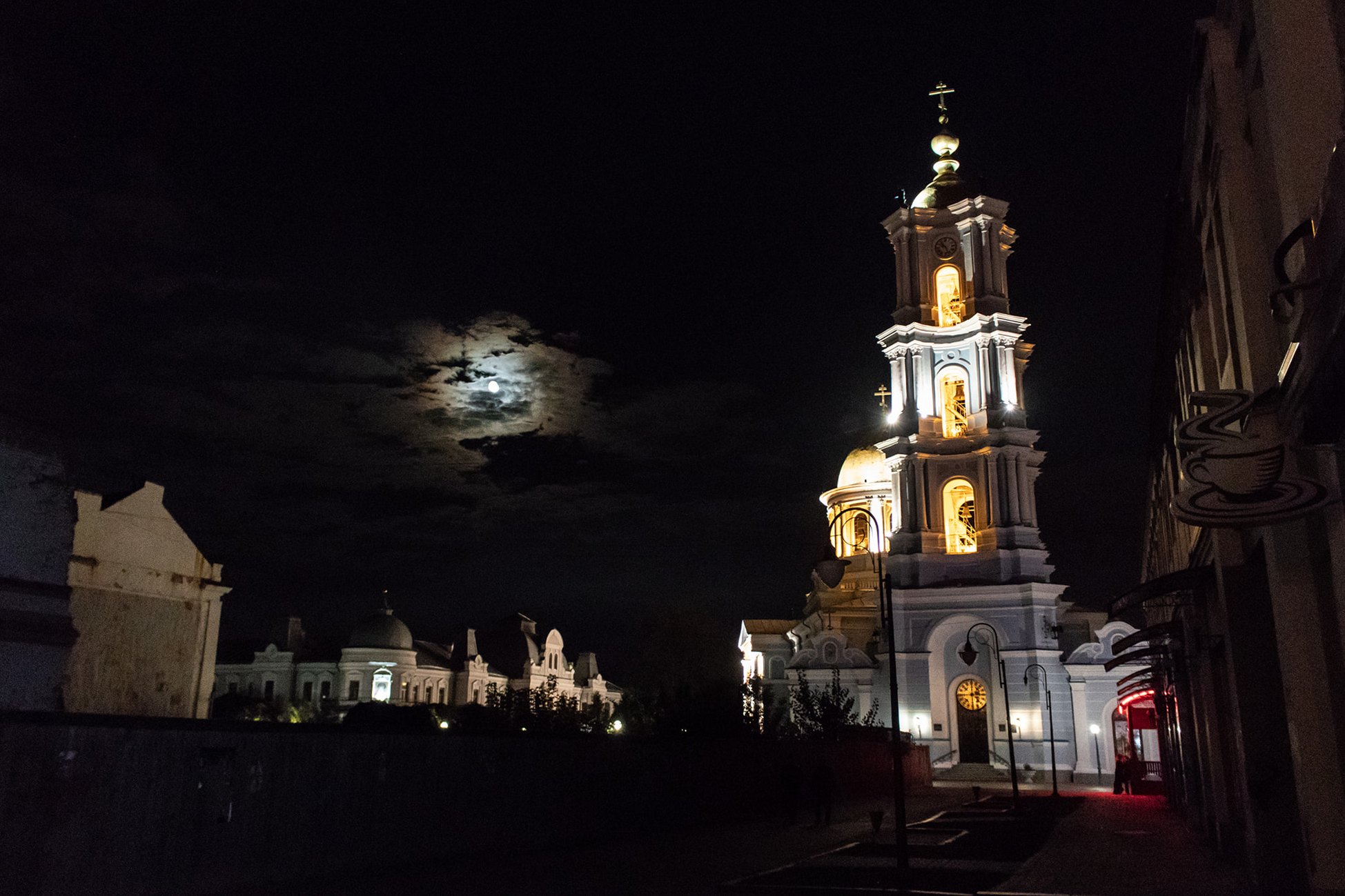
The church’s windows were damaged as a result of Russian shelling of the center of Sumy in July 2026.
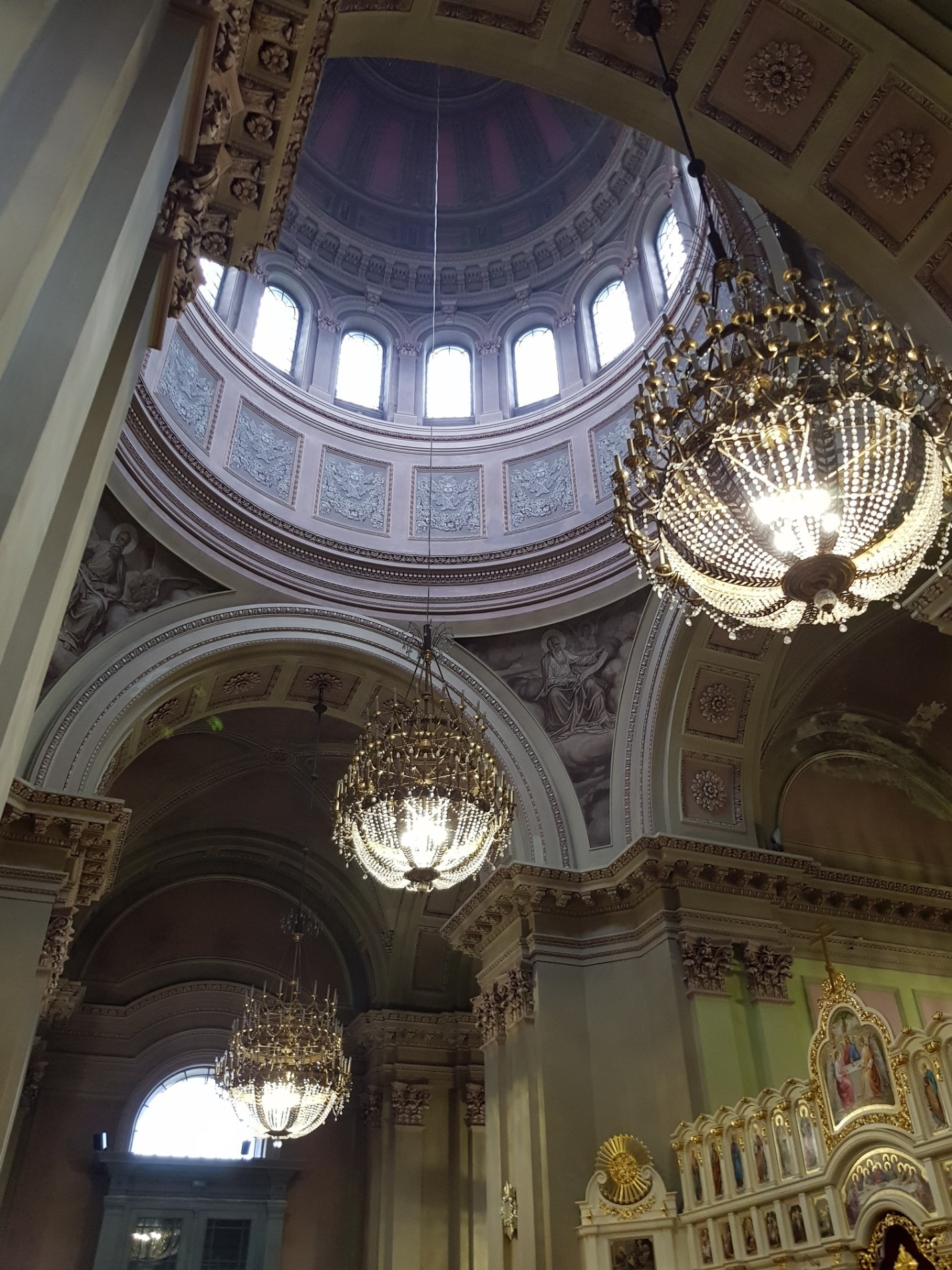
Holy Trinity Cathedral. The neoclassical church was built intermittently starting in 1901 with funding from sugar magnate Pavel Kharitonenko and was supposed to be consecrated in 1914, but was never consecrated due to the patron’s death…
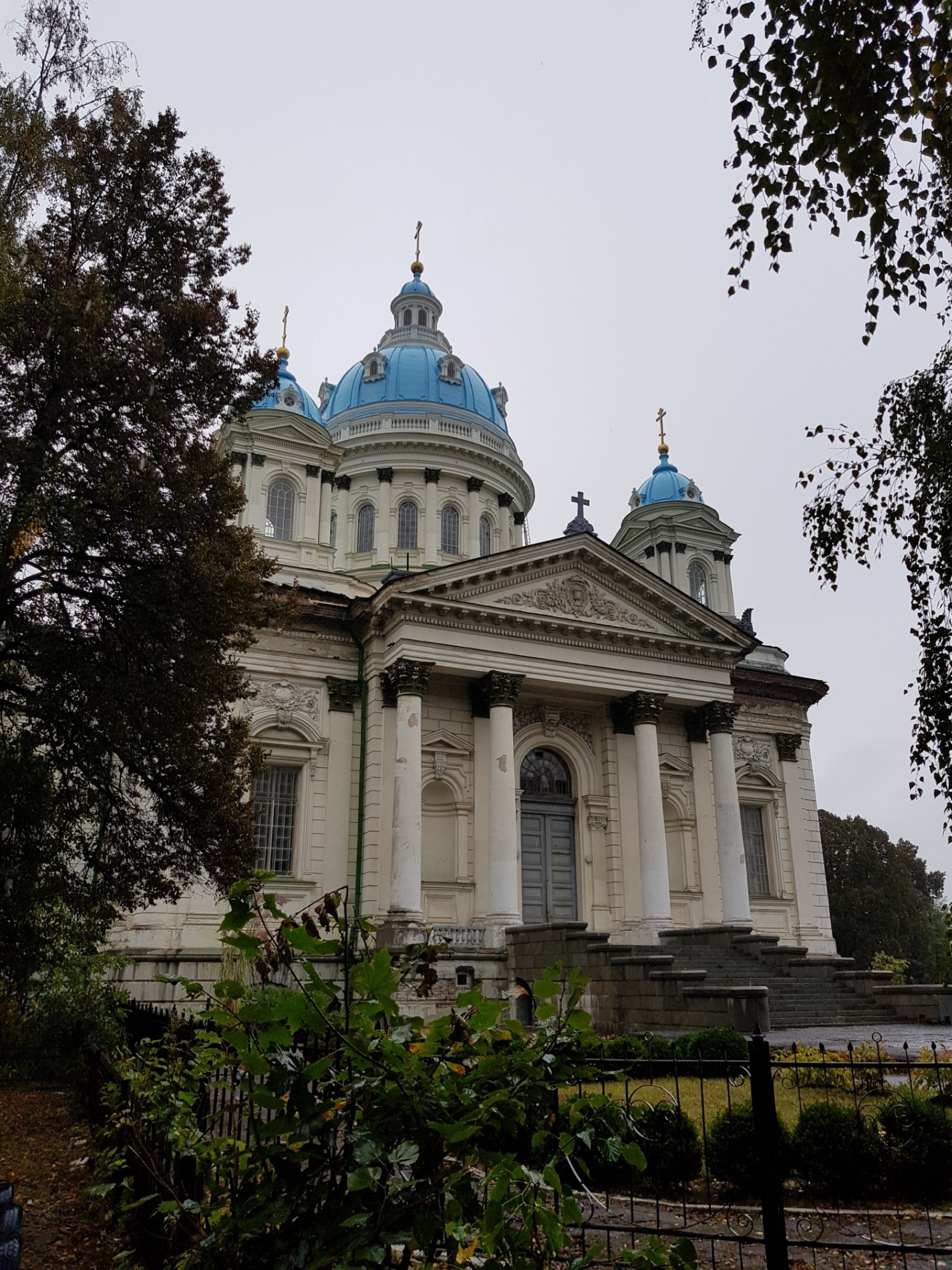
Architect K. Scholz’s design bears a resemblance to St. Isaac’s Cathedral and the Trinity-Izmailovsky Cathedral in St. Petersburg. The marble iconostasis, which was crafted in Italy, was lost during transport in World War I. Virtually none of the church’s other original furnishings have survived, although artists such as Nesterov, Petrov-Vodkin, and Nivinsky were commissioned to work on its decoration (frescoes, icons, and stained-glass windows). Restoration work was carried out from 1976 to 1988, during which an organ was installed, and the church was converted into a center for organ music and a museum. In 2014, a century late, the ceremony of the Great Consecration of the church was performed. Inside, the cathedral is just as light and “pastel-colored” as it is on the outside.
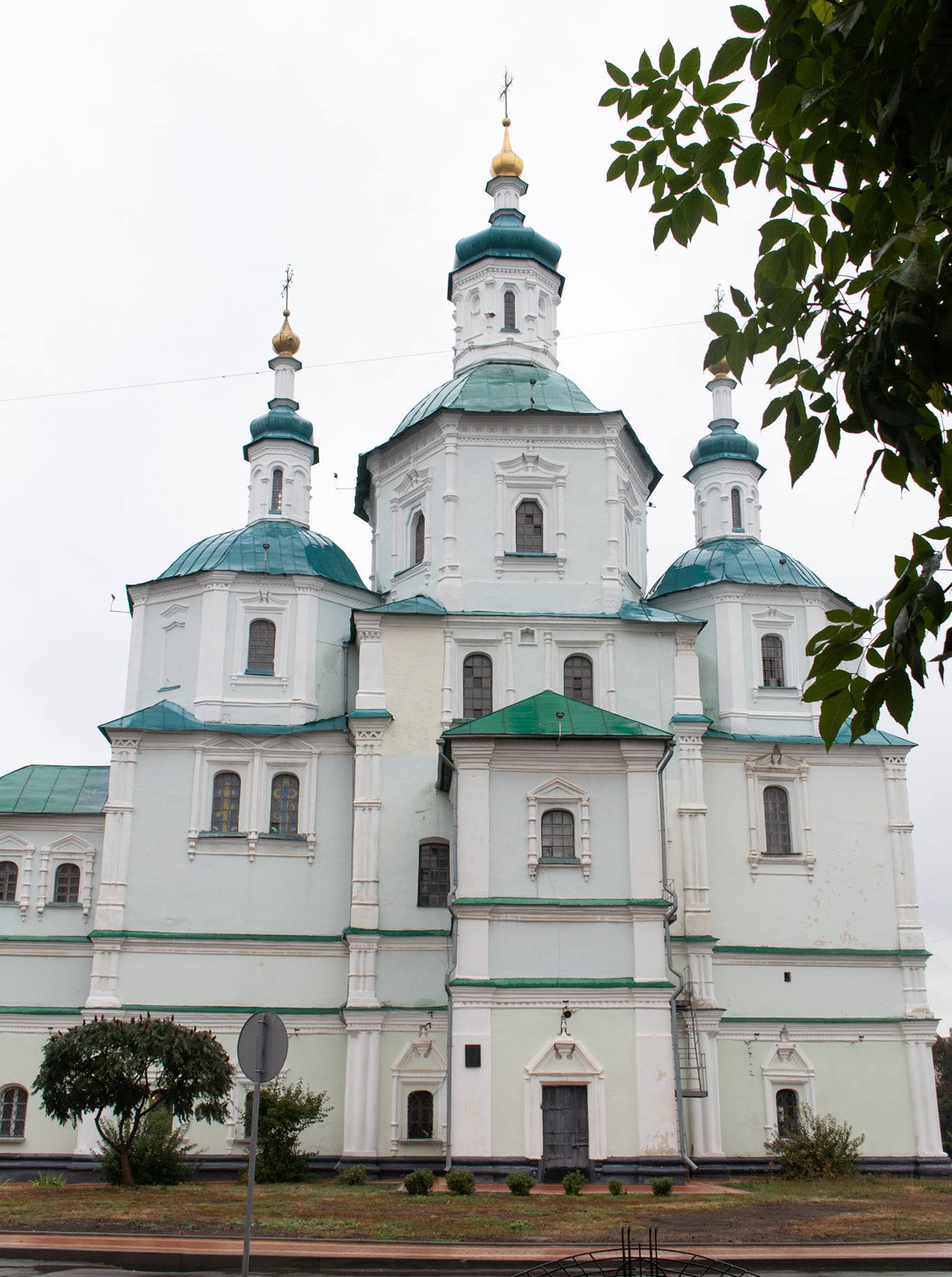
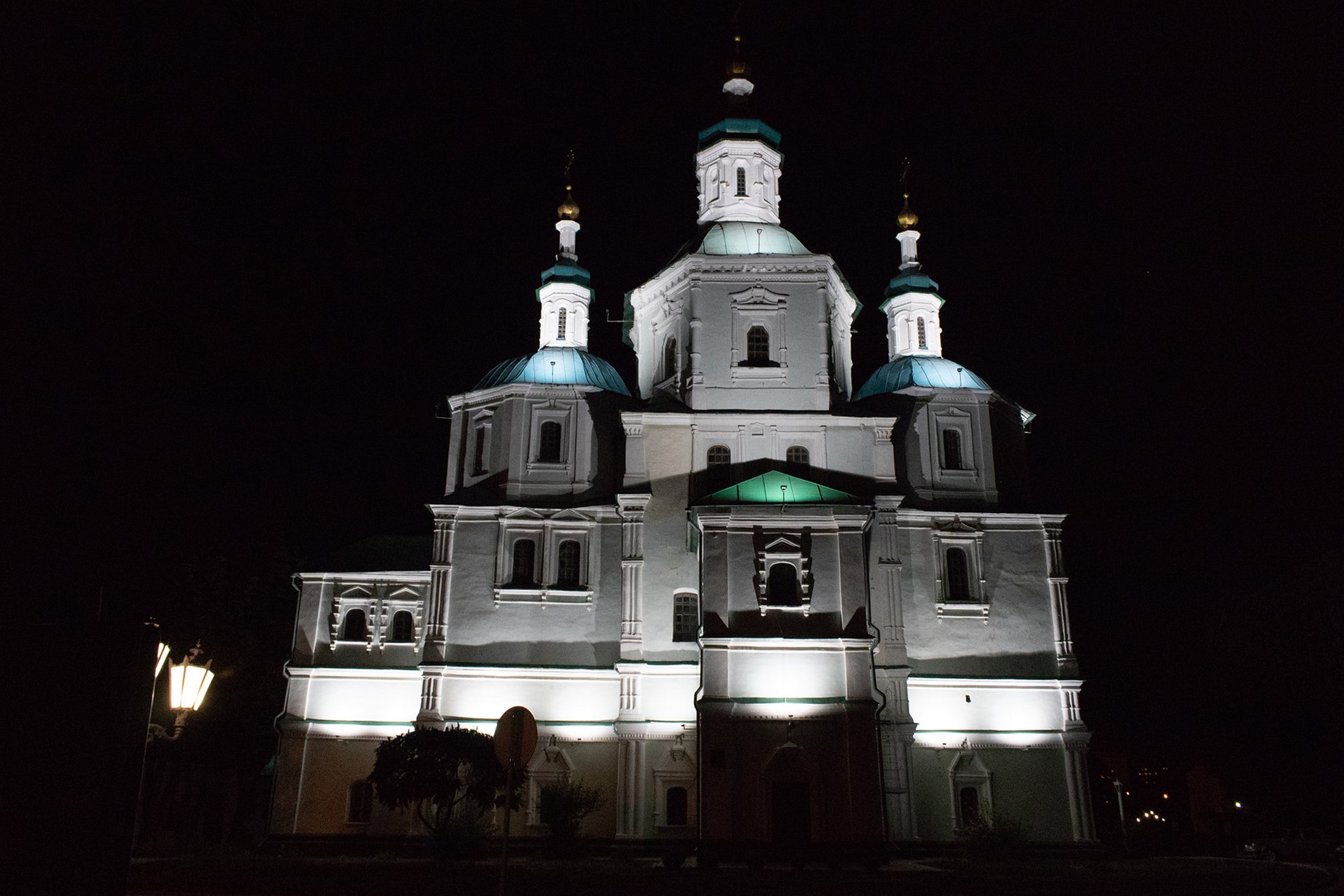
The historic Resurrection Church, built in the Cossack Baroque style, was constructed in 1702.
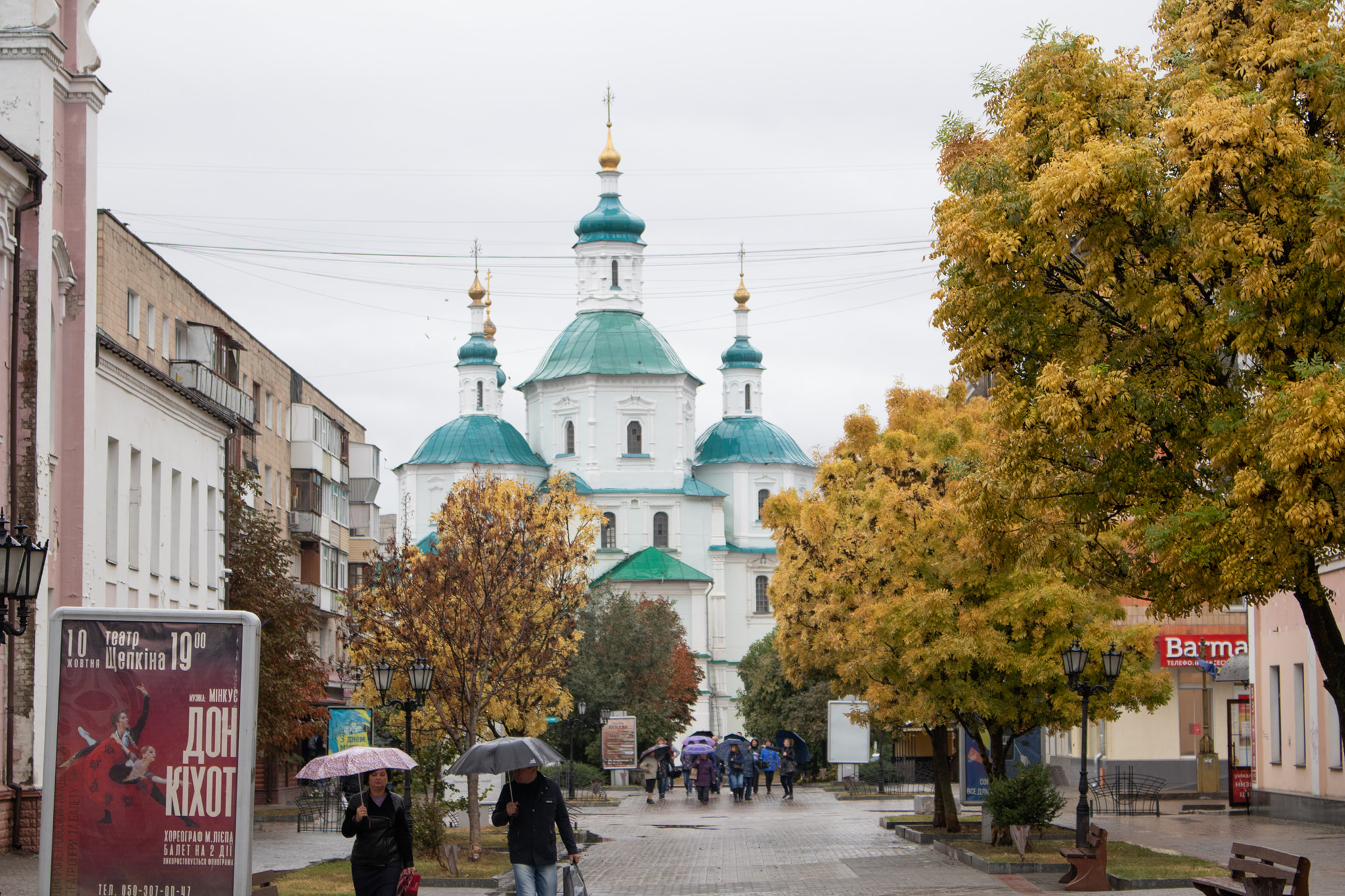
According to Filaret Gumilevsky, it was built by Colonel Andrei Kondratyev, and I quote, “with the obvious intention of defending against Tatar attacks”; the upper part of the church was designed to withstand a prolonged siege.
The bell tower was added in 1906; its designers took care not to stray too far from the original style of the church itself, even though this was not the first bell tower built next to the church.
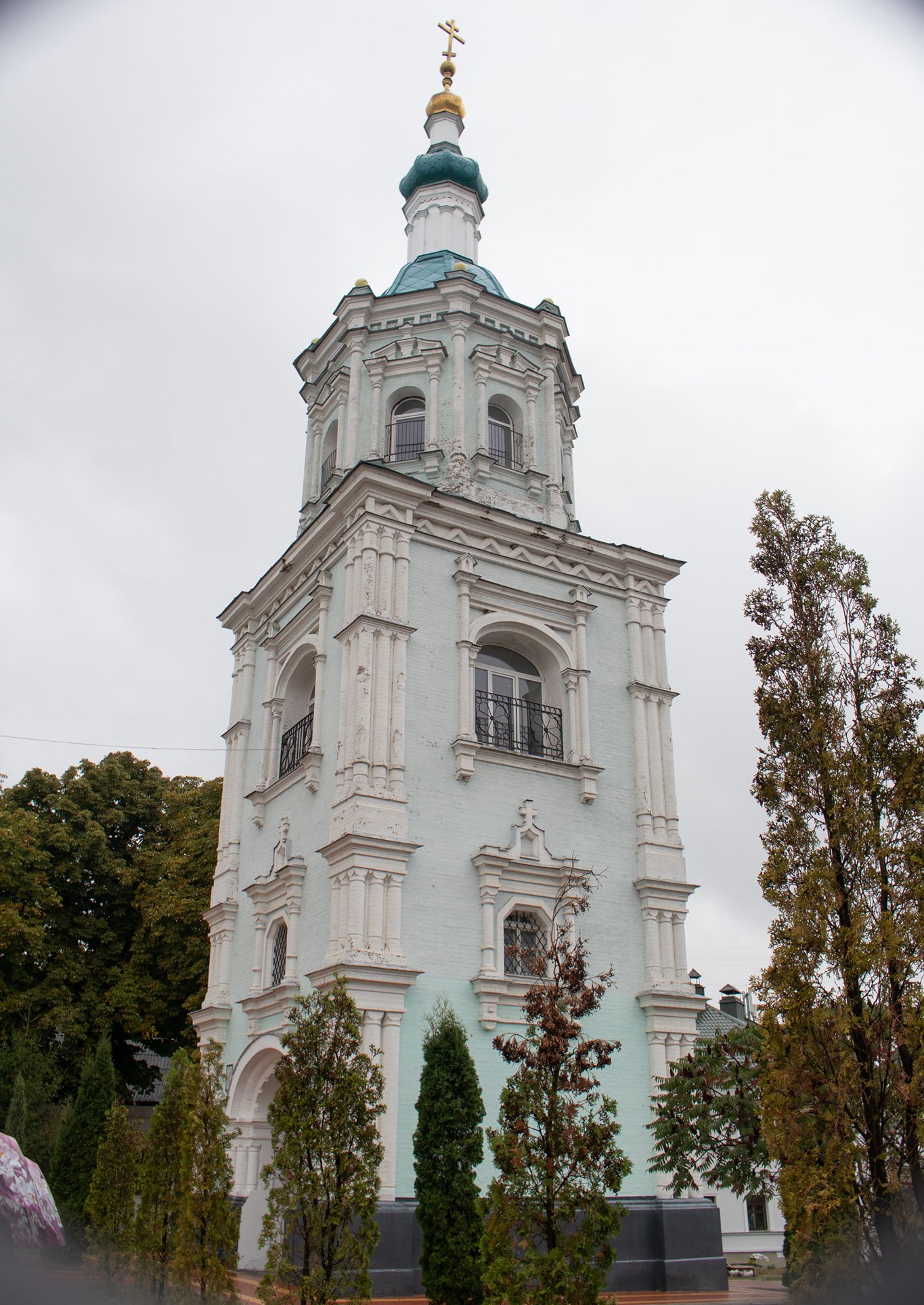
In 2011, a “stone of love” from Cana in Galilee was placed in a niche in the bell tower; according to the Gospel, it was there that Jesus turned water into wine at a wedding.
Nowadays, it is customary for newlyweds to touch the stone to ensure “eternal love.”


- "Noah's Ark" - 21.10.2026
- Blackie’s House on Maksymilianivska St - 19.10.2026
- Danylevs’koho Street, 19 - 13.10.2026