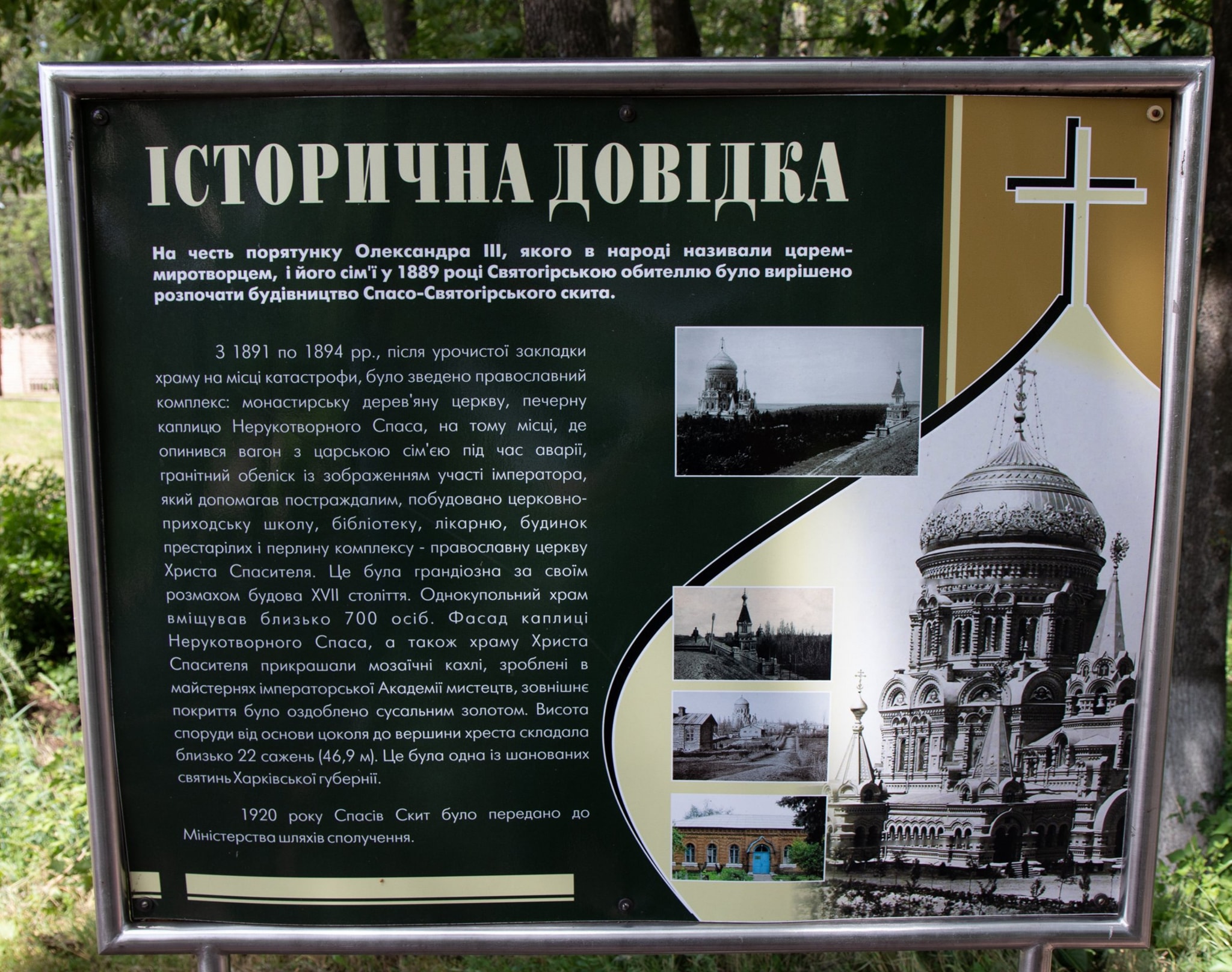
The Chapel of the Savior Image Not-Made-By-Hands is one of the few surviving structures erected between 1889 and 1894 based on designs by R. Marfeld and N. Nikitin at the site of the imperial train crash near the Birky station (1888).
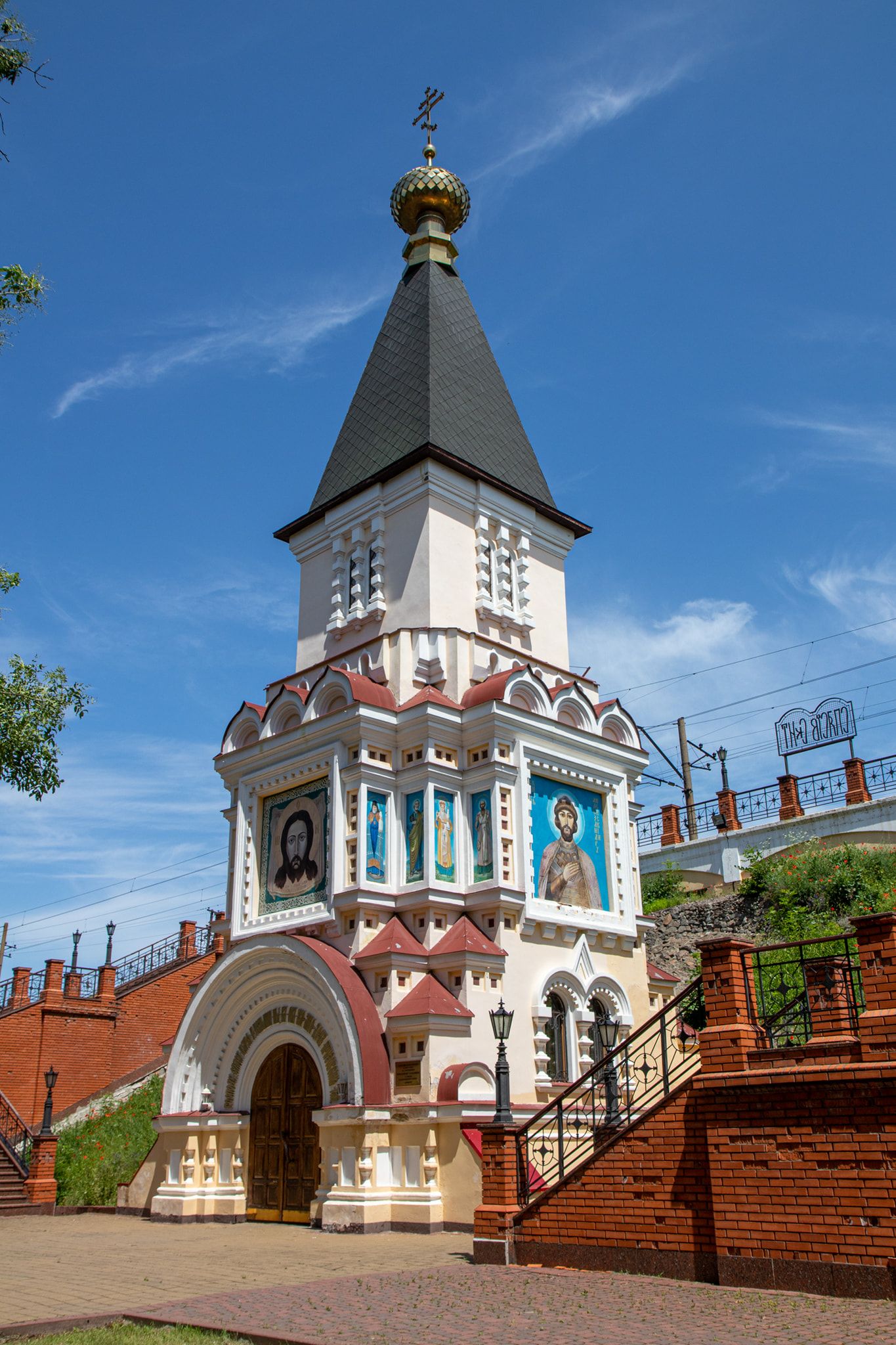
The wooden church and the Cathedral of Christ the Savior have not survived.
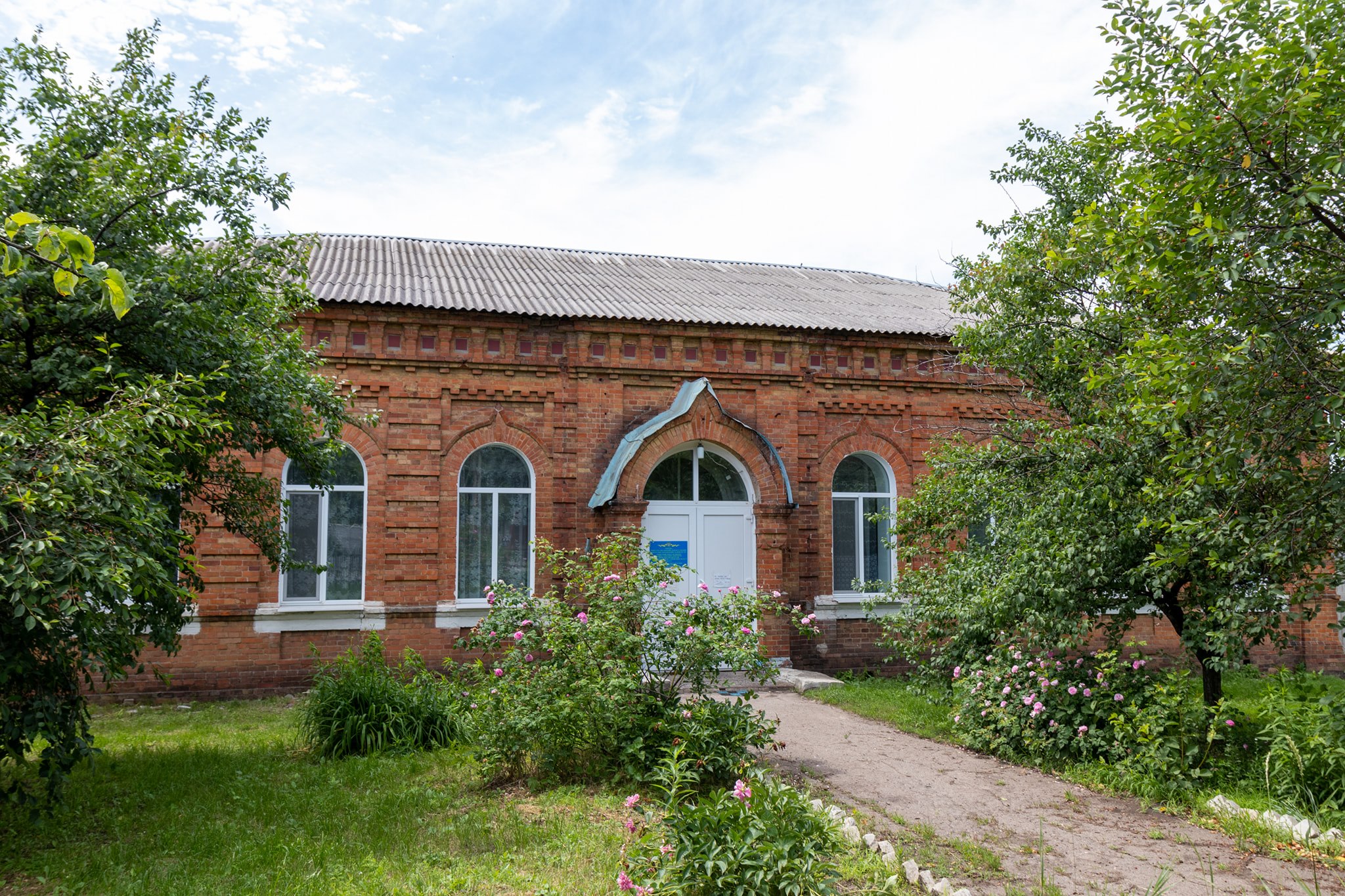
Not far away, the building that used to be a home for the disabled (referred to in other sources as a hospital) has survived, though, alas, it has a gaudy plastic door,
Opposite it stands a large stone pedestal (until 1917, it held a bust of Alexander III)
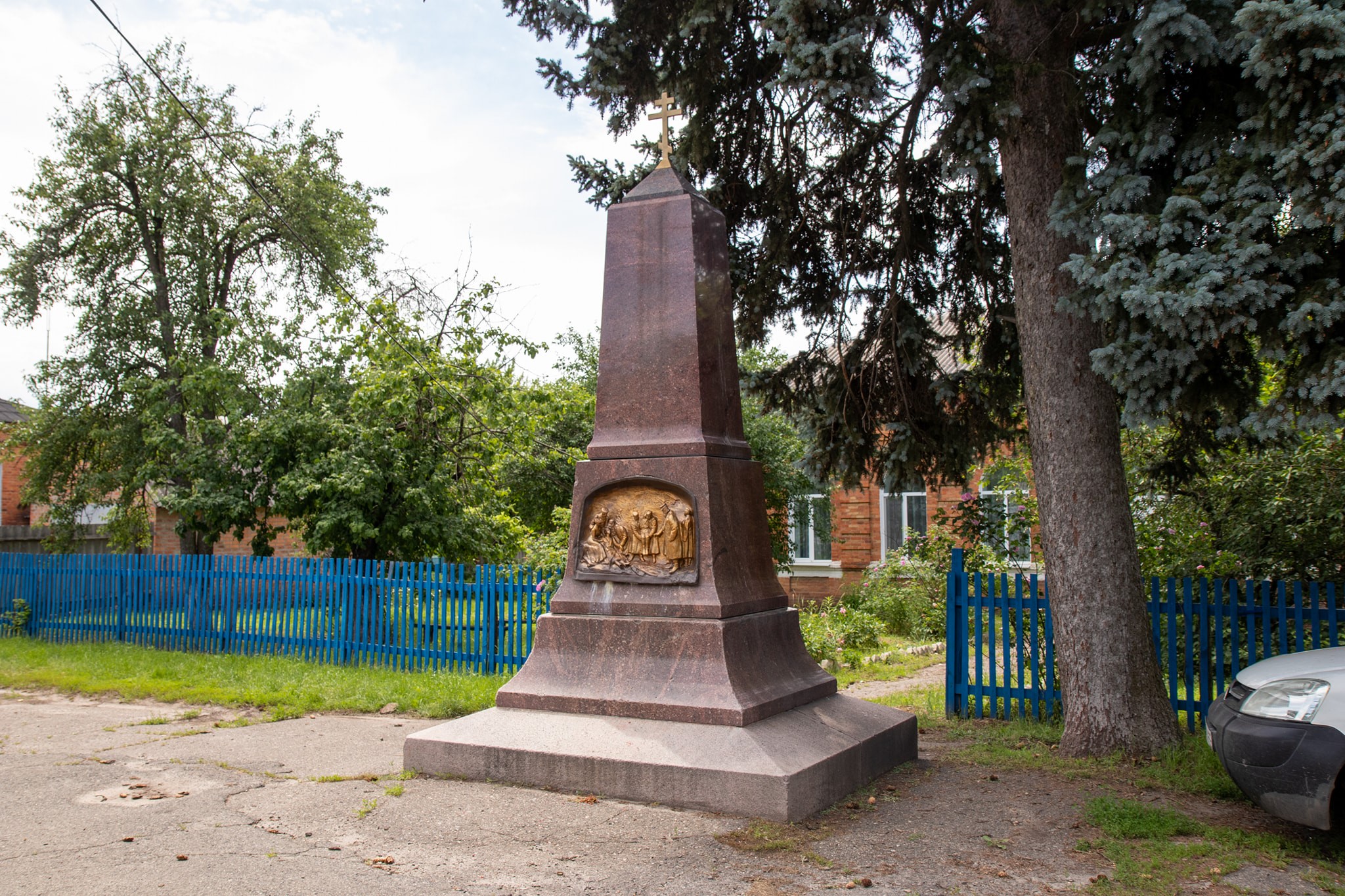
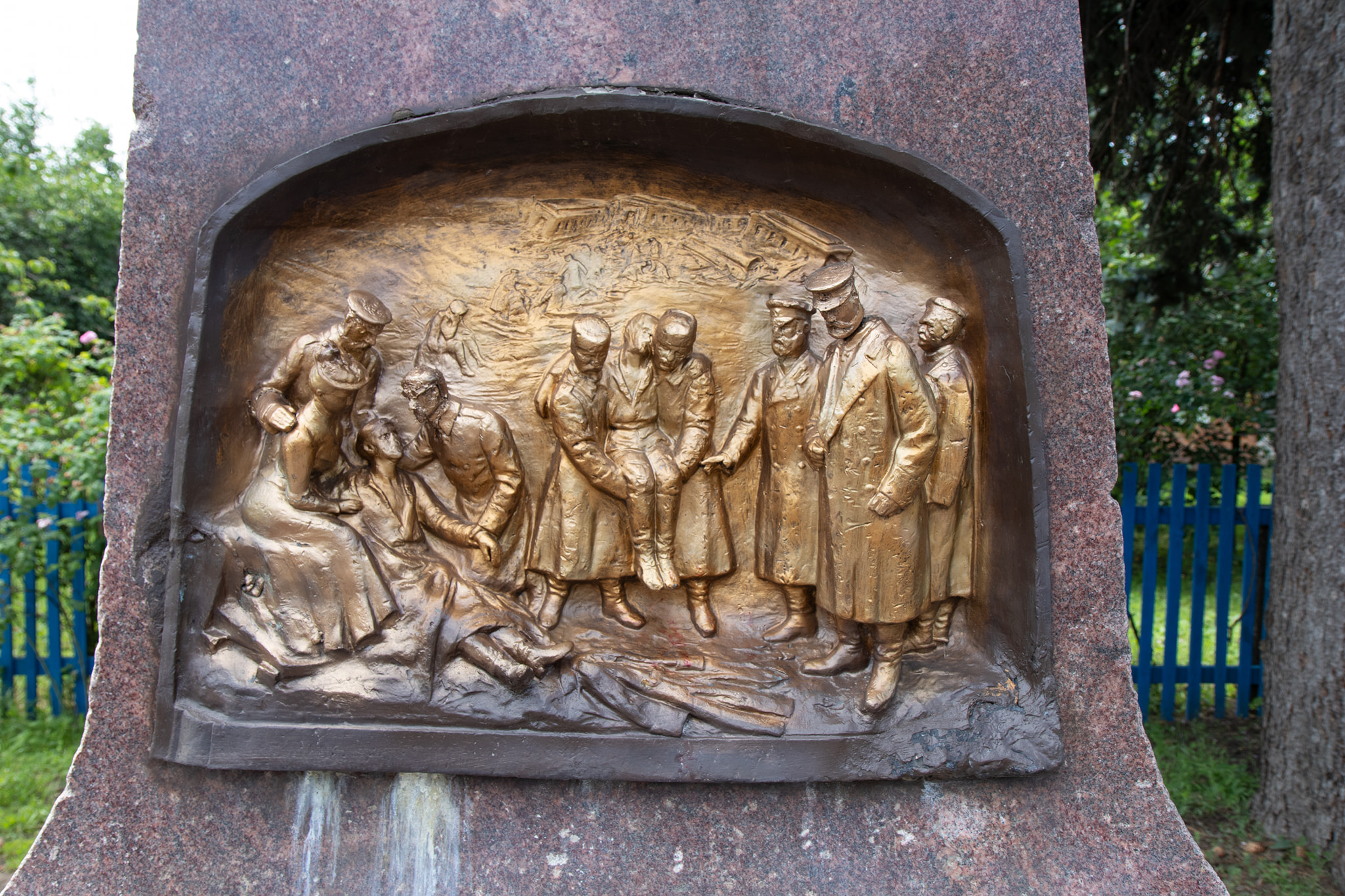
Today, you can see a bas-relief plaque depicting the crash scene; it has been preserved.
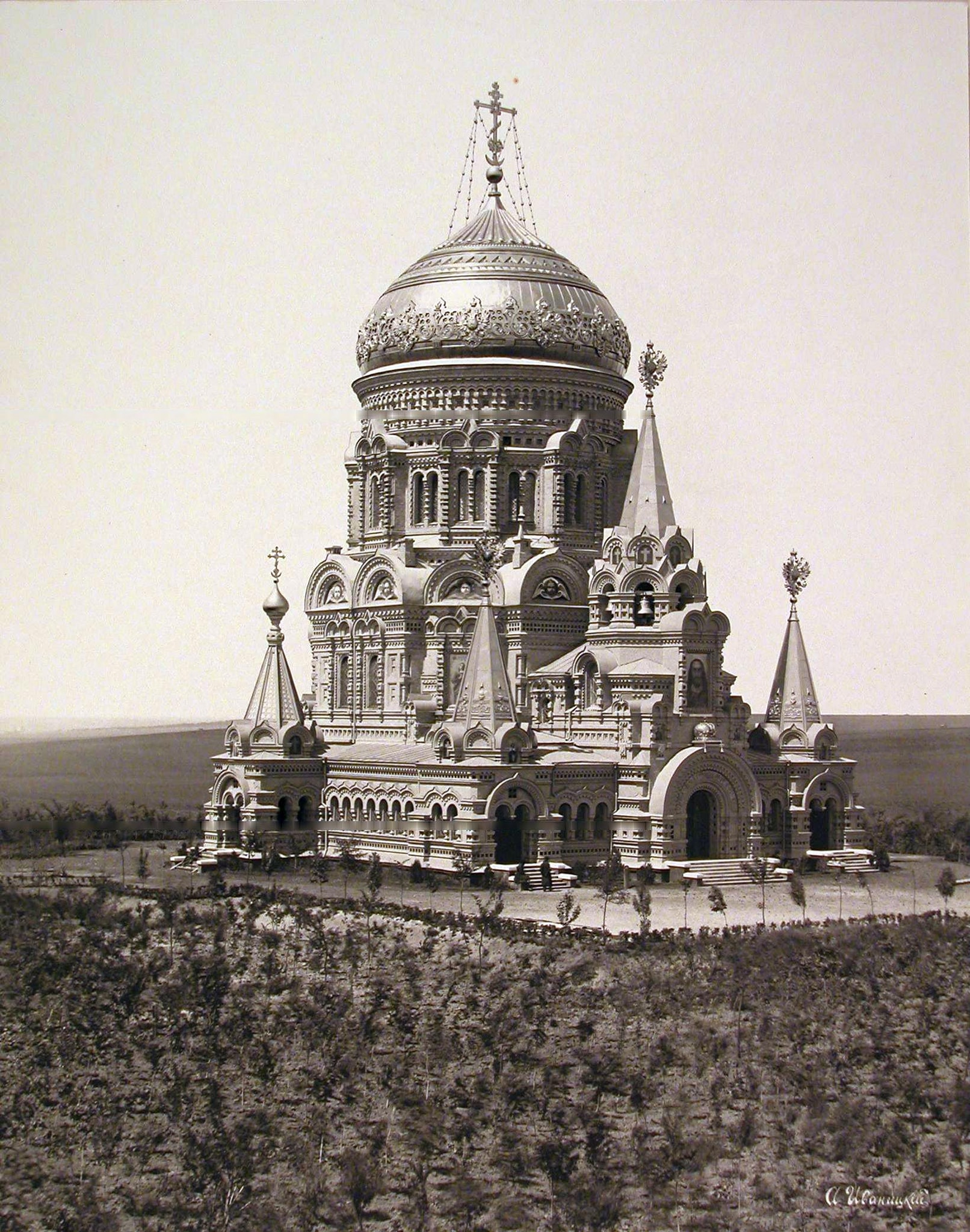
In general, there were few trees here in the 1890s—it seemed as if the gigantic temple simply stood in a field, plucked from a vast city. They say that on a clear day, the gleam of its dome could be seen from Kholodna Hora (33 km away).
It is interesting to note that the commission tasked with de-tsaristifying the complex after the 1917 February Revolution included the well-known architect Viktor Velichko, who had overseen the construction of the chapel. The church was blown up in September 1943 (it is unclear by whose troops), and since then, only Alexei Ivanitsky’s beautiful photographs have survived.
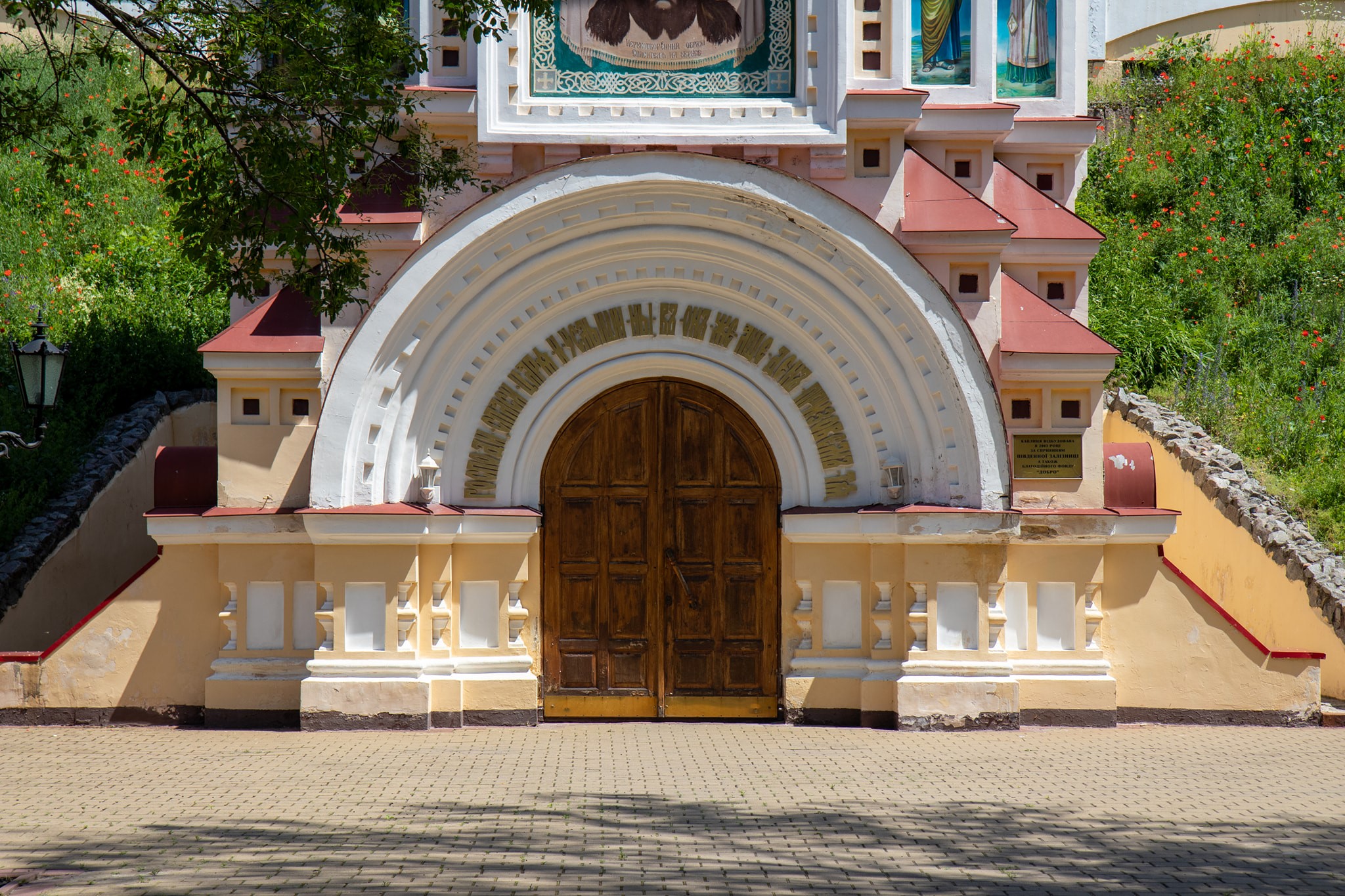
The chapel, which is partially located beneath the embankment “in a cave,” was restored by Ukrzaliznytsia and private donors by 2005.
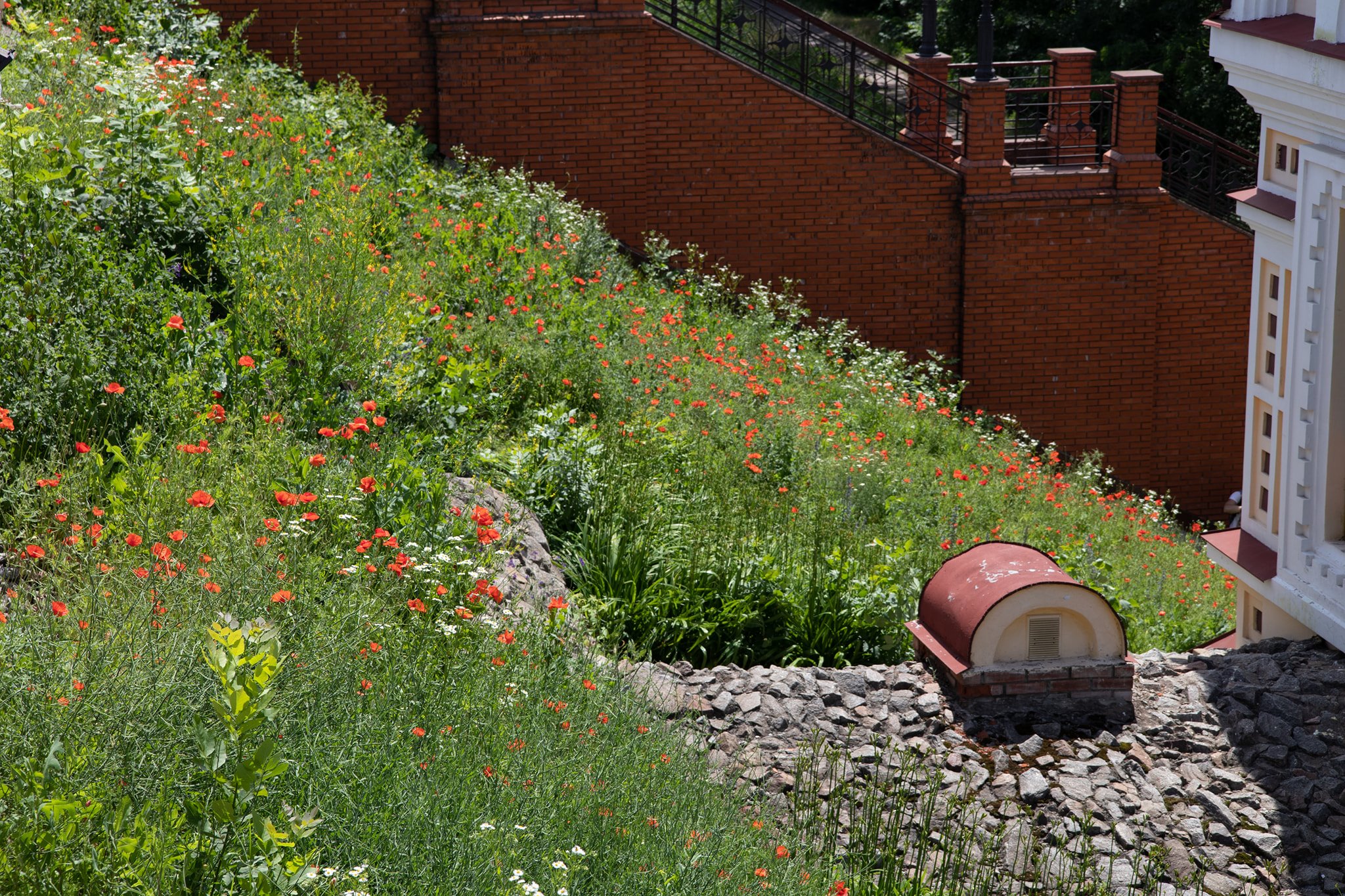
More than 16 years have passed since then, and the surrounding area has once again fallen into disrepair. Clearly, few people come here; grass is growing through the sidewalk tiles, the streetlights are crooked and broken, and the staircase’s finish is crumbling. The community is raising money for a church (smaller than the original), but it’s unlikely they’ll succeed anytime soon.

- The Architectural Evolution of the Kharkiv Theater - 26.09.2026
- 1st Kharkiv Gymnasium - 17.09.2026
- The Oldest Movie Theater in Ukraine - 24.08.2026