The eclectic buildings along Kontorska Street bear the imprints of our city’s various eras, much like archaeological and cultural strata. Walking down Kontorska is like exploring the exhibits in a history museum. Unfortunately, these “displays” have almost no explanatory labels, and the architectural styles are merely the visible tip of a multi-layered cultural iceberg of the historical eras that shaped them. Behind every building stood people, organizations, trends, and events, and one must delve deeper to see the whole picture.
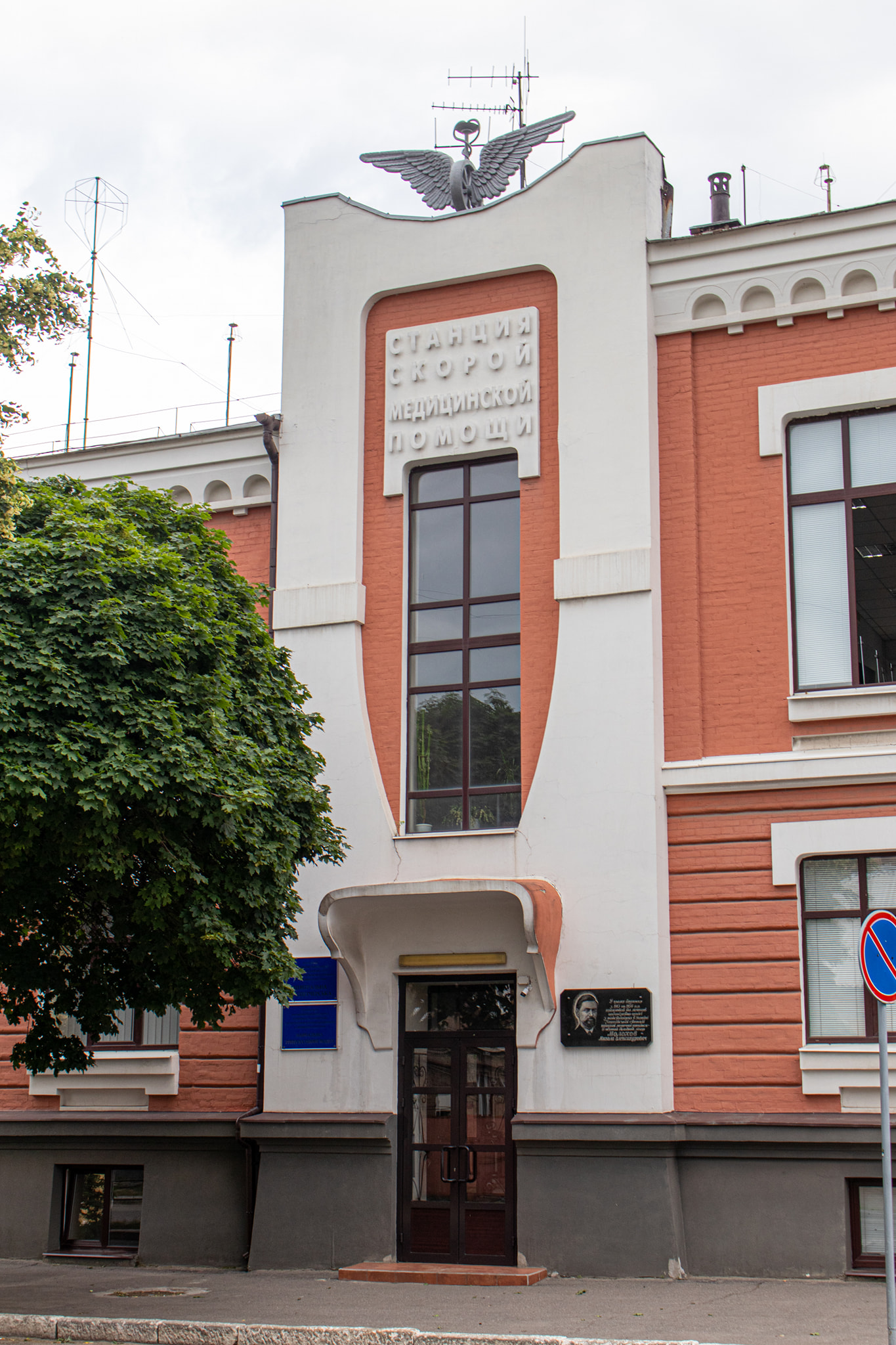
The Art Nouveau style, which emerged in Western Europe in the late 19th century, was innovative and even rebellious for its time. It stood in stark contrast to the then-dominant eclectic, neoclassical, and Neo-Renaissance styles, which drew inspiration from the past and offered nothing radically new. Progressive, asymmetrical Art Nouveau, which shattered old standards of beauty, did not appeal to everyone; it had both admirers and detractors—among architects as well as clients.
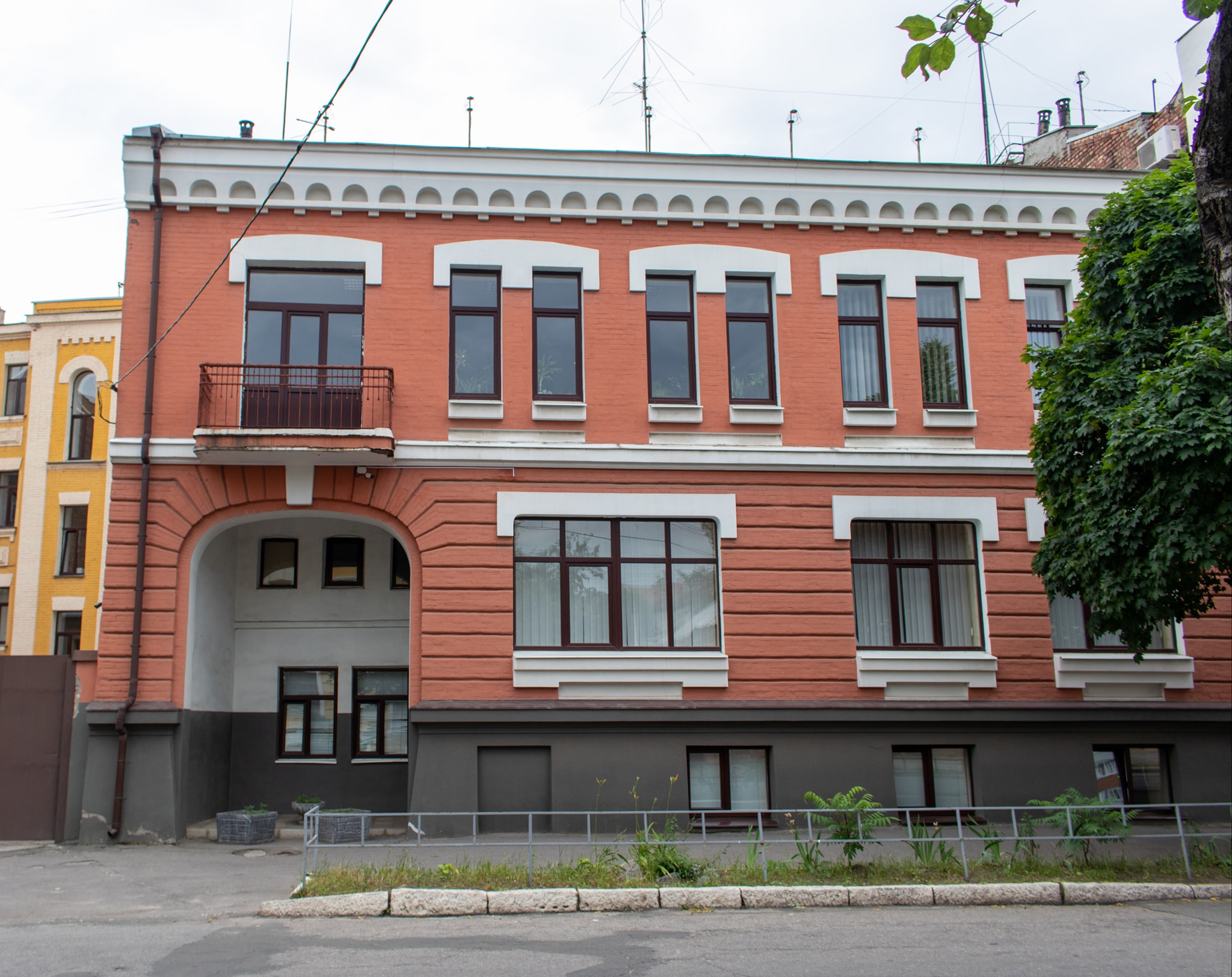
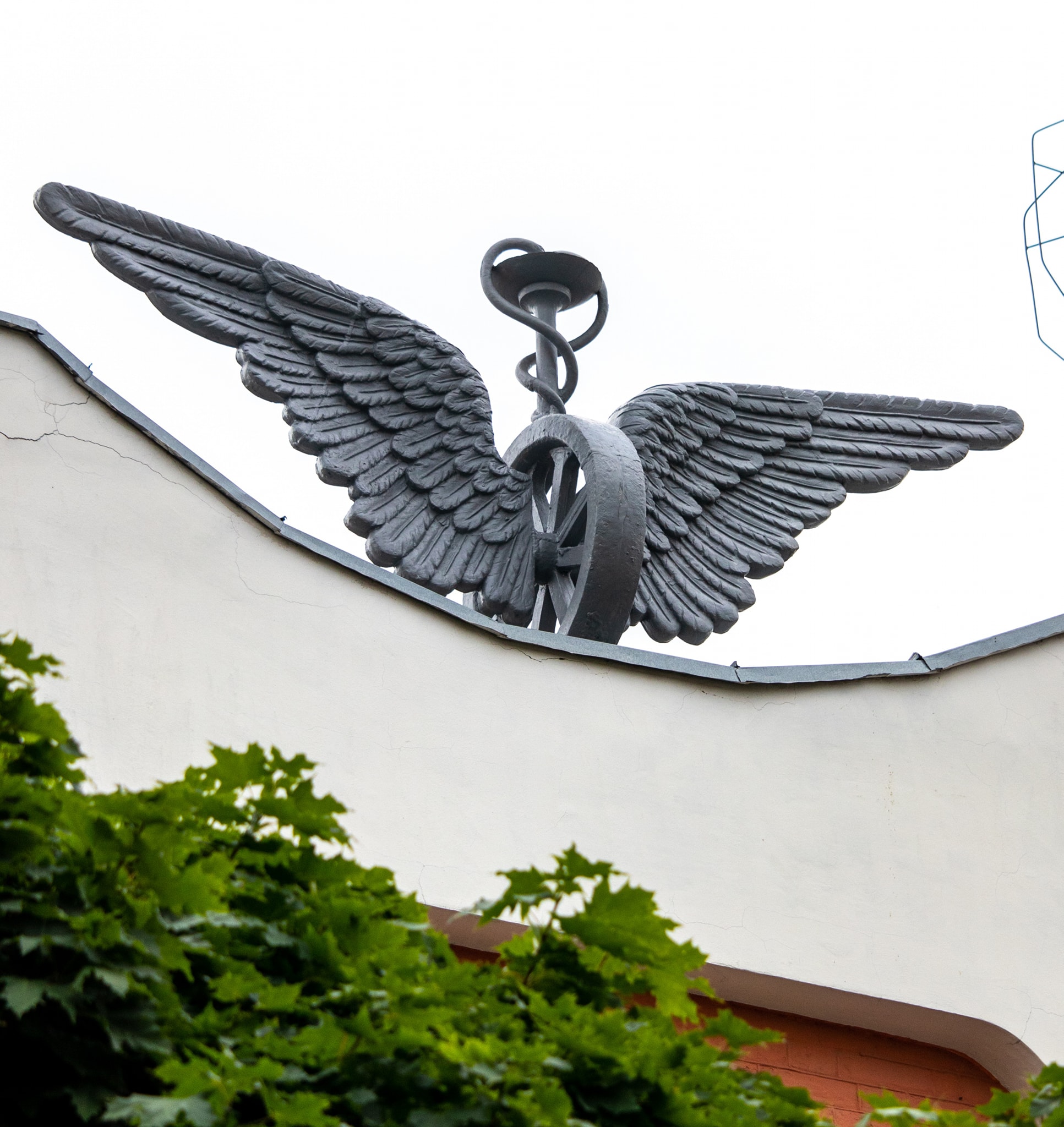
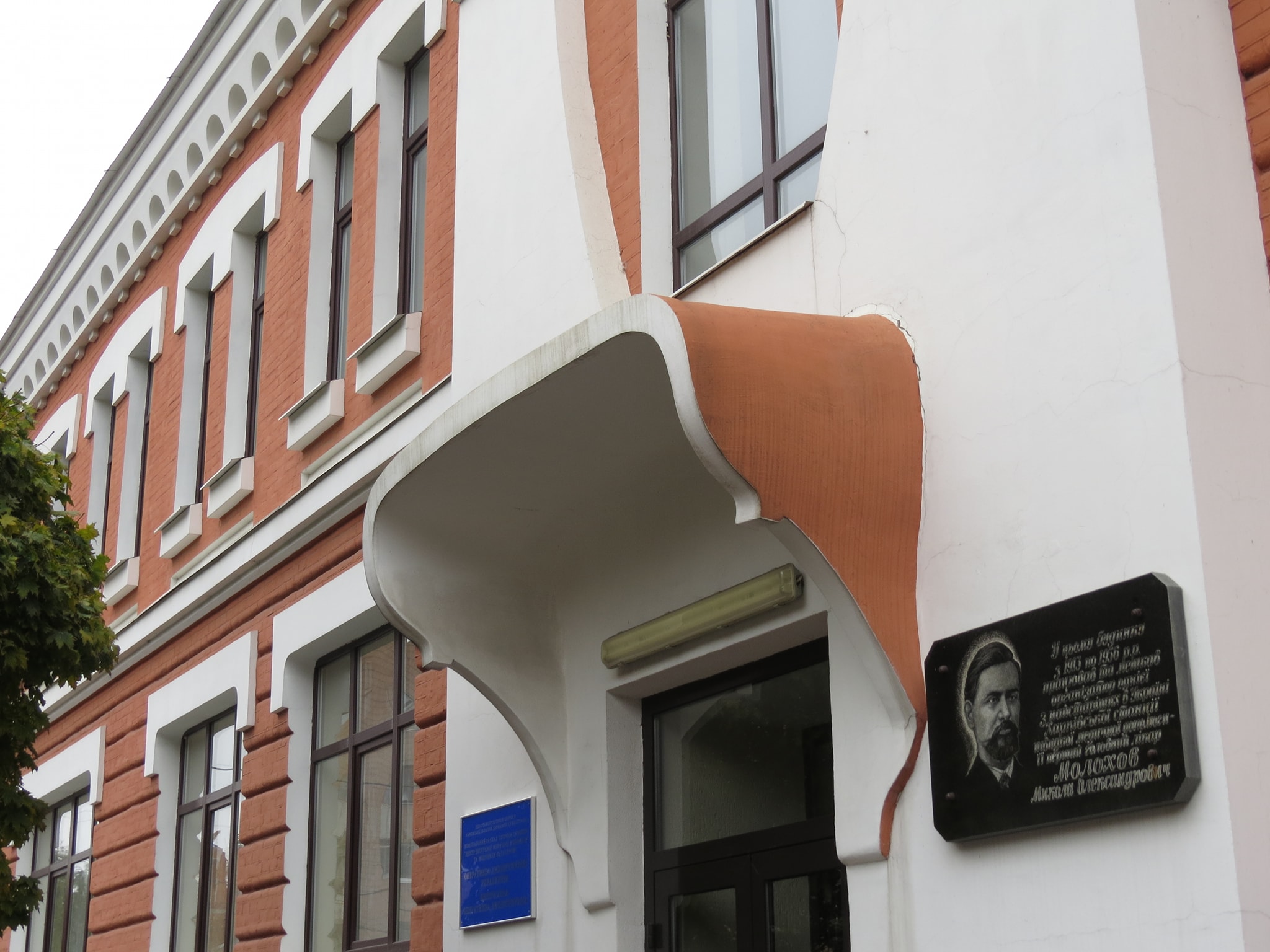
At Kontorska Street, 41 stands a preserved Art Nouveau architectural landmark, built by engineer Valery Morokhovets’ construction firm between 1912 and 1914. Incidentally, Morokhovets was also a council member (i.e., a deputy) of the city duma and a dedicated aviator. The building stands out for its elegant concrete canopy. A few years ago, a sculpture featuring a winged wheel with the Bowl of Hygieia—a symbol of pharmacy—was installed on the roof; it was created by Seifadin Gurbanov.
For over 110 years, this building has housed an ambulance station (which now serves as a dispatch center). It also houses the Museum of the History of the Kharkiv Ambulance Station.
The history of Kharkiv’s ambulance service is typical of our city’s volunteer tradition—it began with the “Night Duty Circle,” organized by several Kharkiv doctors in 1895.
In 1909, on the initiative of Professor Ivan Obolensky, the Ambulance Society was established, funded by patrons and charitable donations.
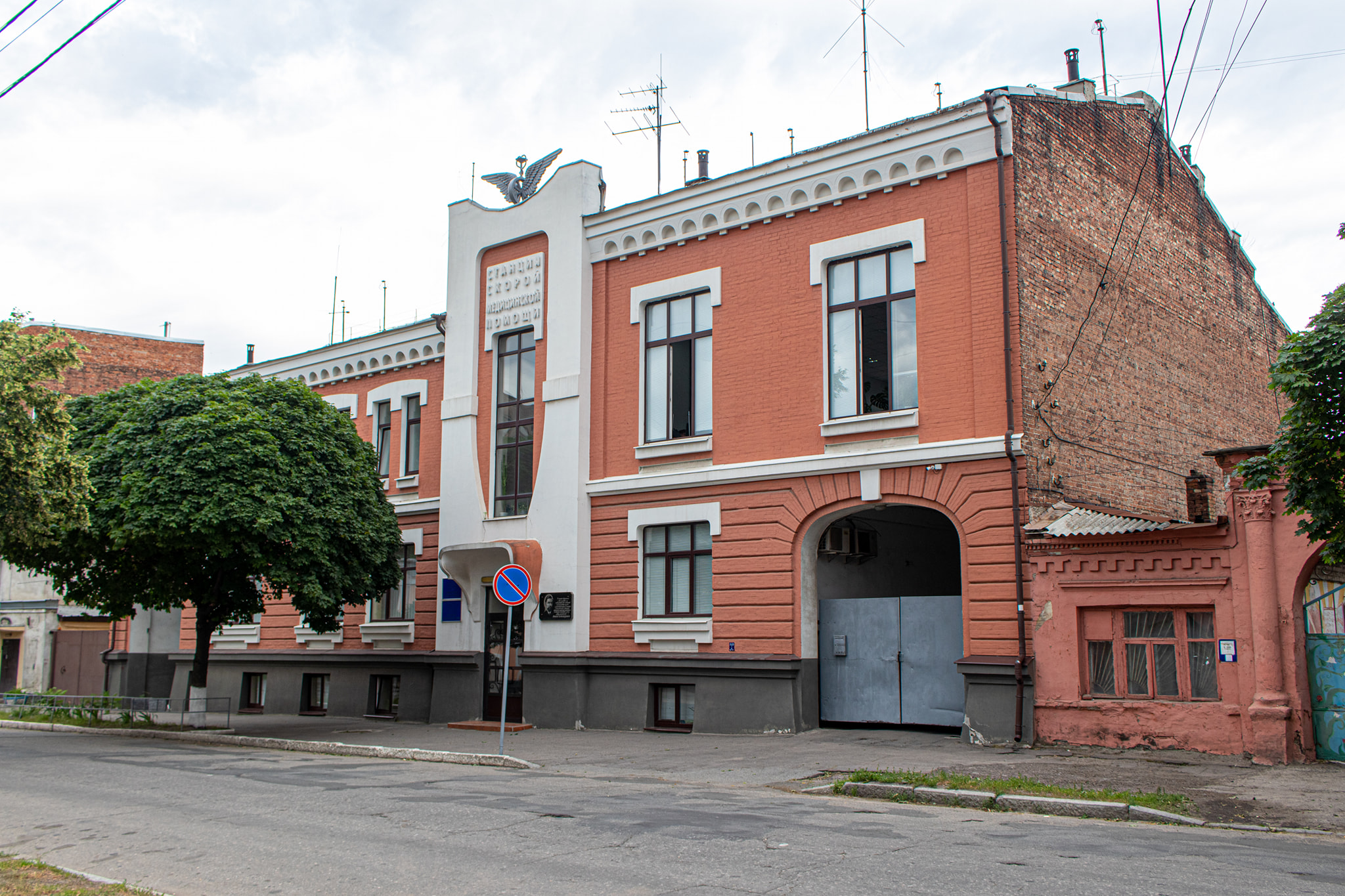
At first, the station was located in the Alexandrovska Hospital on Blagovischenska Street, but it eventually outgrew the space, so in 1914 it moved to a new building on Kontorska Street. Later, a pharmacy opened there. Incidentally, in the city chronicle of the old newspaper “Utro,” you can read the addresses and reasons why ambulances were dispatched (the service was free).
One of the station’s organizers was Dr. Nikolai Molokhov, who worked and lived in the building from the time of its construction until 1956, as evidenced by a commemorative plaque.
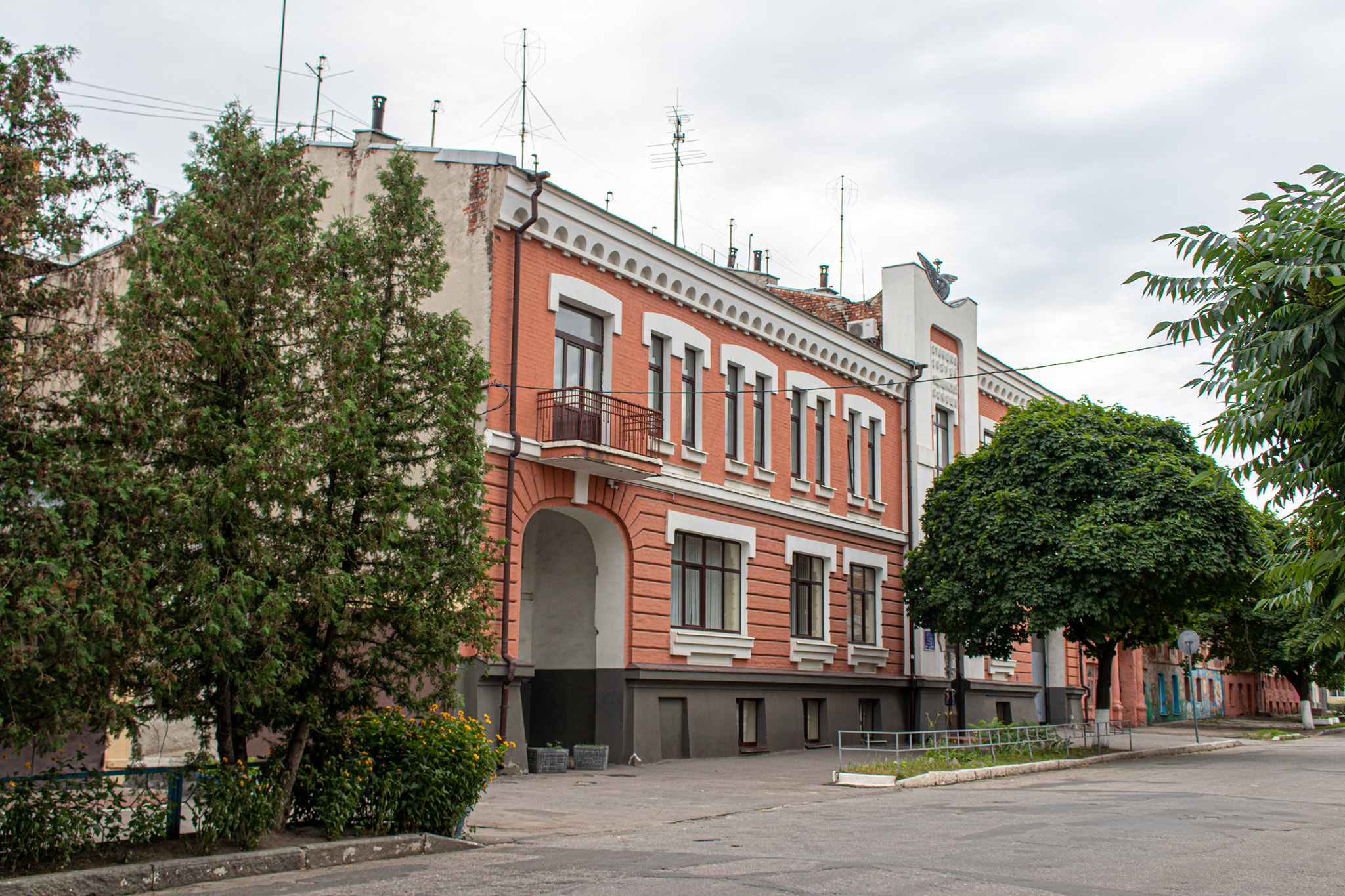
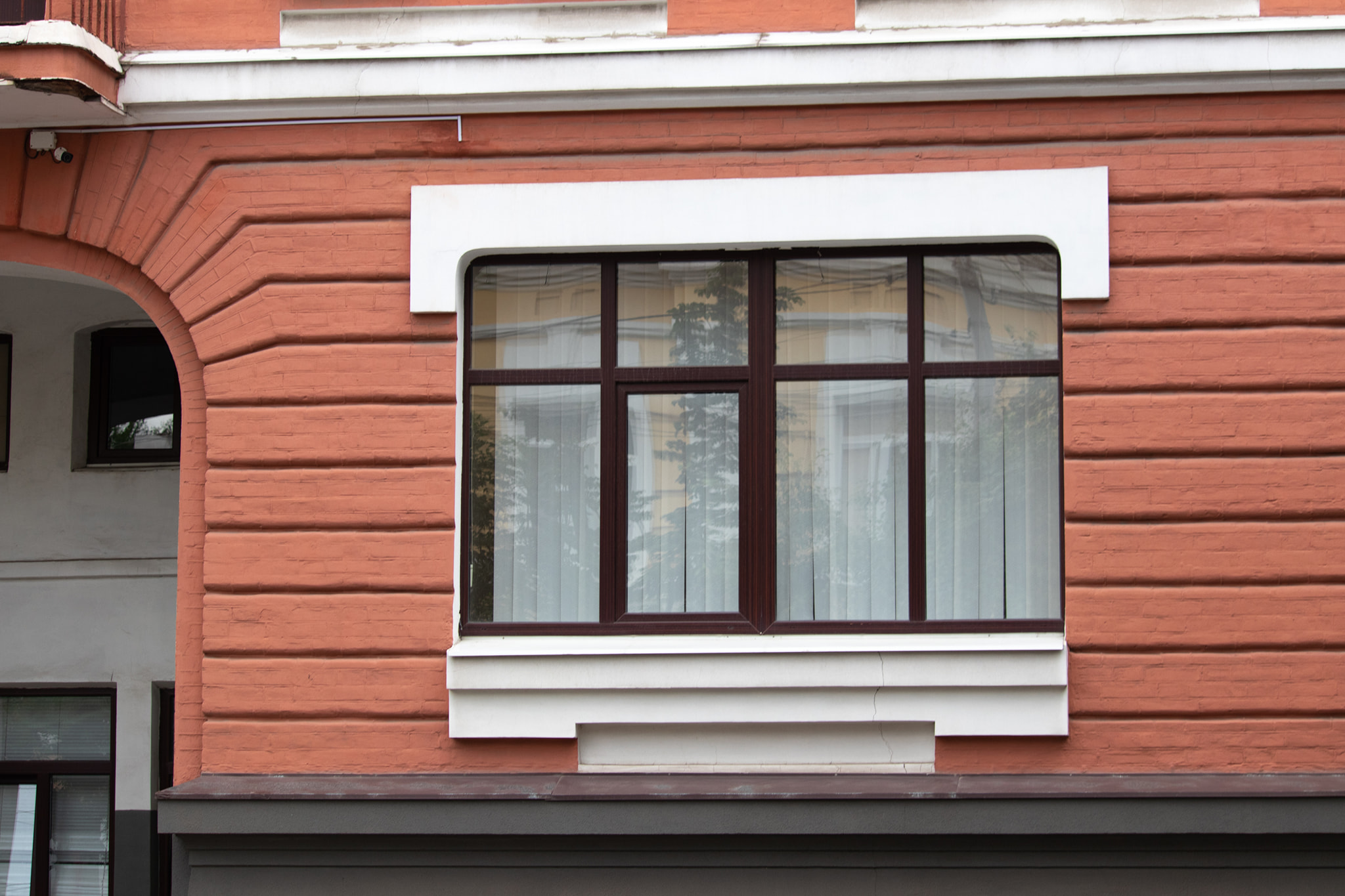
The ambulance station building is a real highlight of the street; it’s worth noting that it’s in good condition, although authentic looking wooden windows and doors would suit it even better. We hope that will happen someday.

- Danylevs’koho Street, 19 - 13.10.2026
- Debunking the myth about one of the most famous Kharkiv photos - 12.10.2026
- The Architectural Evolution of the Kharkiv Theater - 26.09.2026