Our city is home to many artifacts from the past, the purpose of which modern people may not even realize. And once they see them, they’ll be left scratching their heads.

Times change, and so do people’s lifestyles. Many things become obsolete, yet they remain on the city’s streets and in its homes, serving as monuments to a bygone era. Take, for example, guard stones.
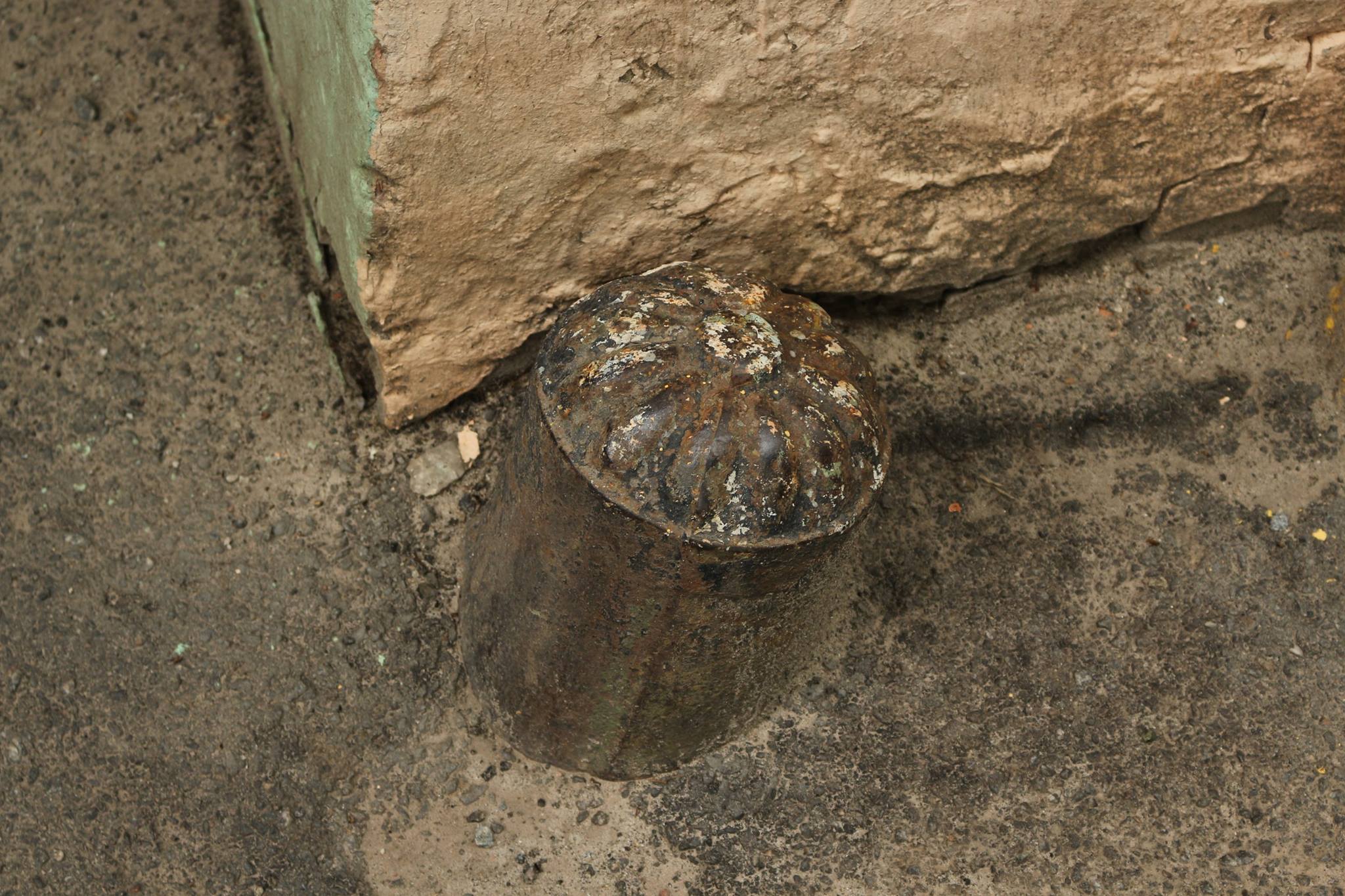
Sometimes, at the entrances to the courtyards of pre-WWI buildings, you can see odd little posts on both sides of the driveway, near the corners of the buildings. They may be made of stone or cast iron, and are often round in shape. Sometimes the stones are so deeply embedded in the ground that only their very tops remain visible.
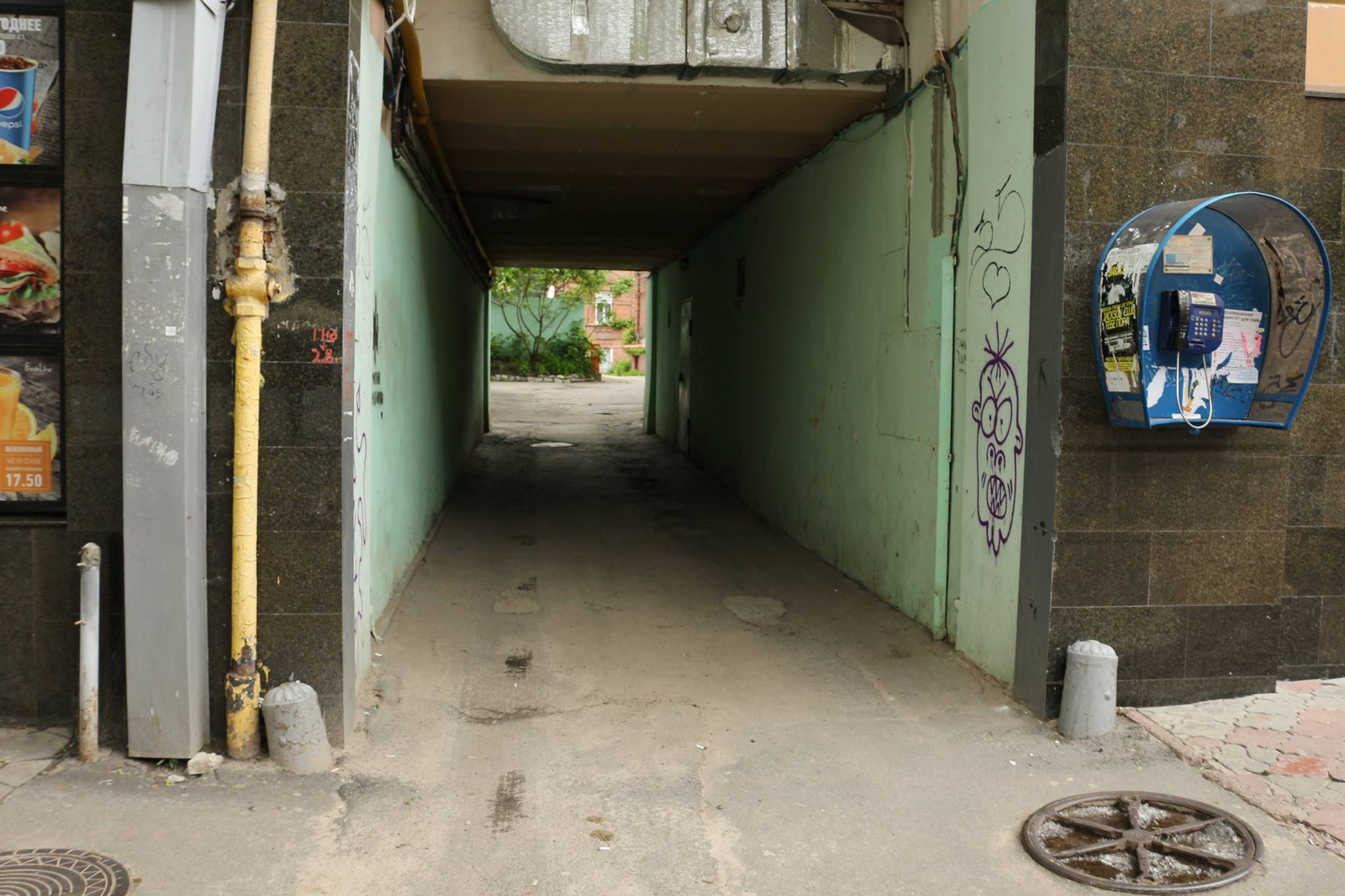
All of these are guard stones, a common artifact of the 19th and early 20th centuries. These stones were installed to protect the corners of buildings from damage caused by the axles of carriages. The bulky, long carriages did not always fit perfectly through the carriage entrance, their wheels and axles grazing the corners of buildings and chipping away the plaster.
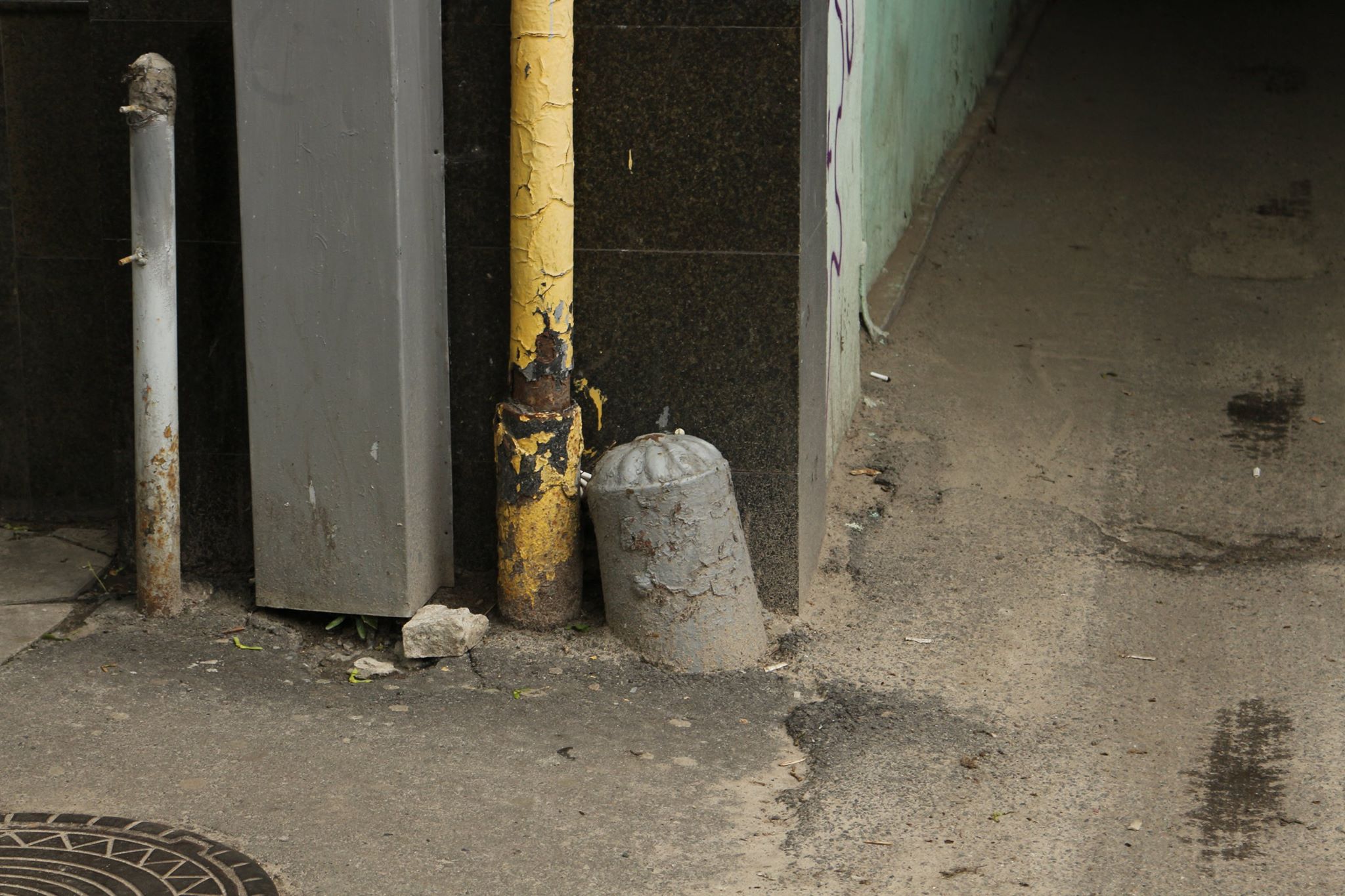
If you see a pair of guard stones at the entrance to the building’s archway, don’t hesitate to walk into the courtyard—there’s likely to be another pair at the back of the entrance.

Odesa is famous for its guard stones, and there are plenty of them in Western European cities as well. They can be found in Kharkiv too, though not in such large numbers—but if you look closely at your feet, you’re sure to spot them.
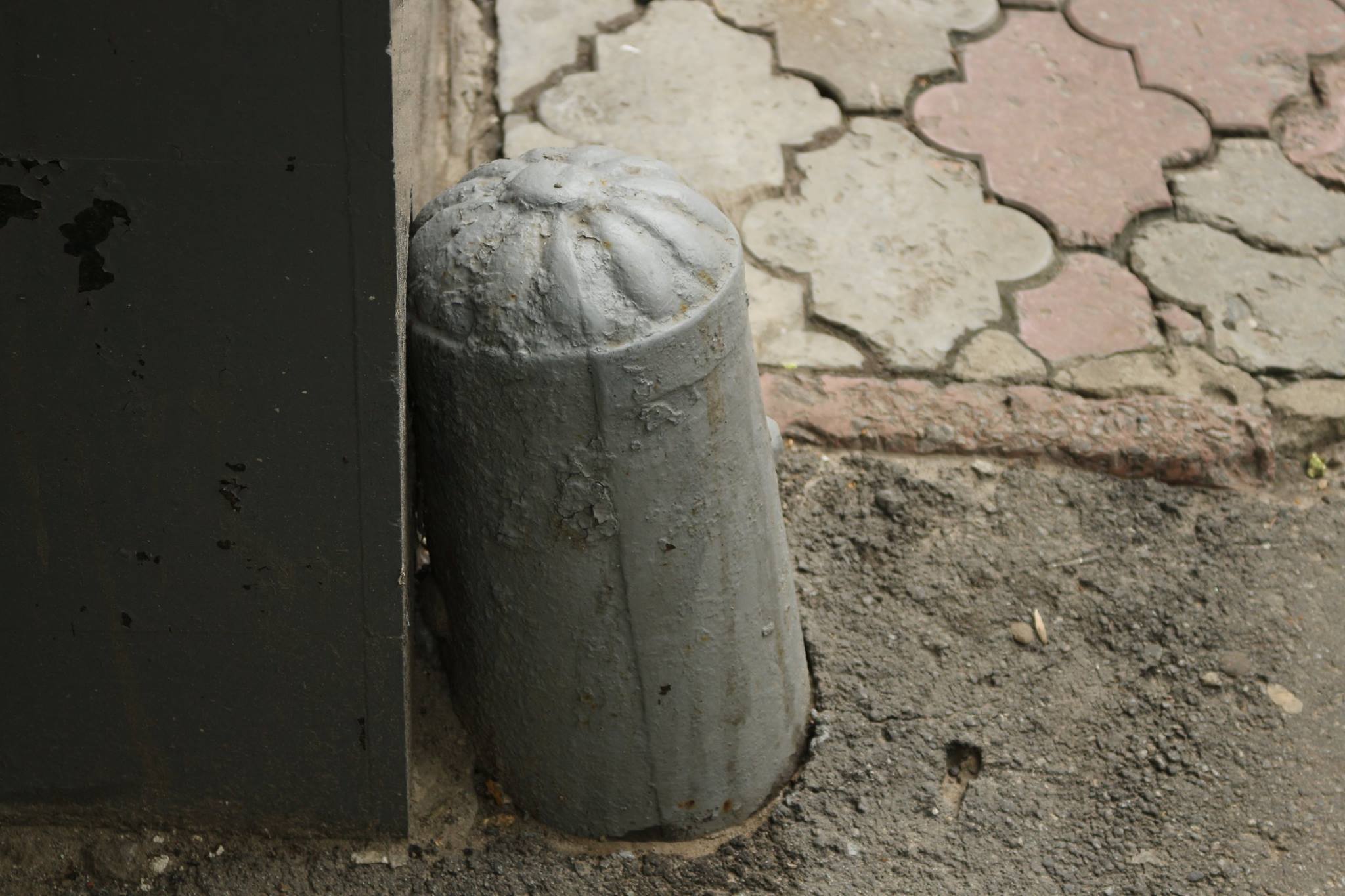
The photographs show the bollards of the building at Hryhoriia Skovorody Street, 53 (designed by architect Jūlijs Caune built in 1911; now the University of Pharmacy).

- Danylevs’koho Street, 19 - 13.10.2026
- Debunking the myth about one of the most famous Kharkiv photos - 12.10.2026
- The Architectural Evolution of the Kharkiv Theater - 26.09.2026