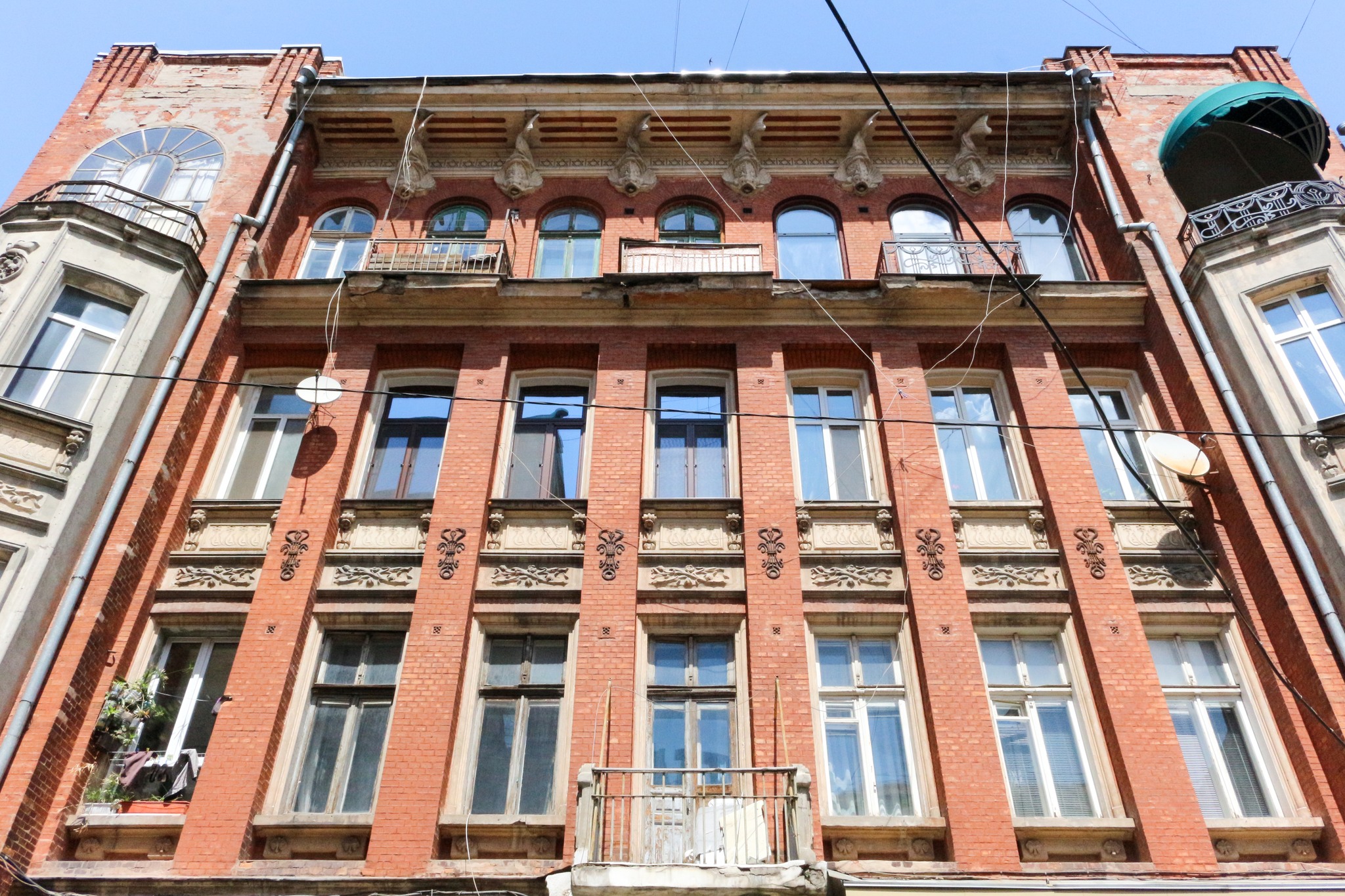
One of the most interesting Art Nouveau buildings in Kharkiv is the house with fish on 4 Grabovskoho Street, near the T. Shevchenko Theater. It is also called the second house with chimeras (the laurels of the first, of course, belong to the building on Chernyshevska Street, 79).
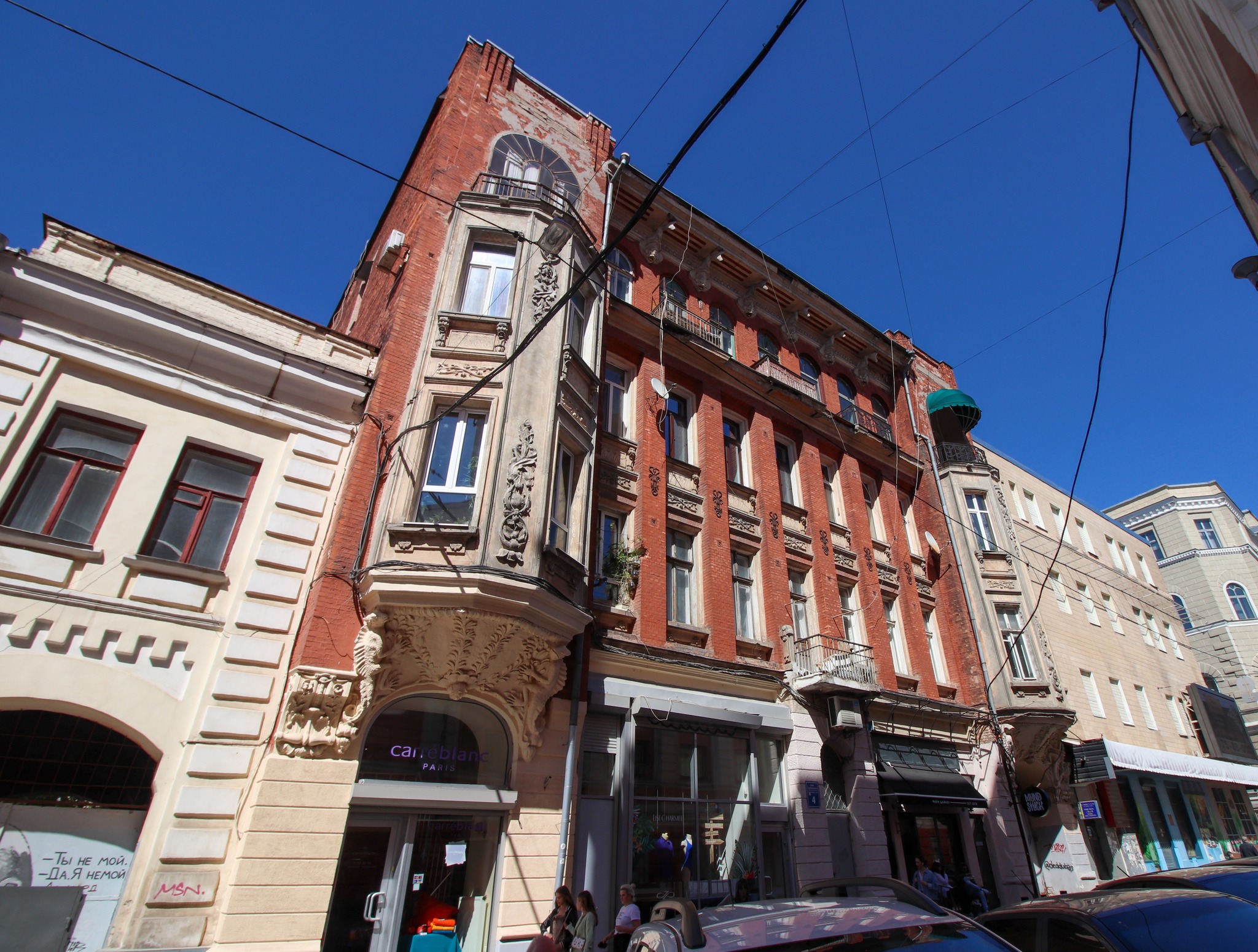
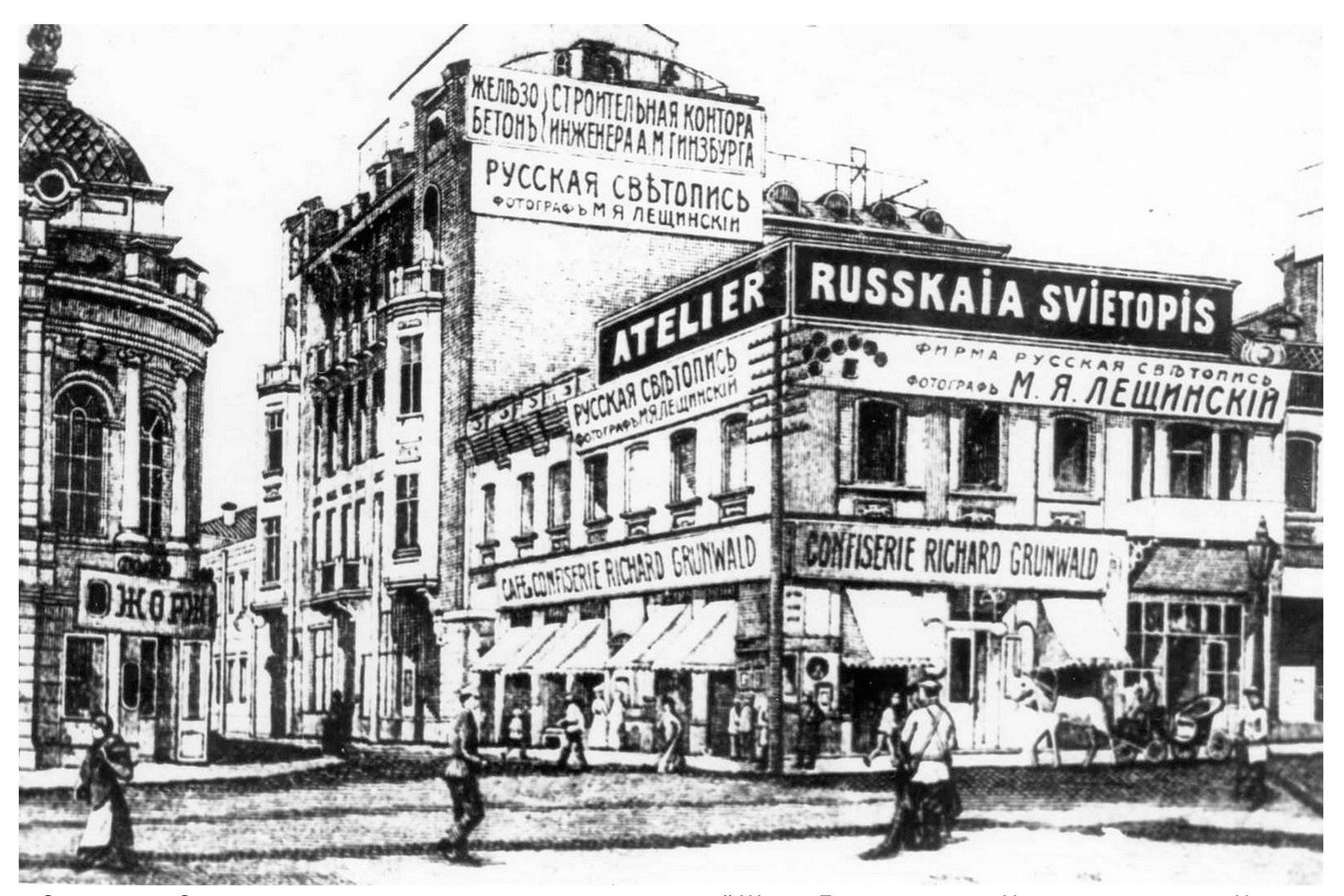
This apartment building was built on a plot of land purchased in 1901 by Dr. Mark Ginzburg. He came to Kharkiv with his family from Slovyansk. In the neighboring, corner house on Sumska Street, 11, Mark’s son, Oleksandr, soon opened the Zhelezobeton (“reinforced concrete”) construction firm. This new building material was just beginning to gain popularity in the world. The office sign can be seen in an old photo on the side facade of the “house with fish”, which is why some mistakenly believe that the Zhelezobeton office was located there.
The house with the fish itself was built by architect Oleksandr Ginzburg together with architect I. Zagoskin in 1905 as an apartment building.
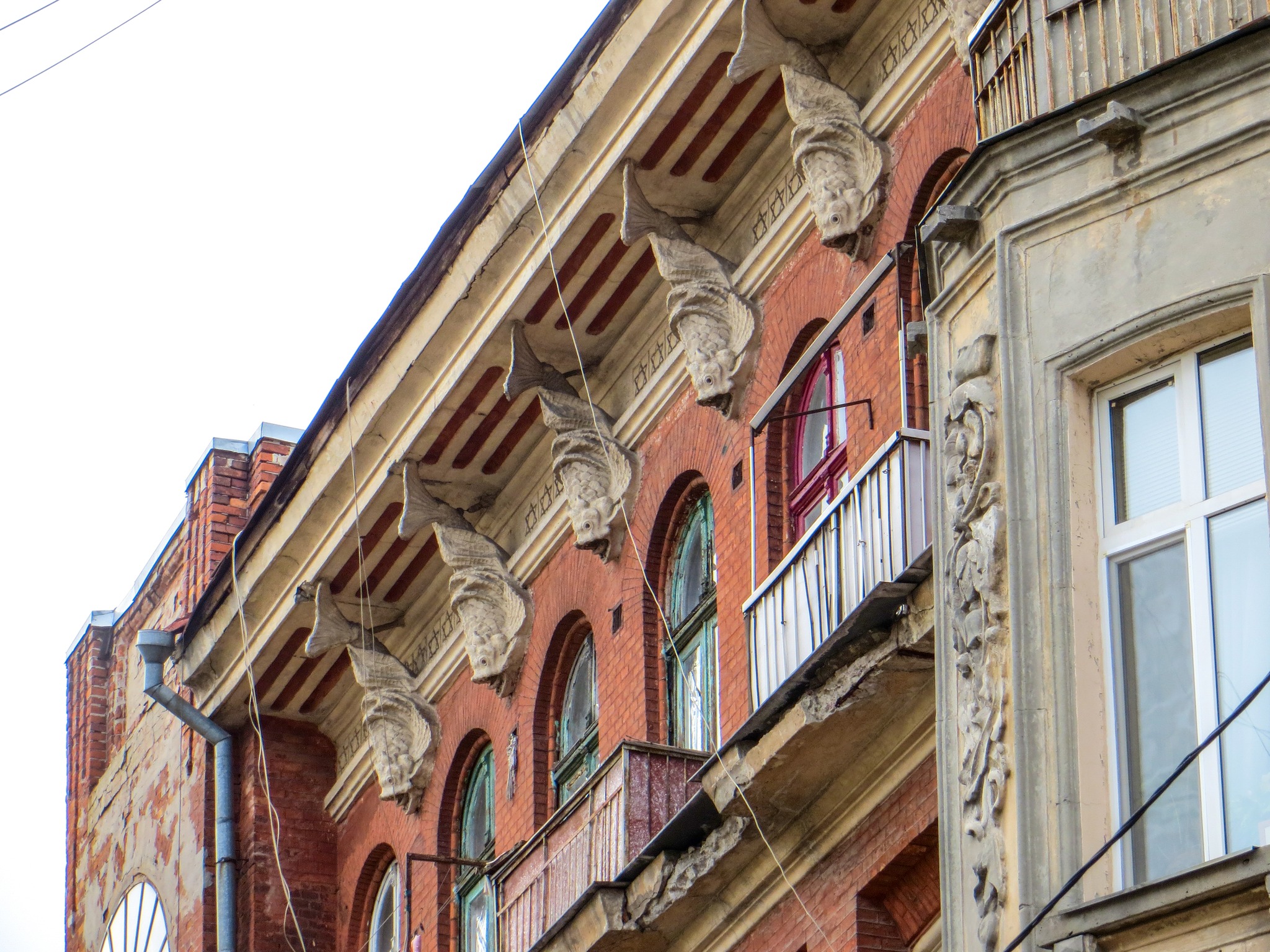
The facades of the building are decorated with many elements-sculptures on water and marine themes: fish, newts, algae.
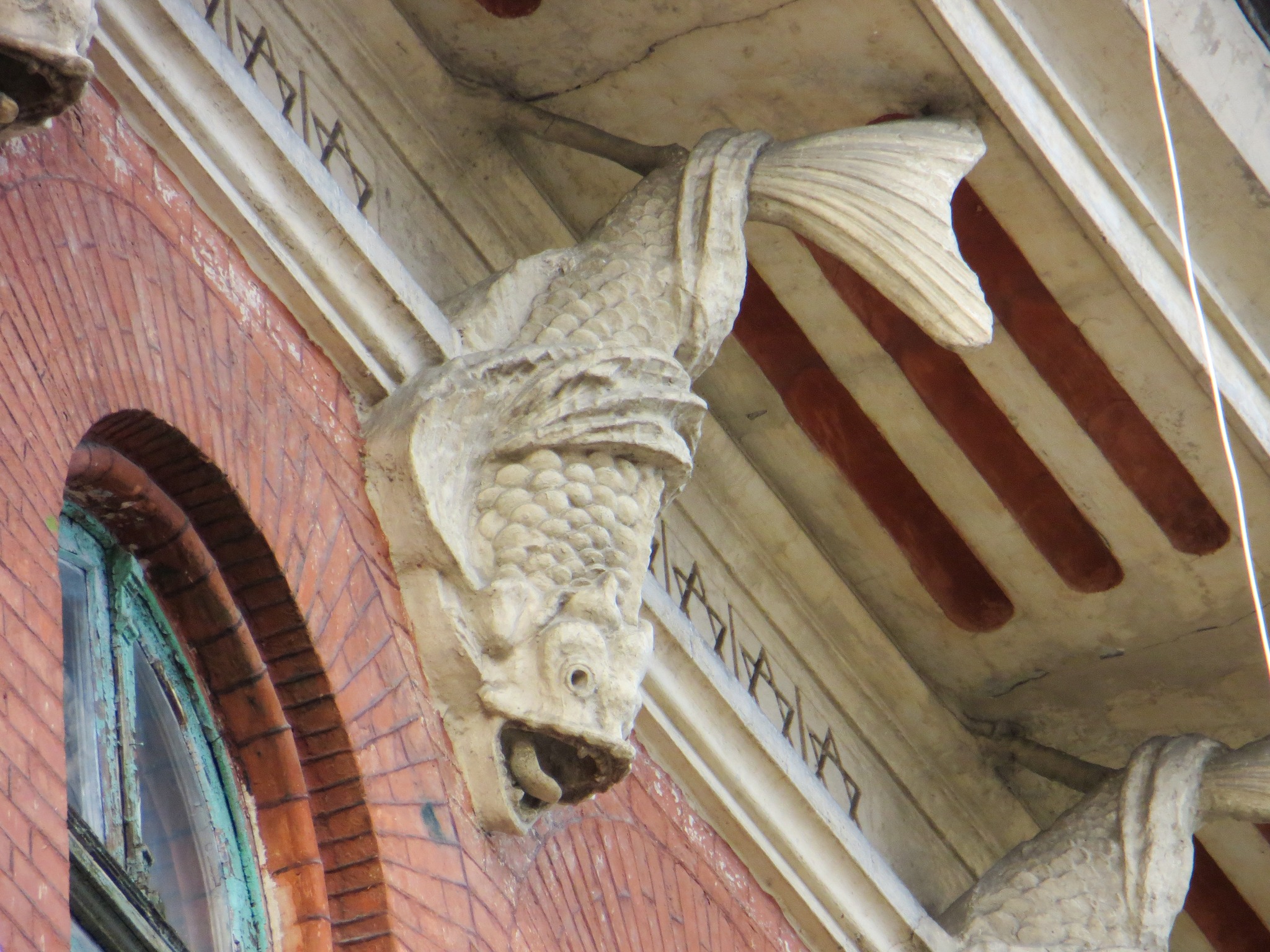
The choice of the “fish” theme for the design of the house is due to the fish shop on the first floor. In its basement there were swimming pools-cages with live fish.

In Soviet times, these pools were used to teach children to swim (the “Golden Fish” school).
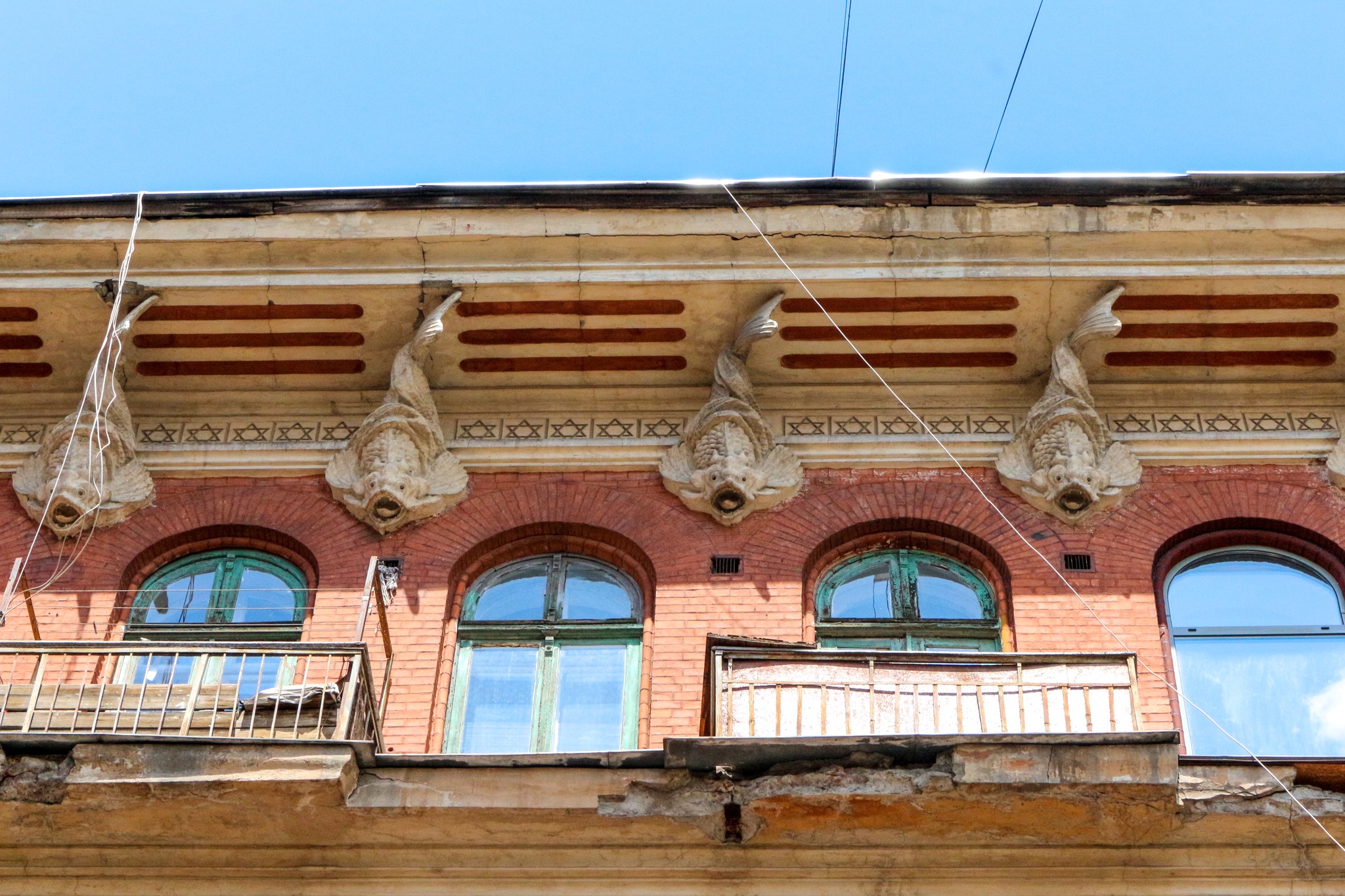
By the way, next to the fish you can see the Stars of David, a six-pointed hexagram symbol representing Jewish identity.
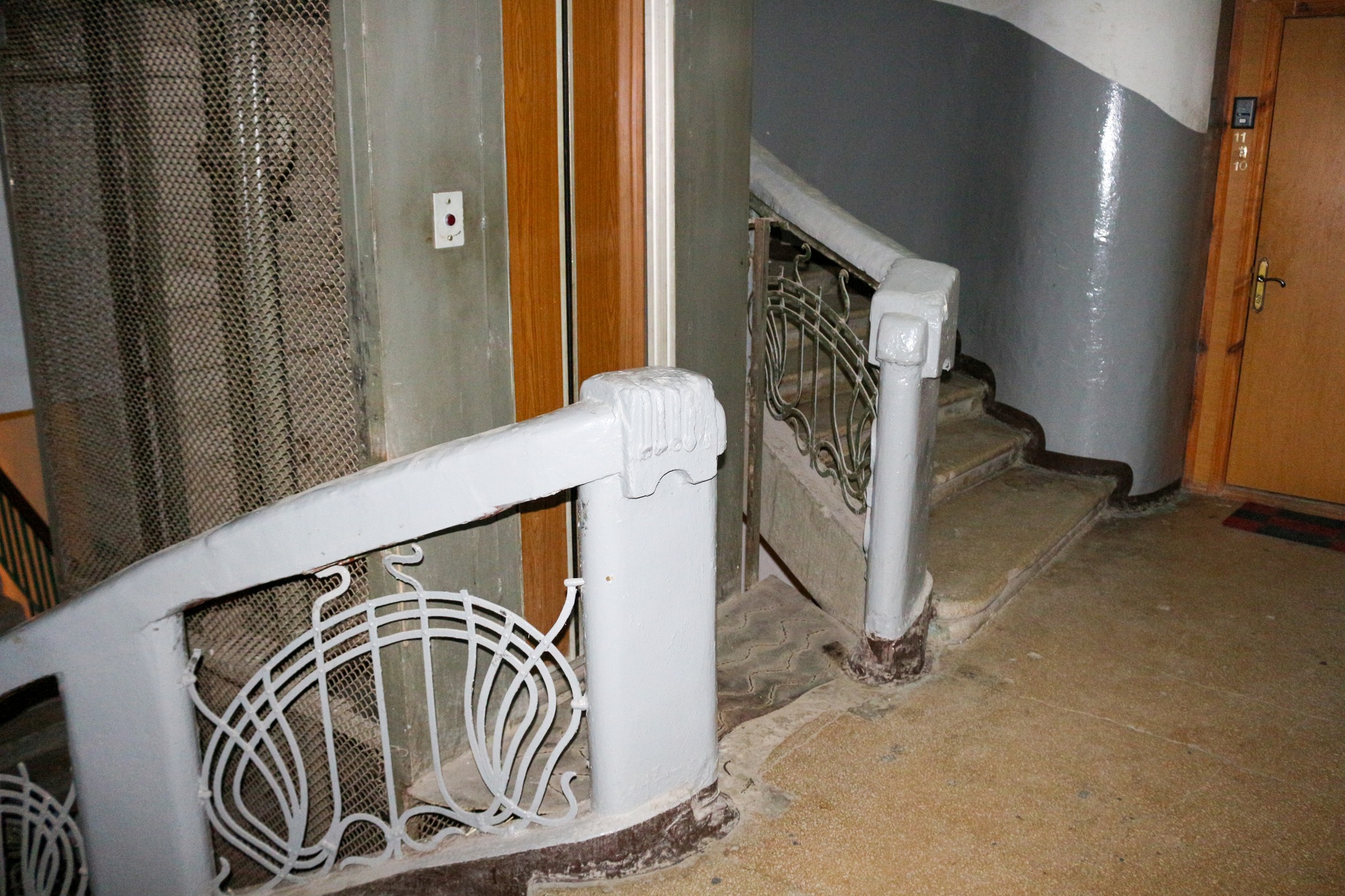
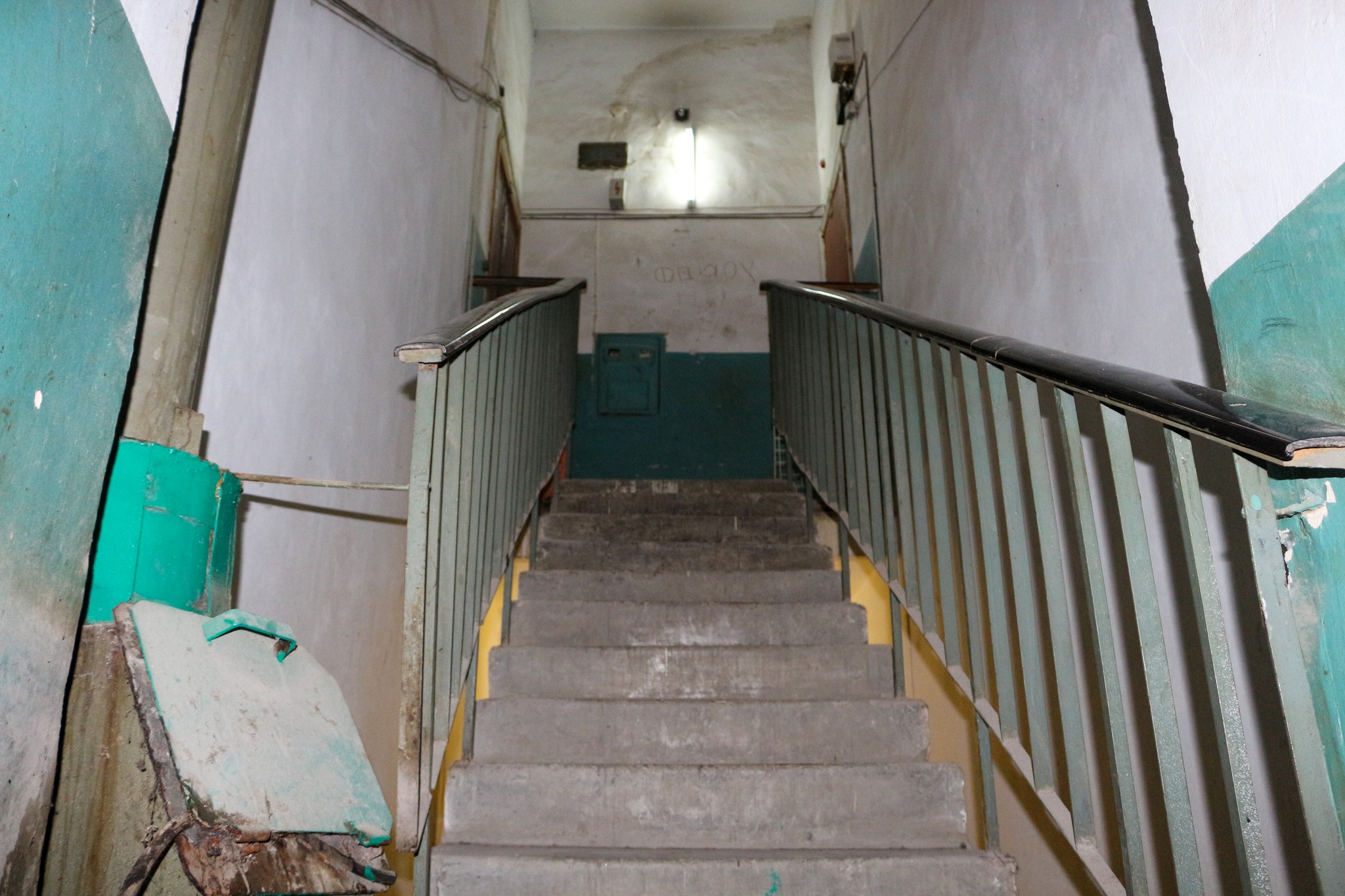
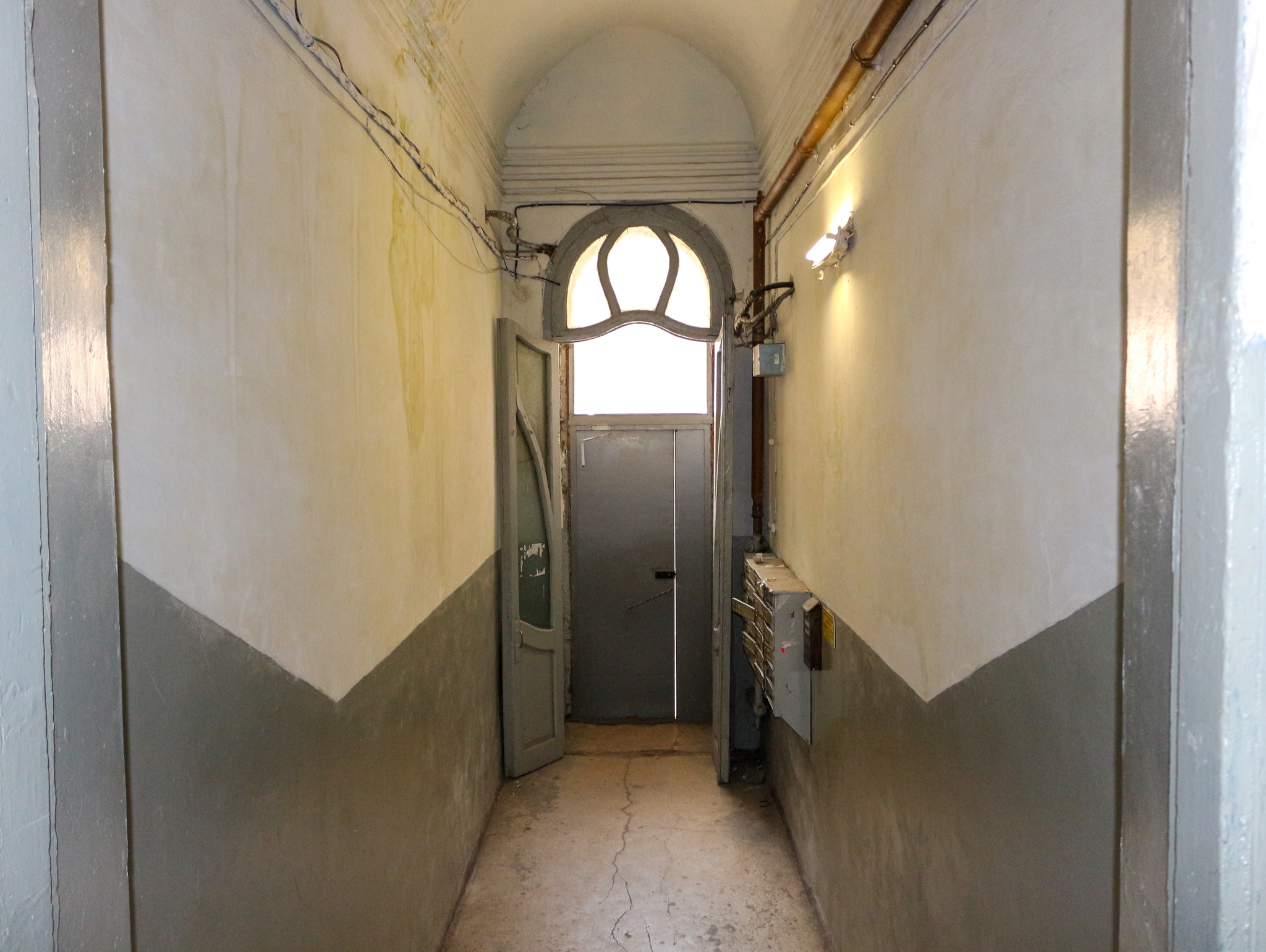
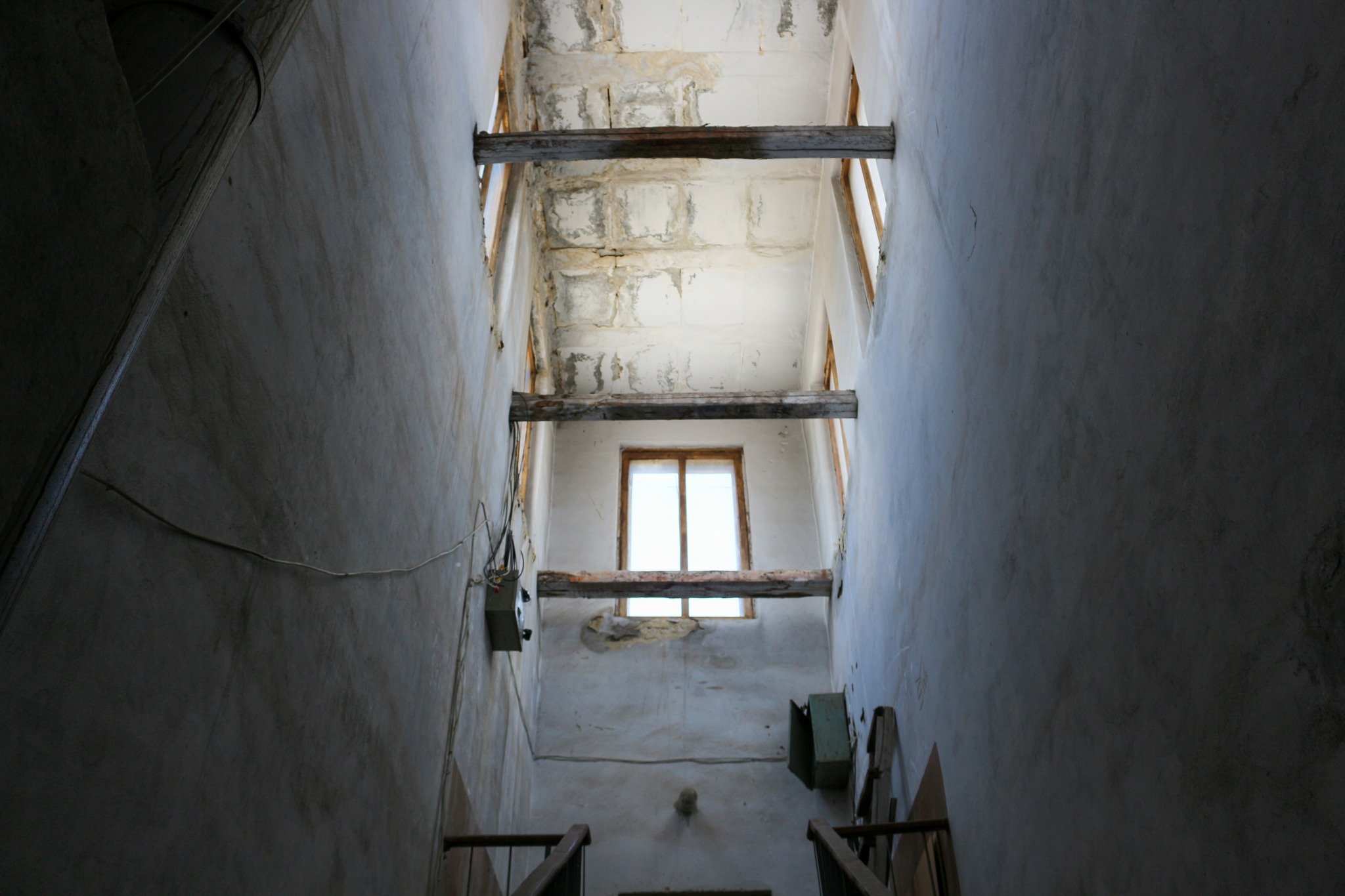
The staircase is especially worth noting.
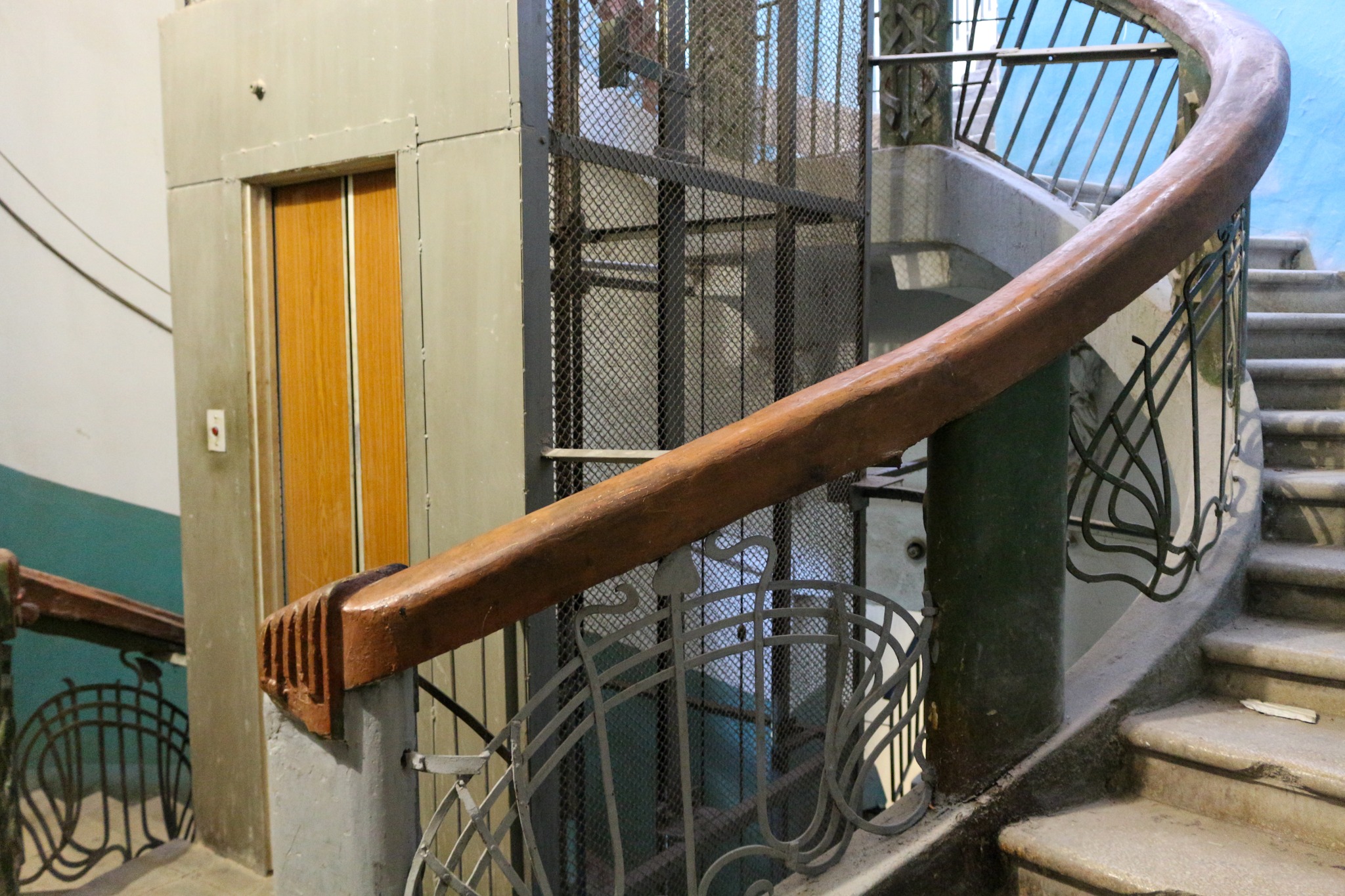
It conveys the spirit of Art Nouveau, probably even more strongly than the facade, primarily with its three-dimensional and spatial composition with a spiral staircase.
You can also see mascarons with female heads in it.
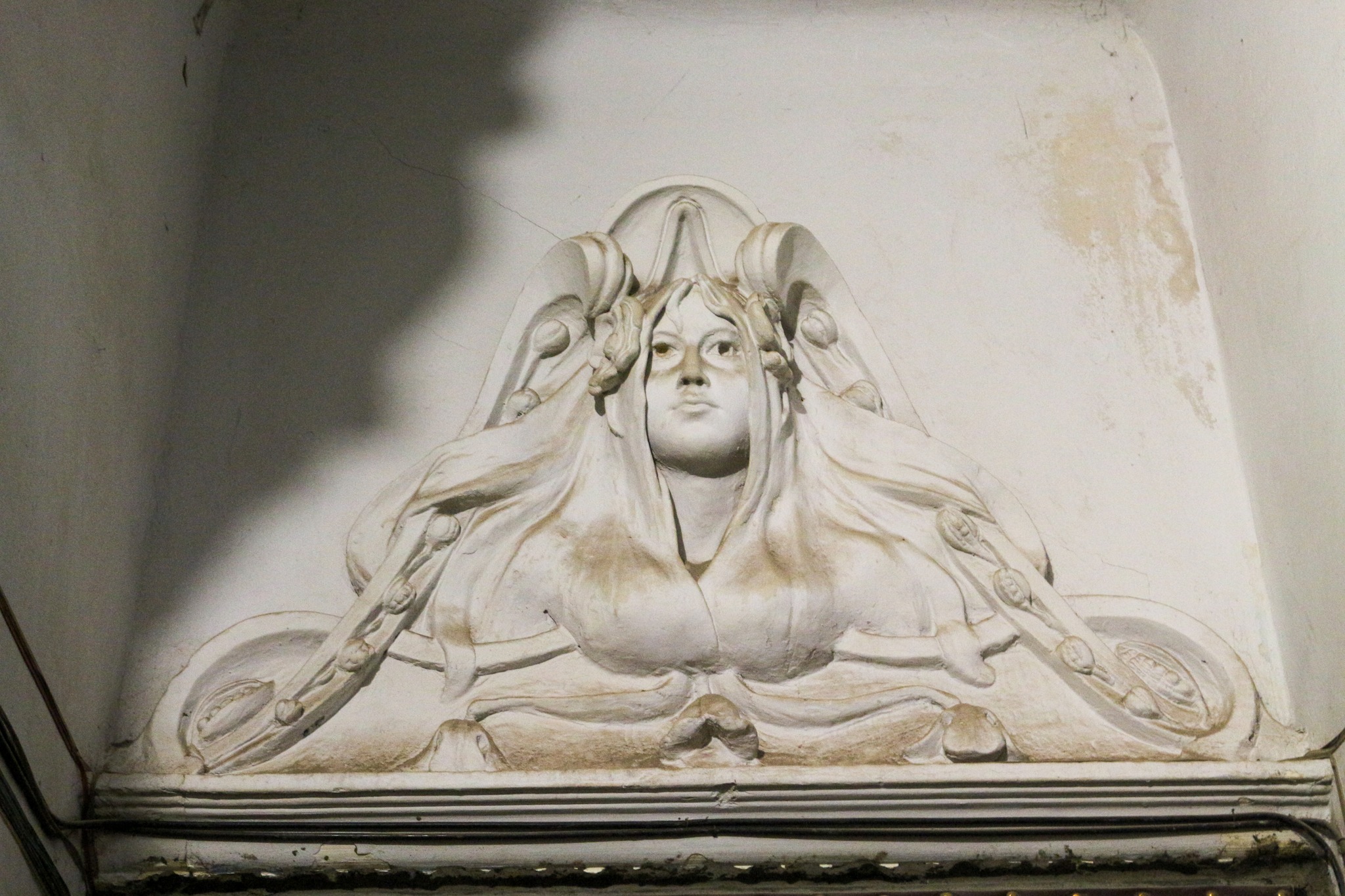
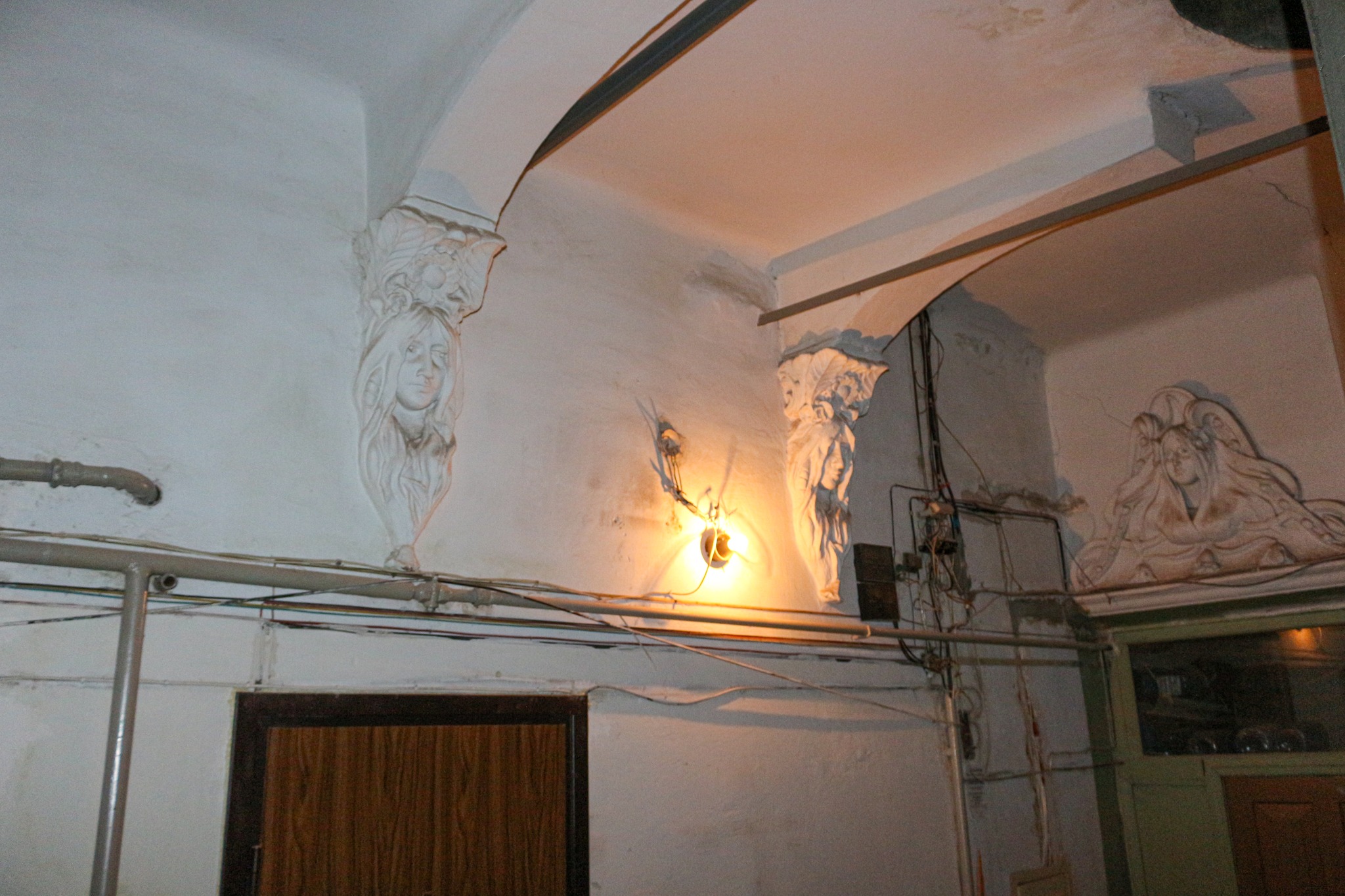
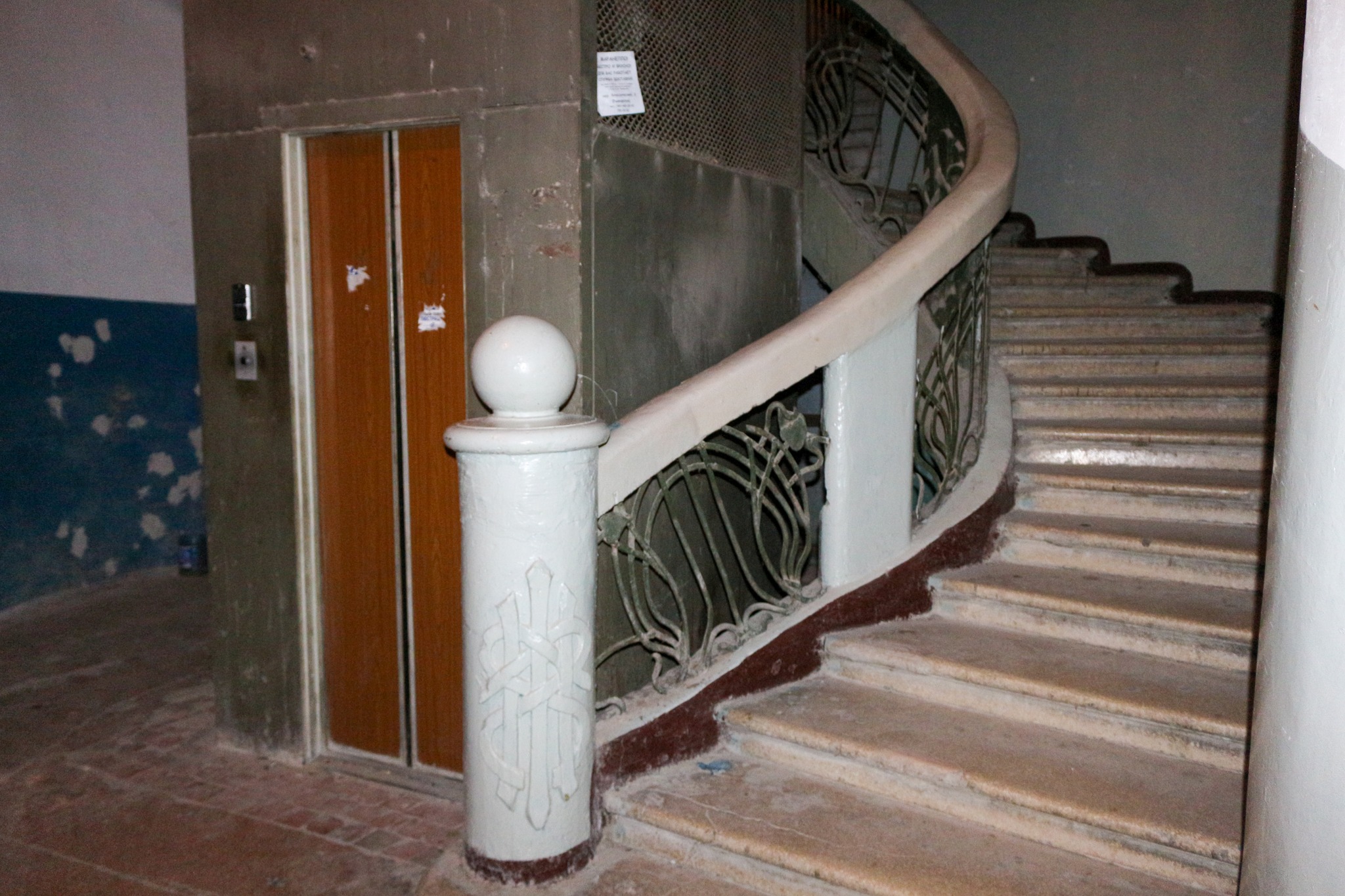
Separate staircases to the apartments depart from the central staircase.
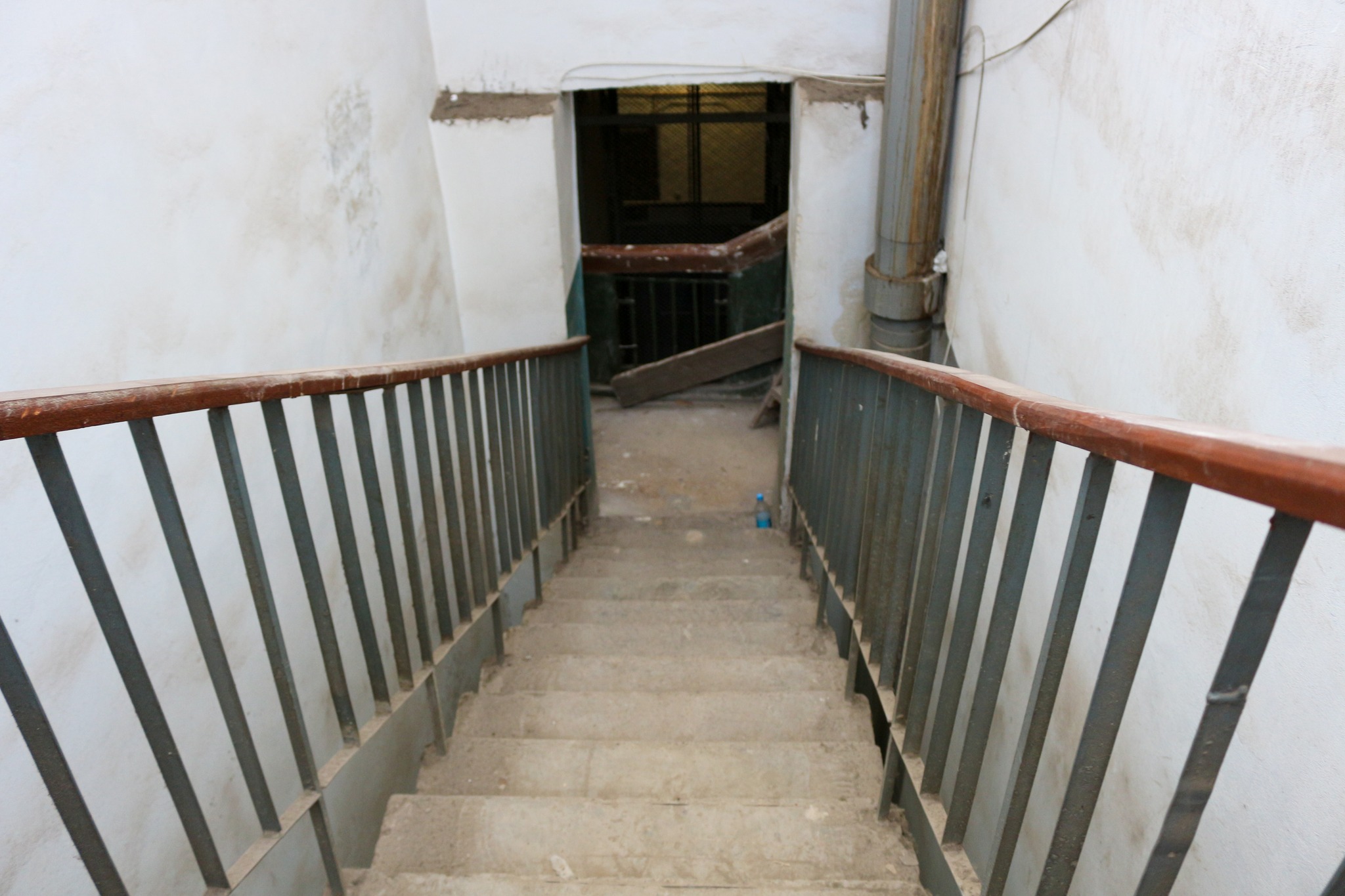
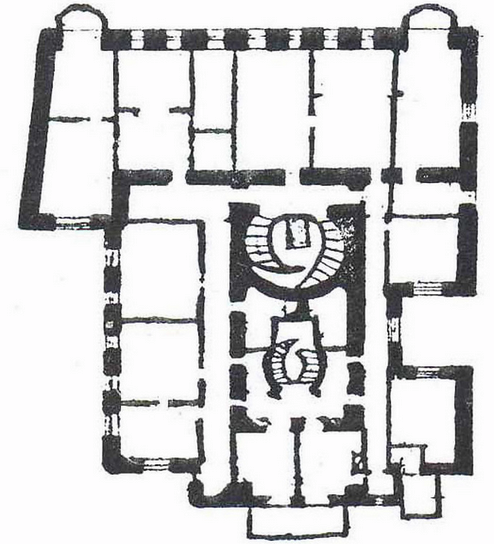
On the building plan, you can also see a spiral staircase of the back passage.
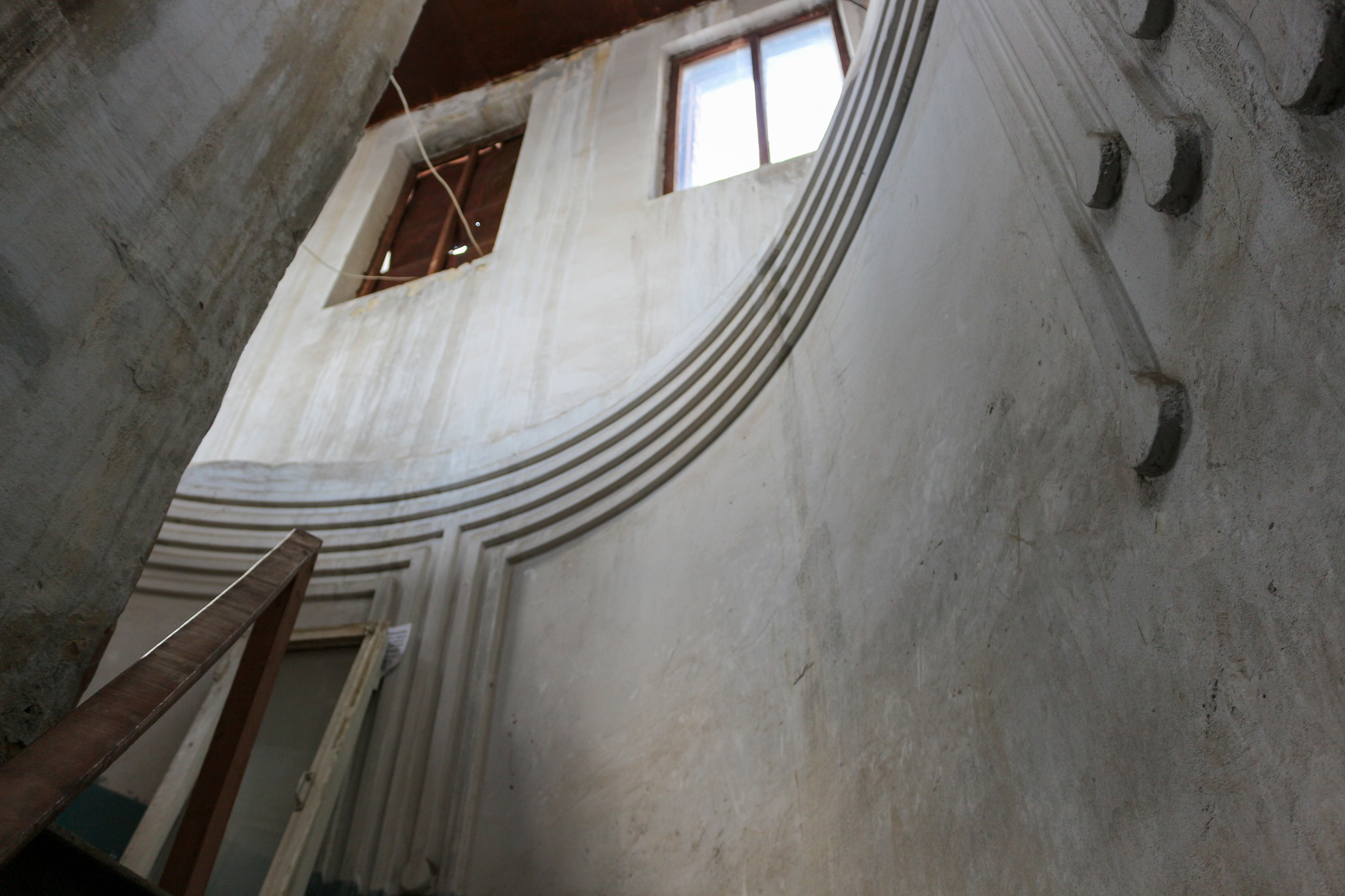
The skylights of the staircase are made somewhat unconventionally. Instead of the traditional transparent glass roof, the staircase acts as a “tower” above the roof. Along the top perimeter of this “tower” there is vertical glazing for lighting the entrance.

- Blackie’s House on Maksymilianivska St - 19.10.2026
- Danylevs’koho Street, 19 - 13.10.2026
- Debunking the myth about one of the most famous Kharkiv photos - 12.10.2026