Kharkiv is a city of contrasts.
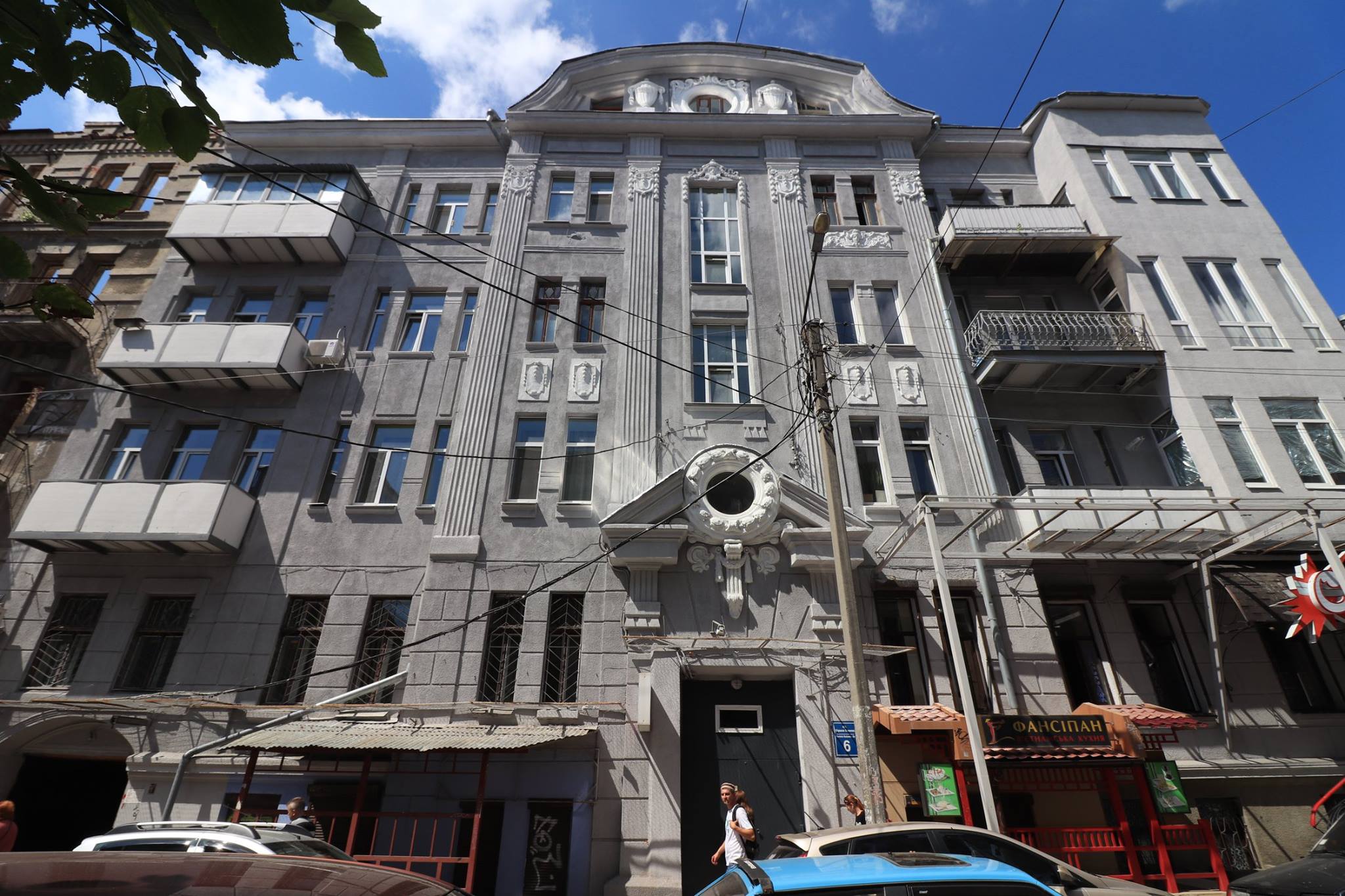
On Chornoglazivska Street (formerly Bazhanova Street), two Art Nouveau buildings stand side by side.
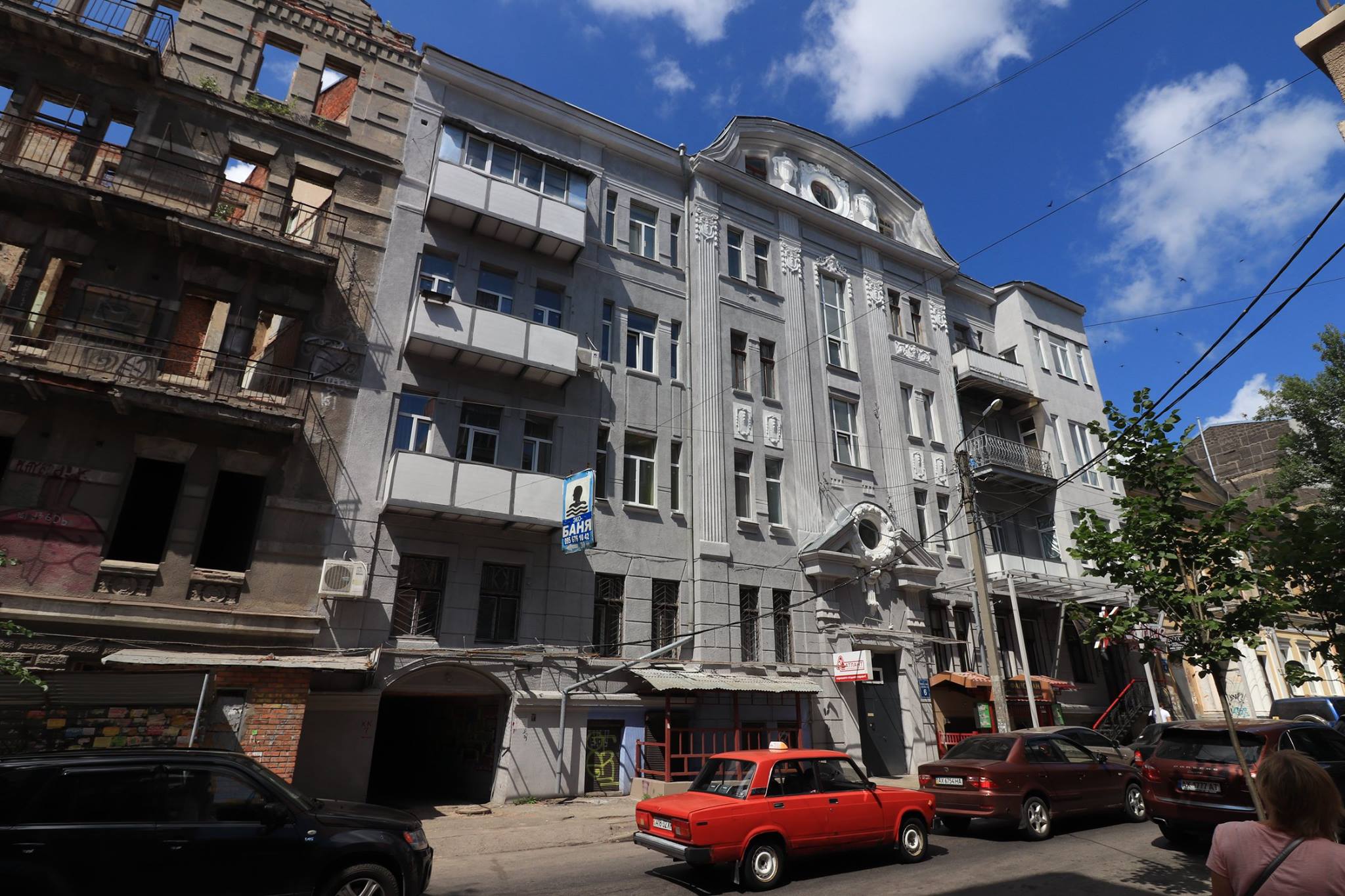
Oleksander Leibfreid, an architect and researcher of Kharkiv history, suggested that M. E. Roitenberg was the author of both.
However, according to recent research, Mikhail Roitenberg was merely an engineer who implemented Nikolai Kolodyazhny’s design in 1913, with whom the client had a disagreement.
The client who commissioned the construction of both apartment buildings was Lazar Rosenfeld, a Master of Pharmacy who had made his fortune in the pharmacy business in the 1900s (he rented a pharmacy on the corner of Veterinarnaia and Eparkhialnaia Streets).
Lazar Rosenfeld also worked at the Department of Physiological Chemistry at Kharkiv University from the 1900s onward; he was an associate professor at the Kharkiv Medical Institute, and from 1927 served as a professor in the Department of Biochemistry at the Odesa Medical Institute, where he worked until 1948.
Researchers claim that Rosenfeld sold the property as early as the 1910s but continued to live in one of the houses as a tenant (although Rosenfeld’s relatives say that he himself handed the house over to the Soviet authorities). M.E. Roitenberg mentioned above also lived in the house.
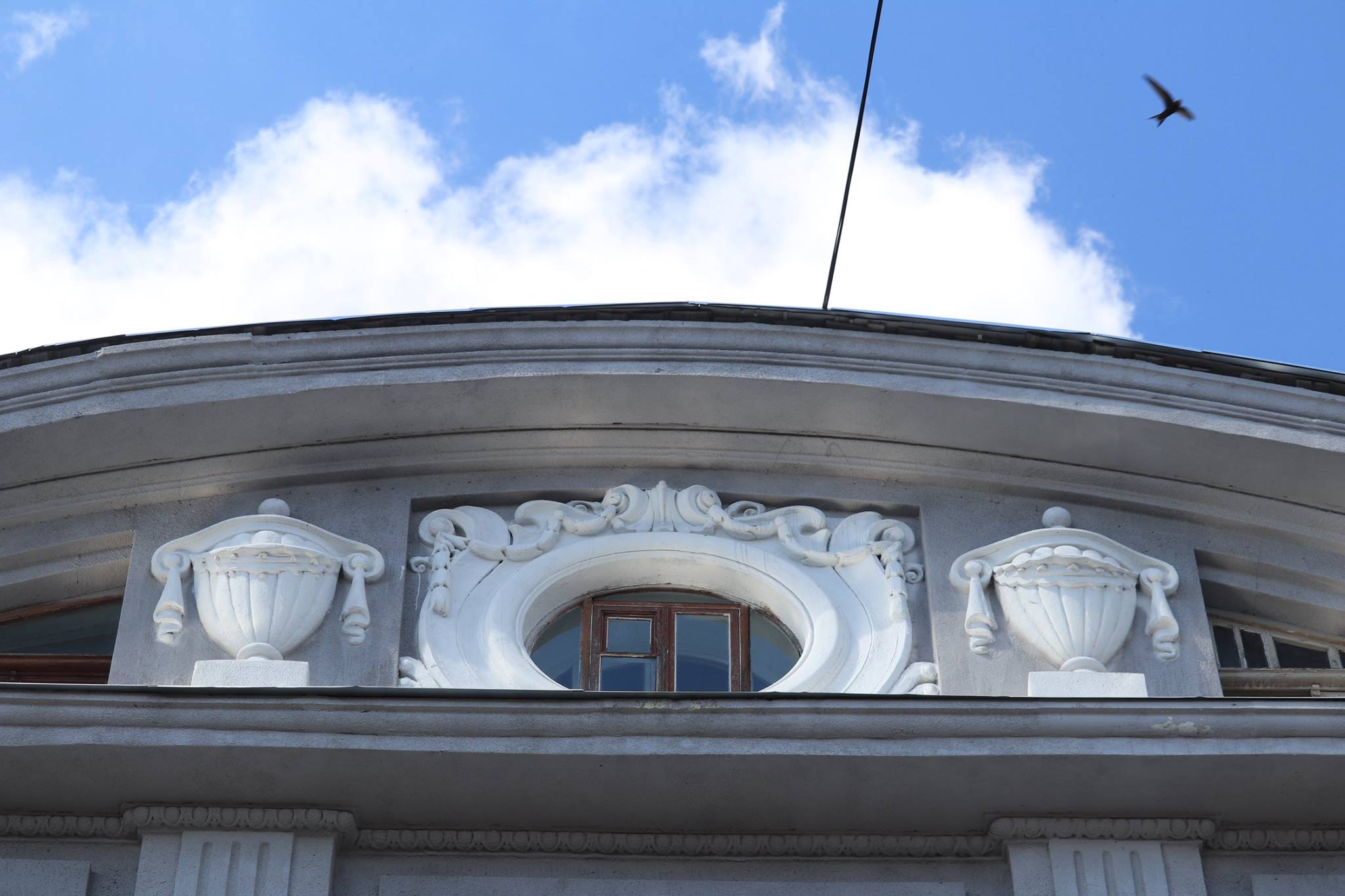
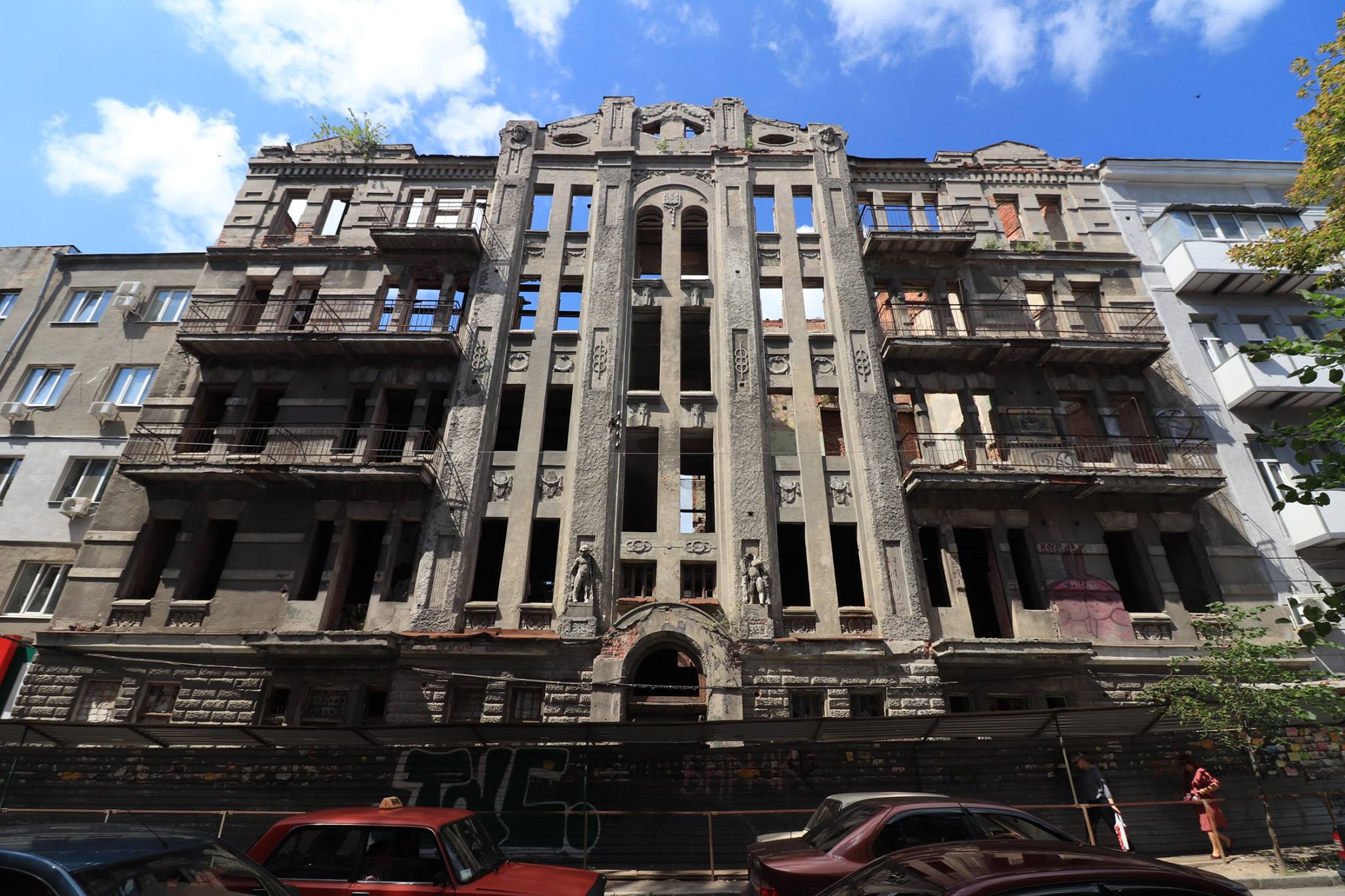
However, while the building at Chornoglazivska Street, 6 underwent facade renovations in 2010s, building No. 8 was vacated back in the 1980s and has stood empty ever since.

Over time, its roof collapsed, and the sky was visible through the empty sockets of its windows.
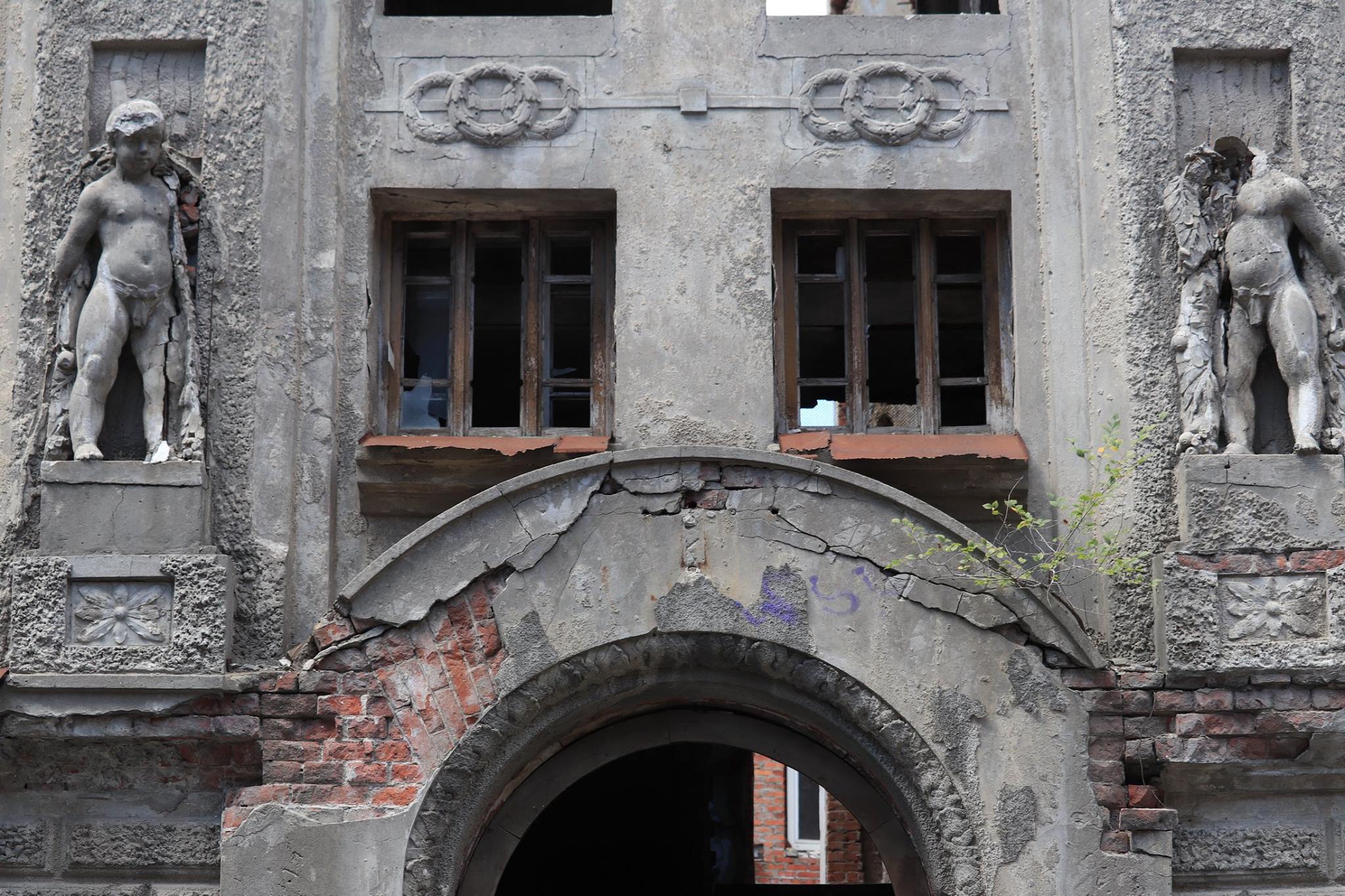
In the late 1990s and early 2000s, attempts were made to renovate the building—a new metal frame was erected behind the facade—but the project was eventually abandoned.
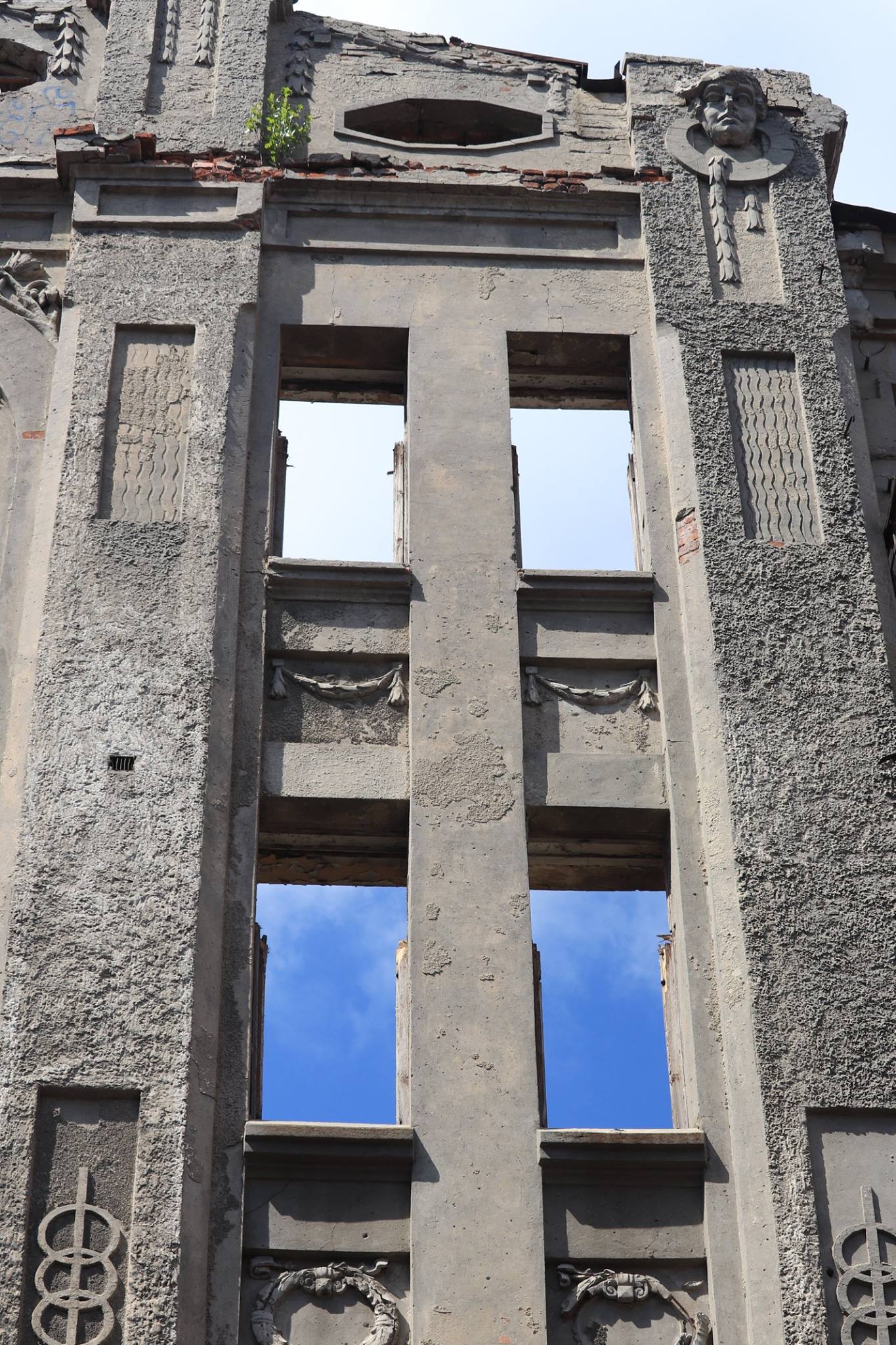
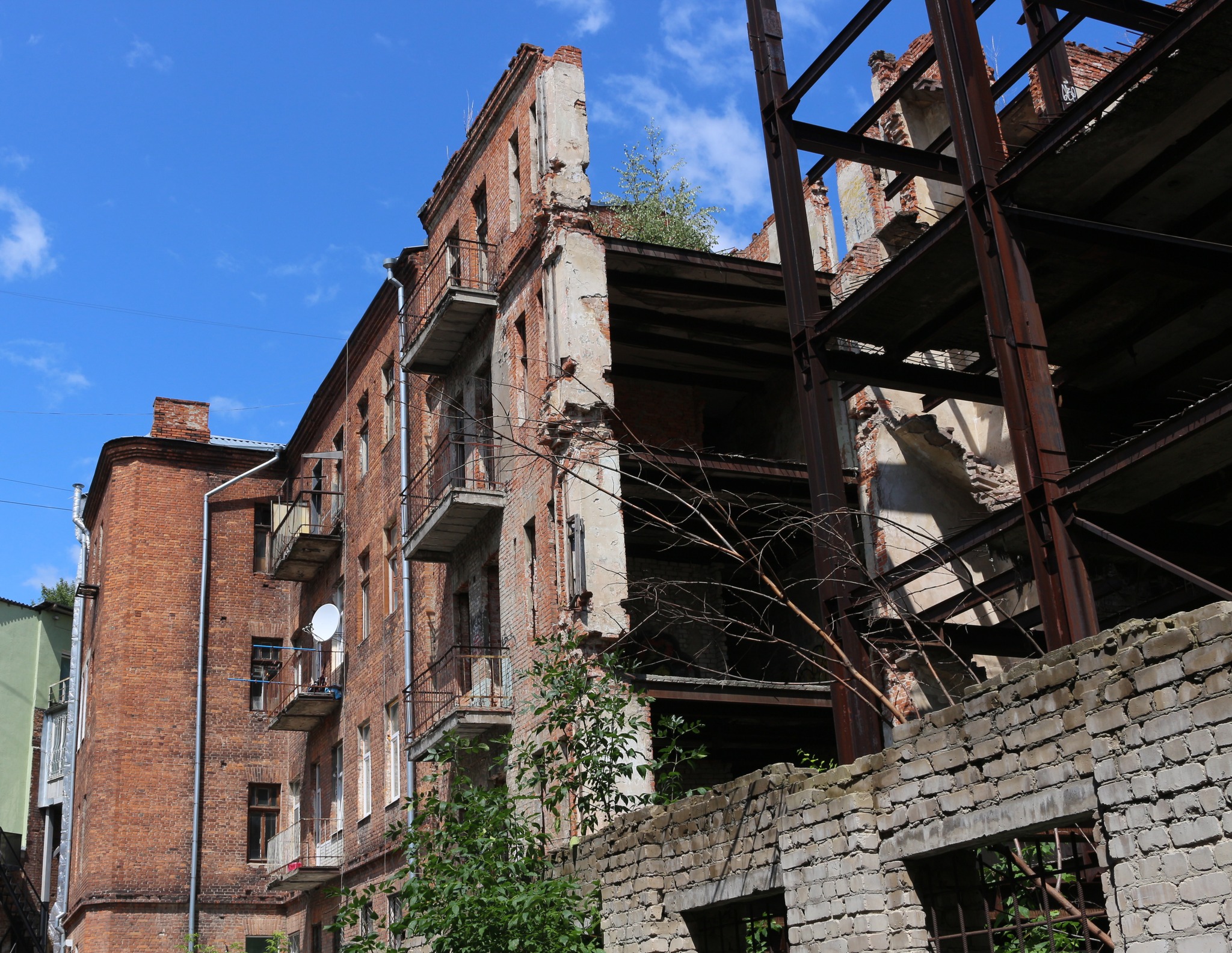
The bank “Kyiv,” which ceased operations in 2015, was previously listed as the property’s balance sheet holder.

In the fall of 2013, officials in Kharkiv were planning to decide on the demolition of the building following a series of expert assessments, but demolition work never actually began.
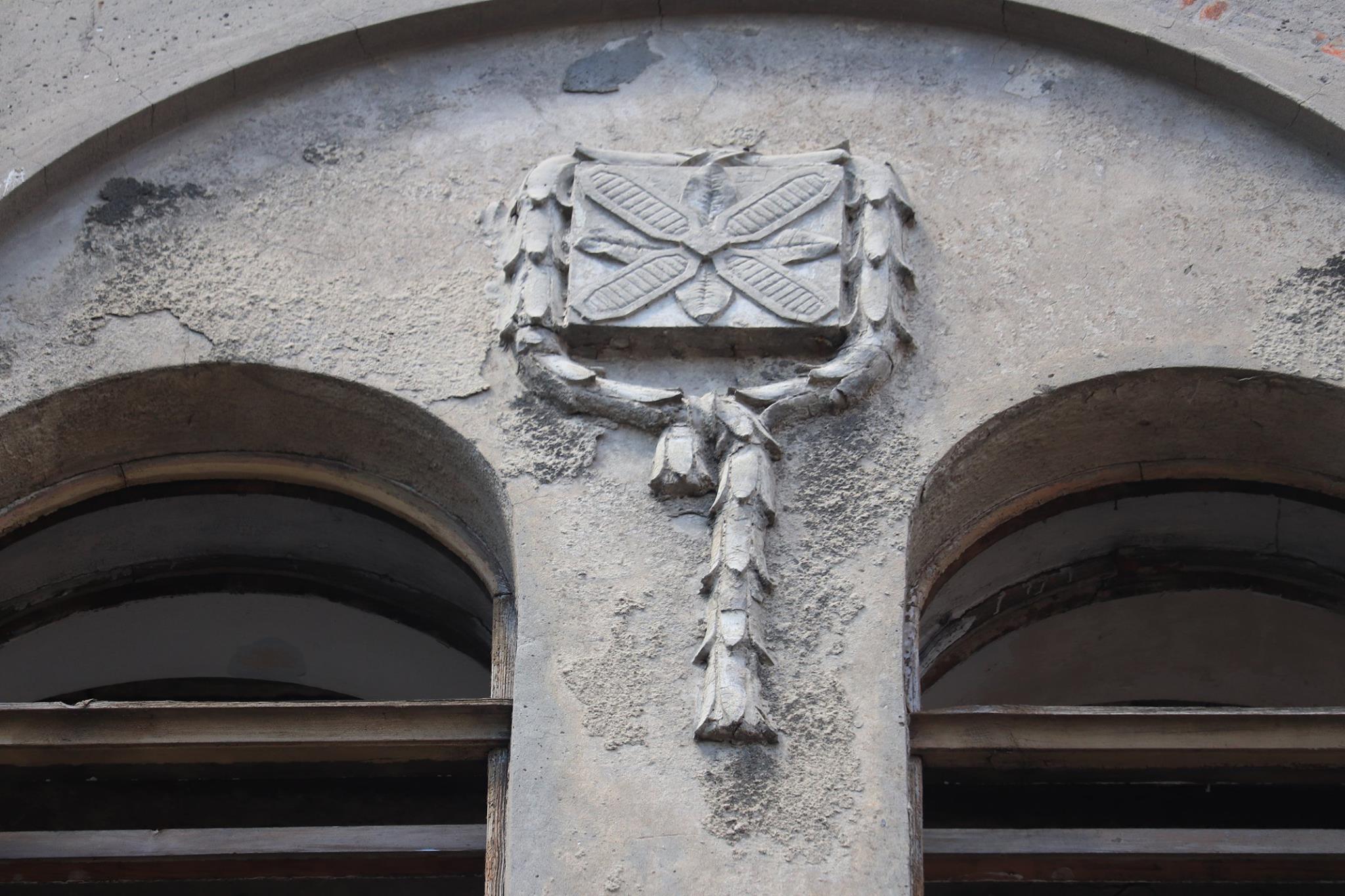
Fortunately, they never began. In the late 2010s, the building got a new owner, and in 2019, Alter Development began renovation work on it.
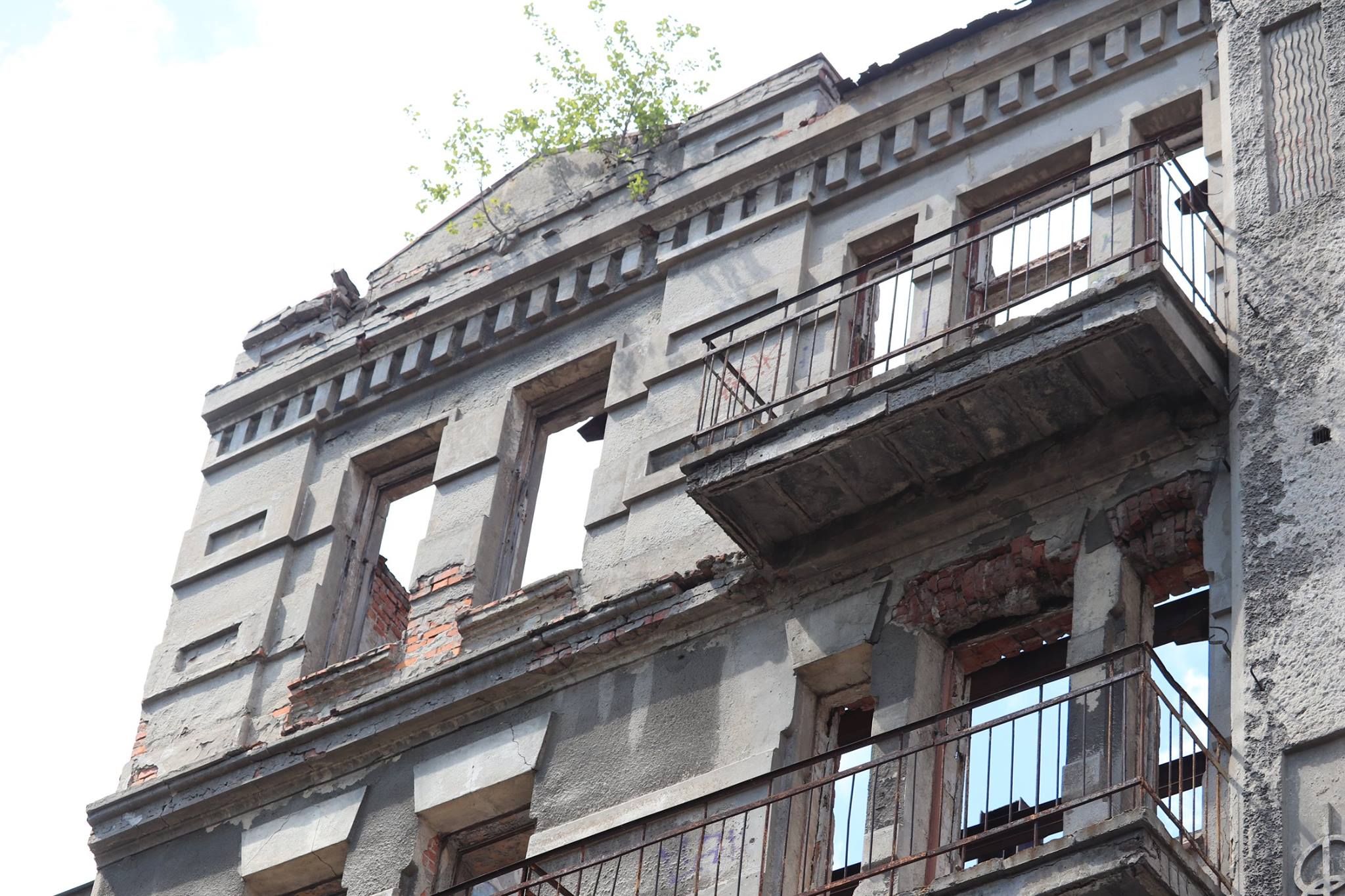
Let’s take a closer look at some of the details of this renovation, as it is quite unique in terms of the preservation of the building’s surviving historical features.
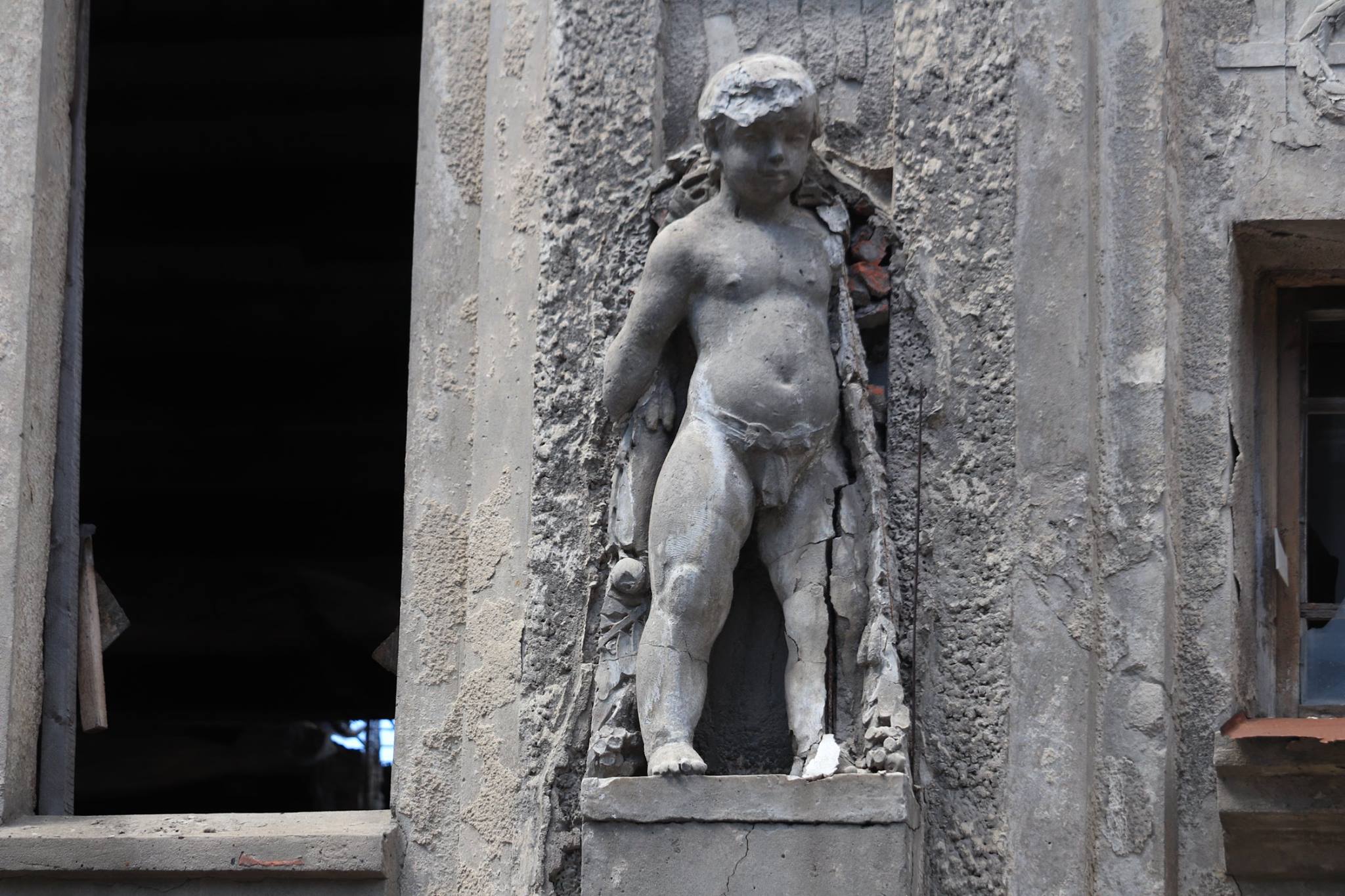
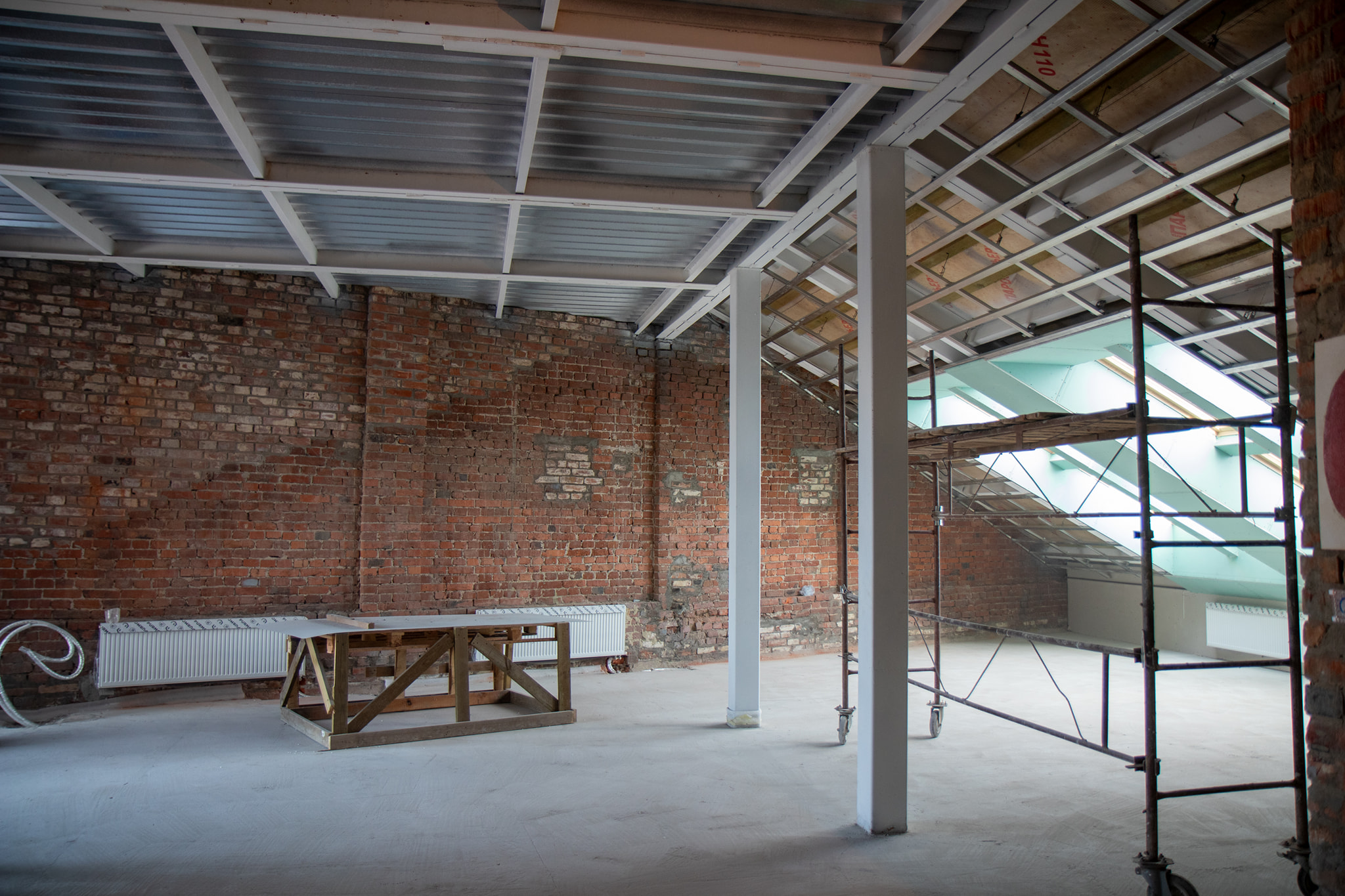
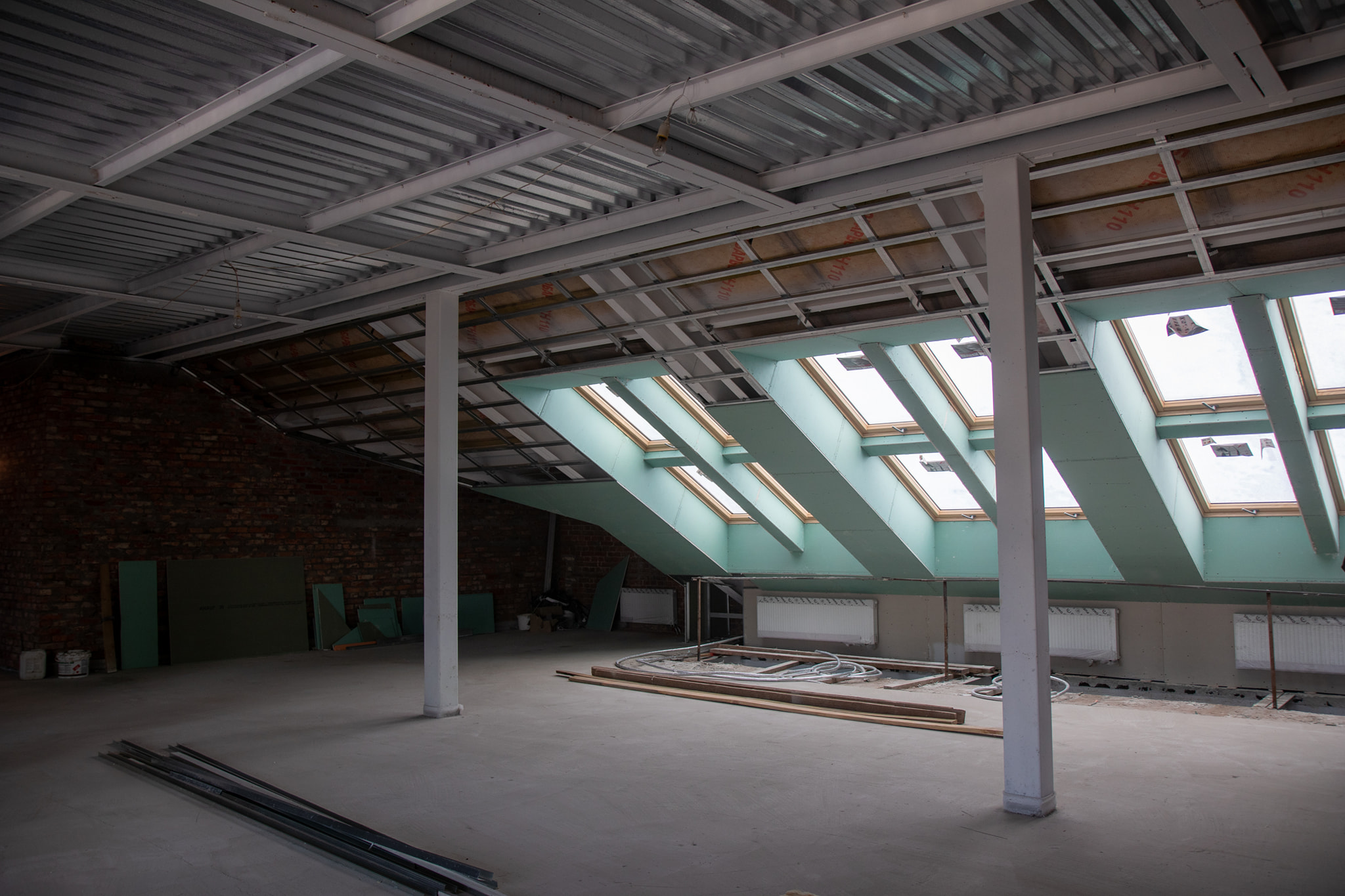
The building’s original height and number of stories remain unchanged, but the attic floor will now be actively utilized. The rear section of the attic floor has been flattened. In the photo below, you can see the outline of the old wall and part of the new wall, which was built using the same historic pre-WWI bricks that were extensively used in the building’s renovation. An open-air relaxation area is planned for the roof itself.
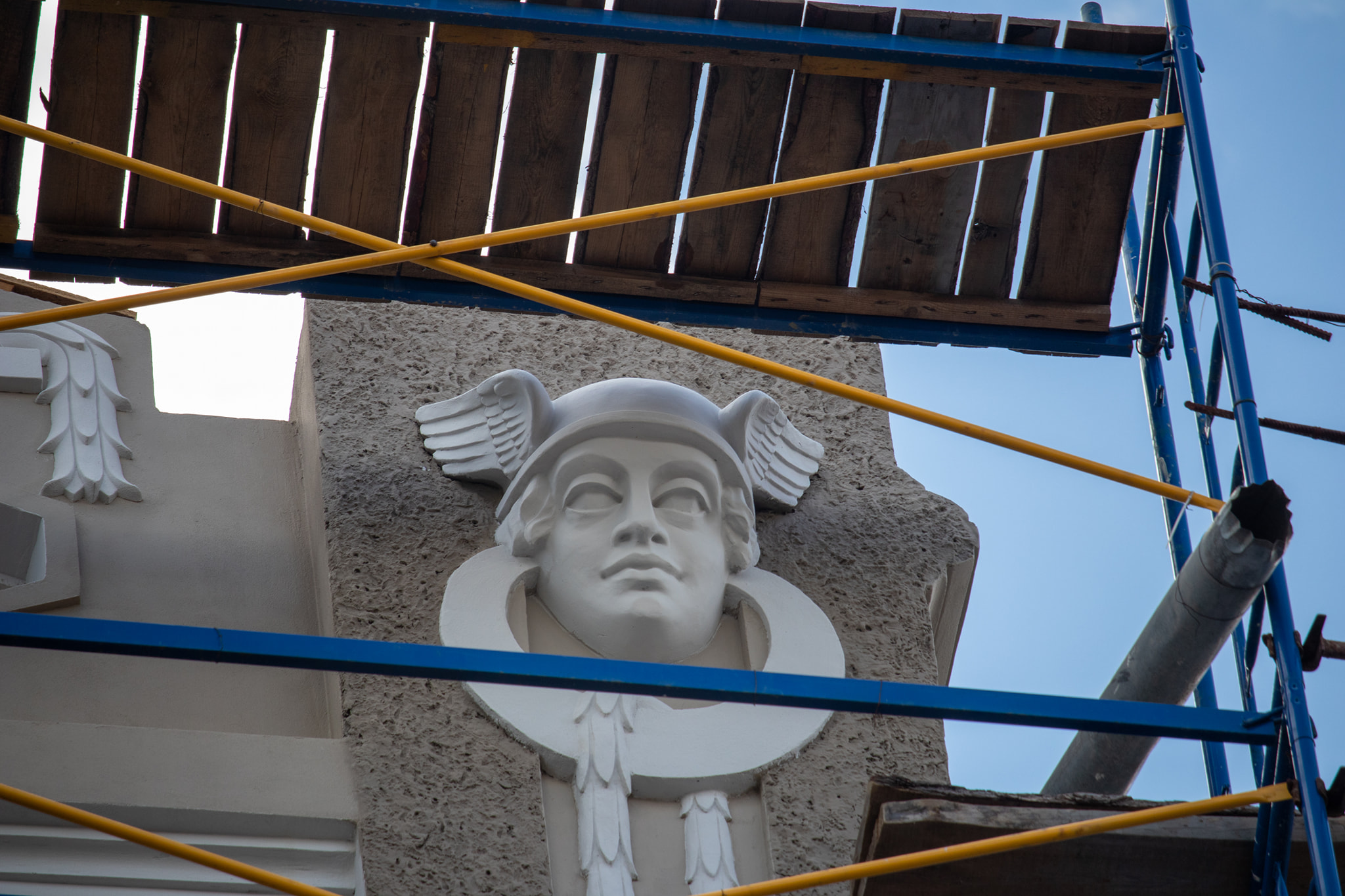
The building’s sculptures, bas-reliefs, and mascaron were restored by the renowned Kharkiv sculptor Oleksander Ridnyi.
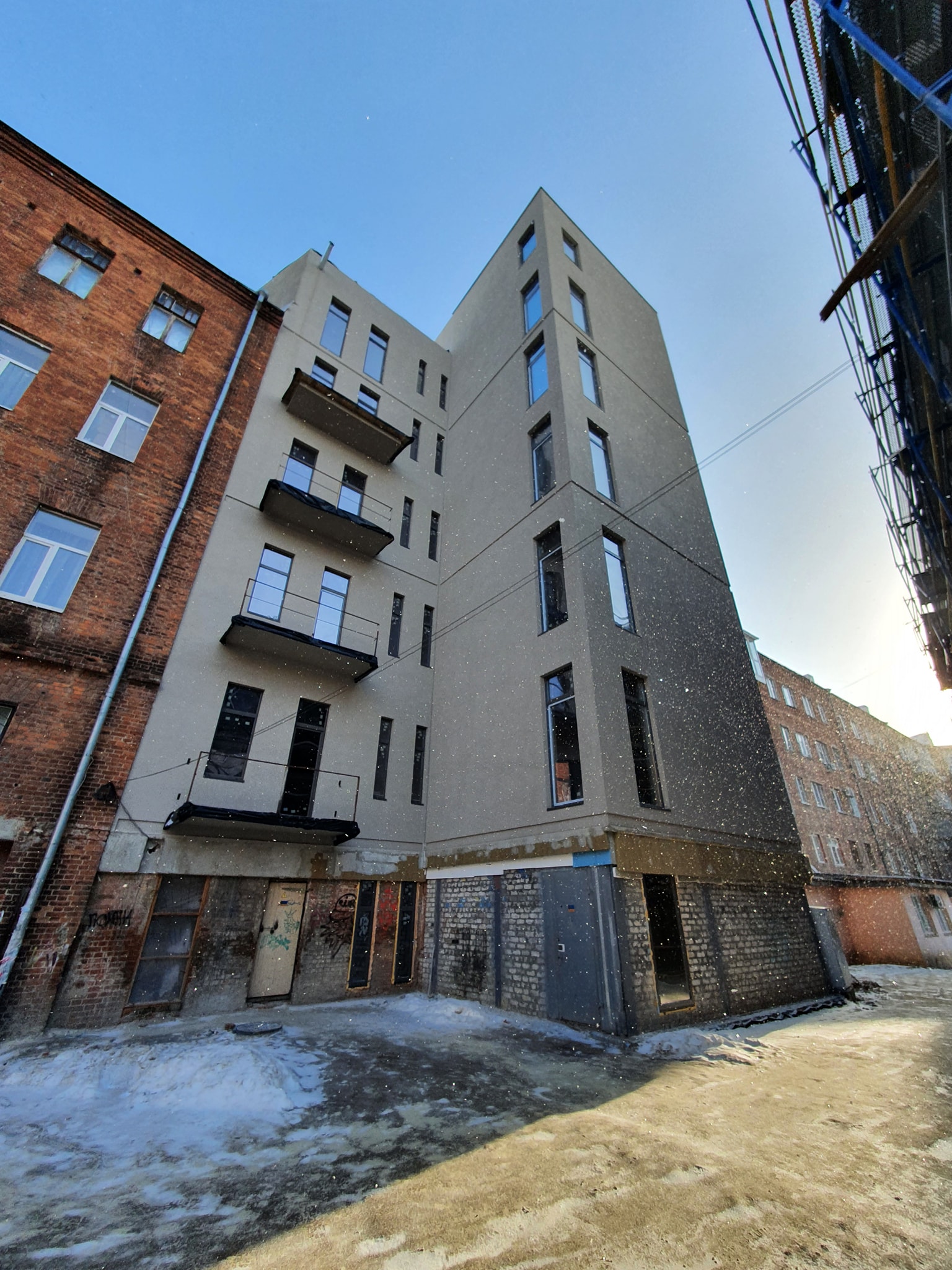
The rear of the building. After renovation, the building will be converted into office space.
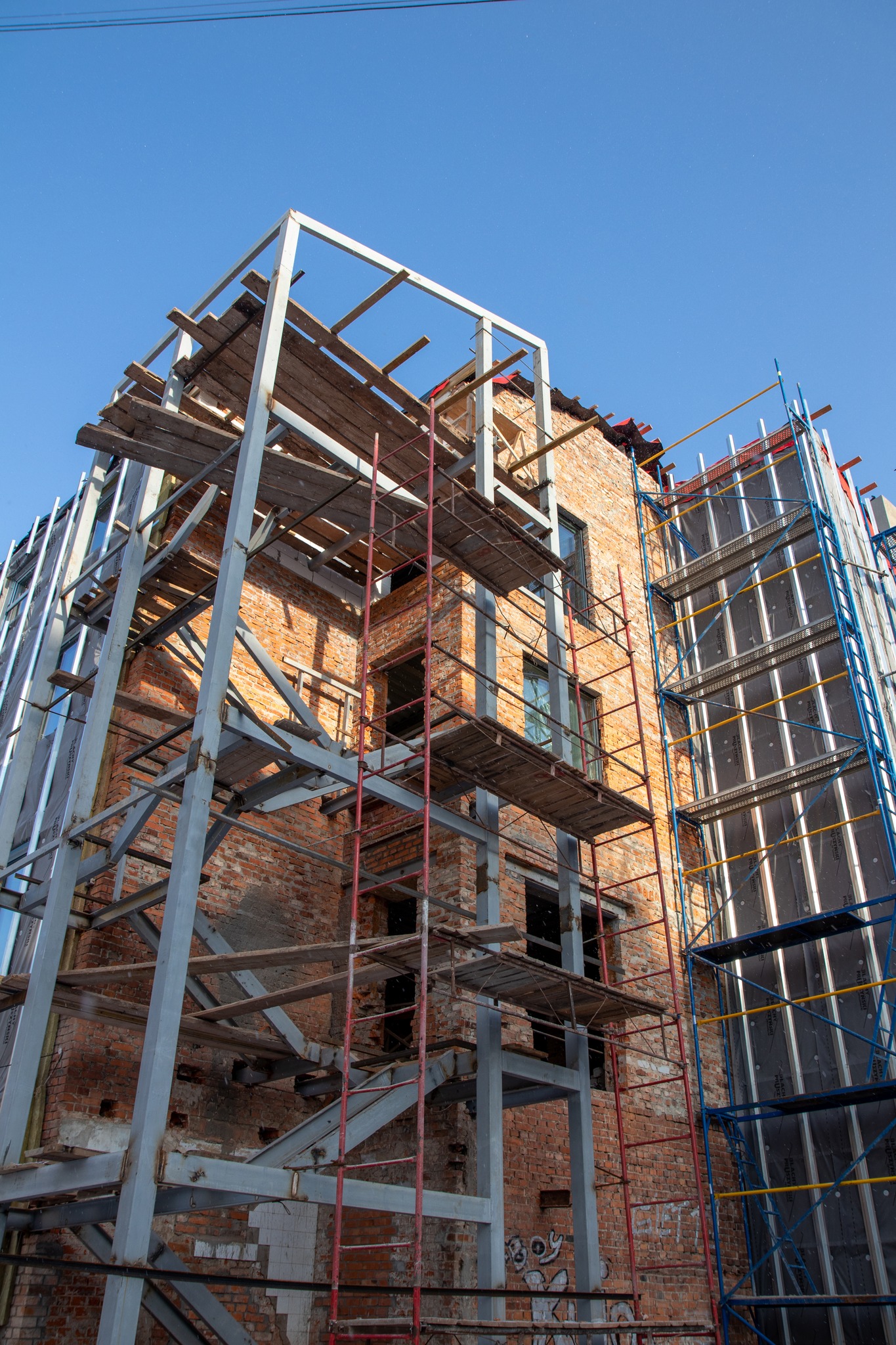
The four-story building in the courtyard, which was once used for administrative purposes and was part of the Rosenfeld complex, will be converted into office space. It was originally a two-story building but was expanded several times throughout the 20th century
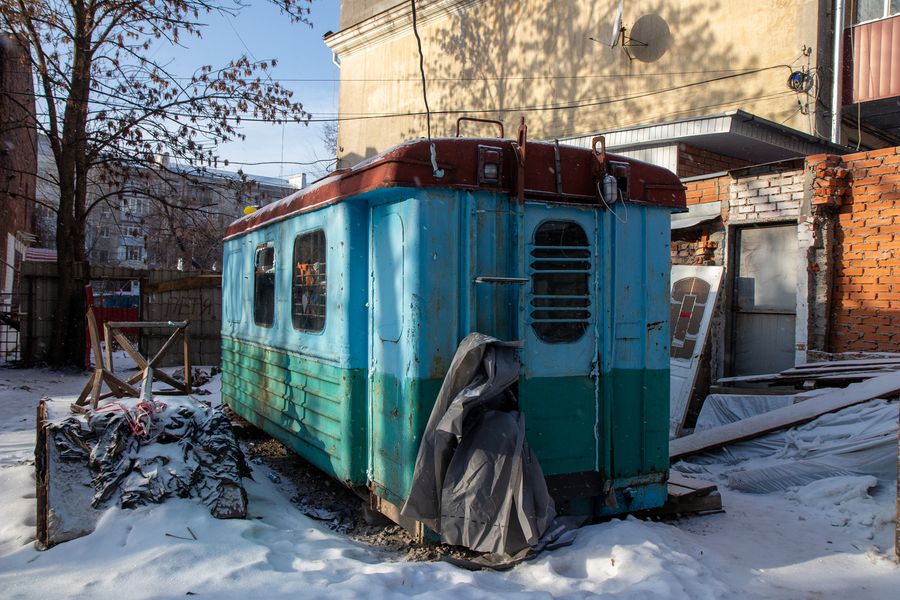
A railway artifact was found in the courtyard of the building—a PV40 narrow-gauge railcar (48-051), manufactured by the Demikhovsky Plant from 1955 until the late 1980s (over 7,000 units were produced). Such cars often ended their service on children’s railways and were later repurposed as construction site cabins. However, the car in the photo is not from the Kharkiv Children’s Railway; it may have been used on a narrow-gauge line at an industrial facility.
The developer preserved the original Metlakh tiles on the ground floor, as well as the surviving granite stair treads.
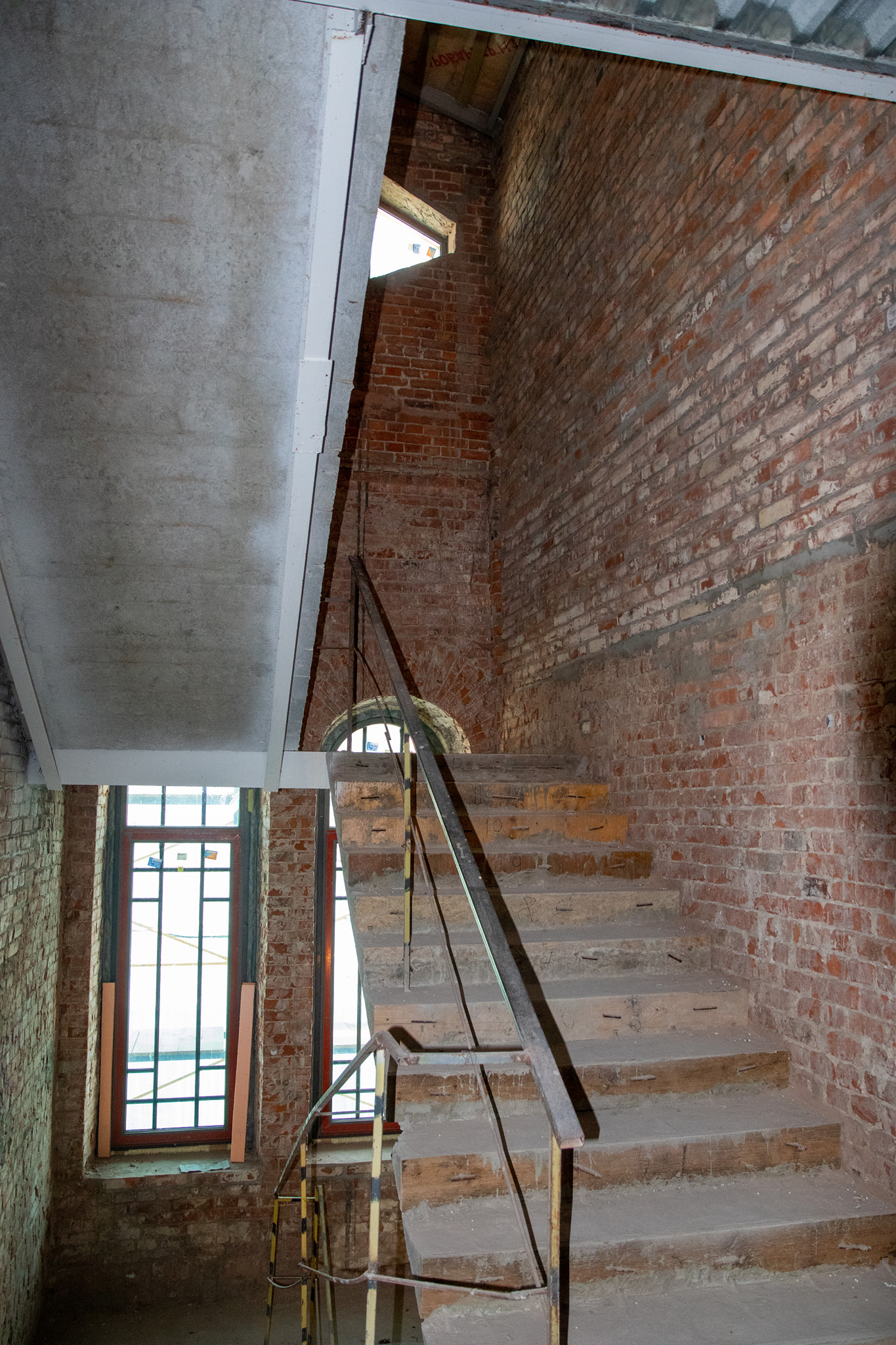
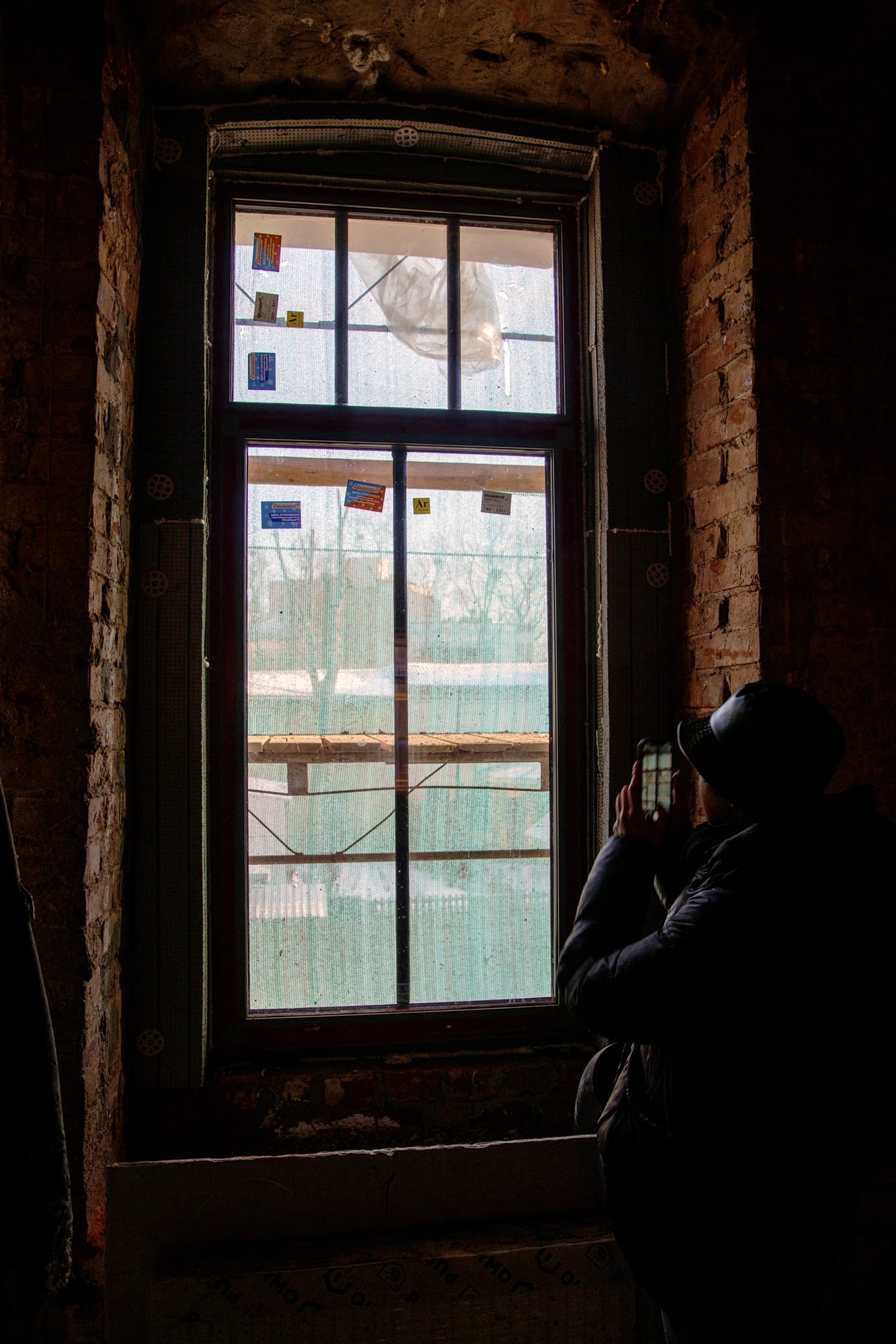
The window frames will also be unique and period-appropriate—a very rare feature in Kharkiv’s renovation projects.
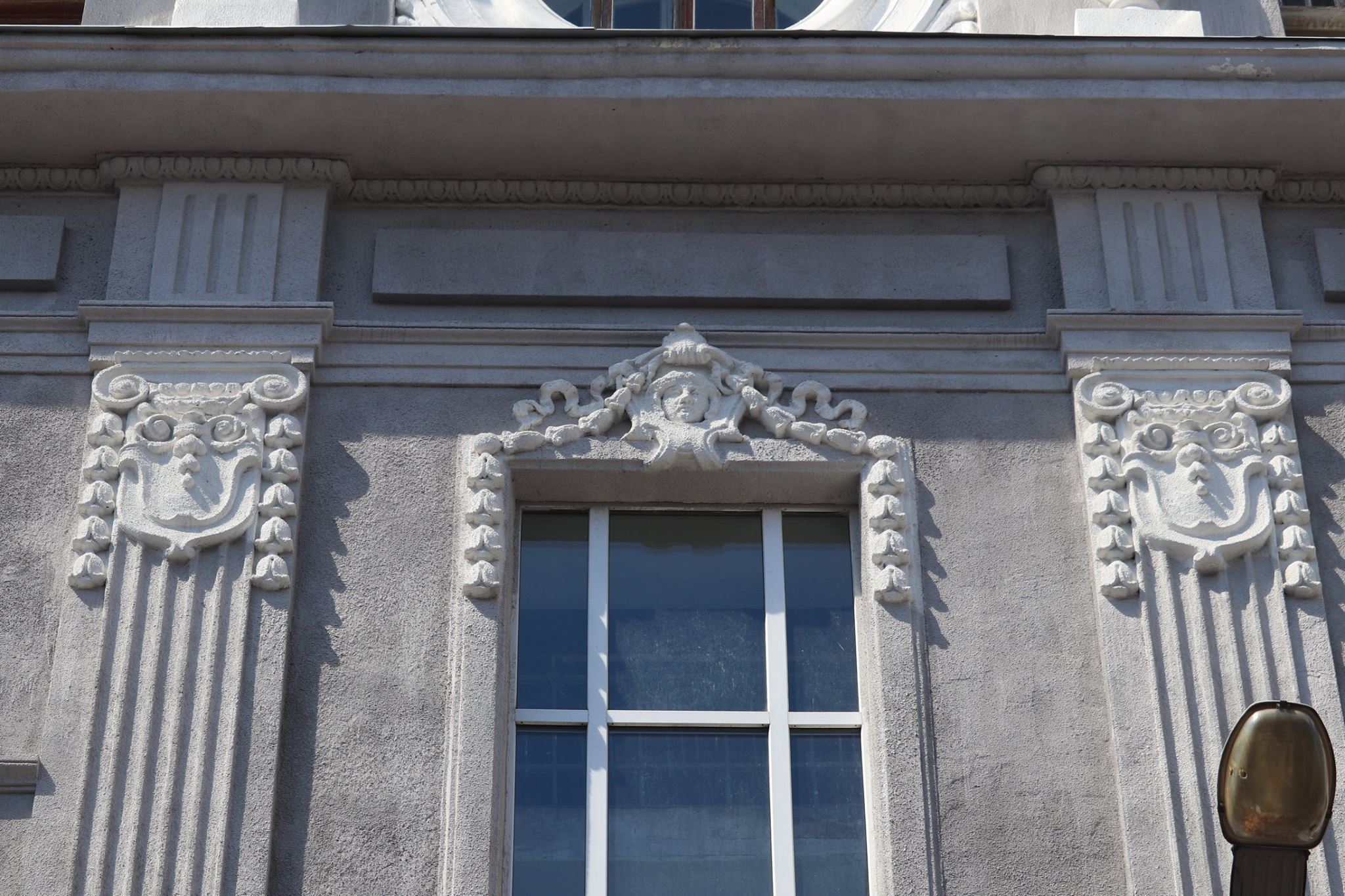
The new facade color will be a pastel shade, somewhere between light gray and beige. The Rosenfeld House is a prime example of late Kharkiv Art Nouveau with eclectic touches of Classicism, a style popular in Kharkiv during the 1910s. The building is distinguished by its restrained straight lines, the massive rustication of the first floor, Empire-style garlands and sculptures of cherubs, as well as expressive mascarons crowning the pilasters against the backdrop of an antique pediment. They depict the god Hermes—a symbol of trade and success.
The building was scheduled to be commissioned in the summer of 2022, but those plans were changed following the start of Russia’s full-scale invasion of Ukraine.

However, the work was subsequently resumed, and the restoration was completed in 2025. This case is a rare example demonstrating that, with sufficient resources, a historic building can be restored even from near-total ruin.


- Danylevs’koho Street, 19 - 13.10.2026
- Debunking the myth about one of the most famous Kharkiv photos - 12.10.2026
- The Architectural Evolution of the Kharkiv Theater - 26.09.2026