As I mentioned earlier, on July 22 of this year, our team set off on a new adventure. We had passed through Trostyanets’ regularly during our fun road trips, admiring the historic town each time. So we decided to make an impromptu stop.
Trostyanets’ and its manor are perhaps one of the most visited and well-known destinations in the Sloboda Ukraine region. Located 128 kilometers from Kharkiv, this town—with a population of just over 20,000—hosts international festivals of various genres that attract tourists. Although personally, I truly love Trostyanets’ not for its events or even for its famous estate, but because you can still feel the spirit of an old town there. After all, if you simply take a walk around it, in addition to the ancient churches, you can admire the well-preserved mansions from the late 19th and early 20th centuries.
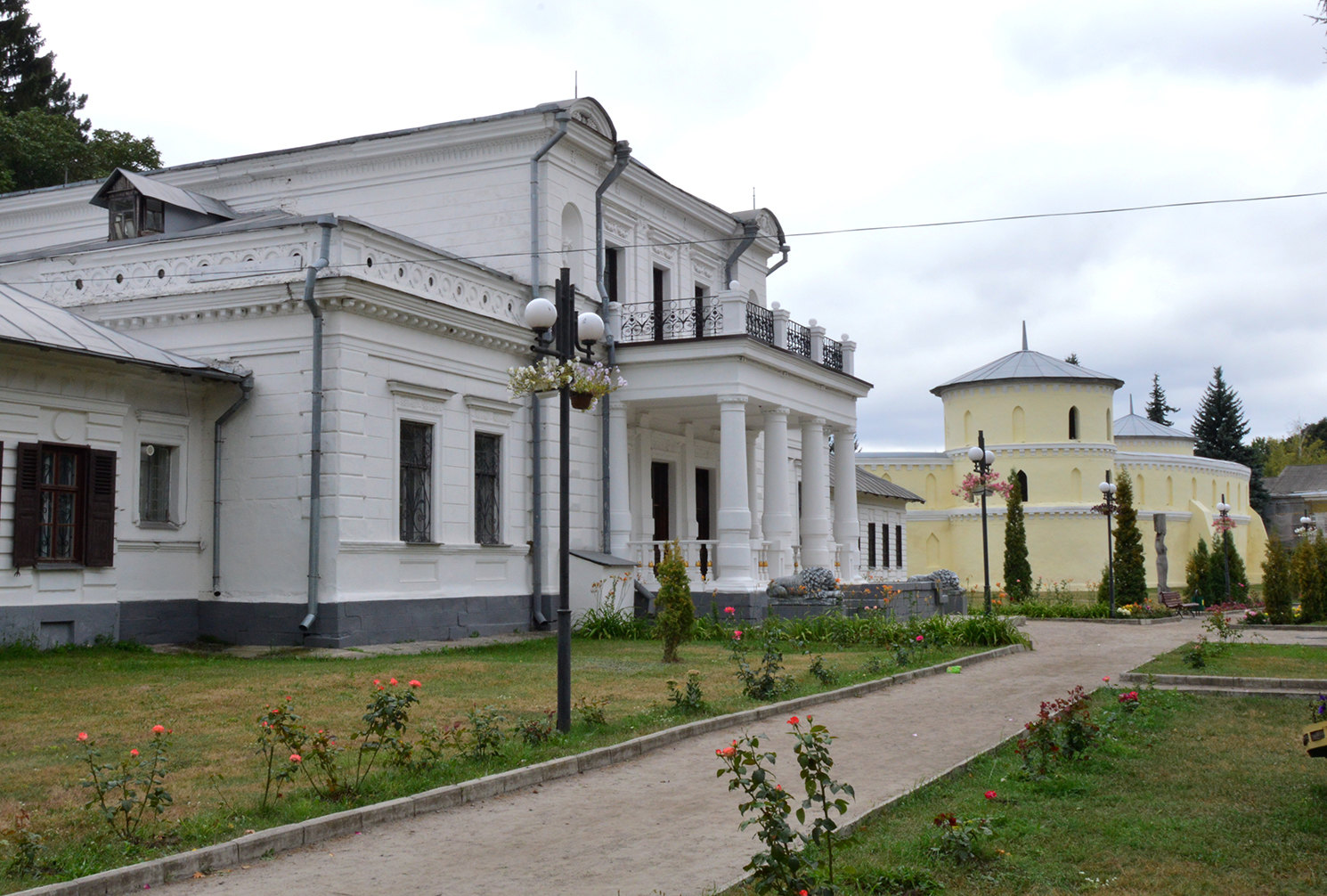
First and foremost, we headed to the Trostyanets’ estate. The estate houses three museums. The central two-story building serves as an art gallery. It features a collection of portraits of the town’s notable figures and scenes of everyday life. There, you can also explore the estate’s interiors and purchase souvenirs.

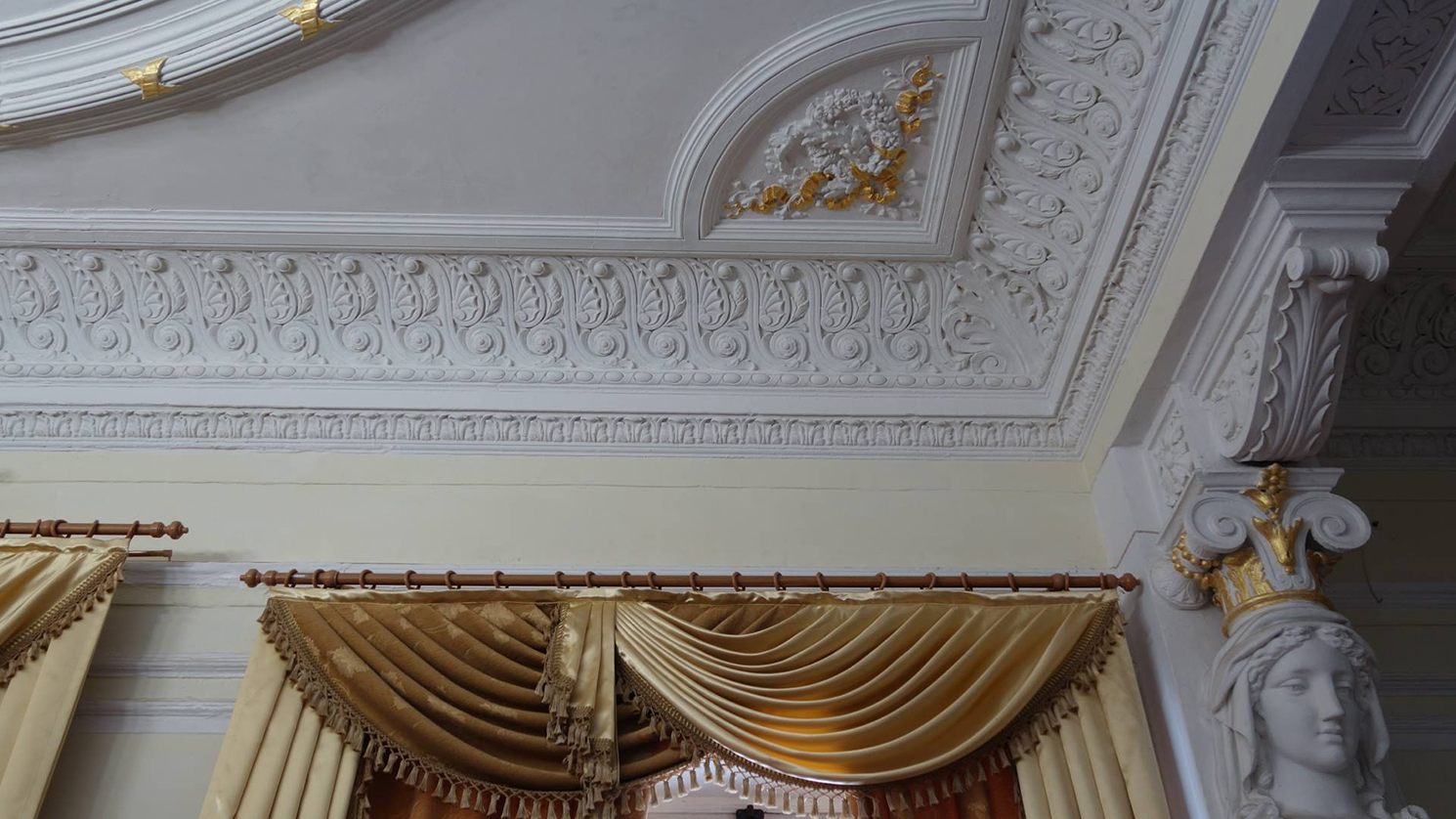
In the left wing of the estate (when facing it), there is a “chocolate museum,” where visitors can learn many “sweet” stories and see the legendary Milka cow from the commercials across two rooms. I’m sure children of all ages will find this museum incredibly fascinating.


Well, the local history museum is located in the right wing of the estate. Since we didn’t have much time, that’s where we headed. We all rushed inside as a big group (by the way, the admission fee there is purely symbolic, 8 UAH), and we happily told the museum staff that we didn’t need a guided tour—we just wanted to run through the halls and take a look.

Perhaps staff at other museums would have welcomed this. However, that wasn’t the case here. A very modest female tour guide said, “Well, since you’re here, let me at least tell you about our hometown and region for five minutes.” After that, she gave us a wonderful half-hour tour, and I think she would have kept talking selflessly for another hour and a half or so if we hadn’t been in such a hurry.
I am truly convinced that it is precisely these simple, humble workers, who do their jobs to the highest standard, who keep the world turning. However, I still got the impression that the Golitsyn princes, who owned and lived on the estate, are not particularly well-liked in Trostyanets. This is because in a separate hall of the museum dedicated to the estate’s owners, immediately after the Nadarzhinskis, the narrative shifts to Leopold König, who truly did a great deal for the town. Plenty has been written about him, but I would like to tell you about someone else.
As is well known, the first owner of this settlement was Ivan Perekrestov, a colonel from Okhtyrka. However, in 1704, due to his greed and oppression of the Cossacks, he fell into disgrace. By the highest decree of Peter I, he was removed from his post as colonel, and Perekrestov’s wealthy estates were confiscated and transferred to the state treasury.
In 1720, Trostyanets’, along with other former estates of the Perestrov family, was granted by Peter I to his confessor, priest Timofey Vasilyevich Nadarzhinsky. The man to whom the tsar confessed his sins was a truly extraordinary individual. For example, there is a well-known story about how, in Paris, the Duke of Richelieu invited Timofey Vasilyevich to dinner and seated him next to a refined abbot of noble birth, who, after the fourth bottle, collapsed under the table, while the Russian priest “watched this fall with heroic disdain.”
Peter the Great showered his favorite with gifts and favors—it was no coincidence that Nadarzhinsky was considered the wealthiest man among the “white clergy.”
After the death of Peter I, Nadarzhinsky became the spiritual advisor to Empress Catherine I, and only after her death in 1728 did he retire to Trostyanets’. In the early 19th century, Timofey Nadarzhinsky’s great-granddaughter, Sofya Alexandrovna Korsakova, was considered a highly sought-after bride. This was hardly surprising, given that she owned such wealthy estates as Trostyanets’ and Slavgorod. After their wedding on February 12, 1832, her husband, Prince Vasily Petrovich Golitsyn, became the owner of the Nadarzhinsky estate.
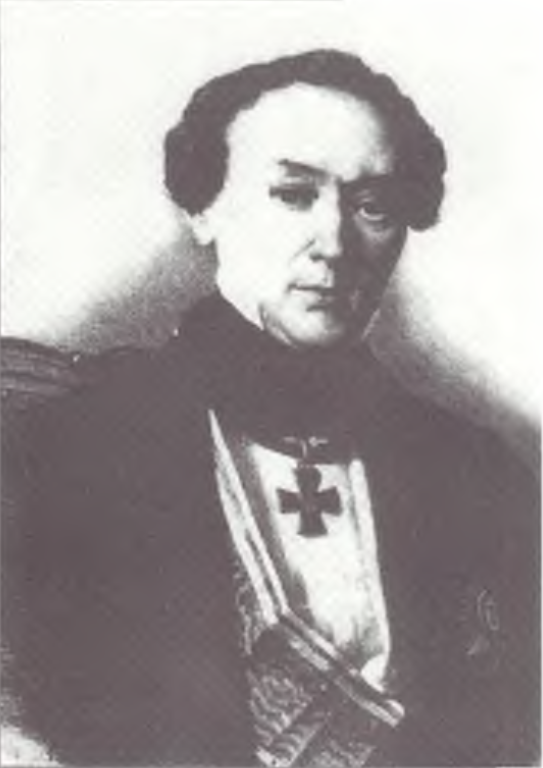
In many books of that era about this member of the illustrious Golitsyn family—who served as the Kharkiv Provincial Leader of the Nobility and as director of the State Commission for Debt Repayment—one can read the following laudatory odes:
Let us now point out, without exaggeration or flattery, the benefit he brought—as a nobleman and an enlightened champion—to that region where fate had destined him to devote the full scope of his intellect and his efforts. We shall add not a word in his praise. Let the “Journal of the Ministry of Internal Affairs for the Year 1848” bear witness to this.
Or take this:
The prince was an enlightened nobleman, a champion of the public good, and a passionate lover and patron of the fine arts. His residences in St. Petersburg and at his wife’s estate—magnificent palaces in their own right—served as a veritable museum in Ukraine of rare works of art, collected by the prince from various countries during his numerous travels throughout Europe.
However, the authors of these lines fail to mention that the prince was a passionate lover of lavish balls and amateur theatrical performances, and that during his marriage he successfully squandered his wife’s fortune. One of the finest engravers of the time, Fyodor Ivanovich Iordan (1800–1883), writes the following in his memoirs:
I had the opportunity to meet Princess Golitsyna, née Korsakova. She spent a great deal of money purchasing various paintings from both the old and new schools; paintings were brought to her from all corners of Rome, and she bought them all without any particular purpose. Looking at everything she had acquired, I felt sorry for the Russian money. Mr. Berje traveled with Princess Golitsyna and had a table and an apartment at her place. He was a miniaturist, a friend and acquaintance of N. I. Utkin, who had engraved a portrait of the musician Müller, Sokolova’s father, from Utkin’s miniature. Having lost his eyesight from fine work, Mr. Berje painted large-scale scenes in oil in Rome. He described to me the terrible plight of Princess Golitsyna’s peasants, saying that she did not know how to spend her money here, while the peasants were unable to pay their taxes on time and had their last cow, horse, and so on taken away from them. The princess was very kind to me. She had two sons and cared deeply for them; she lived openly and had a cheerful and good-natured disposition. Quite unexpectedly, her husband arrived in Rome; he, too, loved to live lavishly and had run up a great deal of debt. I went to see him on the morning of his arrival in Rome. He was sitting by the fireplace, his feet resting on the mantelpiece in the American style. We began a conversation about serfdom, and when Mr. Bergé remarked that sooner or later this class must be abolished—that is, the peasants would be freed—Prince Golitsyn objected: “That event is as distant as if a huge body were moved so far away that it would turn into a point barely discernible due to the vastness of the distance.” However, the prince lived to see the day when the act of serf emancipation was promulgated. Prince Golitsyn’s family was finally ruined: the house and paintings belonging to the princess were sold at auction; she died, and the prince went mad; the fate of their children is unknown to me. With her husband’s arrival, the princess lost her usual cheerfulness and became taciturn, which surprised me, knowing that she had brought her husband a wealthy fortune, while he, apart from his princely title, had brought her nothing in return. I had the pleasure of seeing the princess once in St. Petersburg; she herself showed me the house she had lavishly built, with a fountain in the garden, near which stood a statue of a naiad, commissioned by her from Mr. Gayasi. The rooms were adorned with excellent paintings by K. P. Bryullov, Kalam, and others. Even during the princess’s lifetime, she was besieged on all sides by creditors, and after her death, the young Golitsyn princes, her sons, squandered their mother’s wealth. One of them, wishing to liquidate everything as quickly as possible and unaware of the value of the items, sold for 25 rubles an expensive two-person Sèvres porcelain service, once gifted by Louis XVI to Grand Duke Pavel Petrovich and his wife Maria Fedorovna during their visit to Paris. This treasure ended up in the possession of the young Prince Golitsyn; while he was selling off his belongings, a merchant from the Apraksin Market once came to him, who was modestly examining the items put up for sale and, noticing this two-person service, immediately understood its value; The prince, having not the slightest idea about such things, seeing that the merchant was examining the set, began to urge him on, saying, “Well, buy it!” and asked a hundred rubles for the set. The man from Apraksin replied in a plaintive tone that he did not have that kind of money. Wishing to get at least something, the prince sold him this precious item for 25 rubles; the set then went to Paris and was purchased for 100,000 francs by Empress Eugénie, who was buying up for large sums all the items that had once belonged to the unfortunate Queen Marie Antoinette.

So it’s no surprise that the Golitsyns are still not particularly well-liked in Trostyanets.
In addition, during the summer of 1864, the composer P. I. Tchaikovsky lived and worked in Trostyanets for three months. It was here that he composed his first symphonic work—the overture “The Storm.” The composer came to the estate at the invitation of his friend and classmate A. V. Golitsyn. Of course, much has been written about the “friendship” between the prince and Tchaikovsky, and the locals themselves are more than happy to talk about the relationship between the estate owner and the composer. But is that really the case? Tchaikovsky’s own biographers write that Prince Alexei Vasilyevich Golitsyn, a landowner in the Kharkiv Governorate, surrounded Tchaikovsky with unheard-of luxury and splendor at his estate. At that time, Pyotr Ilyich was known to few, and on top of everything else, he was also quite poor. A normal person, even after becoming famous, would remember those three months for the rest of his life. He would also feel, at the very least, respect and gratitude toward the one who took him in and supported him. However, if we read Tchaikovsky’s later letters, we find neither sympathy nor respect for Prince Golitsyn there. Apparently, he did not consider him a friend either. Here is what the musician writes in his letters about the prince and his attitude toward him:

A. I. and M. I. Tchaikovsky [Moscow], April 16 [1866]
Golitsyn and Shakhovskaya were here the other day; I had lunch with the former once at Dussault’s. I can’t say I was particularly glad to see him; he is by no means one of my closest friends; moreover, lately the emptiness and insignificance of these people have become particularly glaringly obvious to me.
To A. I. Tchaikovsky. Paris, November 30/December 12, 1879.
“Masalitinov and Golitsyn terrify me to no end.”
To A. I. Tchaikovsky. Rome, December 9/21, 1879
You know how much Golitsyn and Masalitinov’s presence in Rome frightened me. From the very first day, I had to maintain a strained, feigned friendship with them. Golitsyn even went to meet me at the station but got on the wrong train; he got angry and dropped by our place, but since we were out for a walk, he left a calling card. I had to go explain myself and apologize. The meeting with Golitsyn was extremely difficult for me; I had to put on a show, pretend to be delighted, and so on. Fortunately, I had the courage to position myself right away so that I would be fairly free from them. But I had to have dinner at their place today, along with Moden and Kolya.
However, the monument by sculptor N. Sukhodolov, erected in Trostyanets in 1984, is, incidentally, considered the only monument to Tchaikovsky in Ukraine that depicts the composer in full-length form.
Returning to the estate itself, it should be noted that in 1868, the merchant of the First Guild, A. A. Mark, became the new owner of Trostyanets; he sold the estate to the entrepreneur Leopold Egorovich Kenig at the end of 1874.
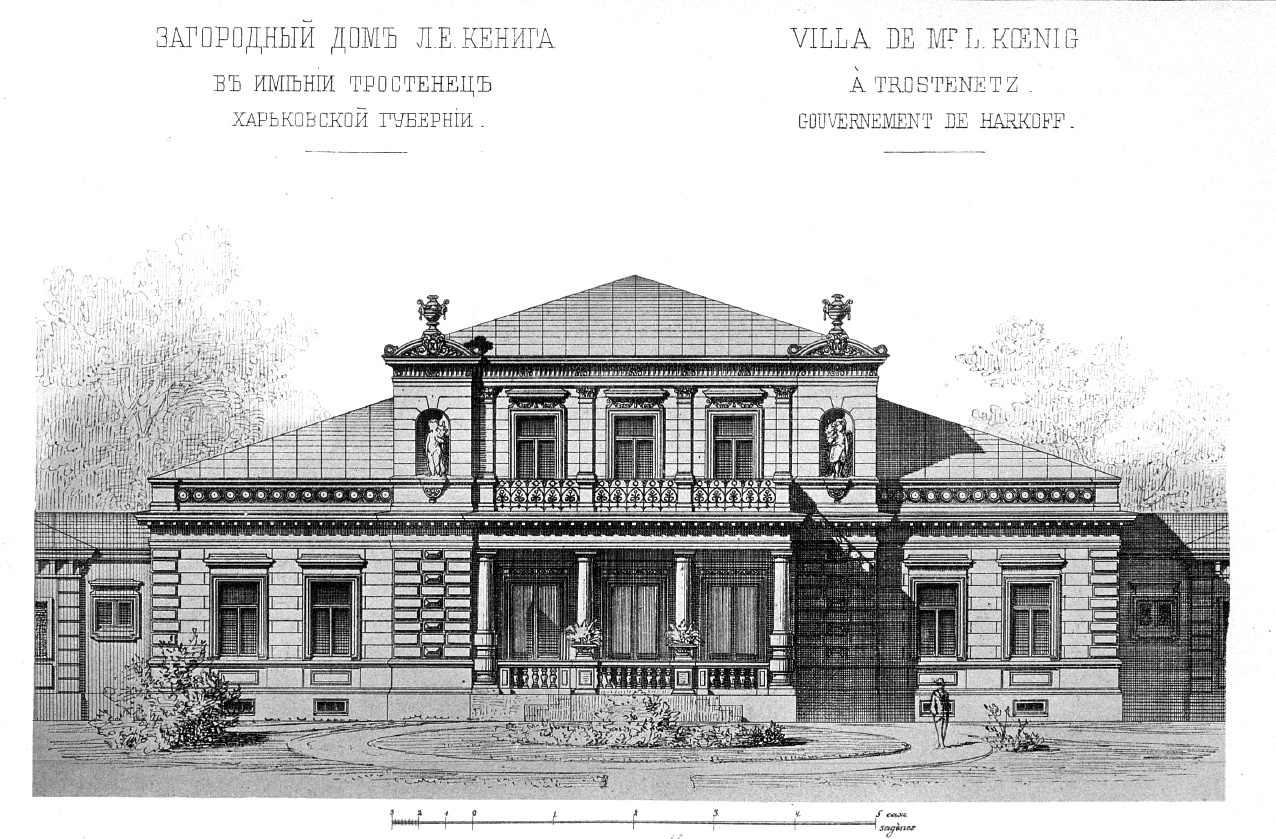
In issues 7–8 (July–August) of the journal *Zodchiy* from 1885, we find the following text and equally interesting illustrations.
L. E. König’s country house.
The new building is situated between two wings that survived from the original house that once stood here. The left wing houses the kitchen and other utility rooms. The purpose of the new, central section is evident from the plans. Currently, the building is in the rough-in stage. The sculptures and ornamentation will be executed according to the drawings by the project designer A. I. Lapin; the metalwork will be done by K. Winkler.
V. Schreter
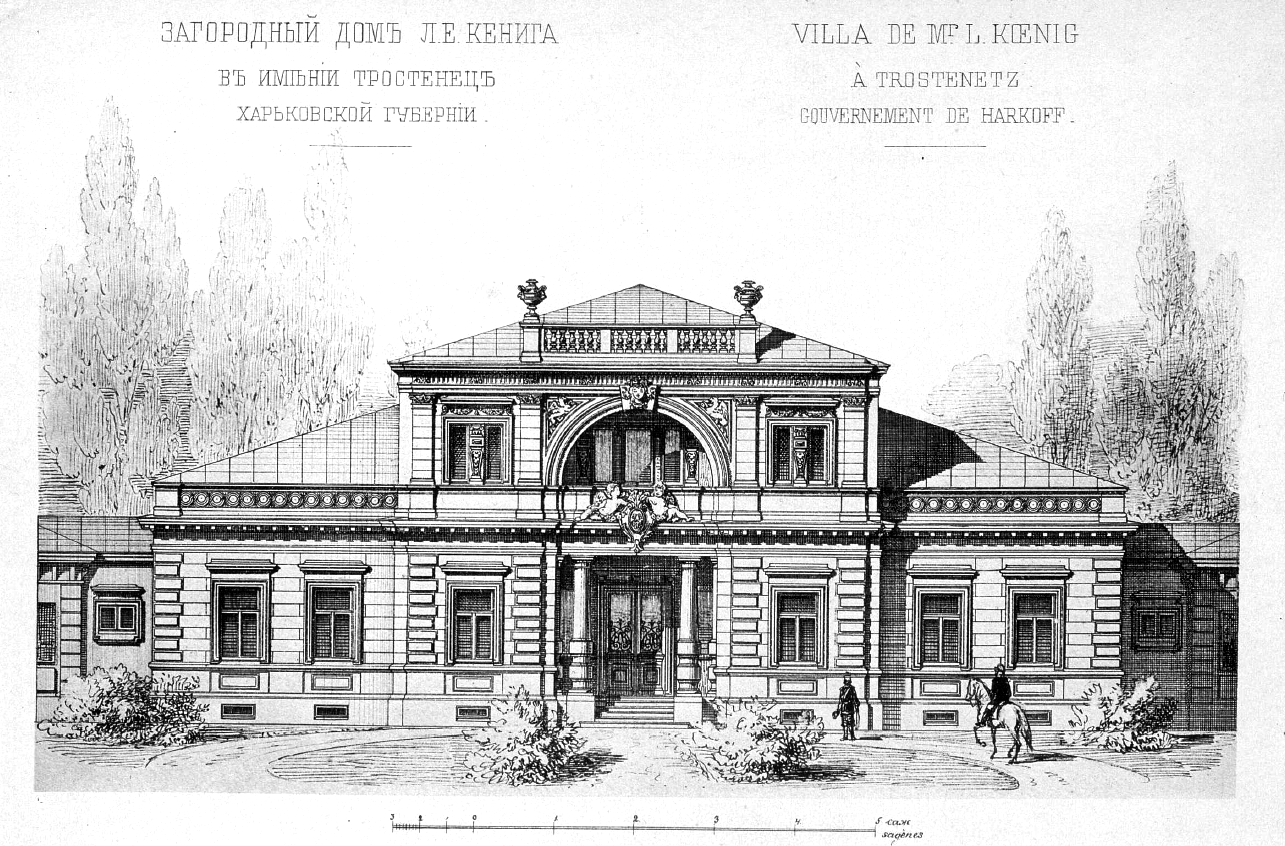
“
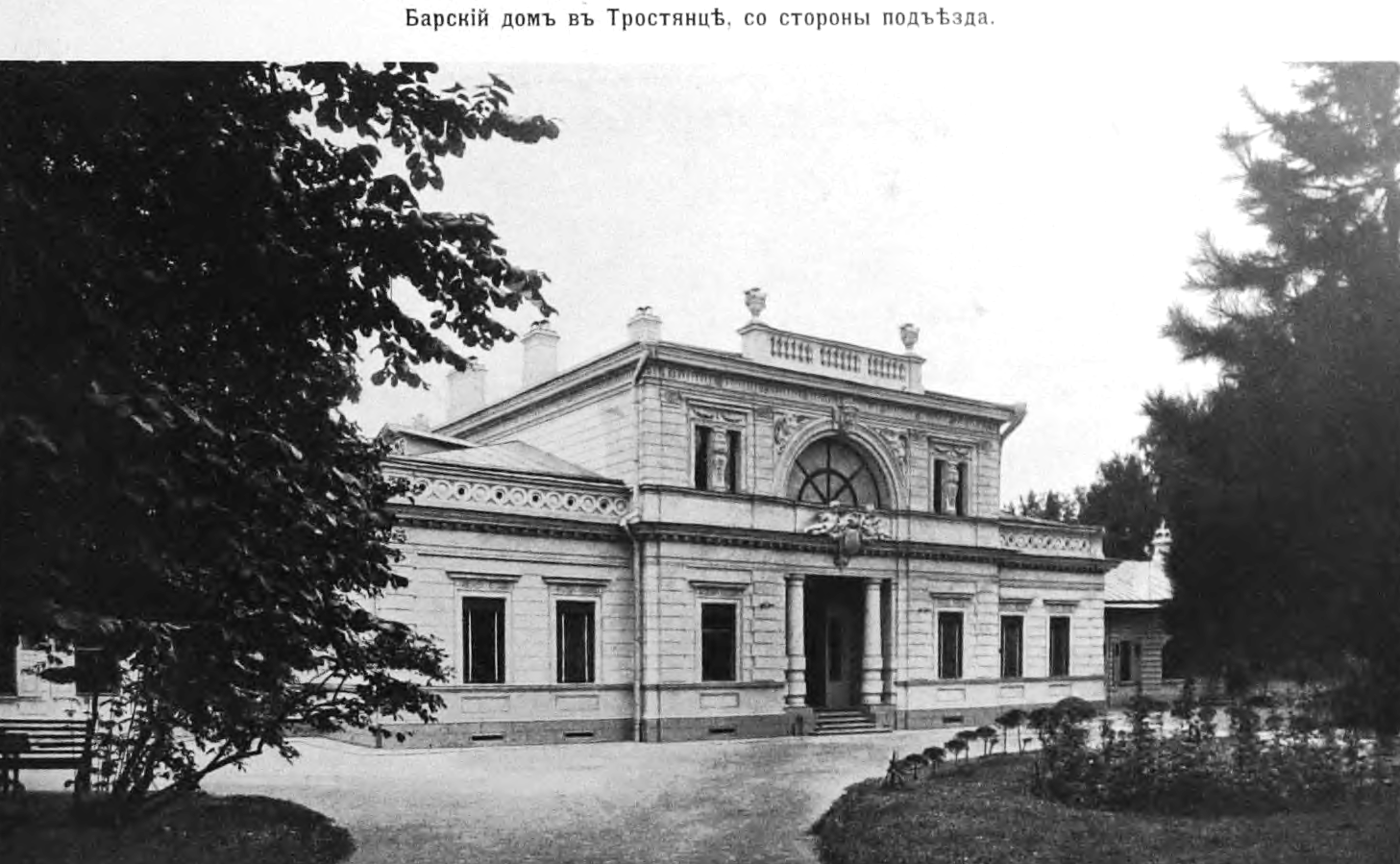
Grigory Lukomsky, whom we already know, visited the former estate of the Nadarzhinskys and Golitsyns in the early 20th century while gathering material for his book *Estates of the Kharkiv Governorate*; his impressions, like the photographs, are also very useful to us:
Trostyanets’ belonged to the Golitsyn princes as far back as the time of Catherine the Great. From them, it passed to Mark, and about 50 years ago it was purchased by the father of the current owner, L. E. König. Unfortunately, much has been destroyed by time, but some things have survived, and these surviving elements are of great interest. Everything that remains is lovingly preserved by the current owners.
The central part of the house has been rebuilt, but the wings of the house have been preserved in their original form. During the expansion, the original style was maintained, and only the rooms were enlarged… Surrounding the house is an old park with centuries-old pines and poplars. There are greenhouses in the park. As far back as Catherine the Great’s time, a significant number of pineapples were grown in these greenhouses, and this tradition is still maintained by the current owners. The pineapples are small but have a very good flavor.

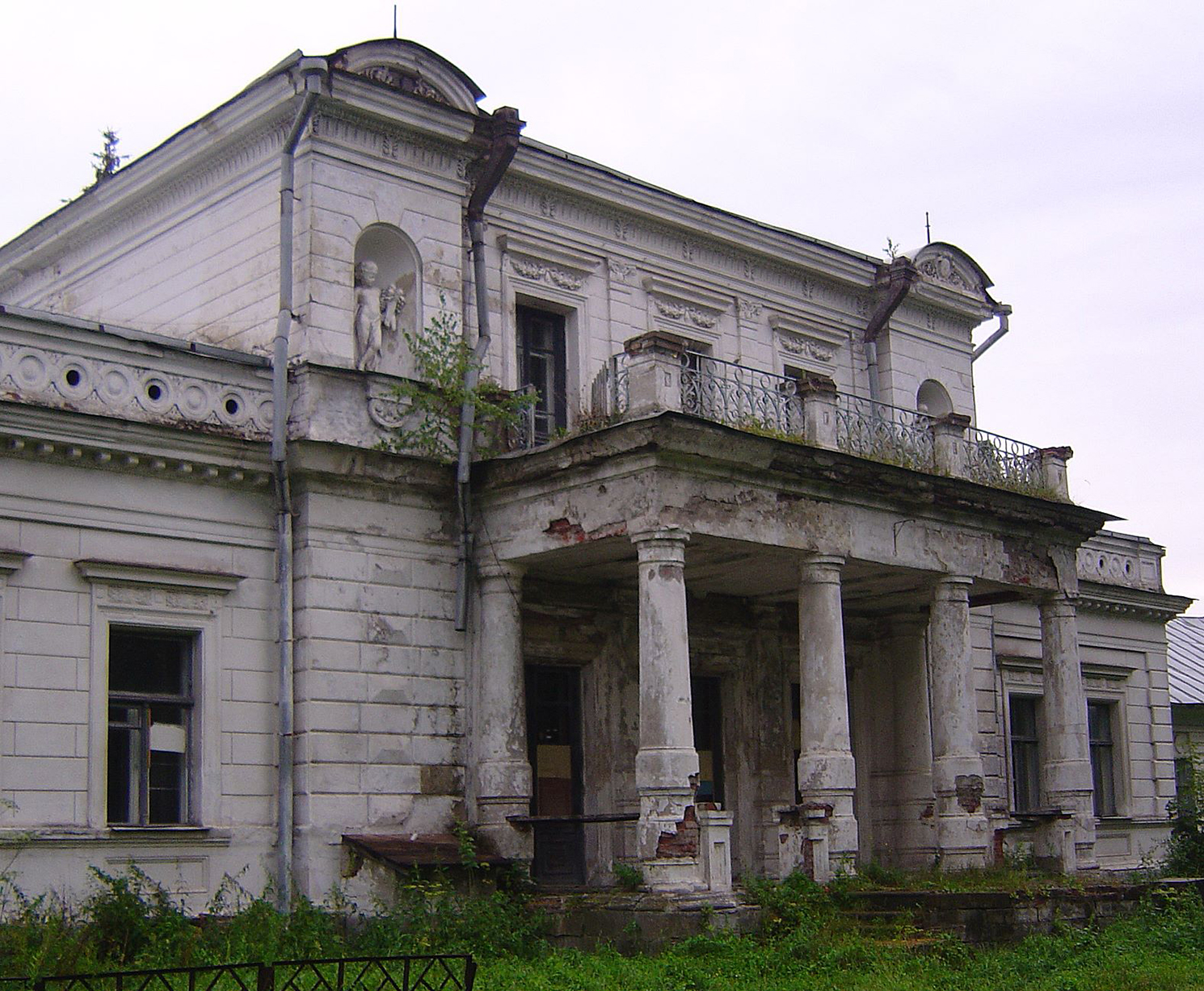
During the Soviet era, the former palace housed a kindergarten. After that, the building stood empty for a long time and gradually fell into disrepair. In the photographs taken by Andrey Chekmarev in 2004, the estate looked like this:

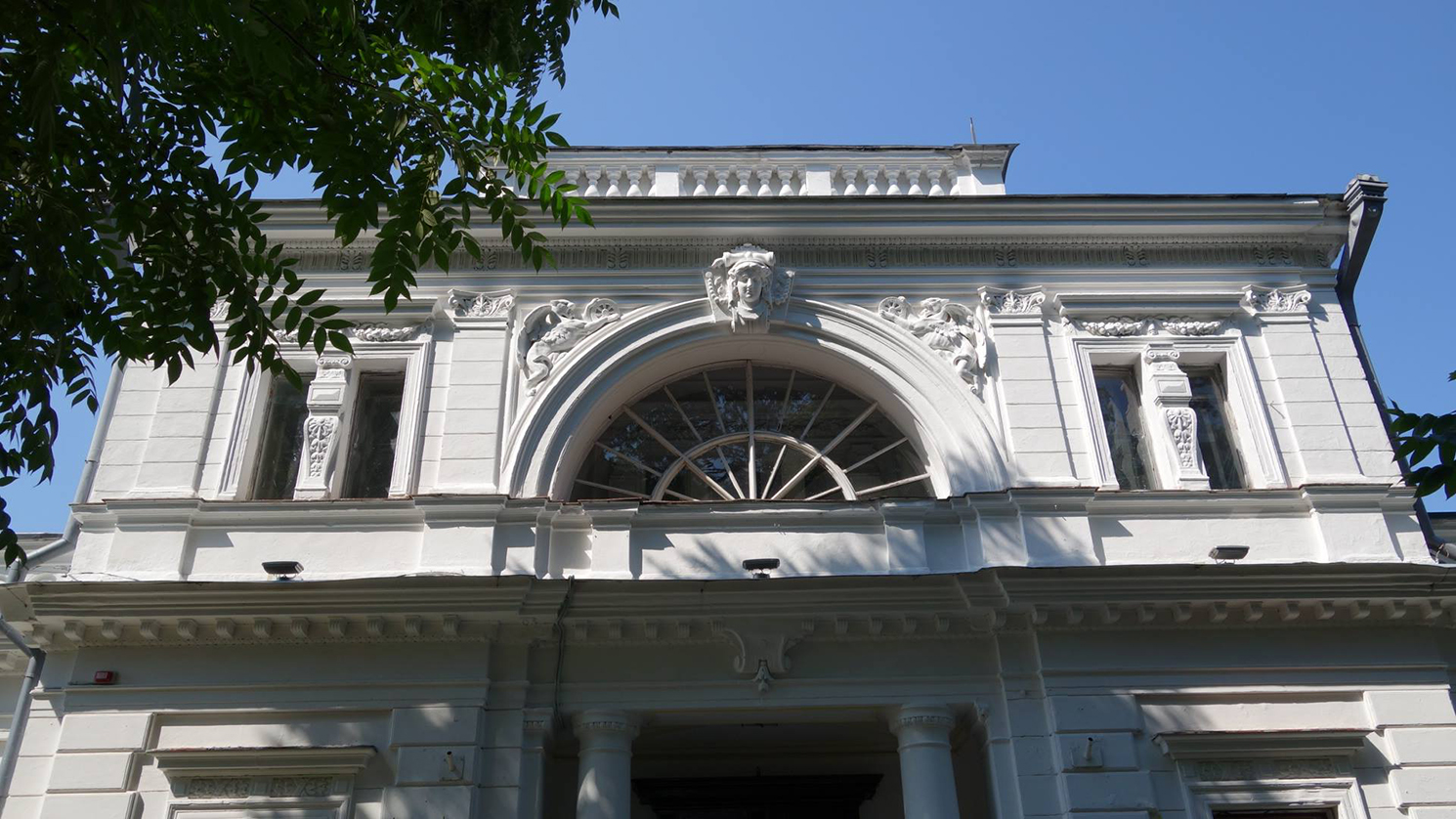
Between 2007 and 2009, a “restoration” was carried out. We can judge how “successful” and “accurate” it was by comparing current photos with photographs taken by Lukomsky himself. After all, with historical sources at our disposal and a desire to learn the truth about the past, we have something to compare it to…
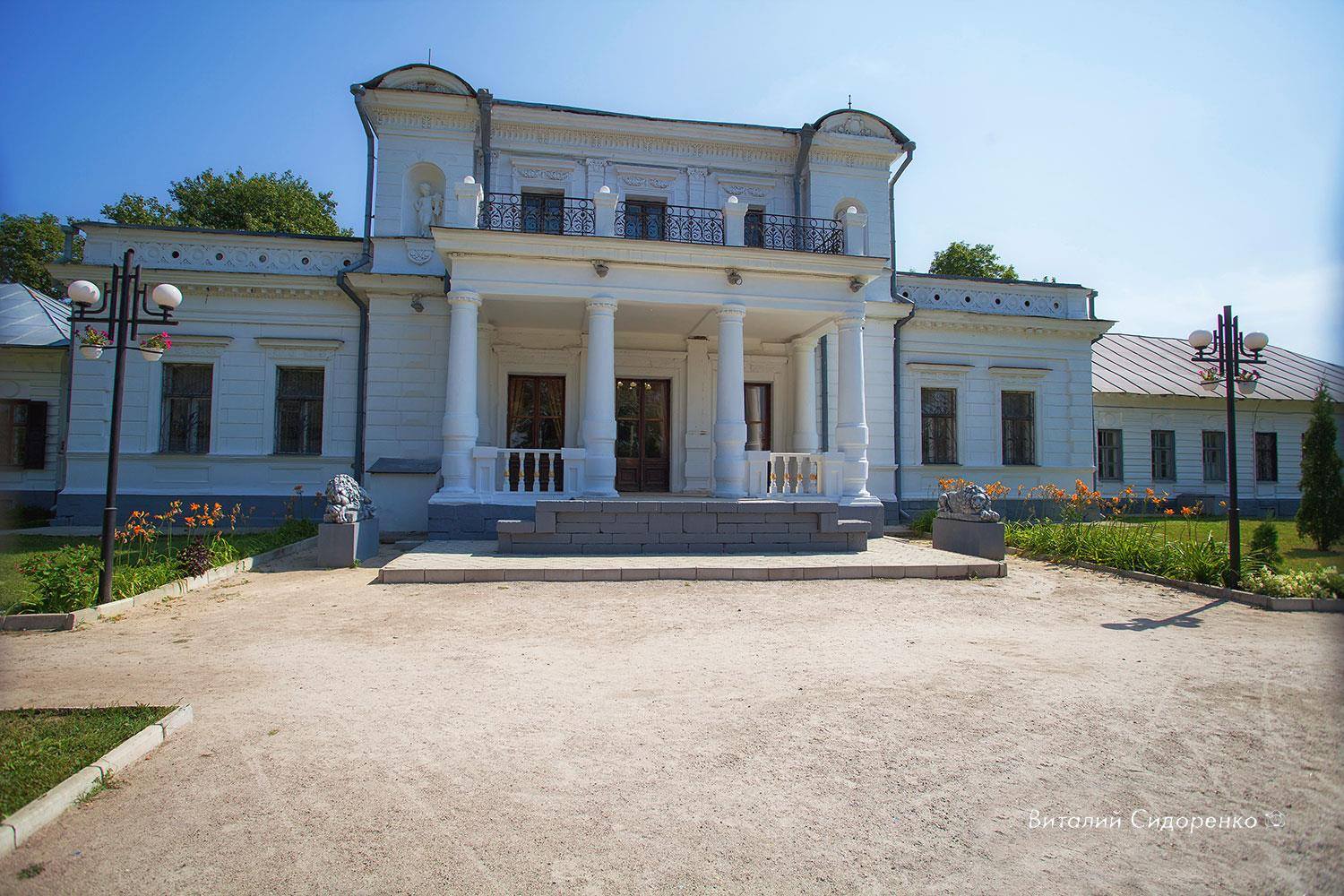
P.S. I am well aware that this article doesn’t mention the “round courtyard” next to the estate, the historic churches of Trostyanets, or the beautiful estate park, which is an exceptionally lovely and pleasant place. Why didn’t I include them? The answer is very simple: we didn’t get there, and in my opinion, it’s not really fair to describe places we haven’t visited.
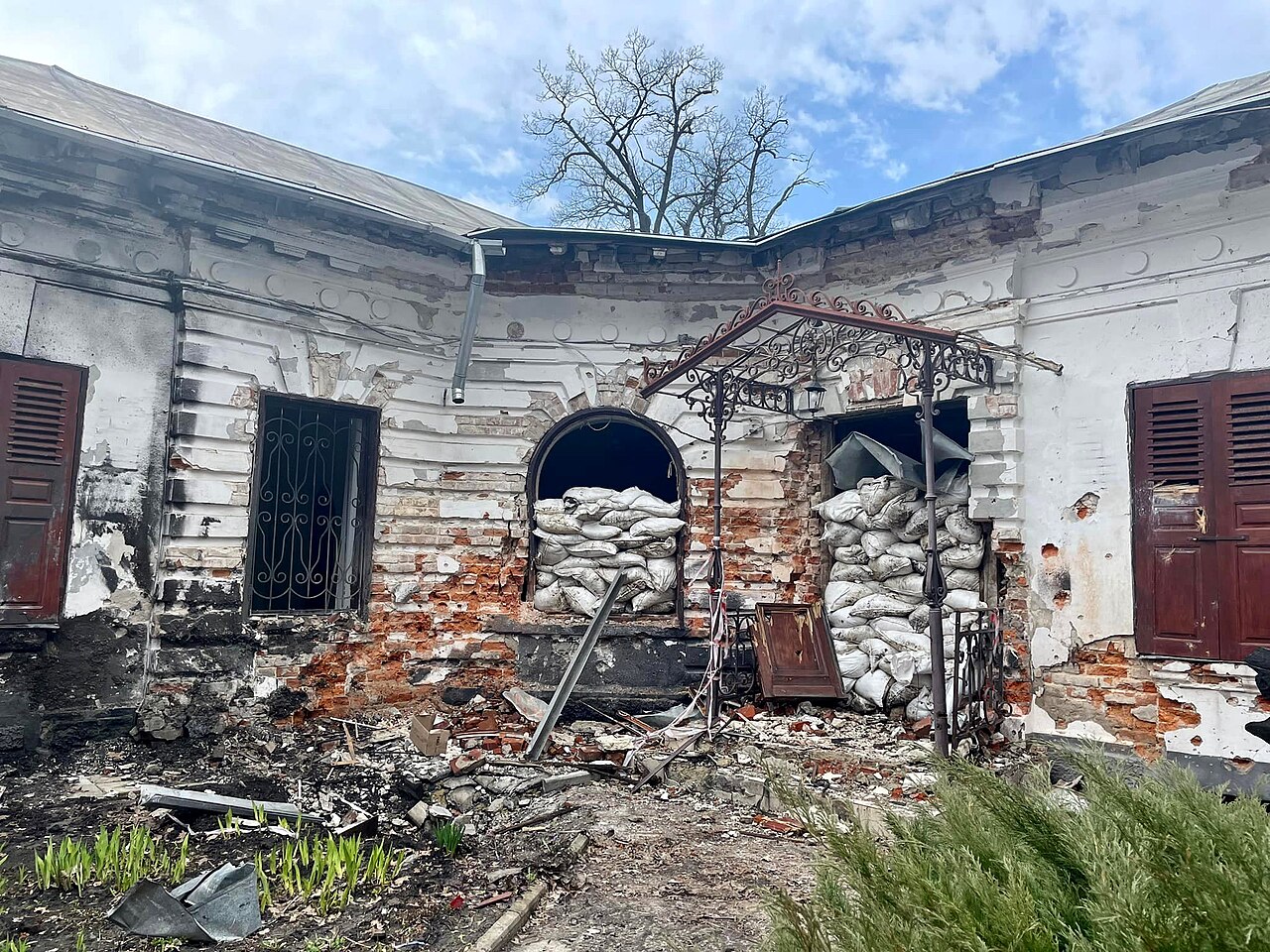
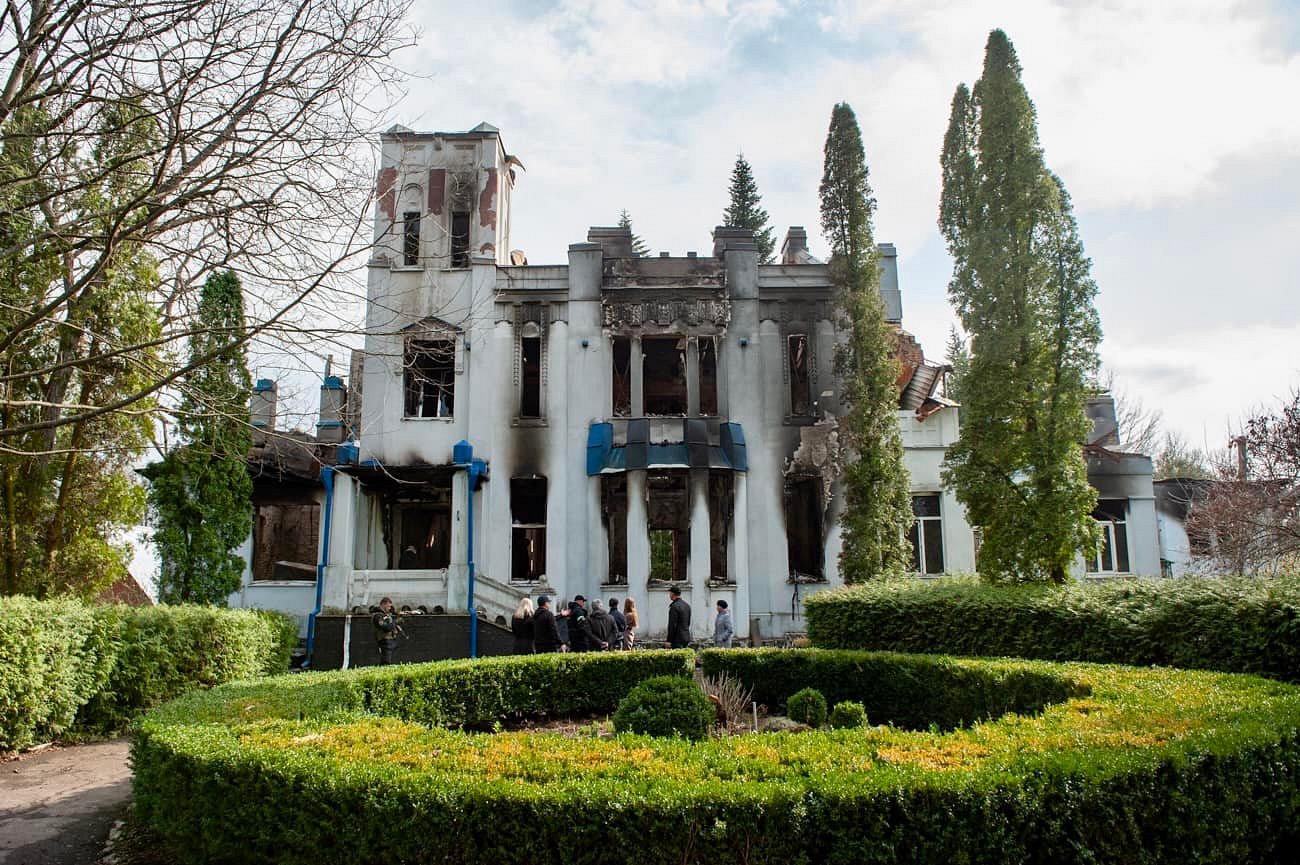
Update: The Trostyanets Palace and Horse yard were looted and partially burned down by Russian Armed Forced in March 2022.

- About the military pilot school and the airfield in Kharkiv… - 04.11.2020
- Nikanor Savich—A Political Career by Mistake - 13.07.2020
- And once again, about the Cavalry Guards… - 21.01.2020