In 1901, on the initiative of the scientist D. Mendeleev, a verification office was opened in Kharkiv to inspect and hallmark commercial weights and measures; it was the first of its kind in Ukraine. This event marked the beginning of the history of metrology and standardisation in Ukraine, and of the Institute of Metrology in particular. In 1922, the Kharkiv Office became the Ukrainian Main Office of Weights and Measures, and in 1933, the Ukrainian Research Institute of Metrology and Standardisation.
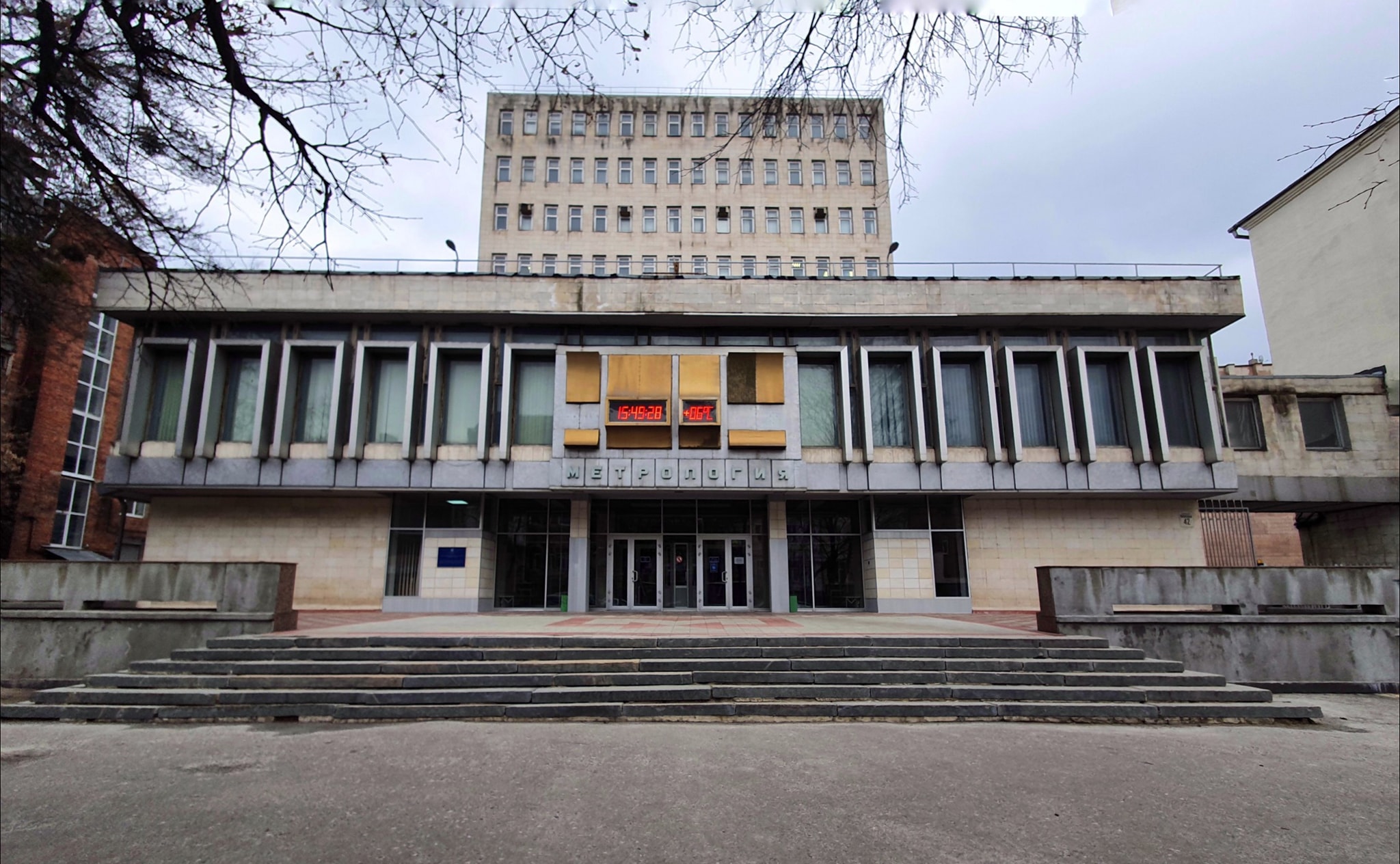
During the interwar years, the institute was involved in the introduction of the metric system (the transition from versts to metres was not so straightforward) and the development of verification services, as well as conducting research in the field of metrology and standardisation.
In the 1960s, the institute gained recognition for its research into the determination of physical constants – the gyromagnetic ratio of the proton and the speed of electromagnetic waves in a vacuum.
The first Kharkiv giant thermometer (1976), standing 16 metres tall at the exit of the ‘Historical Museum’ metro station, was also the work of the institute’s specialists. A different thermometer now stands in its place.
In 1981, the ‘Metrology’ scientific and production association was established. It was involved in the design and manufacture of measuring equipment for the defence industry, developed anti-seismic protection systems for nuclear power stations, devices for identifying holographic security features, and so on.
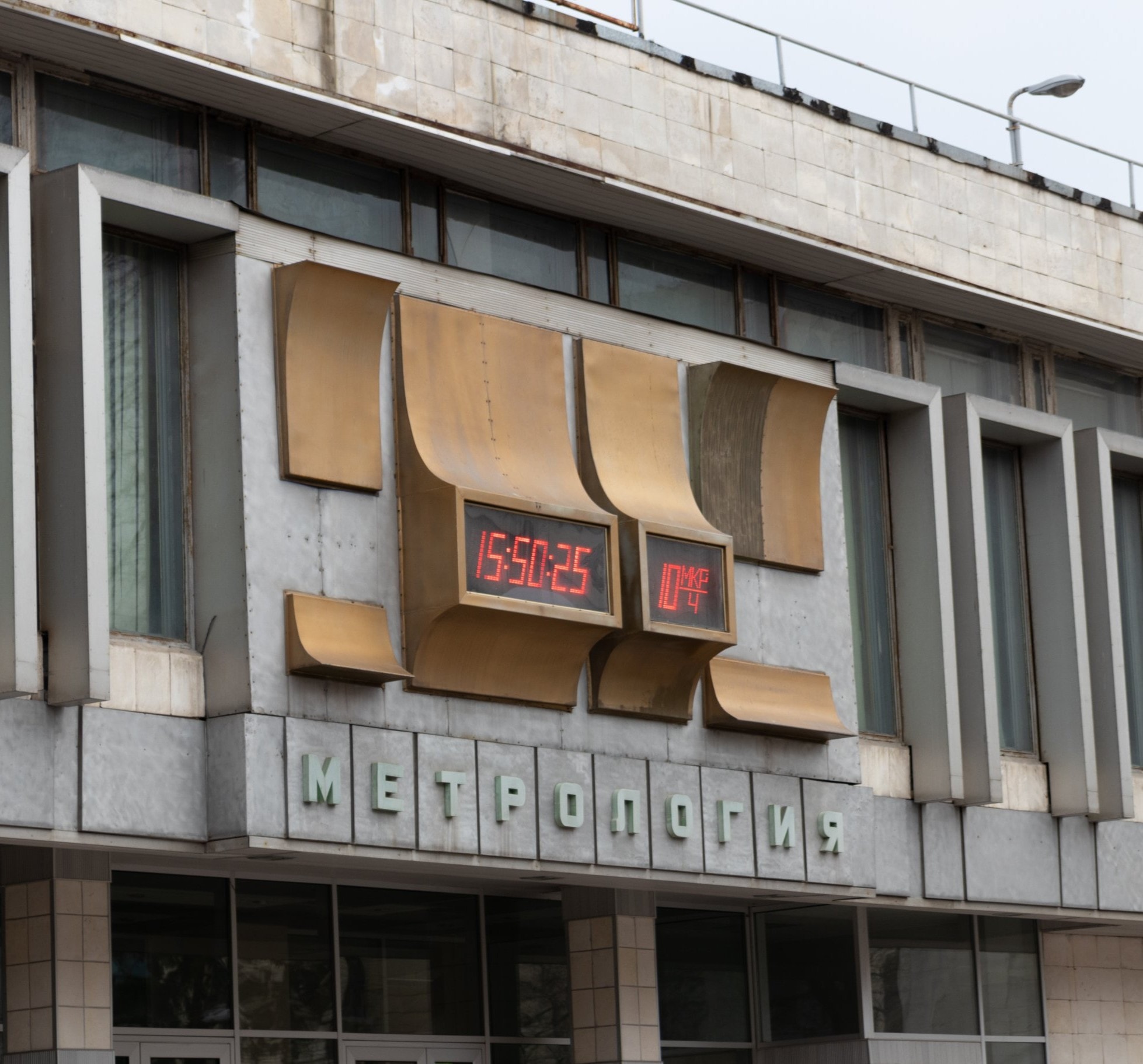
The institute also maintains the national standard for units of time and frequency, and there is a museum here.
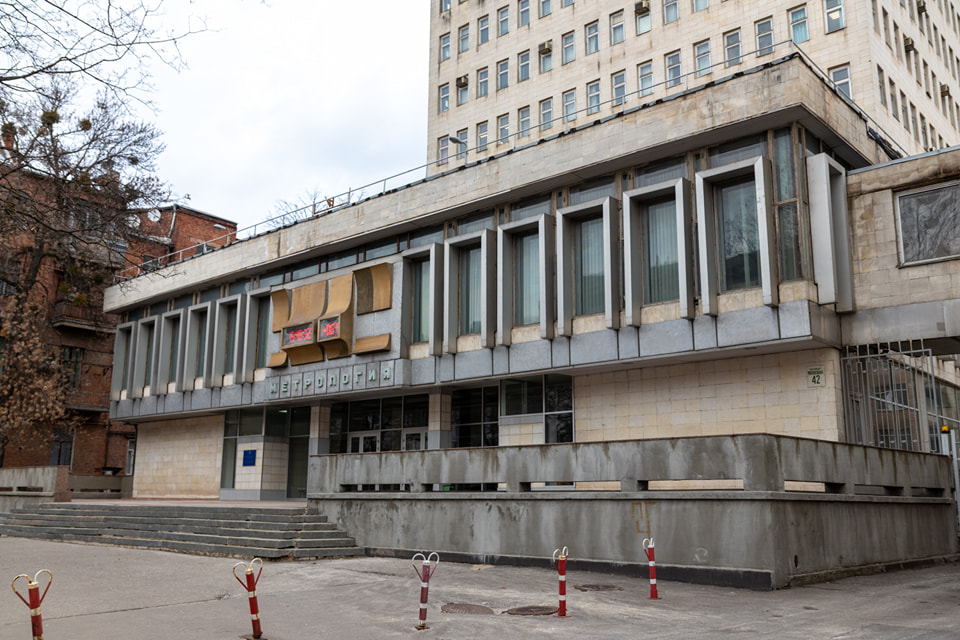
In fact, there are several metrology buildings on Myronosytska Street – pre-WWI ones (numbers 36 and 38), a Constructivist building (number 40) and a Soviet Modernist building (number 42). The latter is the most striking; its clock is particularly memorable, with an error of just one second every 1–2 million years. Nearby is a display showing the background radiation level. We have not found any information on when this building was constructed; it was most likely in the second half of the 1980s.
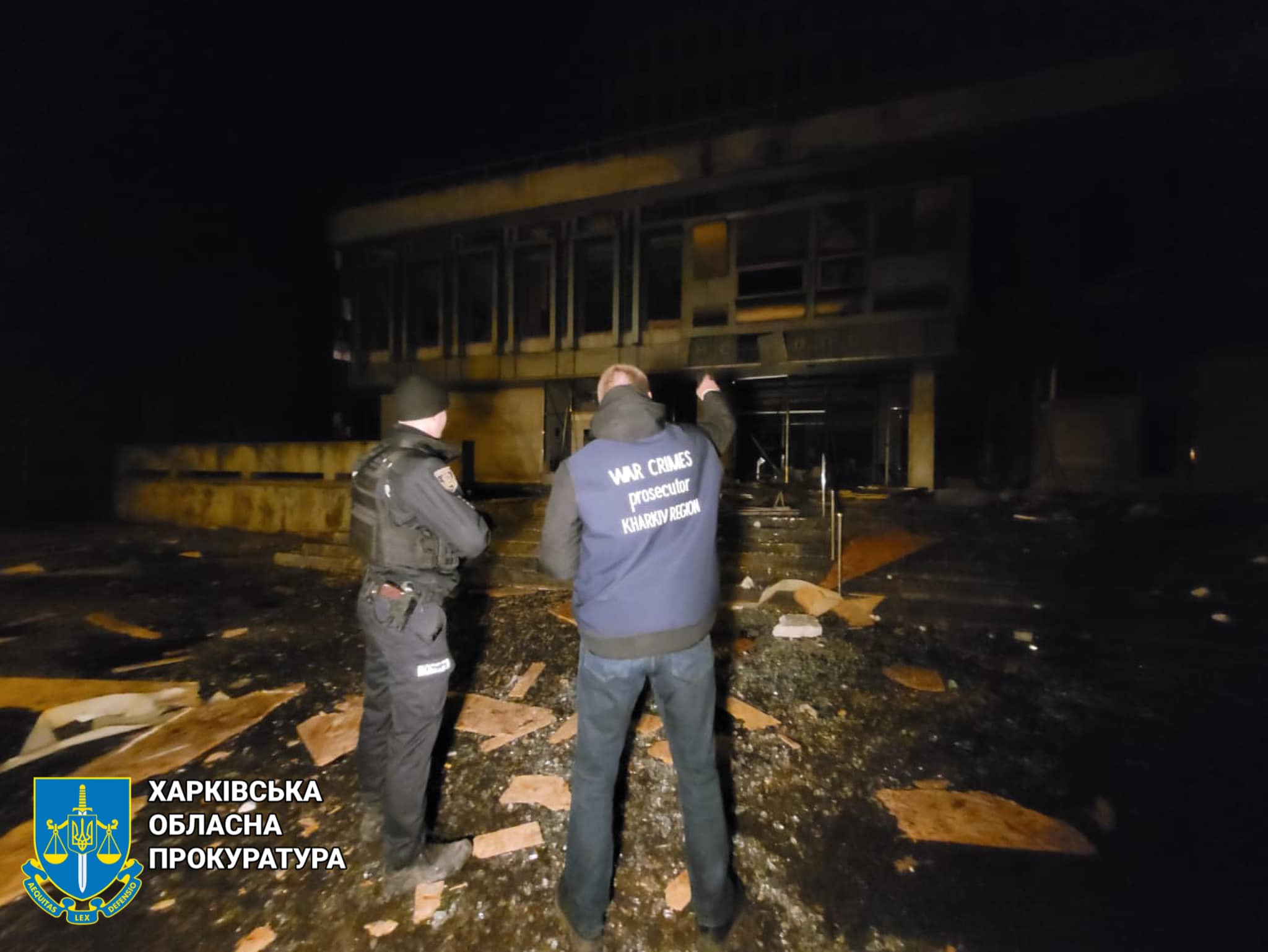
The buildings of the complex were significantly damaged as a result of Russian missile strikes on 3 March 2022 and 31 December 2023.

- "Noah's Ark" - 21.10.2026
- Blackie’s House on Maksymilianivska St - 19.10.2026
- Danylevs’koho Street, 19 - 13.10.2026