The “Э” family of locomotives (“Э” pronounced like the ‘e’ in “bed”) is the most produced steam locomotive in the world. Between 1912 and 1957, more than 11,000 locomotives of various series (Э, Эш, Эг, Эу, Эм, Эр) were built, all of which were based on a single design developed in 1909 by the Polish railway engineer Wacław Łopuszyński. The locomotive was originally designed for the Vladikavkaz Railway and was manufactured at numerous plants, including the Kharkiv Locomotive Plant (now the Malyshev Plant). During World War I, from 1915 to 1917, the Kharkiv Locomotive Plant produced 243 locomotives of this type and continued to manufacture its modifications from the 1920s until 1935.
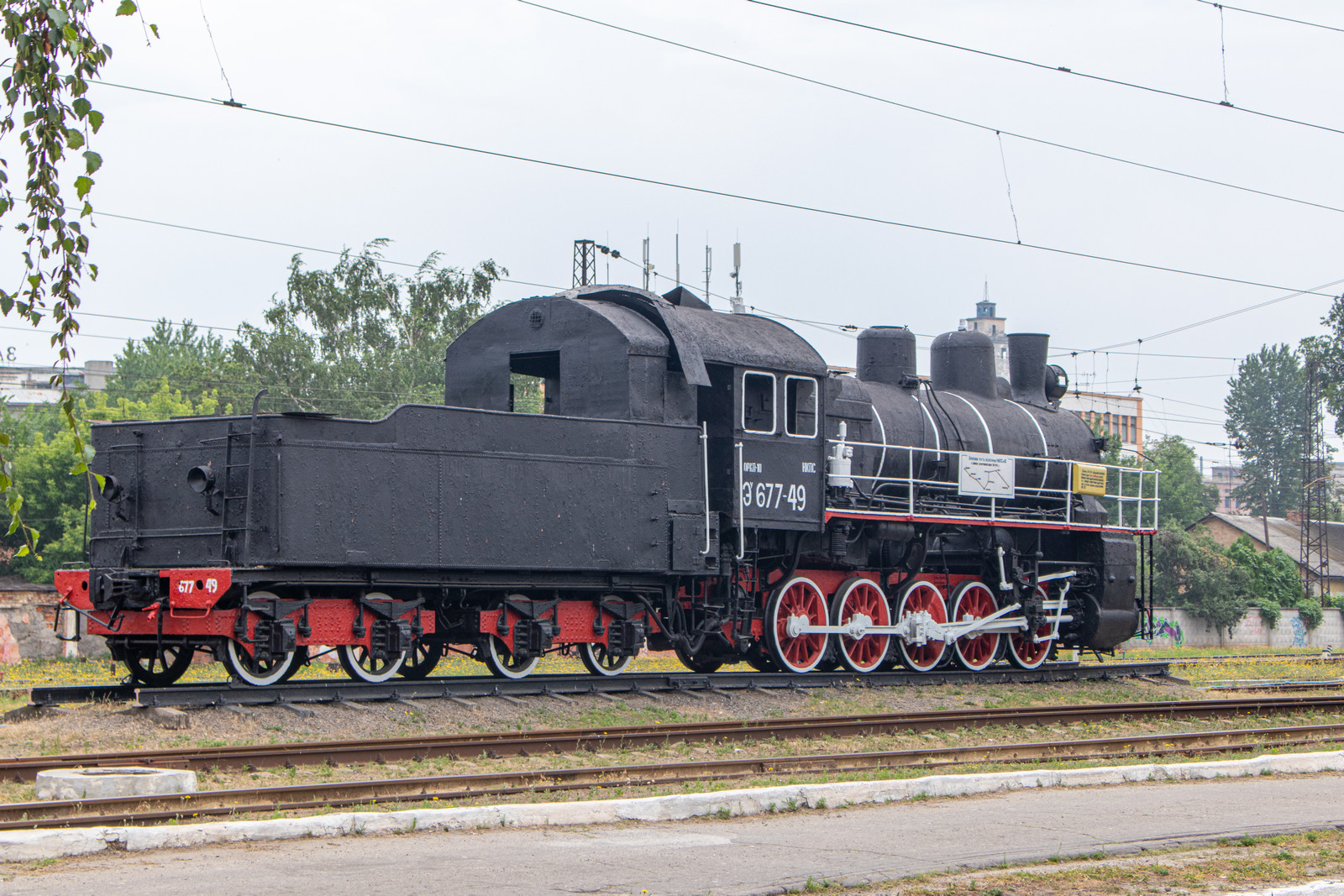
The oldest historic steam locomotive in Kharkiv is located at the Kharkiv-Glavnoe depot. This locomotive, designated Эу 677-49, was manufactured in 1926 at the Kharkiv Locomotive Plant.
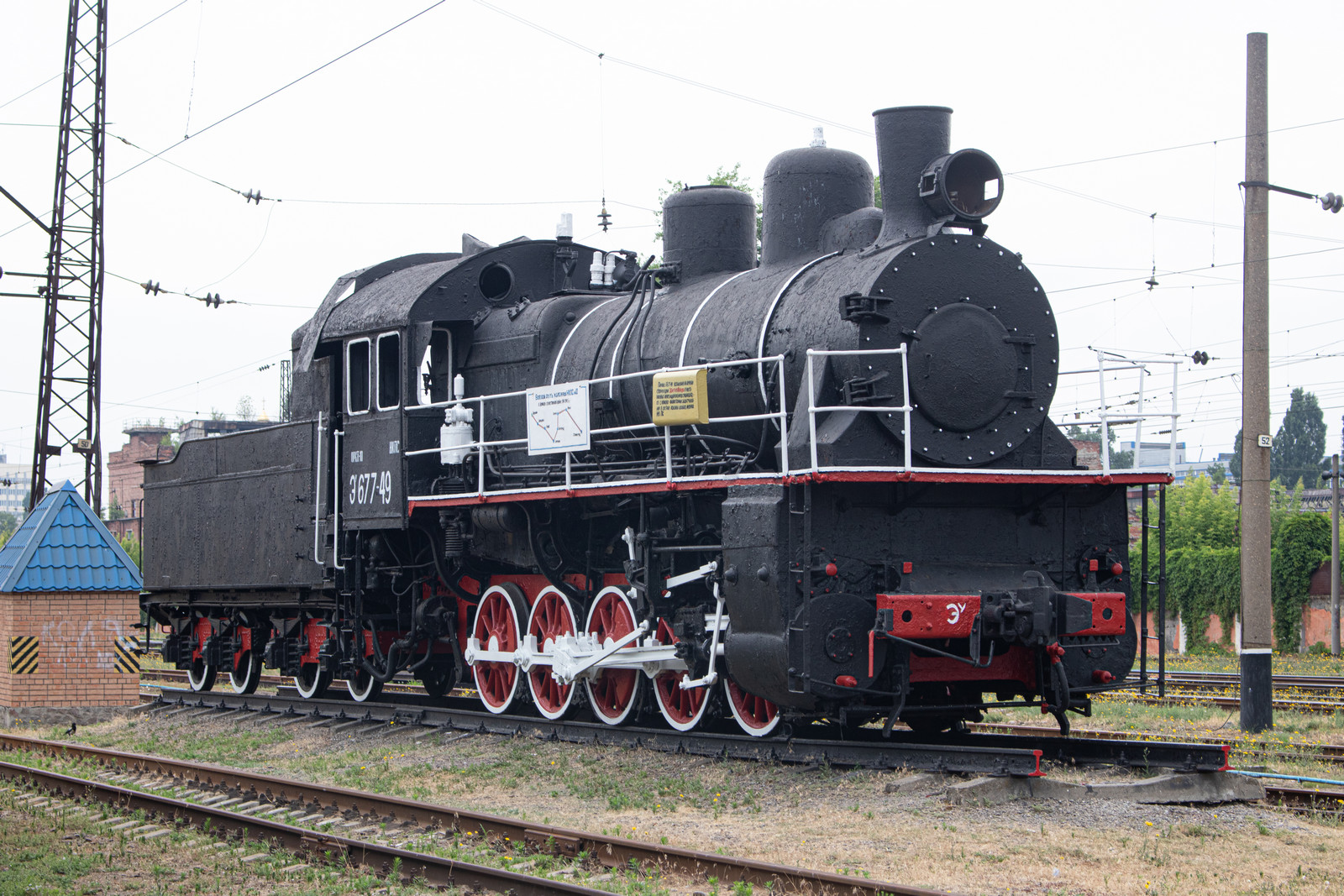
During World War II, in February 1943, this locomotive hauled a train carrying the captured Field Marshal Paulus and other German officers. During the Battles of Stalingrad and Kursk, engineer Nikolai Kutepov used it to transport cars loaded with ammunition, fuel, and troops, for which he was awarded the title of Hero of Socialist Labor.
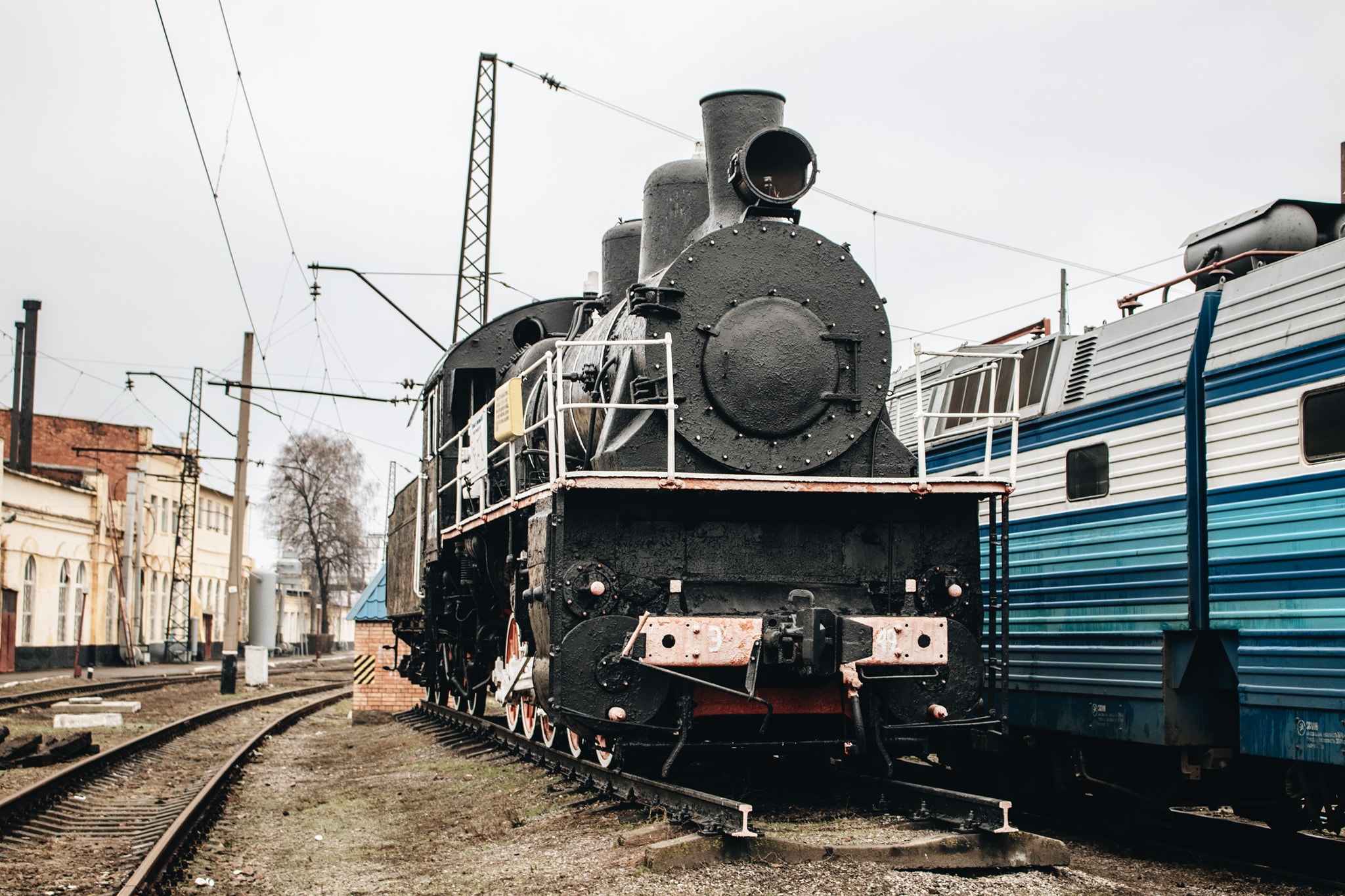
The locomotive was placed on a pedestal in 1975.
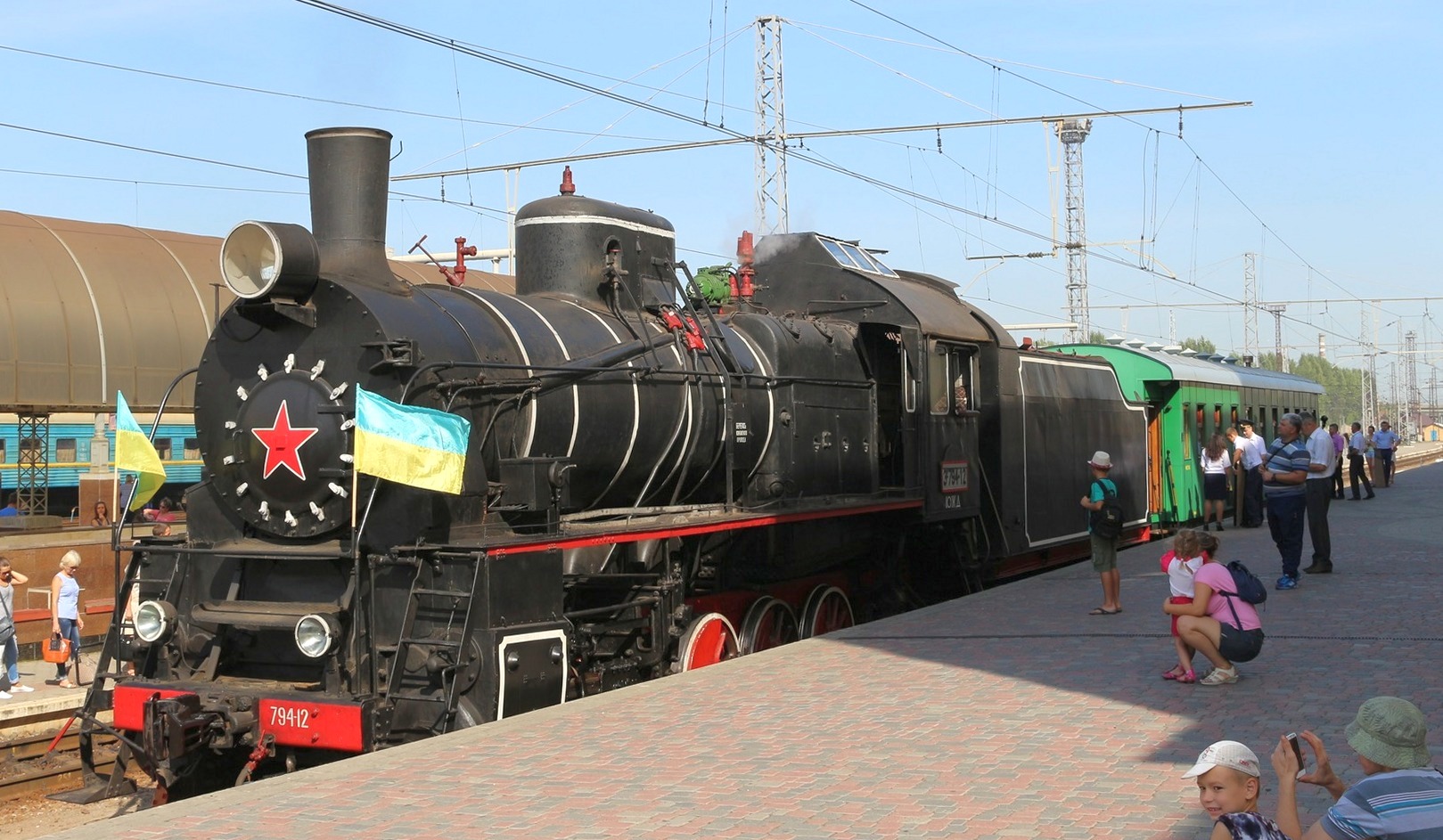
There is also a working Эр 794-12 in Kharkiv, which runs on holidays.
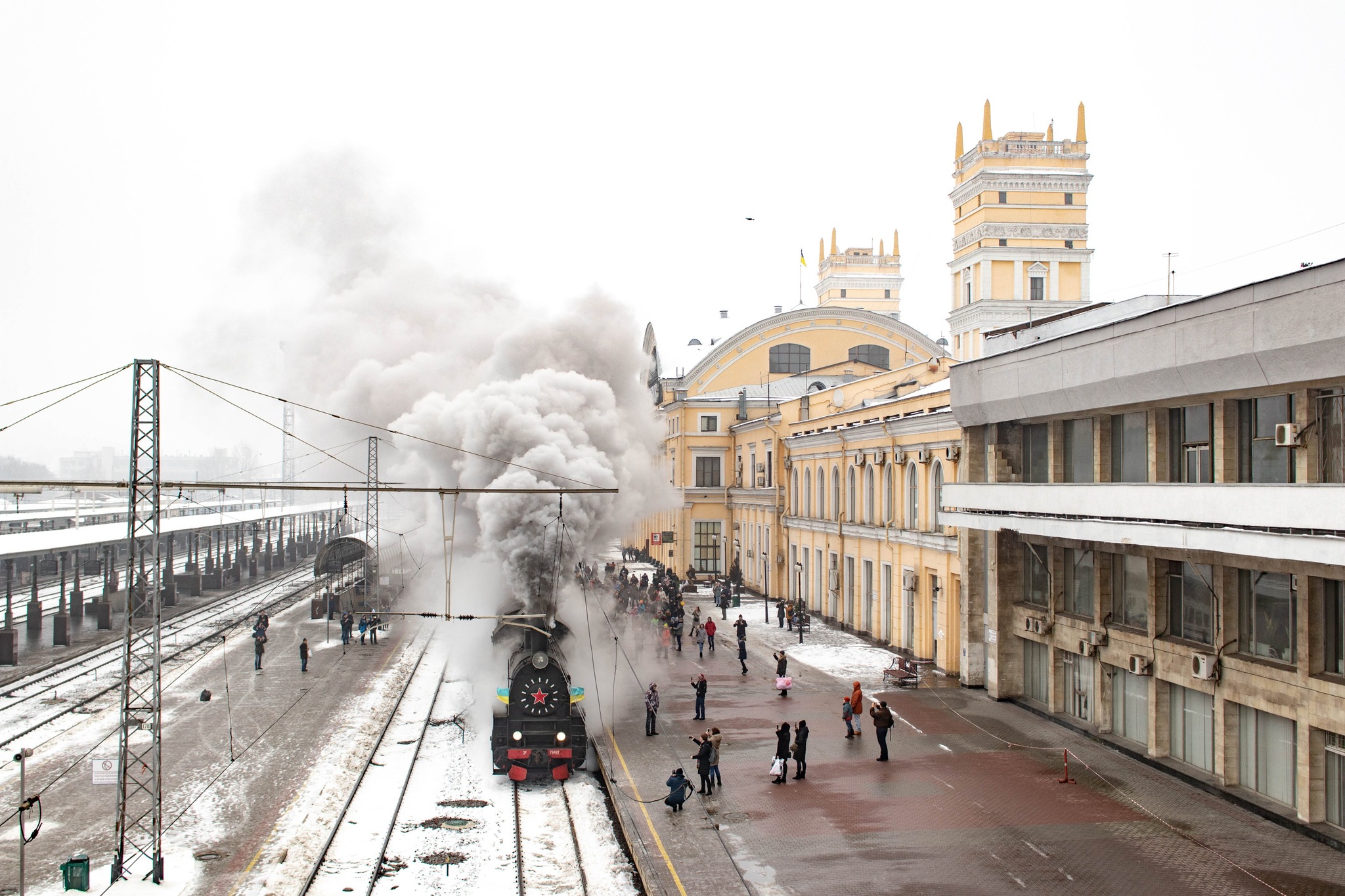
It was manufactured in Poland in 1954 at the Cegielski factory (Poznań).
The youngest member of the Э series in Kharkiv is the Эр 774-40 steam locomotive shown in the photo below.
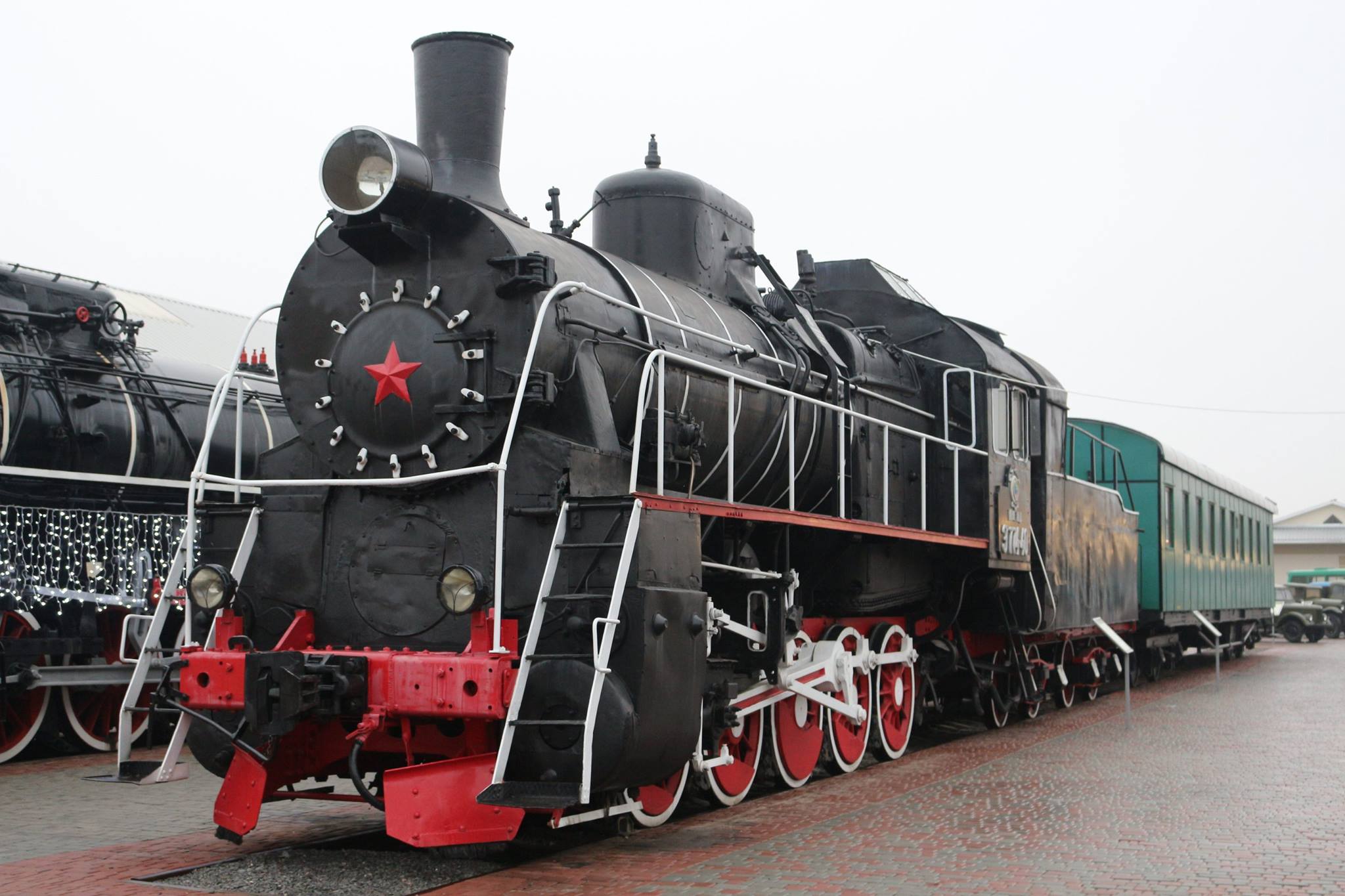
It was manufactured in Hungary at the MAVAG factory in 1955 and was in service with the Southern Railway until 1979. Today, this veteran locomotive is on display at the Southern Railway Museum near Kharkiv Railway Station.

- Debunking the myth about one of the most famous Kharkiv photos - 12.10.2026
- The Architectural Evolution of the Kharkiv Theater - 26.09.2026
- 1st Kharkiv Gymnasium - 17.09.2026